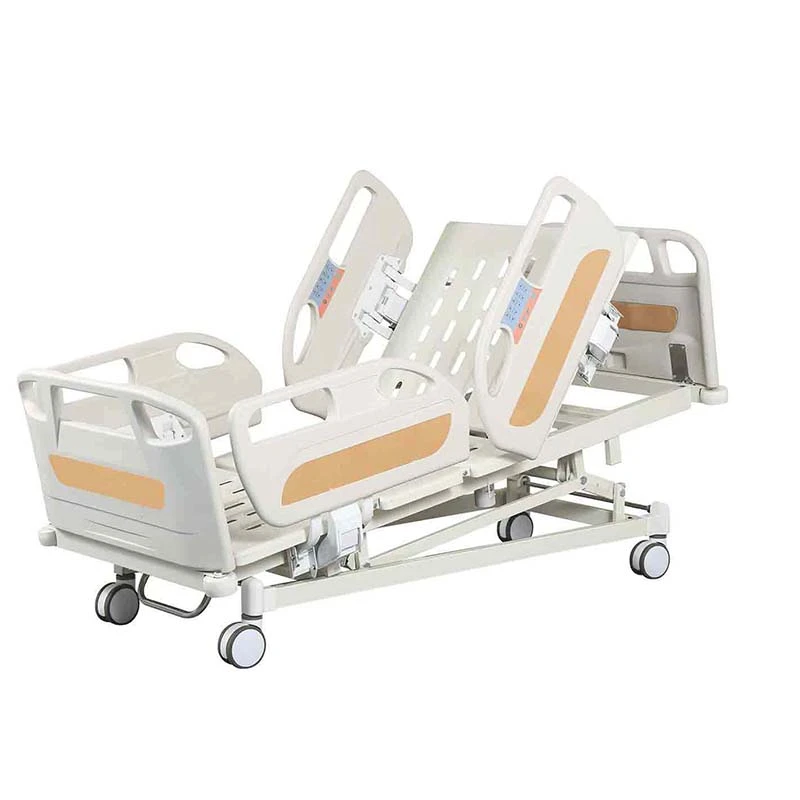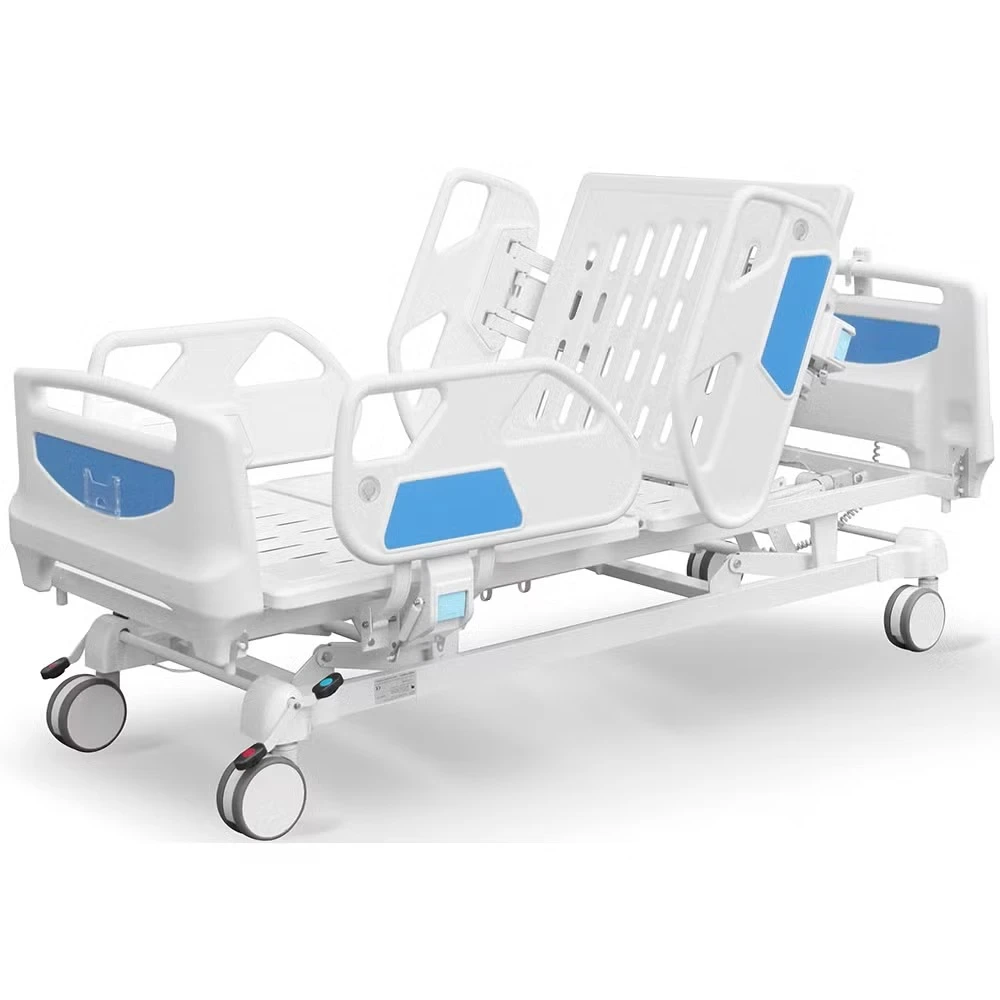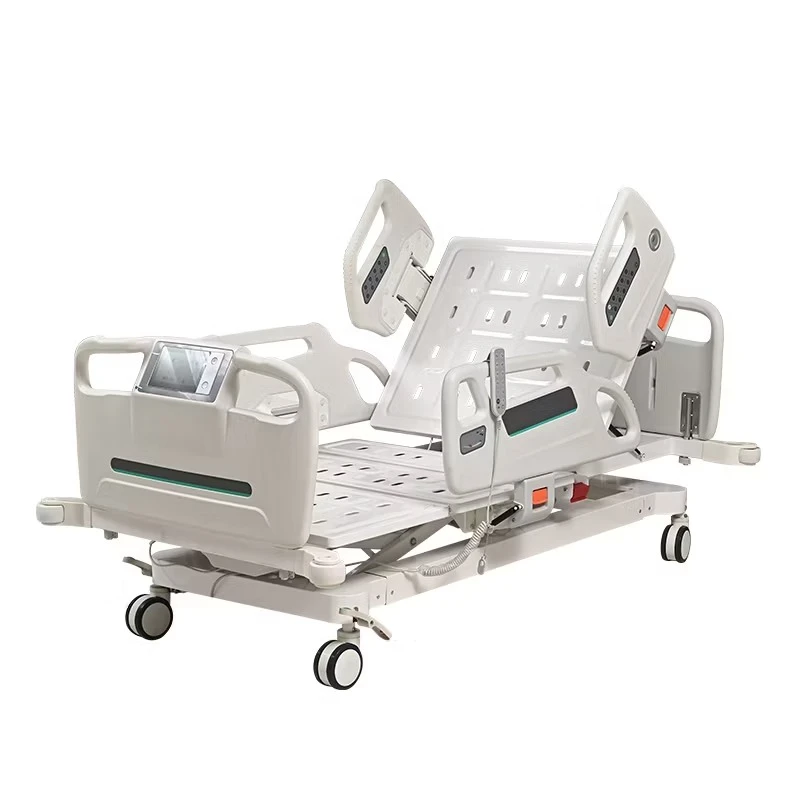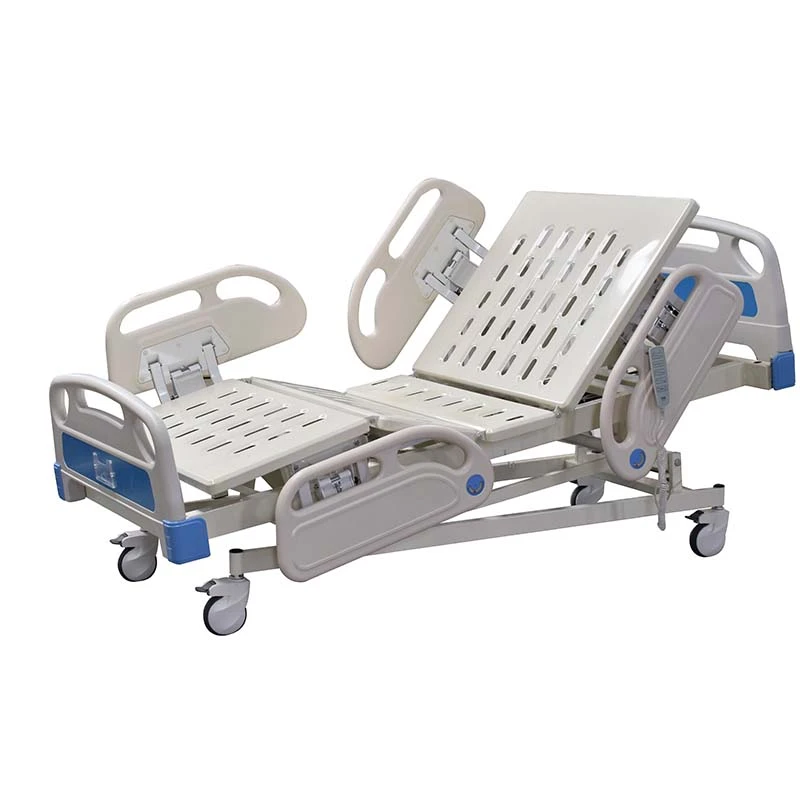
Comprehensive Guide to Hospital Bed Measurements — Standards & Applications
Why Hospital Bed Measurements Matter Globally
Hospital bed measurements may not be the first thing that springs to mind when we think about healthcare, but their importance couldn’t be clearer in the global context. From ensuring patient comfort to optimizing hospital space planning, understanding exact dimensions brings significant health, operational, and humanitarian benefits worldwide.
Consider this: the World Health Organization estimates that by 2030, global demand for hospital beds will rise sharply, driven by aging populations and escalating chronic illnesses. That demand isn’t just about numbers but about matching the right beds with infrastructure capable of supporting them — beds not too large for narrow corridors, not too small to compromise care.
By mastering hospital bed measurements, medical facilities improve safety, enhance patient dignity, and streamline logistics — whether in big city hospitals or temporary clinics set up after natural disasters.
The Global Landscape: Challenges and Context
Modern healthcare systems rely heavily on standardized equipment that adheres to exact specifications. Enter hospital bed measurements — a foundational aspect often overlooked outside procurement teams. According to ISO standards (ISO 60601-2-52 for medical beds), consistent dimensions ensure interoperability with lifts, doorways, and other medical devices.
But here's the catch: many institutions, especially in low-resource regions, battle with mismatches where beds don’t fit the rooms or patients face discomfort due to undersized beds. The UN’s health facility guidelines emphasize this issue as a factor that directly influences patient outcomes and staff efficiency.
So, while it might feel like a mundane technical detail, hospital bed measurements are a silent force shaping health care delivery worldwide.
What Exactly Are Hospital Bed Measurements?
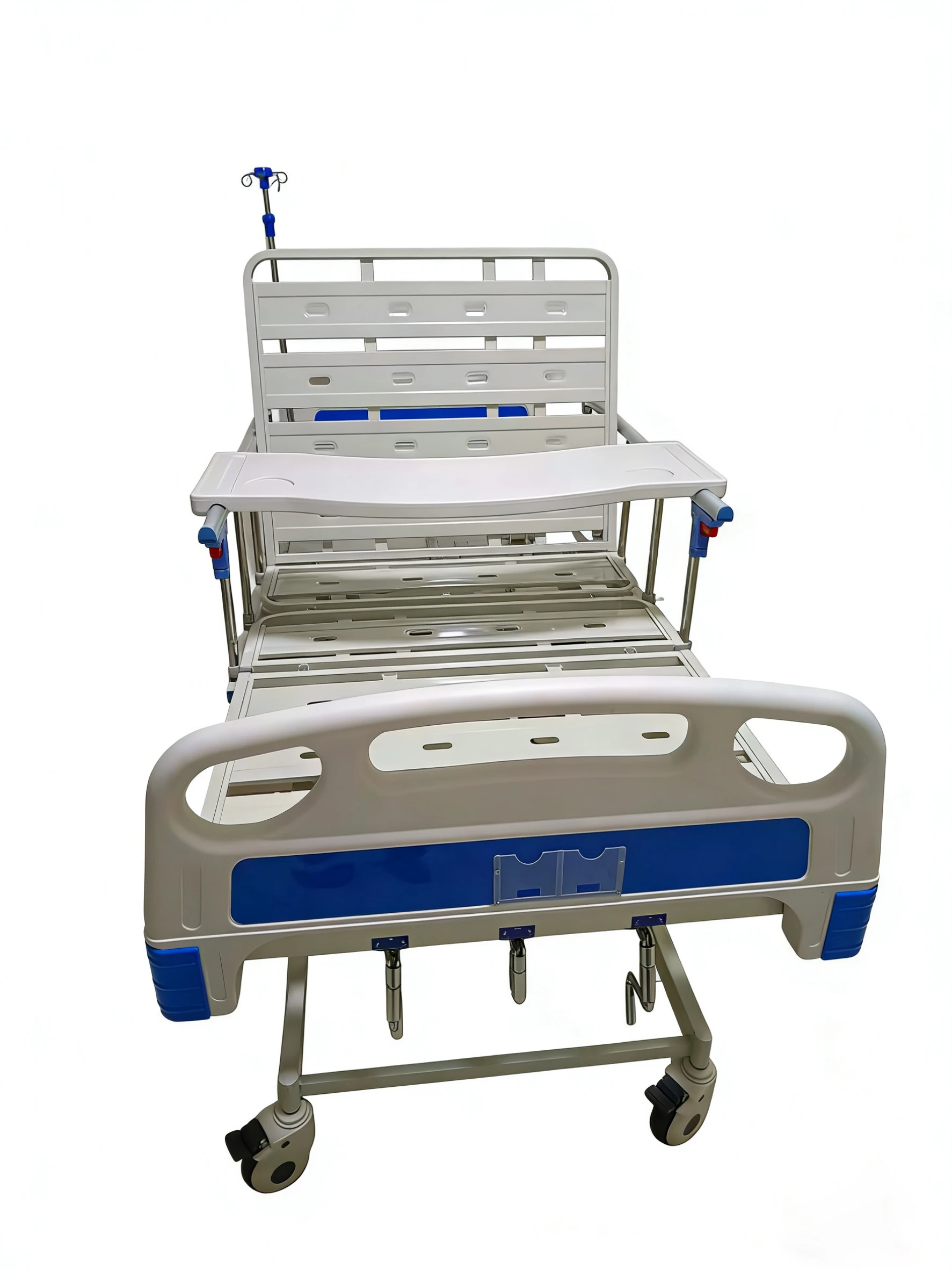
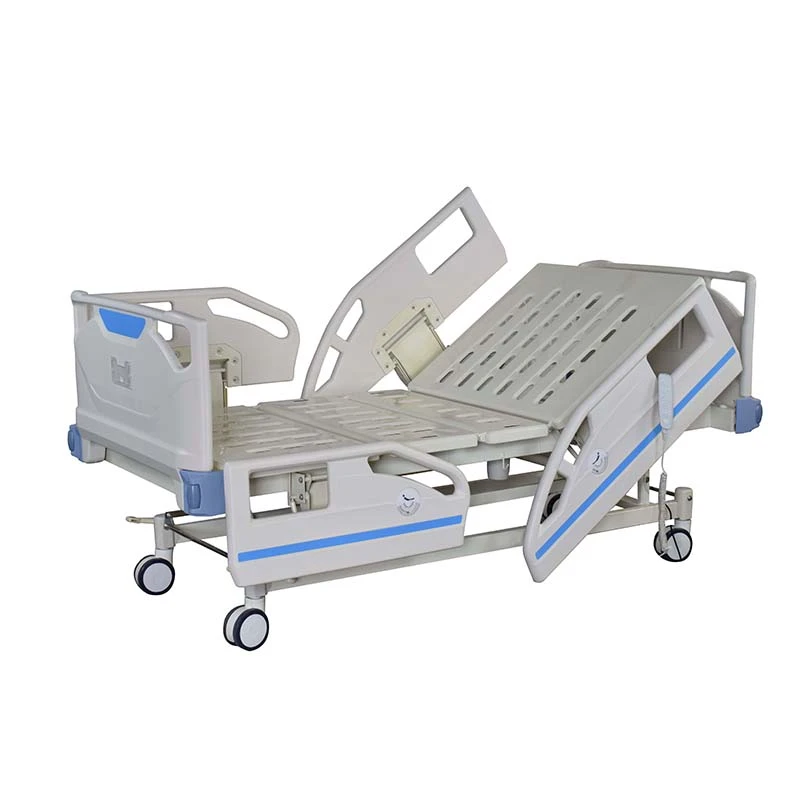
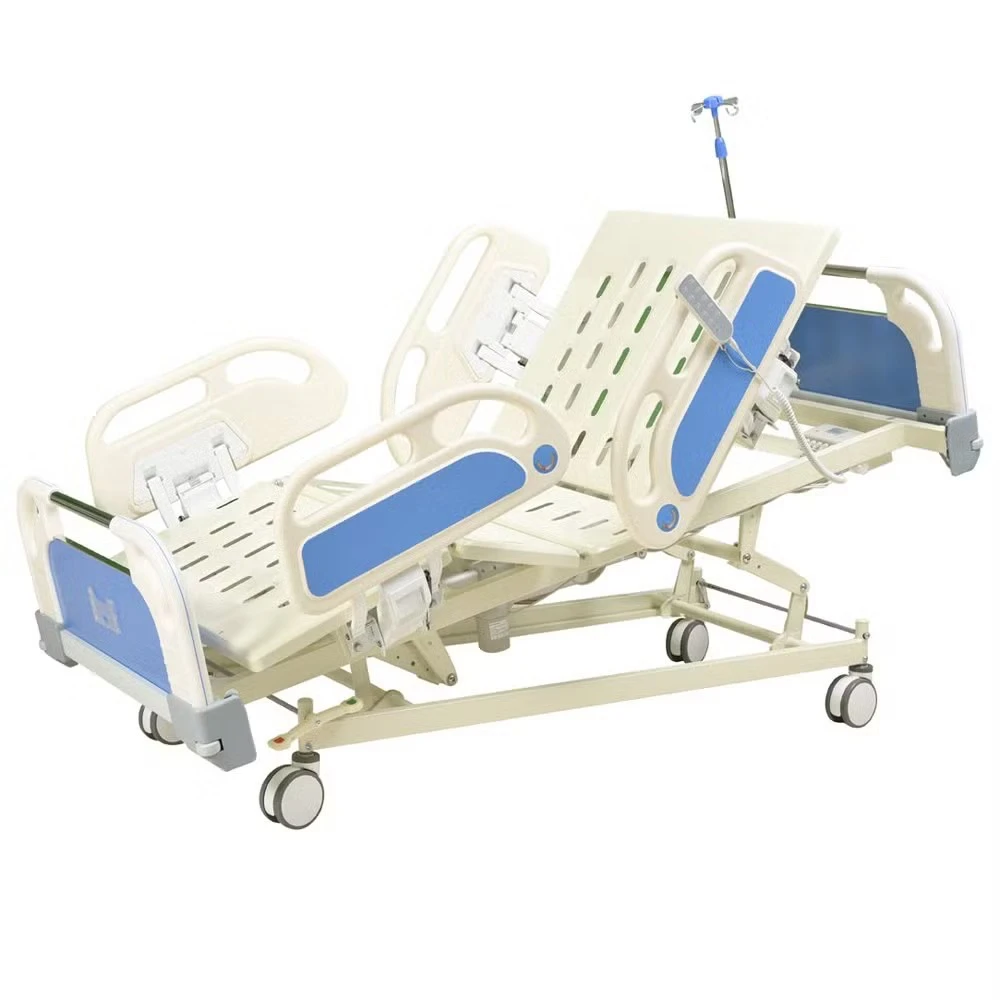
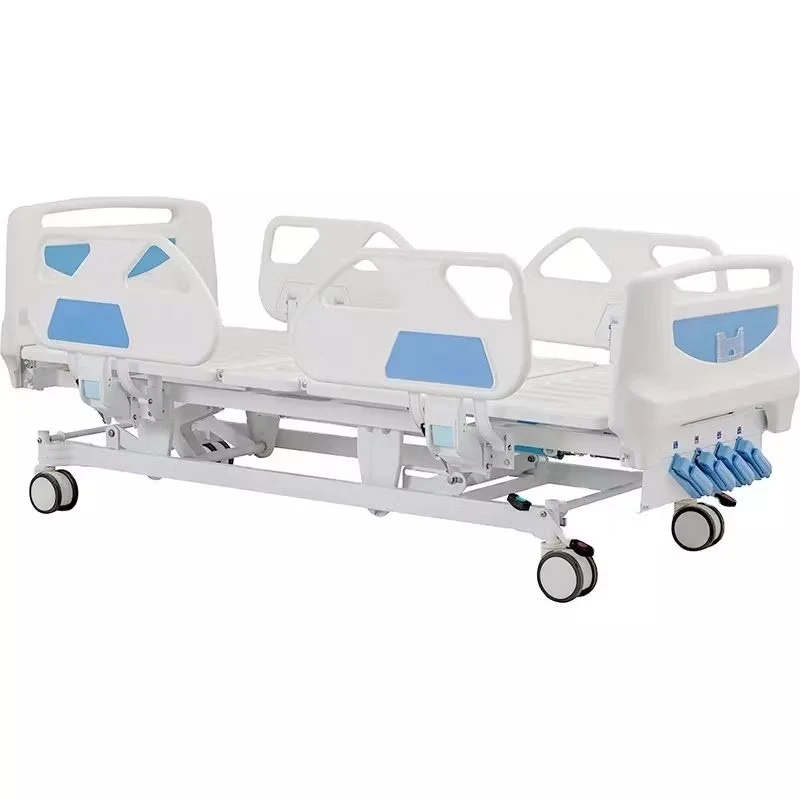
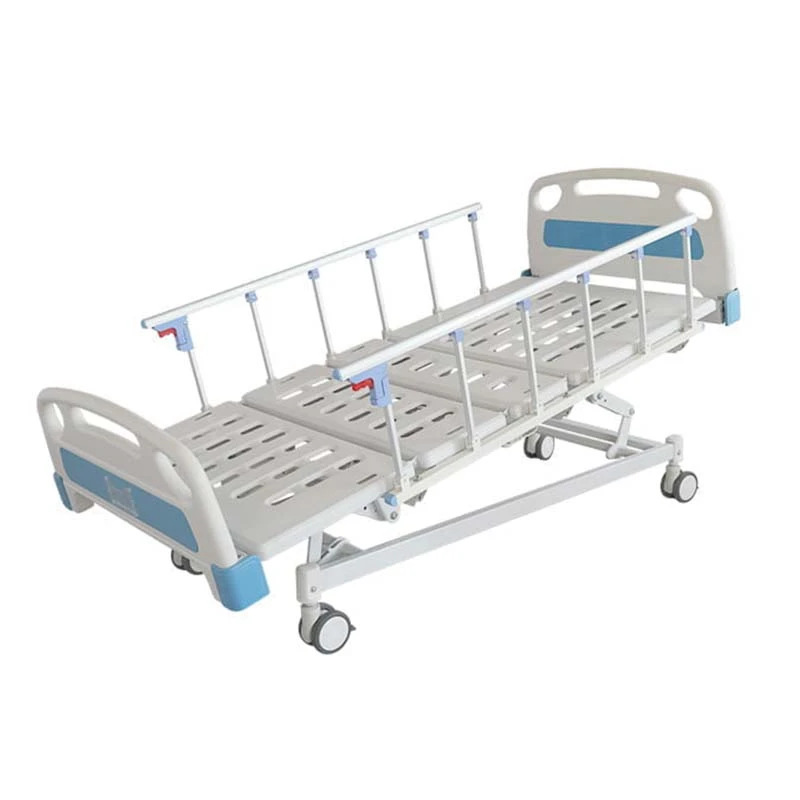
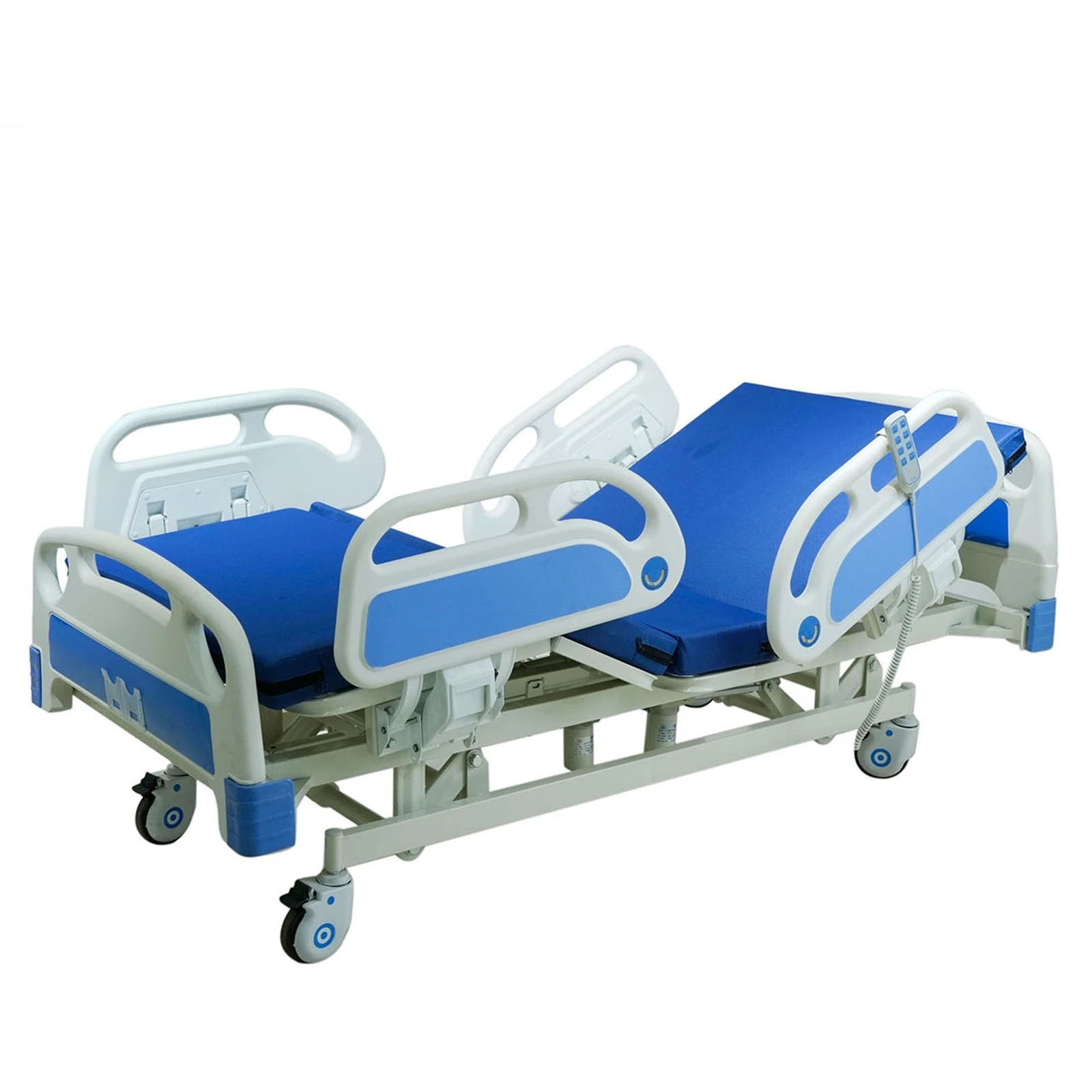
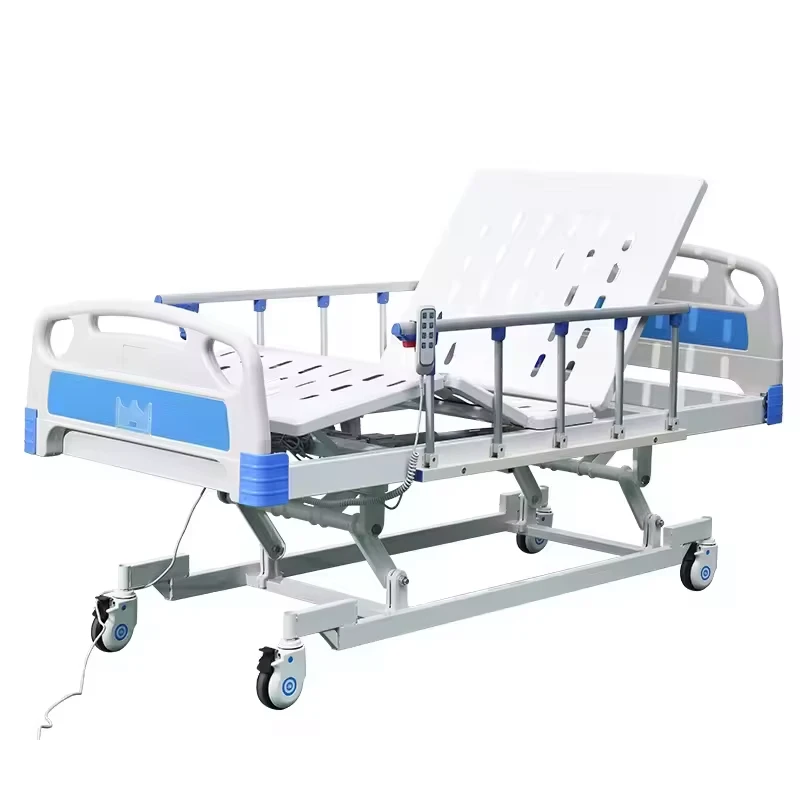
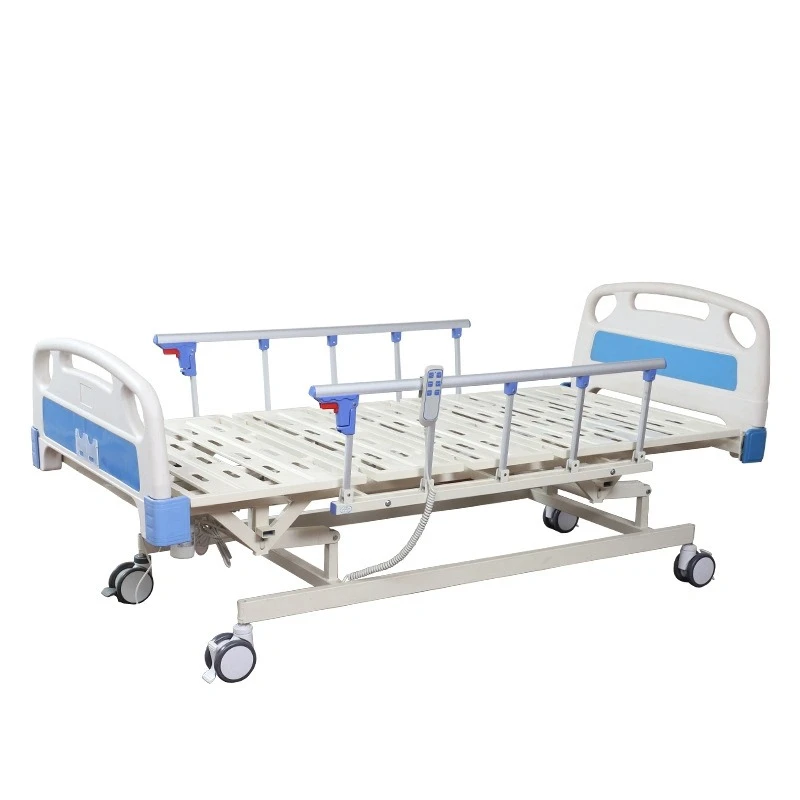
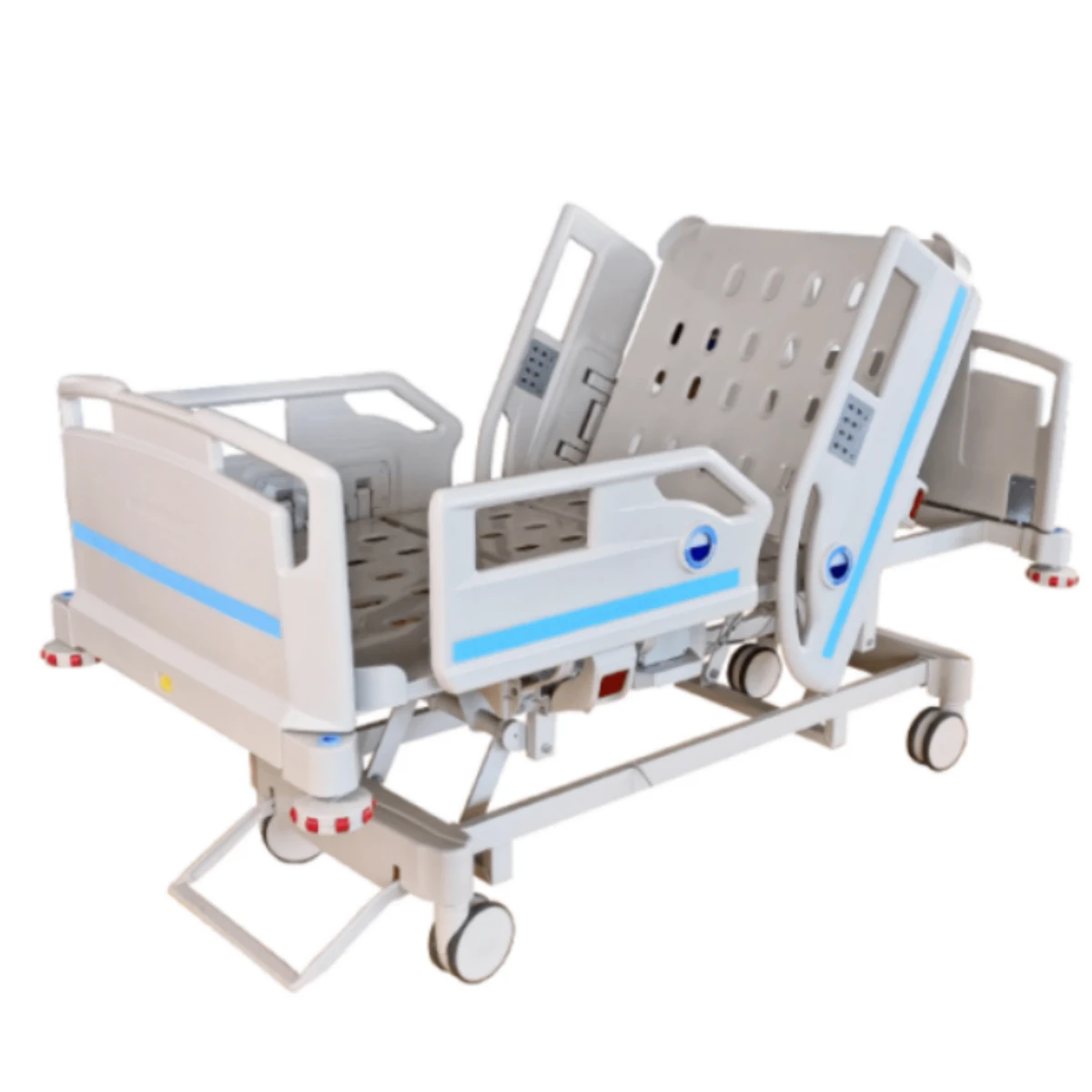
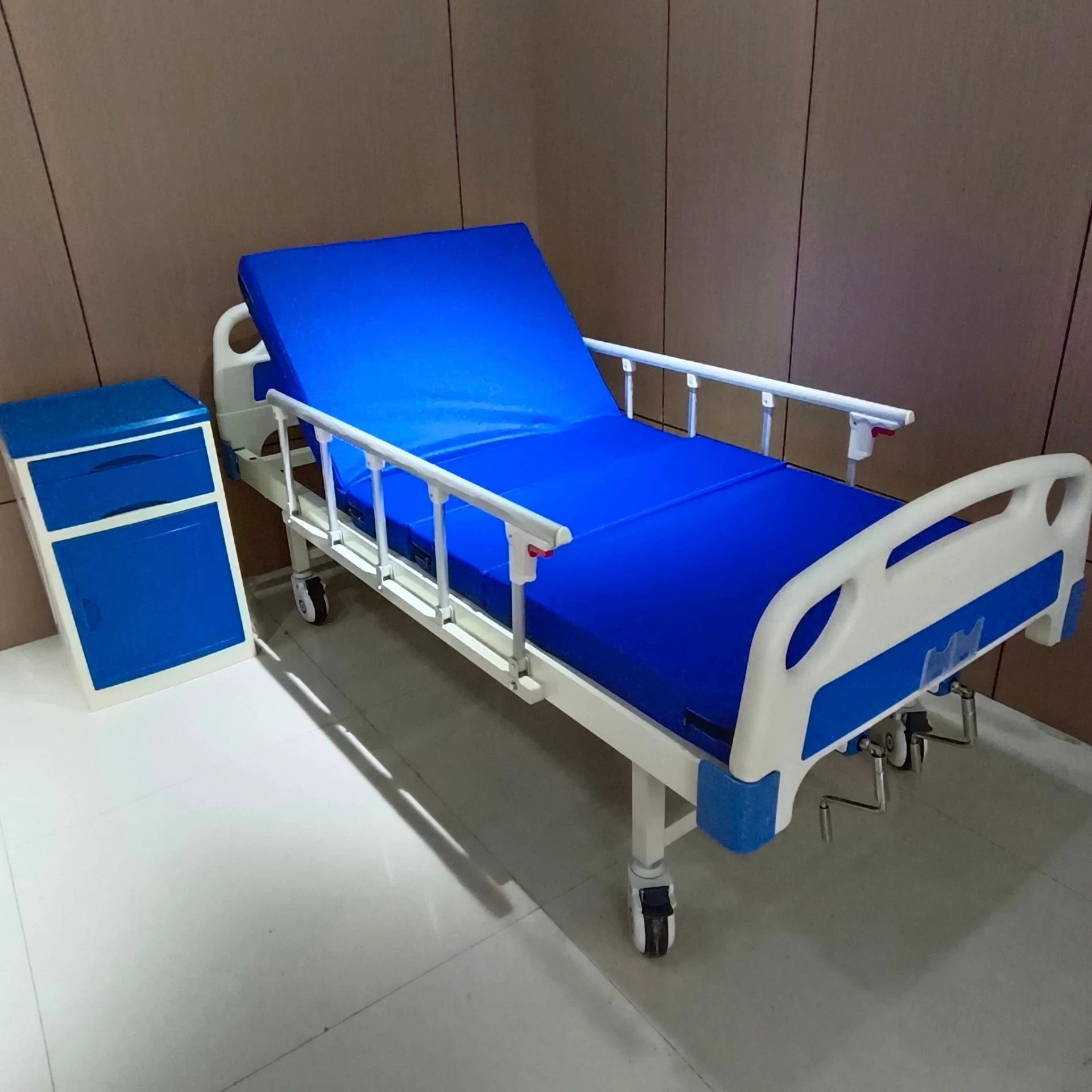
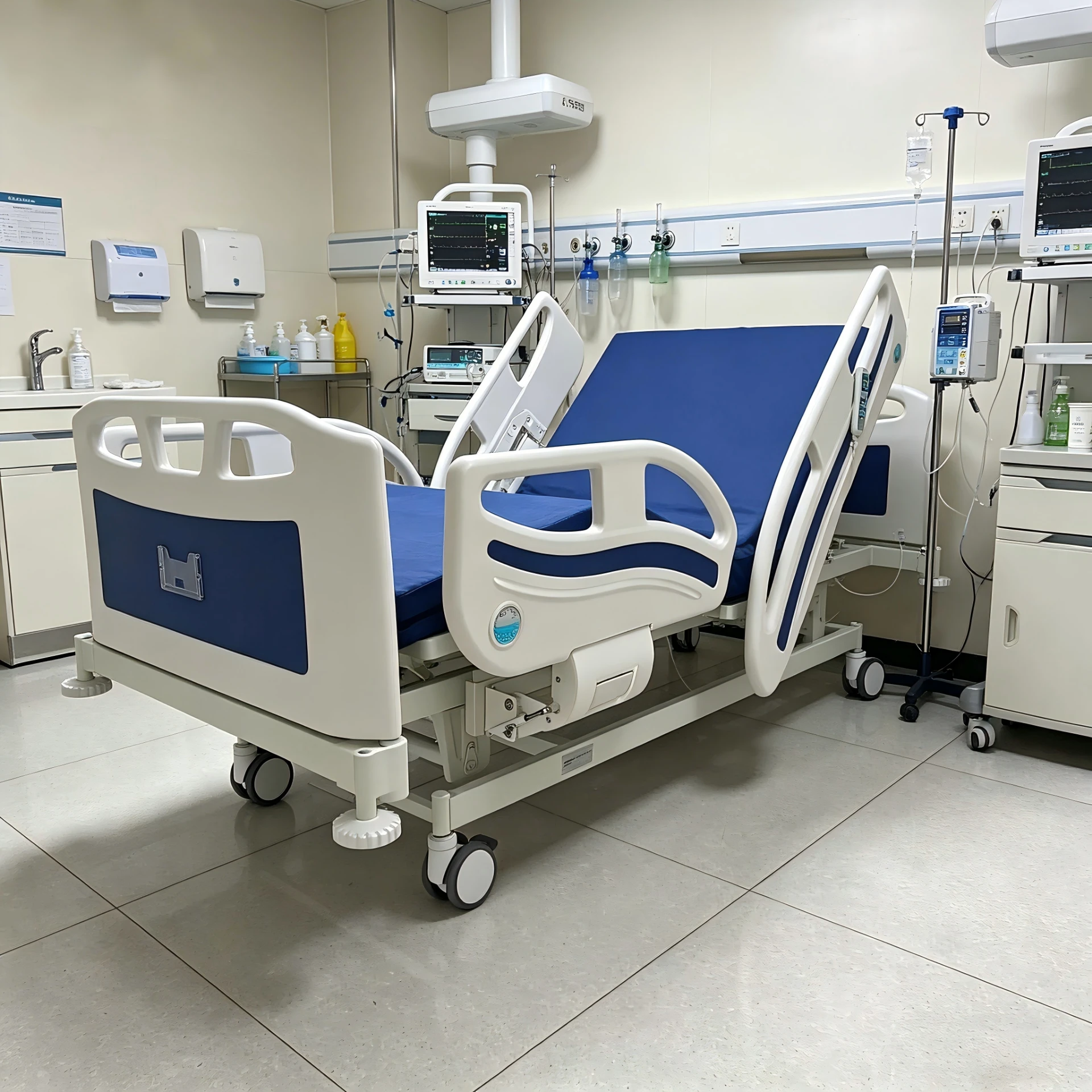
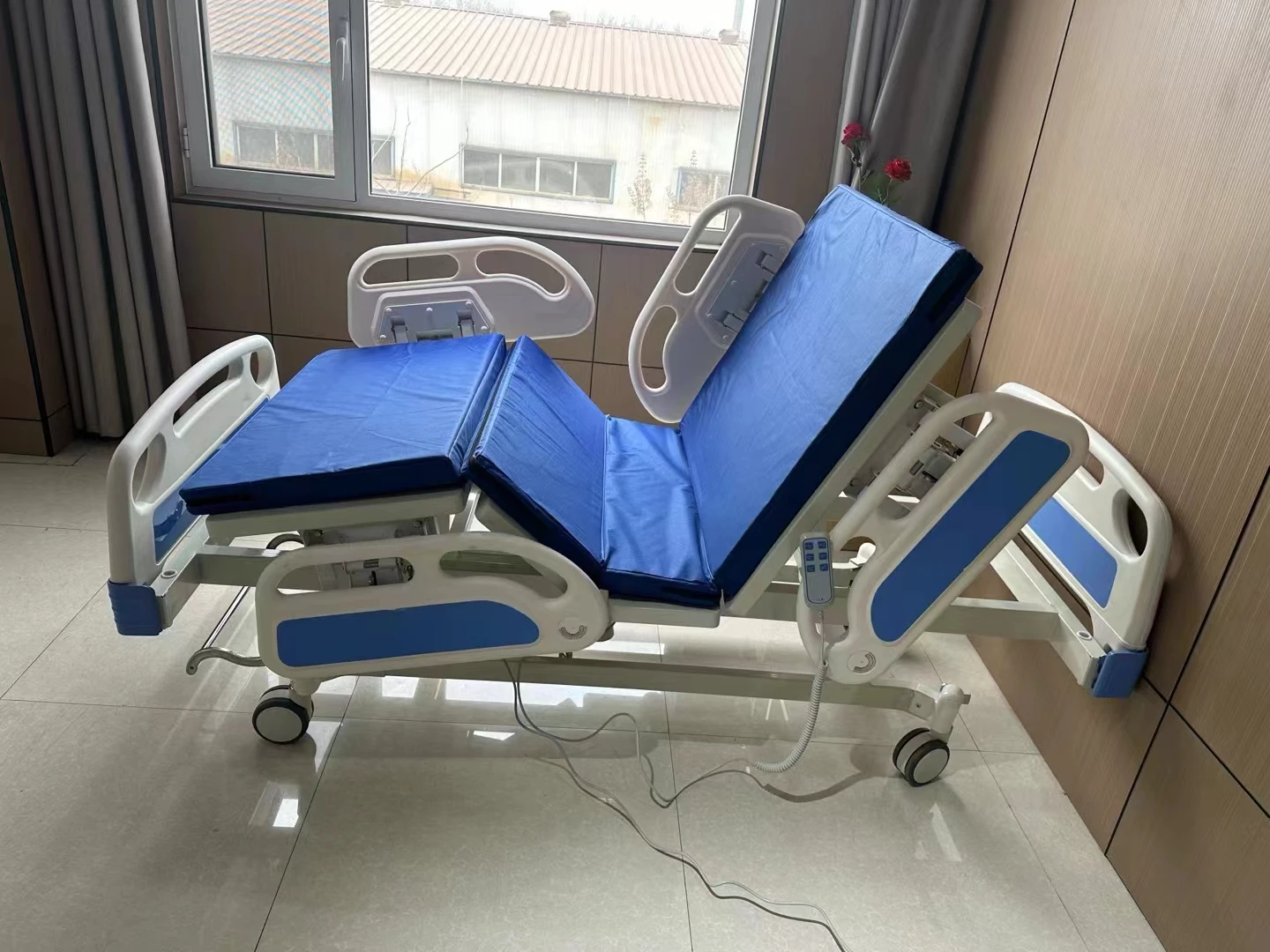
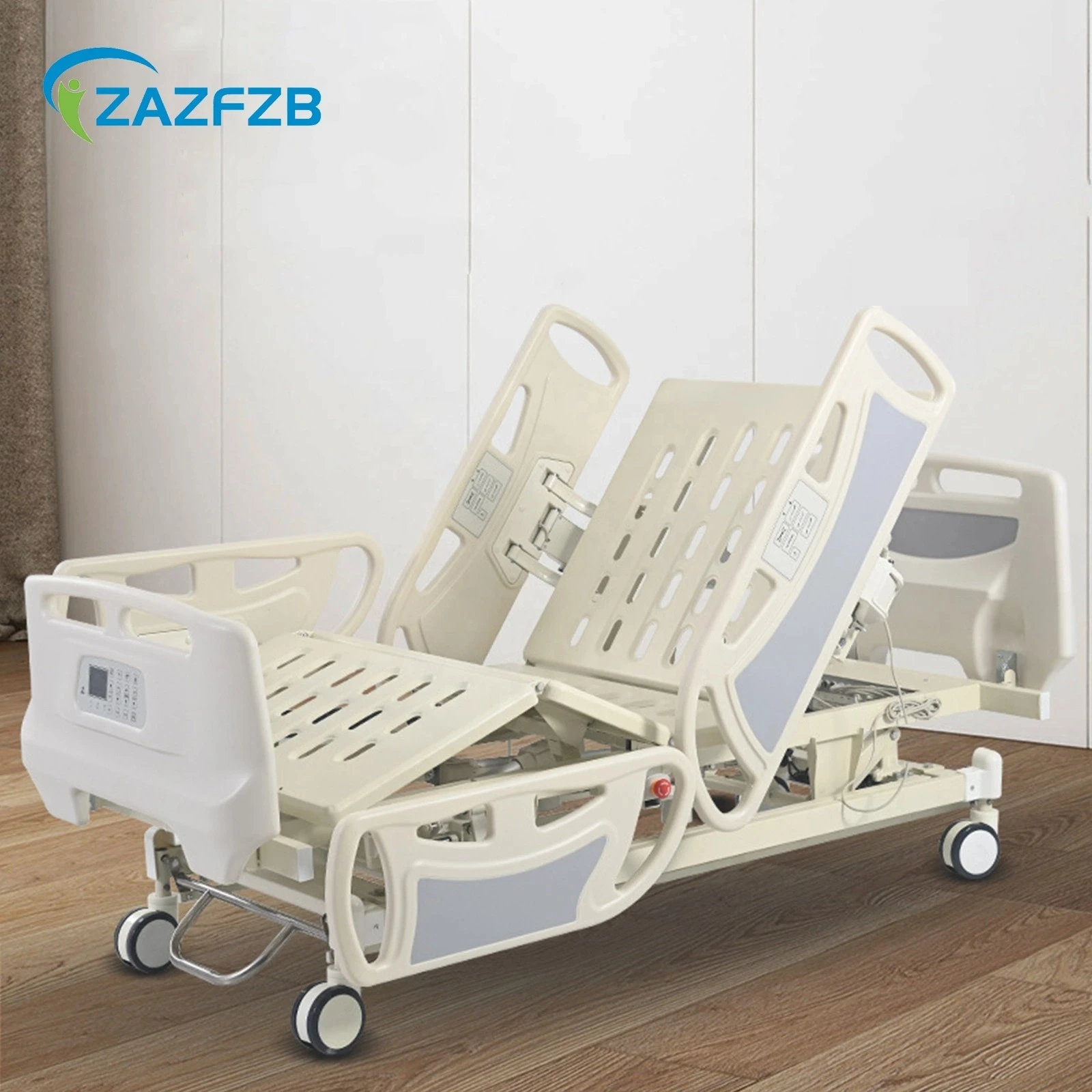
Put simply, hospital bed measurements refer to the physical dimensions of beds used in medical facilities — including length, width, height, mattress size, and clearance space needed for side rails or accessories. It’s about more than just a number on a blueprint: these measurements account for patient mobility, emergency access, and compatibility with medical equipment.
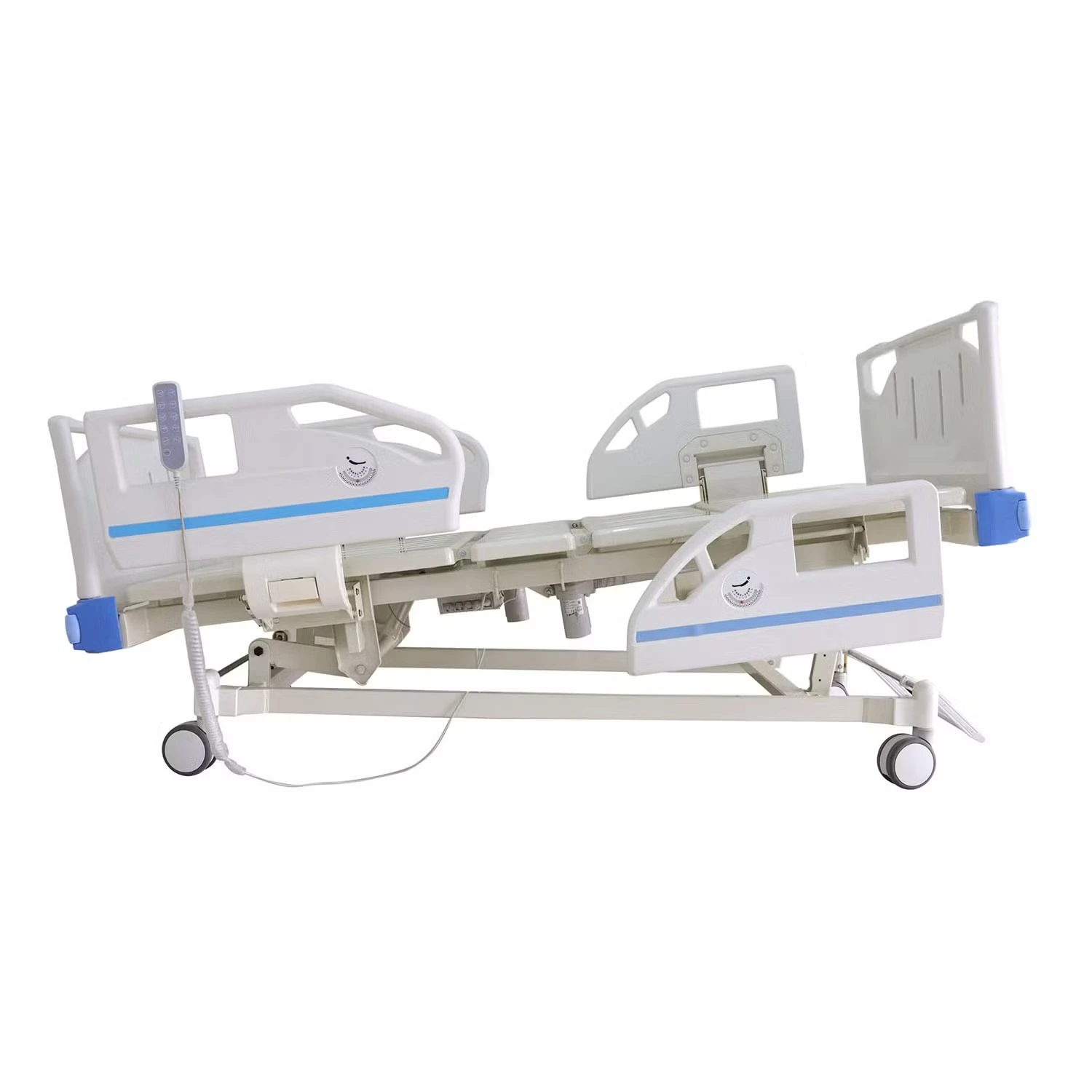
For example, the standard hospital bed length may range between 1900mm to 2100mm, but certain specialty beds require longer or adjustable frames. Plus, the height can often be modified to facilitate patient transfers or prevent falls — a subtlety that relies on understanding starting bed measurements.
Interestingly, these measurements also tap into the humanitarian sector where rapid deployment of beds during crises requires strict adherence to standards to speed up setup and ensure safety.
Core Factors Behind Hospital Bed Dimensions
1. Patient Comfort and Safety
Dimensions must accommodate a range of patient sizes and medical needs. Too narrow or short, and the patient risks injury or discomfort. Beds usually come with side rails, adjustable heights, and proportions that consider patient ergonomics.
2. Durability and Material Considerations
Bed frames and mattresses have to be robust enough to last years under harsh cleaning regimes yet flexible enough for different configurations. Materials like reinforced steel and medical-grade plastics shape the baseline measurements, with modular elements adding complexity.
3. Space Optimization—Scalability in Facilities
Hospitals and clinics operate in tight spaces; beds must be compact yet functional. Knowing the exact measurements ensures beds fit through doorways, elevators, and corridors efficiently. This matters sharply in retrofitting older facilities or mobile clinics.
4. Cost Efficiency and Logistics
Transporting and storing hospital beds is expensive. Uniform dimensions help streamline shipping and packaging. Costs can balloon if beds require specialized freight services due to awkward sizes.
5. Compliance & Interoperability
Adhering to international and local standards (e.g., ISO, ASTM) may dictate minimum and maximum measurements. This standardization simplifies integration with hoists, patient monitors, and bedding accessories.
6. Adaptability for Specialized Needs
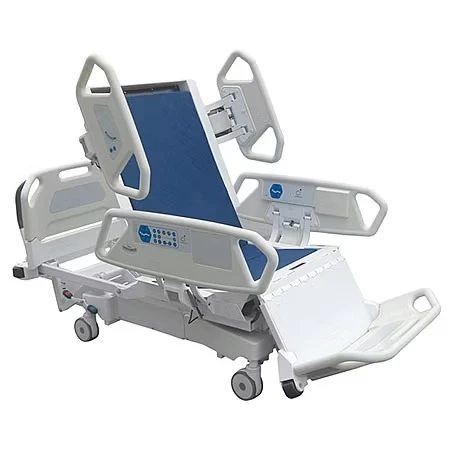
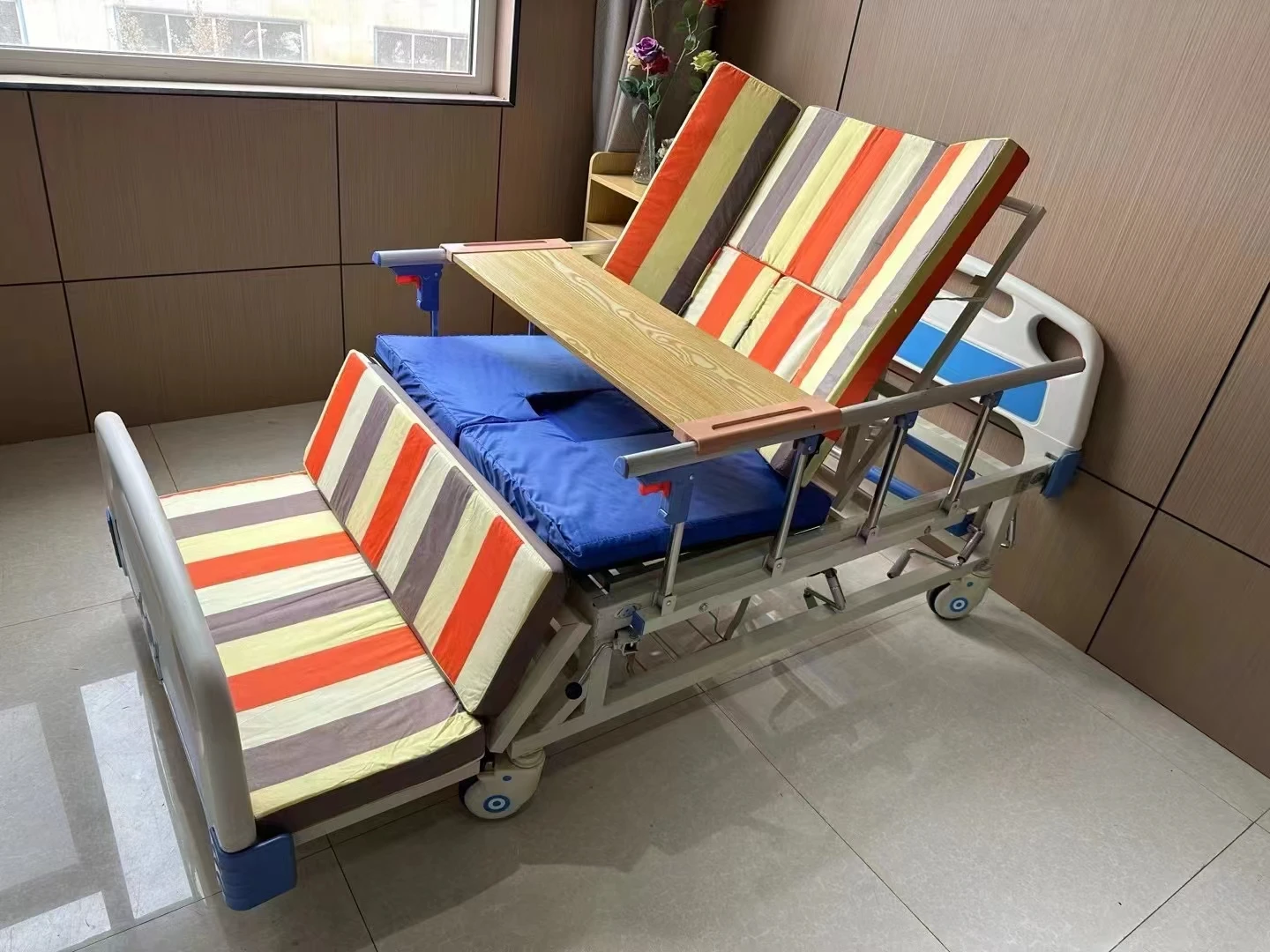
Whether it’s pediatric wards, bariatric beds, or ICU settings, different use cases demand tailored measurements. Adjustable segments and removable parts enable this flexibility without sacrificing core standards.
Mini Takeaway
Understanding the multiple facets behind hospital bed measurements reveals a complex dance between safety, utility, and economics — all critical to successful healthcare delivery.
Hospital Bed Measurements in Real-World Applications
The application of correct bed measurements stretches from state-run hospitals in urban centers to remote humanitarian aid operations. For instance:
- Disaster Relief: Organizations like Médecins Sans Frontières rely on beds that meet strict measurement criteria for rapid deployment during natural calamities.
- Rural Clinics: In sub-Saharan Africa, bed sizes must account for narrow facility spaces and diverse patient demographics.
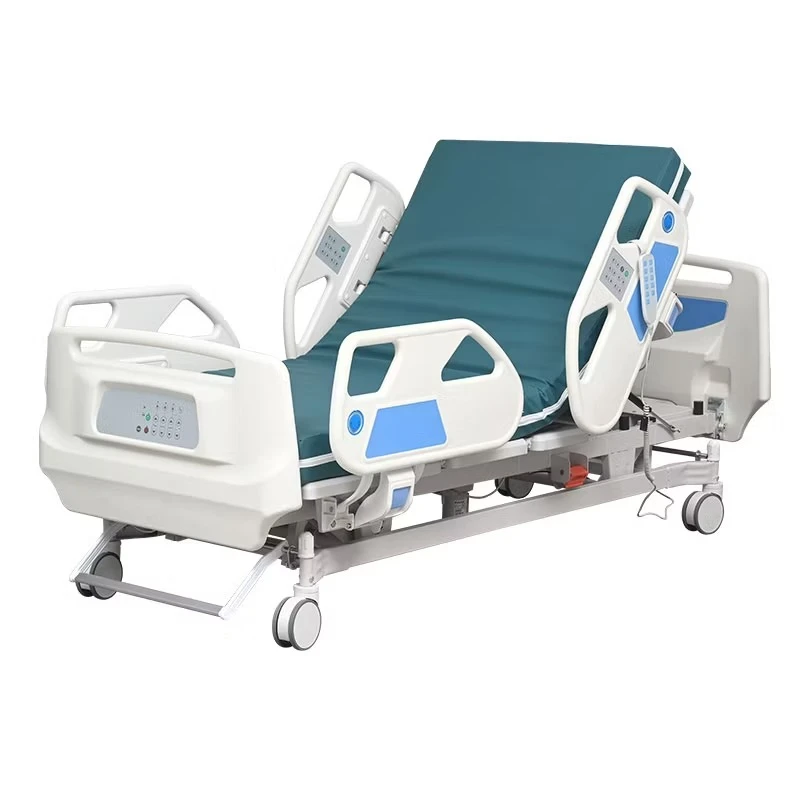
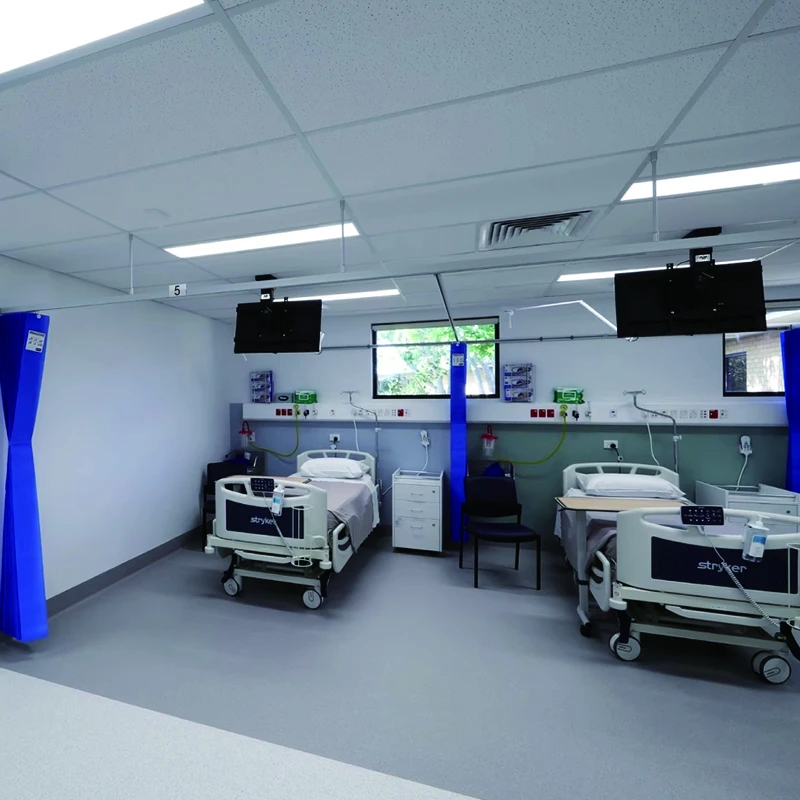
- Modern Hospitals: Facilities in Europe and North America feature beds with advanced adjustable frames, requiring precise measurements for integration with digital systems.
Oddly, even in technologically advanced hospitals, there’s often tension between standardization and customization—a reminder that no measurement fits "all" in a literal sense.
Typical Hospital Bed Specifications
| Specification | Standard Range | Notes |
|---|---|---|
| Length | 1900mm - 2100mm | Adjustable in some models for patient size |
| Width (Frame) | 900mm - 1000mm | Wider for bariatric or ICU beds |
| Height (adjustable) | 400mm - 700mm | Crucial for patient transfer safety |
| Mattress Size | 1800mm x 900mm | Foam or pressure-relief variants common |
| Clearance for Rails/Accessories | 100mm - 150mm | Allows for safety rails and side attachments |
Advantages and Long-Term Value of Accurate Measurements
Why bother with all this precision? For one, accurate bed sizing minimizes the risk of falls and injuries—so many clinicians swear by adjustable height features to reduce strain on both patients and caretakers.
There’s a dignity aspect too: sizing beds appropriately signals respect for patient individuality, a subtle but profound benefit often overlooked. Also, standardizing hospital bed measurements helps hospitals reduce waste and avoid costly retrofits.
From a sustainability standpoint, efficient layout reduces energy use, while durable materials cut replacement frequency. Ultimately, this fosters trust among patients and staff — a practical and emotional win.
How Innovation is Shaping the Future of Hospital Bed Measurements
Emerging materials such as lightweight alloys and antimicrobial surfaces are already stealthily transforming bed designs — hence the measurements you see now might look quite different in five years.
Digitization plays a role, too. Sensors embedded within bed frames track patient movement, informing optimal dimension adjustments in real time. Plus, modular designs allow rapid configuration changes in emergency setups.
Green energy concepts permeate even bed design: solar-powered beds with motorized adjustments hint at a sustainable future, blending ergonomics with ecological responsibility.
Common Challenges and Smart Solutions
One nagging problem is balancing standardized bed sizes with patient diversity—sometimes a single bed size just doesn’t cut it. Innovative companies respond by offering adjustable frame lengths and customizable attachments.
Another issue is transportation to remote areas with fragile infrastructure. Here, beds that break down into smaller components or fold flat ease deployment challenges exactly by paying close attention to dimensional constraints.
Regulatory variation adds complexity. Hospitals often must juggle multiple standards—finding vendors who offer flexible, certified products is key.
Vendor Comparison: Key Players in Hospital Bed Measurements
| Vendor | Standard Sizes Offered | Customization Options | Global Certification | Price Range |
|---|---|---|---|---|
| ZhaofaMed | Wide (1900-2100mm Length variants) | Adjustable frames & modular parts | ISO, CE, FDA | Moderate |
| MediFlex | Standard & bariatric sizes | Limited; mostly fixed sizes | CE certified | High |
| HealthEquip Global | Focused on lightweight transportable beds | Custom folding designs | ISO only | Competitive |
FAQ: Frequently Asked Questions About Hospital Bed Measurements
Q1: What are the standard hospital bed sizes and why do they vary?
A1: Standard hospital beds typically range from 1900mm to 2100mm in length and 900mm to 1000mm in width. These variations exist to better fit patient sizes and accommodate different clinical needs such as bariatric patients or pediatrics.
Q2: How do hospital bed measurements impact patient safety?
A2: Proper measurements ensure beds fit equipment like side rails securely, reduce fall risks, and make patient transfers safer. Adjustable heights tailored to clinical protocols help prevent caregiver injuries too.
Q3: Can hospital beds be customized for specific medical scenarios?
A3: Absolutely. Many manufacturers offer adjustable frames and modular components that change bed length, width, or accessories to suit ICU, maternity, or emergency field use.
Q4: How do hospital bed measurements affect logistics in humanitarian aid?
A4: Beds with uniform, compact dimensions simplify transportation and rapid deployment during disaster relief. Foldable or modular designs improve versatility in often unpredictable environments.
Q5: Where can I find reliable hospital bed measurement standards?
A5: ISO 60601-2-52 is a key international standard, while local health departments may have additional requirements. Trusted vendors like ZhaofaMed align their products accordingly.
In Closing: A Measured Step Toward Better Care
It feels almost ironic that something as seemingly simple as hospital bed measurements could carry such weight in patient outcomes, operational efficiency, and even rapid humanitarian efforts. But as we've seen, the details matter. Whether you’re upgrading a large hospital or equipping a field clinic, paying attention to these dimensions ensures safety, comfort, and sustainability.
Take the next step and explore trustworthy suppliers and standards that make these measurements count: visit https://www.zhaofamed.com today.