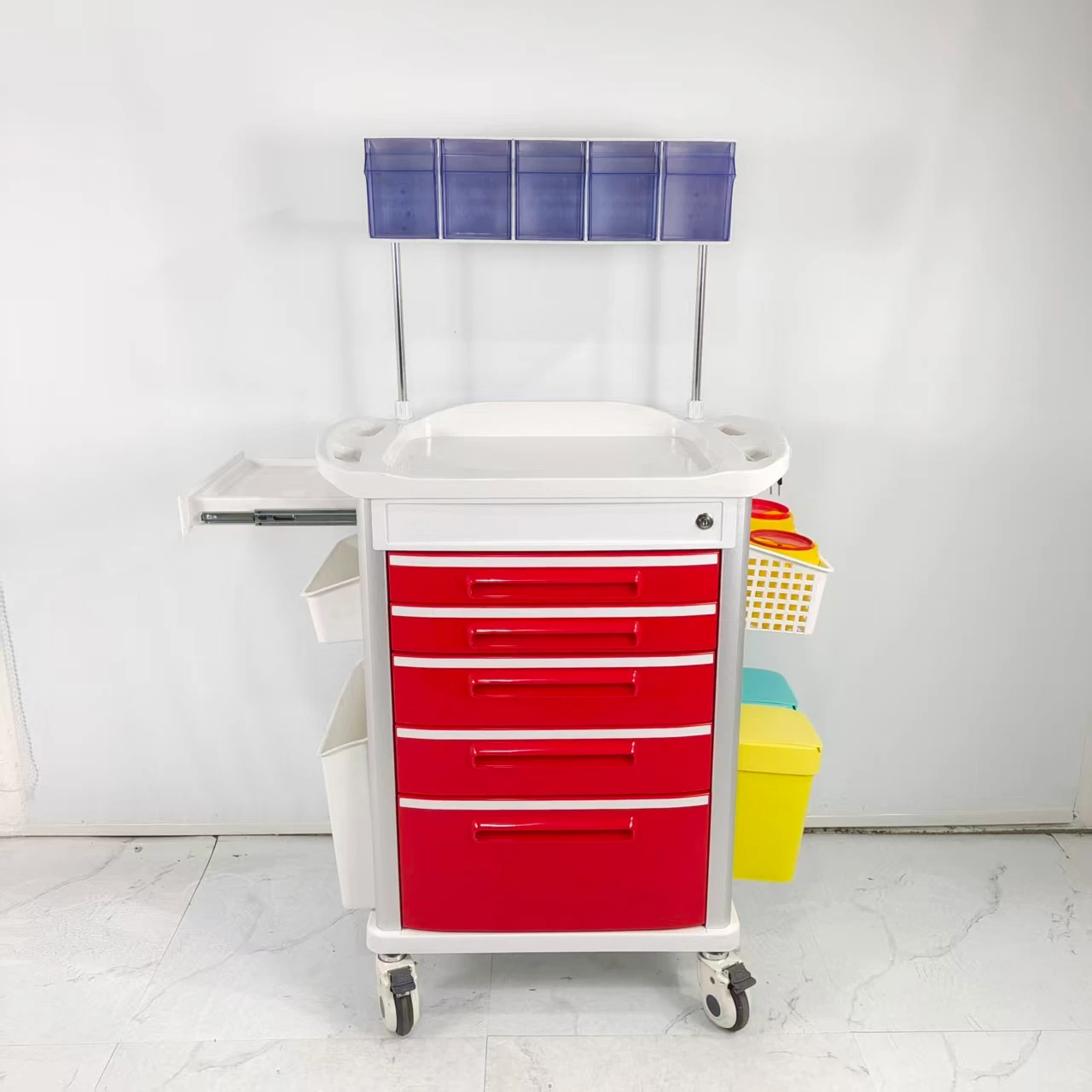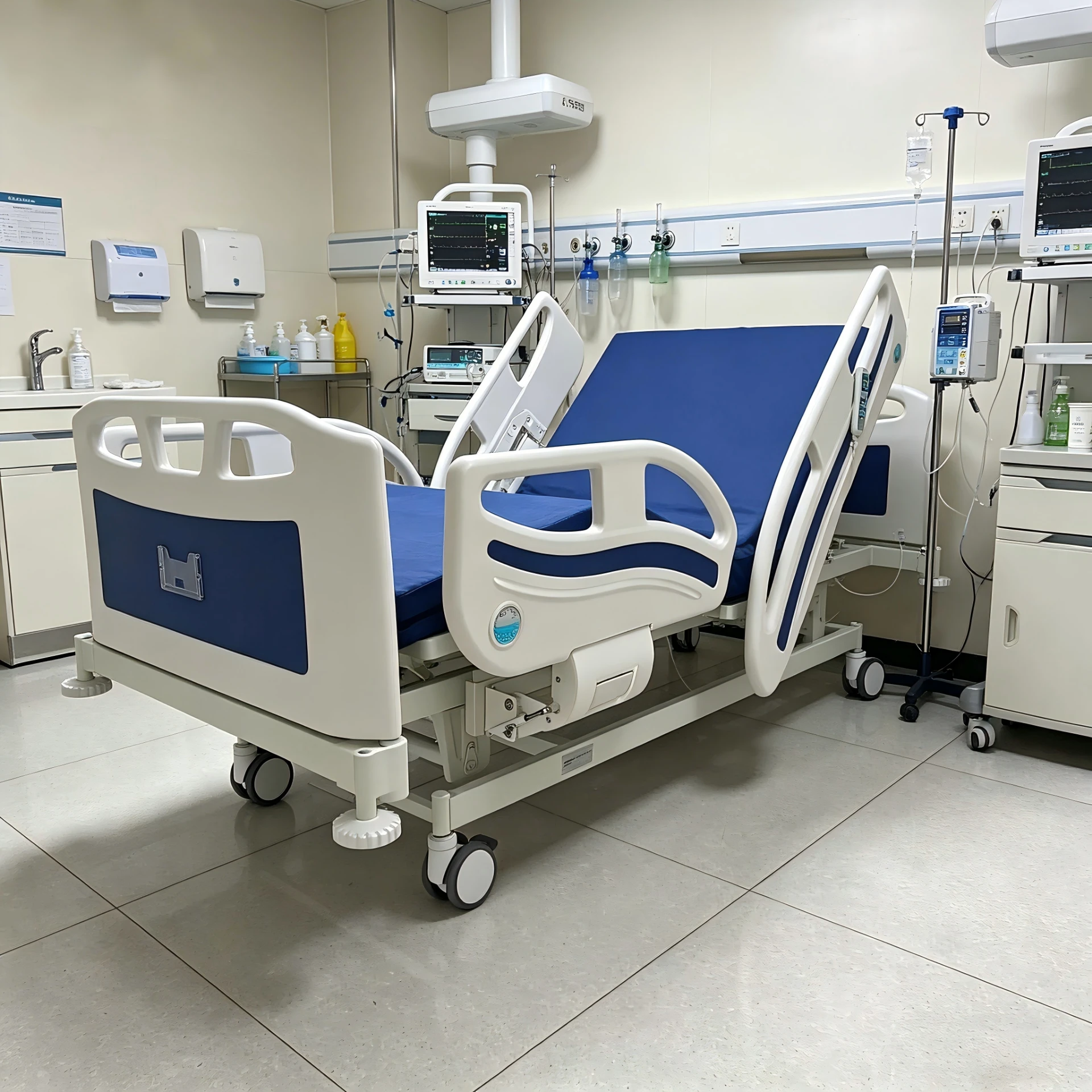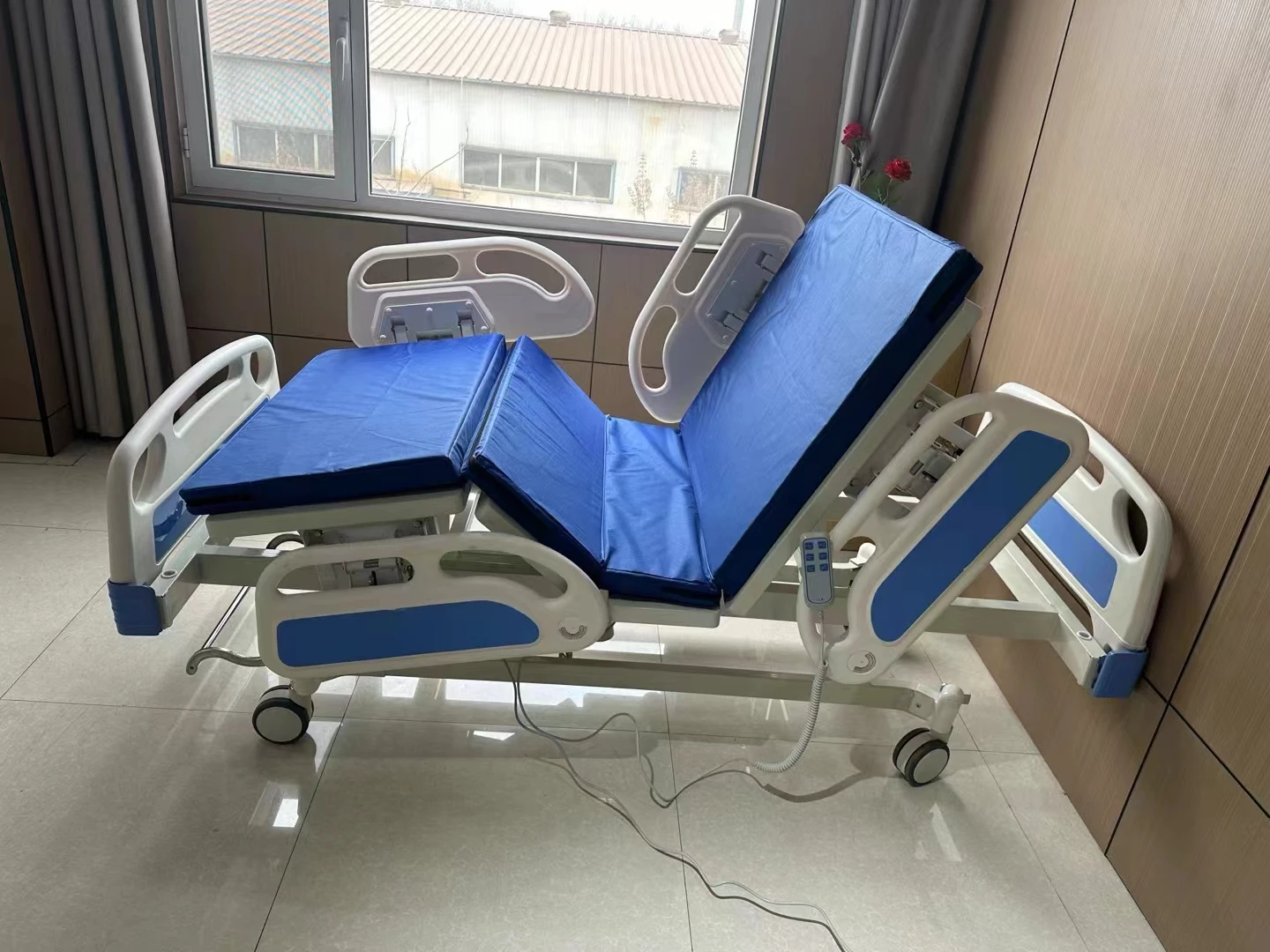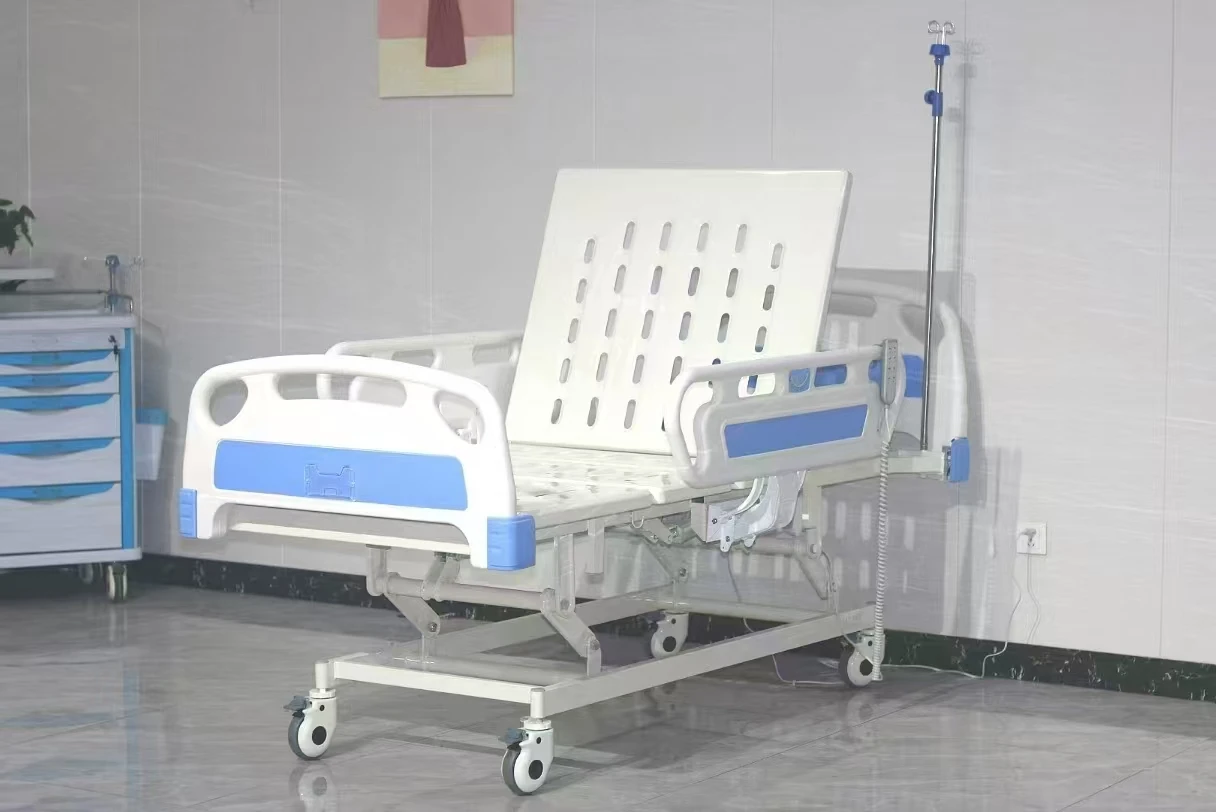
Understanding Recliner Bed for Patients Price: Costs, Benefits & Trends
Understanding Recliner Bed for Patients Price: Why It Matters
When you hear “recliner bed for patients price,” it might sound like a straightforward comparison of costs, but it actually opens a window into a complex world of healthcare innovation, patient comfort, and budget balancing on a global scale. These beds aren’t just furniture — they’re lifesavers in hospitals, nursing homes, and even emergency relief situations.
Globally, the demand for advanced patient beds grows every year, shaped by aging populations and rising chronic illness rates. According to the World Health Organization, nearly 1 in 6 people worldwide is 60 years or older — a trend that makes comfort-enhancing solutions like recliner beds vital.
Understanding the pricing behind these products helps hospitals and care facilities allocate resources smartly, ensuring that patients get both dignity and safety without breaking the bank.
Setting the Scene: Global Relevance of Recliner Beds
The global healthcare equipment market is booming, forecast to cross USD 500 billion by the mid-2020s. This surge is fueled partly by innovation in patient care tools such as the recliner bed, prized for enhancing mobility, reducing pressure sores, and enabling better post-surgery recovery.
Yet, cost remains a hurdle. Low- and middle-income countries, in particular, wrestle with balancing the need for quality patient beds against budget constraints. A WHO report highlights how substandard beds can lead to increased complication rates, longer hospital stays, and higher overall costs.
So, the “recliner bed for patients price” isn’t an isolated figure — it’s part of a healthcare puzzle that demands thoughtful purchasing decisions globally.
What Exactly Is a Recliner Bed for Patients?
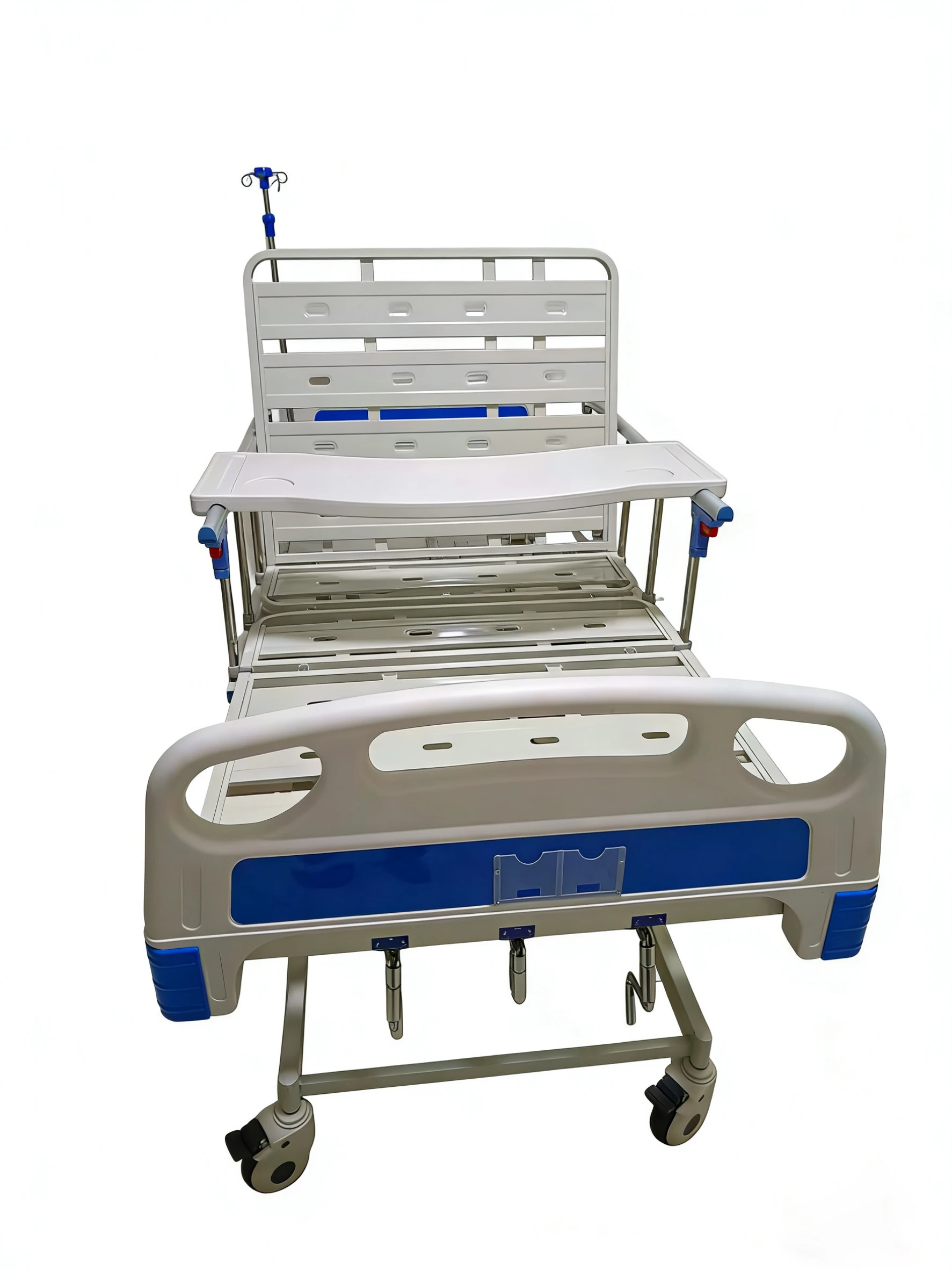
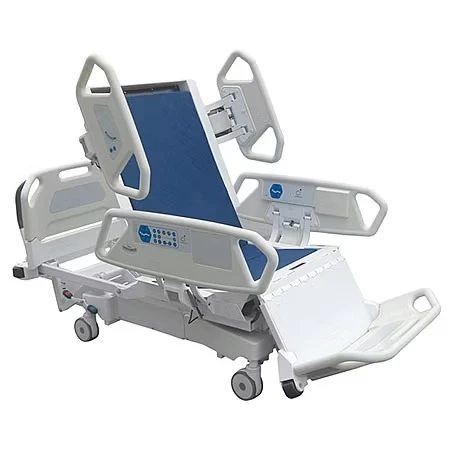
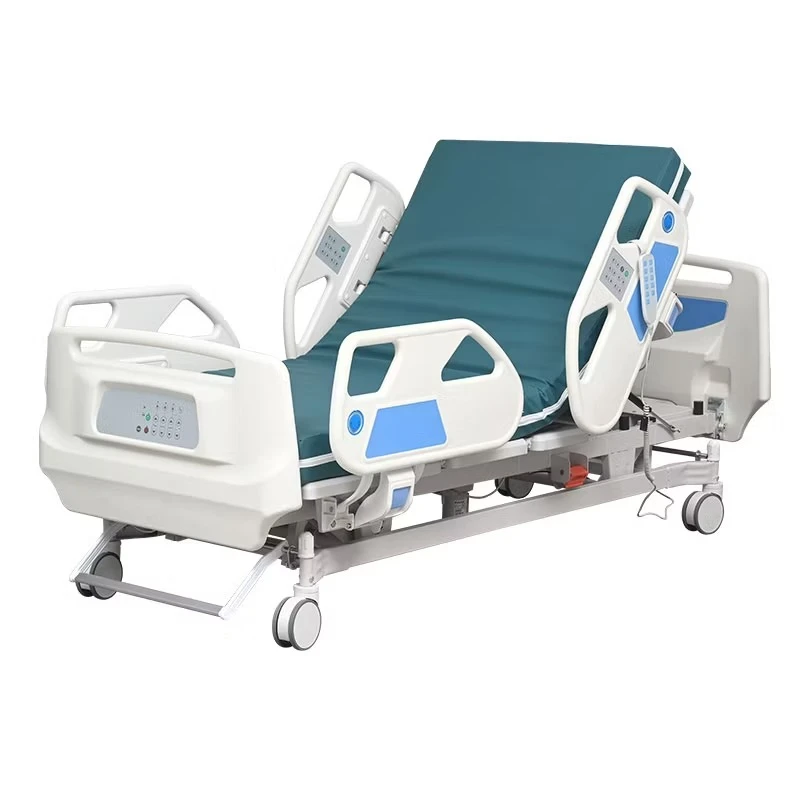
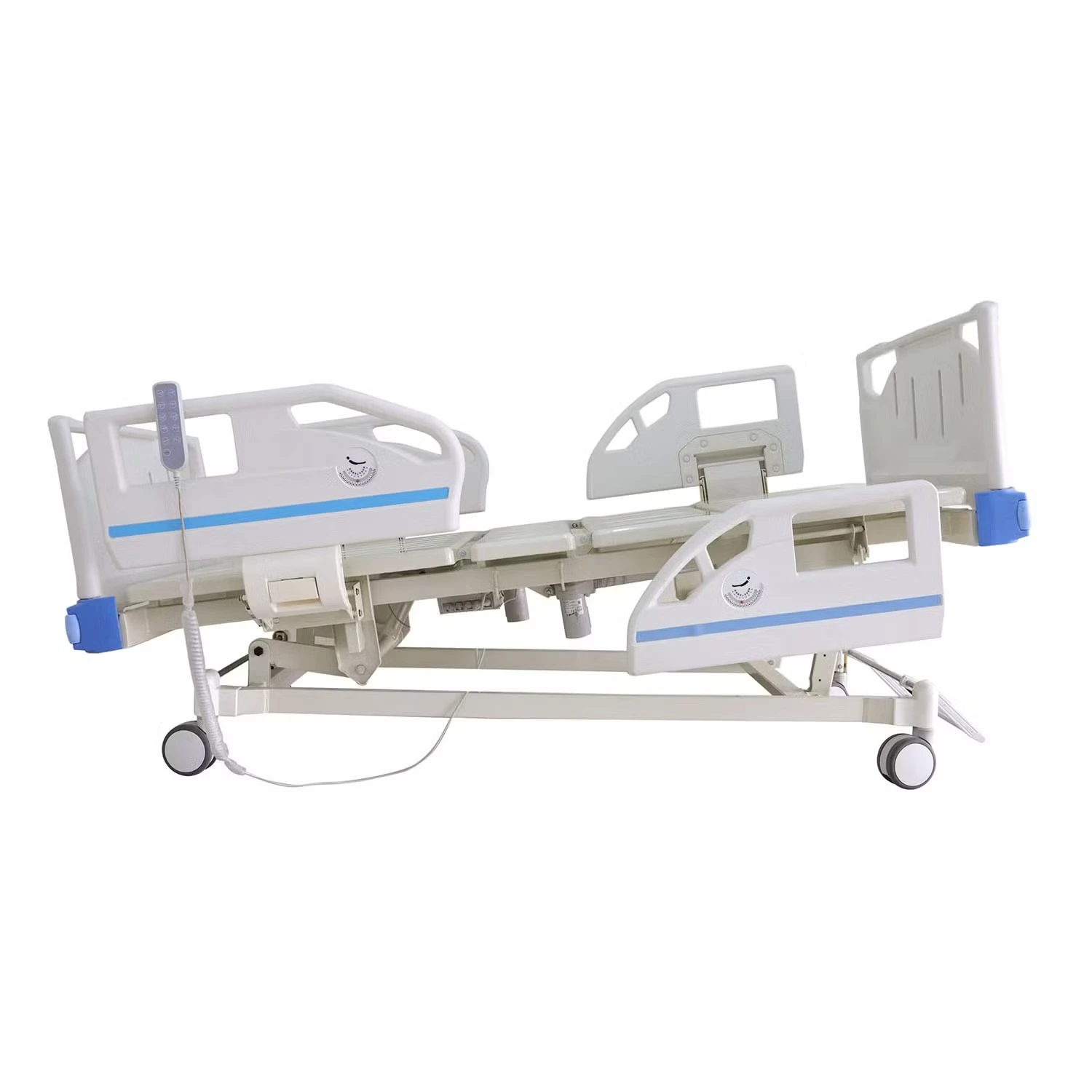
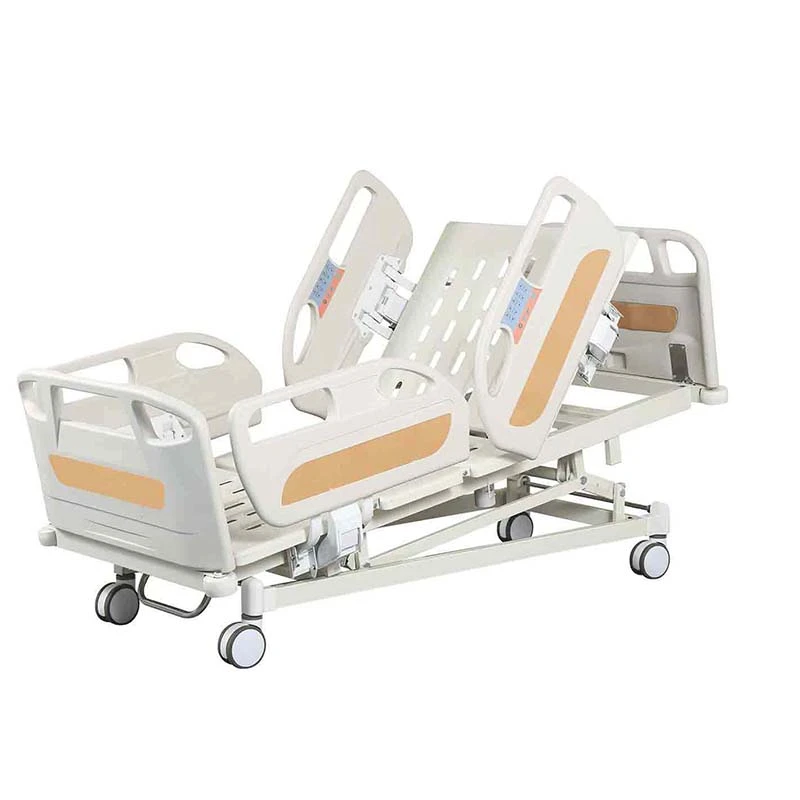
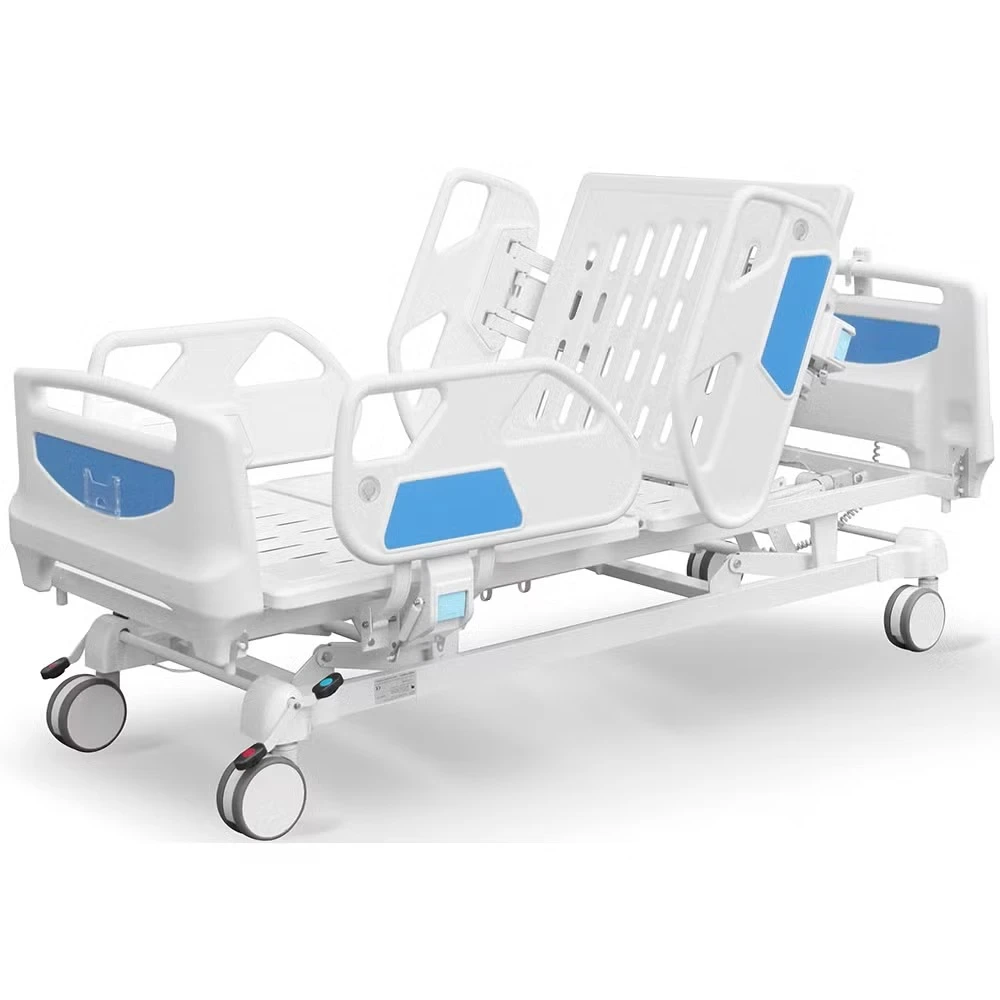
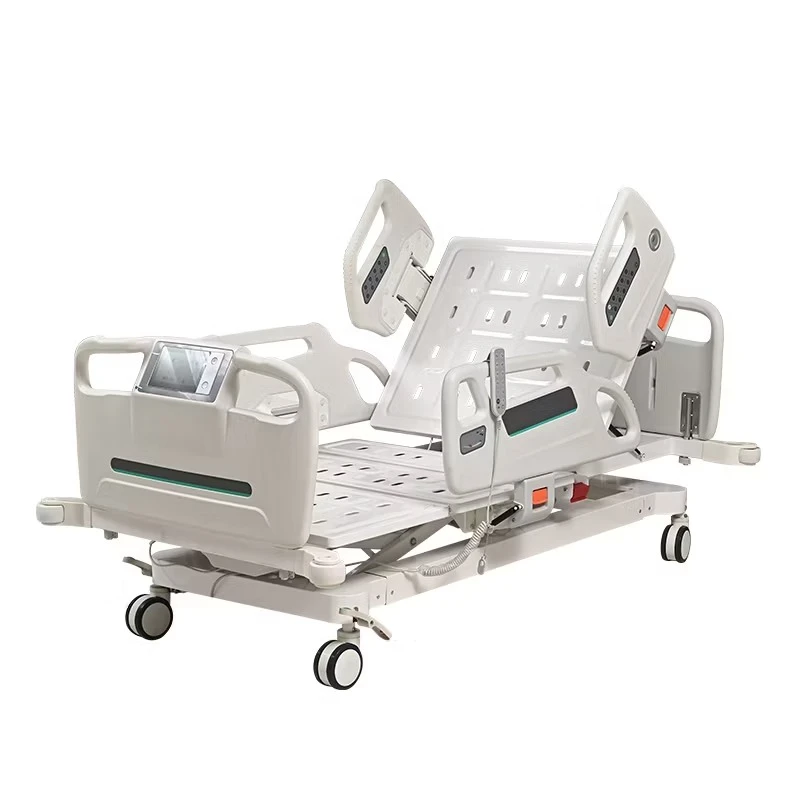
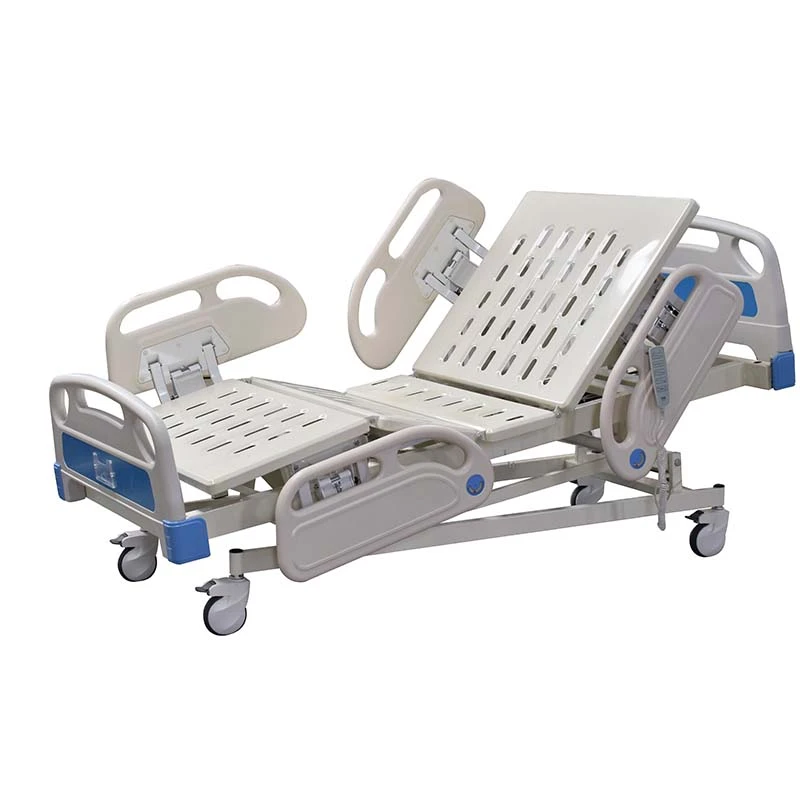
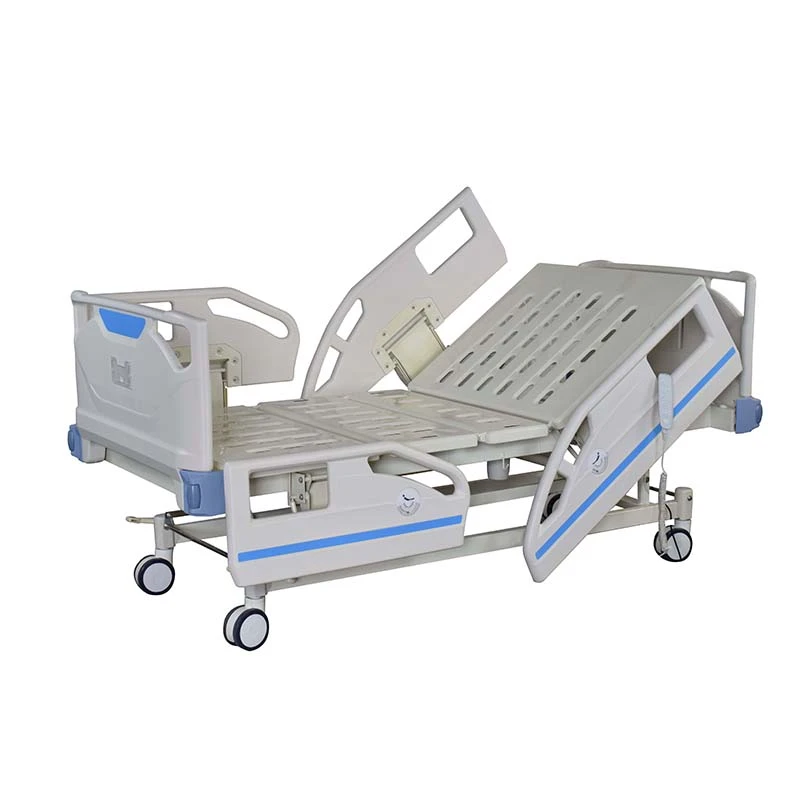
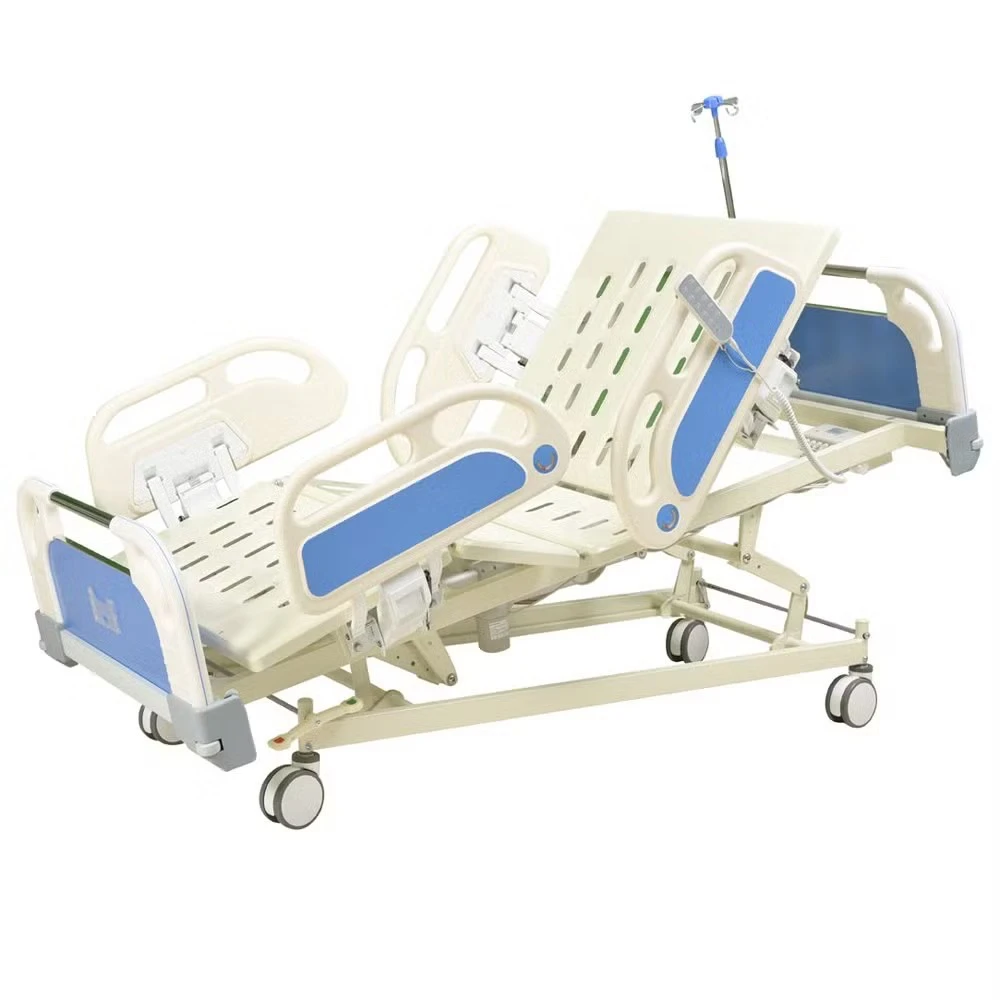
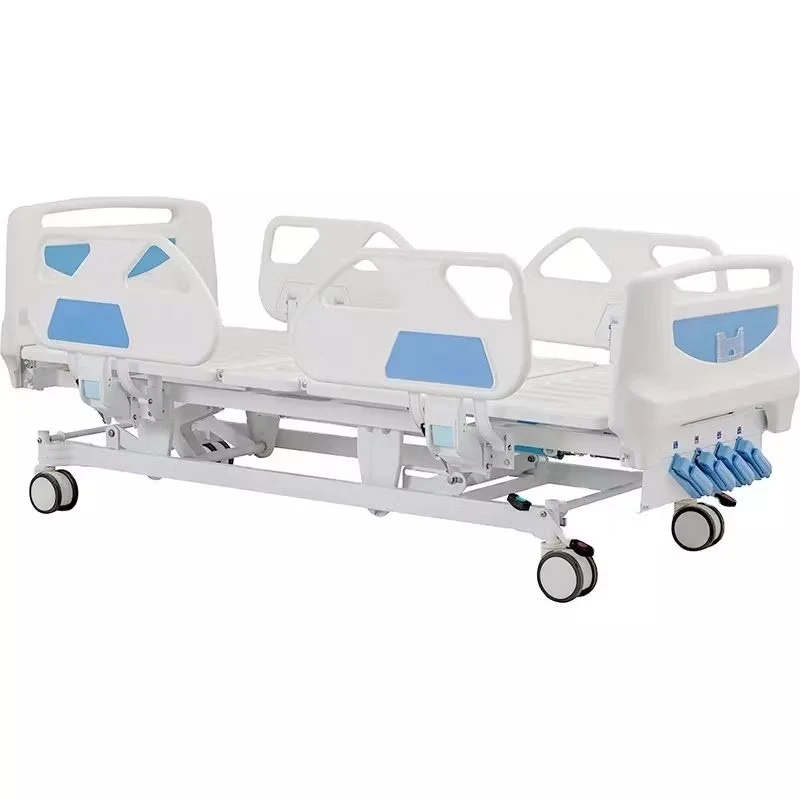
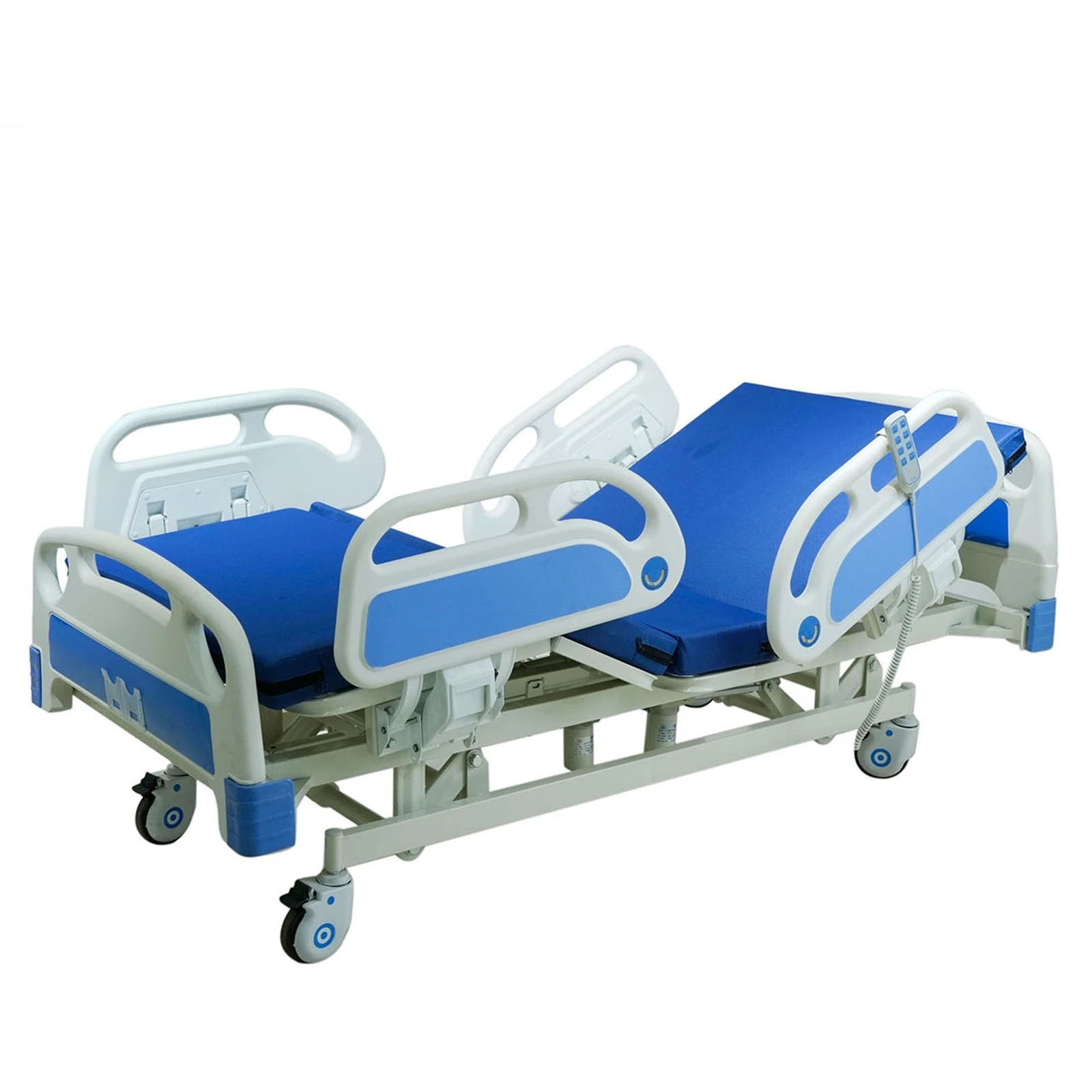
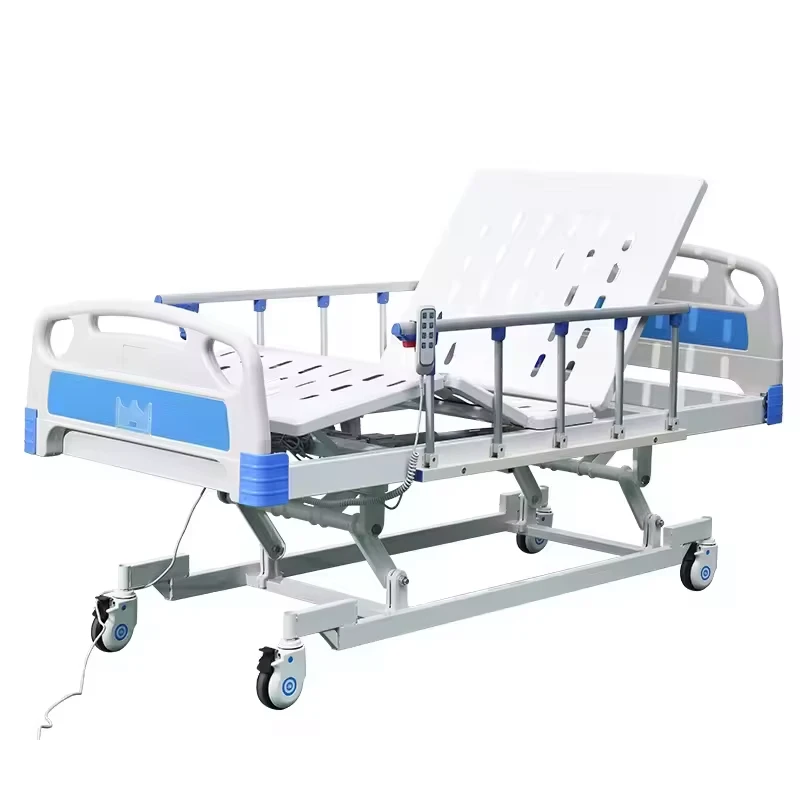
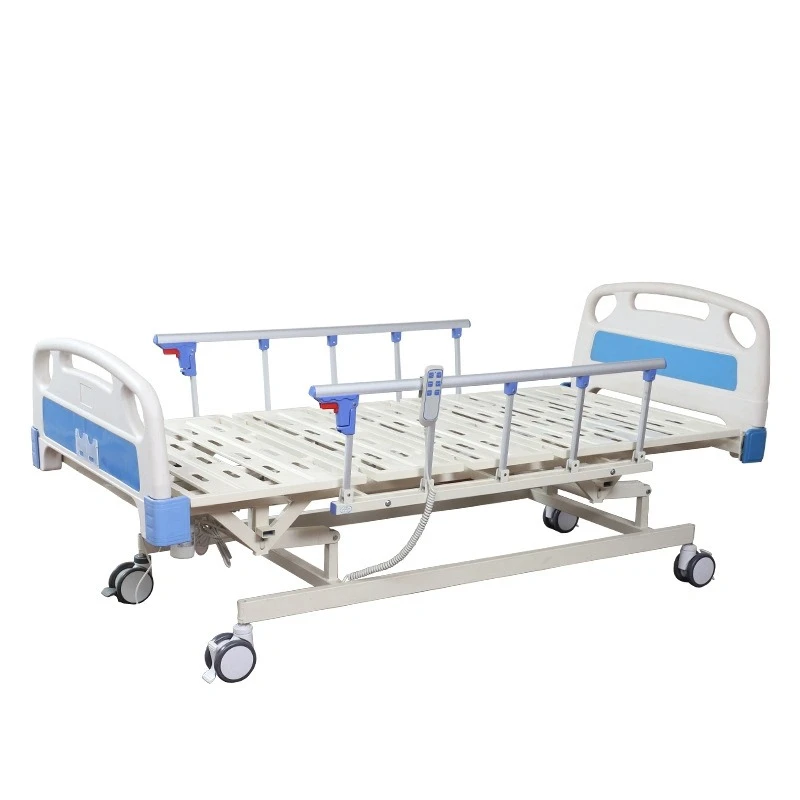
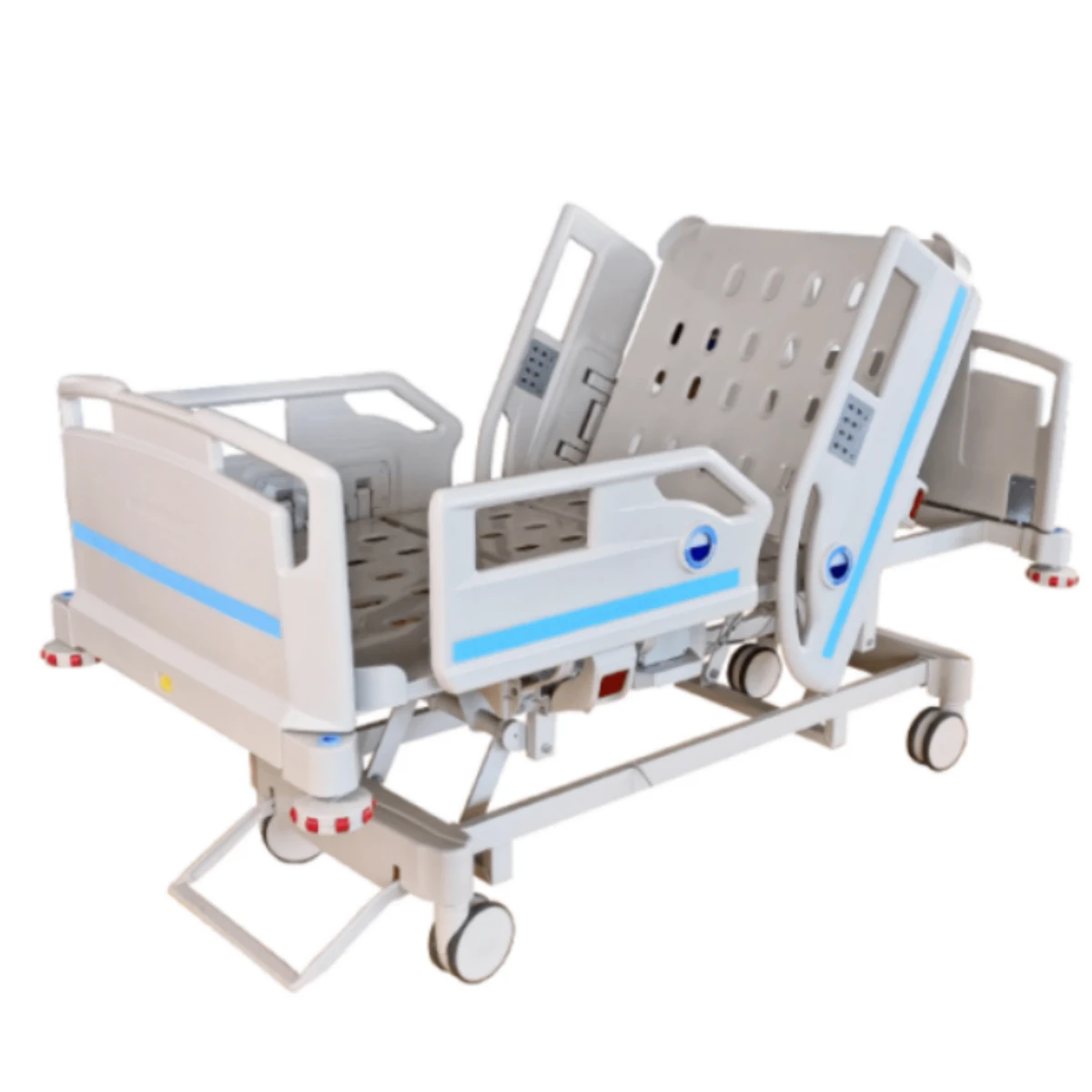
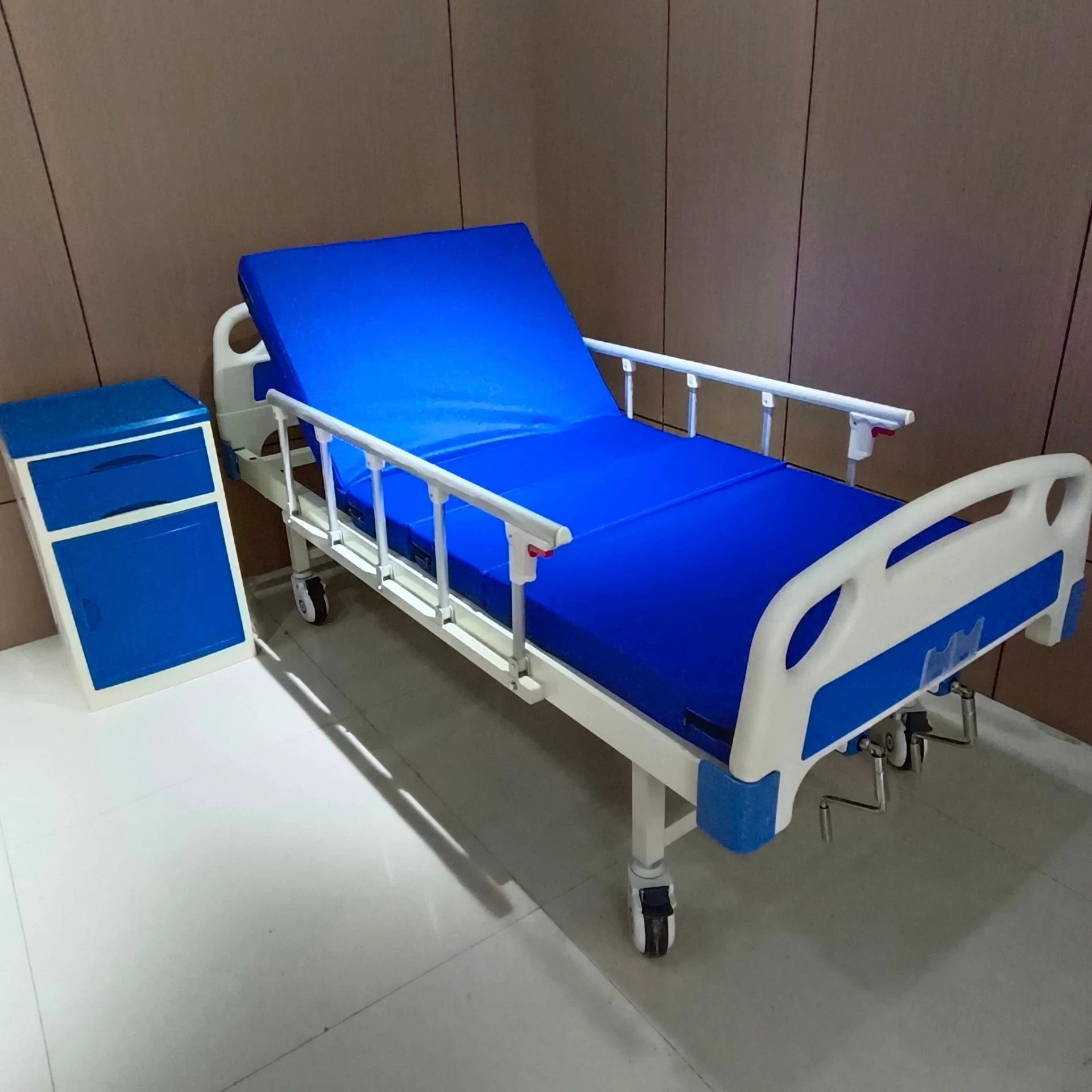
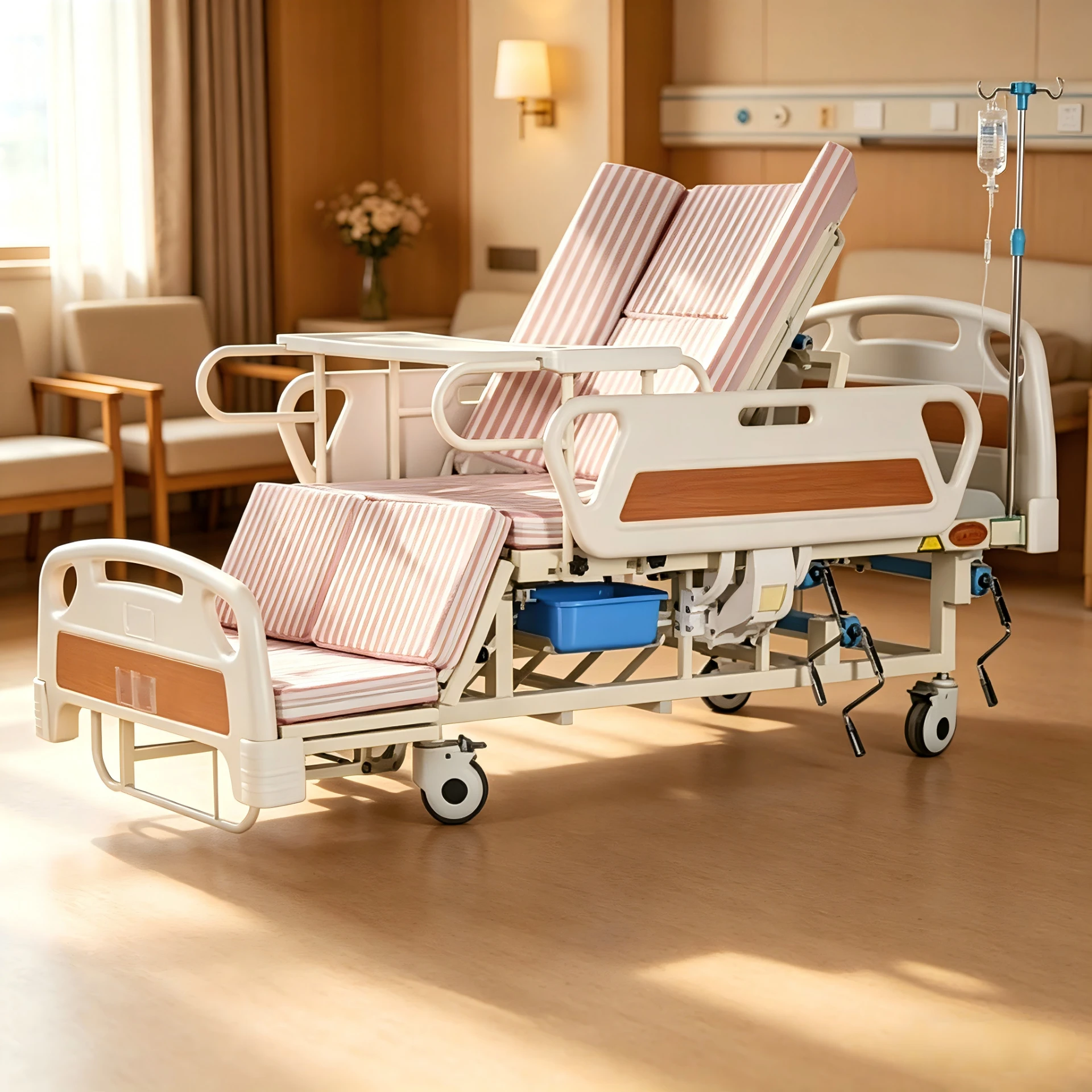
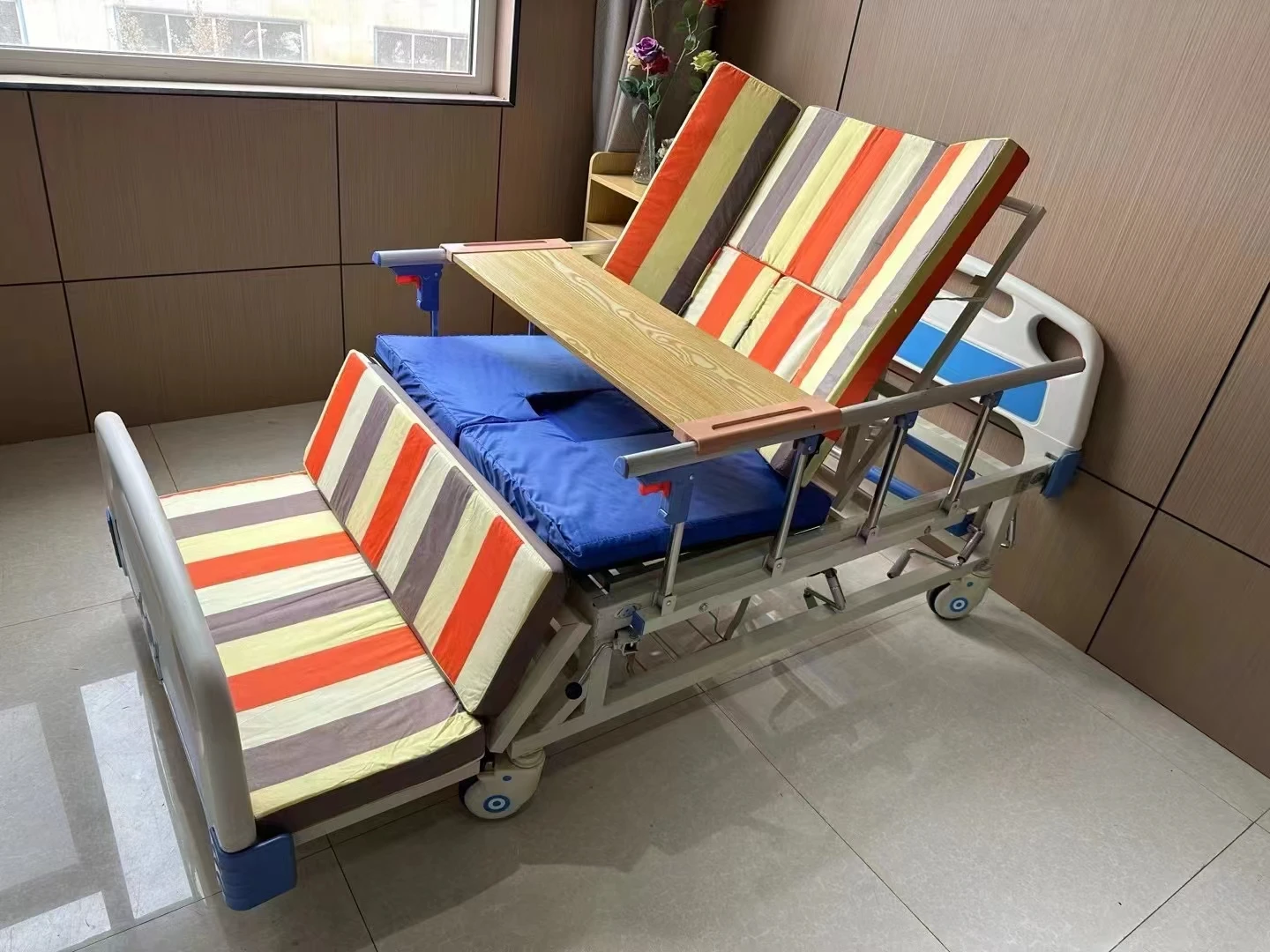
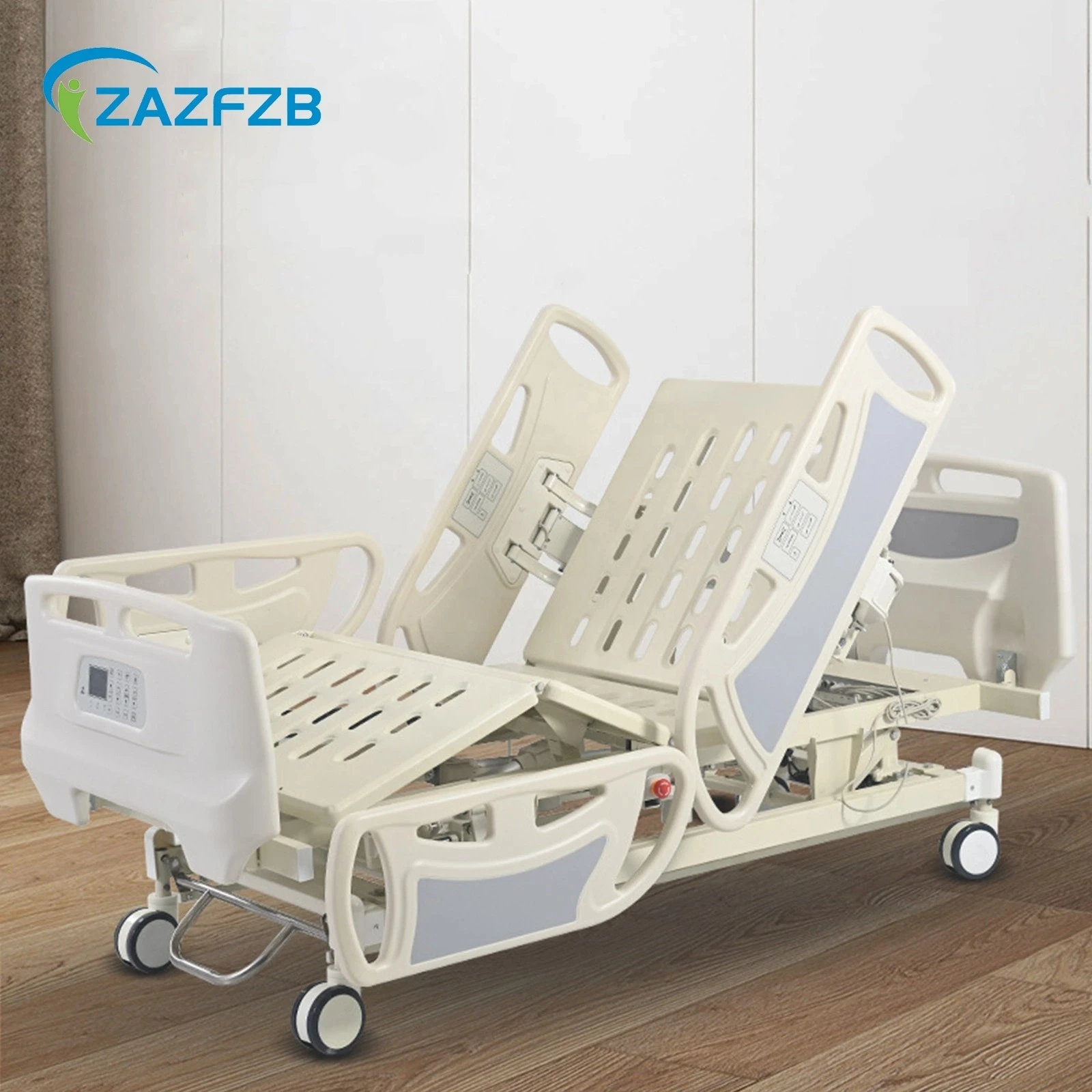
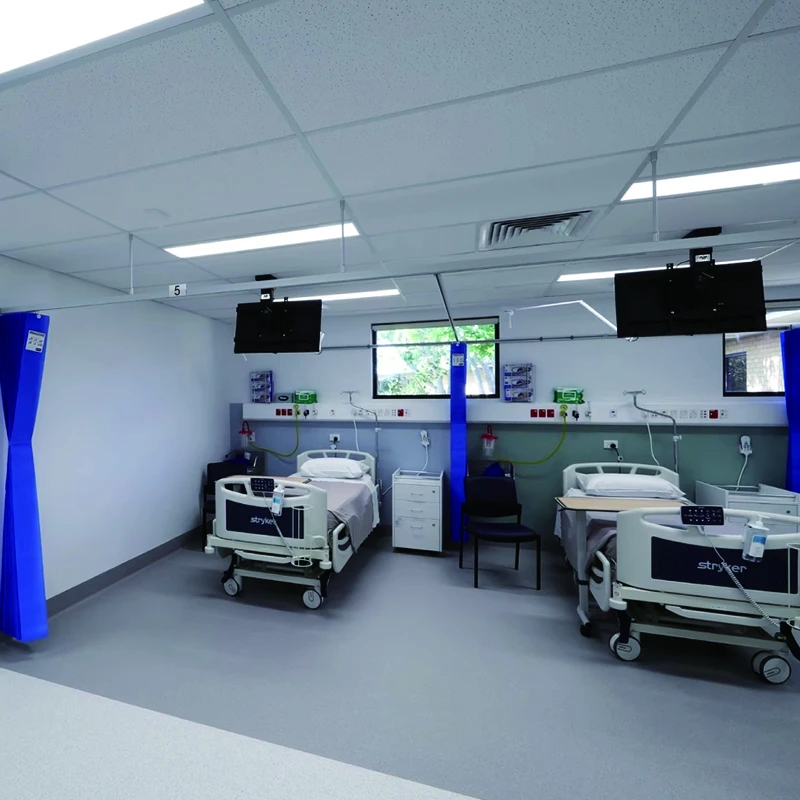
In simple terms, a recliner bed is a hospital or care bed that can adjust its backrest and often footrest, allowing patients to sit up, recline, or lie flat. The mechanism ranges from manual crank systems to advanced electric motors controlled remotely.
They’re critical in modern healthcare because they offer:
- Improved patient comfort and mobility
- Facilitation of medical treatments and examinations
- Reduction of pressure ulcers through adjustable positioning
- Support for caregivers by easing patient movements
As patient-centered care becomes the norm, recliner beds symbolize the shift from just “beds” to holistic healing environments.
Mini takeaway:
At its core, a recliner bed balances technology and human needs; it’s a simple device with outsized healthcare impact.
Key Factors Influencing Recliner Bed Prices
1. Build Quality and Durability
These beds undergo rigorous daily use. Materials like steel frames, quality upholstery, and reliable motors determine how long they last and how safe they are. Solid construction often adds to the price but pays off in fewer repairs and longer service life.
2. Adjustment Mechanism
Electric beds with multiple motorized positions cost more than manual crank models, but they vastly improve usability, especially for mobility-impaired patients and busy nursing staff.
3. Patient Weight Capacity & Size
Beds designed for bariatric patients or those needing larger dimensions require stronger components, which often hike prices. Still, investing in correctly sized beds is essential to prevent accidents and ensure dignity.
4. Additional Features
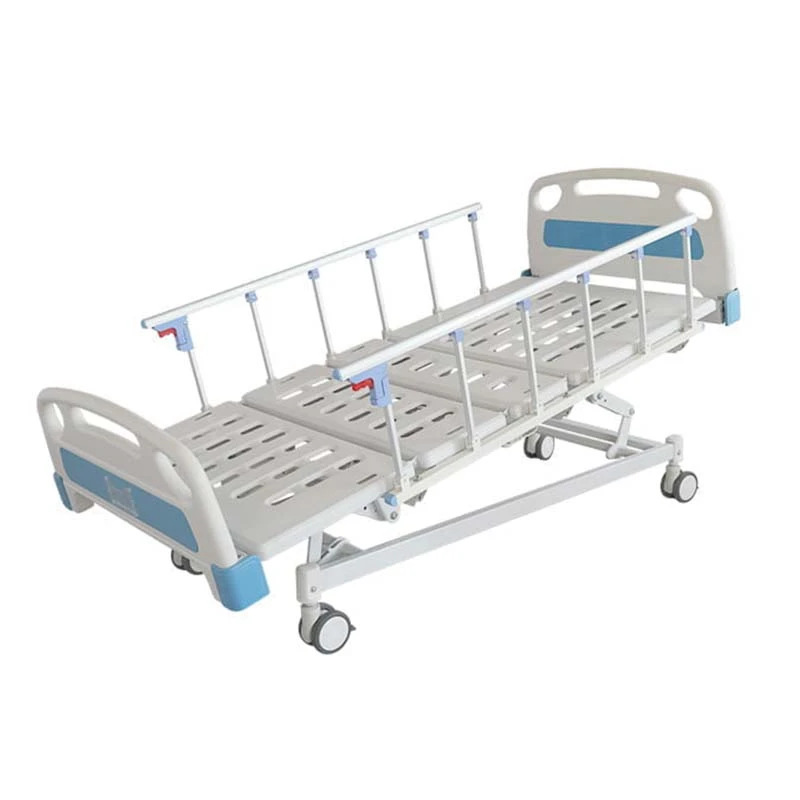
Some recliner beds come with side rails, integrated scales, IV pole mounts, or wireless control systems. Each tweak adds convenience — and cost.
5. Compliance and Certifications
Certified products meeting ISO or FDA standards guarantee safety and quality, often reflected in price tags. Though pricier, compliant beds reduce liability and improve patient outcomes.
| Specification | Typical Range / Detail |
|---|---|
| Frame Material | Powder-coated Steel |
| Weight Capacity | Up to 270 kg (600 lbs) |
| Adjustment Type | Electric (2-3 motors) or Manual |
| Mattress Dimensions | 85" L x 36" W (standard) |
| Power Supply | 110-240 V AC / Backup Battery |
Global Applications and Real-World Use Cases
Oddly enough, recliner beds serve very different needs around the world. In developed countries, they’re staples in rehabilitation centers, ICUs, and long-term care facilities where patient mobility and comfort directly impact recovery rates.
In contrast, in emerging regions or post-disaster zones, the priority is often rapid deployment and durability. For instance, NGOs operating during humanitarian crises prioritize beds that are affordable yet resilient to field conditions.
Take a recent example: After the 2023 natural disaster in Southeast Asia, relief groups quickly sourced affordable recliner beds to avoid secondary complications like sores among displaced patients — a small detail with huge implications.
Mini takeaway:
Whether it’s high-tech hospital wards in Tokyo or temporary clinics in remote areas, the “recliner bed for patients price” influences who gets access and how well they heal.
Advantages & Long-Term Value of Choosing the Right Recliner Bed
- Cost Efficiency: While cheaper models tempt buyers, investing upfront in quality prevents higher future expenses from maintenance or patient complications.
- Patient Safety and Comfort: Adjustable positions reduce risks of bedsores and respiratory issues, improving overall recovery.
- Sustainability: Durable materials and battery-friendly motors contribute to greener healthcare infrastructure — important as hospitals become more eco-conscious.
- Emotional Benefits: Comfort and dignity matter, especially in eldercare, and these beds support patient autonomy.
Trends Shaping the Future of Recliner Beds
Looking ahead, digital transformation is making waves. Smart beds equipped with sensors that monitor patient vitals, automatic pressure area adjustments, and wireless controls are entering the market.
Meanwhile, sustainable design — from recyclable components to energy-efficient motors — aligns with global healthcare goals targeting carbon neutrality by 2050.
It feels like we’re on the cusp of beds that are not just reactive, but predictive in patient care, reducing costly interventions and hospital stays.
Common Challenges & Innovative Solutions
Challenges? Plenty. High initial costs, maintenance in low-resource settings, and standardization hurdles trouble buyers. Plus, importing these beds internationally can mean complex logistics.
Solutions? Modular designs for easier repair, ruggedized models for harsh climates, and partnerships with local manufacturers to reduce costs are gaining traction.
Plus, organizations like ISO are refining safety standards globally, improving quality.
FAQs: What People Ask About Recliner Bed for Patients Price
- Q: Why do electric recliner beds cost so much more than manual ones?
A: Electric beds include motors, controllers, and electrical safety features, increasing manufacturing costs. However, they improve usability and patient comfort, especially for long-term care. - Q: Can I find affordable recliner beds suitable for emergency field hospitals?
A: Yes, some vendors design rugged and cost-effective models optimized for rapid deployment — balancing price and essential functionality. - Q: Are there hidden maintenance costs I should consider?
A: Definitely. Motor repairs, battery replacement, and upholstery wear can add up. Choosing quality brands with warranties is wise. - Q: How important are certifications like ISO for patient beds?
A: Very. Certifications ensure safety, durability, and compliance with healthcare regulations, reducing liability and risk.
Vendor Comparison: A Quick Look
| Vendor | Price Range (USD) | Adjustment Type | Warranty | Certifications |
|---|---|---|---|---|
| Zhaofa Medical | $800 - $1,500 | Electric, 3 motors | 3 years | ISO 13485, FDA |
| Global Health Beds | $650 - $1,200 | Manual crank | 2 years | CE certified |
| CareEase | $900 - $1,700 | Electric, wireless remote | 4 years | ISO, FDA, CE |
Wrapping Up: Why Recliner Bed Pricing Matters in Healthcare’s Future
To sum it up — the “recliner bed for patients price” isn’t just a number. It reflects a balance of engineering, patient safety, healthcare economics, and ethical care. Investing thoughtfully in these beds leads to better patient outcomes, cost savings, and greater dignity at a time when our world’s aging and global health crises demand smarter solutions.
Now, if you are considering the best value and quality in this realm, do check out recliner bed for patients price options with reliable vendors. It’s worth the effort — the right bed can be a game-changer for care.