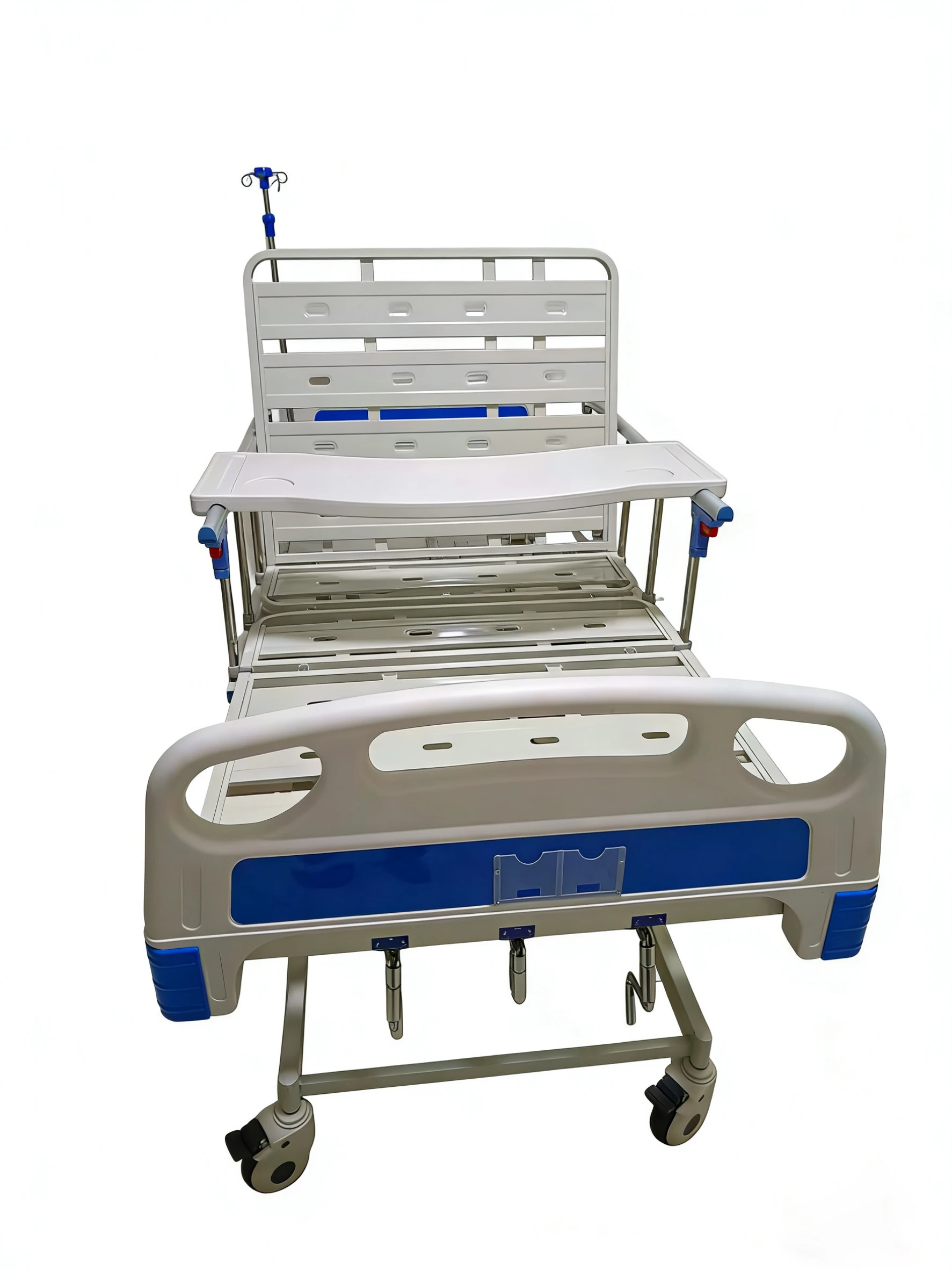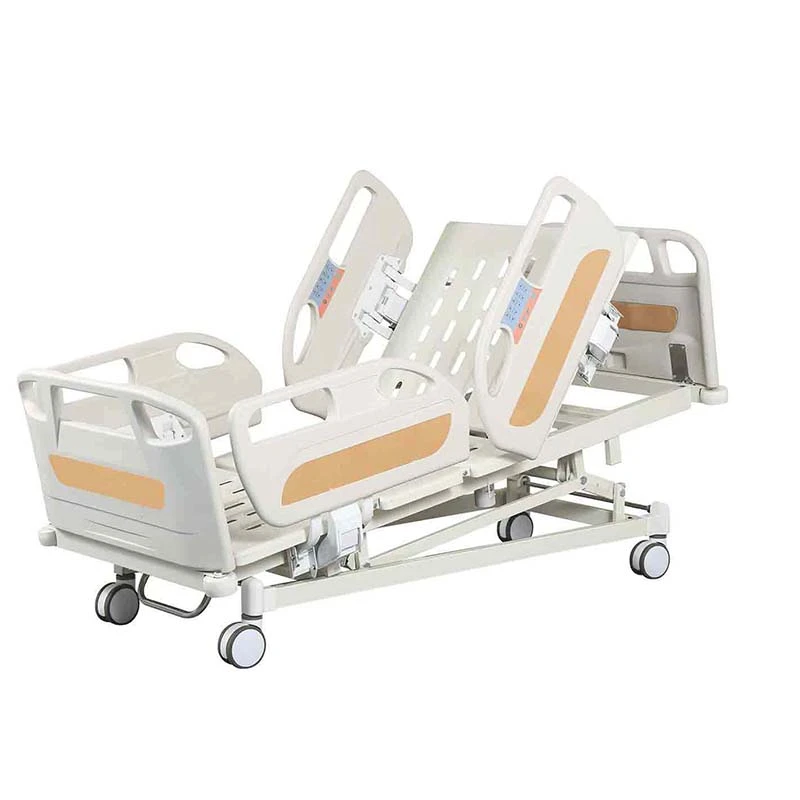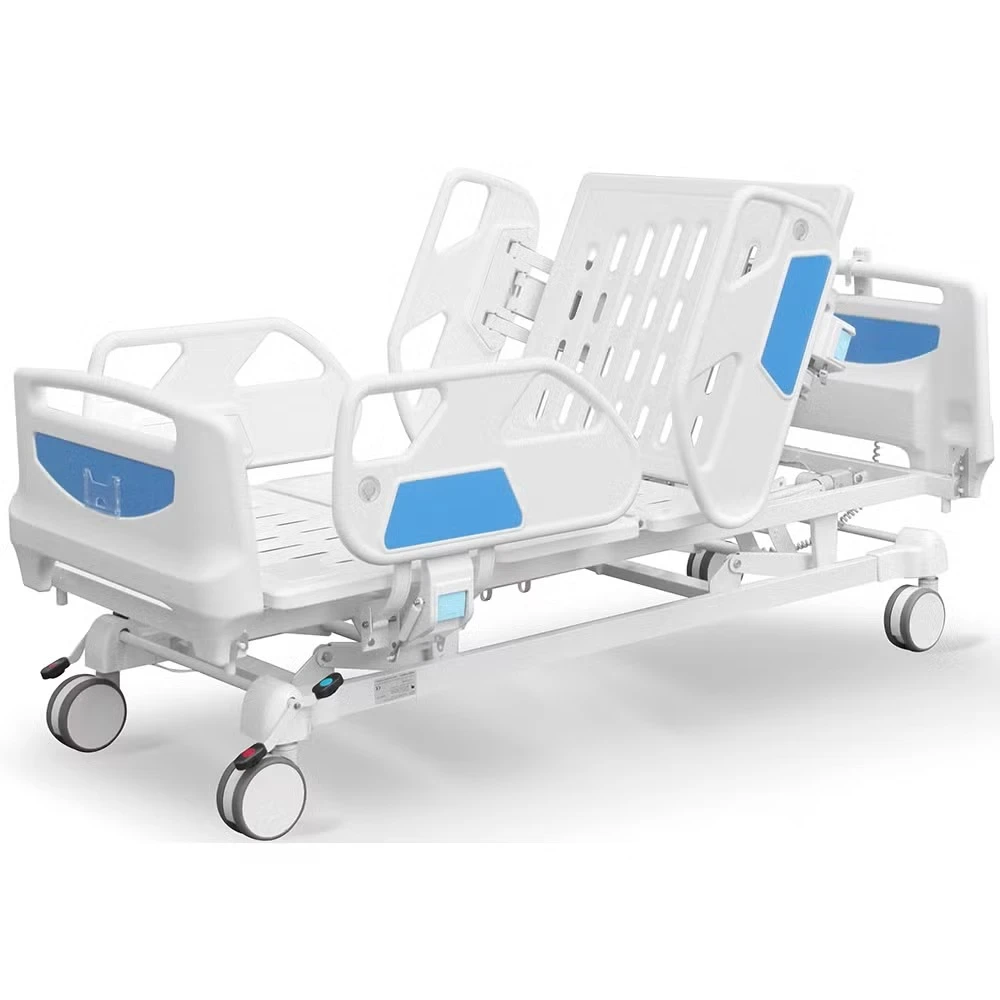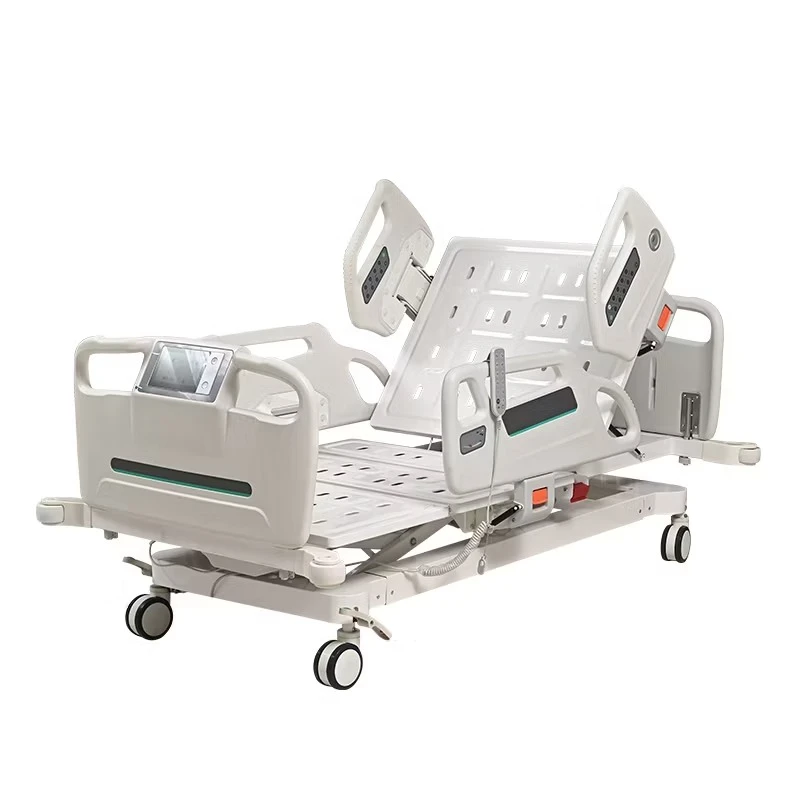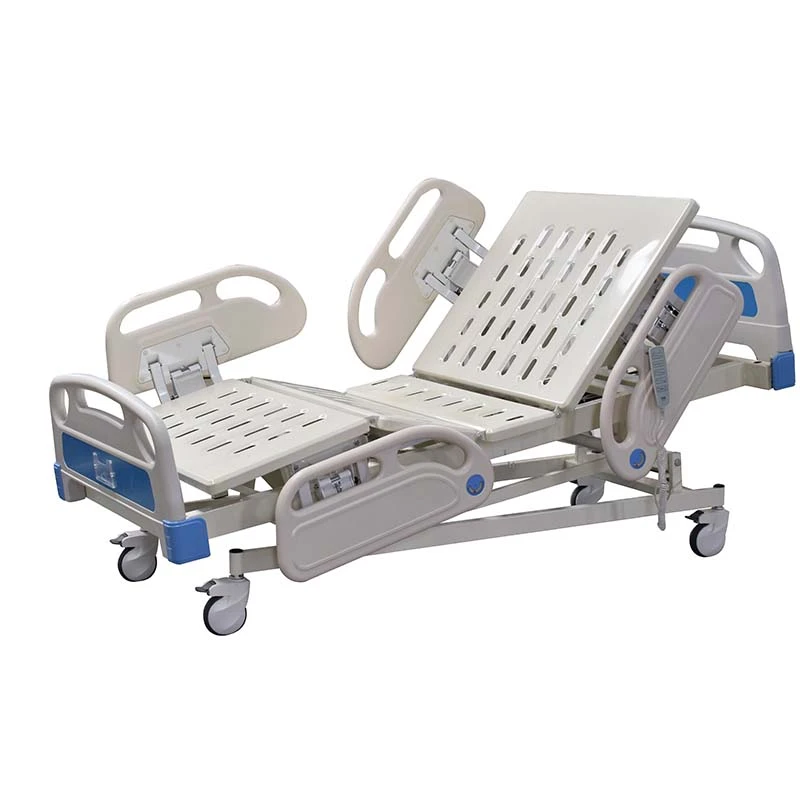
Reliable IV Infusion Stand for Industrial and Medical Use | Zhaofa Medical
The Practical Guide to IV Infusion Stands in Industrial Medical Settings
Having spent well over a decade roaming hospitals and industrial healthcare facilities alike, I can say one thing about IV infusion stands: while they might seem like simple pieces of equipment, their design and quality do matter quite a bit in everyday clinical use. Oddly enough, the most overlooked details often make or break how well they perform on the floor.
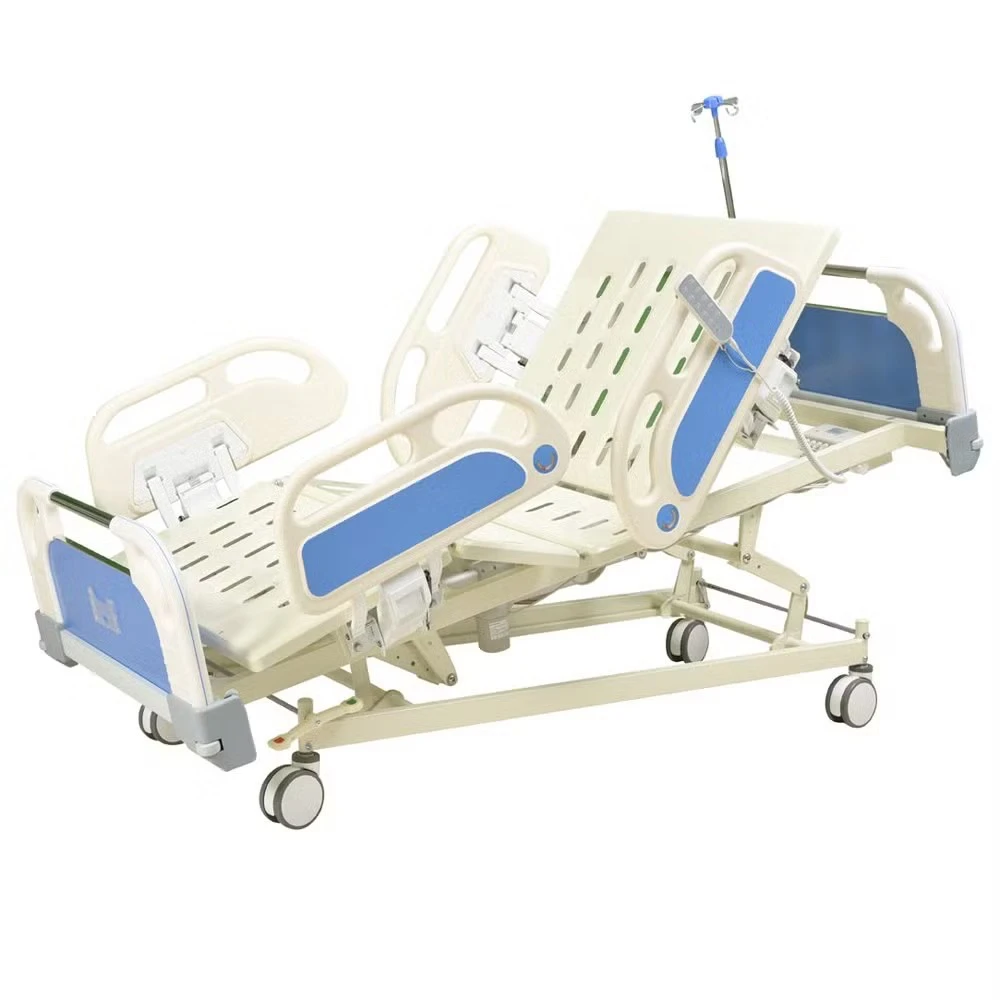
When I first started working with infusion equipment in busy hospital wards, I noticed that the sturdy, well-balanced stands made everything smoother—not just for nurses but for patient safety too. On the other hand, flimsy stands with awkward wheels or unstable poles ended up causing delays or even minor accidents. It’s those small practical touches, like smooth-rolling casters and adjustable heights, that really show the difference between good and “meh.”
Materials and Design – More Than Just Metal Tubes
Most modern IV infusion stands are built from stainless steel or high-grade aluminum, chosen for durability and ease of sterilization. In real terms, a rust-resistant finish isn’t just about looks—it directly impacts infection control protocols, which are paramount in industrial healthcare environments.
I once worked with a facility that switched from plastic-coated stands to stainless steel models, and staff immediately appreciated how less maintenance was needed, and cleaning times dropped. The adjustable pole mechanisms also became smoother, which frankly was a welcome change from older, sticky designs.
Key Specifications of a Typical IV Infusion Stand
| Feature | Specification |
|---|---|
| Material | Stainless Steel / Aluminum Alloy |
| Height Range | 90cm to 160cm Adjustable |
| Base Diameter | 60cm (5-point Star Base) |
| Casters | 4 Swivel Locking Rubber Wheels |
| Weight Capacity | Up to 5 kg per Hook |
Comparing IV Infusion Stand Vendors: What to Watch Out For
Over the years, I’ve seen quite a few vendors pitching these stands. After some trial and error, certain patterns emerged regarding quality, customization options, and post-sale service.
| Vendor | Material Quality | Customization | Warranty | Price Range |
|---|---|---|---|---|
| Zhaofa Medical | High-grade Stainless Steel | Available | 3 Years | $$$ |
| Vendor B | Aluminum Alloy | Limited | 1 Year | $$ |
| Vendor C | Plastic Components | None | 6 Months | $ |
Customization and Real-World Usage
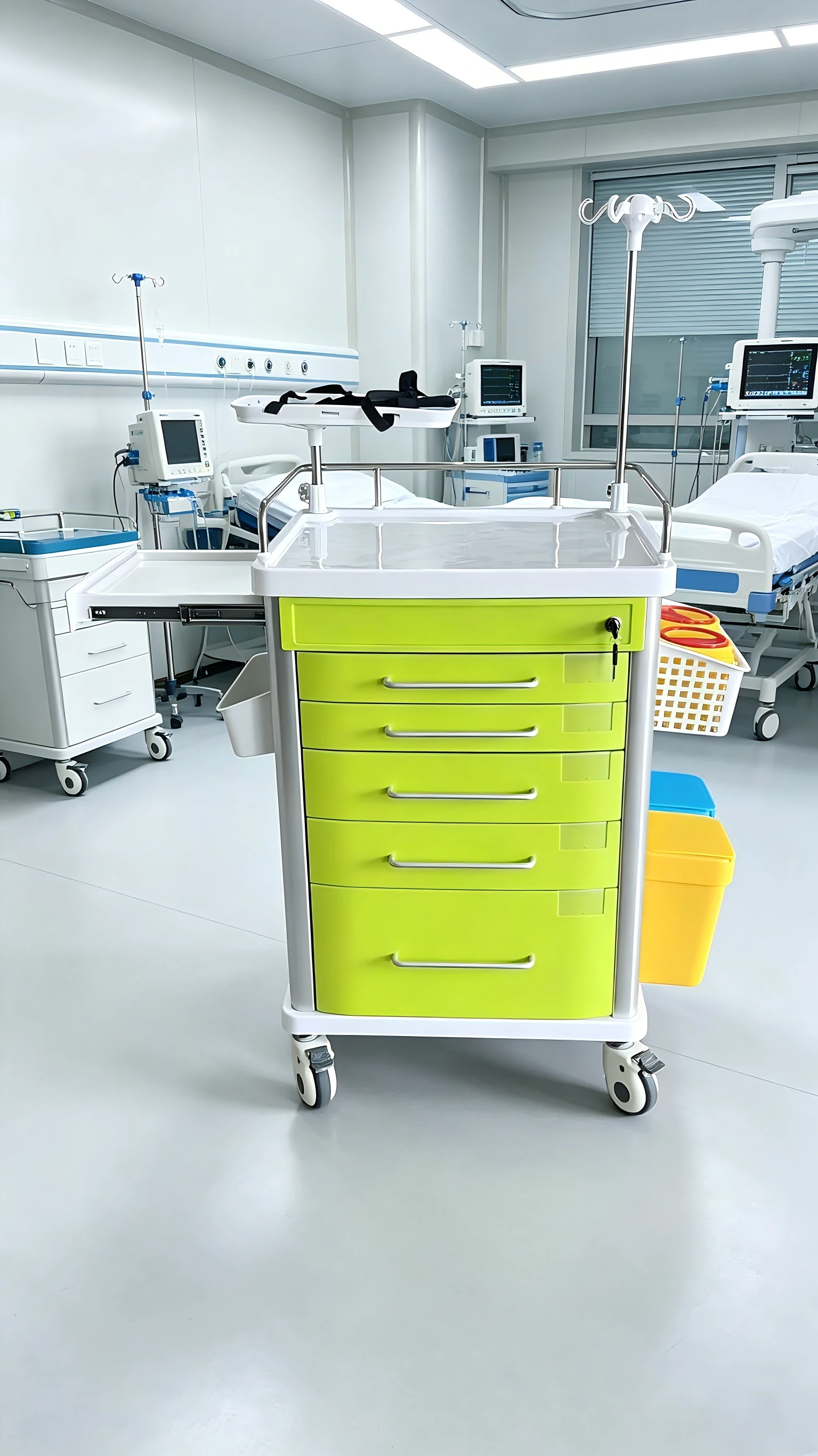
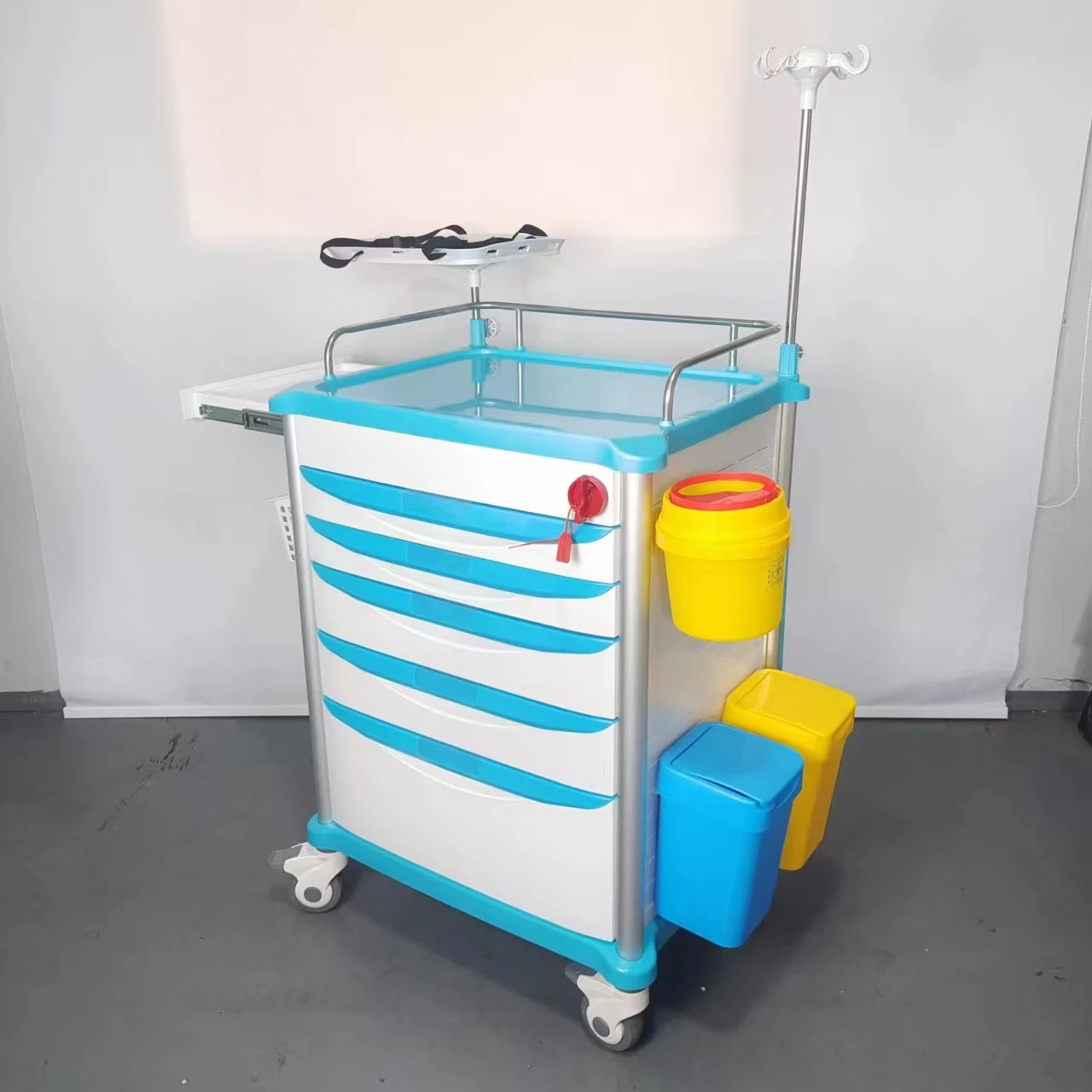
Frankly, what users ask for most is adaptability. Height adjustability is a given, but options like additional hooks, IV pole extensions, or even integrated baskets have become commonplace requests. I remember a case at a rehabilitation center where custom stands with added hooks and sturdy basket holders reduced nurse trips by half, freeing up valuable time for patient care.
It feels like manufacturers who listen to these real-world needs tend to build better, more reliable stands — not just generic ones. And when it comes to servicing or repairing, having straightforward access to parts and clear warranty terms is just as critical.
At the end of the day, no matter the budget, investing in a quality IV infusion stand pays off in patient safety, workflow efficiency, and long-term durability. Trust me, having seen the alternatives, it’s worth a little more upfront.
And that’s the real takeaway from a long career spent tinkering, testing, and watching these stands in action.
References:
- Clinical Equipment Standards, HealthTech Medical Journal, 2022
- Hospital Staff Workflow Study, MedPro Insights, 2021
- Material Durability in Healthcare Tools, Industrial Safety Board Report, 2020