Understanding Hospital Bed Factories: Key Insights, Benefits & Innovations
Why Understanding a Hospital Bed Factory Matters Globally
When you think of healthcare infrastructure, the humble hospital bed might not be the first thing that springs to mind. But in truth, the hospital bed factory plays a pivotal role in making quality healthcare accessible around the world. These specialized manufacturing hubs create beds designed for comfort, durability, and adaptability in medical environments — essential during emergencies, pandemics, and daily patient care alike.
Globally, with the UN reporting over 10% of the population needing inpatient care annually, having efficient, reliable hospital beds produced at scale means more lives saved and better healthcare delivery. Understanding the intricacies of hospital bed fabrication unlocks insight into manufacturing challenges, supply chain resilience, and innovation in medical equipment that directly impacts patient wellbeing.
Global Context: The Growing Demand for Hospital Bed Factories
It’s no exaggeration that the demand for hospital beds is soaring worldwide. According to the World Bank, healthcare spending accounted for roughly 10% of global GDP in recent years, with an emphasis on infrastructure modernization. With aging populations in Europe and Asia, and healthcare accessibility improving in parts of Africa and Latin America, the role of a proper hospital bed factory becomes critical.
Yet, there’s a key problem many governments face: balancing quality and cost. Hospital beds need to be durable, ergonomically sound, and adaptable to developing medical technologies — but they must also be affordable and compliant with health regulations like ISO 13485 (medical devices quality management). A reliable hospital bed factory addresses these challenges by producing scalable, certified, cost-efficient beds.
What Exactly Is a Hospital Bed Factory?
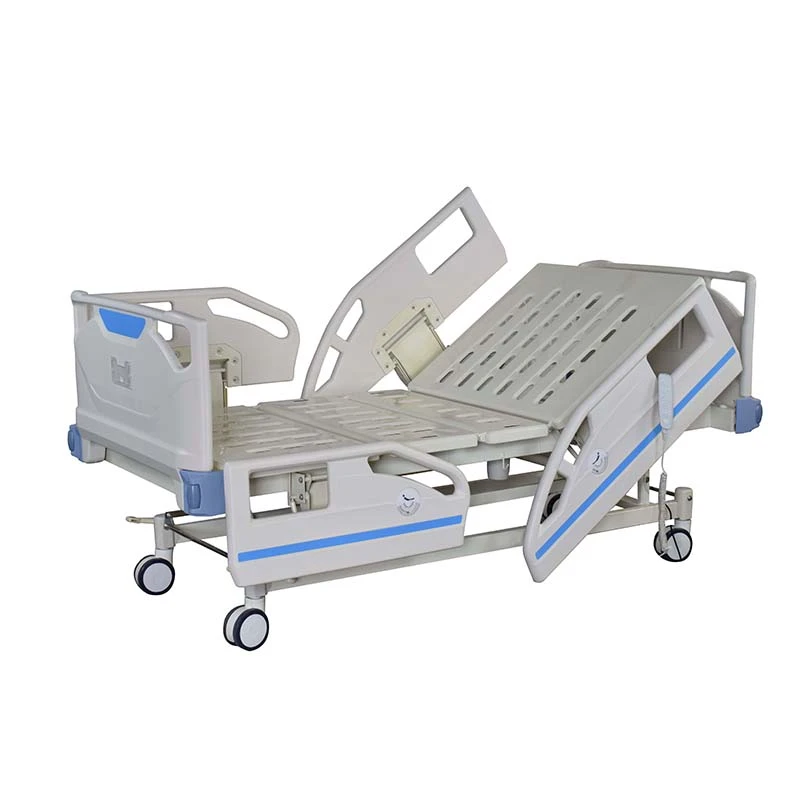
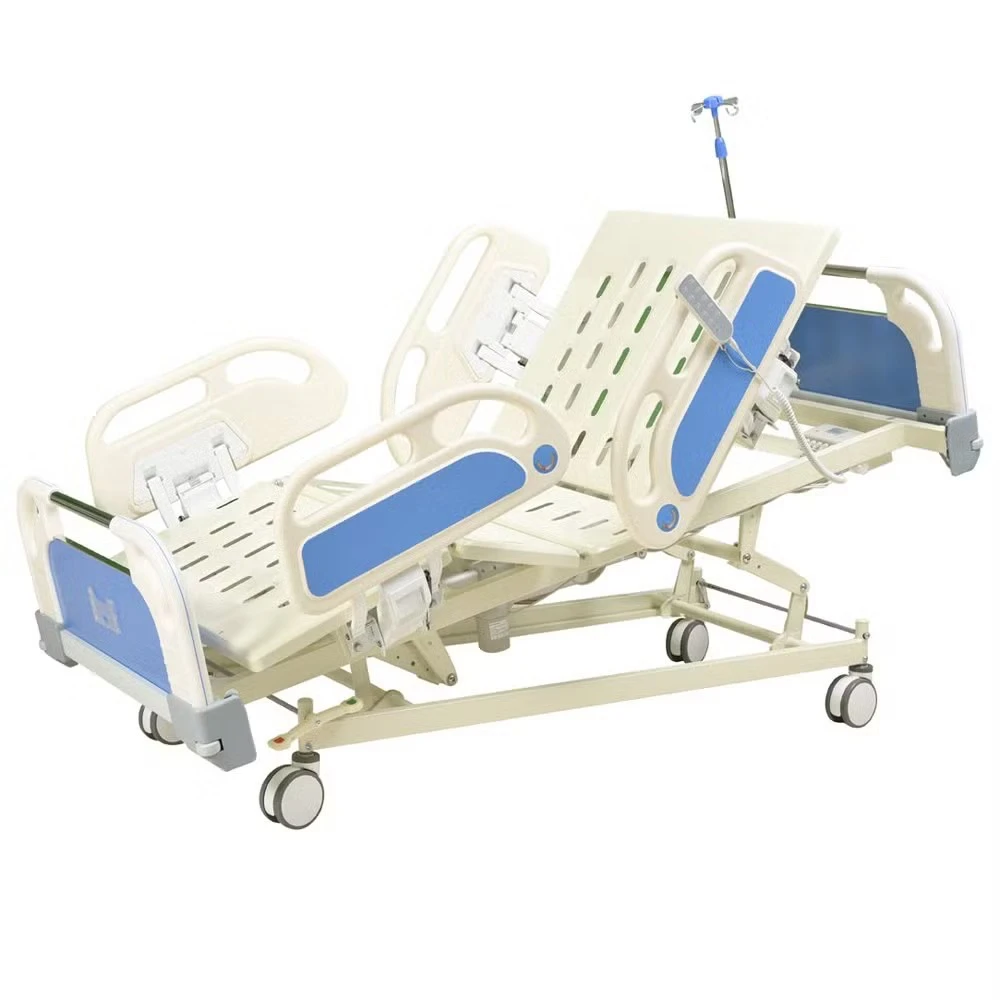
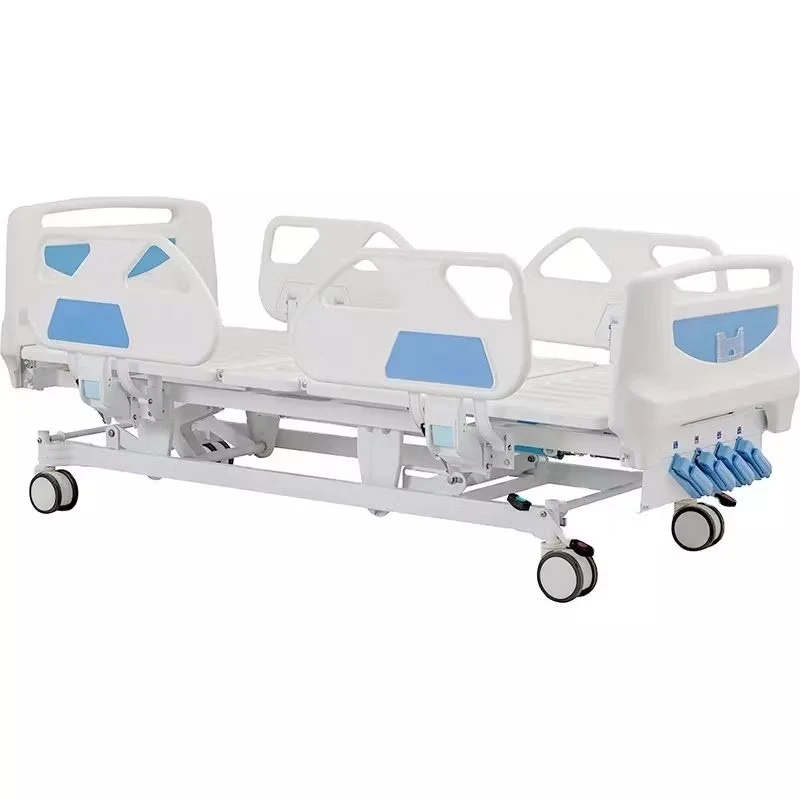
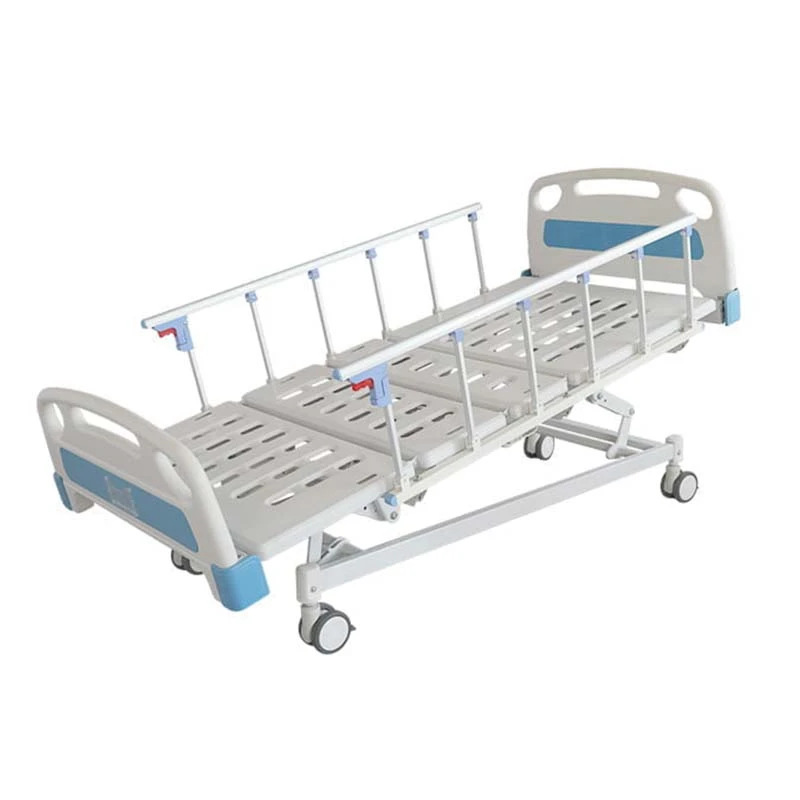
Simply put, a hospital bed factory is a manufacturing facility dedicated to producing beds specifically designed for hospital and healthcare use. Unlike typical household beds, the products here are highly engineered to meet strict hygiene standards, comfort, mobility, and adjustability requirements to cater to patients’ medical needs.
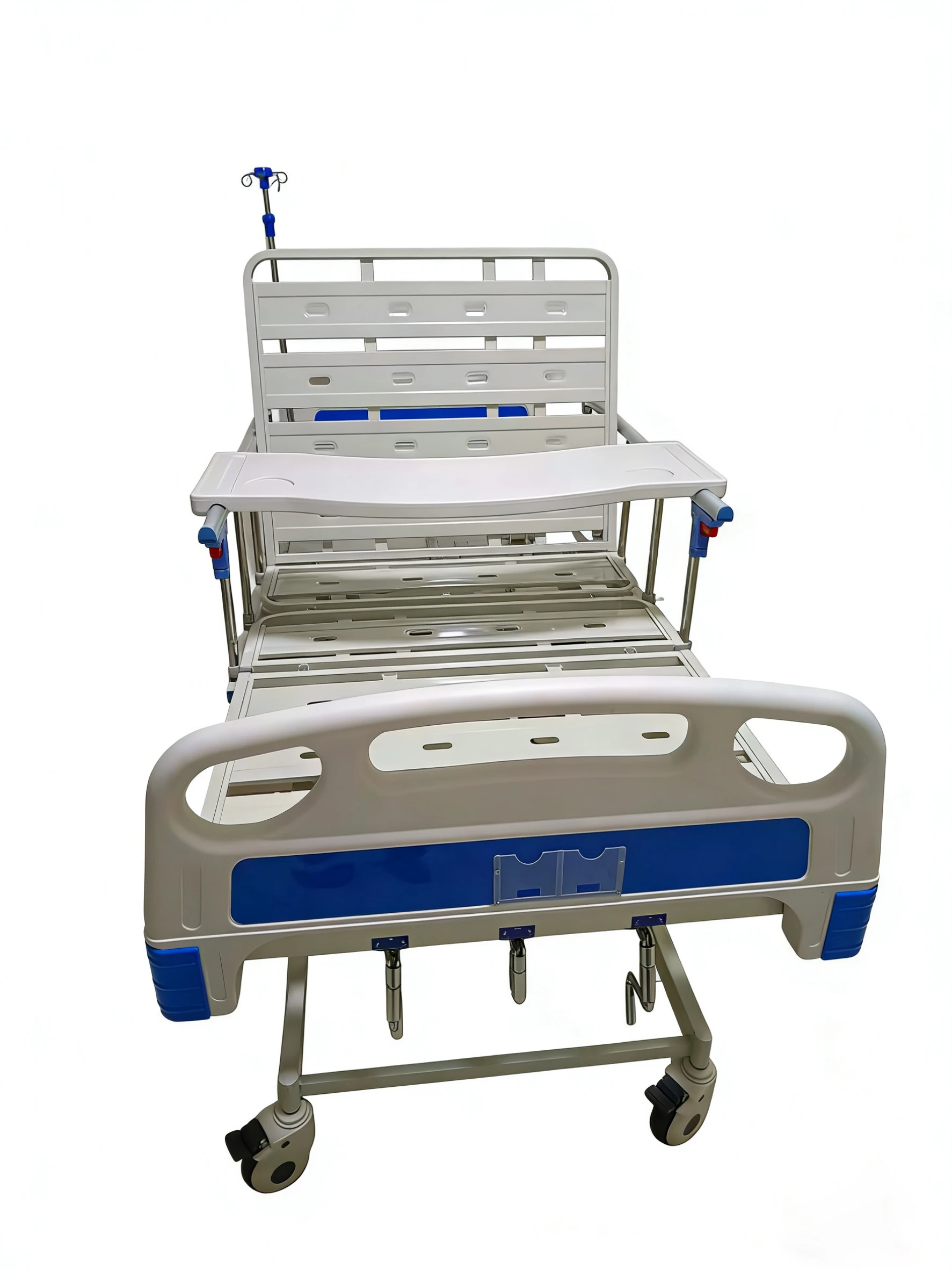
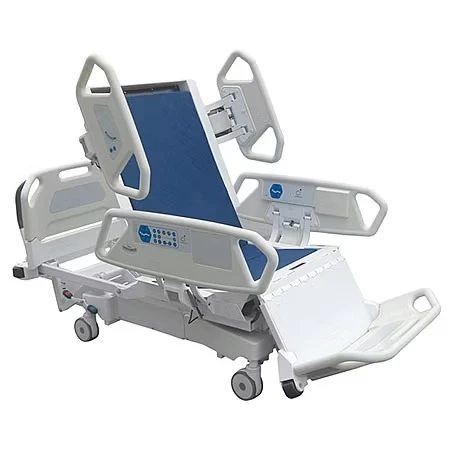
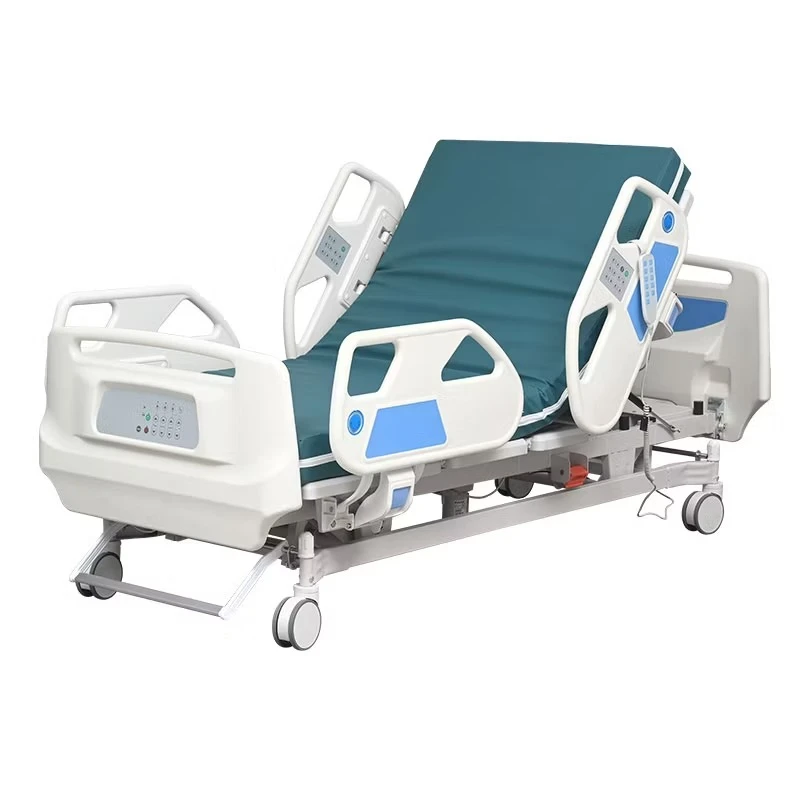
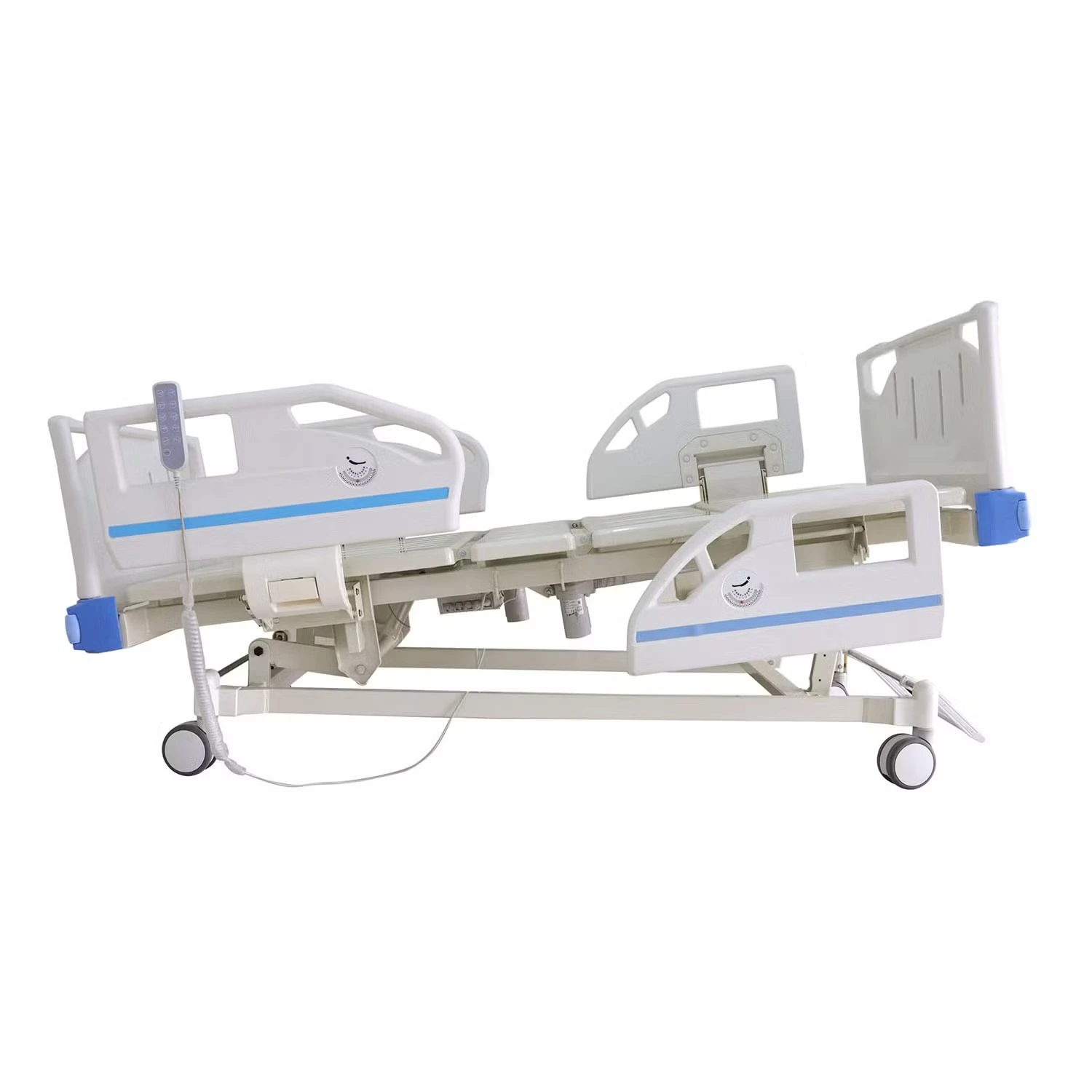
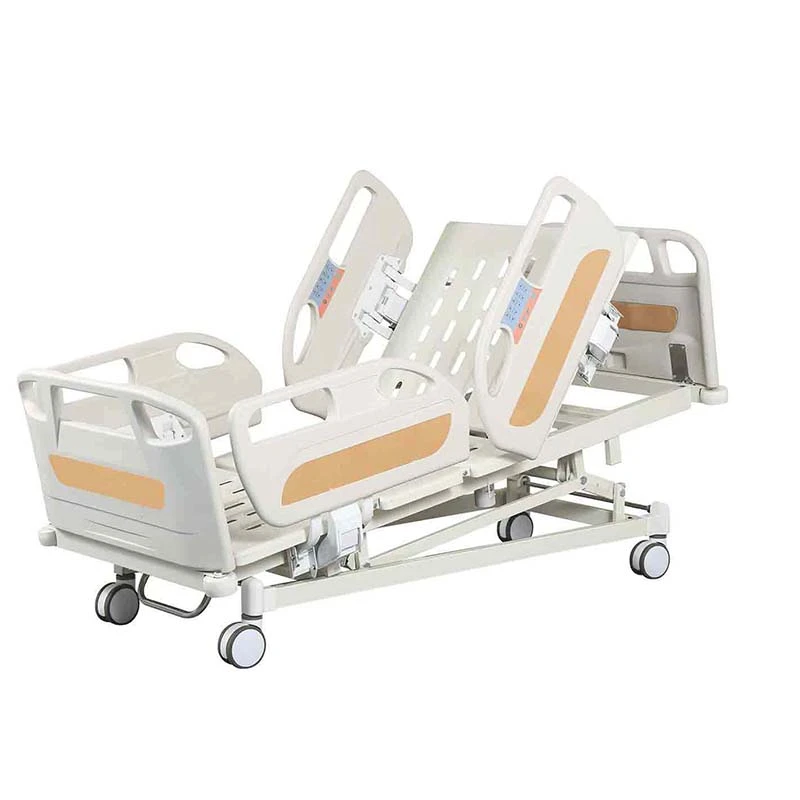
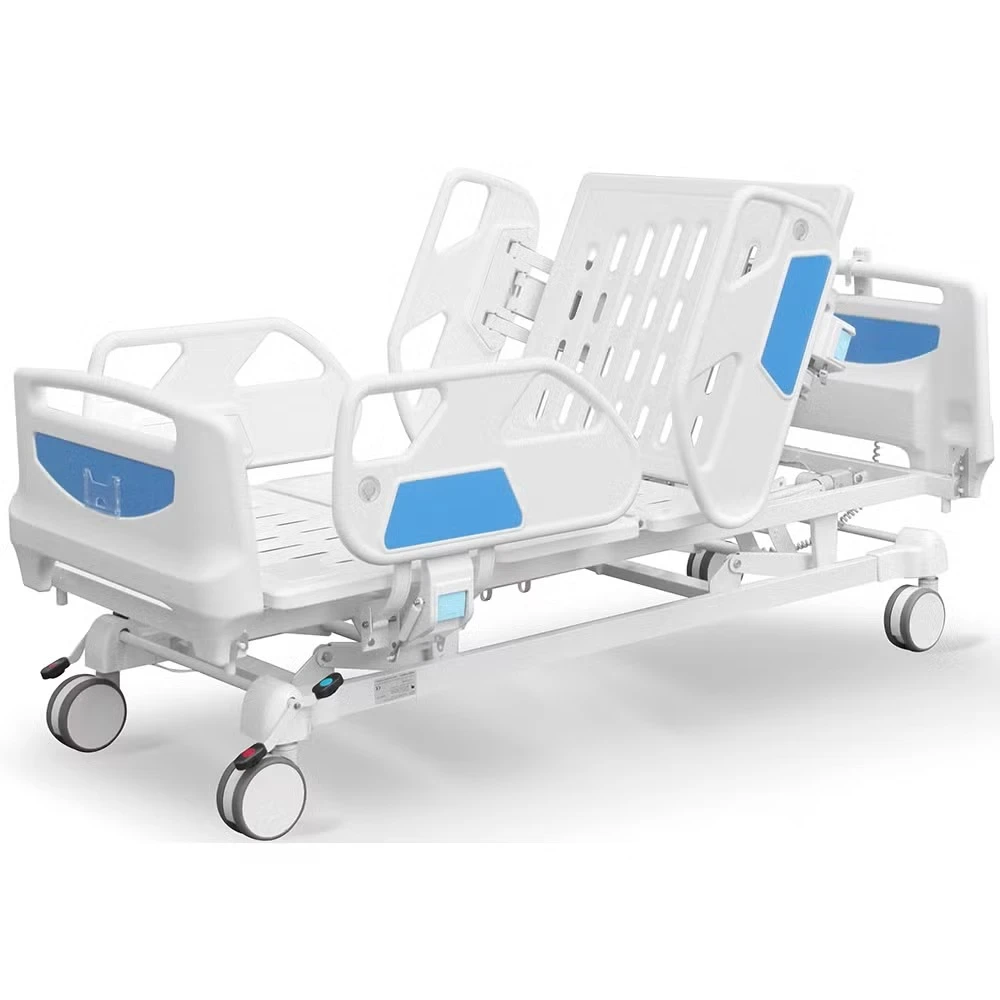
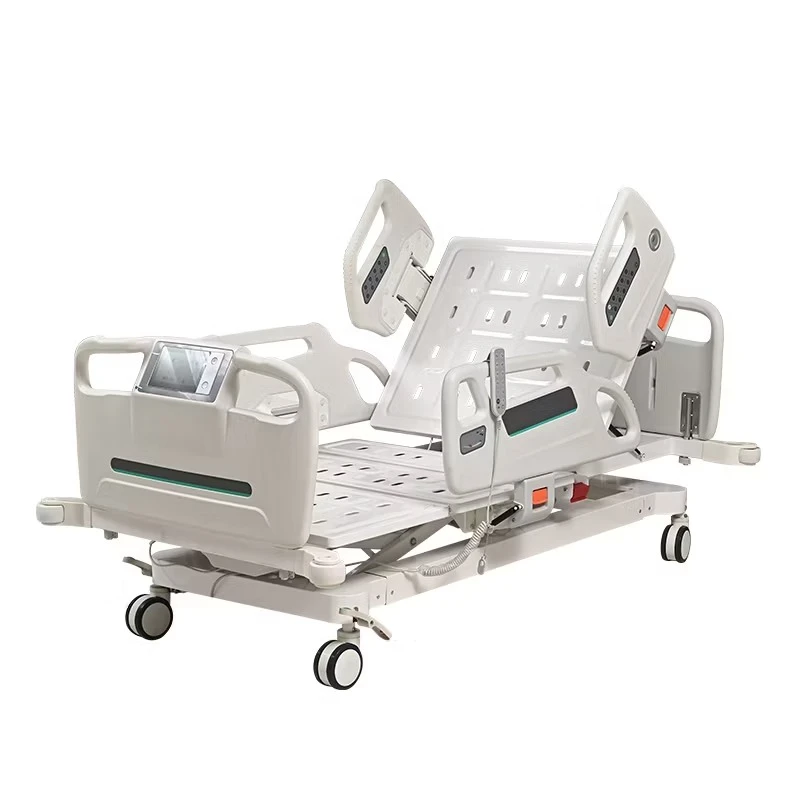
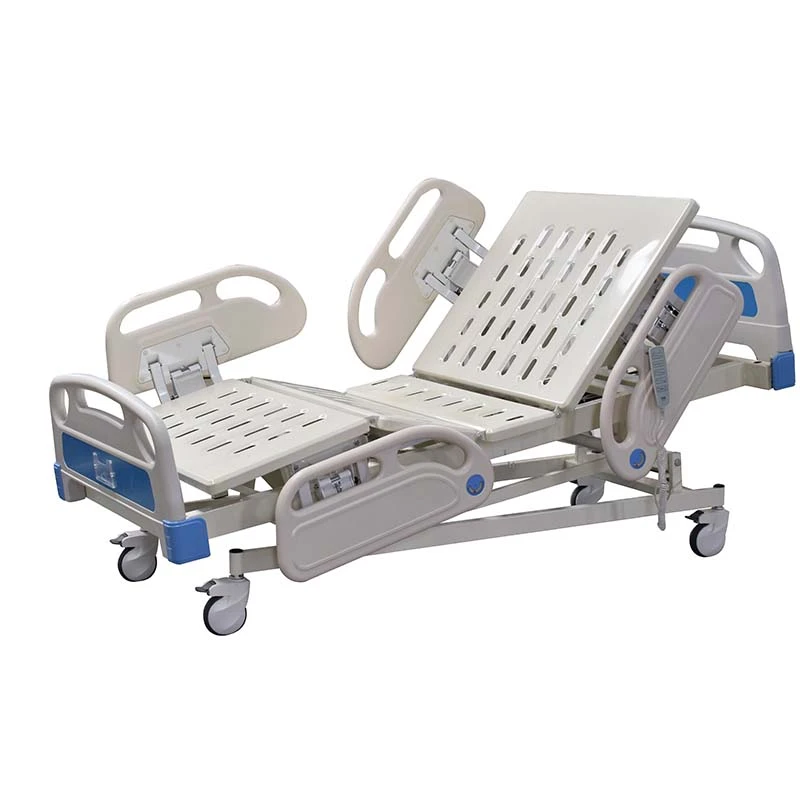
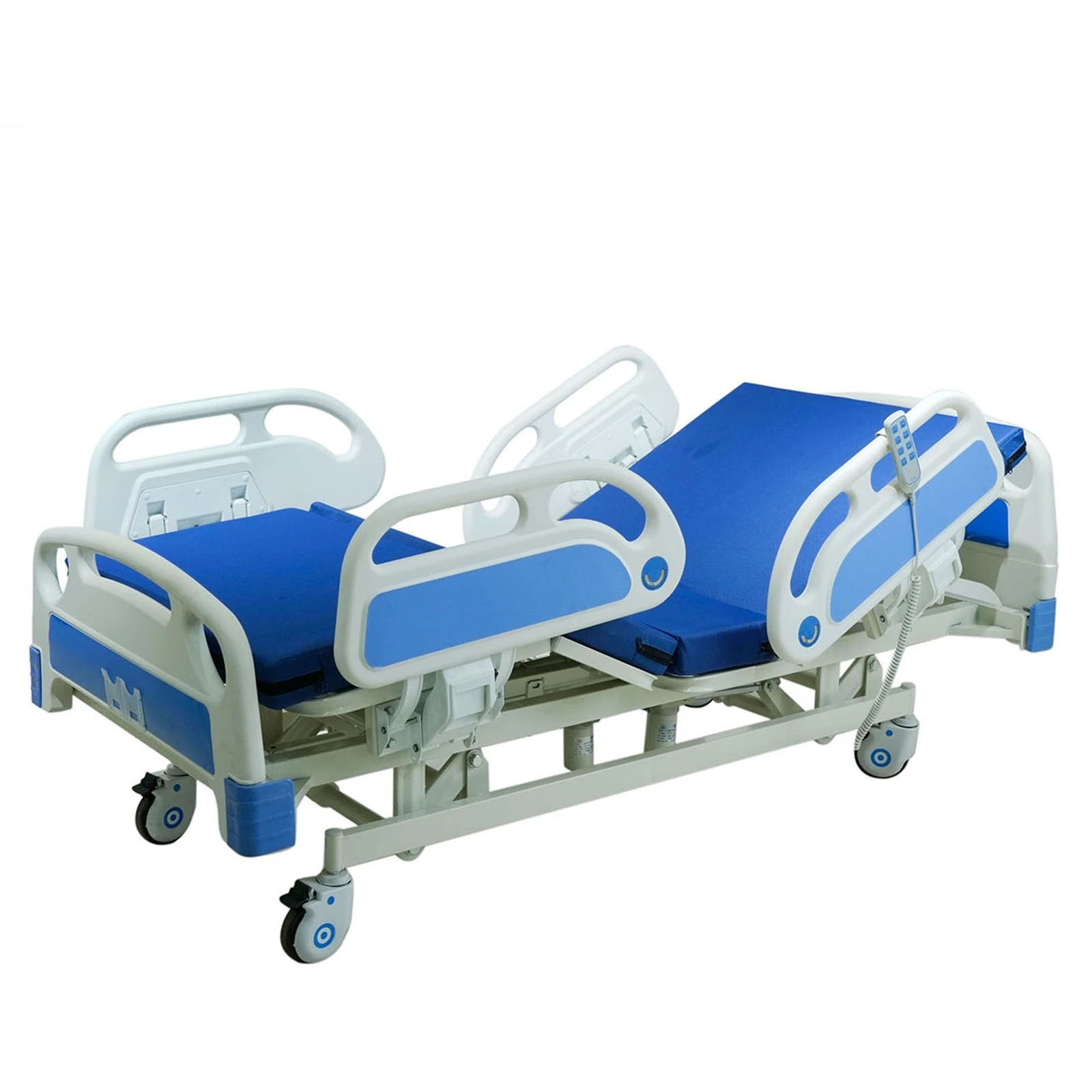
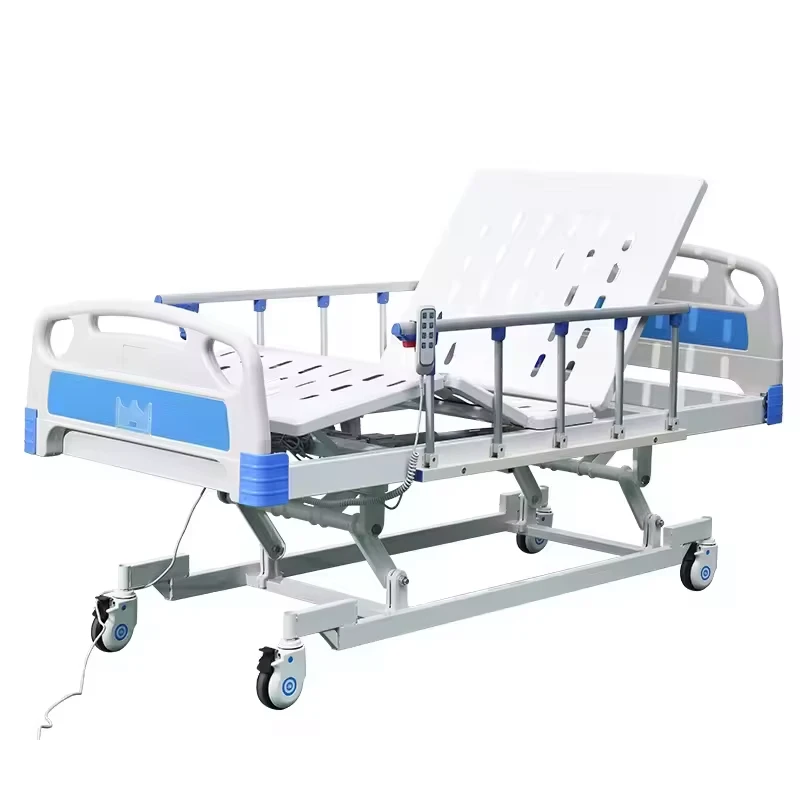
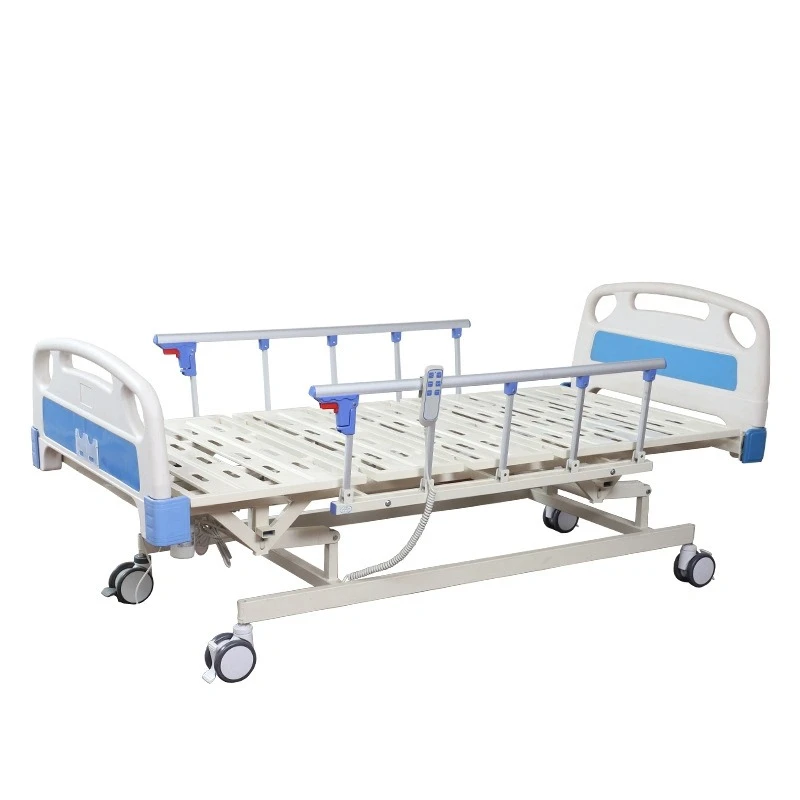
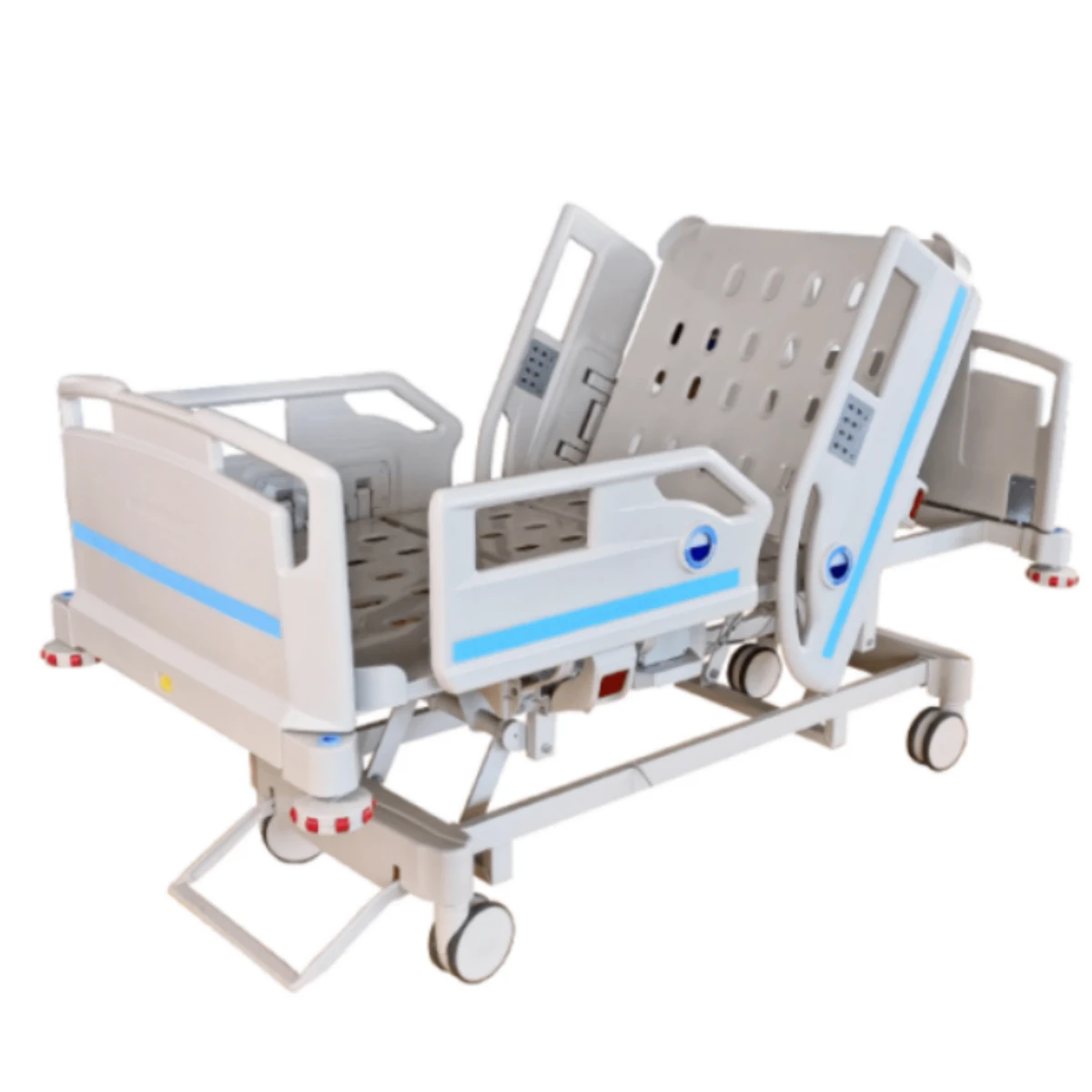
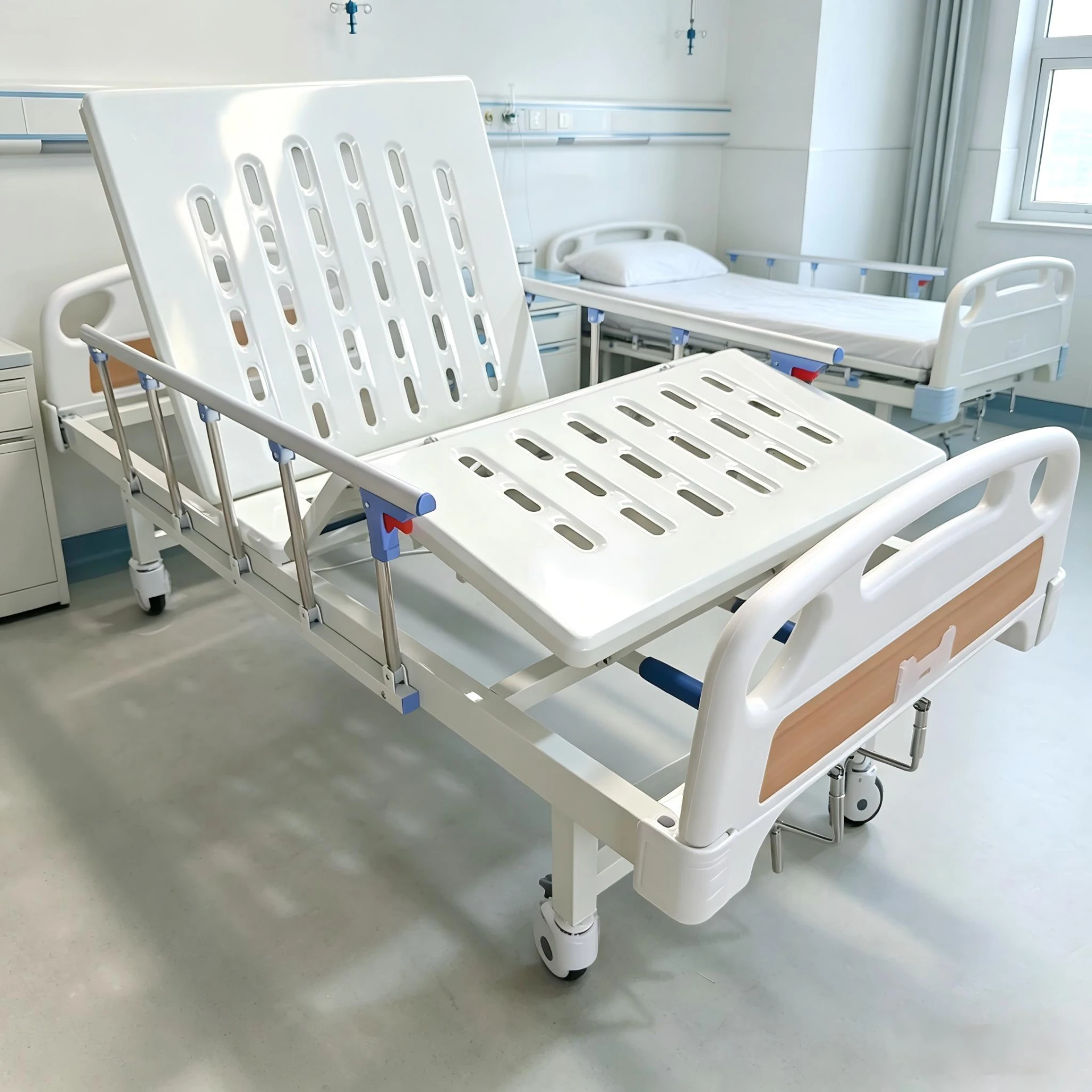
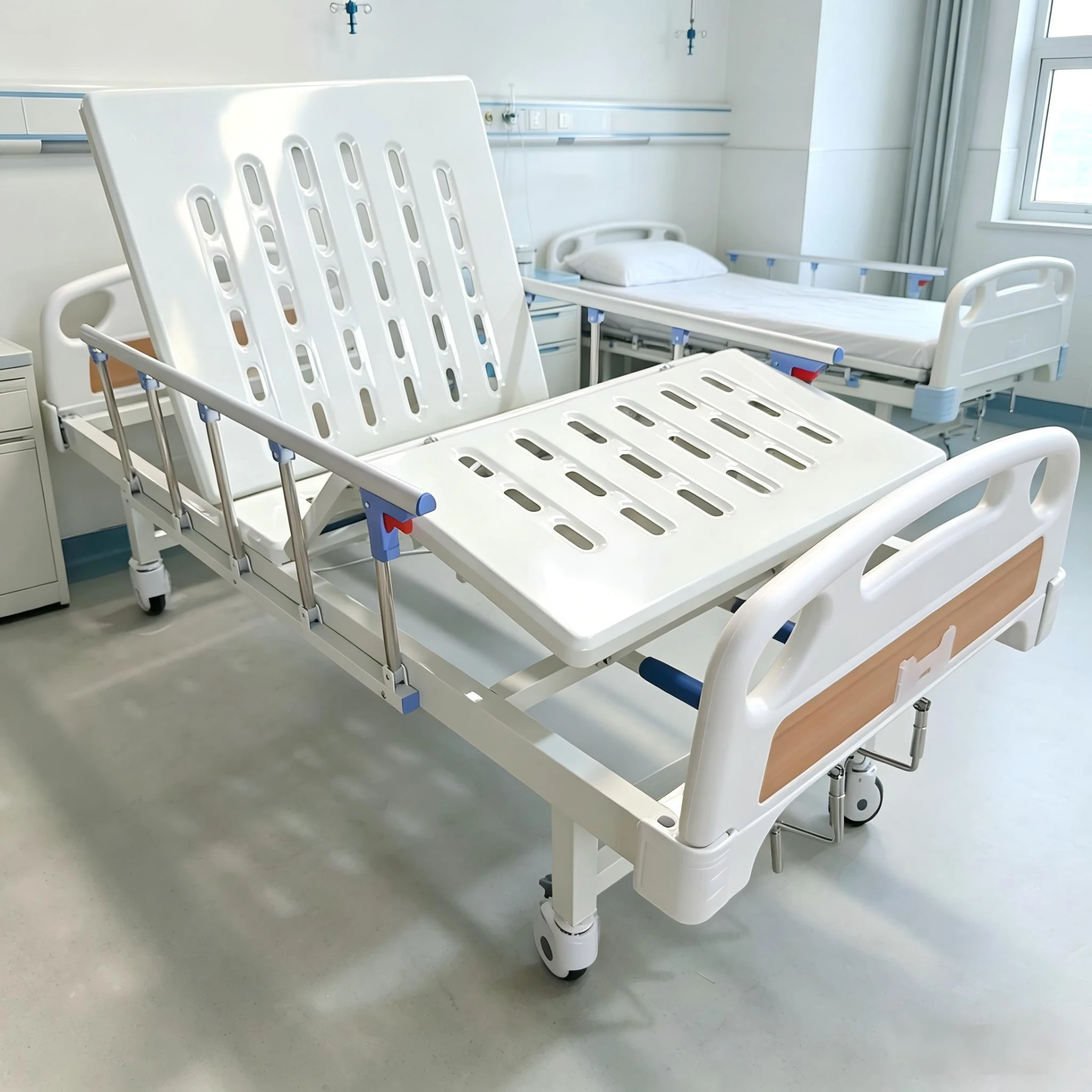
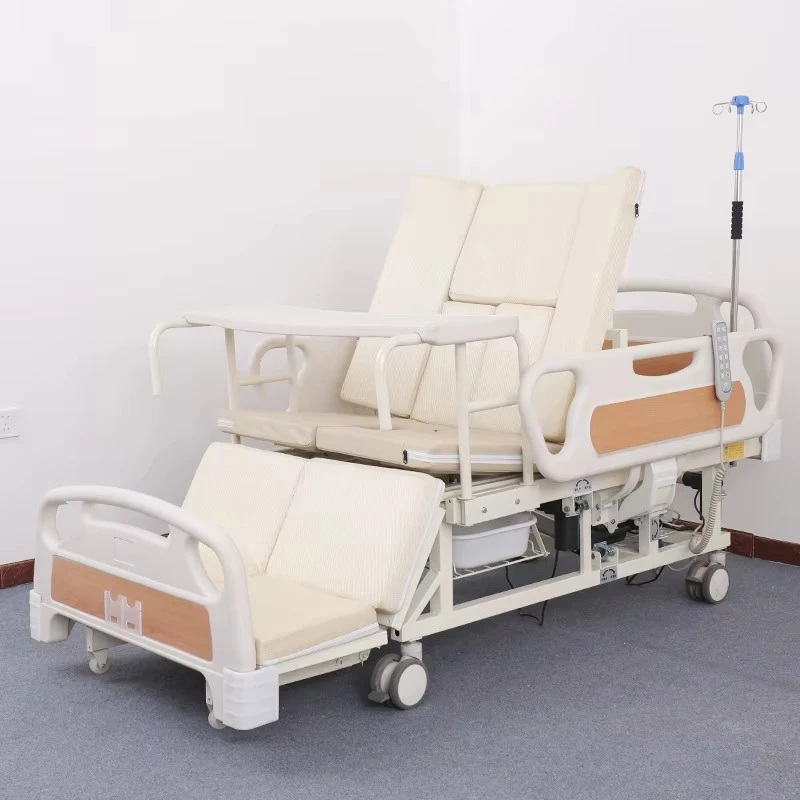
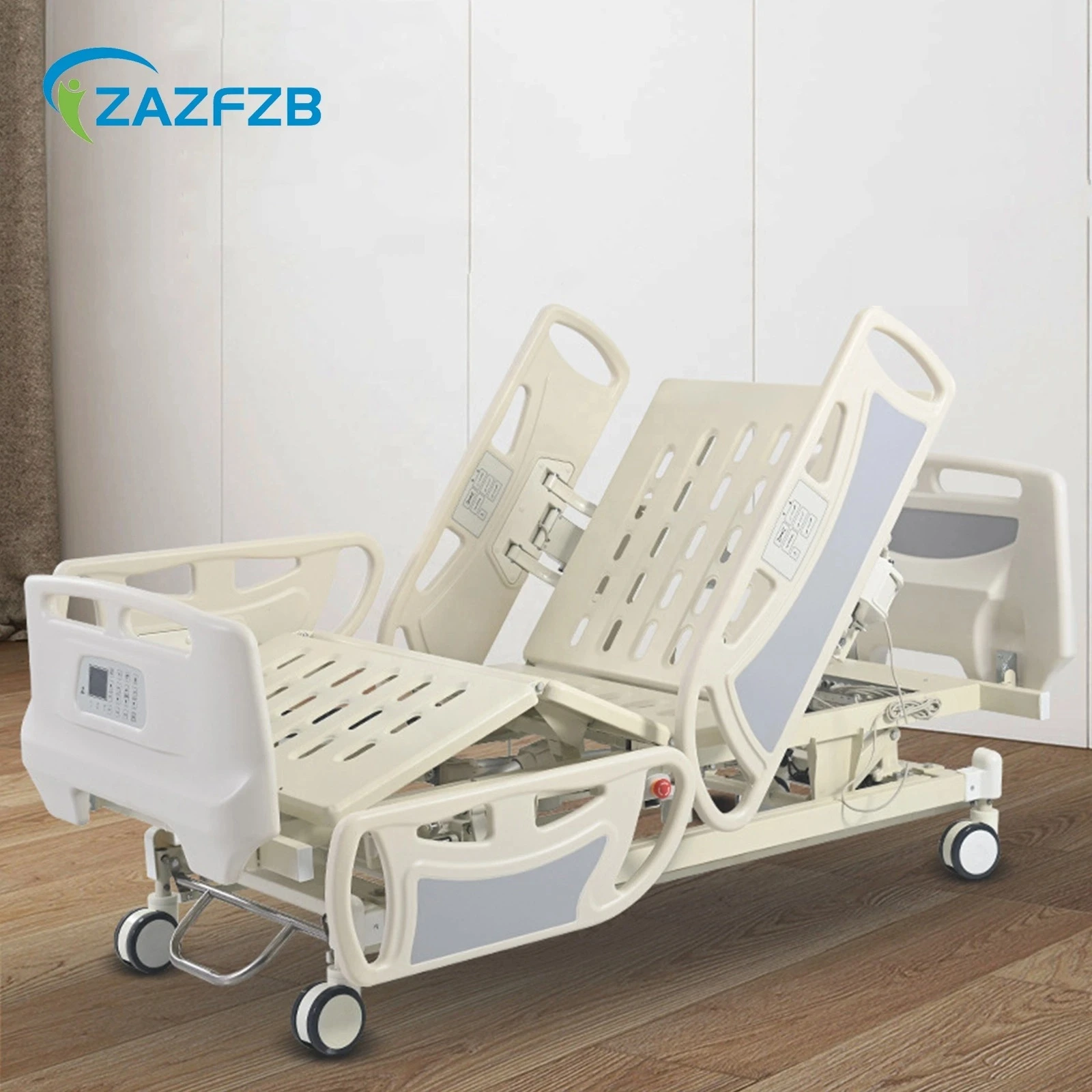
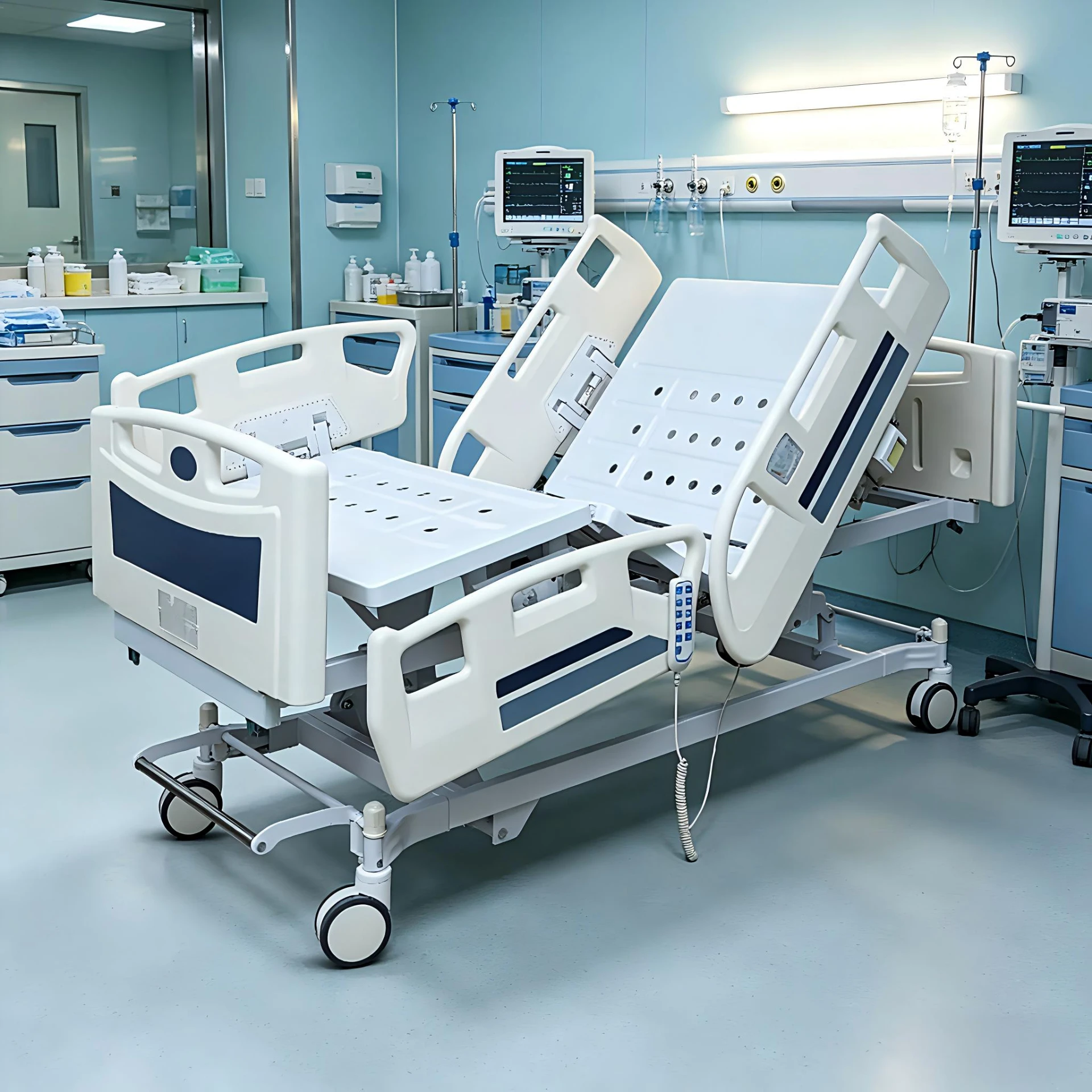
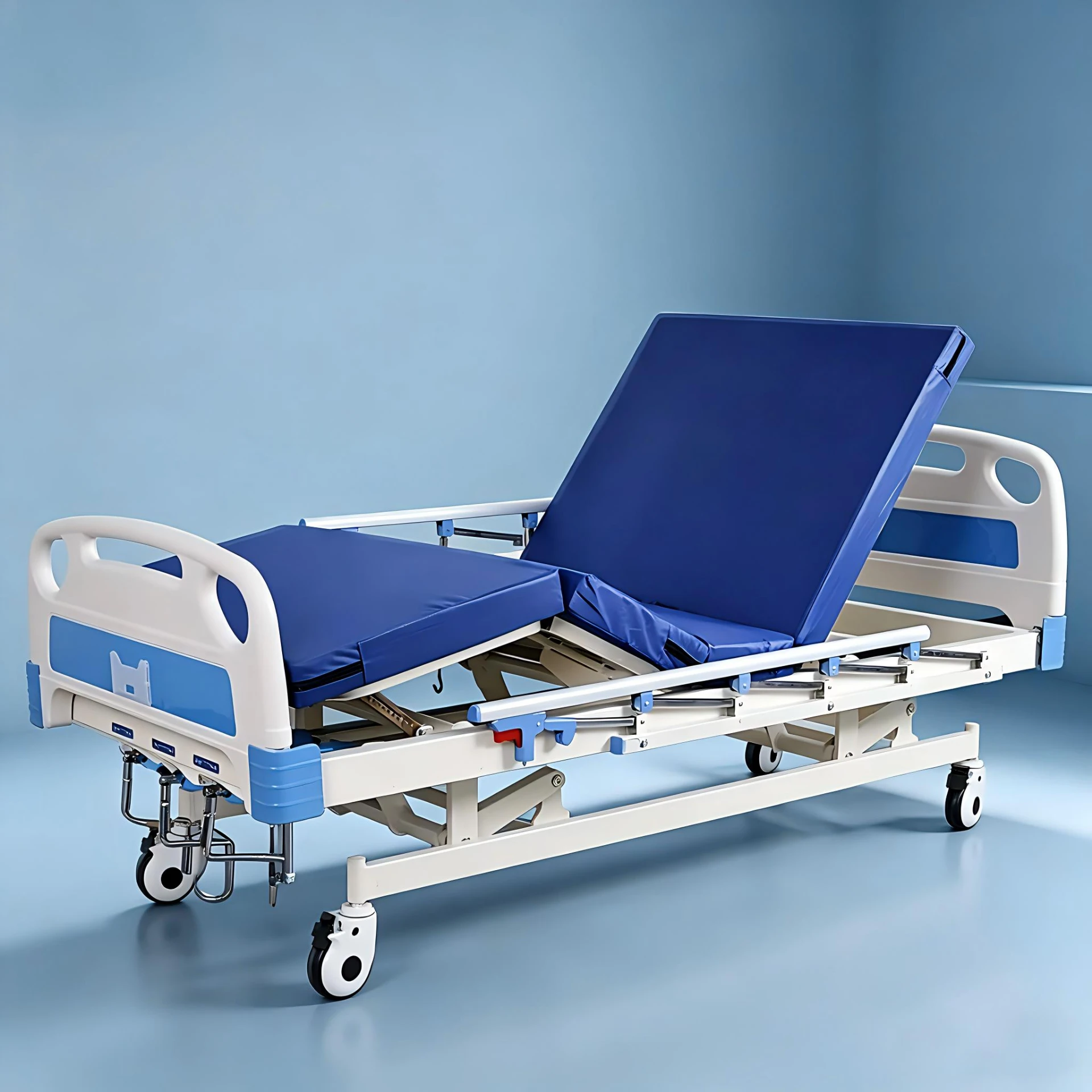
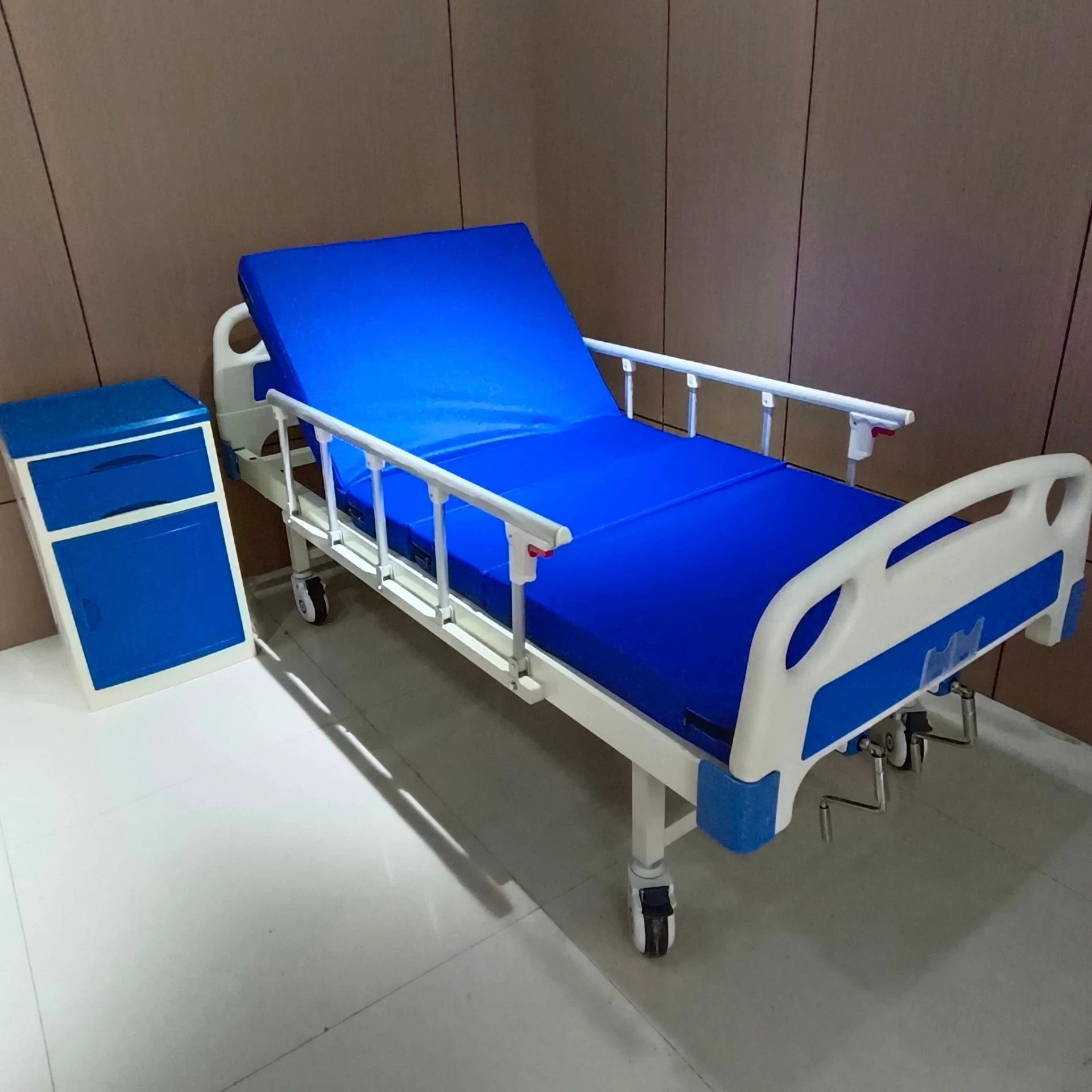
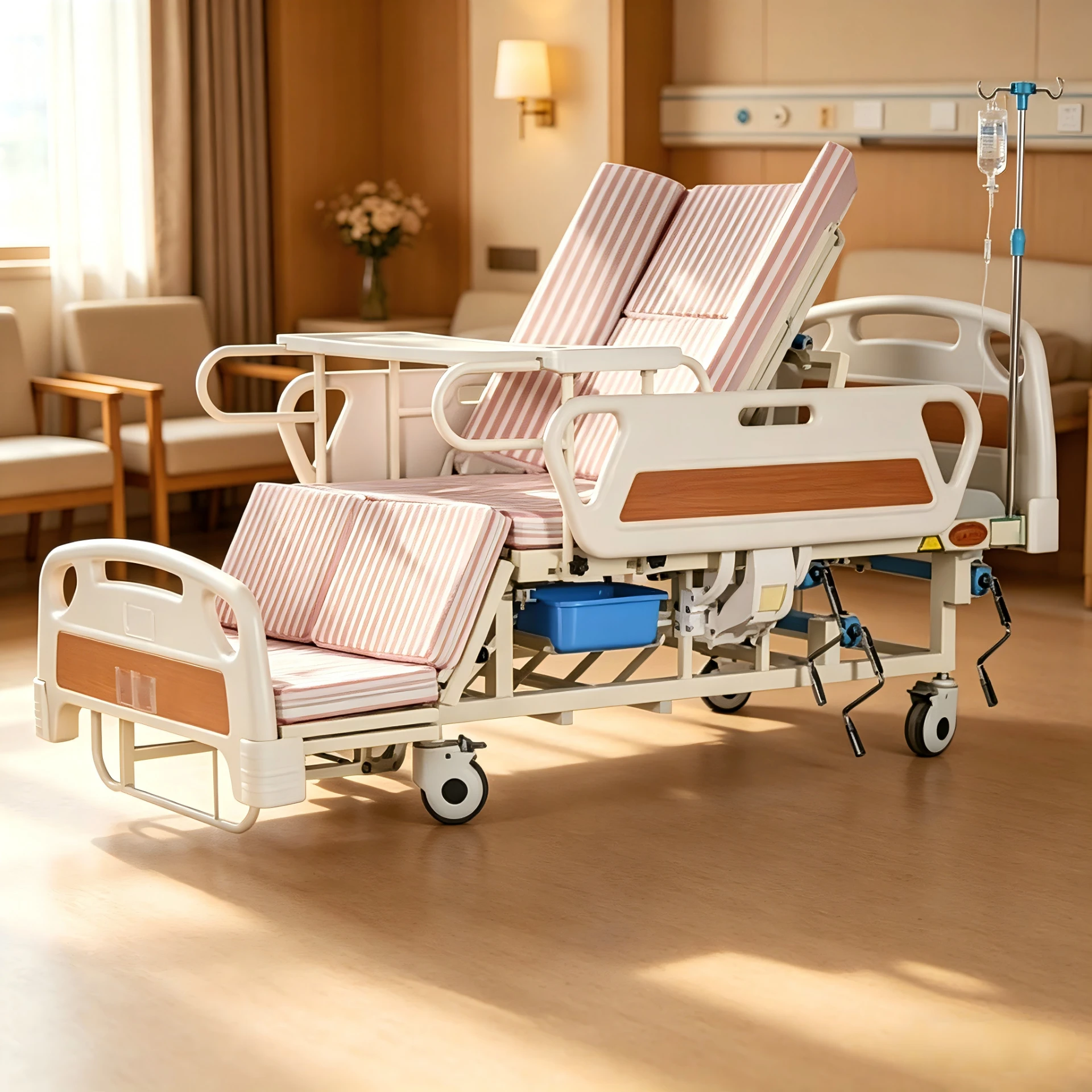
These factories typically integrate components such as adjustable side rails, wheeled bases, motorized articulation systems, and antimicrobial surfaces. The connection between these factories and modern healthcare is profound — they are the unsung heroes behind ensuring hospitals have reliable furniture that can withstand continuous usage while supporting patient dignity and safety.
Key Components of Hospital Bed Manufacturing
1. Durability
Hospital beds undergo daily wear and tear unlike almost any other furniture piece. The frames are usually made of high-quality steel or aluminum alloys that resist corrosion and mechanical stress. Manufacturers rigorously test beds using weight simulations and shock tests to guarantee safety during patient transfers or emergency responses.
2. Scalability
A hospital bed factory’s ability to scale production depending on demand is a game-changer. Whether it’s fulfilling large government tenders during health crises or supplying rural clinics steadily, flexible manufacturing lines help keep supply chains robust and responsive.
3. Cost Efficiency
Reducing production costs without sacrificing quality is a careful balancing act. Factories optimize raw material sourcing, standardize parts, and introduce automation to cut expenses. This ultimately lowers prices for hospitals and healthcare providers.
4. Customization & Innovation
Nowadays, hospital bed factories don’t just make one-size-fits-all products. Modular designs allow customization depending on patient type, from intensive care units needing electronic control to maternity wards requiring specialized side supports. Innovation often means integrating smart tech like patient monitoring sensors or antimicrobial coatings.
5. Compliance & Safety
Meeting international healthcare standards (ISO, FDA, EN standards) is non-negotiable. Strict quality control and certifications assure hospitals and patients the equipment is trustworthy and safe.
How Hospital Bed Factories Impact Real-World Healthcare
Let’s say a natural disaster strikes a Southeast Asian region: hospitals flood with patients. Thanks to scalable manufacturing, hospital bed factories can rapidly increase output to supply temporary healthcare centers with beds equipped for emergency use — folding designs, mobility aids, and easy sanitation.
In developed markets like Europe or North America, the factory's products find their way into advanced ICUs supporting longer-term patients, with features like smart positioning controls minimizing pressure sores. Meanwhile, in remote industrially developing zones — think mining camps or isolated island clinics — sturdy beds made in these factories withstand tough conditions while enabling basic medical procedures safely.
Organizations like Médecins Sans Frontières (MSF) often rely on equipment from trusted hospital bed factories to deploy field hospitals globally under tight logistical constraints.
Product Specifications: Typical Hospital Bed Features
| Feature | Specification | Notes |
|---|---|---|
| Material | Powder-coated steel frame | Corrosion-resistant |
| Adjustability | Electric motorized articulation (head, legs) | Remote or wired control panel |
| Safety Rails | Foldable steel side rails | Meets ANSI safety standards |
| Wheels | Lockable swivel casters | Facilitates mobility and stability |
| Weight Capacity | Up to 250 kg (550 lbs) | Supports heavy patients safely |
Comparing Leading Hospital Bed Factories
| Factory | Production Capacity | Customization Options | Certifications | Lead Time |
|---|---|---|---|---|
| ZhaoFa Med Co. | 10,000 units/month | High (ICU, Maternity, Pediatric models) | ISO 13485, CE, FDA | 4-6 weeks |
| HealthEquip Global | 7,500 units/month | Moderate (standard and ICU only) | ISO 13485, CE | 6-8 weeks |
| MediFrame Solutions | 5,000 units/month | High (custom projects for NGOs) | ISO 13485 | 8-10 weeks |
Benefits That Make Hospital Bed Factories Indispensable
- Cost reduction: centralized mass production reduces unit price.
- Reliability: tested and certified beds improve patient safety.
- Sustainability: many factories now use eco-friendly materials and energy-saving production methods.
- Social impact: boosting healthcare capacity especially in underserved regions contributes to global health equity.
Plus, let’s be honest — a good hospital bed isn’t just equipment; it symbolizes dignity and care for patients. The psychological comfort of a well-designed bed can sometimes speed recovery or at least lessen patient anxiety. So, the emotional value is a big part of why quality matters.
Looking Ahead: Trends Innovating Hospital Bed Production
Innovation never rests. New trends include integrating IoT technology to monitor patient vitals from the bed, using lighter but stronger composite materials, and automating assembly lines with robotics to meet surging demands quickly.
Environmental impact also gets more attention. Factories adopting solar power or recycling metal scraps not only cut costs but also align with global sustainability goals (c.f. UN Sustainable Development Goal 3 & 12).
It’s a fertile time for hospital bed manufacturers happily experimenting with digital twin simulations and additive manufacturing — but that’s a story for another day!
Overcoming Challenges Faced by Hospital Bed Factories
Common hurdles include supply chain disruptions (think recent global chip shortages affecting electronic beds), fluctuating raw material costs, and strict regulatory hurdles delaying market entry. However, factories are increasingly building resilient supply chains and diversifying suppliers.
Some even collaborate with healthcare providers during R&D to tailor products better and speed certification cycles, leading to more timely, fit-for-purpose beds shipped worldwide.
FAQ: What You’re Asking About Hospital Bed Factories
- Q: How quickly can a hospital bed factory respond to emergency demands?
A: Leading factories can ramp up production within weeks. Modular designs and pre-produced components help reduce lead times to as little as 4 weeks in urgent scenarios. - Q: Can I customize hospital beds for specific medical needs?
A: Most hospital bed factories offer customizable options, including size adjustments, motorized controls, and specialized safety rails tailored to ICU or pediatric care. - Q: Are hospital beds from these factories environmentally friendly?
A: Many factories now incorporate recycled metals, powder coatings (vs toxic paints), and energy-efficient processes to reduce environmental footprints. - Q: How do I choose a trustworthy hospital bed factory?
A: Check certifications (ISO 13485, CE, FDA), production capacity, and client testimonials. Factories like ZhaoFa Med Co. are known for quality and reliable delivery. - Q: What is the average lifespan of a hospital bed produced in these factories?
A: With proper maintenance, beds typically last 7-10 years, although innovations and usage intensity might shorten or extend this.
Wrapping Up – Why the Hospital Bed Factory Matters
In the grand scheme of healthcare, hospital bed factories quietly shape the future of patient care globally. Their ability to supply high-quality, adaptable, and safe beds affects everything from everyday hospital stays to disaster response efficiency. By choosing trusted manufacturers with strong capabilities and visionary innovation, healthcare providers around the world secure a foundation that literally supports life.
If you’re seeking durable, customizable hospital beds, do explore options from reputable places like hospital bed factory specialists who balance cost, quality, and compliance seamlessly.
Stay curious — these factories might not be flashy, but they’re essential. And frankly, every patient deserves that kind of quiet care excellence.