Medical Bed Supplier | Durable, Adjustable & Hygienic Hospital Beds for Global Healthcare
What’s a Medical Bed Supplier and Why Does It Matter Globally?
When you think about healthcare, hospital beds might not be the first thing that pops into your head. But try imagining a hospital, emergency clinic, or recovery center without reliable, adjustable, and durable beds. That’s exactly where the medical bed supplier steps in—they are the invisible force behind countless patient recoveries worldwide. Global health systems, emergency responders, and long-term care providers all depend on quality medical bed suppliers to keep their operations running smoothly.
From bustling urban hospitals in New York to remote clinics in Sub-Saharan Africa, access to proper medical beds determines not only comfort but the very real medical outcomes of patients. Understanding the role of these suppliers is key in improving healthcare infrastructure, emergency disaster readiness, and patient dignity worldwide.
Medical Bed Suppliers in Today’s Global Healthcare Landscape
Globally, the healthcare products market reached nearly $600 billion in 2023, according to the World Bank, portioned largely among medical devices such as hospital beds. The medical bed supplier market’s growth links closely to increasing chronic illness rates, population aging, and major humanitarian needs. For example, the UN estimates an annual average of over 130 million people affected by disasters worldwide, many requiring urgent medical care with proper equipment, including specialized beds.
Yet a persistent challenge remains: many low-resource areas struggle to gain access to high-quality medical beds that meet international standards, often relying on outdated or inappropriate solutions. This disparity puts patients at risk and stresses healthcare workers, which is why connecting suitable, durable, cost-conscious product lines with those regions is a major task for suppliers today.
What Exactly Is a Medical Bed Supplier?
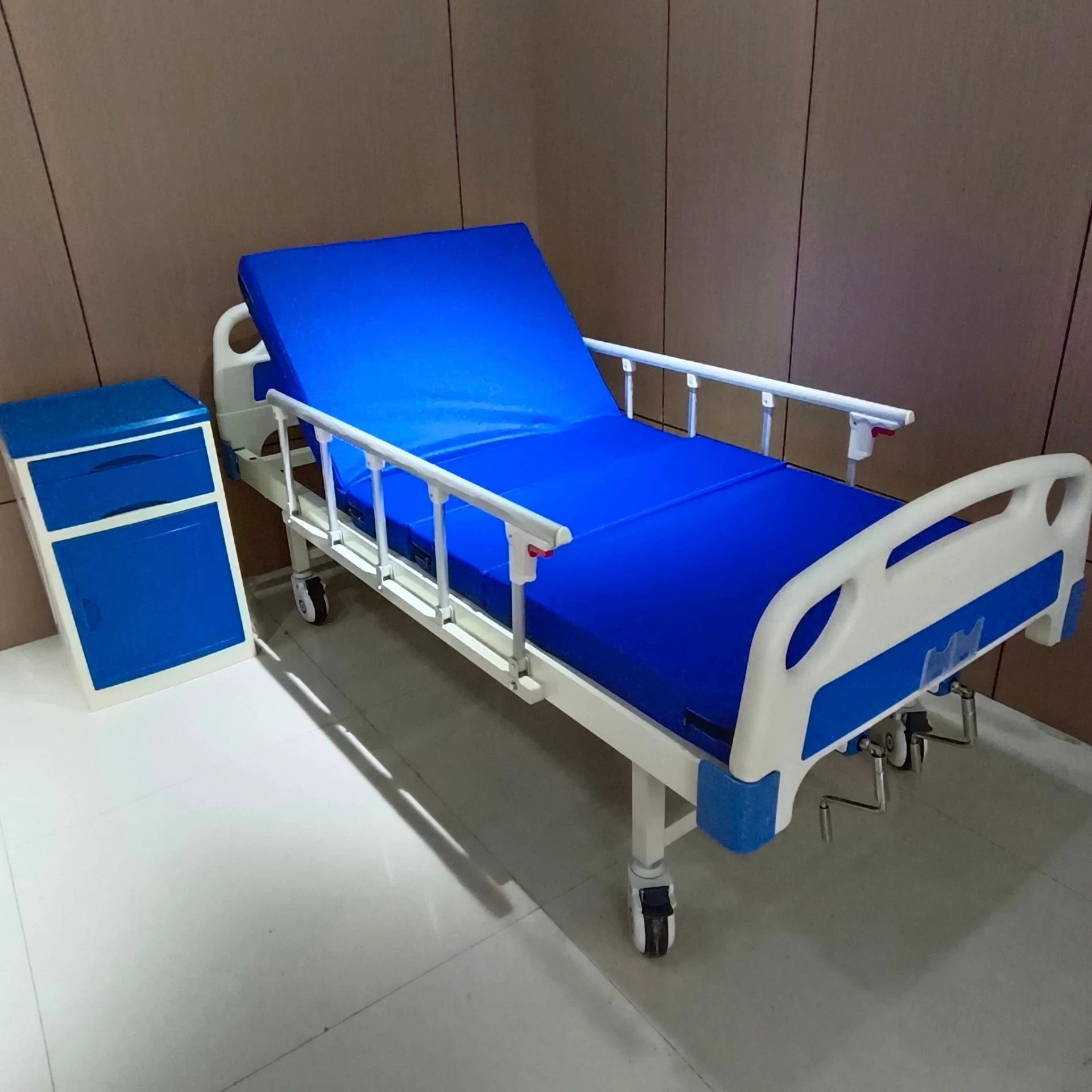
Put simply, a medical bed supplier is an entity—be it a manufacturer, distributor, or wholesaler—that provides hospital beds and related equipment to healthcare facilities. These beds are not your average household furniture; they’re designed with patient safety, comfort, adjustability, and hygiene in mind.
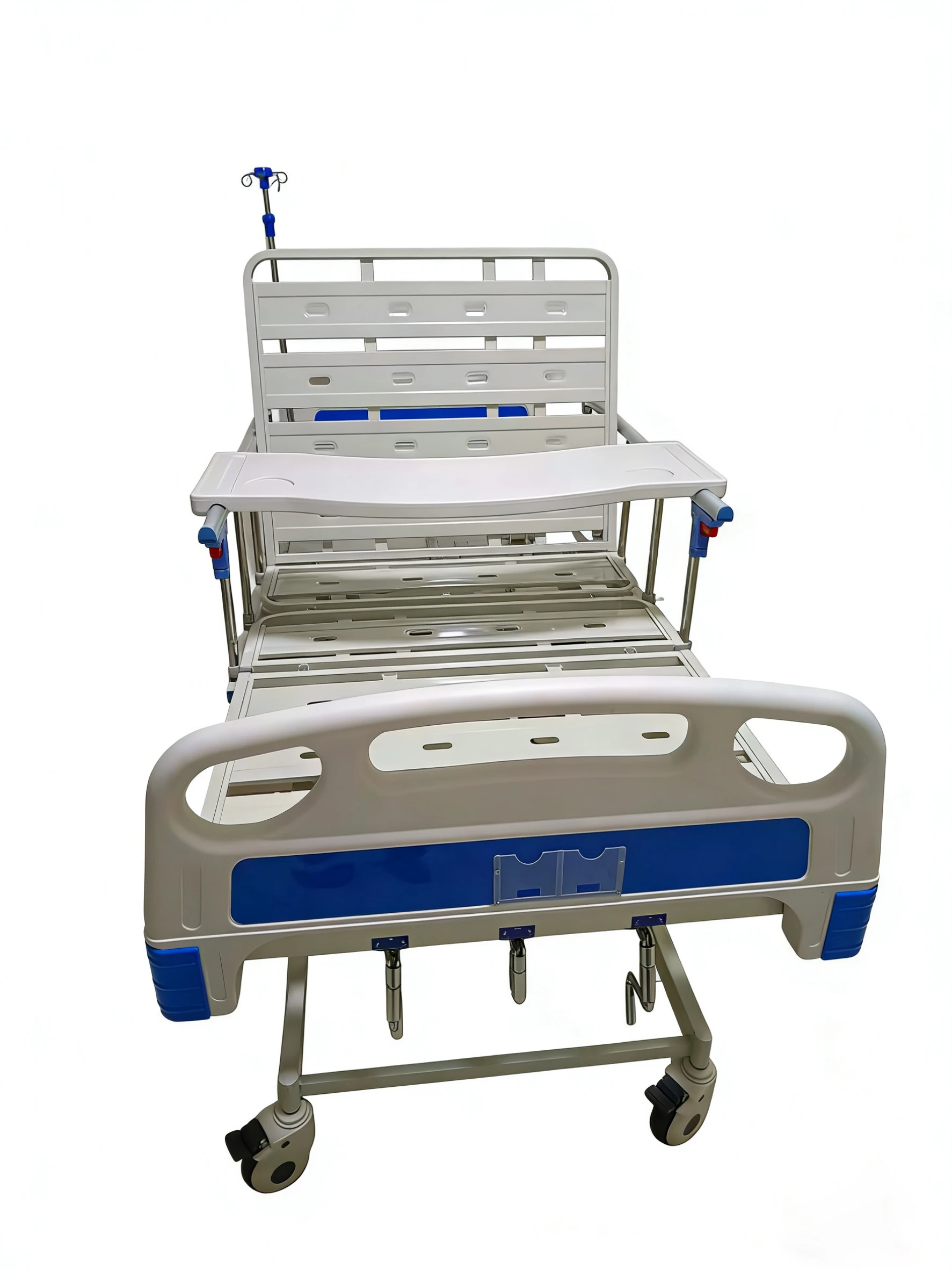
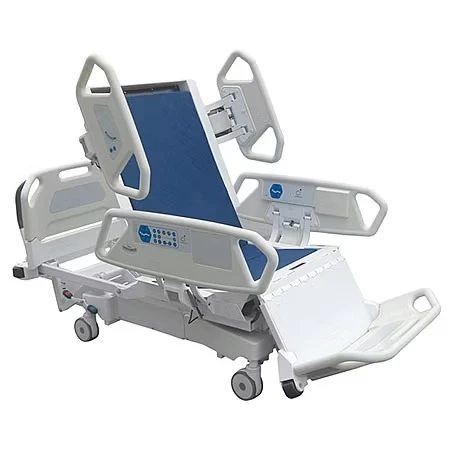
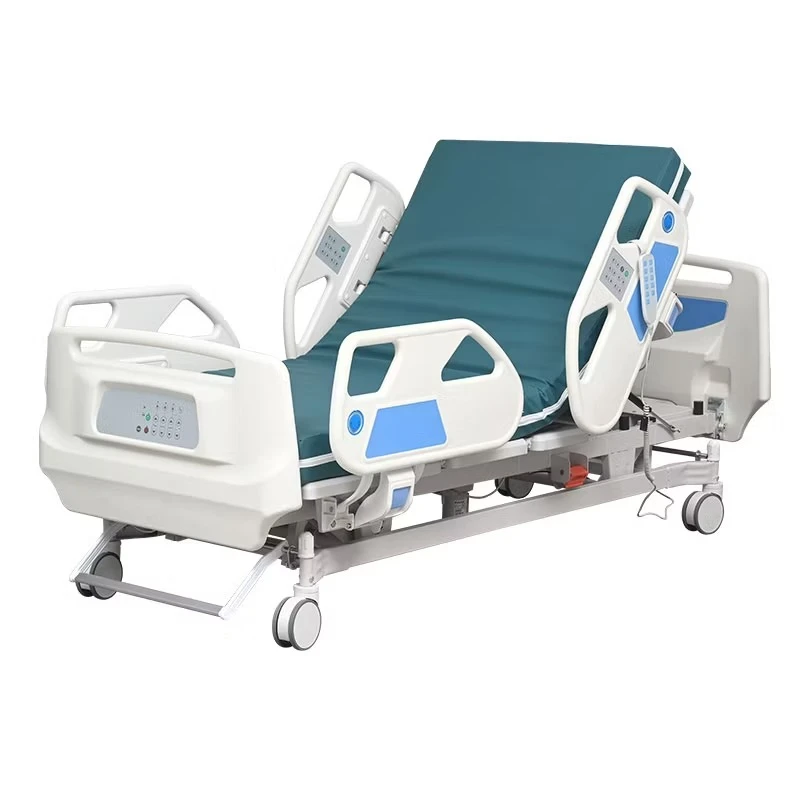
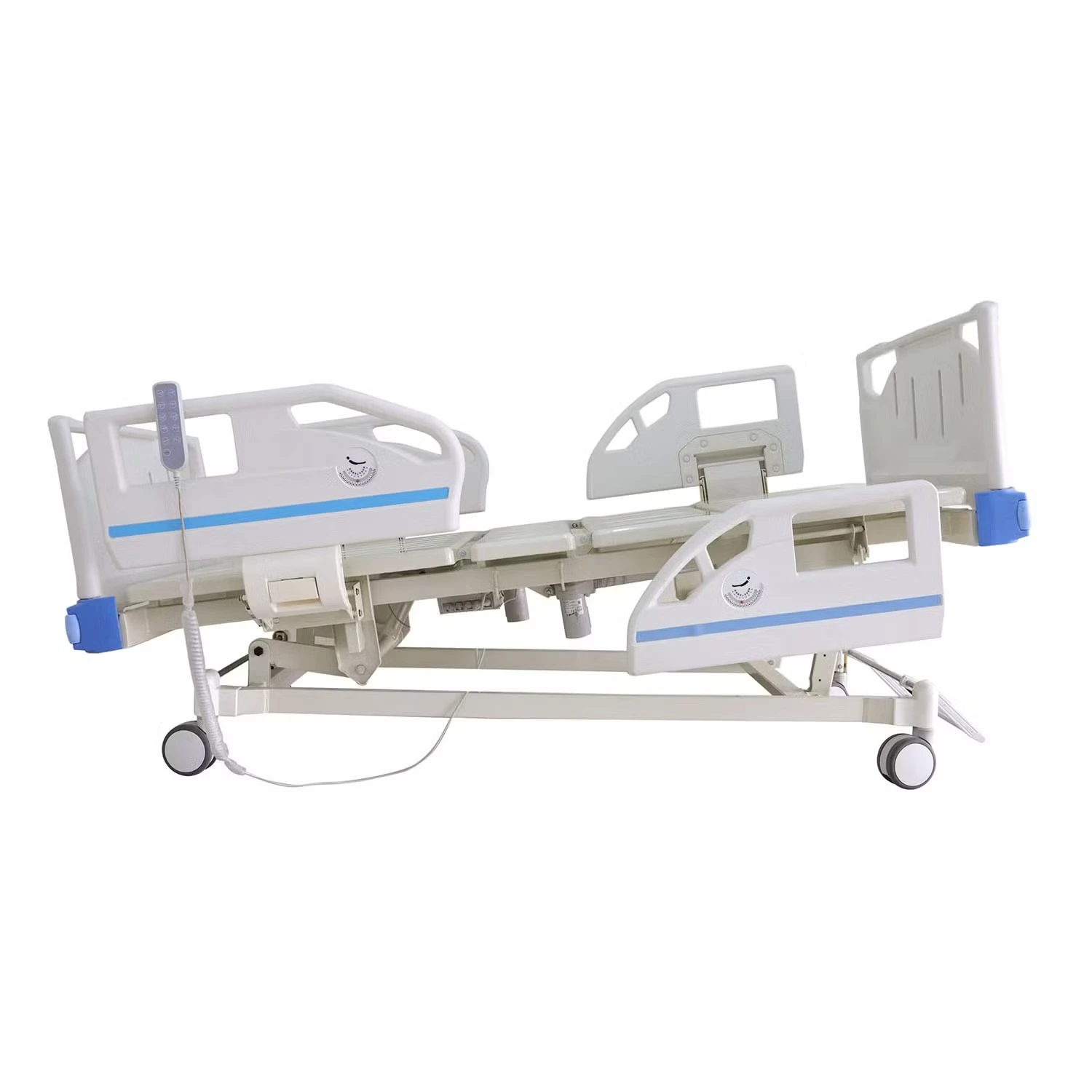
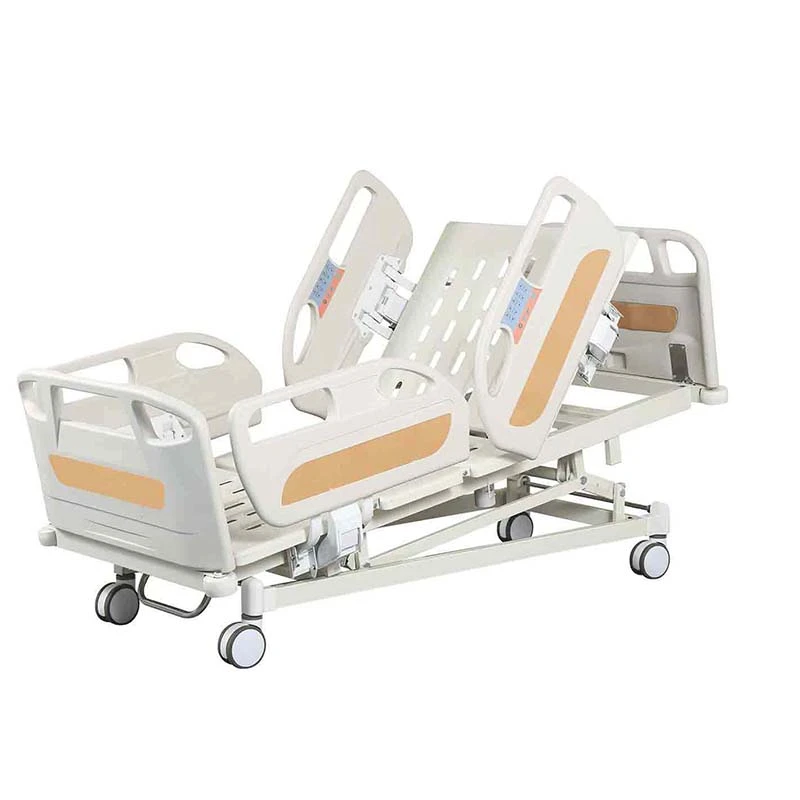
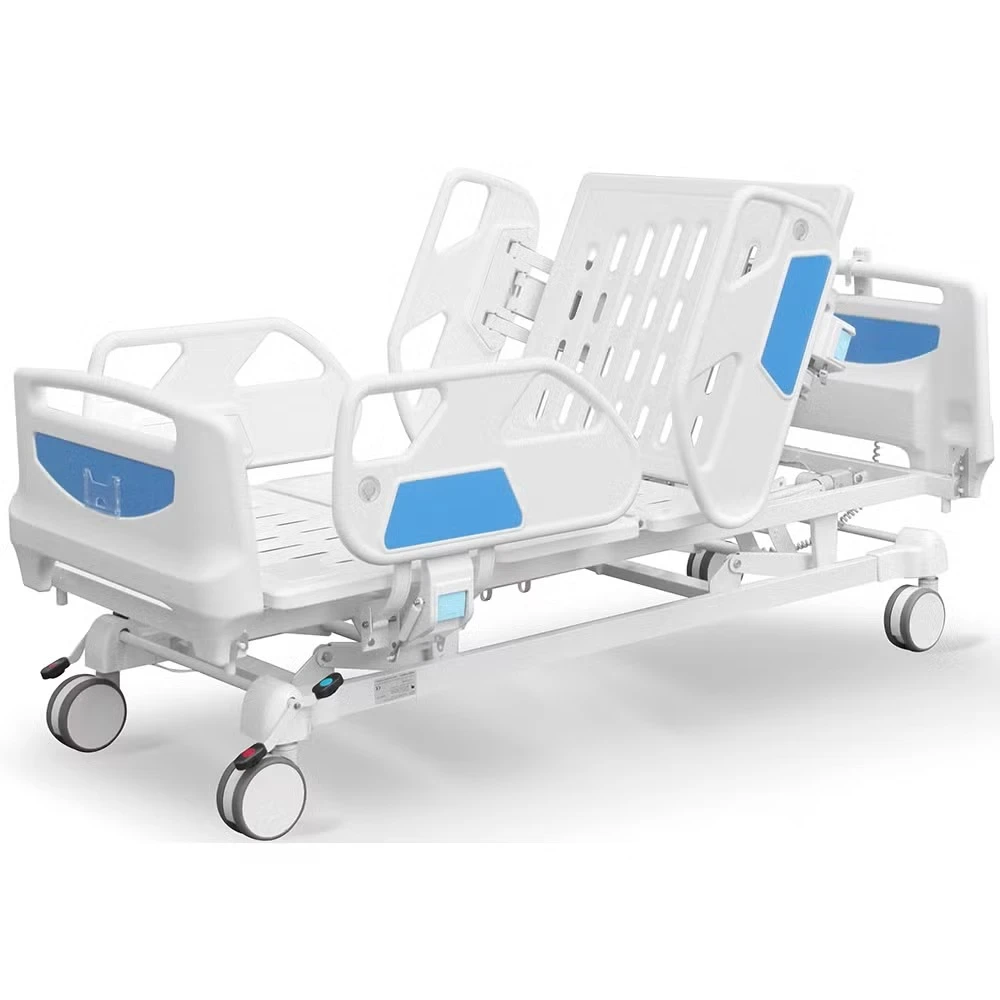
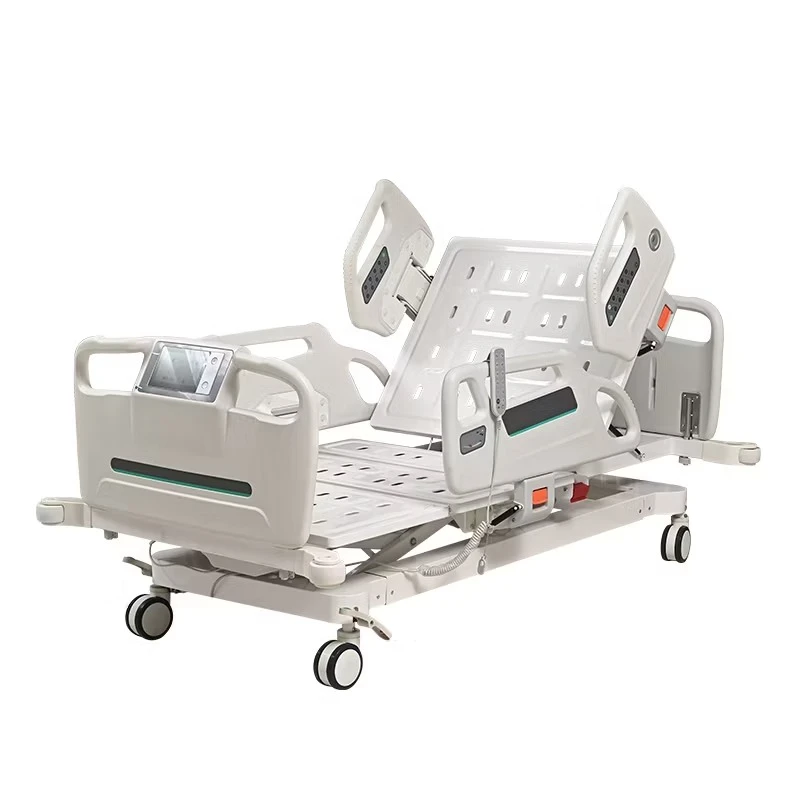
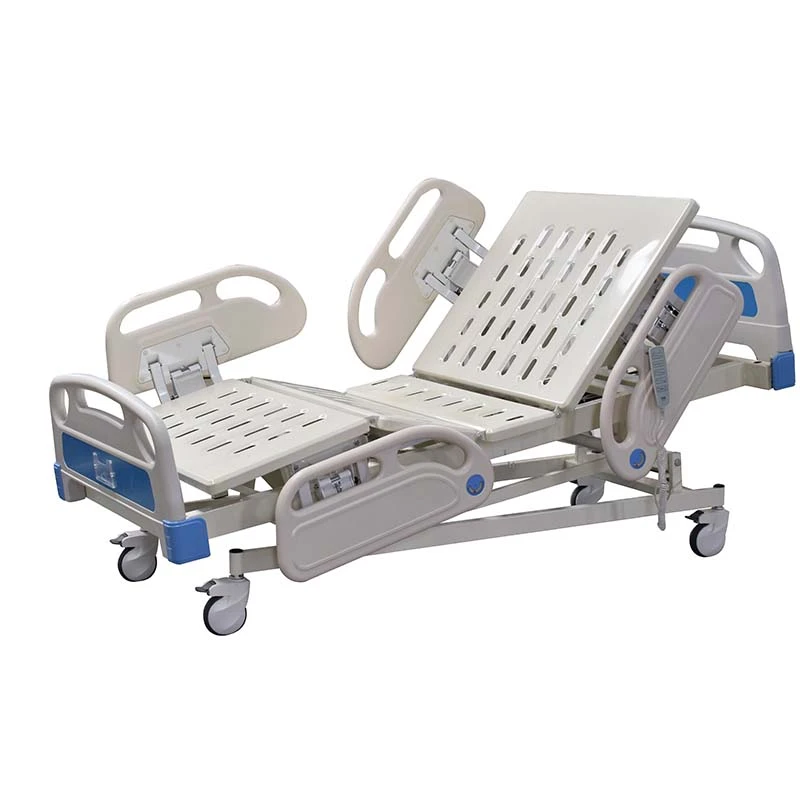
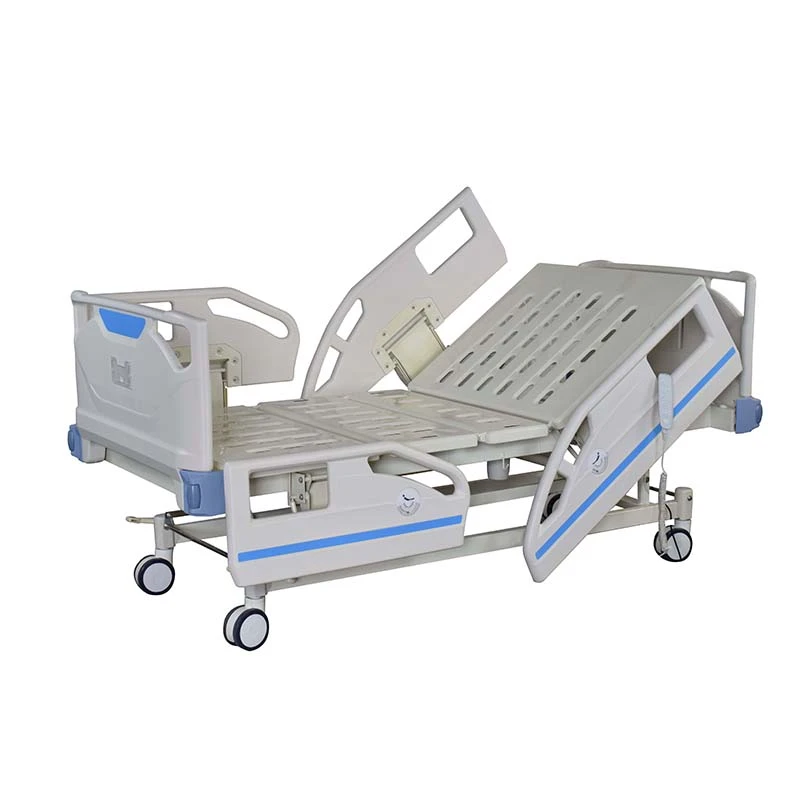
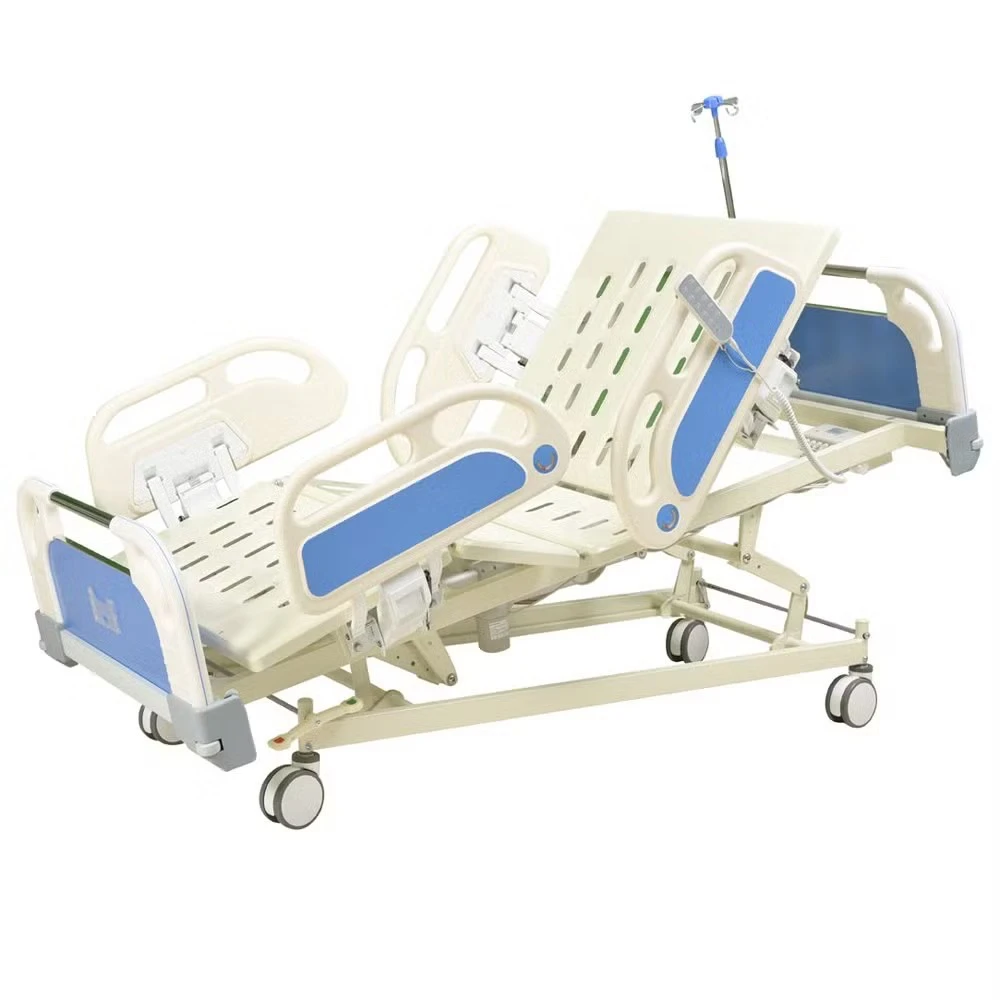
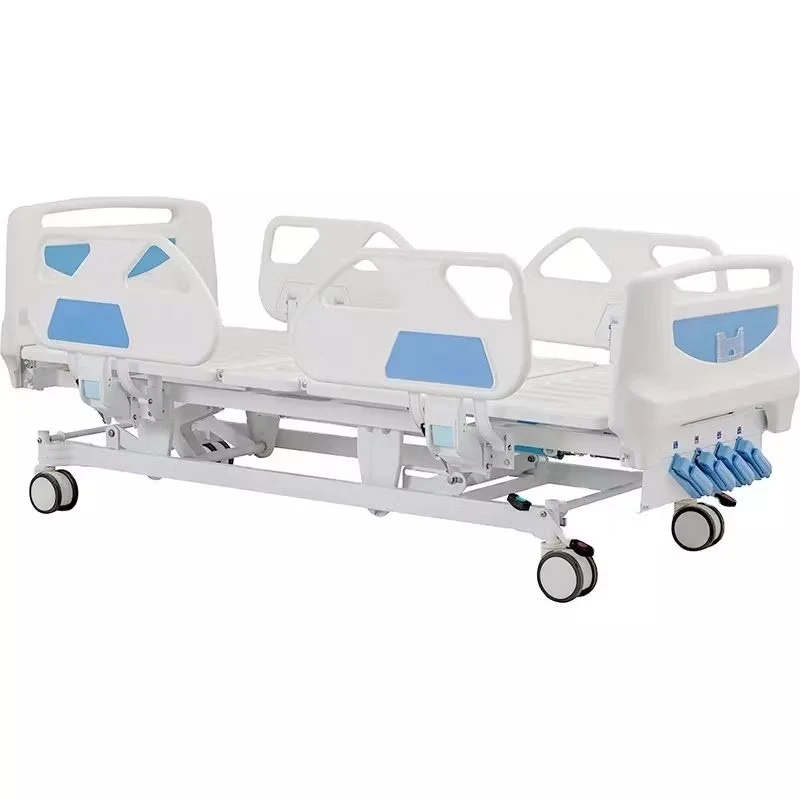
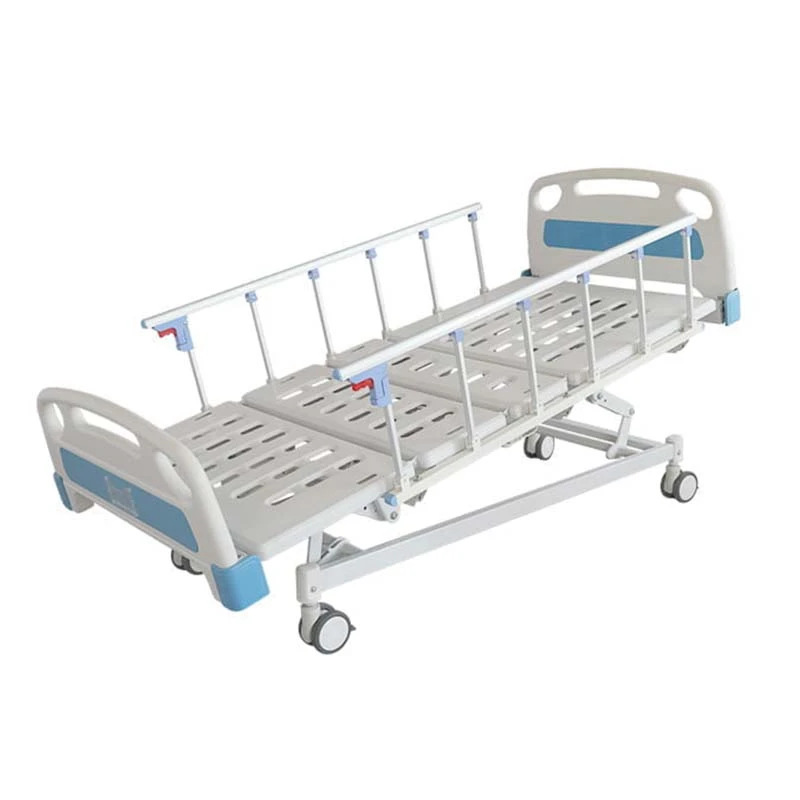
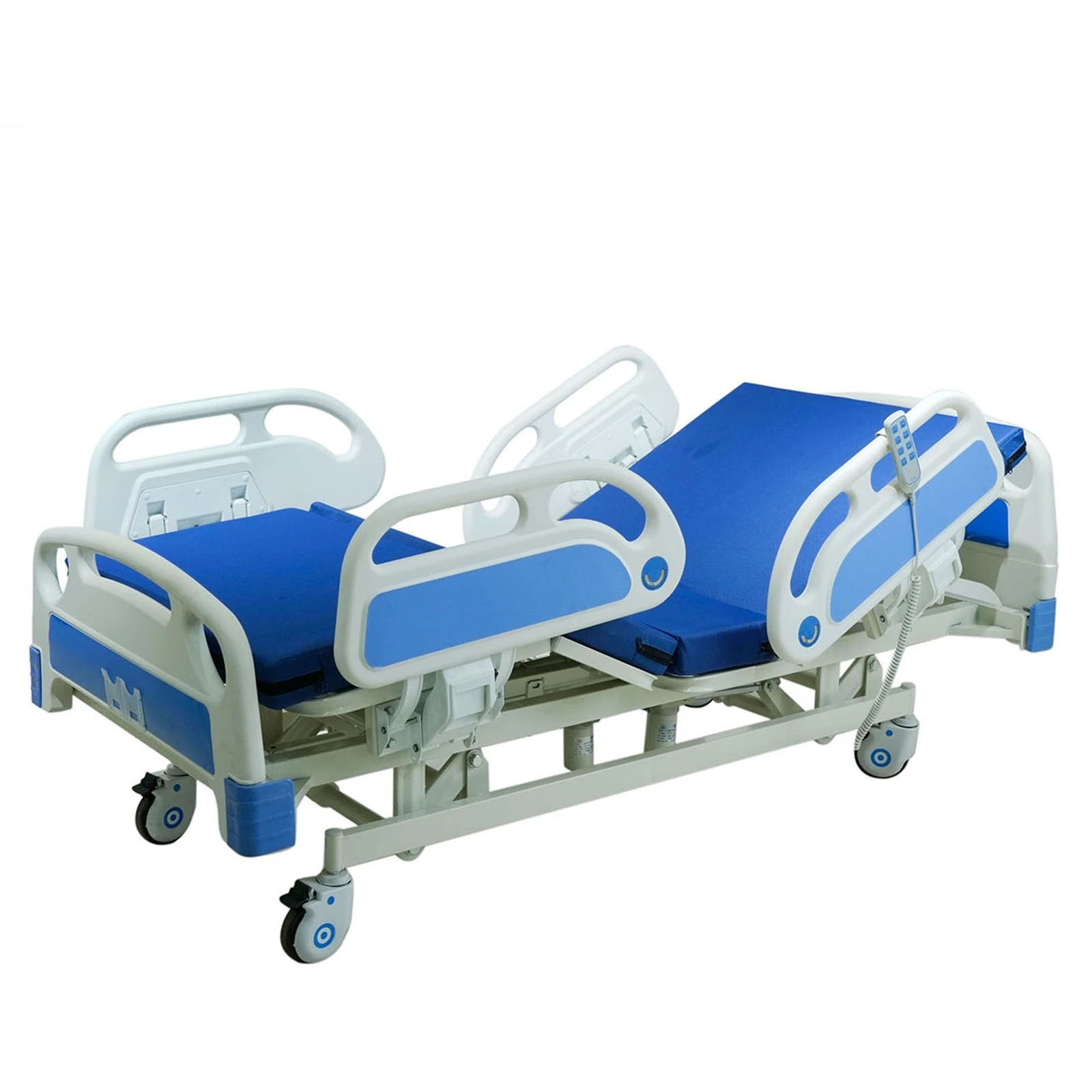
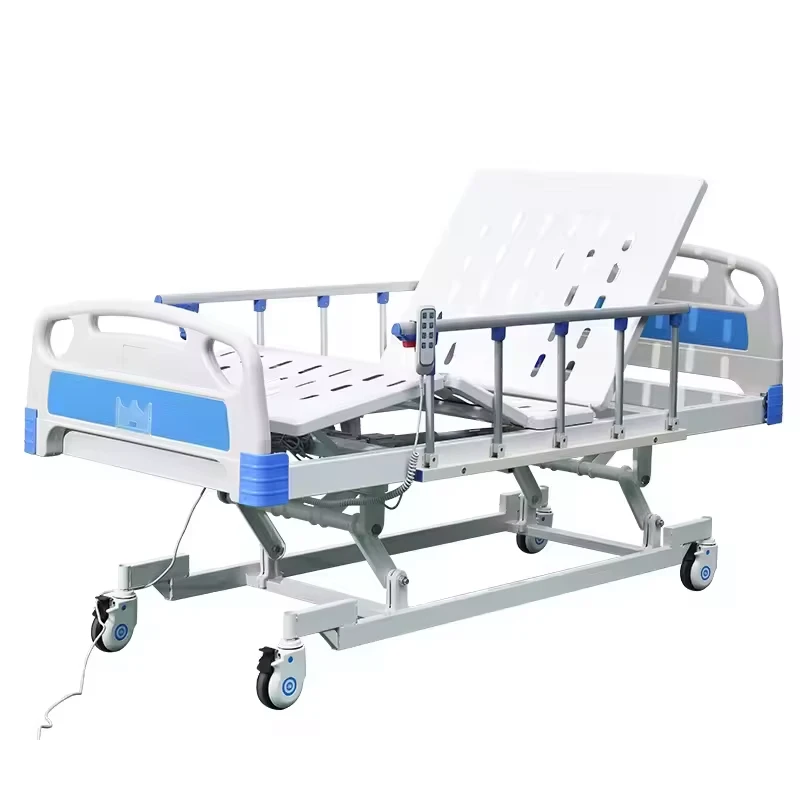
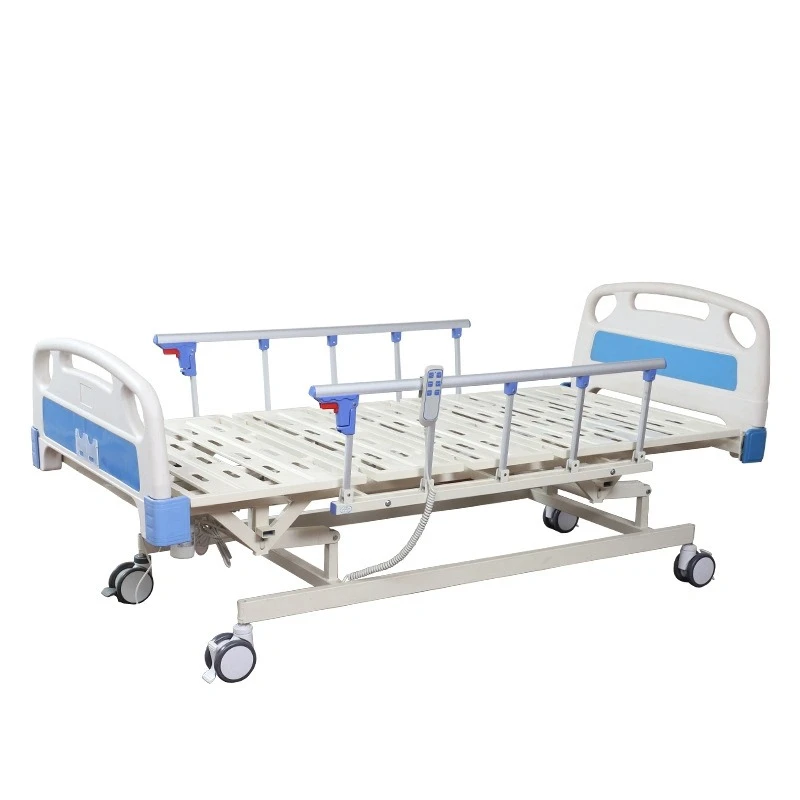
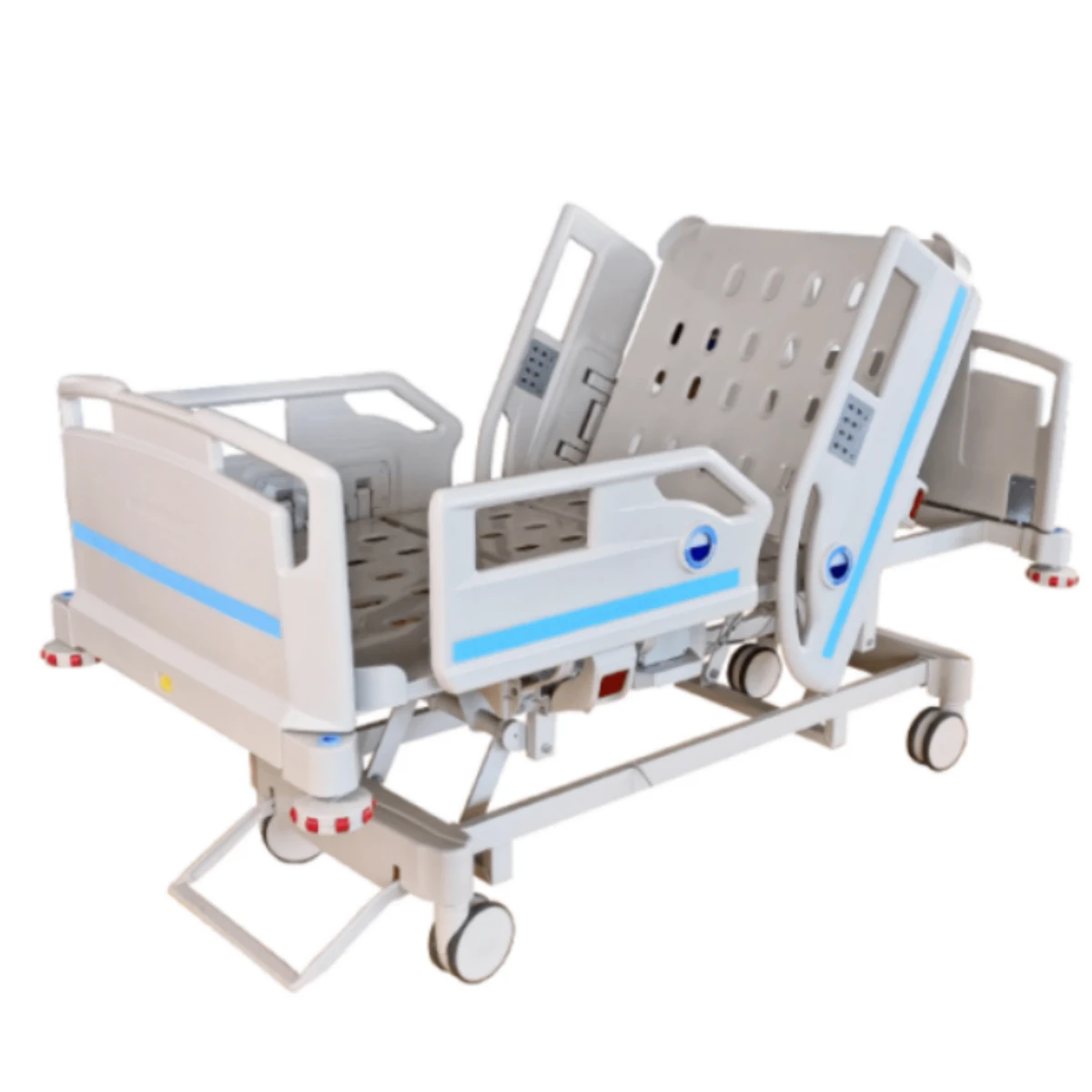
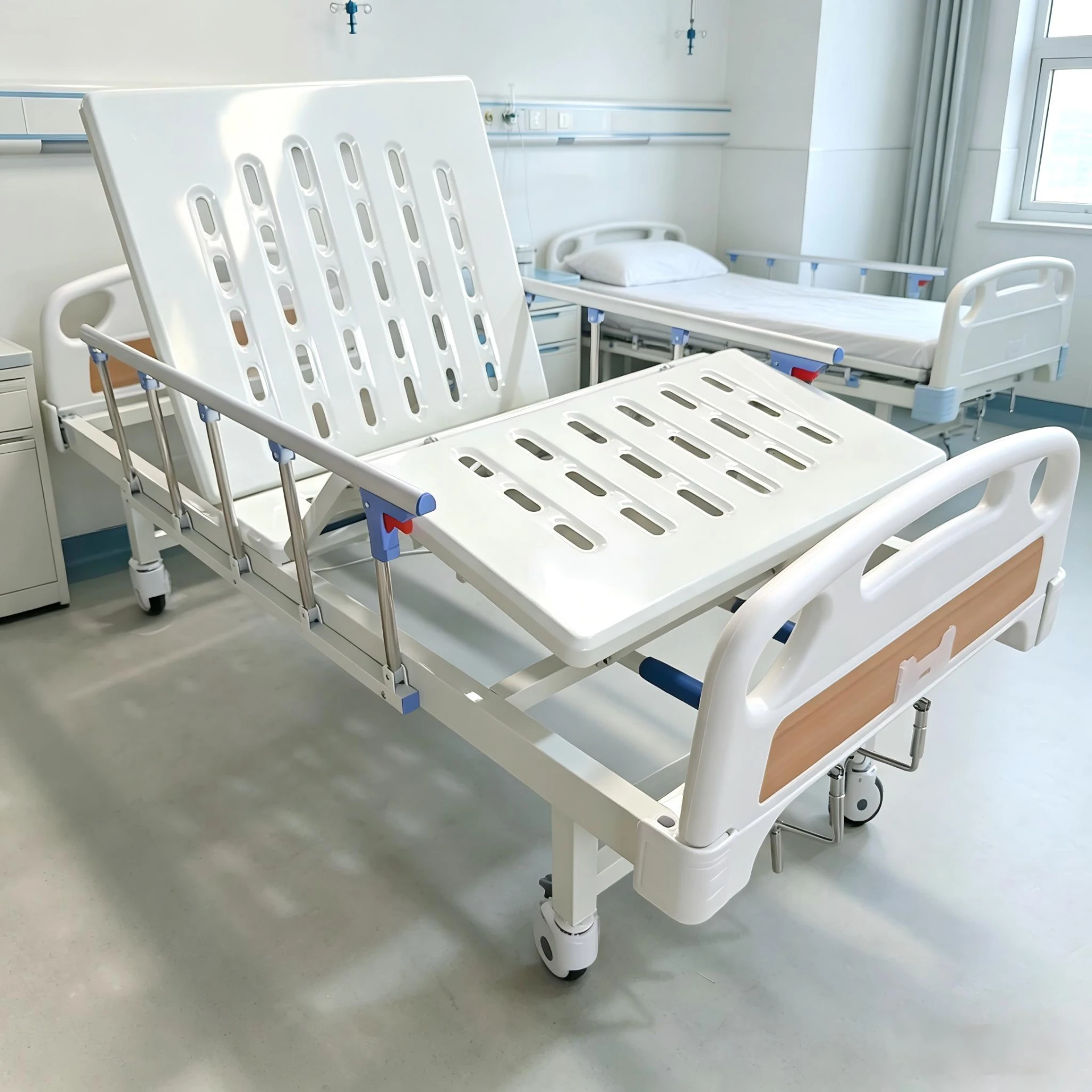
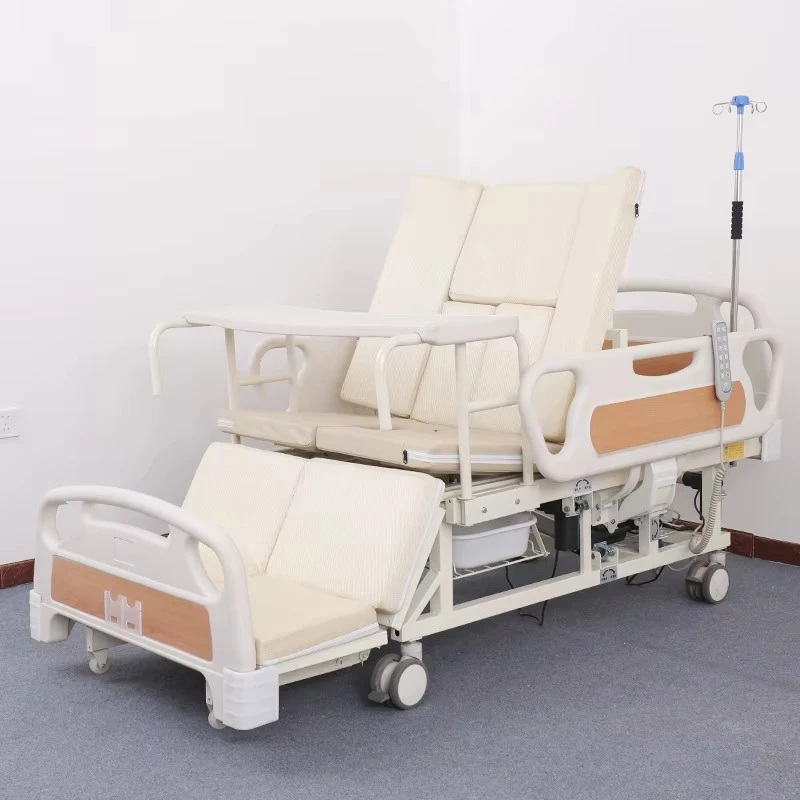
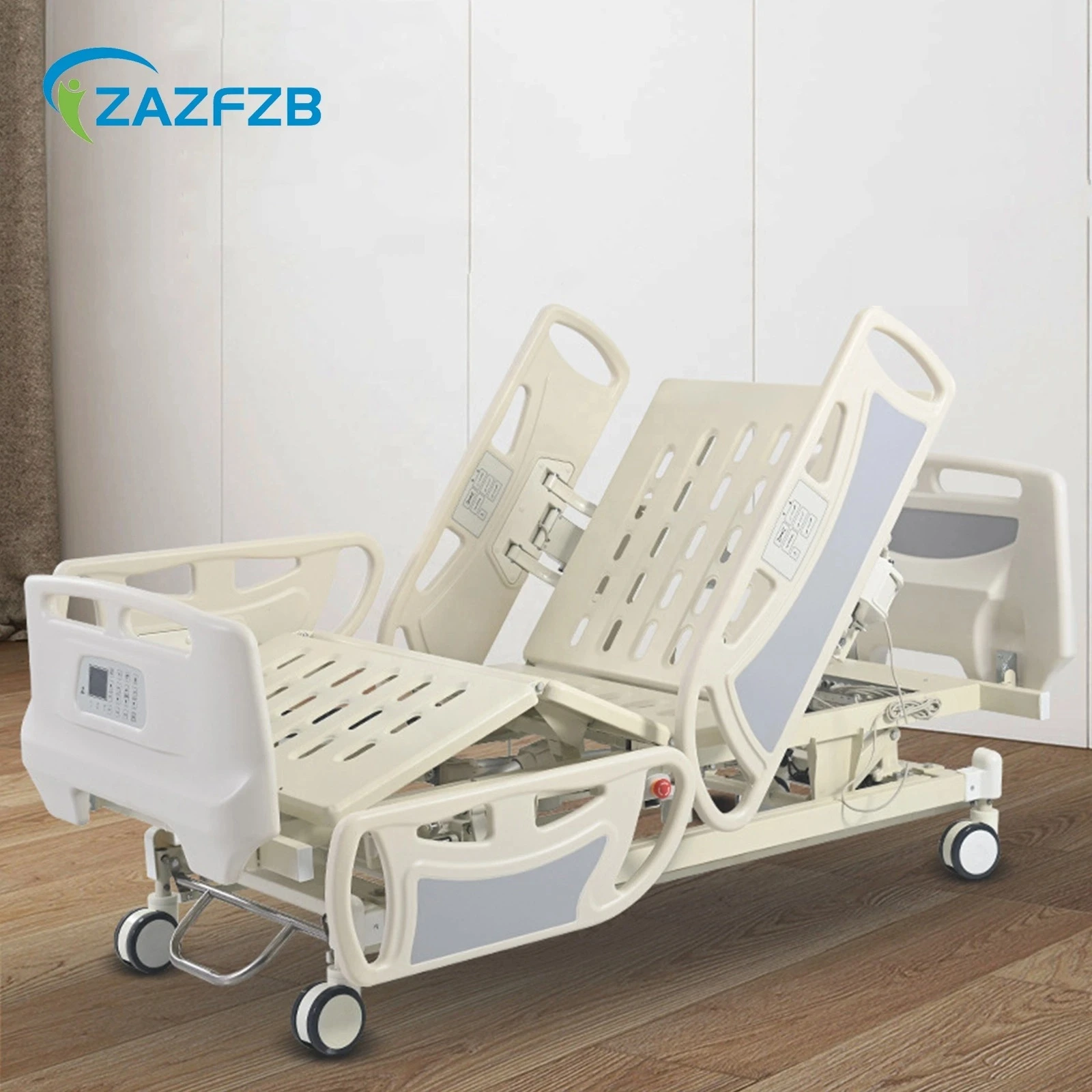
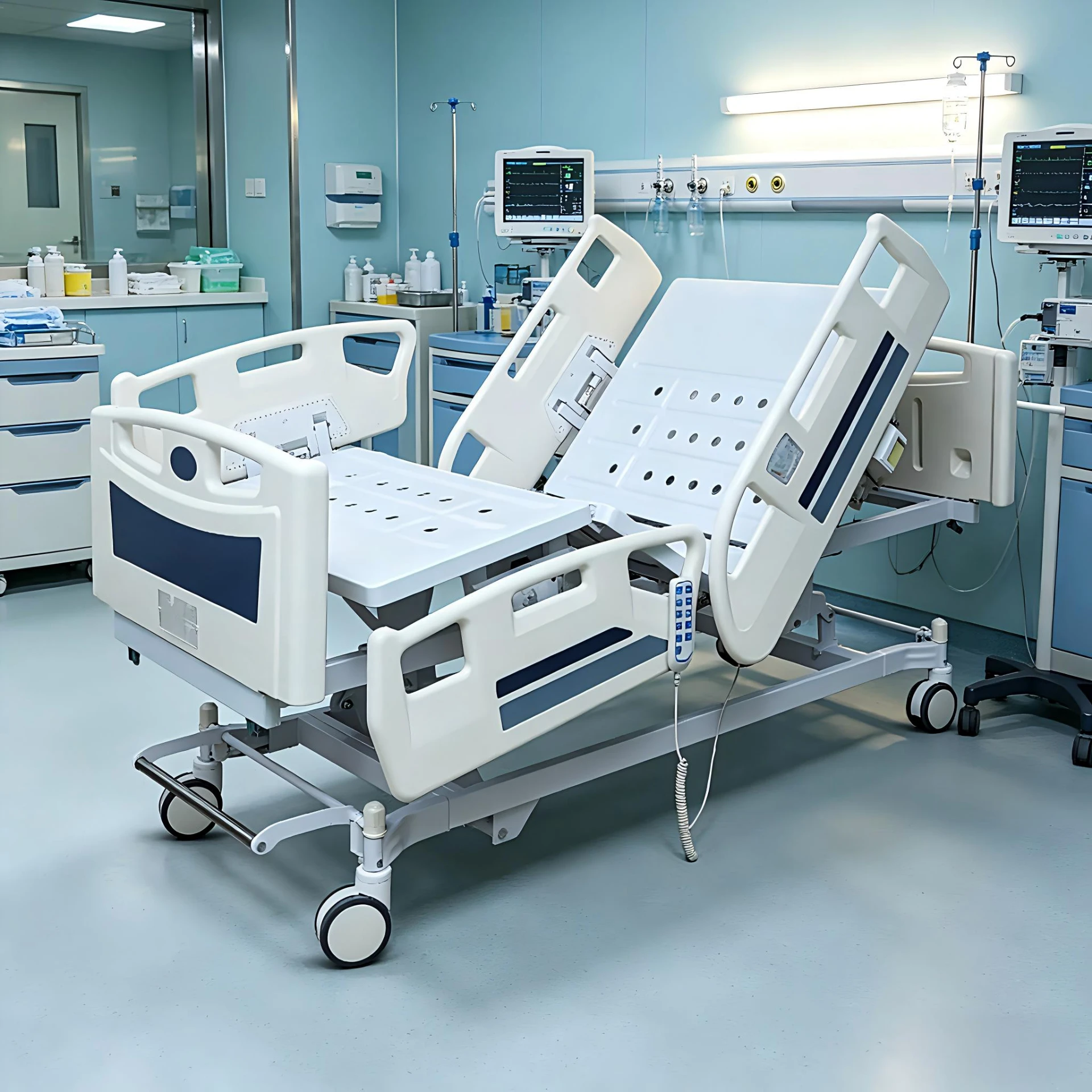
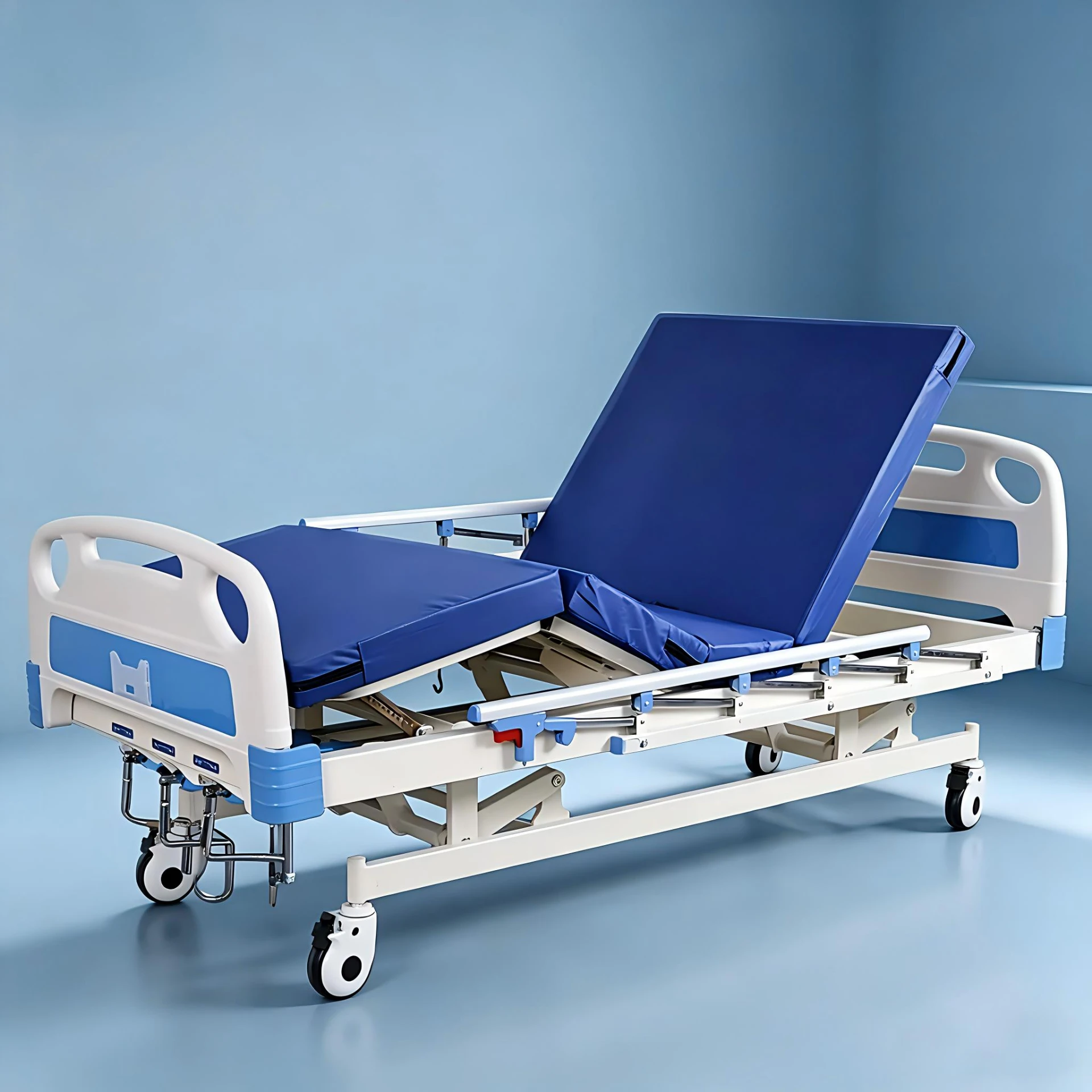
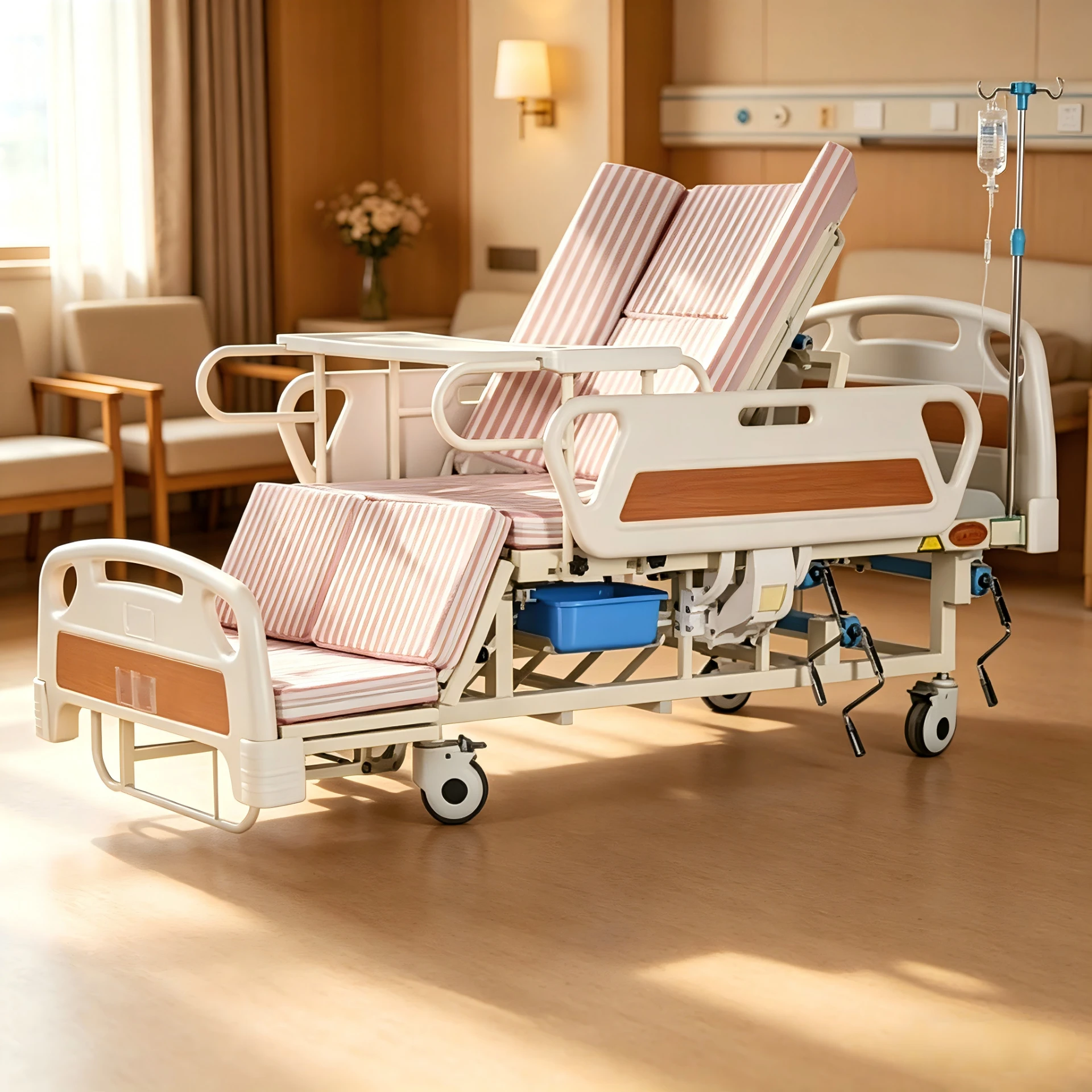
Modern medical beds come with features like adjustable height, side rails, wheels for mobility, and sometimes integrated tech to monitor patients. A quality supplier tailors to a range of needs, including acute care, pediatric, geriatric, and emergency response, acting as a crucial bridge between healthcare innovators and those who need their products.
Key Components That Define a Medical Bed Supplier’s Offerings
1. Durability and Materials
The bed needs to be sturdy, often made from stainless steel or powder-coated steel to resist wear and infection. As many engineers note, “the frame is the backbone”—no bedside drama when a patient turns over at 3 a.m.
2. Adjustability and Ergonomics
Features like electronic or manual height adjustment matter for patient comfort and caregiver accessibility. Adjustable backrests and leg sections reduce bedsores and complications—a lifeline for bedridden patients.
3. Hygiene and Infection Control
Medical beds must comply with stringent hygiene norms, making materials easy to clean and minimizing infection risks—a top priority in hospitals and elder care facilities alike.
4. Scalability and Customization
Different hospitals or clinics have varied needs, so suppliers often offer modular designs or optional accessories (IV pole mounts, integrated scales, oxygen tank holders), letting users customize.
5. Cost Efficiency and After-Sales Support
Affordability doesn’t mean cutting corners. Savvy suppliers provide a full service package: warranties, easy part replacements, local technician support — factors that get overlooked but matter.
Where in the World Are Medical Bed Suppliers Making a Difference?
In places like Southeast Asia, where rural health centers face equipment shortages, medical bed suppliers enable safe childbirth and eldercare. In post-disaster zones—whether a typhoon-hit region or earthquake aftermath—suppliers with rapid deployment options help field hospitals function fully.
Even industrial sectors like mining or offshore oil rigs use specialized medical beds to stabilize injured personnel before evacuation, showcasing how suppliers cater beyond just hospitals.
Organizations such as Médecins Sans Frontières (Doctors Without Borders) often partner with trusted suppliers to equip emergency response units swiftly. It’s a web of supply and trust that quietly keeps millions alive.
Medical Bed Supplier Product Specifications Comparison
| Feature | Standard Model A | Deluxe Model B | Economy Model C |
|---|---|---|---|
| Material | Powder-Coated Steel | Stainless Steel | Mild Steel with Anti-Rust Paint |
| Adjustability | Manual Crank | Electric Motorized | Manual Lever |
| Weight Capacity | 150 kg | 200 kg | 130 kg |
| Wheels | Lockable Castors | Lockable Castors + Shock Absorbers | Fixed Castors |
| Infection Control | Seamless Welds, Easy Clean Surface | Antimicrobial Coating | Basic Paint Finish |
| Warranty | 2 Years | 5 Years | 1 Year |
Comparing Leading Medical Bed Suppliers
| Supplier | Product Range | Global Reach | Customization Options | After-Sales Support |
|---|---|---|---|---|
| ZhaoFamed | Acute, Pediatric, ICU Beds | Asia, Africa, Americas | Modular Design, Accessories | 24/7 Support, Local Technicians |
| Global Beds Co. | Standard and Specialty Beds | Europe, North America | Limited | Business Hours Only |
| CareTech Solutions | Mobile and Transport Beds | Worldwide | Custom Colors & Features | Onsite Training Available |
What You Gain Choosing the Right Medical Bed Supplier
The advantages go beyond just “beds.” A good supplier impacts care quality directly by offering reliability—less downtime, fewer repairs. Think about nurses being able to shift a patient’s position safely or wheel them without hassle—that’s dignity in practice.
Cost benefits also ripple outward: more durable beds mean fewer replacements and reduced maintenance charges; well-engineered beds improve patient outcomes, potentially shortening hospital stays and reducing complication risks. On a human level, families feel more confident seeing their loved ones on equipment designed with safety and comfort in mind.
Emerging Innovations and the Future of Medical Bed Supply
We’re beginning to see the impact of digital transformation: smart beds with sensors monitoring vital signs or bed occupancy, helping prevent falls and improving nurse response times. Materials science adds antimicrobial surfaces and sustainable composites, considering both patient safety and environmental impact.
Then there’s automation—electric motors getting quieter and power-saving, remote controls becoming more intuitive. Supplier partnerships with clinics are expanding into solution-based offerings, like integrating beds into full-room smart healthcare systems. All this adds to a rapidly evolving landscape.
Challenges Medical Bed Suppliers Face—and How They’re Tackled
Despite advances, hurdles remain. Cost constraints limit many hospitals' ability to buy top-tier models. Logistics—warehousing, shipping large items internationally—pose a perennial struggle, especially into remote zones.
To combat these, some suppliers explore modular kits for easier transport, use local assembly hubs, or create hybrid models balancing function and price. Digital tools are also helping anticipate demand and optimize inventory, reducing waste and delivery delays.
FAQ: Common Questions About Medical Bed Suppliers
- Q: How do medical bed suppliers ensure quality standards?
A: Reputable suppliers comply with international standards like ISO 60601 for medical beds, ensuring safety, durability, and hygiene. They often perform factory audits and independent testing to maintain high product quality. - Q: Can medical beds be customized for different patient needs?
A: Yes, many suppliers offer modular components, adjustable features, and accessories tailored to various clinical requirements, from pediatric care to critical care ICU beds. - Q: How quickly can suppliers deliver beds to emergency zones?
A: Timelines vary, but some suppliers maintain rapid deployment inventories and collaborate with logistics partners to deliver within days to weeks depending on location and complexity. - Q: What about after-sales support and maintenance?
A: Good suppliers provide warranties, replacement parts, and technical support—sometimes including local technicians or remote assistance—ensuring beds stay in excellent working condition.
Wrapping Up: Why Partner With a Trusted Medical Bed Supplier?
Medical beds might not grab headlines, but their impact on healthcare comfort, safety, and efficacy is profound. Partnering with a knowledgeable medical bed supplier means investing in durable, hygienic, and patient-centered solutions that stand the test of time and practicality.
Whether improving long-term care facilities or responding swiftly to natural disasters, these suppliers are at the heart of modern healthcare systems.
Curious? Ready to elevate your healthcare offerings? Visit https://www.zhaofamed.com for professional-grade beds, expert support, and tailored solutions to fit your needs.
References: