Understanding Fully Automatic Hospital Bed Price: Features, Benefits, and Global Impacts
Understanding Fully Automatic Hospital Bed Price: Why It Matters Globally
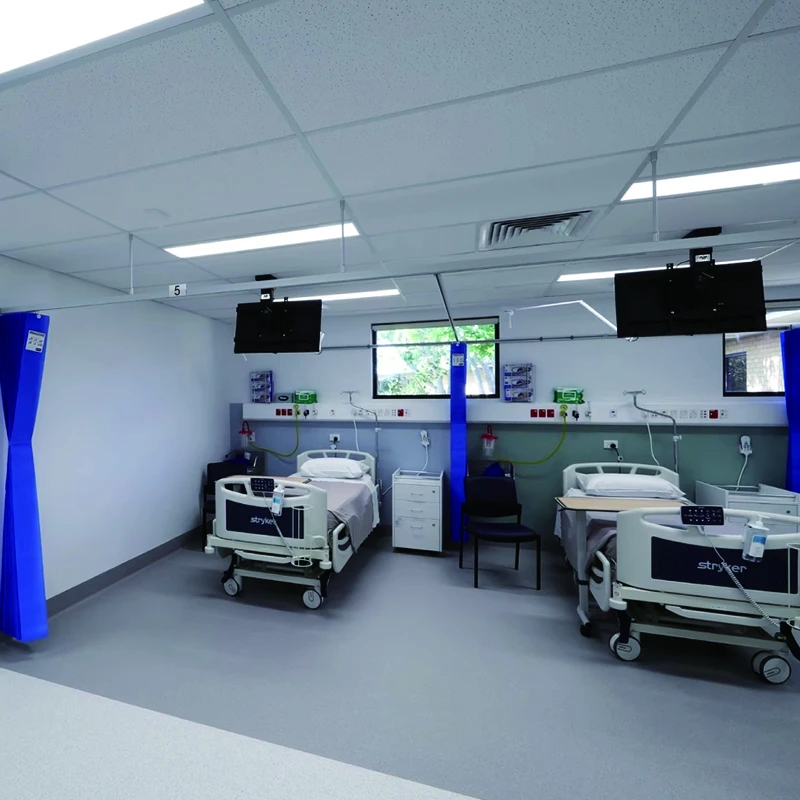
In hospitals worldwide, the humble hospital bed is evolving quickly. The term fully automatic hospital bed price might sound like just another number on an invoice, but it actually represents something far more significant. It’s tied to patient safety, caregiver efficiency, and healthcare innovation on a global scale. Why? Because these beds blend technology, comfort, and functionality, increasing both the quality of care and operational effectiveness.
With rising healthcare demands, an aging population, and pandemic-related hospital surges, understanding the cost behind these advanced beds becomes a crucial point for healthcare administrators, governments, and humanitarian organizations alike. This article explores why the price of these sophisticated beds isn’t just a sticker — it’s a window into how health services adapt to modern challenges.
fully automatic hospital bed priceThe Global Context: More Than Just Beds
Globally, hospital resources must meet growing challenges — from treating chronic illnesses to handling emergencies. According to the World Health Organization, the number of hospital beds per 1,000 population varies dramatically, often linked to economic investment. Naturally, the price tag on fully automatic hospital beds can influence whether these critical tools are available where needed most.
Yet, price isn't a simple dollar amount. It reflects the research, safety certifications (think ISO 60601 for electrical medical equipment), and advanced features designed to reduce strain on nursing staff and improve patient outcomes. Frankly, for many countries struggling to modernize healthcare infrastructure, balancing cost with quality is a monumental challenge.
Plus, hospitals worldwide face pressure to improve care standards without spiraling costs. Automatic hospital beds are a clear focal point in this complex puzzle.
What Exactly Does ‘Fully Automatic Hospital Bed Price’ Mean?
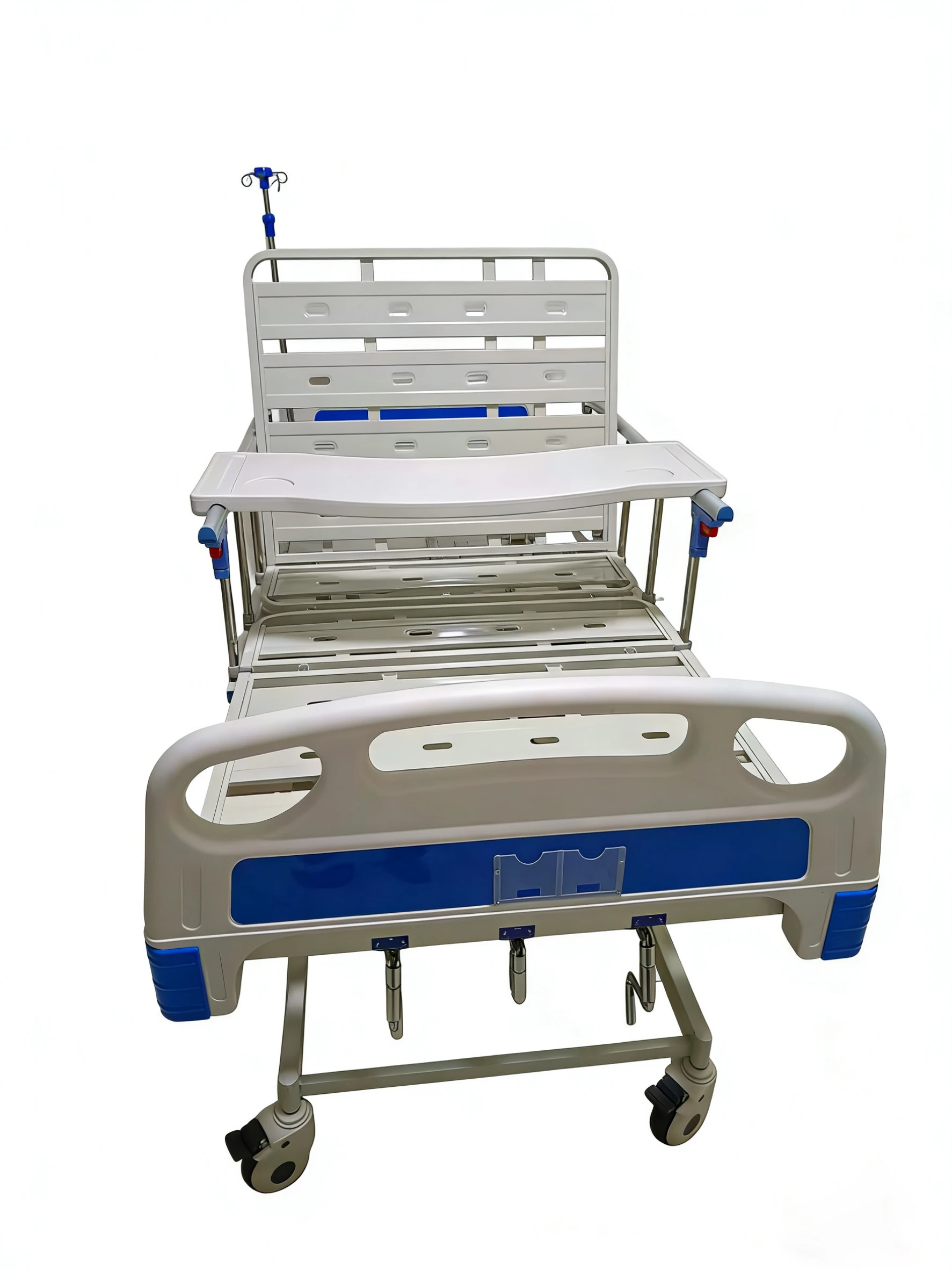
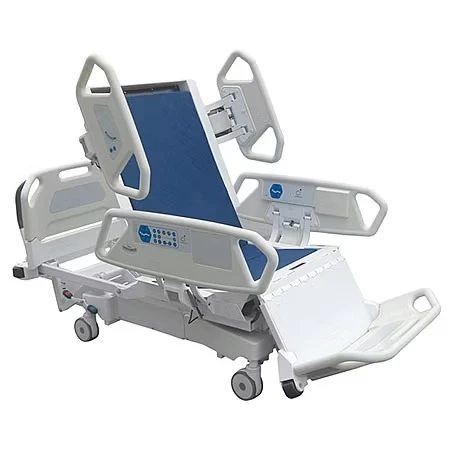
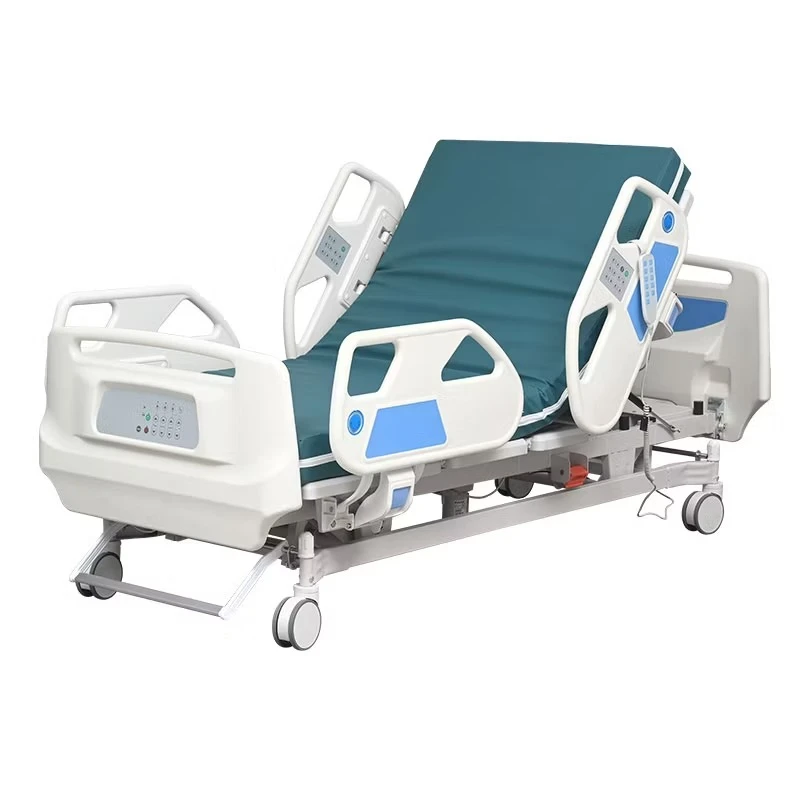
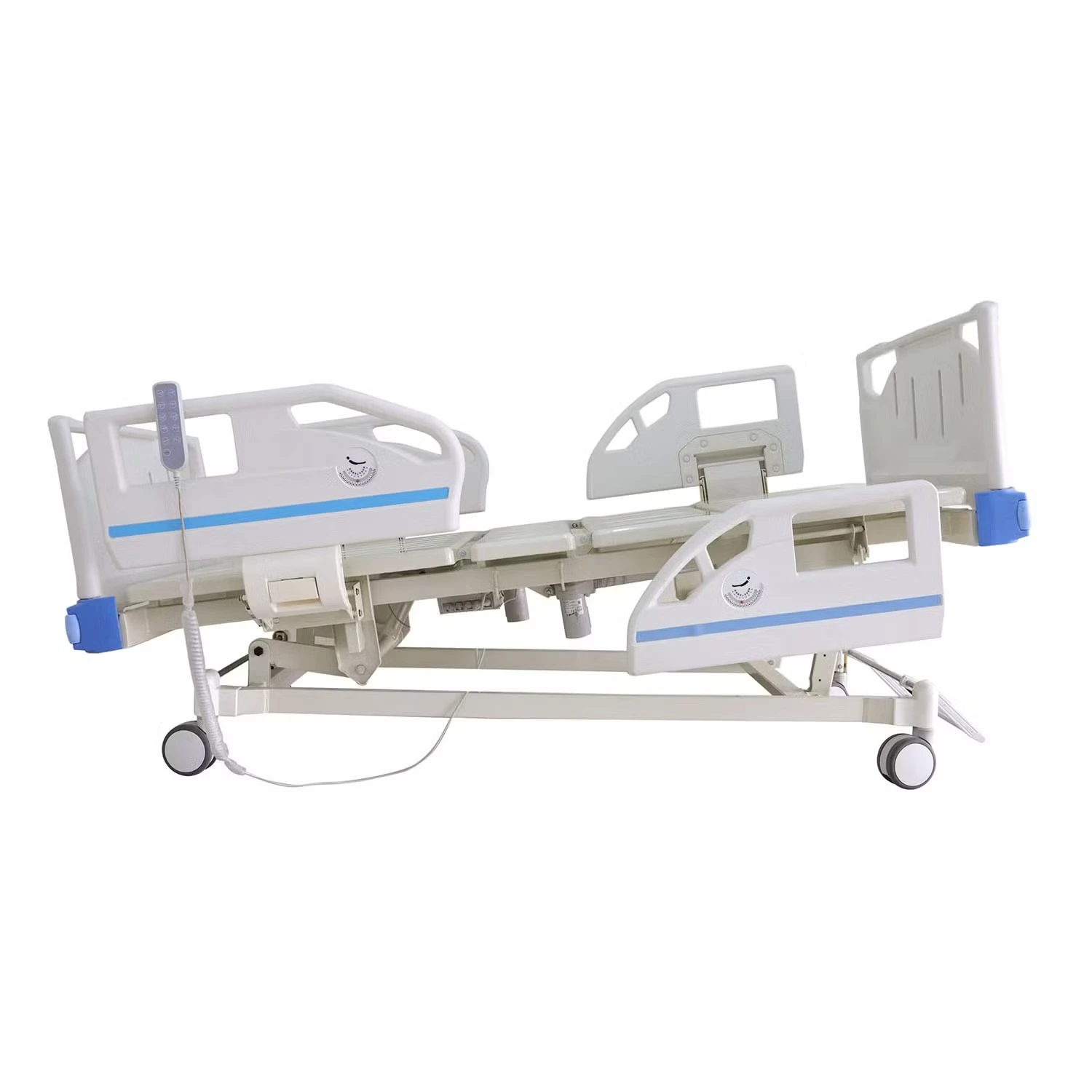
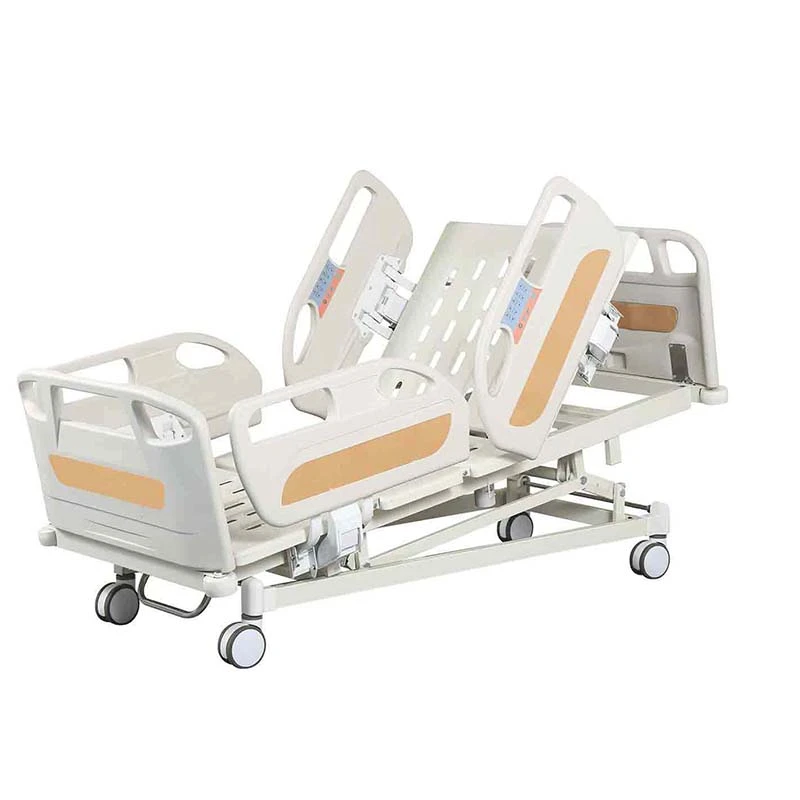
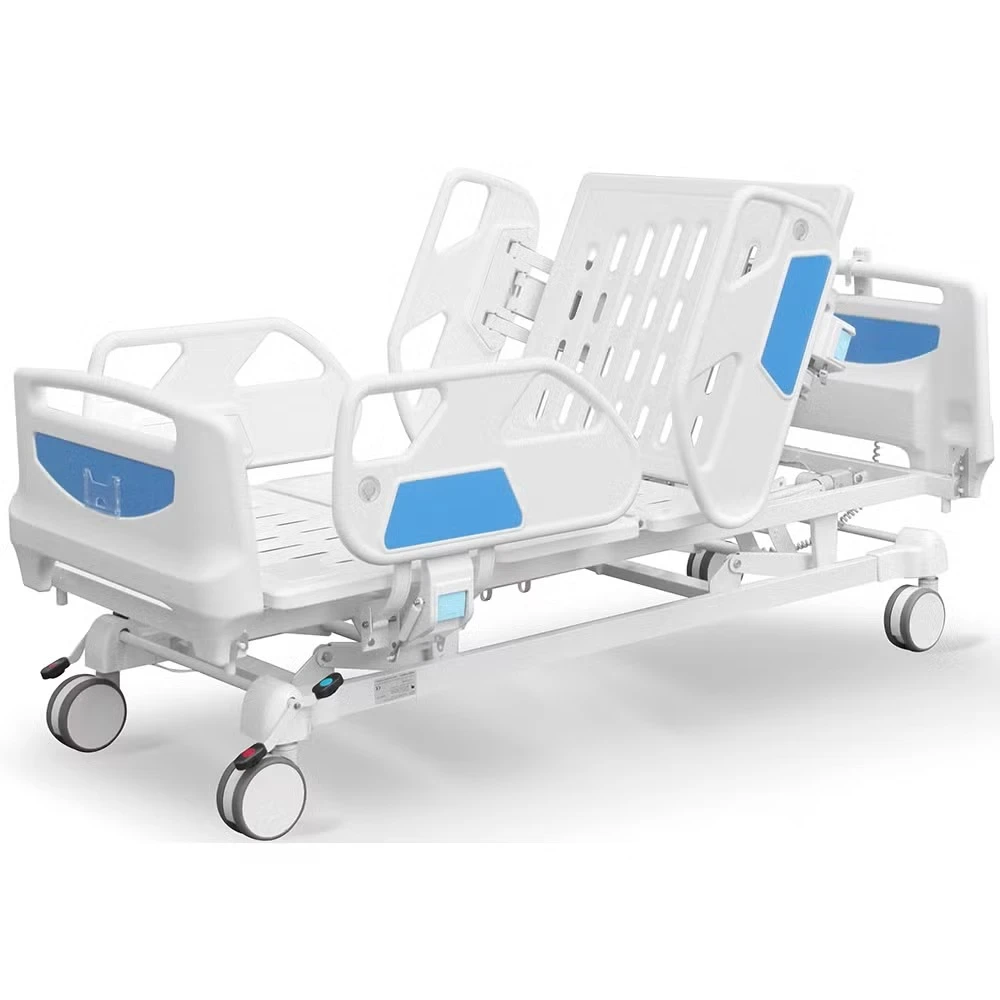
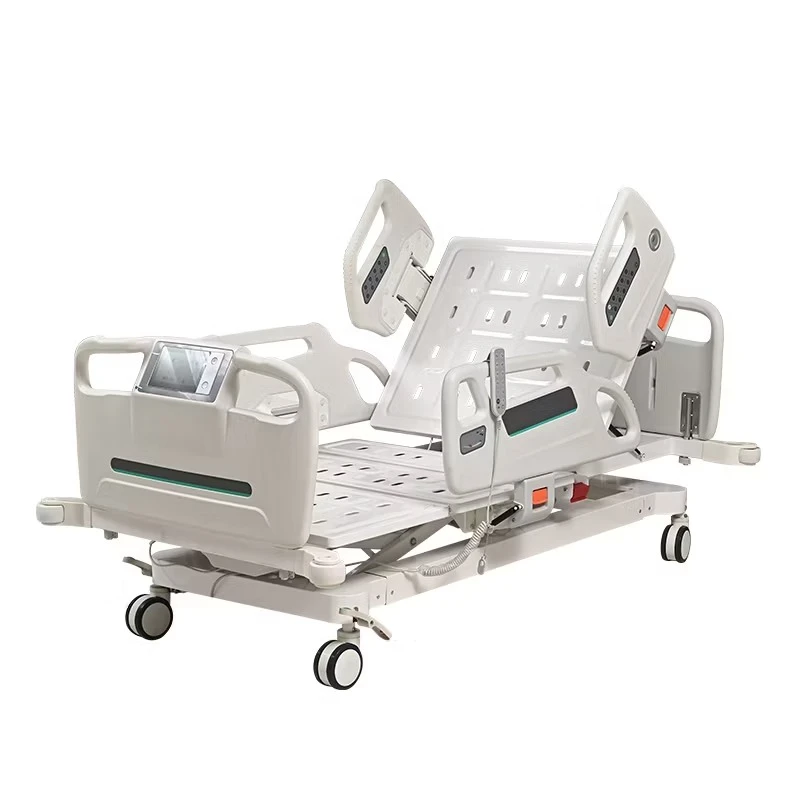
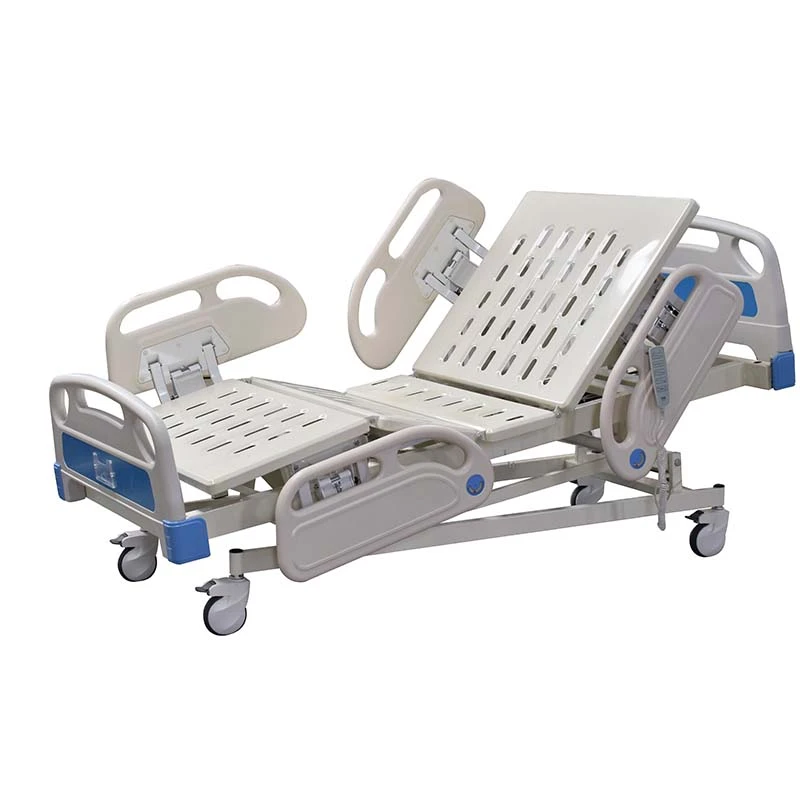
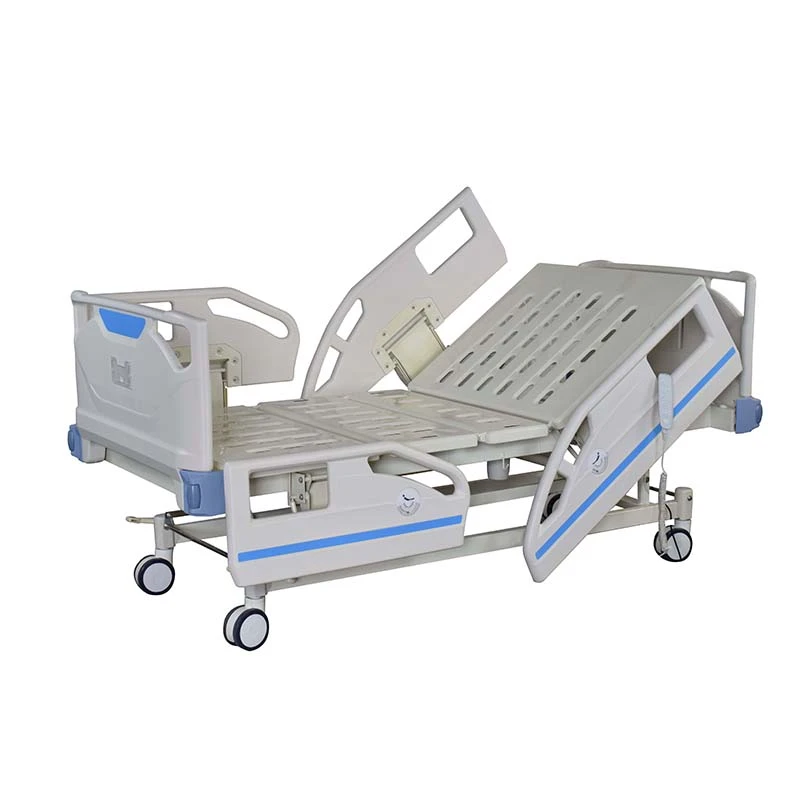
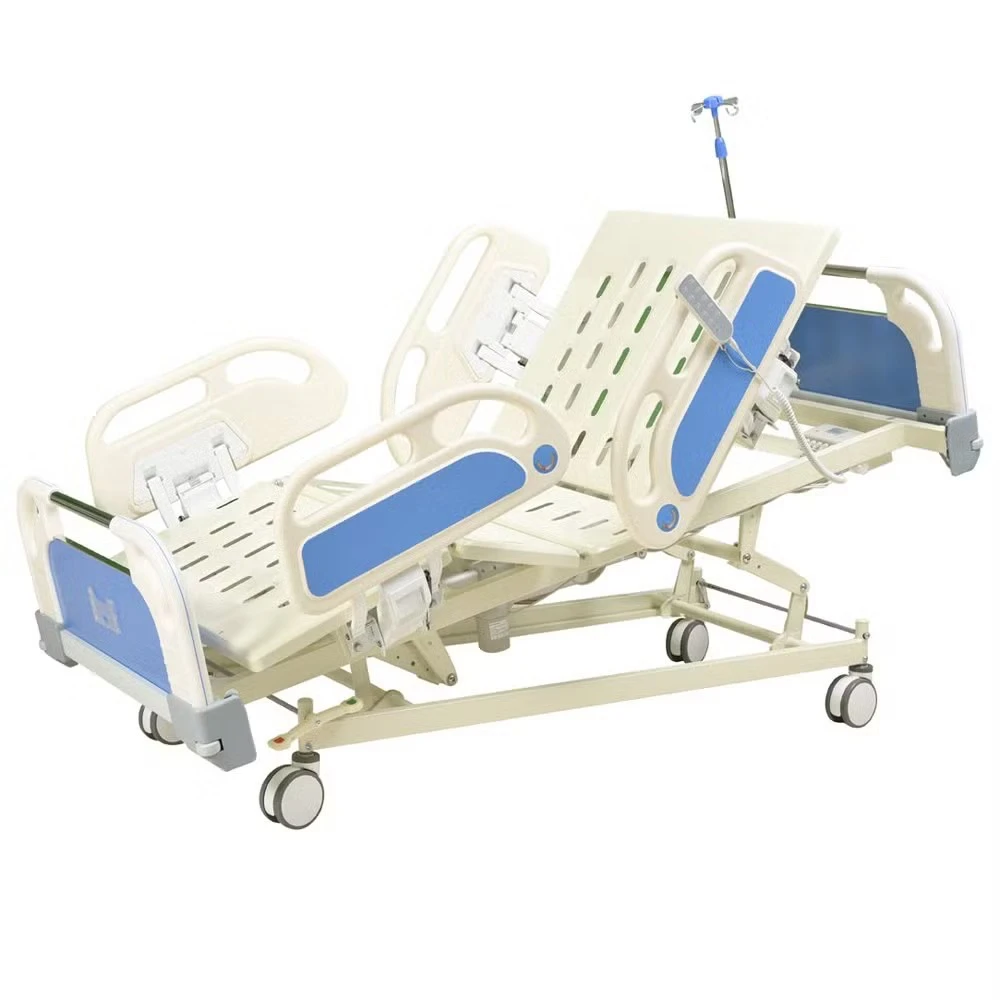
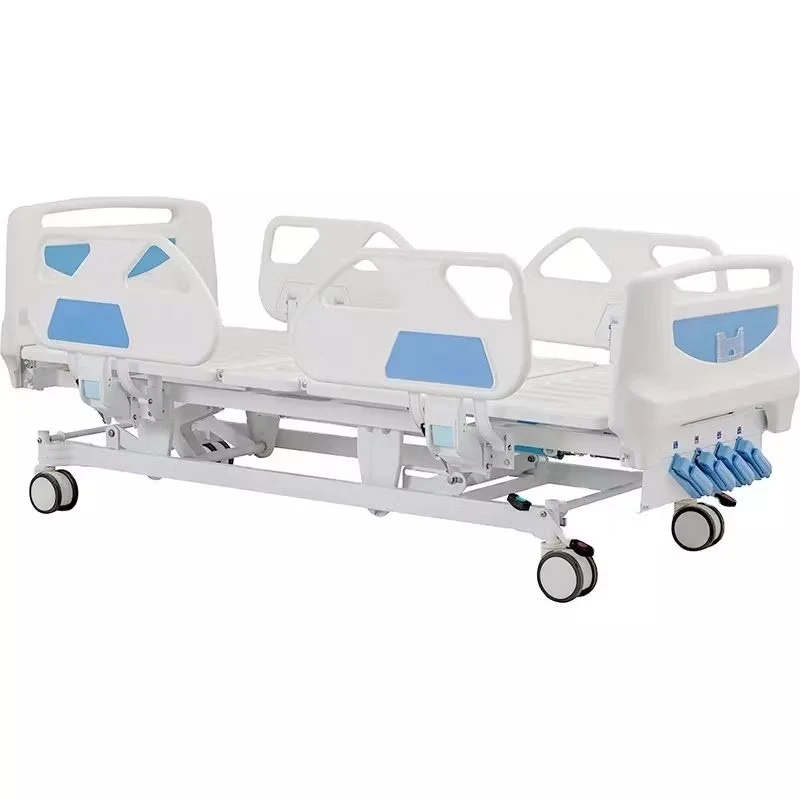
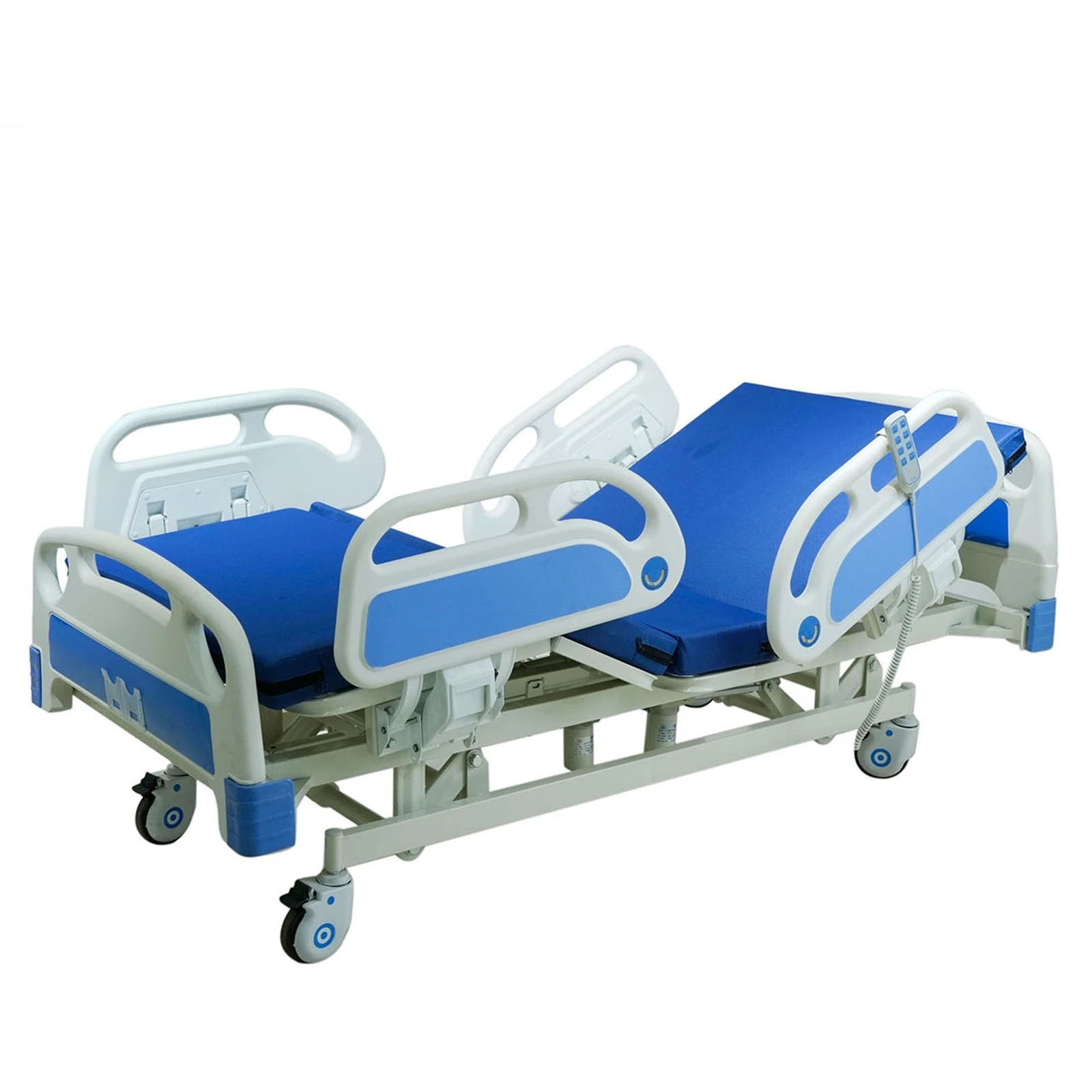
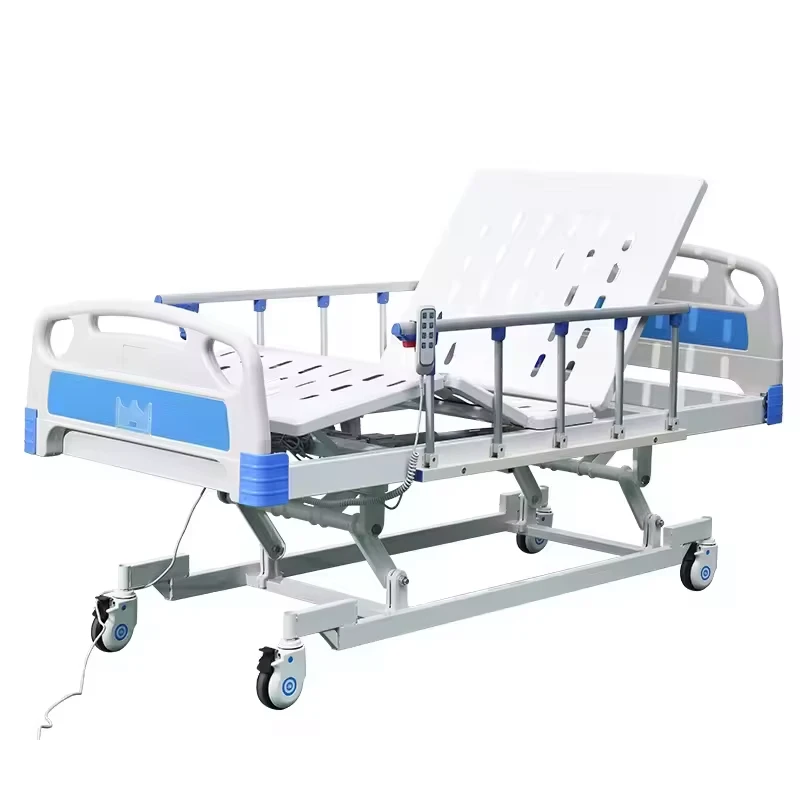
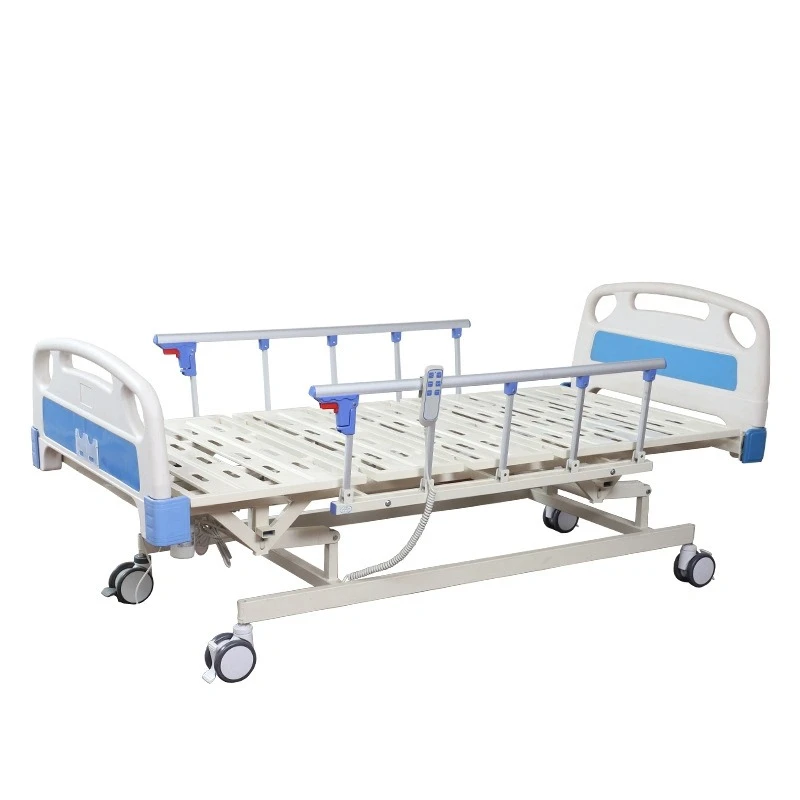
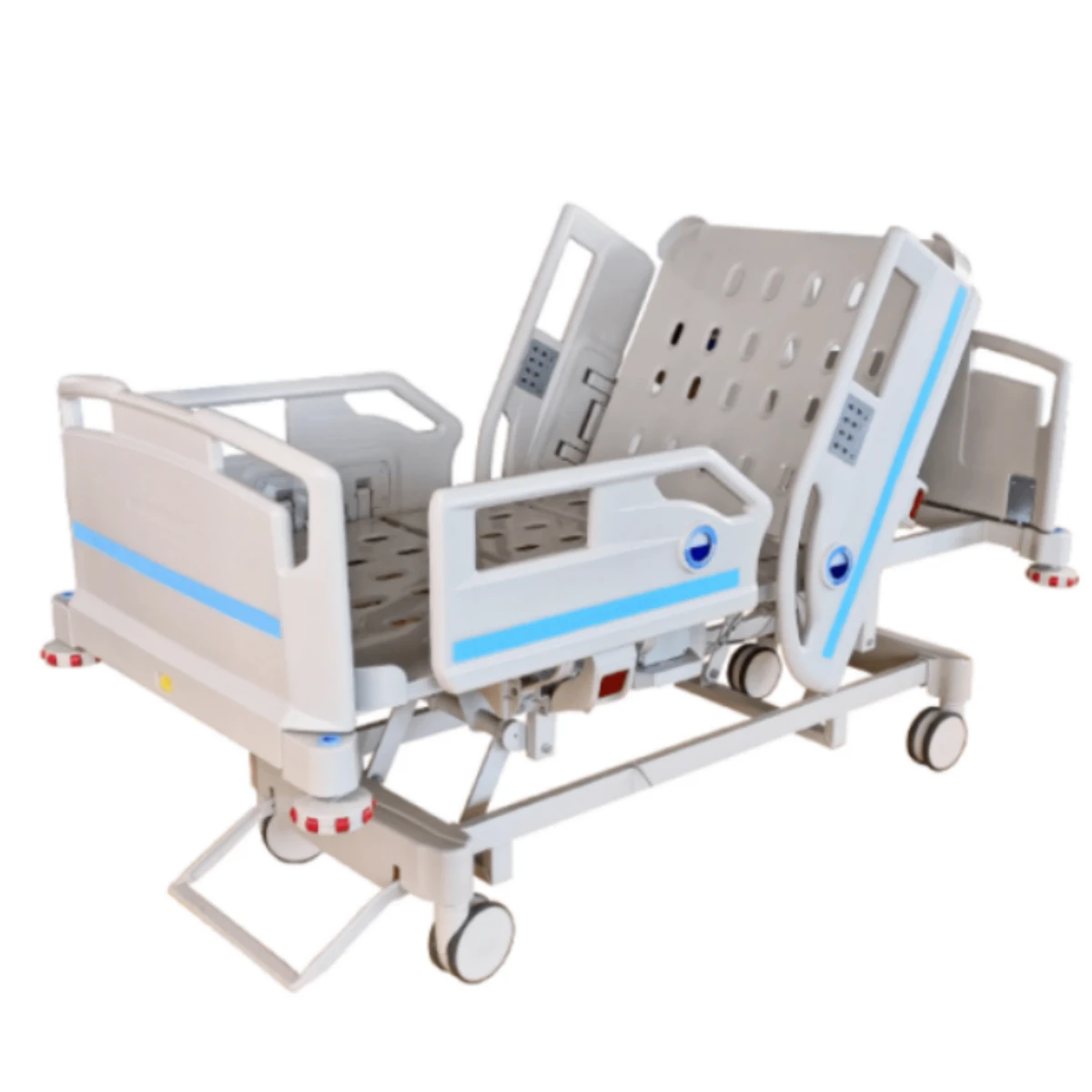
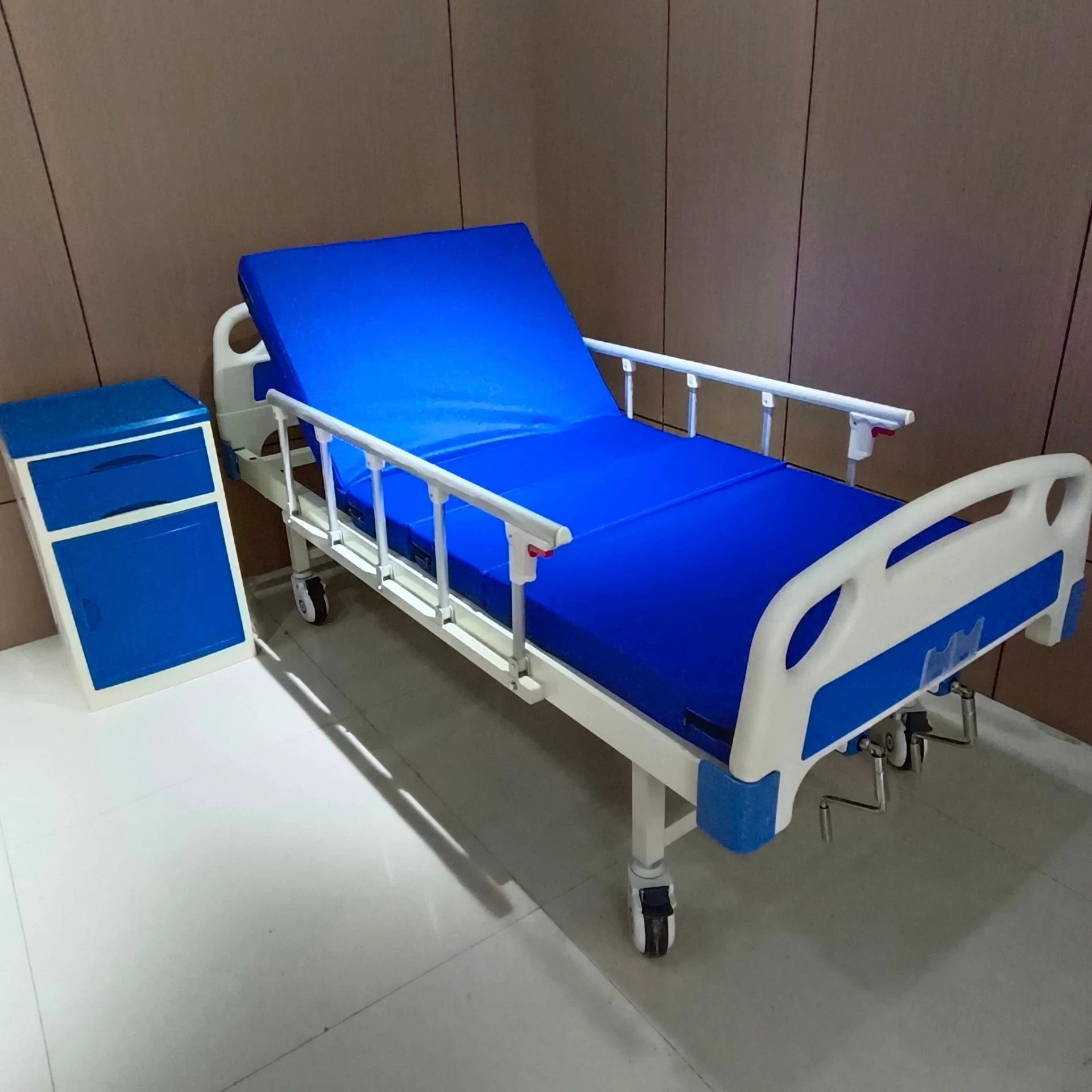
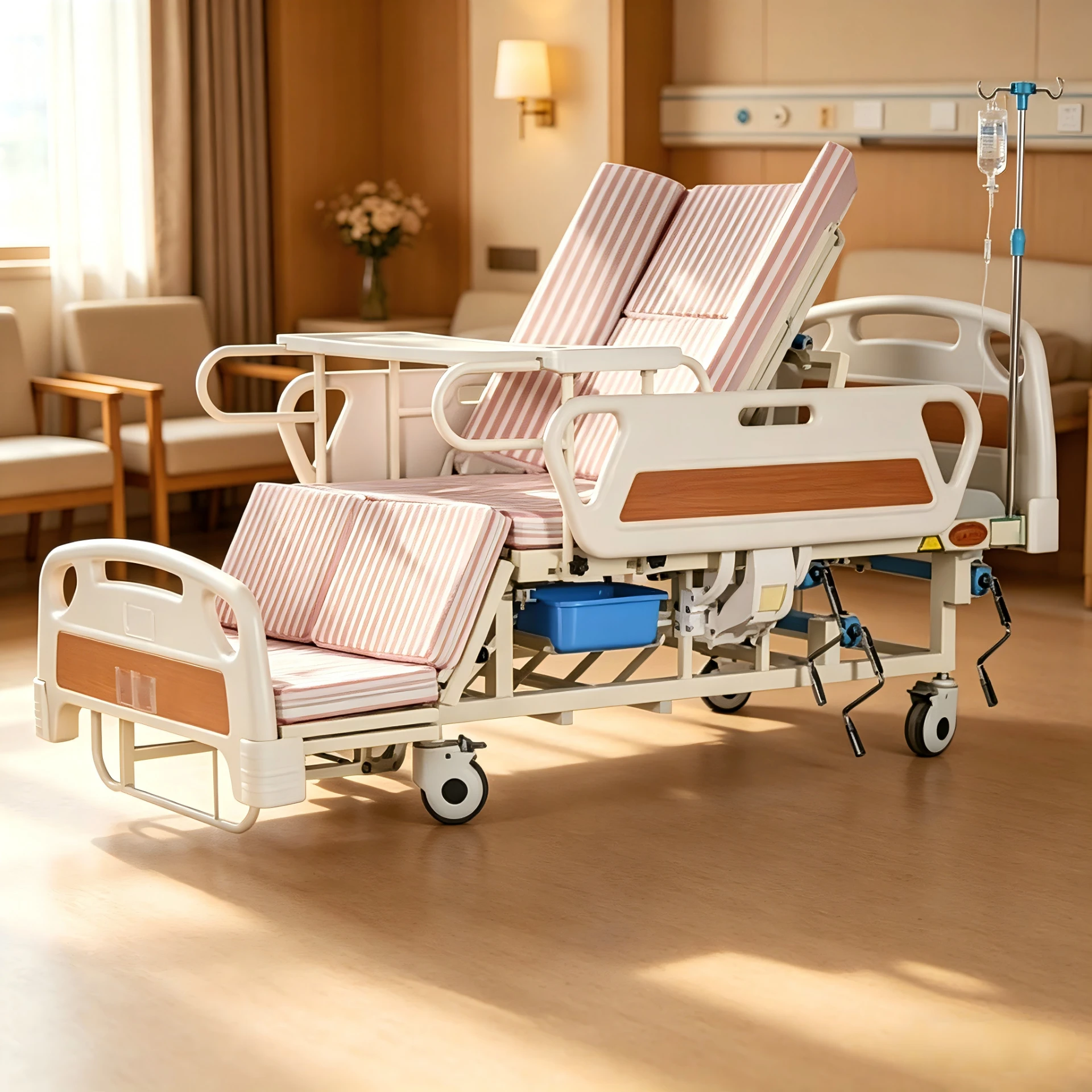
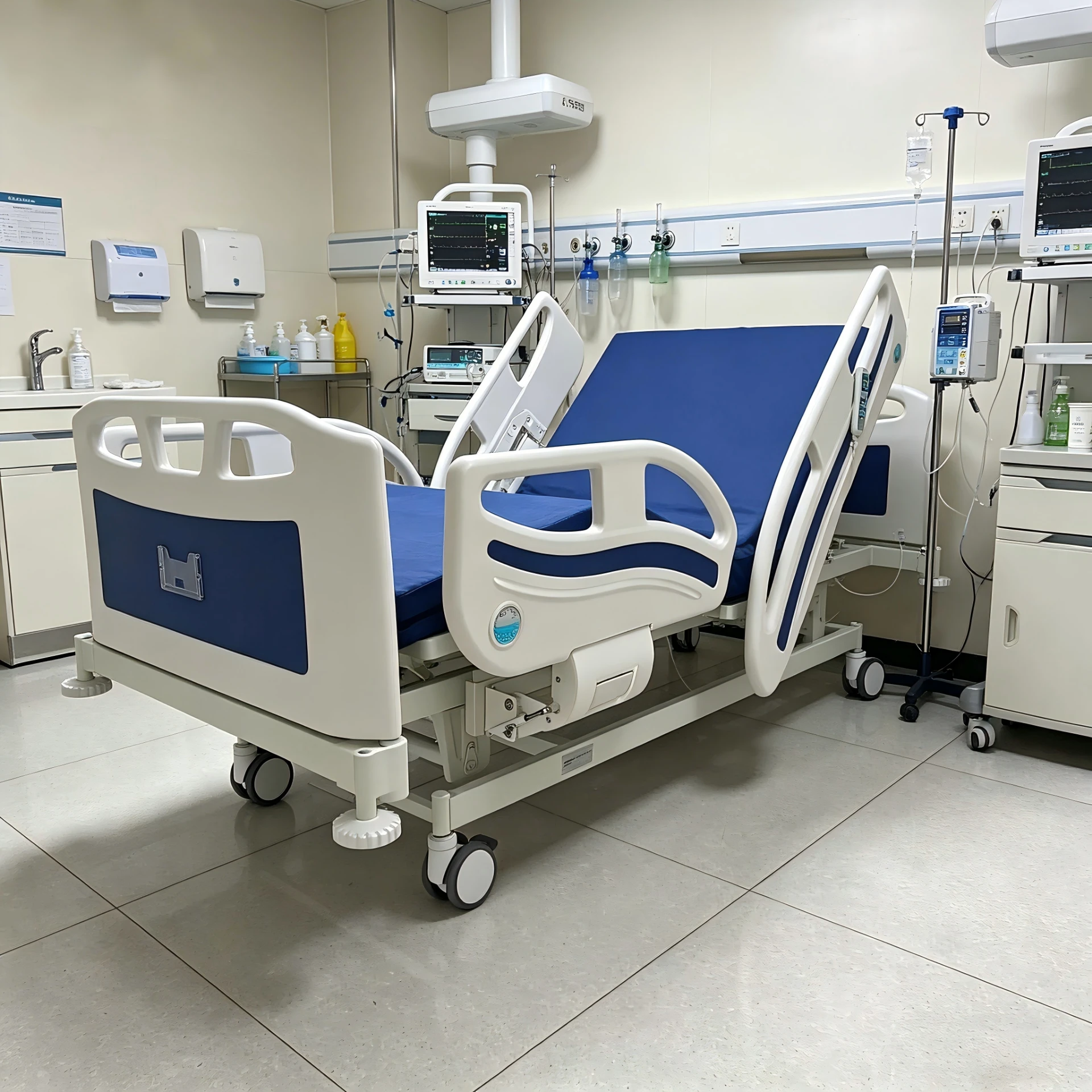
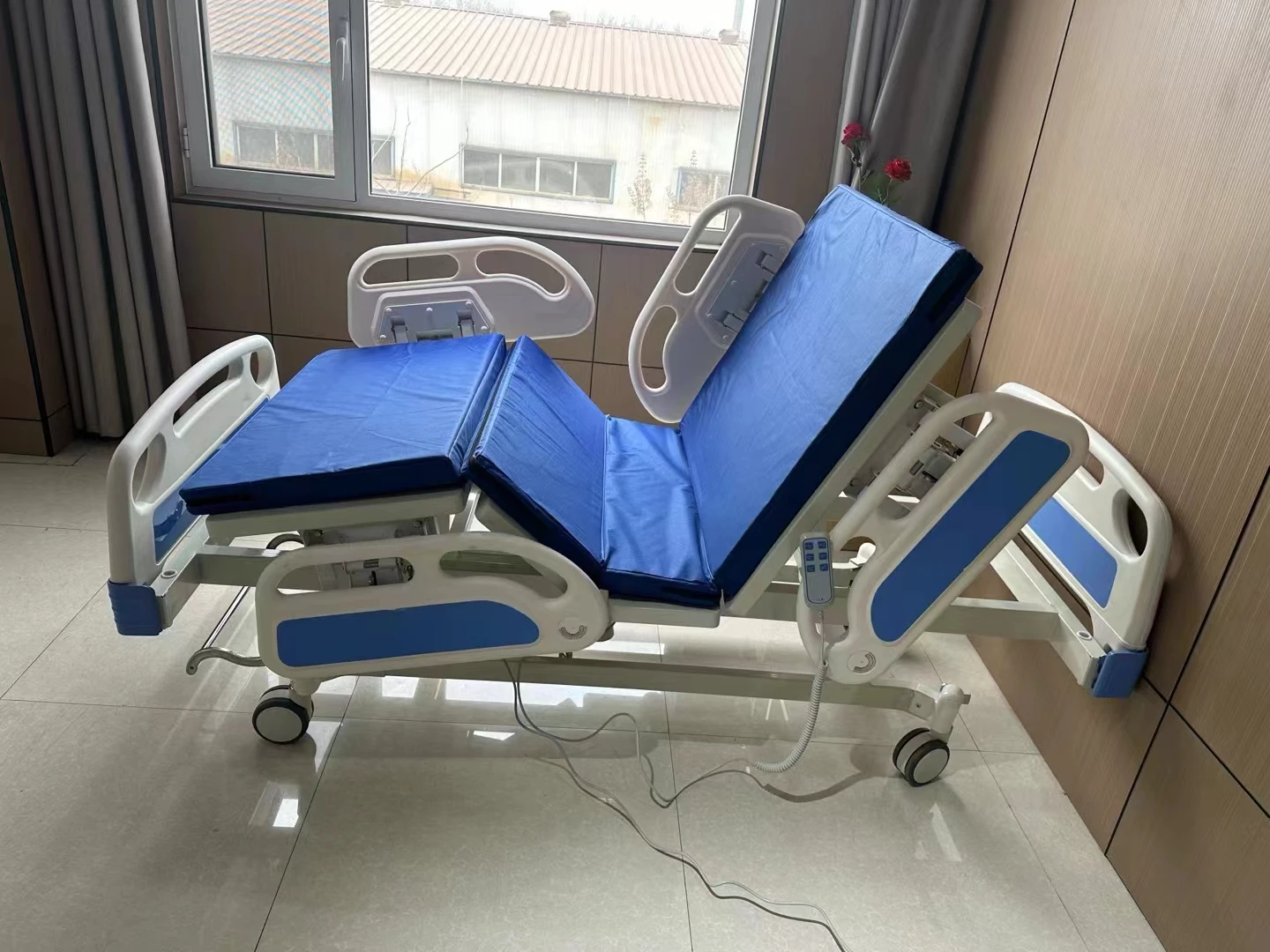
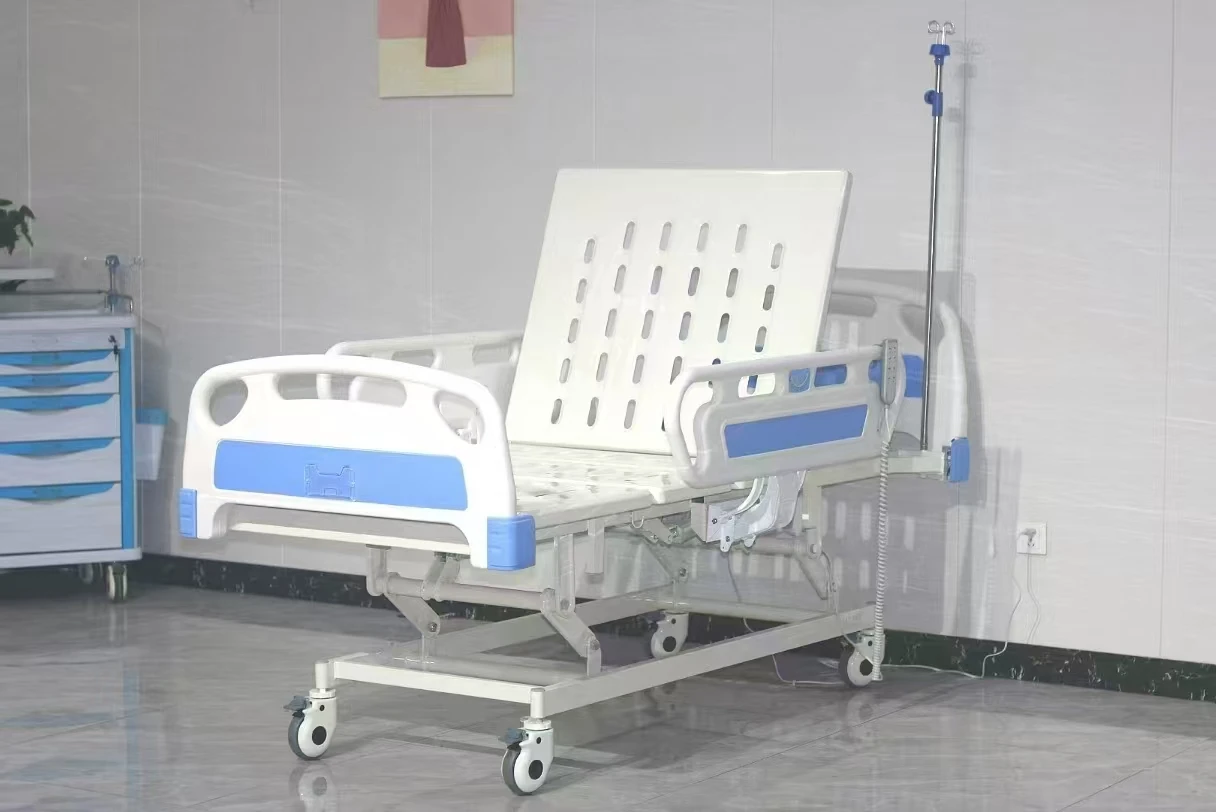
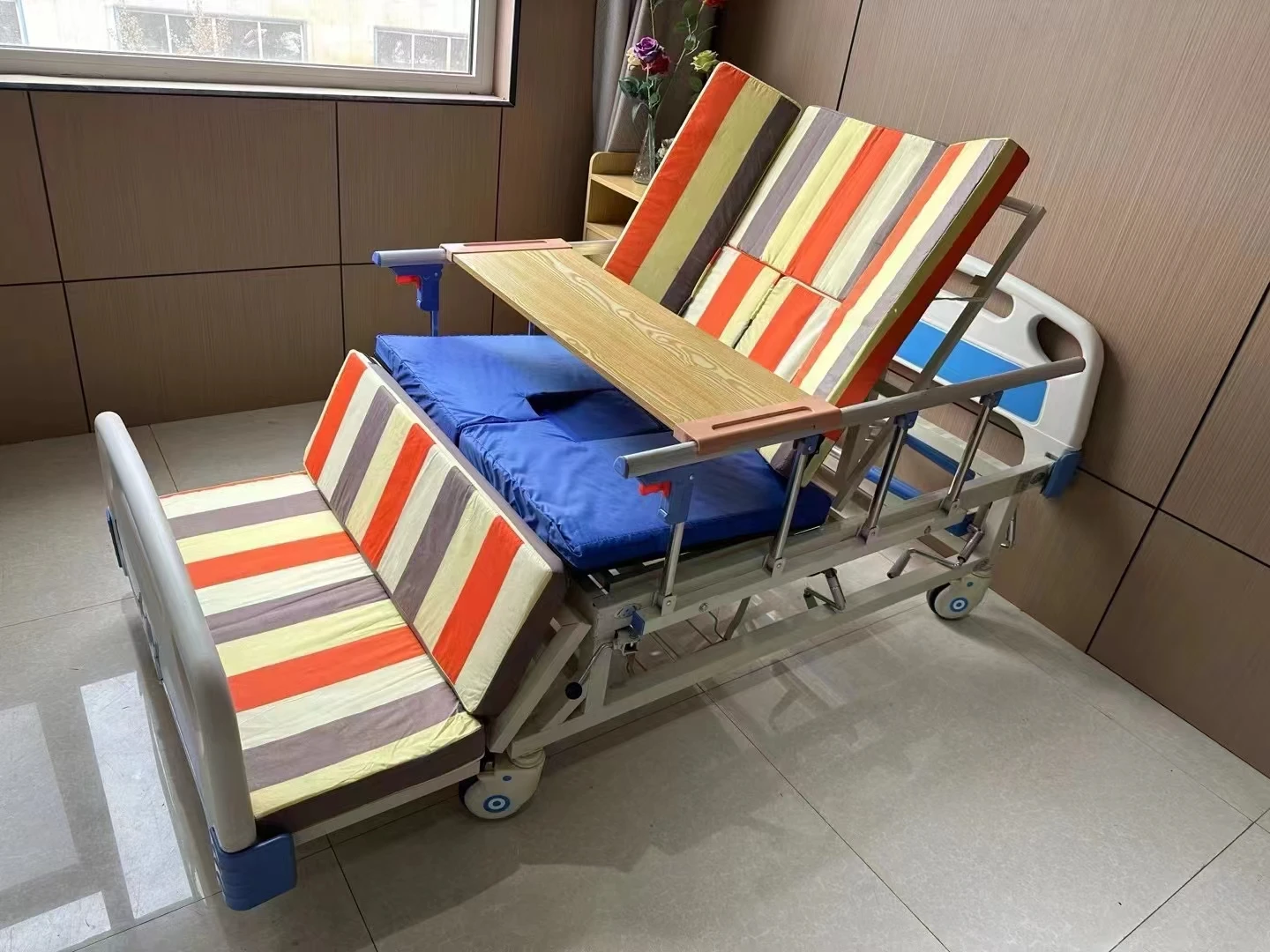
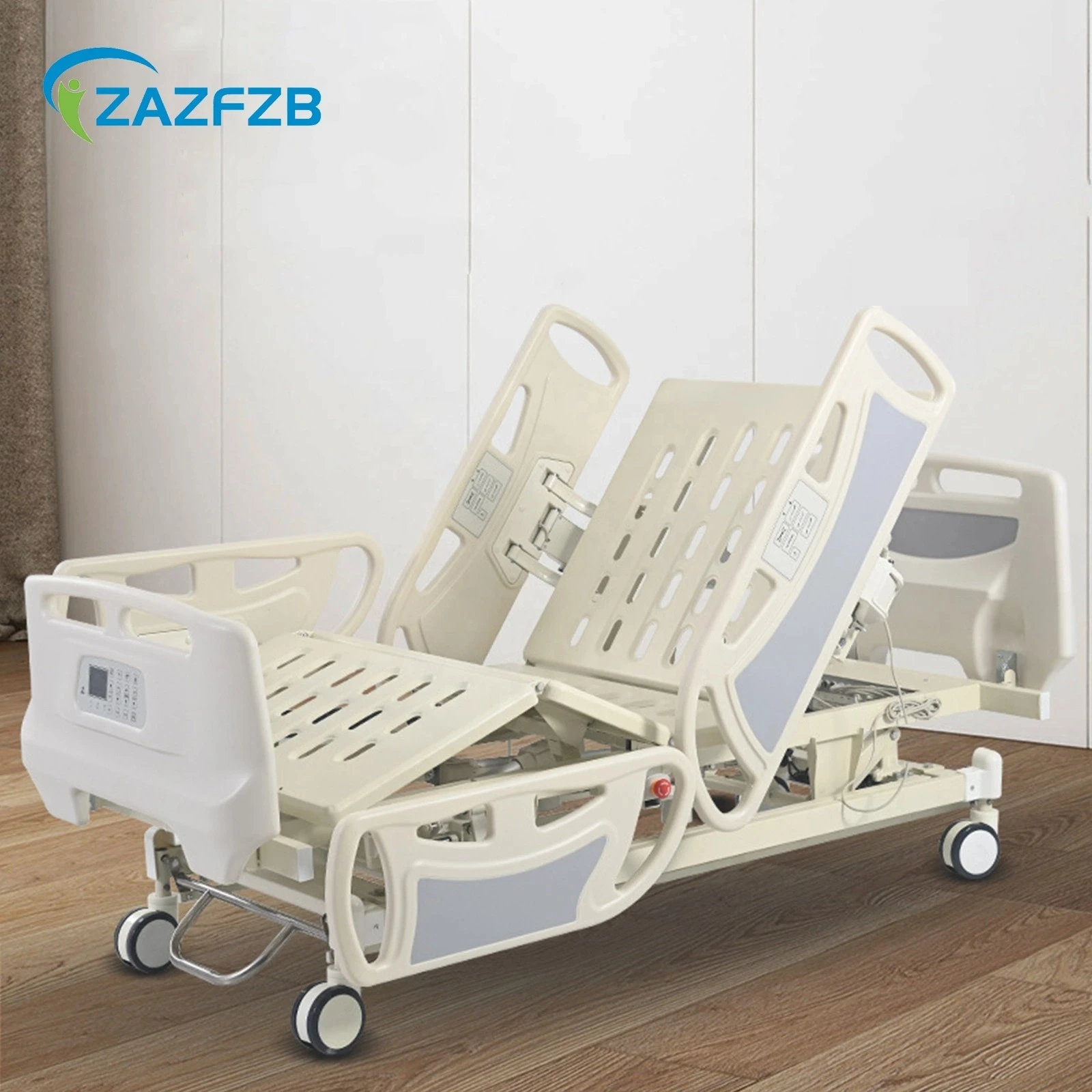
Simply put, the price refers to the cost of hospital beds that offer electric-powered adjustments — usually for height, backrest, leg support, and tilt — controlled via handheld remotes or integrated panels. Compared to manual beds, these offer seamless repositioning to optimize patient comfort and allow caregivers to adjust the bed without physical strain.
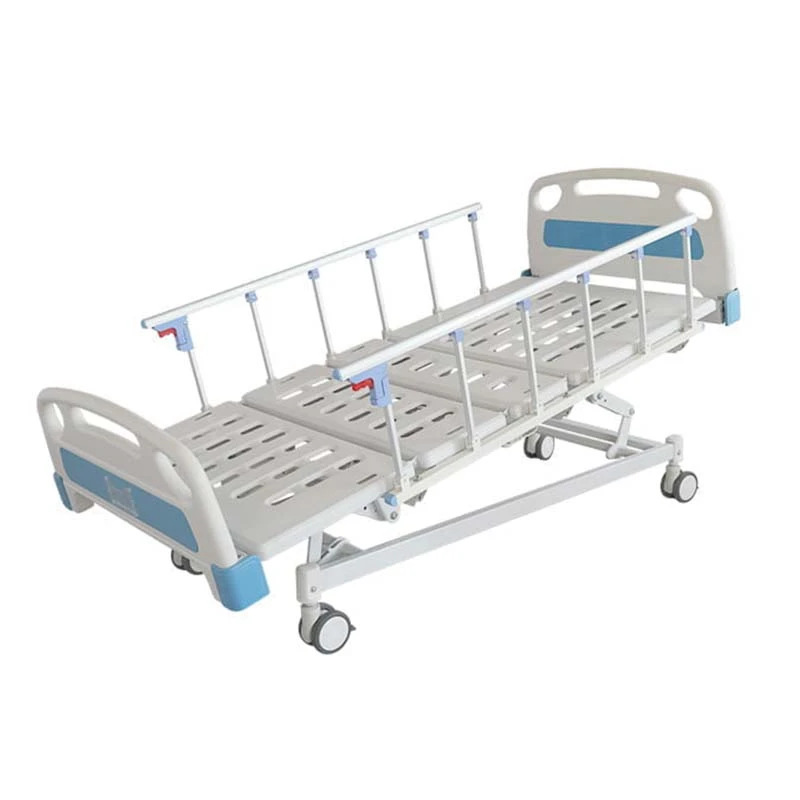
These beds also often include advanced safety features such as side rails with sensors, integrated scales, and battery backup systems. The price includes these technological additions, manufacturing quality, and sometimes service contracts and installation fees. So, in a way, the price speaks volumes about the healthcare ecosystem it supports — efficiency, safety, and comfort rolled into one.
Key Factors Influencing the Fully Automatic Hospital Bed Price
Durability and Materials
Fully automatic hospital beds are designed to endure continuous use in challenging environments. High-quality steel frames combined with corrosion-resistant coatings increase longevity. Often, the price reflects these premium materials ensuring the bed lasts for years without significant maintenance.
Scalability and Modular Design
Some manufacturers offer modular designs that can be upgraded with add-ons like advanced monitoring or infection control accessories. This scalability adds to the upfront price but enhances long-term adaptability — making the investment smarter over time.
Cost Efficiency and Energy Use
Energy-efficient motors and battery backup systems impact price but help reduce operating costs. Hospitals can save money on electricity and avoid emergency disruptions during power outages, a factor often overlooked in initial purchase analyses.
User-friendly Controls and Safety Features
Intuitive control panels, lockable bed positions, and alarm systems to prevent falls drive innovation and cost. These features are lifesavers for both patients and staff, justifying their impact on the overall cost.
Regulatory Compliance and Testing
Medical beds require rigorous testing for safety and compliance with international standards such as IEC 60601-2-52. Meeting these certifications is a costly but vital part of the pricing formula.
After-sales Service and Warranty
Good vendors bundle warranties and maintenance services into their pricing. You pay a bit more upfront but reduce downtime and costly repairs later — important for hospitals where bed availability is literally life-critical.
Mini Takeaway
The fully automatic hospital bed price isn’t arbitrary; it bundles features critical for hospital efficiency, patient safety, and long-term financial wisdom.
Fully Automatic Hospital Bed Price in Global Use: Real-World Applications
From intensive care units in Europe to emergency shelters in Southeast Asia, these beds find wide application. For example:
- Post-disaster relief: Rapid deployment hospitals often require durable, fully automatic beds to manage patient volume while minimizing caregiver fatigue.
- Remote industrial health clinics: In harsh environments like mining camps in Australia or oil rigs in the Gulf, reliable powered beds improve occupational health management.
- Aging populations in developed countries: Nations like Japan and Germany invest in automated beds to support elders’ dignity and reduce nursing injuries.
Product Specification Table
| Specification | Typical Feature | Impact on Price |
|---|---|---|
| Electric Motors | 4-point motor control | Moderate-High |
| Frame Material | Powder-coated steel | Moderate |
| Side Rails | Lockable with sensors | Low-Moderate |
| User Interface | Wireless remote & panel control | Moderate-High |
| Safety Certifications | ISO/IEC 60601 Compliance | High |
Comparing Vendors: What Influences Fully Automatic Hospital Bed Price?
| Vendor | Price Range (USD) | Key Strengths | Service & Warranty |
|---|---|---|---|
| ZhaoFamed | $1,500 - $2,300 | Custom features, durable design | 3-year warranty, global support |
| MediEquip Pro | $1,800 - $2,700 | Highly automated control systems | 2-year warranty, onsite repairs |
| Global MedTech | $1,400 - $2,000 | Efficient manufacturing, affordable | 1-year warranty, online support |
The Tangible and Intangible Benefits of Investing Well
Owning fully automatic hospital beds presents a multifaceted value:
- Cost Savings: Reduced staff injuries from manual repositioning.
- Sustainability: Advanced materials last longer, lowering replacement needs.
- Trust and Safety: Patients feel safer with fall-prevention features.
- Social Impact: Supports dignified care for vulnerable groups.
Oddly enough, you often hear nurses quietly mention how these beds actually make their shifts less stressful. That kind of feedback rarely shows up in spreadsheets but is the secret to better care.
Looking Ahead: Future Trends in Fully Automatic Hospital Beds
Technology marches on, and the fully automatic hospital bed price will eventually reflect exciting innovations:
- Smart Bed Integration: IoT-enabled beds that communicate patient vitals in real-time.
- Eco Materials: Biodegradable polymers and recycled metals reducing environmental impact.
- Energy Efficiency: Solar-powered battery backups for remote or disaster-prone areas.
- AI-assisted Positioning: Automated adjustments based on patient movement patterns.
Manufacturers and healthcare providers who stay ahead of these trends often see an initial price premium but reap long-term rewards.
Challenges and How They're Tackled
Despite the advantages, a few hurdles remain:
- High Initial Cost: Small clinics often struggle with upfront expenses.
- Maintenance: Technical parts can wear out without local service centers.
- Training: Staff need proper instruction to fully leverage bed features.
Solutions? Leasing models, tele-maintenance programs, and intuitive user training are increasingly popular. For instance, organizations like the International Electrotechnical Commission (IEC) promote standardization that helps hospitals source compatible parts globally — reducing downtime and cost.
FAQ: Practical Questions on Fully Automatic Hospital Bed Price
- Q: What factors most affect the price of fully automatic hospital beds?
- A: Key drivers are motor quality, frame material, control interface sophistication, and compliance certifications. Each adds layers of cost but also enhances safety and usability.
- Q: How do fully automatic beds improve hospital workflows?
- A: By allowing quick position adjustments, they reduce caregiver strain and free up time for direct patient care. This efficiency indirectly offsets the price difference compared to basic beds.
- Q: Are there environmentally friendly options impacting the price?
- A: Yes, some manufacturers use recycled and sustainable materials, which may raise costs slightly now but support long-term eco goals.
- Q: Can fully automatic hospital beds be customized?
- A: Absolutely. Modular designs allow features like integrated scales, different side rails, and antimicrobial surfaces, which affect price but tailor beds for specific needs.
Wrapping Up: Why Price Reflects More Than Cost
The concept of fully automatic hospital bed price is a lens into evolving healthcare. It’s about investing in quality, dignity, and smarter hospitals that care for patients and employees alike. If the upfront cost feels steep, remember the multiplier effect — less injury, more comfort, and cutting-edge tech that ultimately pays off.
If you're exploring these beds for your facility, I’d recommend starting with expert vendors like ZhaoFamed who balance cost and innovation thoughtfully.
Thanks for reading — I hope this gave you a clearer view on this quietly revolutionary piece of healthcare tech.