Nursing Home Beds for Sale – Essential Guide for Quality Elder Care
Understanding Nursing Home Beds for Sale: A Vital Healthcare Component
Nursing home beds for sale, at first glance, might seem like a simple, functional item. But, trust me, these beds are pivotal in healthcare environments worldwide — especially in nursing homes, rehabilitation centers, and long-term care facilities. They do more than just provide a resting place; they deliver comfort, safety, and support that elderly or mobility-challenged individuals rely on daily.
With an aging global population (the United Nations estimates over 1.5 billion people will be aged 65 or older by 2050), the demand for quality nursing home beds continues to surge. Understanding their essential benefits and features isn’t just for healthcare managers — it’s for families, policymakers, and manufacturers alike.
Introduction: Global Importance of Nursing Home Beds
Globally, the healthcare infrastructure evolves constantly to adapt to demographic shifts and rising chronic illnesses. According to the World Bank, the elderly population is growing faster than ever before, which puts pressure on healthcare systems to provide accessible, supportive environments. Nursing home beds for sale meet a critical need here: they improve patient outcomes by enabling better mobility, reducing pressure ulcers, and supporting caregivers in their daily routines.
However, challenges abound — from affordability to adaptability. High-quality beds can be expensive, and there’s a growing expectation for technologically advanced features like adjustable functions or smart sensors. Ultimately, nursing home beds exist at the junction of healthcare, technology, and social dignity.
What Are Nursing Home Beds for Sale?
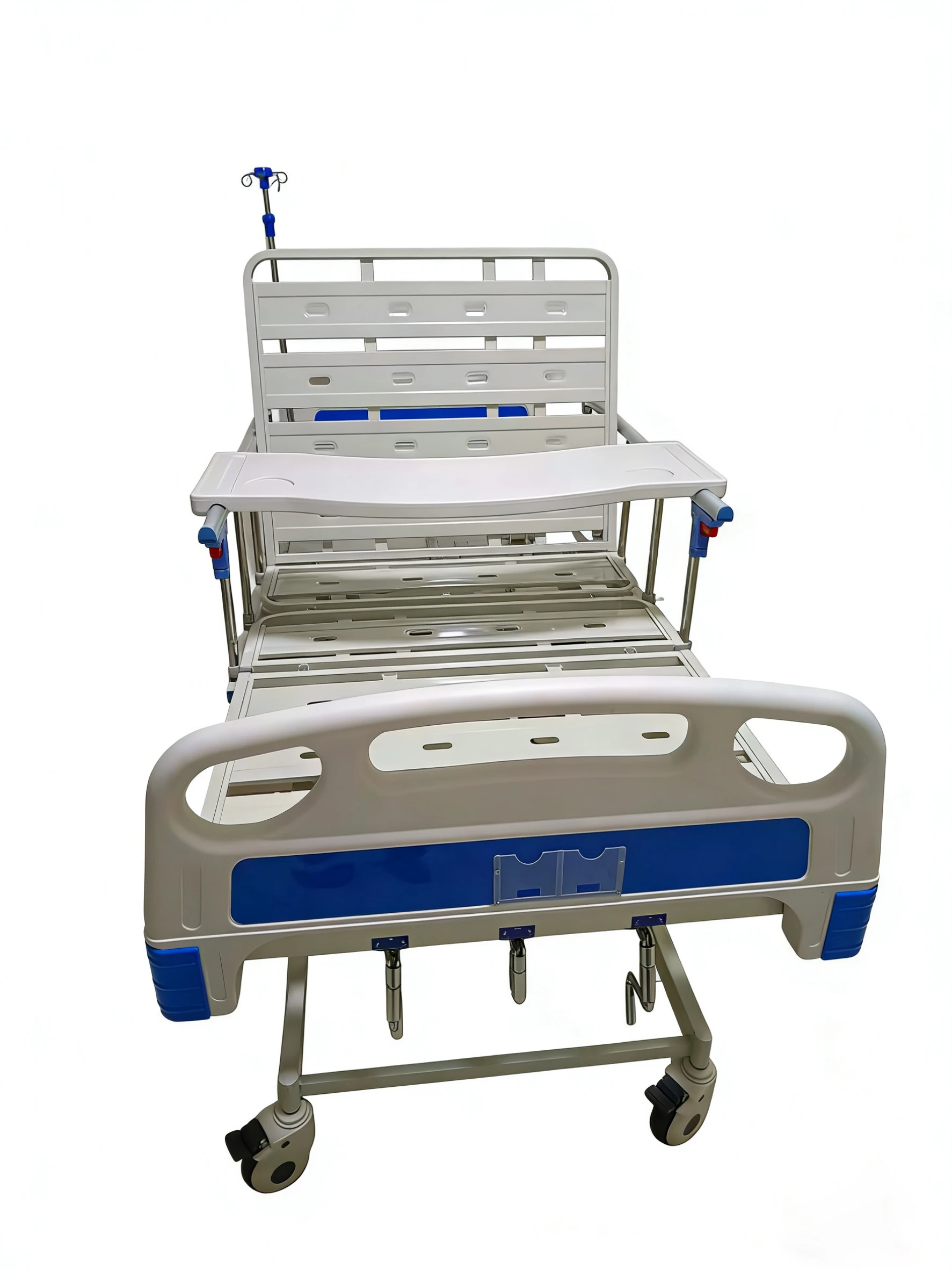
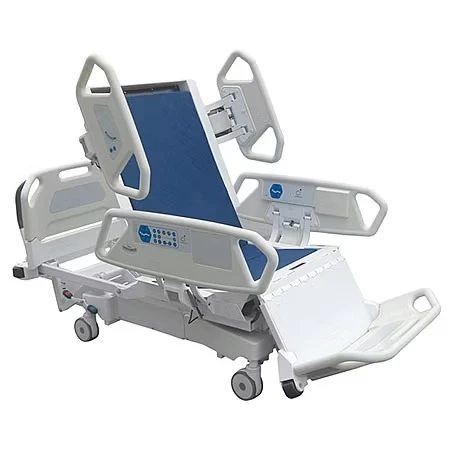
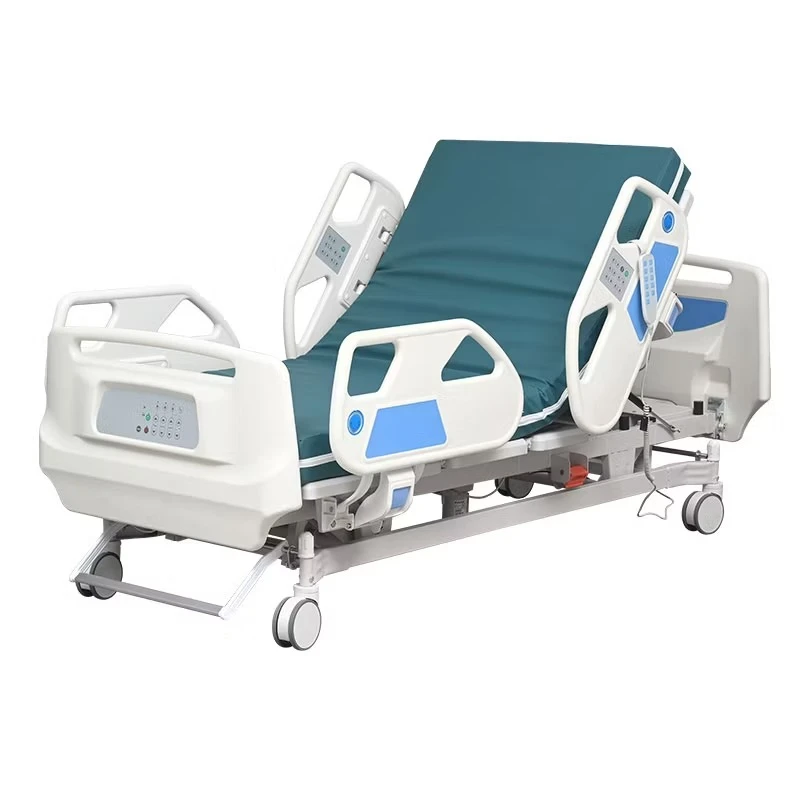
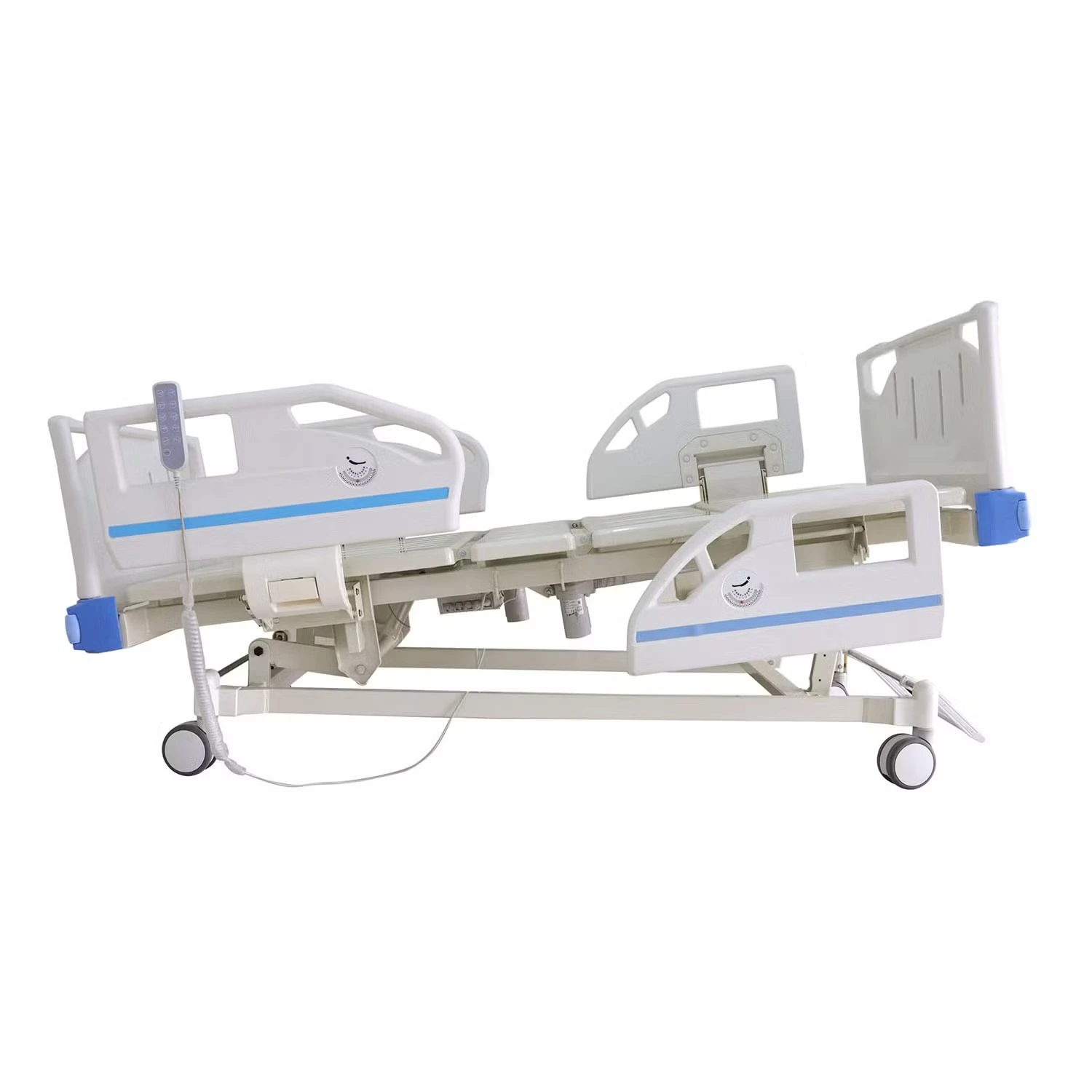
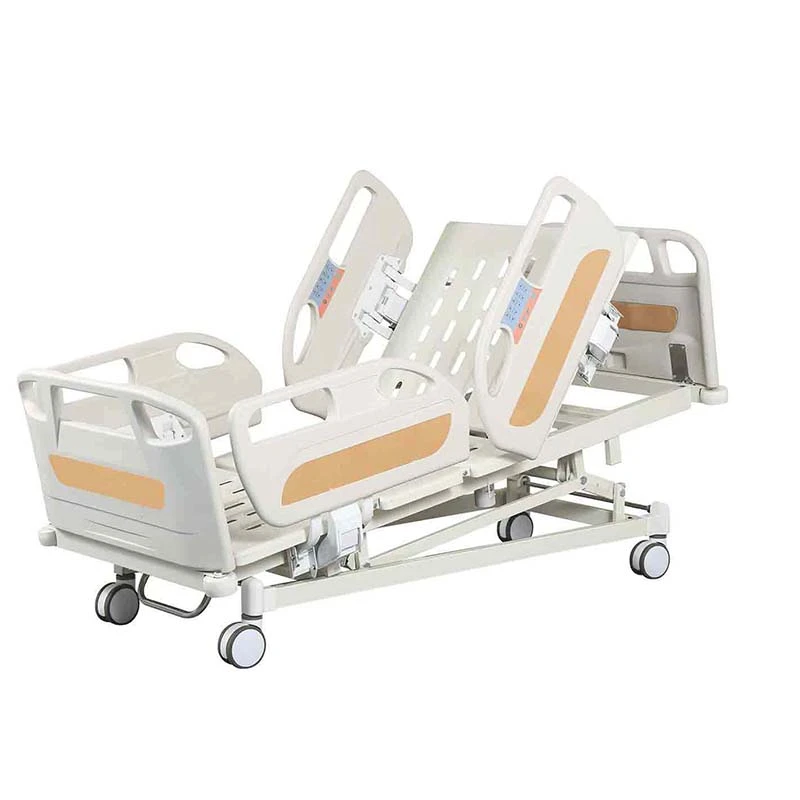
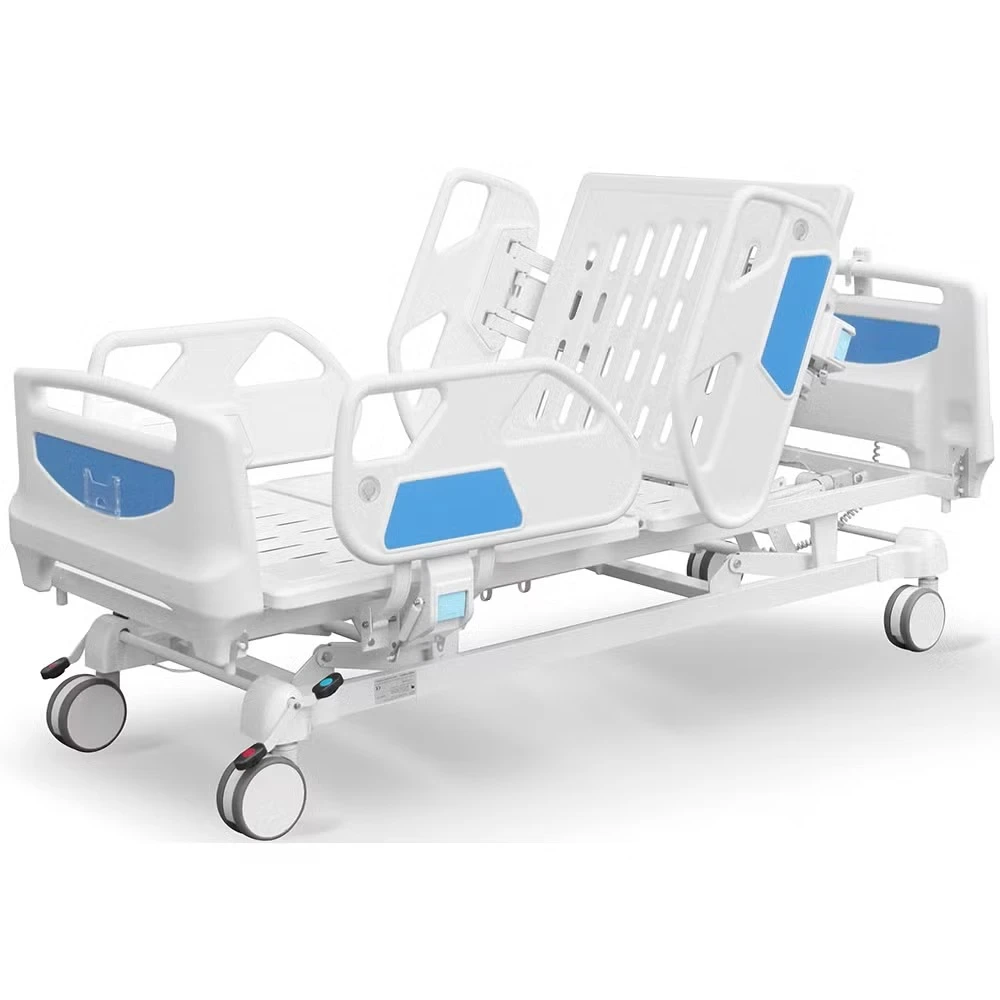
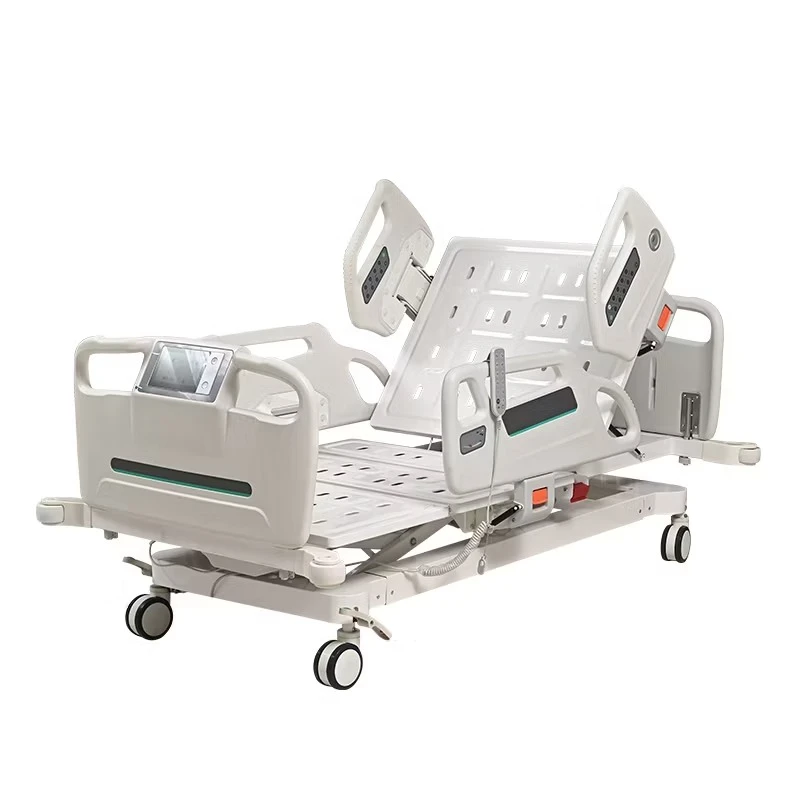
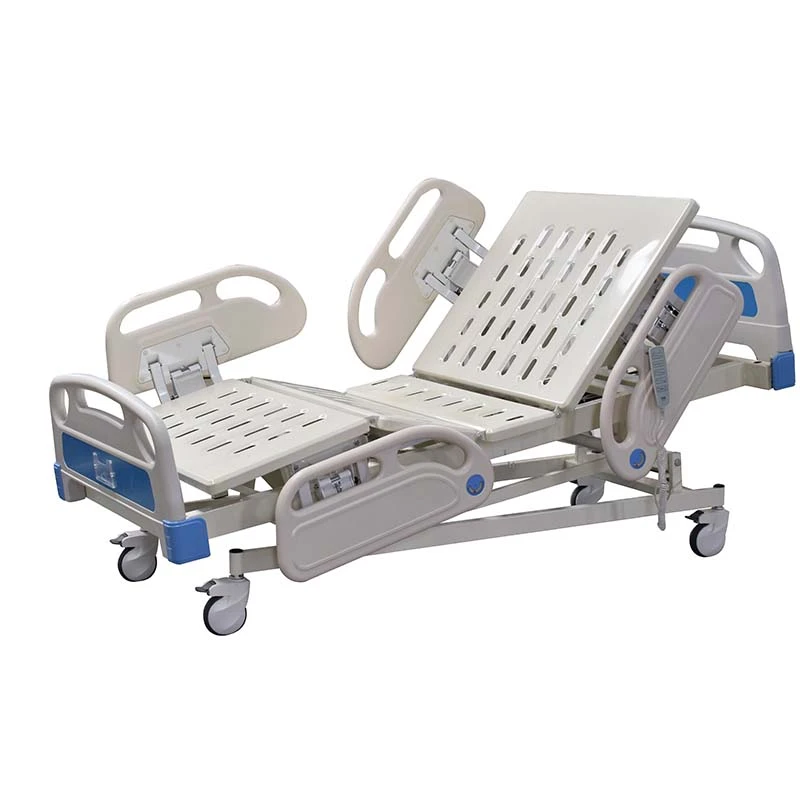
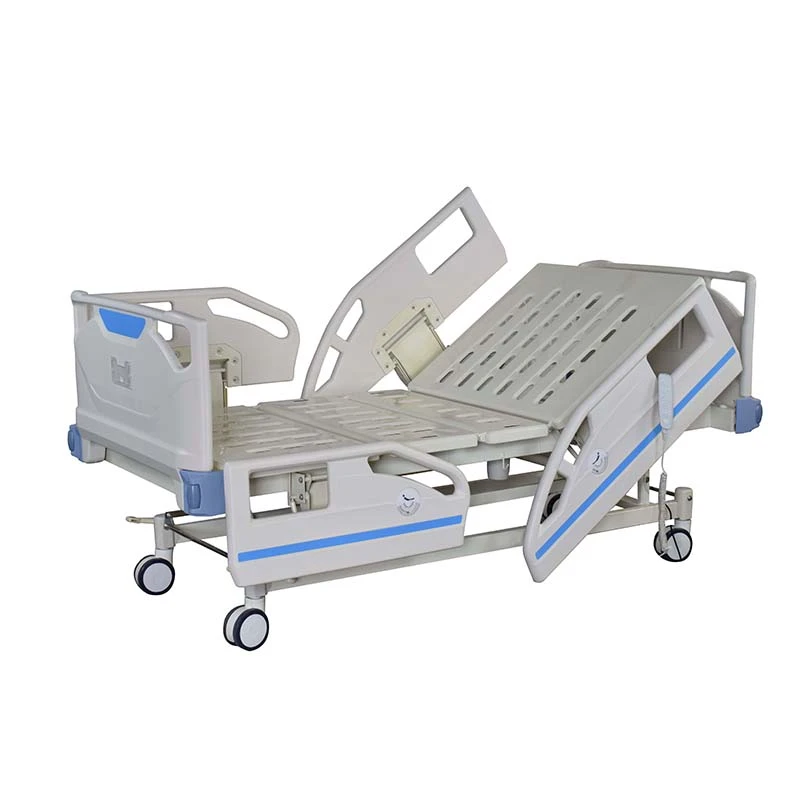
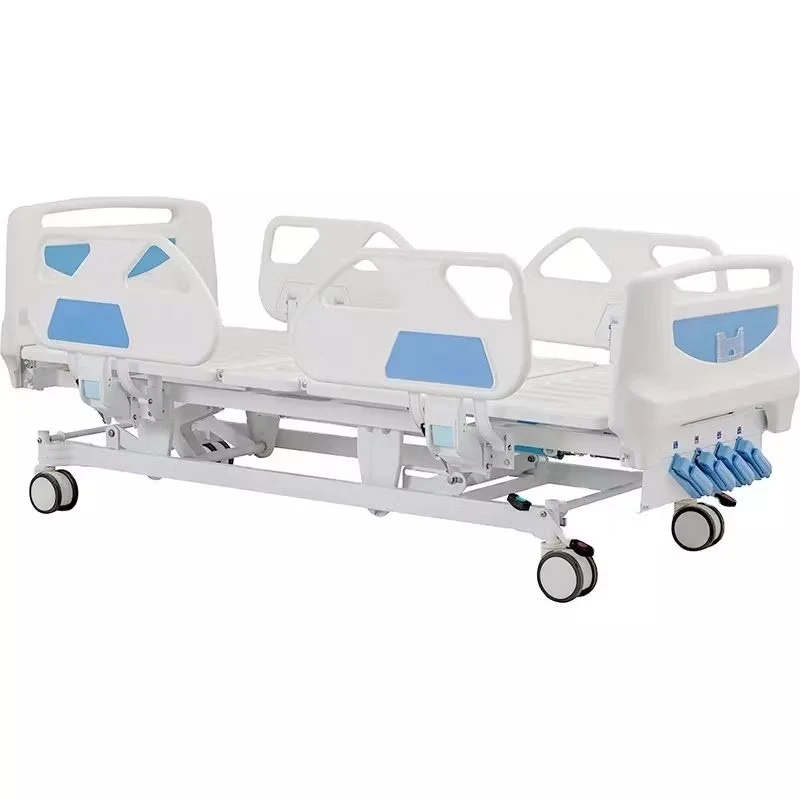
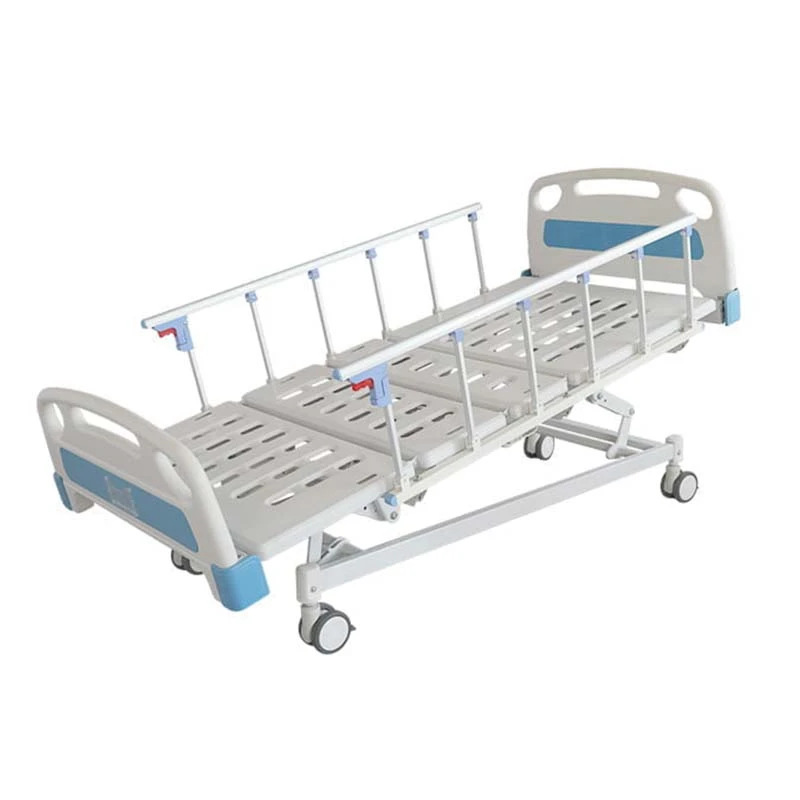
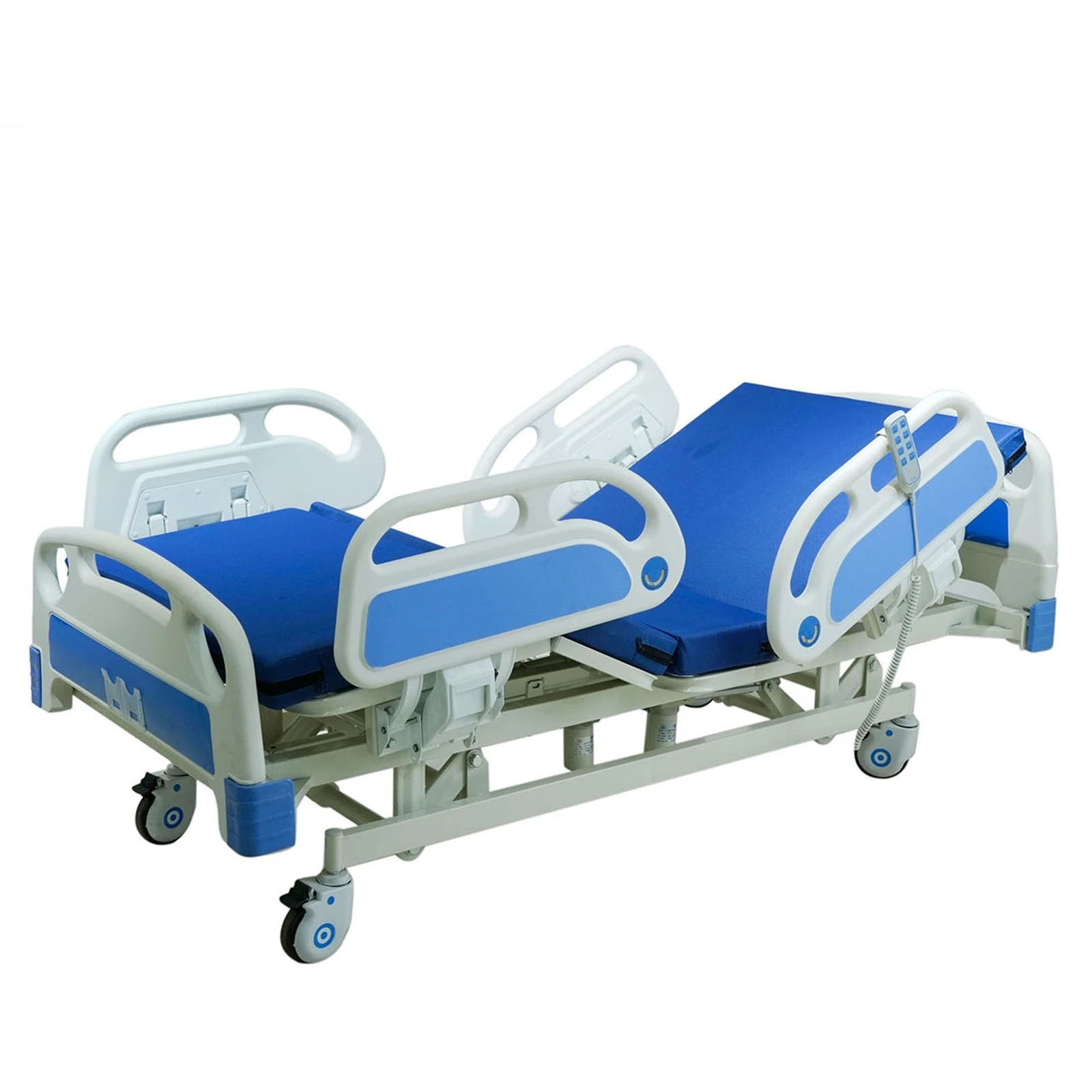
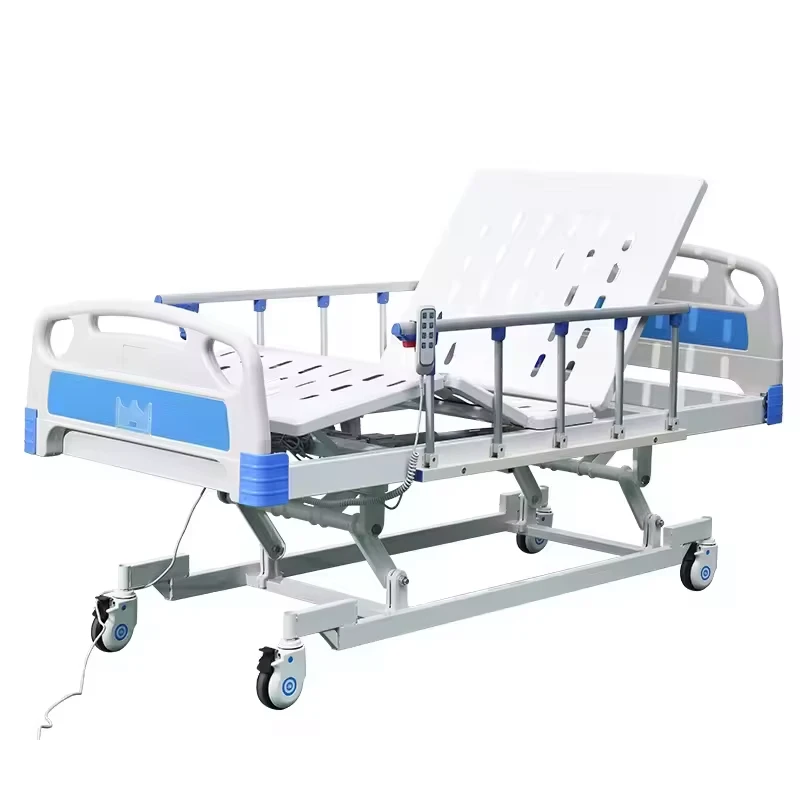
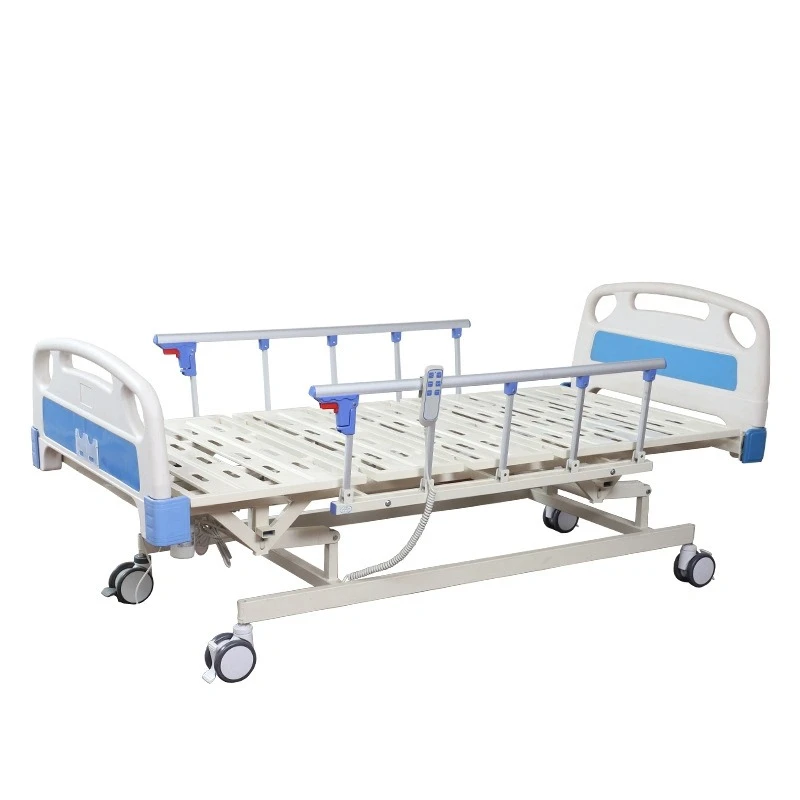
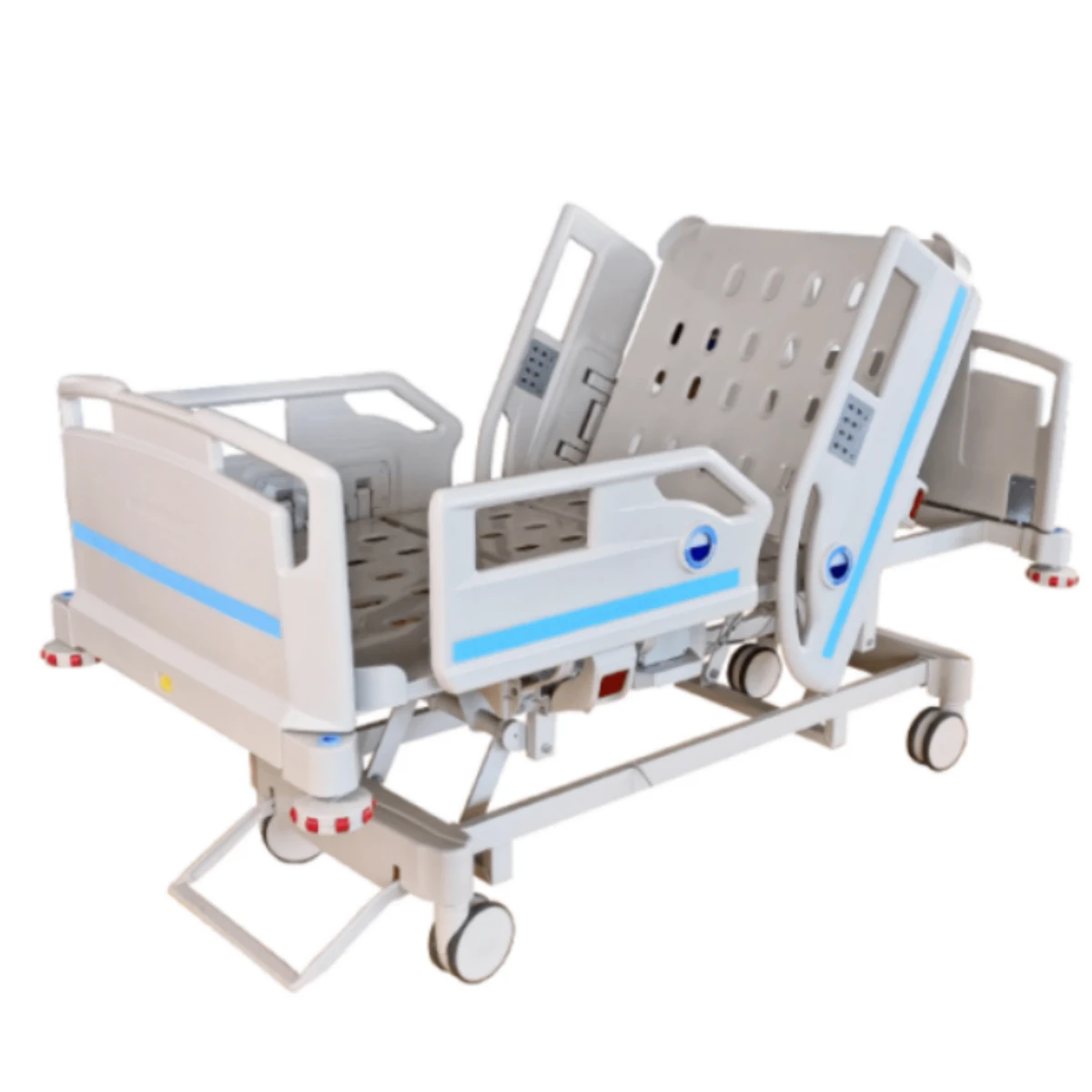
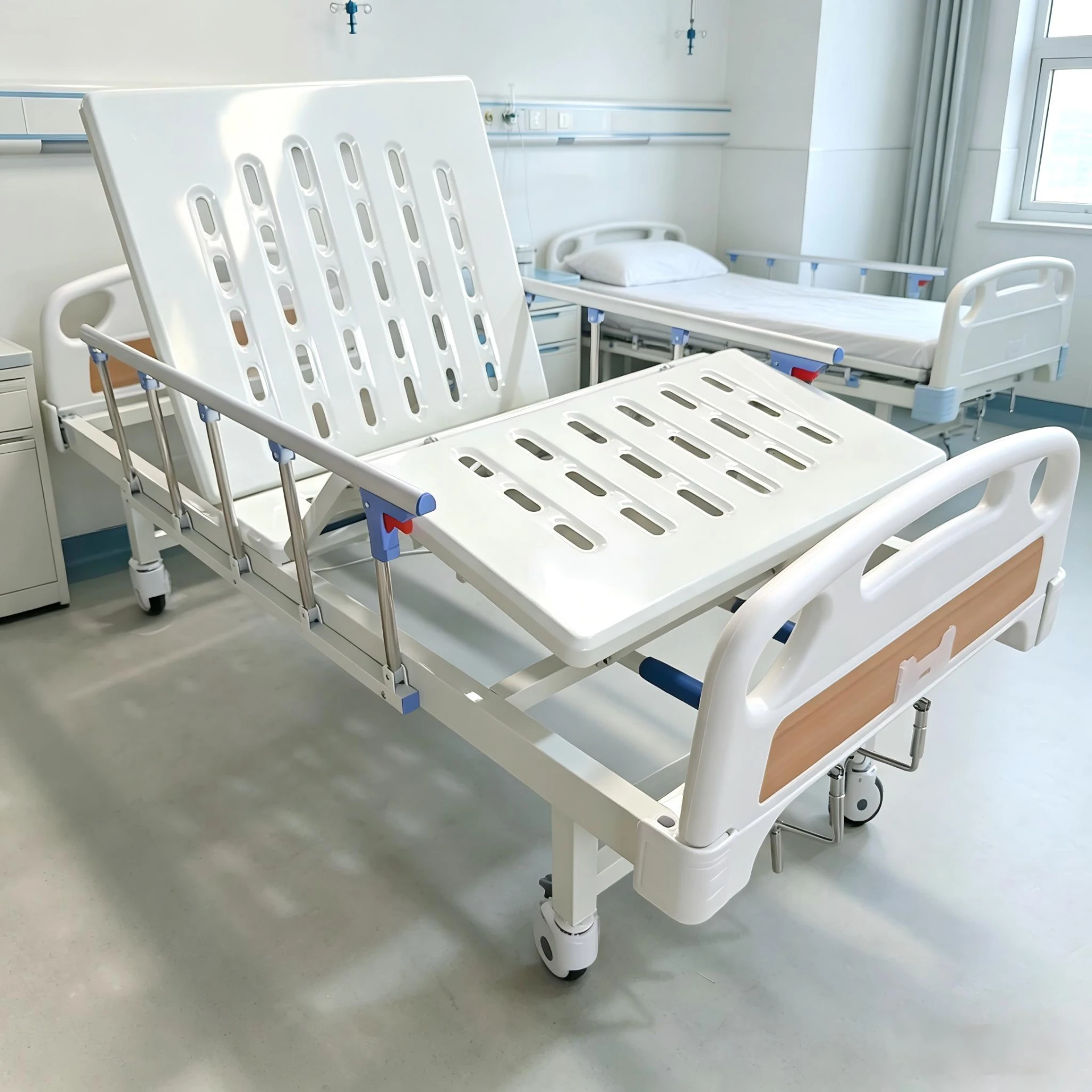
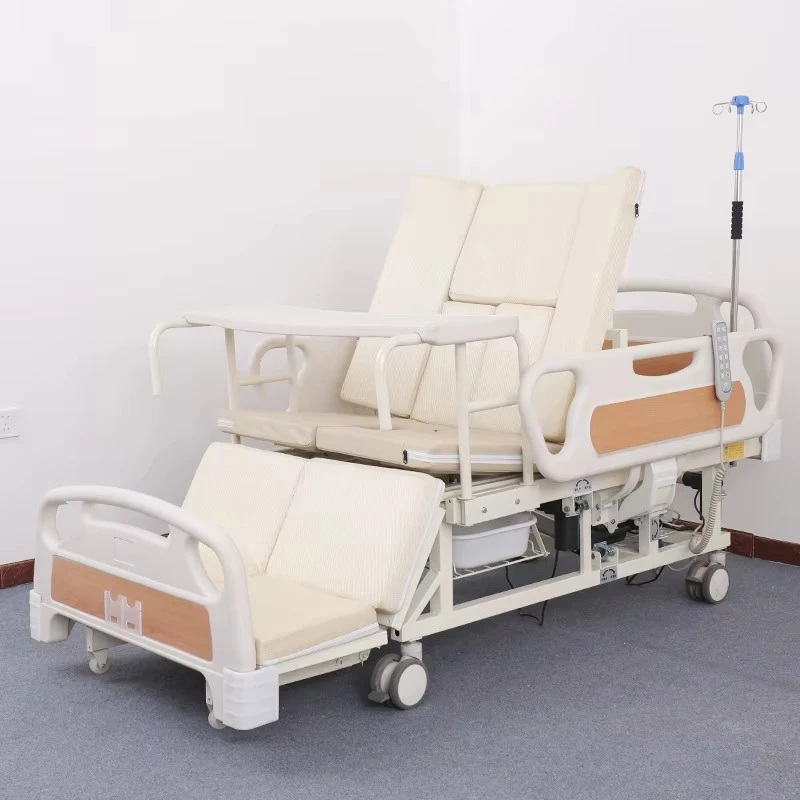
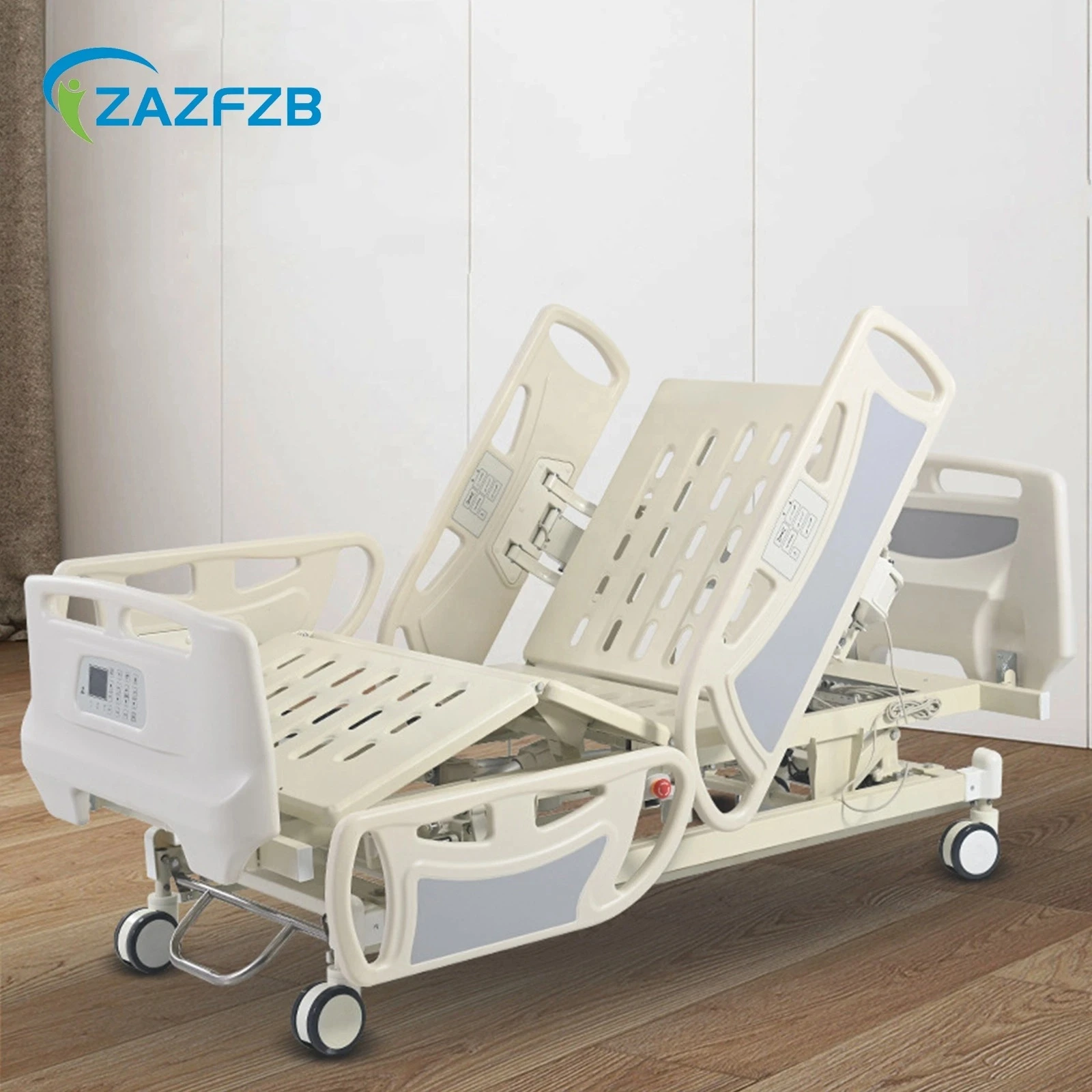
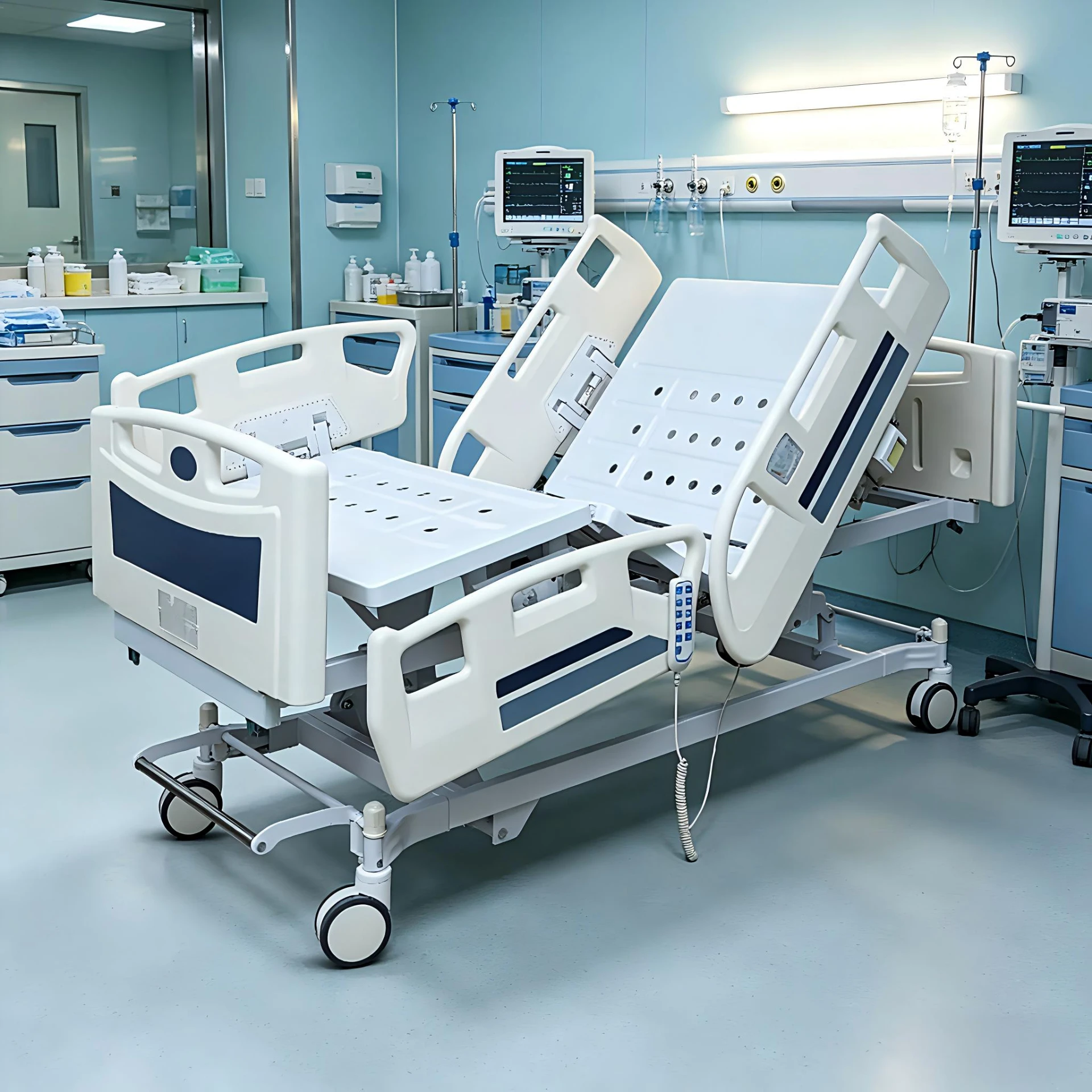
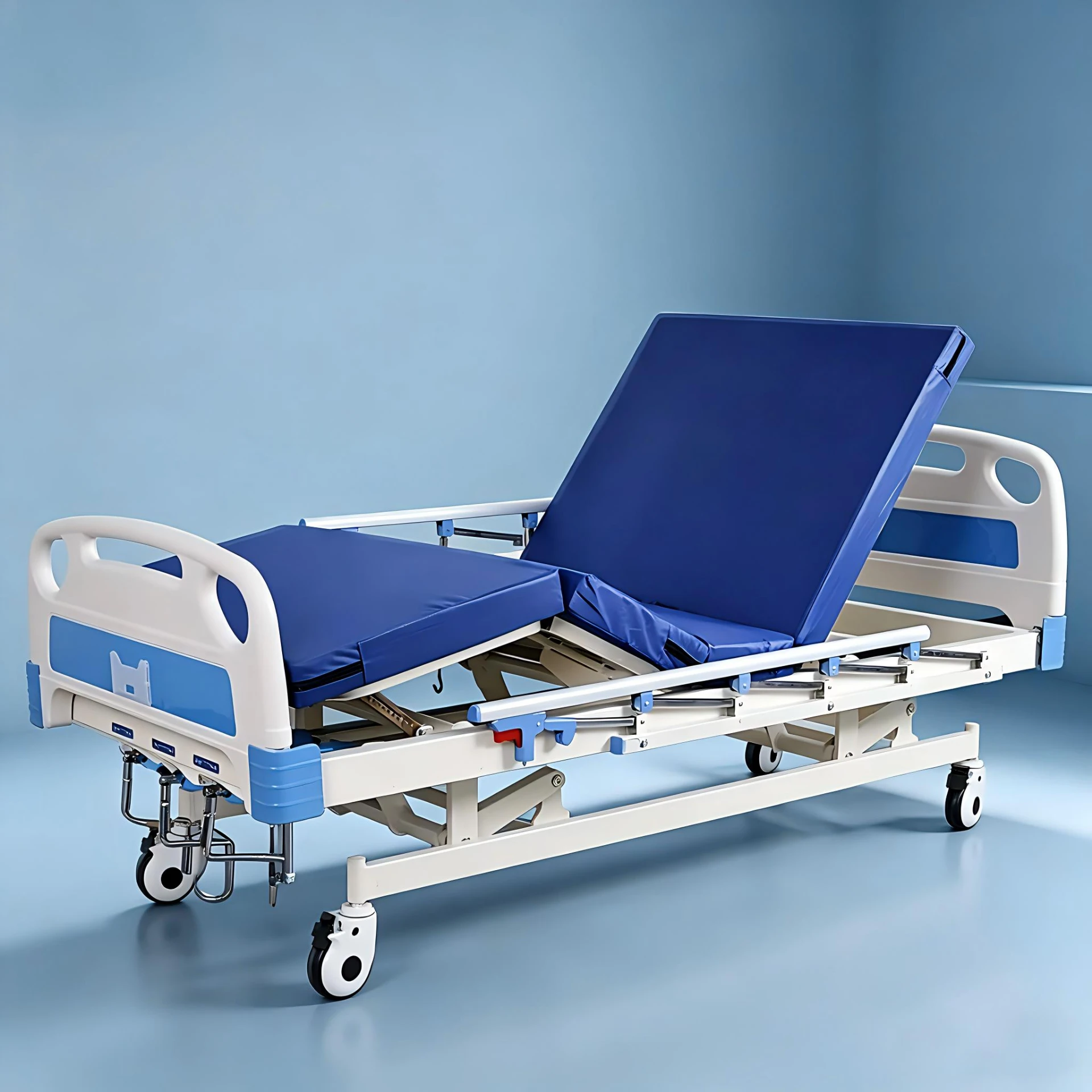
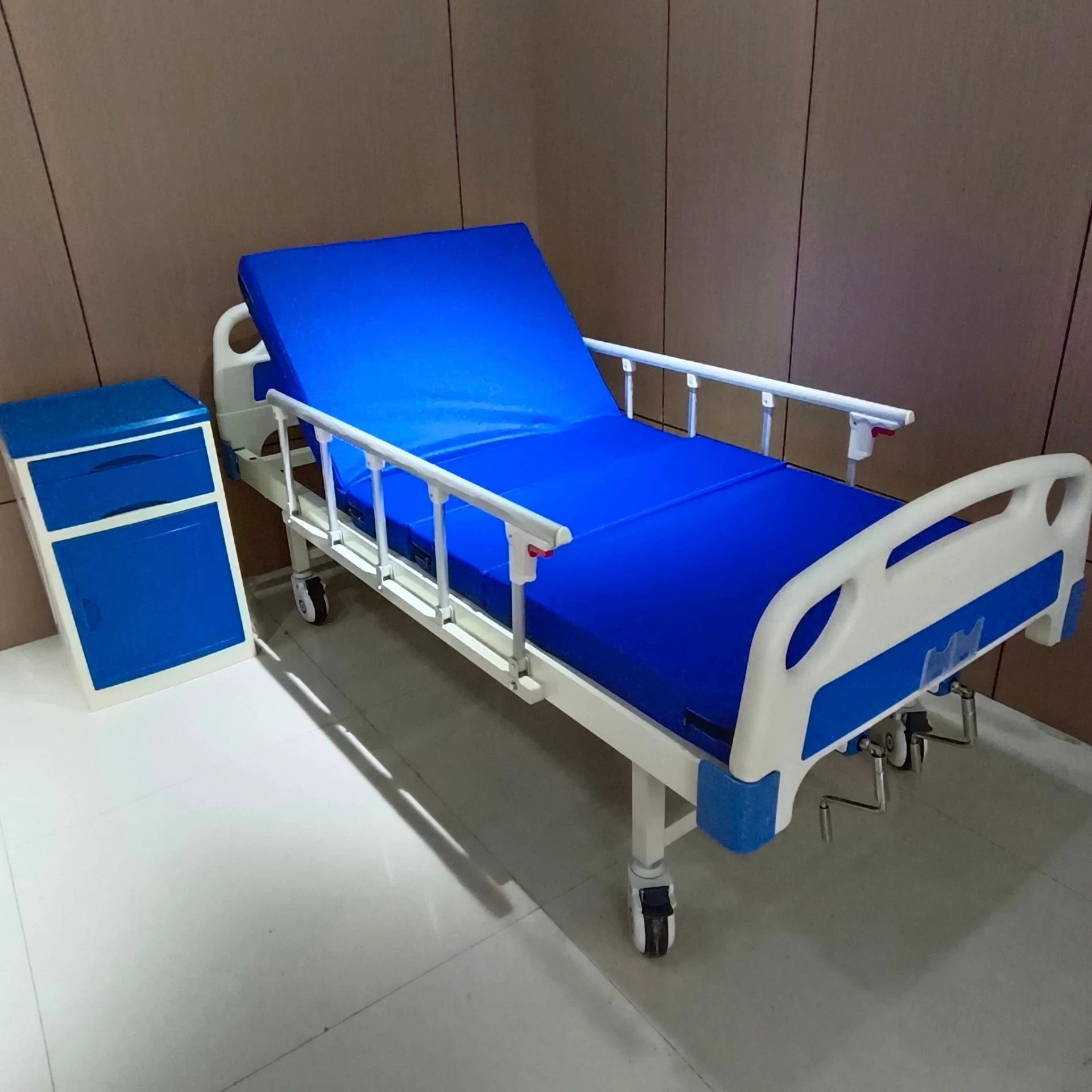
Simply put, nursing home beds for sale are specialized beds designed for residents of nursing homes or long-term care facilities. These aren't your typical home beds. They feature adjustable heights and angles, sturdy frames, and safety features tailored to patients with limited mobility or special medical needs.
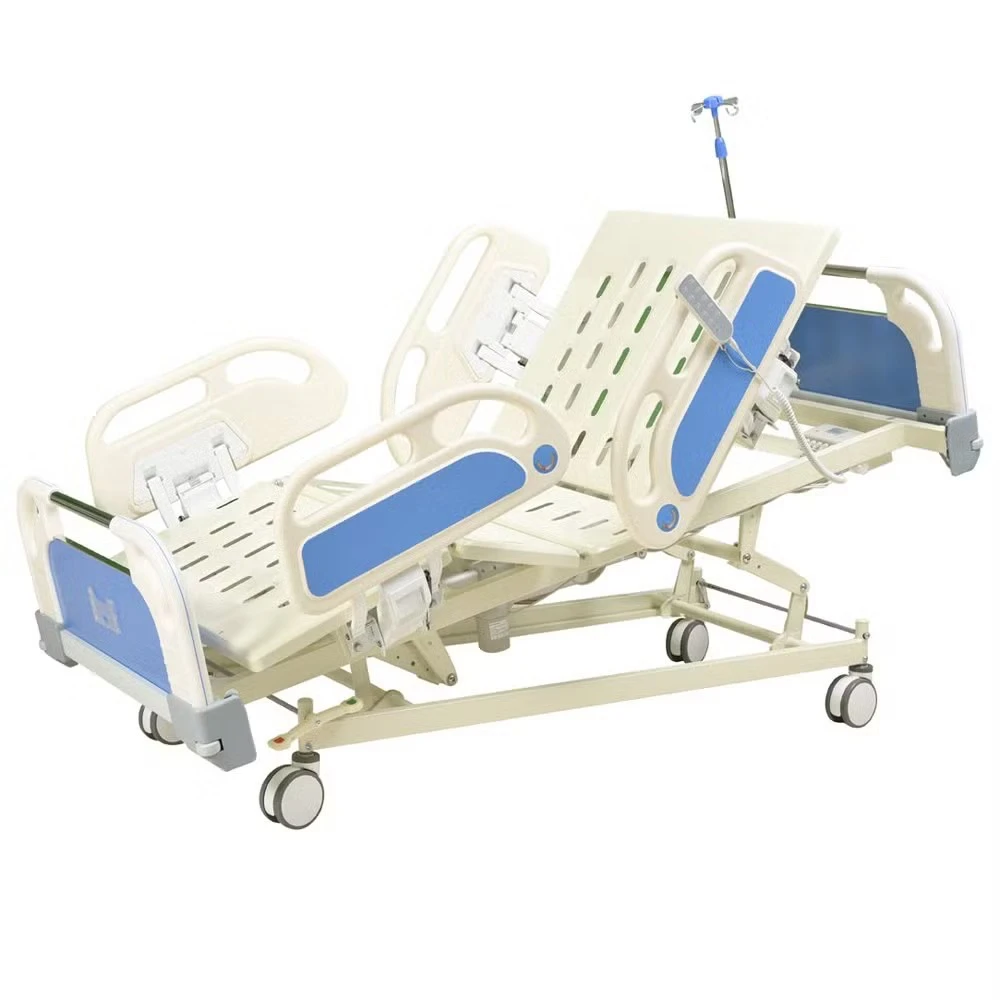
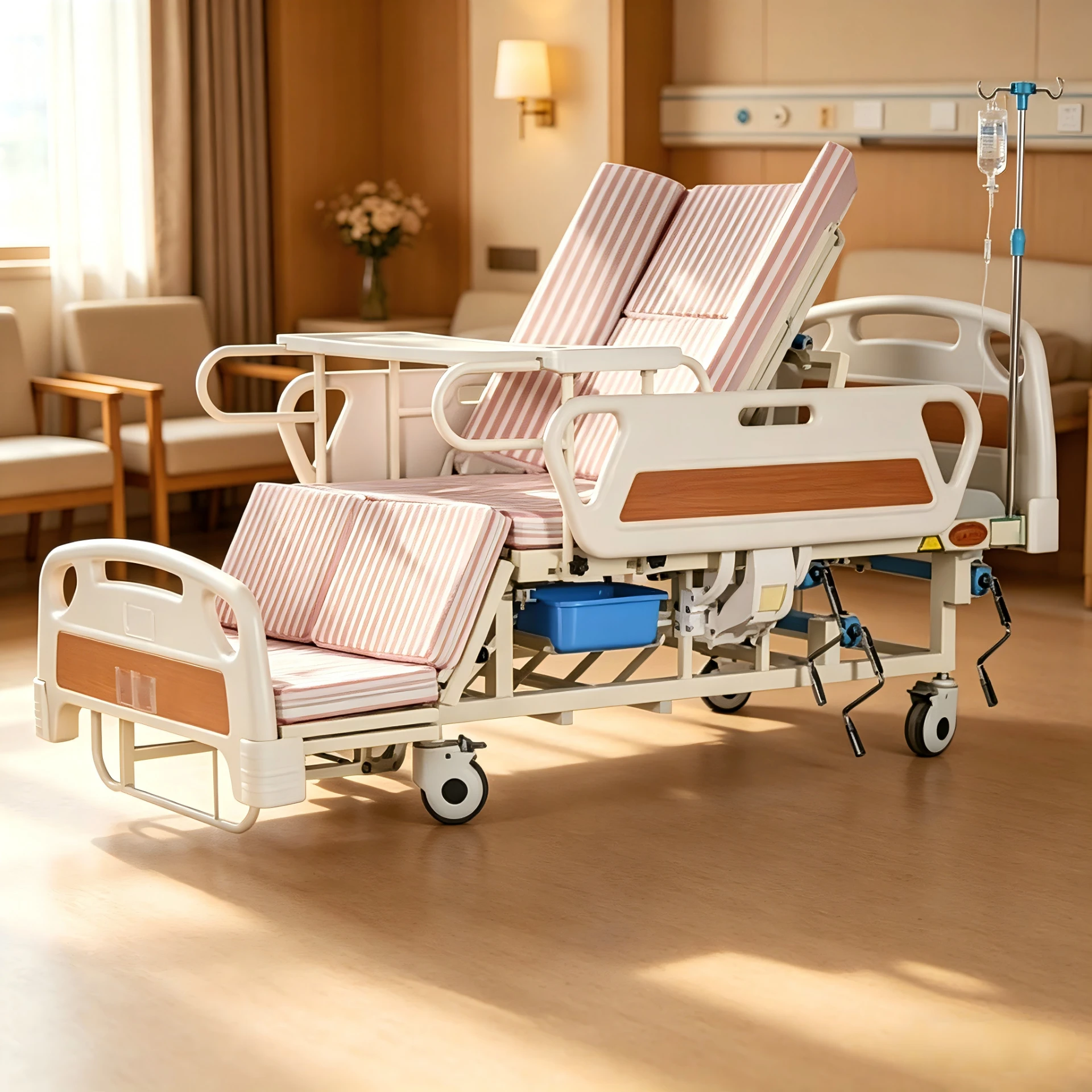
Their design focuses on ease of cleaning, durability, and compatibility with medical accessories like IV poles or overbed tables. The connection here to modern healthcare is profound: such beds support independence, reduce caregiver injury risks, and enhance patient dignity.
Key Features of Nursing Home Beds for Sale
1. Adjustability
Most nursing home beds offer electrically powered controls enabling patients or caregivers to adjust backrests, leg rests, and bed height. This flexibility is crucial for comfort and circulation and even for patient transfers.
2. Durability
These beds are built to withstand continuous use — often with heavy-duty steel frames and high-weight capacities (sometimes 440 lbs or more). It’s about safety and longevity.
3. Safety Features
Side rails, brake locks, and emergency lowering systems form part of the essential safety package, preventing falls and accidents.
4. Ease of Cleaning
Healthcare settings demand beds that are easy to disinfect and maintain. Powder-coated frames and antimicrobial materials ensure hygiene compliance.
5. Compatibility and Accessories
Beds often accommodate attachments like trays, monitors, and traction devices, which are essential for comprehensive patient care.
Typical Specifications for a Standard Nursing Home Bed
| Feature | Specification |
|---|---|
| Dimensions (L x W) | 80 x 36 inches (standard) |
| Adjustable Height Range | 15 to 25 inches |
| Weight Capacity | Typically 440 lbs (200 kg) |
| Power Source | Electric (some manual) |
| Material | Steel frame with antimicrobial coating |
Comparing Top Vendors of Nursing Home Beds for Sale
| Vendor | Price Range | Key Features | Warranty |
|---|---|---|---|
| CareComfort | $900–$1,500 | Electric adjust, antimicrobial paint, side rails | 5 years frame, 2 years motor |
| MediBeds Pro | $1,200–$2,000 | Smart sensor tech, USB control, heavy duty | 7 years frame, 3 years electronics |
| HealthyHome | $800–$1,300 | Manual adjust, budget-friendly, lightweight | 3 years frame, 1 year parts |
Global Applications & Use Cases
Nursing home beds play an indispensable role in various settings around the globe:
- Long-Term Care Facilities: Where residents often stay for extended periods, adjustable beds facilitate therapeutic positioning and enhance daily living.
- Post-acute Rehabilitation Centers: Patients recovering from surgery or injury rely on beds that allow gradual mobility and support prevention of bedsores.
- Home Healthcare: Increasingly, families purchase these beds for at-home use, improving quality of life for aging relatives or those with disabilities.
- Disaster Relief and Temporary Clinics: In emergencies, hospitals and NGOs use nursing home beds for quickly setting up care facilities, emphasizing portability and durability.
Oddly enough, even in industrial sectors, such beds can pop up in onsite medical bays, showing the versatility and broad appeal of these products.
Advantages & Long-Term Value
There’s a lot to like about investing in quality nursing home beds:
- Cost Efficiency: Durable materials mean less frequent replacement and lower maintenance costs.
- Sustainability: Many beds now feature eco-conscious manufacturing processes and recyclable components.[1]
- Safety and Dignity: Adjustable beds reduce fall risks and enhance dignity by allowing patients to control their positioning.
- Emotional Benefits: A comfortable, safe environment supports mental well-being, fostering trust and care quality.
Future Trends & Innovations
Looking ahead, the world of nursing home beds is moving toward integration with smart technology — think beds that monitor vital signs, or adjust automatically for optimal pressure relief through AI-driven algorithms. This kind of innovation may sound futuristic, but it’s becoming quite tangible.
Moreover, the push for sustainability is altering materials used — from bioplastics to low-energy manufacturing. Automation in assembly and remote maintenance could drive costs down and broaden accessibility.
Challenges & Solutions
Of course, challenges persist. The initial cost of some advanced beds remains high, which can be a barrier in lower-income regions. Supply chain disruptions have also affected availability during crises, as we saw in the COVID-19 pandemic. Additionally, not every caregiver is trained on the newer technologies — a gap that needs addressing.
Solutions? Modular design for easier repair, scalable modes for different budgets, and growing telehealth training help bridge these gaps. Public-private partnerships are also crucial for equitable access.
Frequently Asked Questions About Nursing Home Beds for Sale
- Q1: What features should I prioritize when buying a nursing home bed?
- A: Focus on adjustability, safety features like side rails, weight capacity, and ease of maintenance. If budget allows, electric controls and antimicrobial surfaces add value.
- Q2: Are electric nursing home beds more reliable than manual ones?
- A: Electric beds offer convenience and precise positioning, but manual beds are often more budget-friendly and less prone to mechanical failure. Reliability depends on quality and maintenance.
- Q3: How long can a typical nursing home bed last?
- A: With proper care, a high-quality bed can last 7-10 years or more, supporting multiple patients over time.
- Q4: Can I buy nursing home beds online for home use?
- A: Absolutely, many suppliers offer direct-to-consumer sales online. Check delivery terms and warranty conditions carefully to ensure you get proper support.
- Q5: How do nursing homes decide which beds to purchase?
- A: They consider budget, patient needs, durability, vendor reputation, and compliance with healthcare standards.
Conclusion: Investing in Quality Nursing Home Beds for Long-Term Benefits
In real terms, understanding the nuanced importance of nursing home beds for sale translates to better patient care, safer environments, and smarter healthcare investments. The future is brighter with beds evolving beyond mere furniture to integral parts of a therapeutic ecosystem.
For those looking to source or upgrade, you might want to explore trusted vendors — or simply browse nursing home beds for sale to see what options fit your needs best.
It all adds up to a win-win: patients enjoy improved comfort and safety, caregivers work with better tools, and healthcare facilities get smarter, sustainable solutions.
Mini takeaway: Nursing home beds may feel like a niche topic — but when you zoom out, they’re truly at the heart of compassionate, effective eldercare worldwide.
References: