Home Care Bed for Elderly: Ensuring Comfort, Safety & Dignity at Home
Home Care Bed for Elderly: Comfort Meets Care in Modern Living
When we think about taking care of our aging loved ones, the details matter — but what often goes unnoticed is the bed they spend so many hours on. A home care bed for elderly is not just furniture but a keystone in ensuring dignity, safety, and comfort for seniors living at home. Globally, aging populations are rising rapidly: the United Nations reports that by 2050, one in six people worldwide will be over 65 years old.[1] That’s a lot of people potentially benefiting from better home healthcare infrastructure — and beds designed specifically to meet their needs.
Why This Matters on a Global Scale
The changing demographics bring new challenges: hospitals are overcrowded, and many families prefer home-based care instead of institutional settings. This preference highlights a key challenge — ensuring the home environment is equipped with safe, adjustable, and supportive bedding solutions. Enter the home care bed designed for elderly use. Frankly, it can be a game-changer.
What Is a Home Care Bed for Elderly?
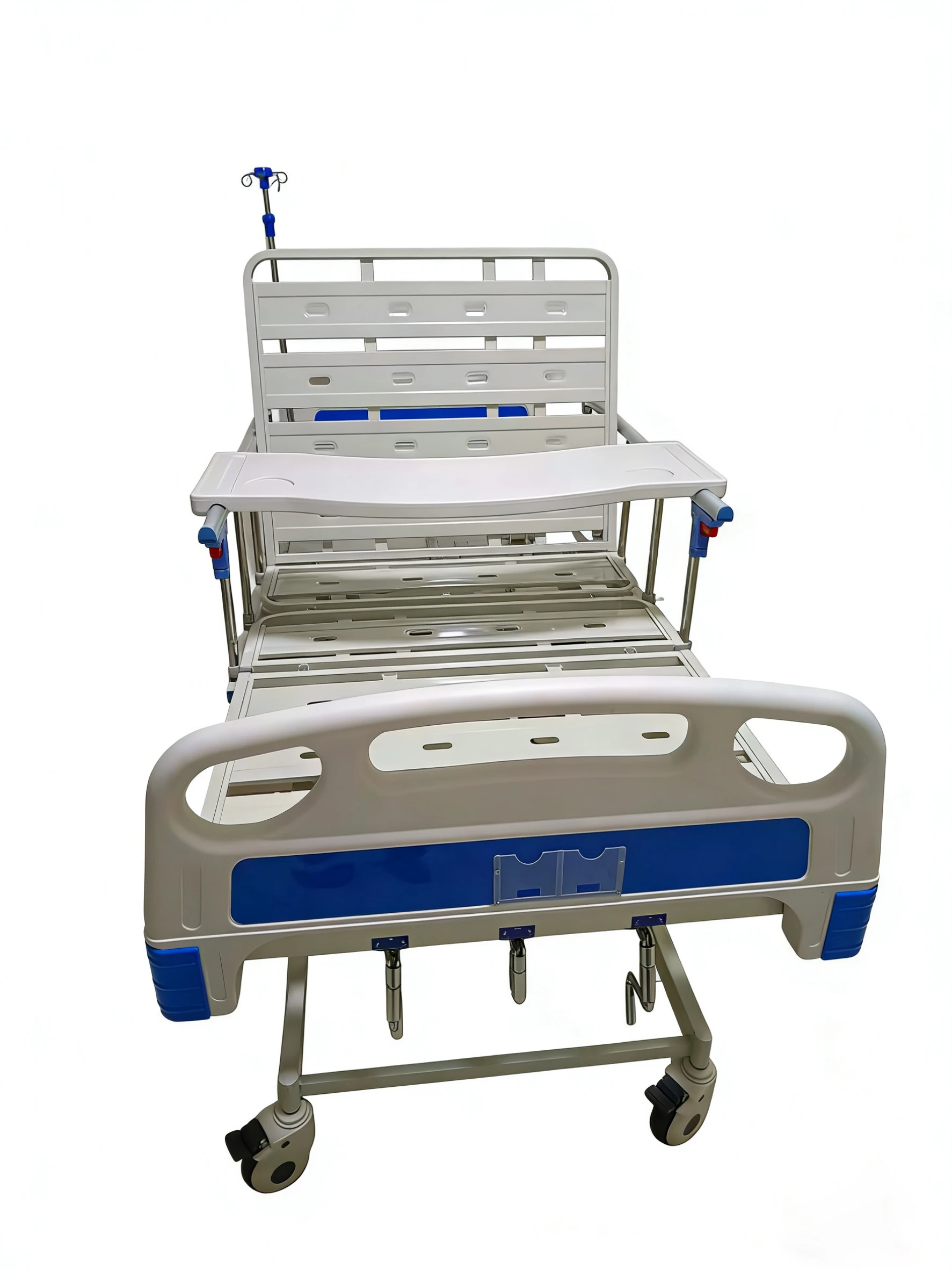
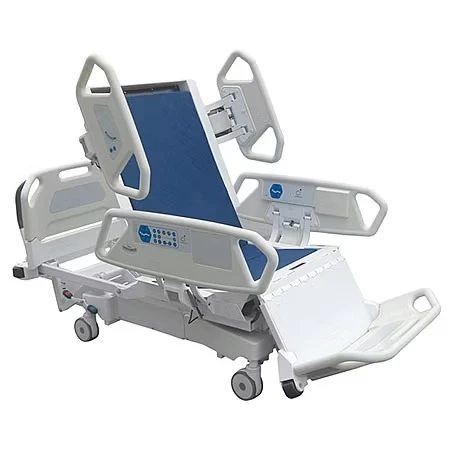
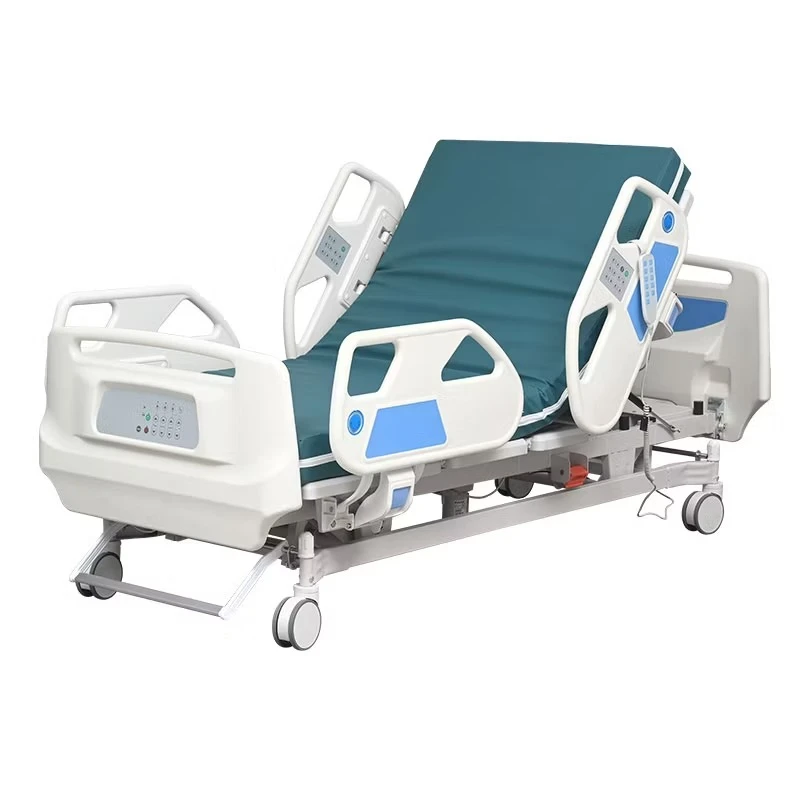
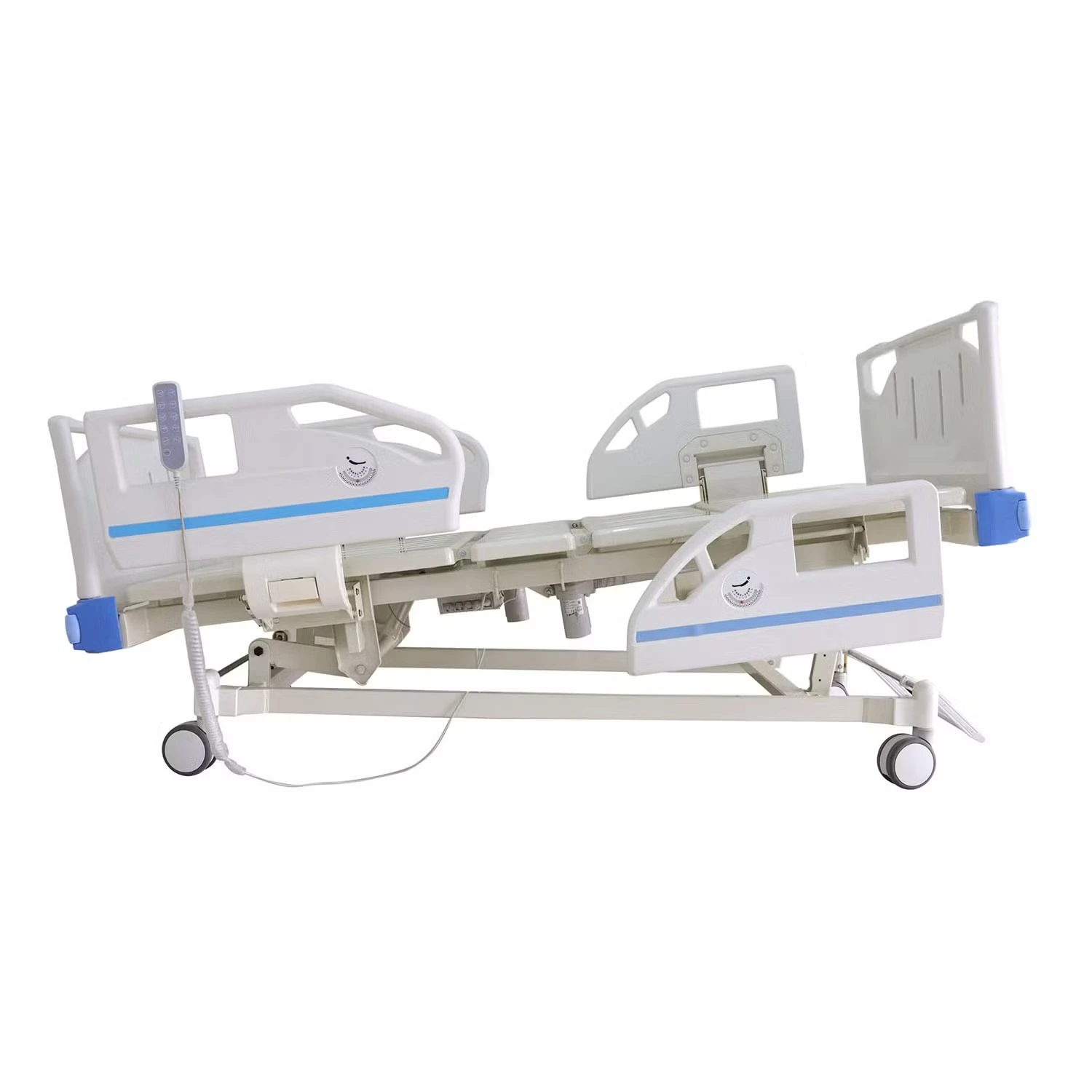
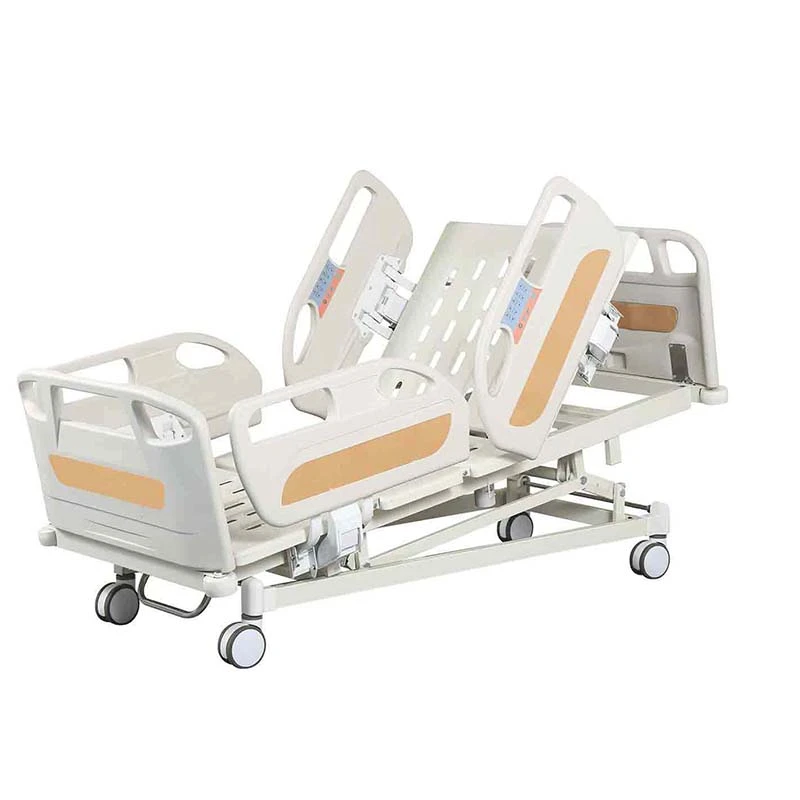
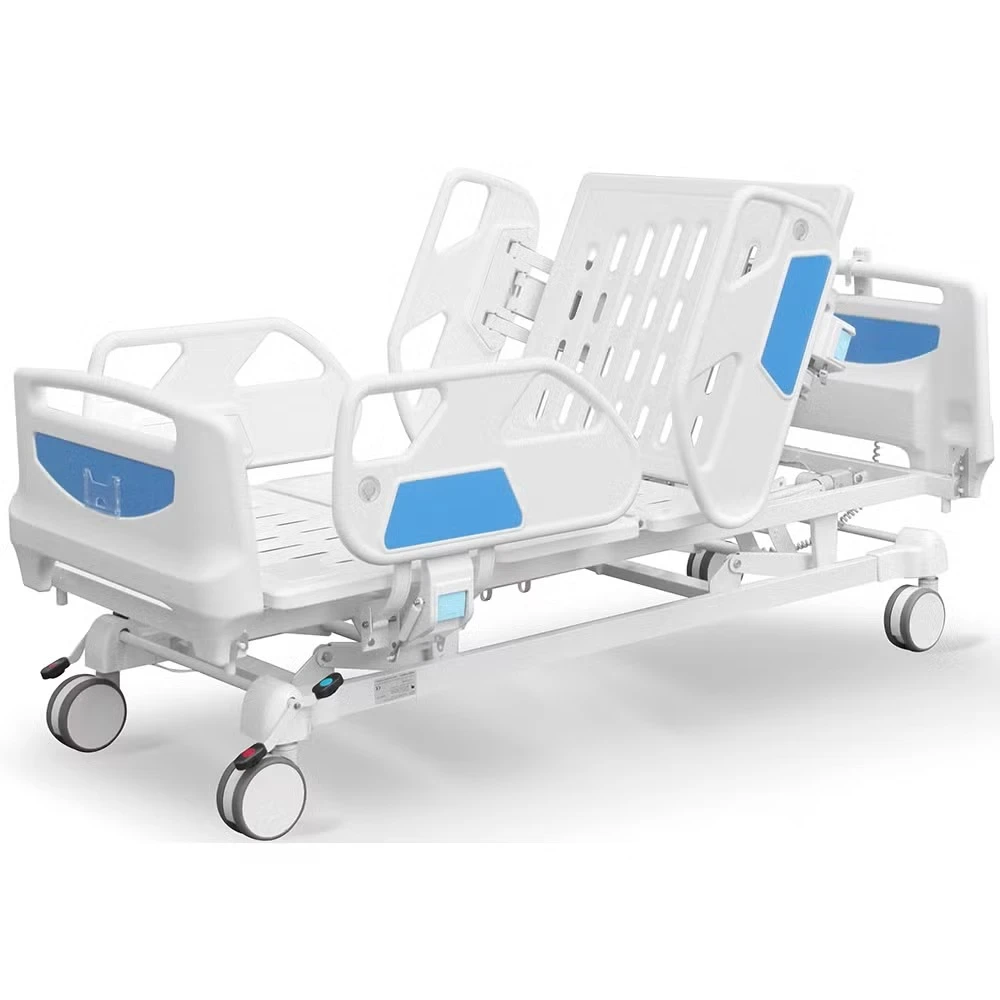
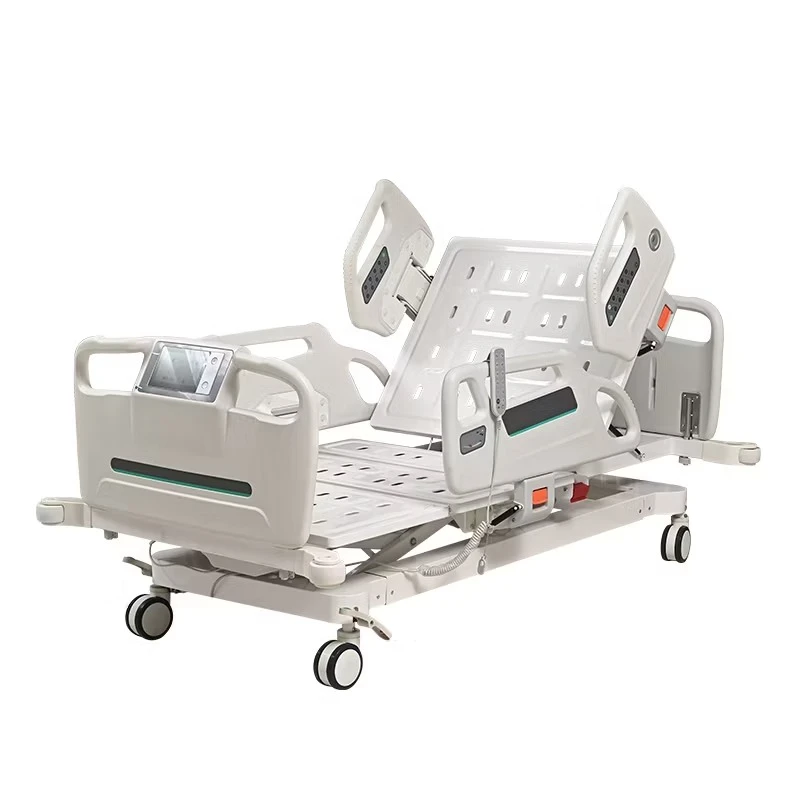
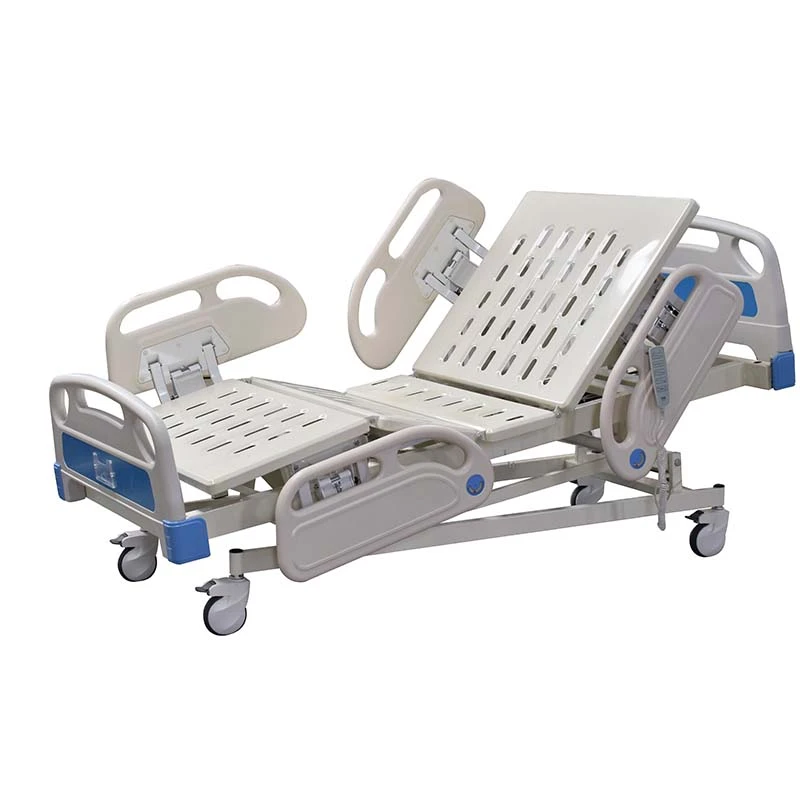
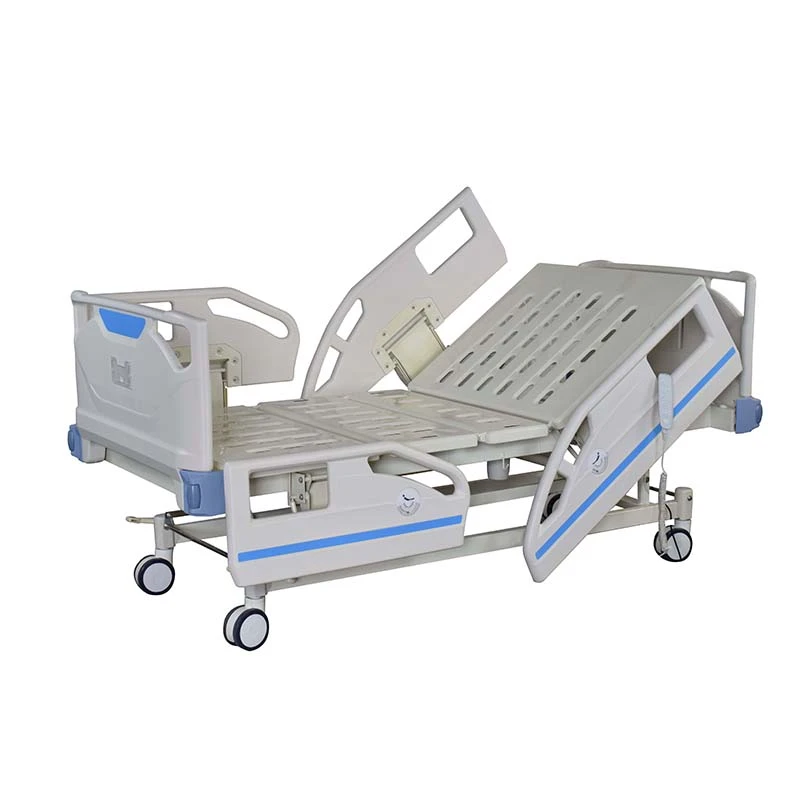
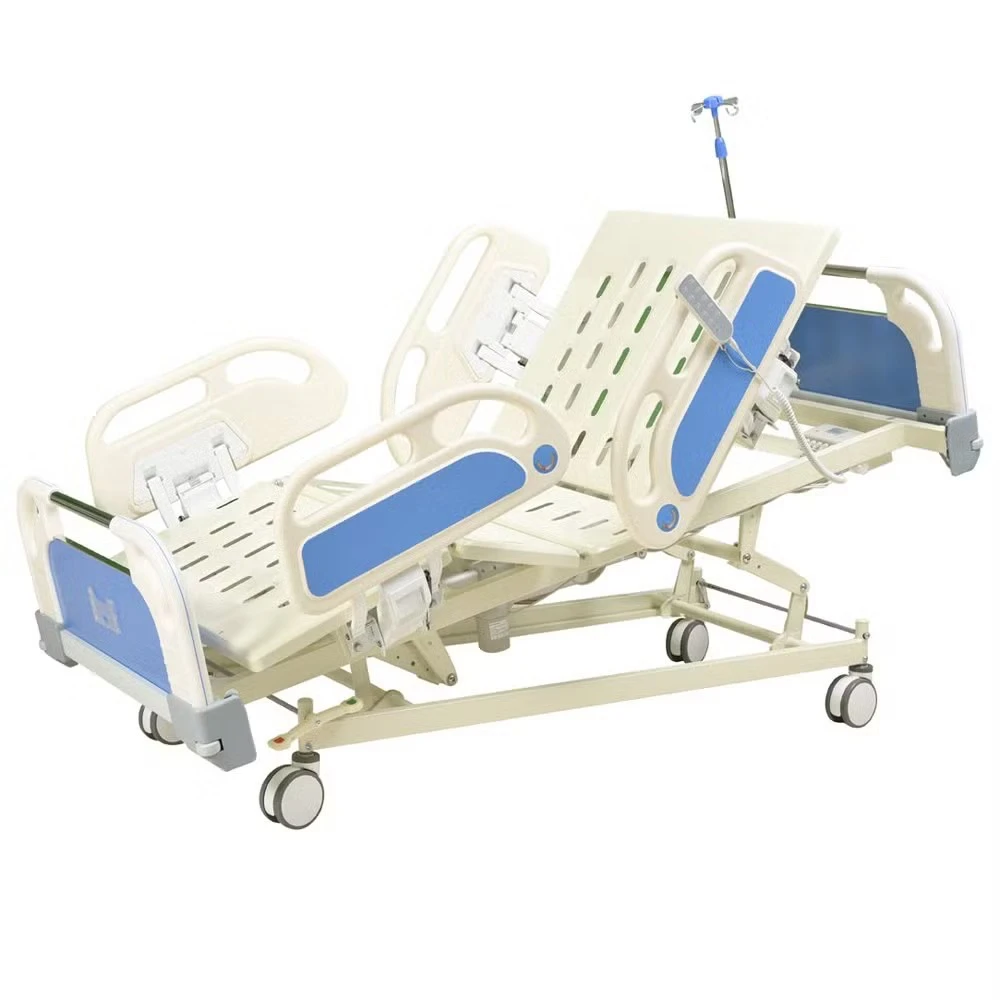
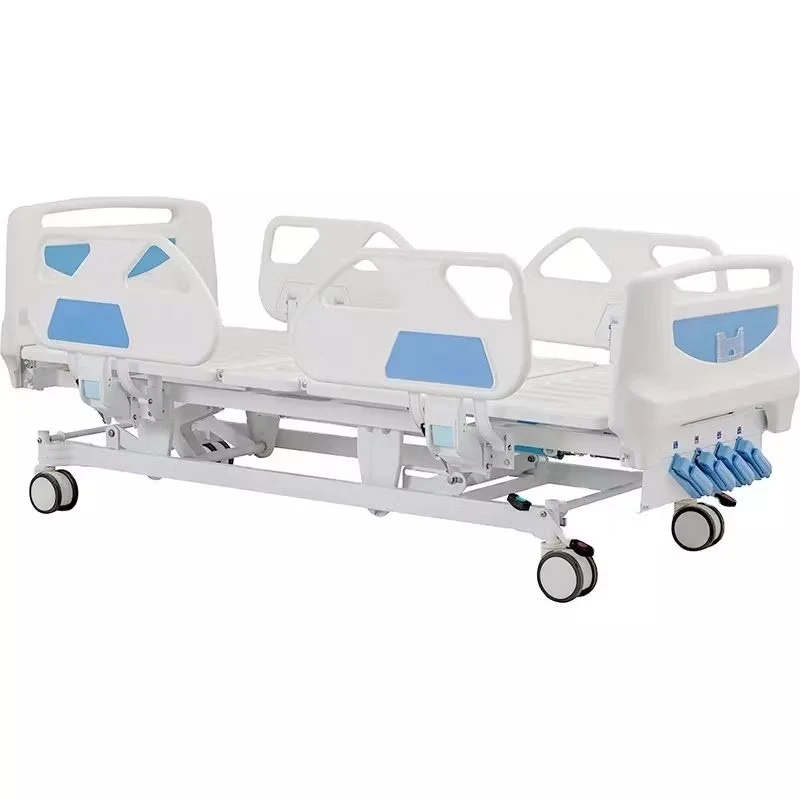
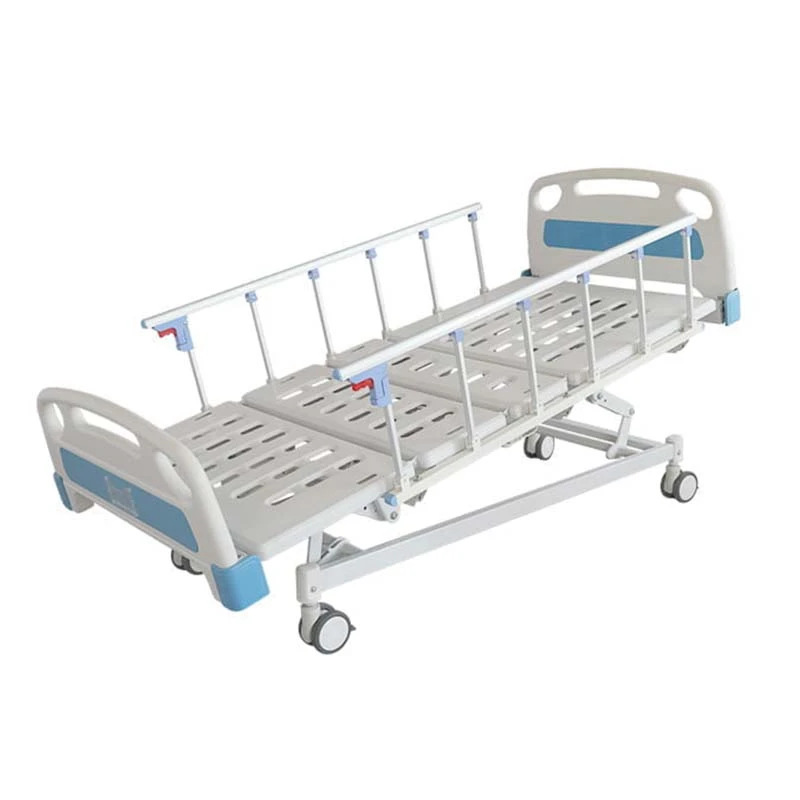
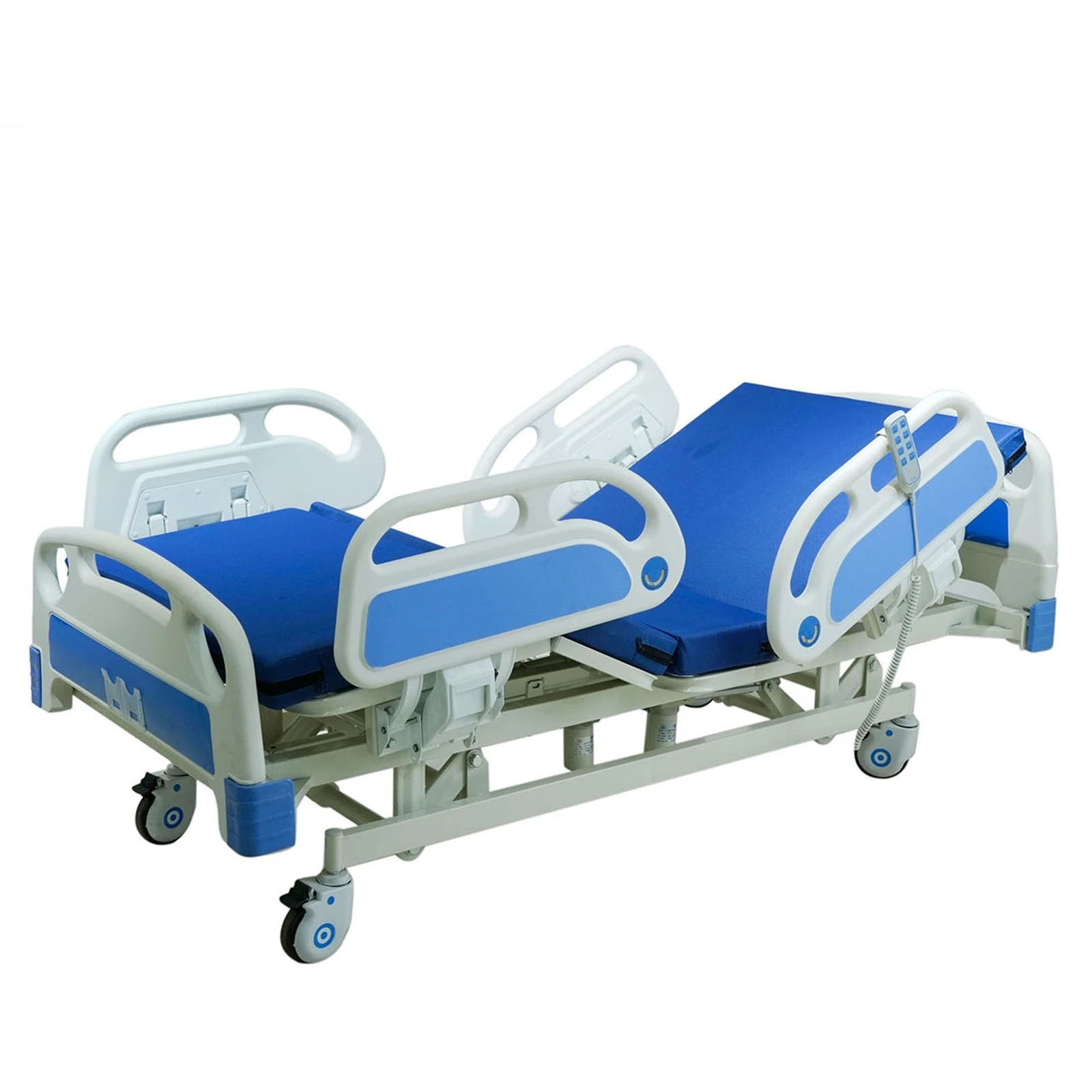
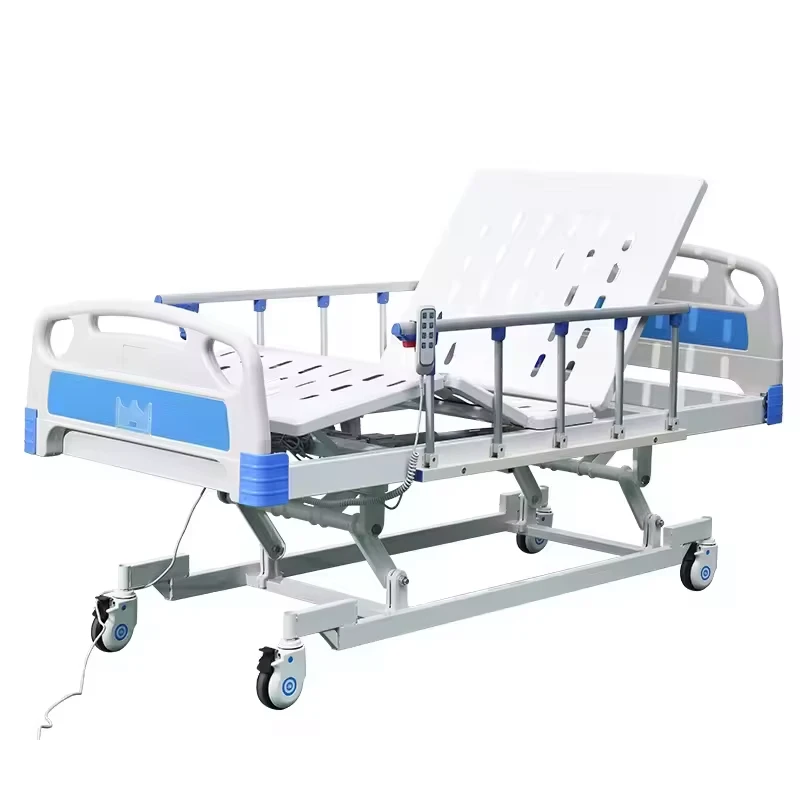
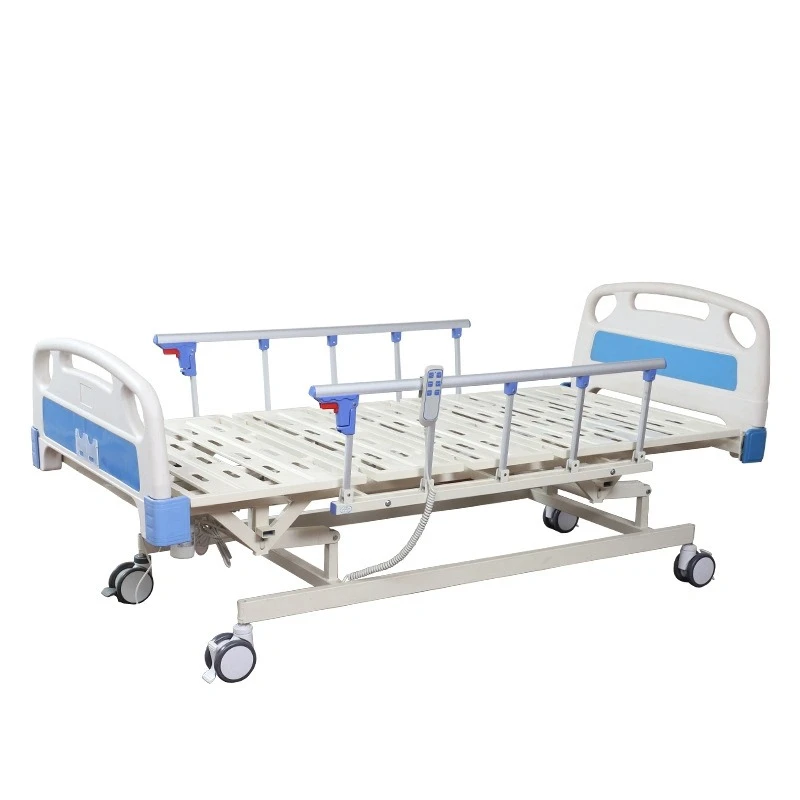
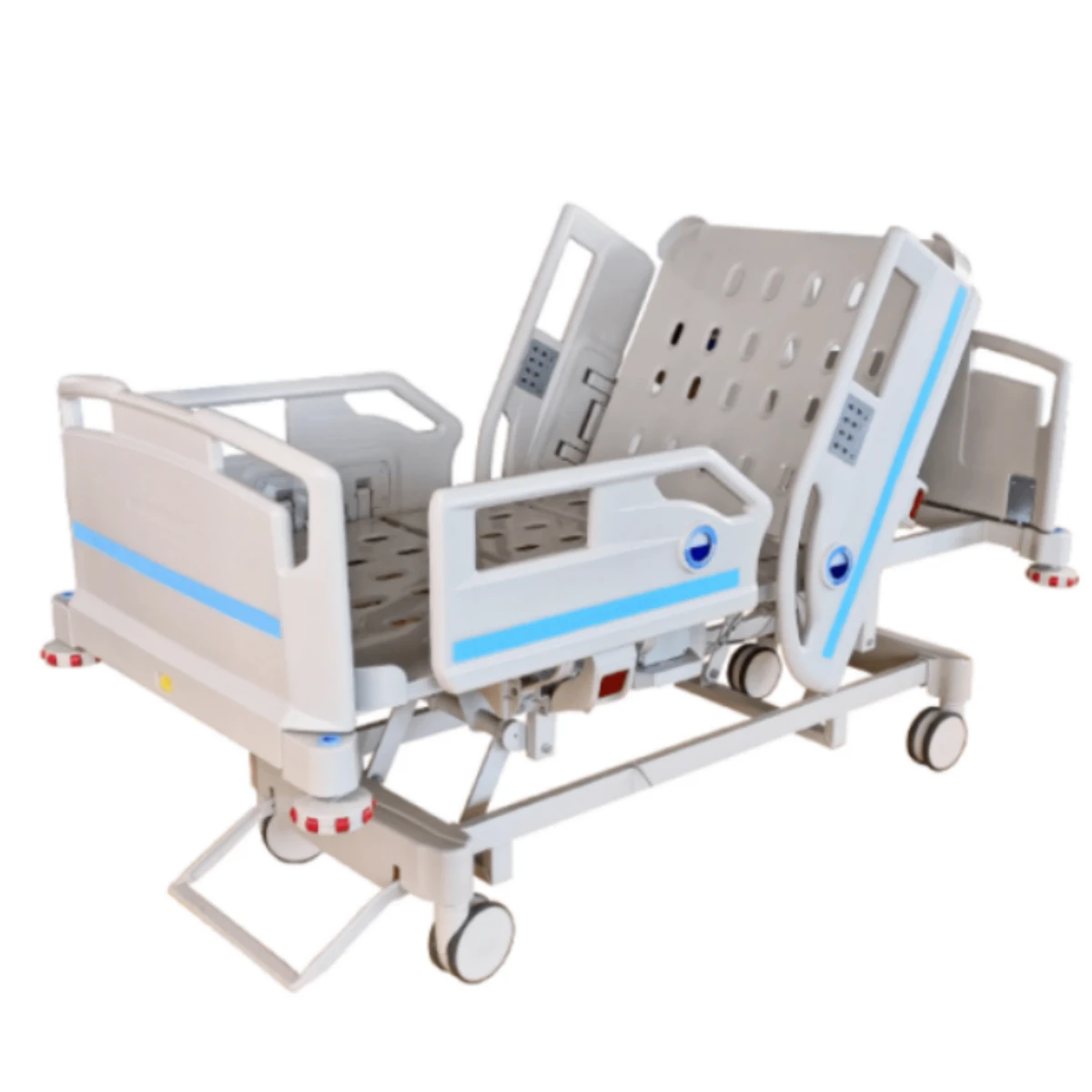
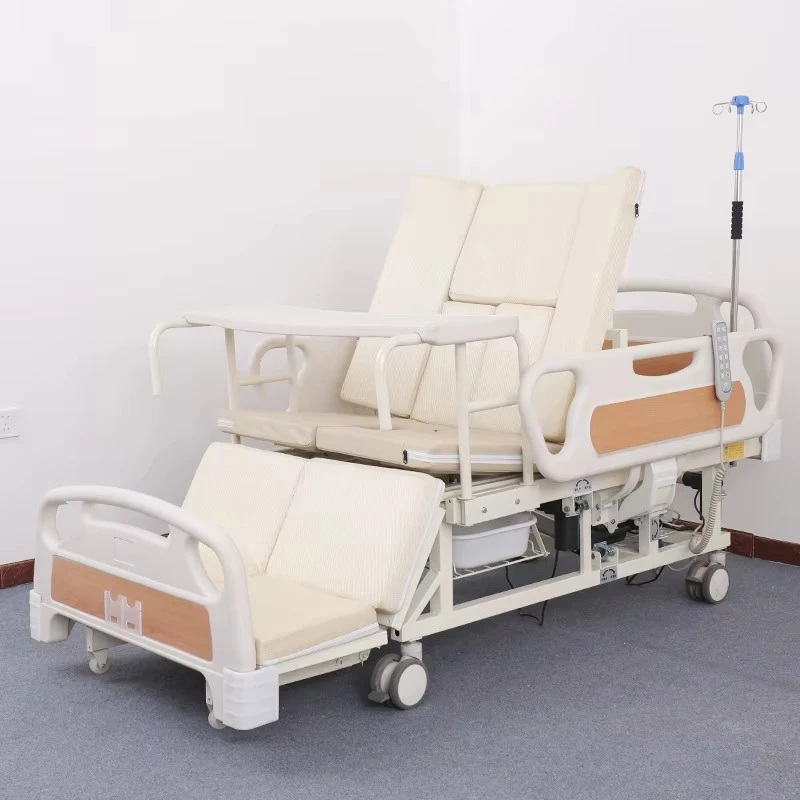
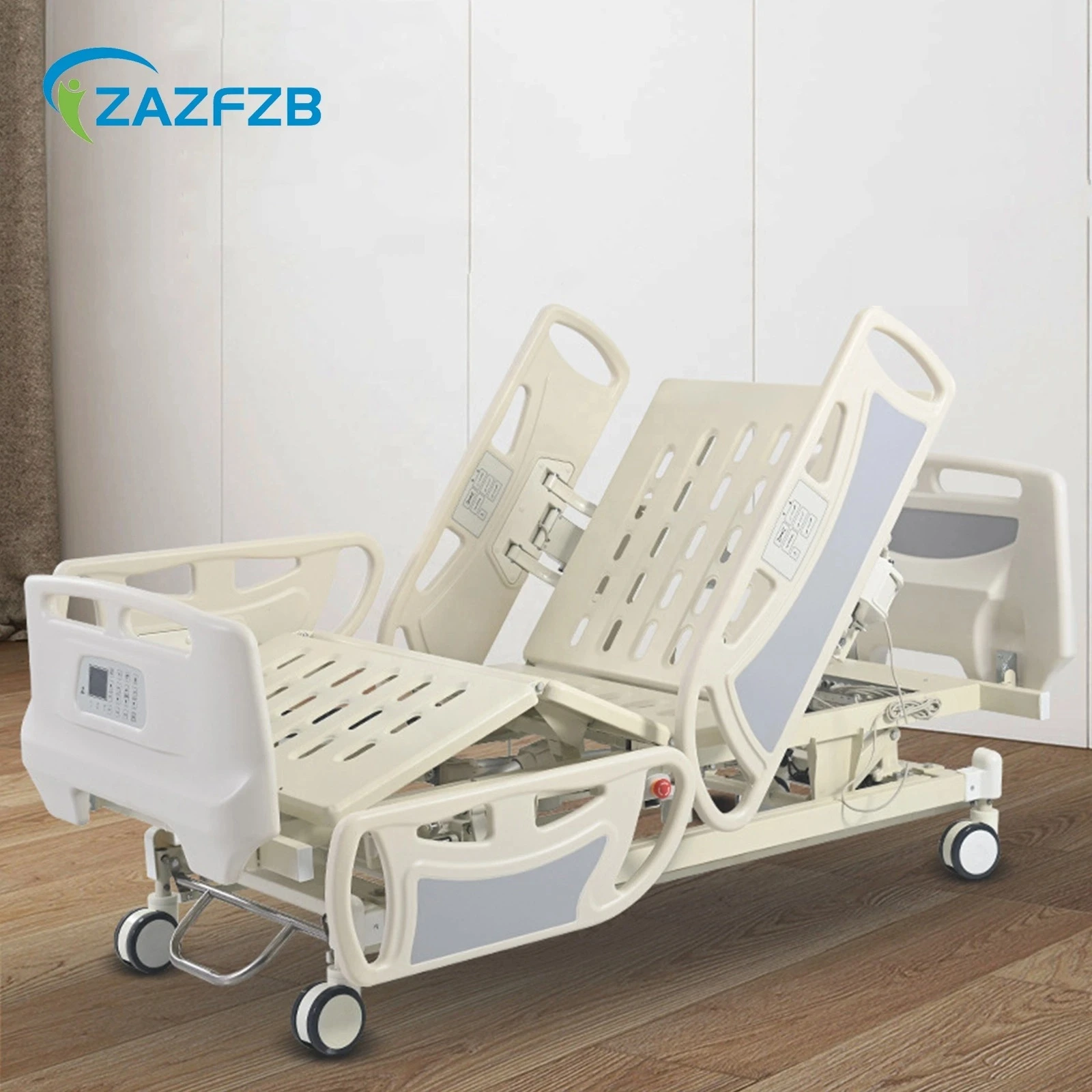
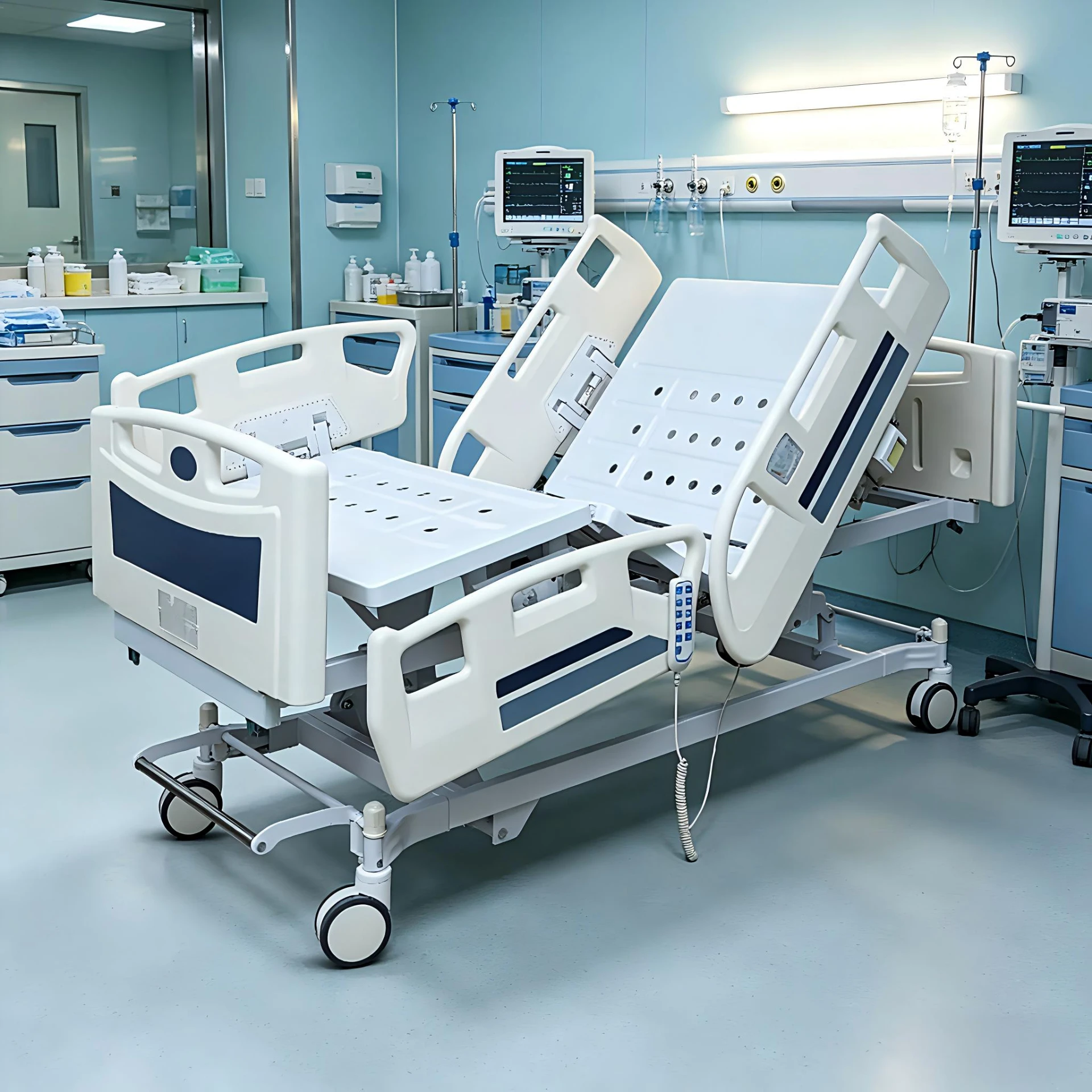
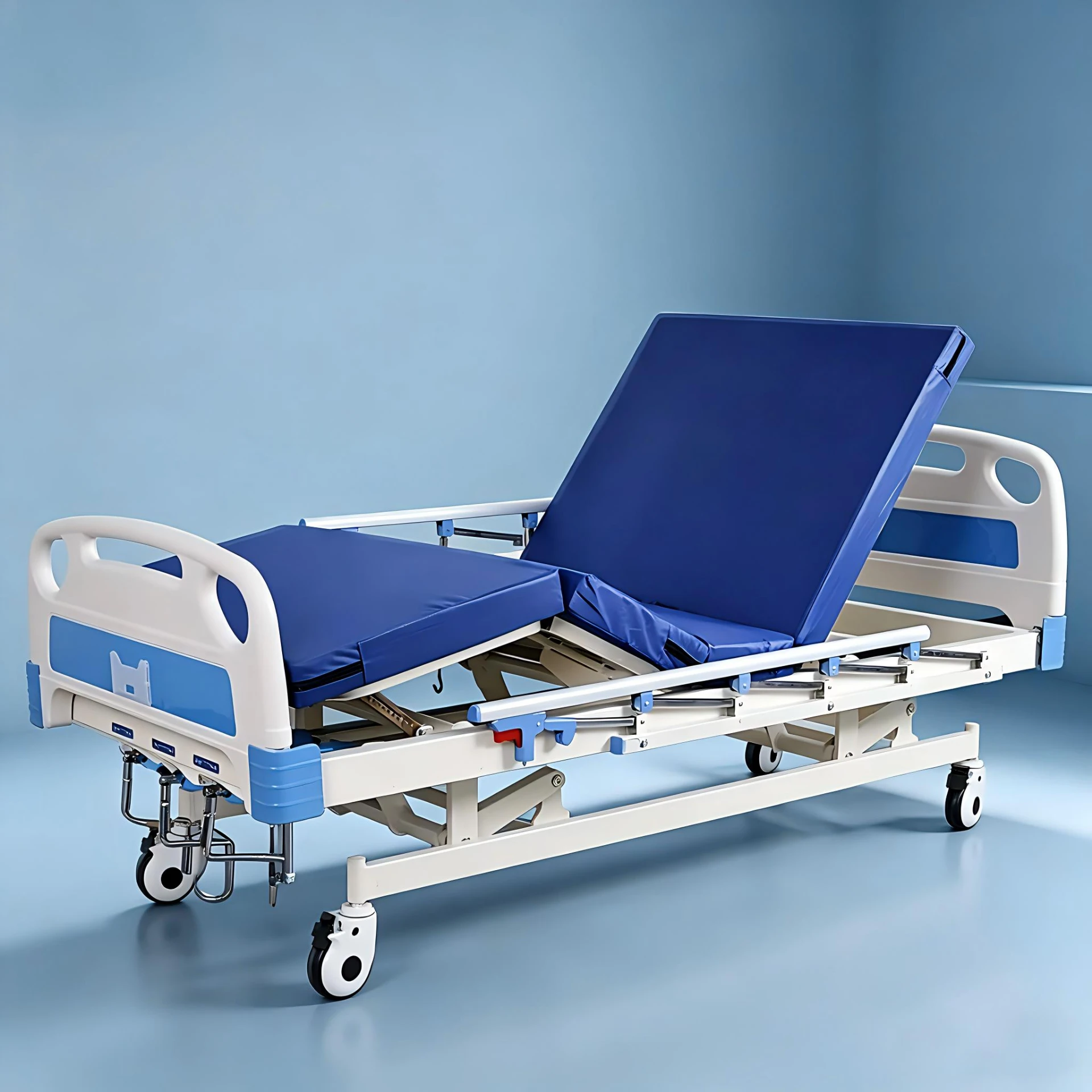
So, at its simplest, a home care bed for elderly is a specially designed bed that offers enhanced comfort, safety features, and adjustability for seniors who may have limited mobility or specific healthcare needs. Think of it as a bridge between a standard bed and a hospital bed, optimized for home use. This kind of furniture supports everything from pressure relief to assistive care and is often customizable to fit individual medical and living conditions.
It’s closely connected to the healthcare industry’s shift towards community and home-based care, an approach that aims to keep elderly people safe and independent as long as possible.
Core Components of a Home Care Bed for Elderly
1. Adjustability and Mobility
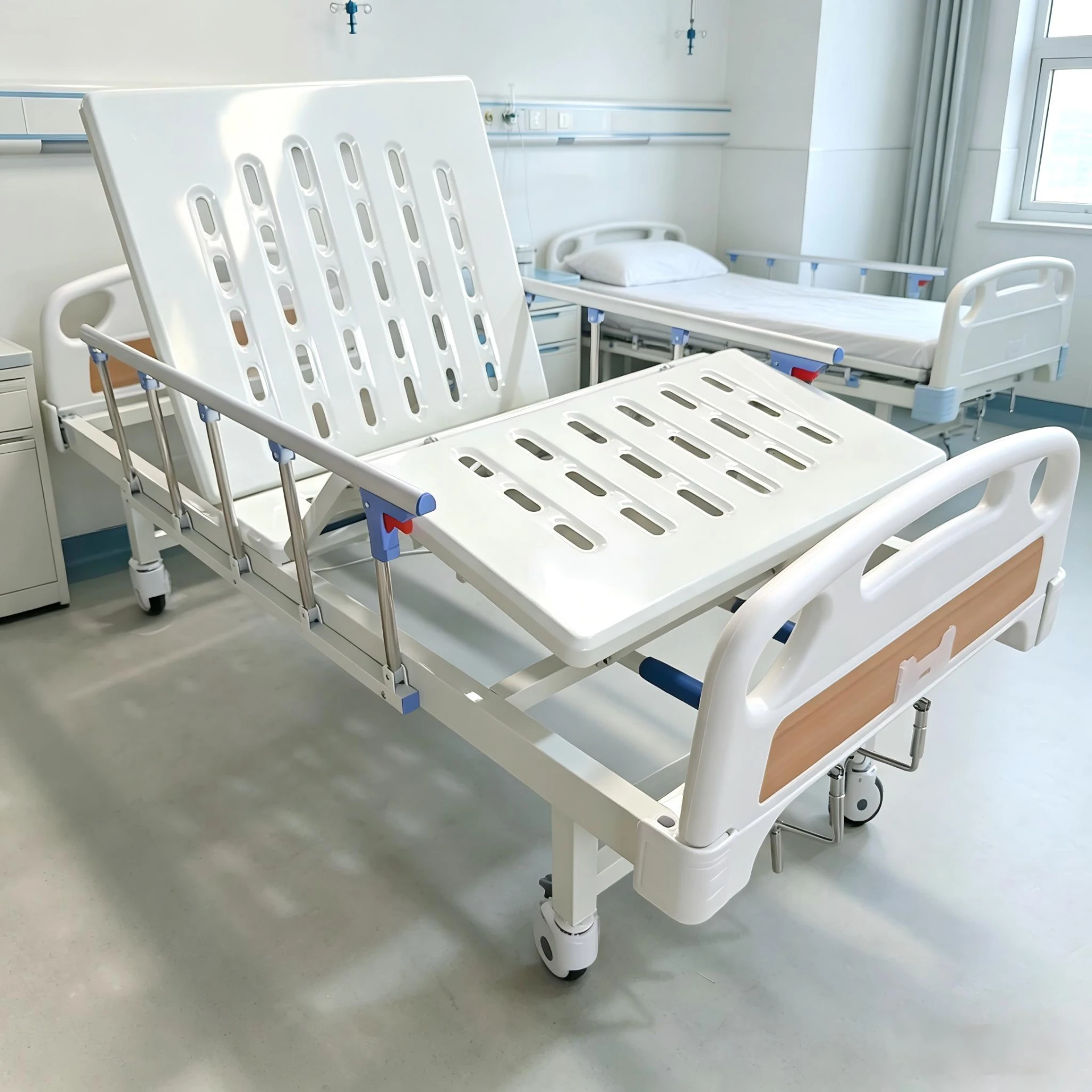
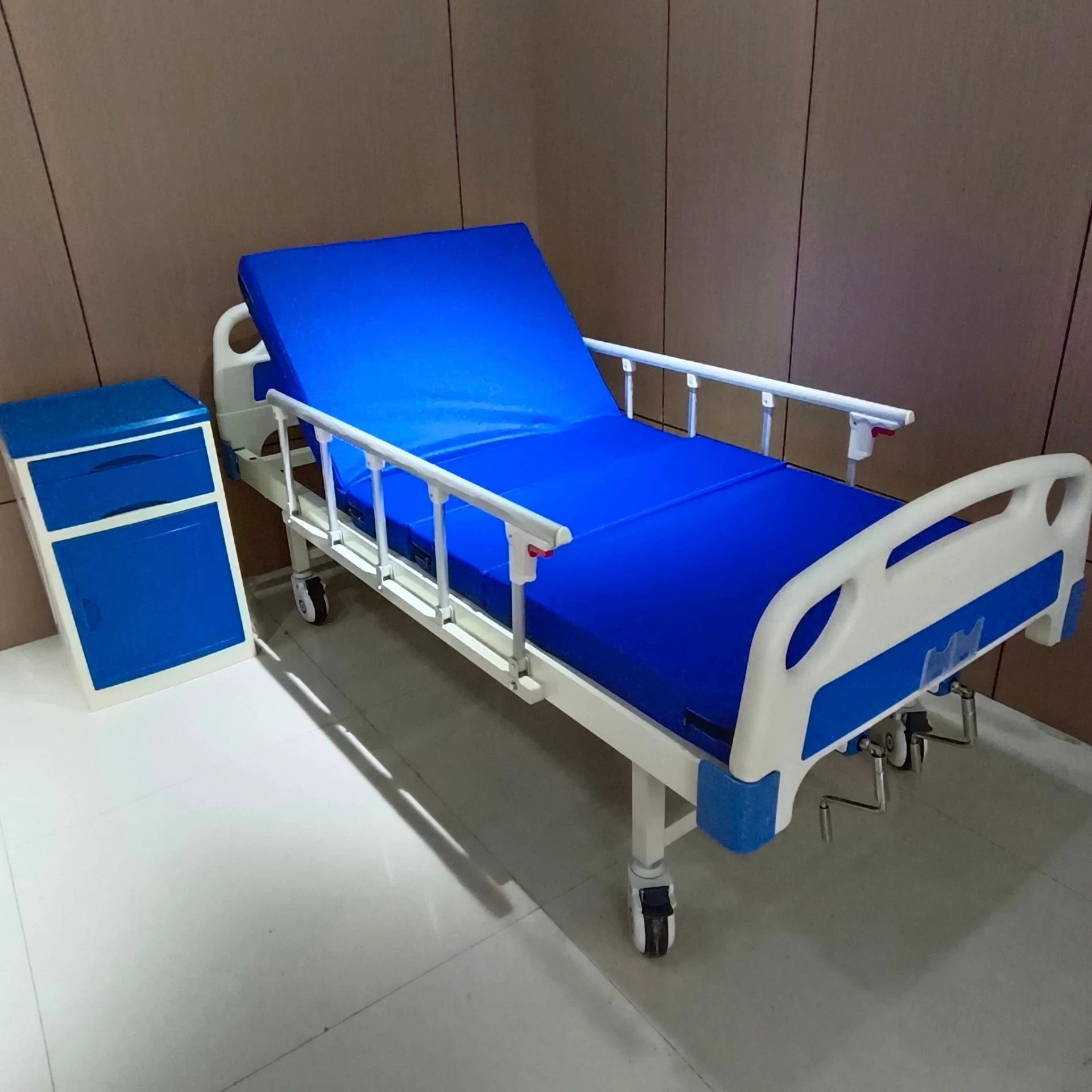
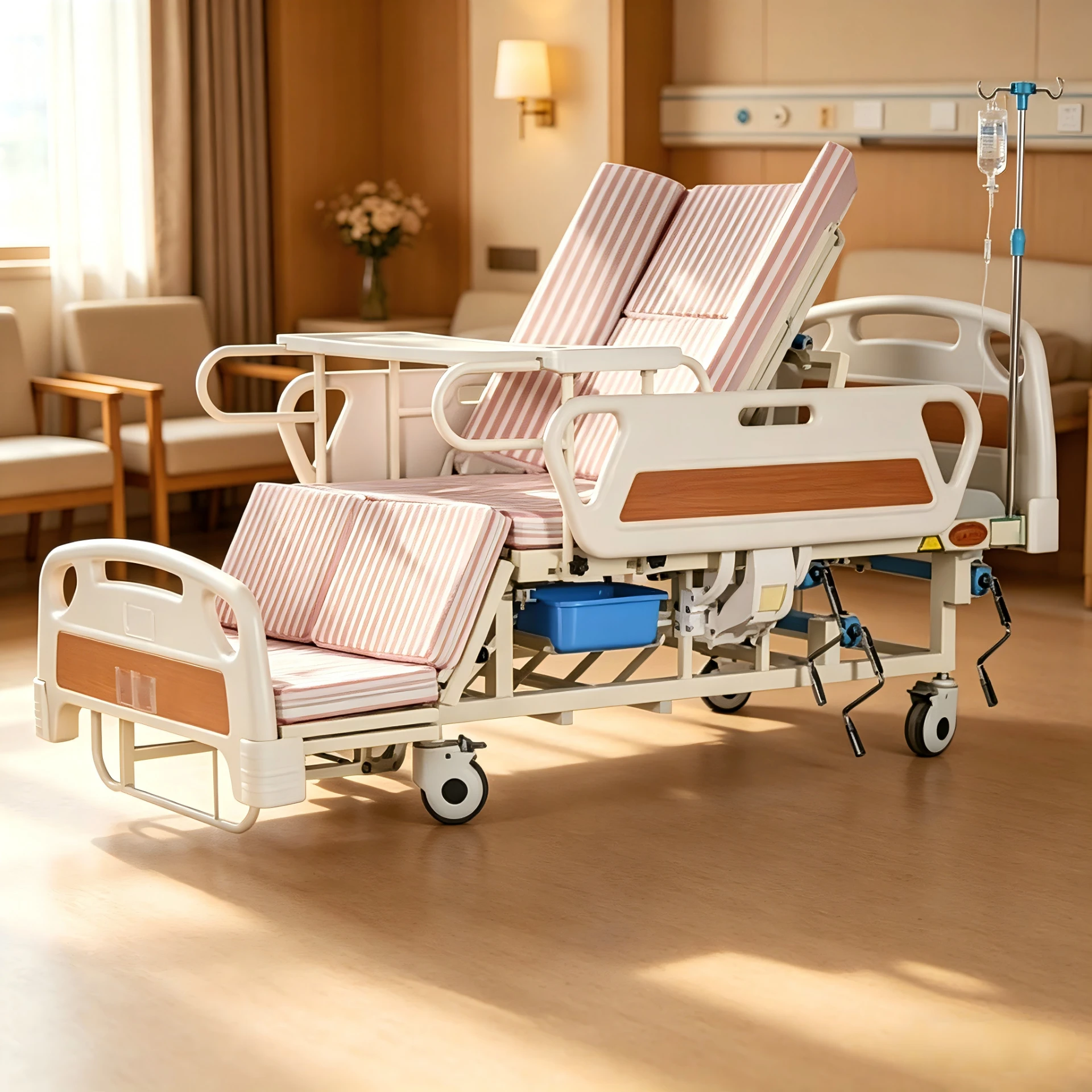
Almost all home care beds allow for multiple adjustable positions — head elevation, knee lift, or complete flatness — to aid with comfort, breathing, and circulation. Many models also feature wheels for easy mobility within the home, something family caregivers appreciate.
2. Safety Features
Safety rails, anti-slip surfaces, and emergency release functions all help prevent falls and accidents. These features cater specifically to elderly users who might have reduced balance or cognitive impairments.
3. Durability and Materials
Since these beds have to support long-term daily use, they incorporate sturdy frames made from steel or reinforced aluminum, combined with mattresses that reduce pressure ulcers. Breathable, hypoallergenic fabrics are common to promote hygiene.
4. Ease of Cleaning and Maintenance
Healthcare at home can be messy, so the bed’s design often includes removable, washable covers and easy-to-wipe surfaces — small but critical details for preventing infections.
5. Cost Efficiency and Accessibility
Prices range widely, but increasingly, manufacturers offer scalable options to fit various budgets, with rental options gaining traction as a means to improve access without overwhelming costs.
| Feature | Details |
|---|---|
| Adjustable Positions | Head, knee, height adjustment via manual or electric controls |
| Weight Capacity | Typically 250-350 lbs (113-159 kg) |
| Dimensions | 80" L x 35"-40" W (average) |
| Safety Features | Side rails, emergency battery backup on electric beds |
| Mattress Type | Pressure relief foam or alternating pressure options |
Global Applications and Use Cases
In real terms, home care beds for the elderly have found their way into countless applications worldwide. In Japan — one of the fastest aging societies — they are integral to “aging-in-place” initiatives, enabling seniors to remain in their homes with dignity. European countries similarly advocate for such solutions within their healthcare frameworks.
Organizations like the WHO underscore the importance of home health equipment, especially in regions where hospital access is limited or costly.[2] In countries with vast rural expanses, adjustable home care beds support elderly patients who would otherwise be institutionalized far from family support.
Oddly enough, they also have critical roles in post-disaster zones where mobile hospitals might be scarce — elderly patients cared for in temporary shelters benefit enormously from beds designed for pressure relief and safety.
Comparing Leading Home Care Bed Vendors
| Brand | Price Range | Key Features | Warranty (Years) |
|---|---|---|---|
| ZhaofaMed | $800 - $1200 | Electric adjust, anti-bacterial mattress, side rails | 3 |
| HealthEase | $900 - $1300 | Manual adjust, lightweight frame, easy storage | 2 |
| CareTech | $1000 - $1500 | Smart app controls, CPR quick release, memory foam mattress | 4 |
Advantages and Long-Term Value
There’s something quietly reassuring about a home care bed for elderly that combines safety with comfort, frankly. From the family’s perspective, it reduces caregiver strain — the bed’s adjustability means less lifting or repositioning, which can prevent injuries. For seniors, it preserves autonomy and dignity.
On a logical level, investing in such beds can reduce hospital readmission rates by better supporting mobility and skin health. Socially, it enables seniors to live in familiar surroundings, which research ties directly to better mental health outcomes.[3]
Emerging Trends and Innovations
Looking ahead, smart home care beds packed with sensors that monitor vitals and alert caregivers in real time are becoming viable. Materials are evolving too, with eco-friendly and antimicrobial fabrics gaining traction, reflecting broader sustainability concerns.
We’re also seeing integration with home automation systems — beds that can communicate with lighting, medication dispensers, and emergency services, merging comfort with connectivity.
Common Challenges and Possible Solutions
One sticking point is cost, especially in low-income regions where access to quality home care beds remains limited. Innovative rental or subsidy models are part of the solution, alongside the introduction of more cost-effective yet durable designs.
Another challenge is user-friendliness — complex controls can baffle elderly users, so intuitive interfaces or caregiver-friendly designs are vital. Here, training and support services offered by reputable vendors make a big difference.
FAQ: Frequently Asked Questions About Home Care Bed for Elderly
- Q: How do I choose the right home care bed for an elderly parent?
Look for adjustable positions, weight capacity suited to your loved one, ease of use, and safety features like rails. Don’t forget mattress type for pressure relief. - Q: Are electric beds better than manual ones?
Electric beds offer easier adjustments and often more positions, which can be crucial for mobility-limited users, but manual beds are more affordable and mechanically simpler. - Q: Can these beds really prevent bedsores?
While no bed can guarantee prevention, pressure-relieving mattresses combined with repositioning capabilities significantly reduce the risk. - Q: Is it hard to move a home care bed within the house?
Most have lockable wheels for smooth movement, but narrow doorways or stairs may present challenges; planning ahead helps. - Q: Can I rent a home care bed instead of buying one?
Yes, many suppliers offer rentals which can be cost-effective for short-term care needs.
Conclusion
Investing in a home care bed for elderly isn’t just about buying a piece of furniture — it’s about enhancing quality of life, ensuring safety, and empowering seniors in their own homes for longer. The long-term benefits stretch across emotional well-being, physical health, and the peace of mind that comes from knowing your loved ones are comfortable and cared for.
For a reliable, affordable, and well-designed home care bed, check out the latest models and solutions at ZhaofaMed. Because some things — like comfort and dignity — aren’t negotiable.
Takeaway: A thoughtful home care bed marries technology with empathy, turning everyday rest into a cornerstone of eldercare.