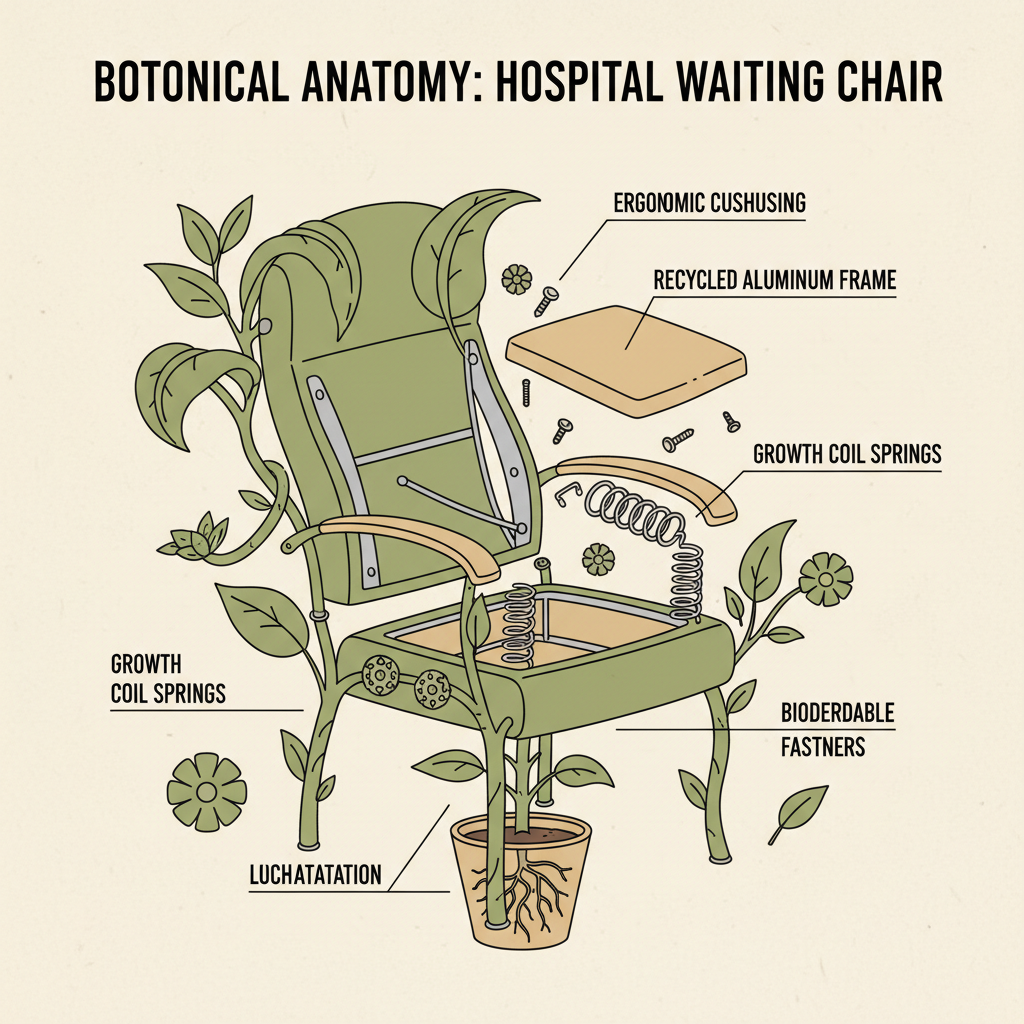
To be honest, hospital waiting room furniture... it's not glamorous work, is it? But it's the first impression a lot of people get of a healthcare facility, and that matters. I've been tracking what's been happening out there, and the big trend is definitely moving away from that sterile, institutional feel. Everyone wants something more comfortable, more welcoming. It's not just about aesthetics, though; durability is huge, naturally. We spend a lot of time chasing down broken chairs and ripped upholstery.
You wouldn’t believe the things I've seen. People are demanding modular systems now, things that can be reconfigured quickly. Hospitals are constantly changing layouts, needing to adapt to new flows, new equipment… it's chaos, frankly. And infection control is paramount, obviously. It has to be easy to clean, sanitize, and withstand constant scrubbing.
The Importance of Thoughtful Hospital Waiting Room Furniture
Have you noticed how much time people spend waiting? It's a significant portion of their hospital experience, and frankly, a lot of hospitals have been neglecting it for years. I encountered a particularly bad situation at a clinic in Ohio last year. Plastic chairs bolted to the floor… it felt like a detention hall. Patients were visibly stressed before they even saw a doctor. It’s a design failing, really. It’s not just comfort; it's about creating a calming environment.
Good hospital waiting room furniture isn't a luxury; it's part of patient care. It can reduce anxiety, improve overall satisfaction, and even affect recovery times. We’ve been seeing more hospitals invest in creating welcoming lobbies, incorporating natural light, and using colors that promote relaxation. It's a shift in mindset, moving from "functional" to "human-centered."
Defining Hospital Waiting Room Furniture: Beyond Just Seating
People often think hospital waiting room furniture is just chairs, right? It’s so much more than that. It's seating, obviously – everything from standard molded plastic chairs to comfortable armchairs and even sofas. But it includes tables, too – coffee tables, side tables, even charging stations. And don't forget reception desks, privacy screens, and sometimes even small play areas for children. Strangely enough, storage is a big one now, with hospitals needing places to tuck away extra supplies or patient belongings. It's about creating a complete and functional space that caters to a variety of needs.
It's also about the materials. We’re moving away from materials that are hard to clean or harbor bacteria. Antimicrobial fabrics and surfaces are becoming standard, and there's a growing demand for sustainable options, like recycled plastics and responsibly sourced wood.
It’s about understanding the workflow of a healthcare facility. How do patients move through the space? Where do they need to rest? Where do they need to interact with staff? All these factors influence the type of furniture and its arrangement.
Key Factors Shaping Hospital Waiting Room Furniture Design
Durability is number one, no question. I’ve seen chairs that literally fall apart after a few months of use. We're talking about furniture that needs to withstand constant use, cleaning, and potential abuse. High-density foam cushioning, reinforced frames, and scratch-resistant surfaces are essential.
Scalability is also critical. Hospitals need to be able to easily expand or reconfigure their waiting areas to accommodate changing patient volumes. Modular furniture systems are ideal for this, allowing them to add or remove seating as needed. It’s also important that furniture is stackable or easily transportable for storage.
Cost efficiency is always a factor, naturally. Hospitals are operating on tight budgets, so they need furniture that offers good value for the money. This doesn't necessarily mean cheap furniture, but it does mean furniture that is durable, easy to maintain, and has a long lifespan. Infection control features also factor into the total cost of ownership; cheaper materials that need frequent replacement will ultimately be more expensive.
Global Applications and Diverse Use Cases
Hospital waiting room furniture isn’t limited to traditional hospitals. You see it in urgent care centers, clinics, rehabilitation facilities, even dental offices. In remote areas, where access to healthcare is limited, the furniture needs to be particularly durable and easy to maintain. I worked on a project in rural Alaska a few years back where the furniture had to be able to withstand extreme temperatures and constant wear and tear.
In post-disaster relief operations, you’ll often see temporary waiting areas set up with basic, easy-to-clean furniture. It's about providing a safe and comfortable space for people who have experienced trauma. In some European countries, there’s a growing trend of incorporating outdoor waiting areas, with weather-resistant furniture and shaded seating.
Anyway, I think the key takeaway is that the needs vary greatly depending on the specific context. A pediatric waiting room will have different requirements than a geriatric waiting room, for example.
Hospital Waiting Room Furniture Material Comparison
Advantages and Long-Term Value Proposition
The tangible benefits are clear: reduced maintenance costs, longer lifespan, improved patient satisfaction. But there are also intangible benefits. A well-designed waiting room can project an image of quality and care, which can build trust with patients and their families. It's about creating a positive experience, even in a stressful situation. And let’s be real, that creates good word-of-mouth.
Future Trends and Innovation in the Field
We're seeing more integration of technology. Charging stations are becoming standard, and some hospitals are experimenting with interactive kiosks that provide patients with information and entertainment. There's also a growing interest in biophilic design, incorporating natural elements like plants and natural light to create a more calming and restorative environment. And I think we'll see more emphasis on modularity and flexibility, with furniture that can be easily reconfigured to meet changing needs.
Smart furniture is starting to emerge – chairs with built-in sensors that can monitor patient vital signs, for example. It's still early days, but the potential is there.
Common Challenges and Effective Solutions
One of the biggest challenges is balancing aesthetics with functionality. Hospitals want furniture that looks good, but it also needs to be durable, easy to clean, and meet strict infection control standards. Another challenge is customization. Every hospital has unique needs and requirements, so it's important to be able to tailor the furniture to their specific space and workflow.
We try to address these challenges by working closely with our clients to understand their needs and develop customized solutions. We also invest in research and development to create innovative materials and designs that meet the highest standards of quality and performance.
Common Challenges in Hospital Waiting Room Furniture & Solutions
| Challenge |
Impact on Facility |
Proposed Solution |
Implementation Cost (Estimate) |
| Limited Budget |
Compromised Quality & Durability |
Modular Furniture, Phased Implementation |
$5,000 - $10,000 |
| Infection Control |
Increased Cleaning Costs & Potential Spread of Germs |
Antimicrobial Fabrics & Smooth, Non-Porous Surfaces |
$2,000 - $5,000 |
| Space Constraints |
Overcrowding & Patient Discomfort |
Compact, Multi-Functional Furniture Designs |
$3,000 - $7,000 |
| Damage & Wear |
Frequent Replacement Costs |
Durable Materials & Protective Coatings |
$4,000 - $8,000 |
| Lack of Customization |
Poor Workflow & Patient Experience |
Collaborative Design Process & Flexible Configurations |
$1,000 - $3,000 |
| Maintenance Issues |
Increased Labor Costs & Downtime |
Easy-to-Clean Materials & Accessible Repair Points |
$1,500 - $4,000 |
FAQS
When choosing furniture for a hospital waiting room, prioritize durability, infection control (antimicrobial fabrics and easy-to-clean surfaces are key), comfort for patients who may be waiting extended periods, and scalability to adapt to changing needs. Consider the overall aesthetic and how it contributes to a calming environment. Don’t underestimate the importance of proper support, particularly for elderly or disabled patients. And don’t forget to factor in the weight capacity! You’d be surprised what happens.
Look for furniture specifically designed for healthcare settings. This means fabrics and surfaces that are antimicrobial, non-porous, and easily disinfected. Seams should be minimal to prevent bacteria buildup. Regular cleaning and sanitization are crucial, of course, but selecting the right materials from the start makes a huge difference. Check for certifications like GREENGUARD Gold, which demonstrates low chemical emissions. It's the little things, right?
It varies greatly depending on the quality of the furniture and the volume of use, but generally, you can expect good quality hospital waiting room furniture to last anywhere from 5 to 10 years. However, high-traffic areas will require more frequent maintenance and eventual replacement. Investing in durable materials upfront can significantly extend the lifespan and reduce long-term costs. Cheap furniture just doesn’t hold up.
Absolutely. Many manufacturers offer customization options, including fabric colors, upholstery patterns, and even logo embroidery. This allows you to create a cohesive and branded environment. I had a client who insisted on a very specific shade of teal to match their hospital’s logo. It added to the cost, sure, but it made a big difference in the overall look and feel. You’d be surprised how much people notice those details.
Right now, we're seeing a lot of interest in biophilic design, incorporating natural elements like wood and plants. Comfort is also a major focus, with softer upholstery and more ergonomic designs. Modular furniture is still popular for its flexibility, and there's a growing demand for charging stations and other tech-integrated features. And honestly, people just want things to look nice – less institutional, more welcoming.
Regular cleaning with mild soap and water is essential. For antimicrobial fabrics, follow the manufacturer’s instructions. Avoid harsh chemicals or abrasive cleaners that could damage the surfaces. Spot clean spills immediately. And schedule periodic deep cleaning and disinfection to maintain a hygienic environment. It’s really about prevention and consistent upkeep. A little bit of effort goes a long way.
Conclusion
Ultimately, hospital waiting room furniture is about more than just providing a place to sit. It’s about creating a comfortable, welcoming, and hygienic environment that supports patient well-being. From durable materials to scalable designs and infection control features, careful consideration of these factors is essential. A well-designed waiting room can reduce stress, improve patient satisfaction, and contribute to a positive healthcare experience.
And let’s be real, whether it’s a sleek new reception desk or a simple, comfortable chair, the worker tightening the last screw will know whether it’s built to last. They'll be the first to spot a flimsy frame or a questionable weld. It all comes down to quality, practicality, and understanding the needs of the people who use it. If it feels solid to them, then we’ve done our job.