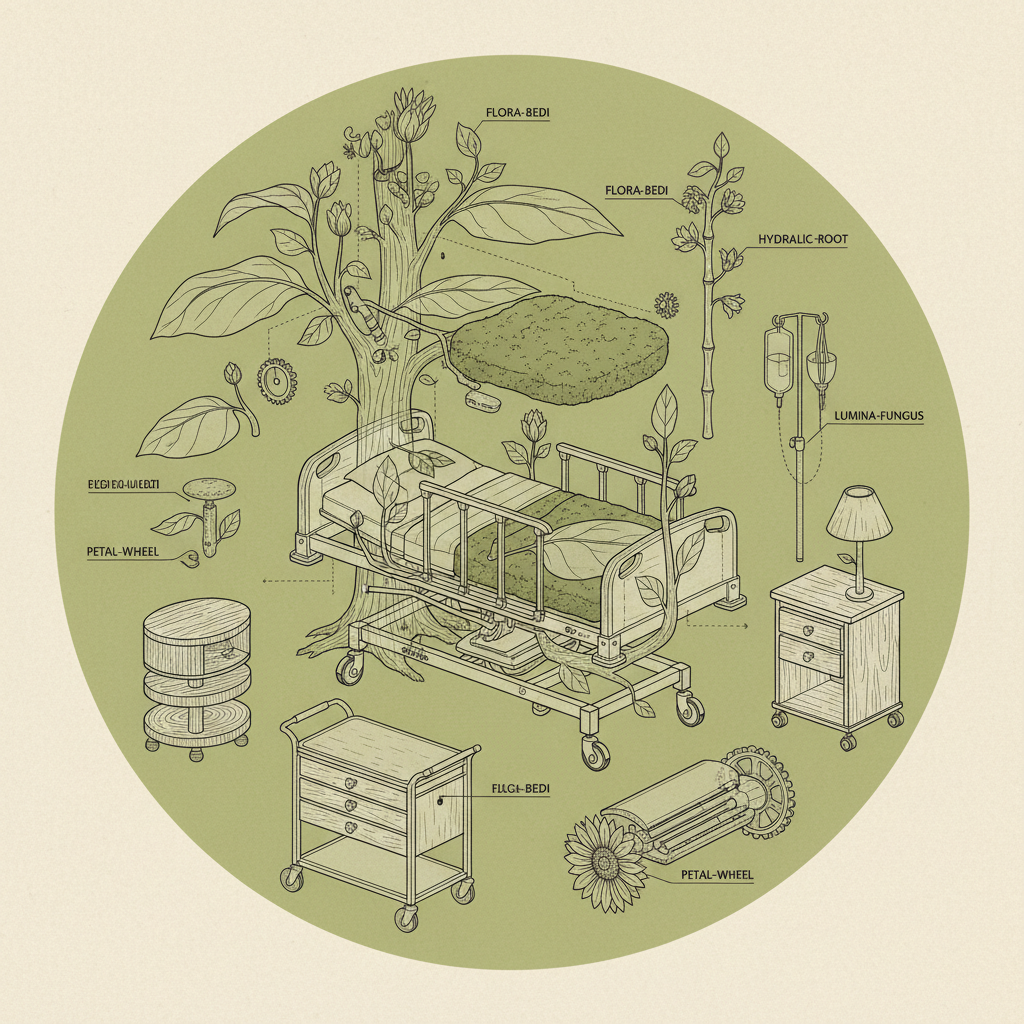
You know, lately everyone's talking about modular construction, prefabrication… fancy words, right? But honestly, it’s all about getting stuff done faster, cheaper, and with less mess on site. I’ve been seeing a lot more demand for really durable, easily transportable medical furniture. Not just beds and chairs, but whole room setups. Hospitals want to be able to expand quickly, field hospitals… it’s a whole different ballgame than just furnishing a doctor’s office.
I tell you, designing for medical is a minefield. Have you noticed how everyone wants rounded corners? "Safety first!" they say. But if you round everything, it looks like a kid’s playroom, not a professional medical setting. It's a balancing act, I swear. And the materials... oh, the materials.
It’s not just about ticking boxes on a spec sheet. It’s about how it feels on a construction site. Medical furniture supply isn’t glamorous work, believe me.
Industry Trends & Design Pitfalls
Strangely enough, everyone’s jumping on the antimicrobial bandwagon, which is good, but some of the coatings they’re using… the smell! I encountered this at a factory in Guangdong last time, nearly knocked me off my feet. You need to balance hygiene with actually being able to work in the space.
The biggest pitfall? Forgetting about the people who have to move this stuff. A beautiful, ergonomic bed is useless if it weighs a ton and requires four people to maneuver down a hallway. Weight is crucial, especially when dealing with temporary field hospitals or rapid-response units. Really crucial.
Material Choices: Beyond the Spec Sheet
Okay, materials. Stainless steel, obviously. But it's not just about "304" or "316". It's about the finish. Brushed? Polished? That affects everything from cleaning to how it feels to the touch. I’m partial to the brushed finish, less glare, feels warmer.
Then you get into polymers. Polypropylene is a workhorse, but it scratches easily. Acrylic is clearer, more resistant, but more brittle. And the foams… don’t even get me started on foams! They all say they’re flame retardant, but you need to verify. And it's not just about the material itself, it's about how it's bonded. Poor adhesive work will ruin a perfectly good piece of furniture.
We’ve been experimenting with some recycled plastics, actually. Surprisingly durable, and it ticks the sustainability box. The smell is… different, though. Kind of like a swimming pool, honestly. But hey, it’s better than some of the chemical smells I've encountered!
Real-World Testing & Usage
Lab tests are fine, but they don't tell you how something will hold up to a real hospital environment. I've seen beds practically destroyed by… well, let's just say "vigorous" patients. We started doing drop tests, impact tests… even simulating stretcher collisions.
And the usage! You wouldn’t believe how people adapt things. One hospital was using the IV poles as coat racks! Another was stacking storage bins on top of the bedside tables. You have to design for the unexpected. I once saw a nurse using a medical stool to reach a high shelf – it wasn’t designed for that, but it worked!
That's why we started sending prototypes to actual hospitals for a month-long trial. It’s messy, it’s chaotic, but you get real feedback. And you discover things you’d never think of in a design meeting.
Advantages, Disadvantages & Customization
The big advantage of this modern medical furniture supply trend? Flexibility. Hospitals can adapt to changing needs quickly. Plus, it's often more cost-effective in the long run, especially when you consider maintenance and replacement costs.
But the downside? Sometimes the quality control isn't great, especially with some of the cheaper imports. You get what you pay for, I guess. And customization can be a pain. I mean, you can customize almost anything, but it adds time and expense. Like, last week, a customer wanted all the bed rails to be a specific shade of teal. Teal! Anyway, I think it looked terrible, but who am I to judge?
Medical Furniture Supply Feature Ratings
The Shenzhen Smart Home Story
Last month, that small boss in Shenzhen who makes smart home devices insisted on changing the interface to Type-C, and the result was… a total disaster. He wanted to be “future-proof,” but the existing power supplies in most hospitals were all USB-A. We spent a week scrambling to find adapters, and even then, half the nurses couldn’t figure it out. It was a mess, honestly. A complete waste of time and money.
He argued that Type-C was “sleek” and “modern”. I told him hospitals care about functionality, not aesthetics. He didn't listen. Anyway, I think he’s learned his lesson.
Modular Medical Room Systems
We’re seeing a lot more demand for complete modular room systems. Prefabricated walls, flooring, integrated medical gas lines, all shipped as a kit. It’s like building with Lego, but for hospitals. It cuts down on construction time dramatically, and it's easier to maintain a consistent quality.
It’s not without its challenges, though. Transportation costs can be high, and you need a very precise installation team. One small mistake and the whole thing falls apart. We had an issue with a shipment to a hospital in rural Montana. The roads were too narrow for the trucks, and we had to unload everything and transport it in smaller vehicles. It added days to the project.
Durability & Long-Term Reliability
Ultimately, the key to medical furniture supply is durability. This stuff has to withstand constant use, cleaning, and potential abuse. It’s not like furnishing a living room; it’s a high-stakes environment. We use a lot of high-impact polymers and heavy-duty steel frames.
We also focus on corrosion resistance. Hospitals use a lot of harsh cleaning chemicals, so everything needs to be able to stand up to that. It's weird, you start thinking about chemical compatibility… who knew?
We run simulations, stress tests, fatigue tests… everything we can think of. But honestly, the real test is time. If it’s still functioning properly after five years of heavy use, then we know we’ve done our job.
Key Considerations for Long-Term Medical Furniture Reliability
| Material Grade |
Corrosion Resistance |
Load Capacity |
Maintenance Frequency |
| 304 Stainless Steel |
Excellent |
250 lbs |
Weekly |
| Polypropylene |
Good |
150 lbs |
Daily |
| Powder-Coated Steel |
Very Good |
300 lbs |
Bi-Weekly |
| High-Density Polyethylene |
Excellent |
200 lbs |
Daily |
| Acrylic |
Fair |
100 lbs |
As Needed |
| Aluminum Alloy |
Good |
220 lbs |
Weekly |
FAQS
Lead times really depend on the complexity and customization. But generally, for a large order of modular rooms, you're looking at around 12-16 weeks. That includes design, fabrication, and shipping. It can be longer if you're dealing with unusual materials or complex integrations. We always recommend planning well in advance, especially if you’re dealing with tight project deadlines.
That's crucial, obviously. We specify materials that are compatible with a wide range of hospital-grade disinfectants. Stainless steel and certain polymers are excellent. We also design furniture with minimal crevices and seams where bacteria can hide. Smooth, easily wipeable surfaces are key. And we always provide detailed cleaning guidelines to our customers.
Look for ISO 13485 certification, which demonstrates a quality management system specifically for medical devices. Also, check for compliance with relevant standards like EN 12182 for hospital beds. Fire resistance is critical, so look for furniture that meets relevant fire safety standards. And don't forget about electrical safety certifications if the furniture includes electrical components.
Absolutely. We offer a range of customization options, including color changes, logo application, and custom upholstery. We can also modify dimensions to fit specific space requirements. We did a project for a children's hospital recently where we incorporated playful designs and bright colors into the furniture. It’s about creating a more welcoming and comforting environment for patients.
We typically offer a 2-year warranty on our medical furniture, covering defects in materials and workmanship. However, we also offer extended warranties for certain products. The warranty doesn’t cover damage caused by misuse or improper cleaning, so it's important to follow our guidelines. We stand behind the quality of our products, and we're committed to providing excellent customer support.
Stability is paramount. We design our furniture with a low center of gravity and wide bases to prevent tipping. We also conduct rigorous stability testing to ensure it meets safety standards. For beds, we include side rails and adjustable height settings to accommodate patients with different mobility levels. We even offer anti-slip mats for added safety.
Conclusion
So, what does it all boil down to? Medical furniture supply isn’t just about beds and chairs. It’s about creating safe, functional, and comfortable environments for patients and healthcare professionals. It’s about understanding the unique challenges of the healthcare industry and providing solutions that meet those needs. It’s about durability, hygiene, and adaptability.
Ultimately, whether this thing works or not, the worker will know the moment he tightens the screw. If it feels solid, if it moves smoothly, if it looks like it can handle the abuse… then you know you’ve got something good. And if you need help finding that something good, well, you know where to find us. Visit our website: medical furniture supply.