Choosing the Right 2-Function Hospital Bed
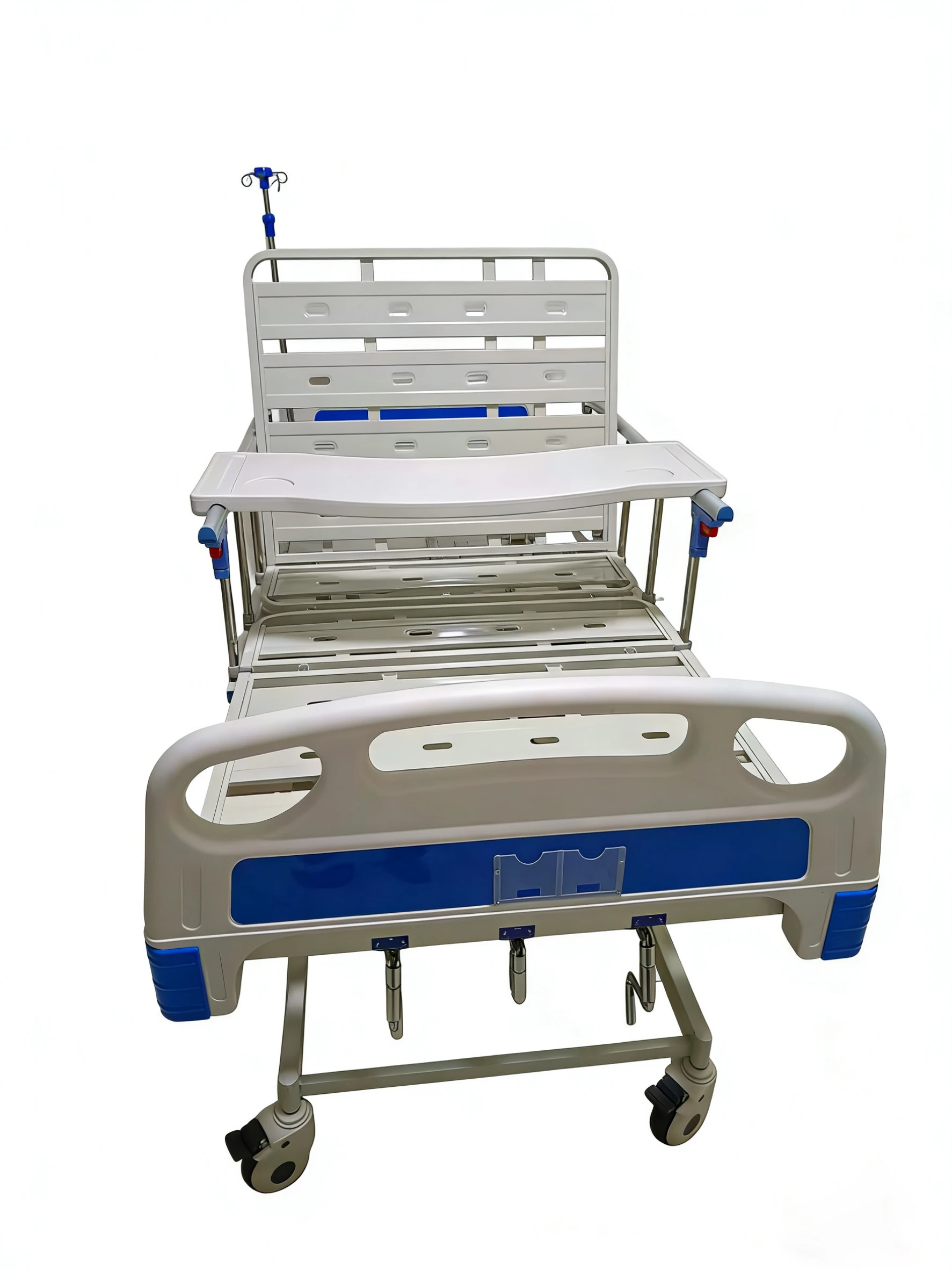
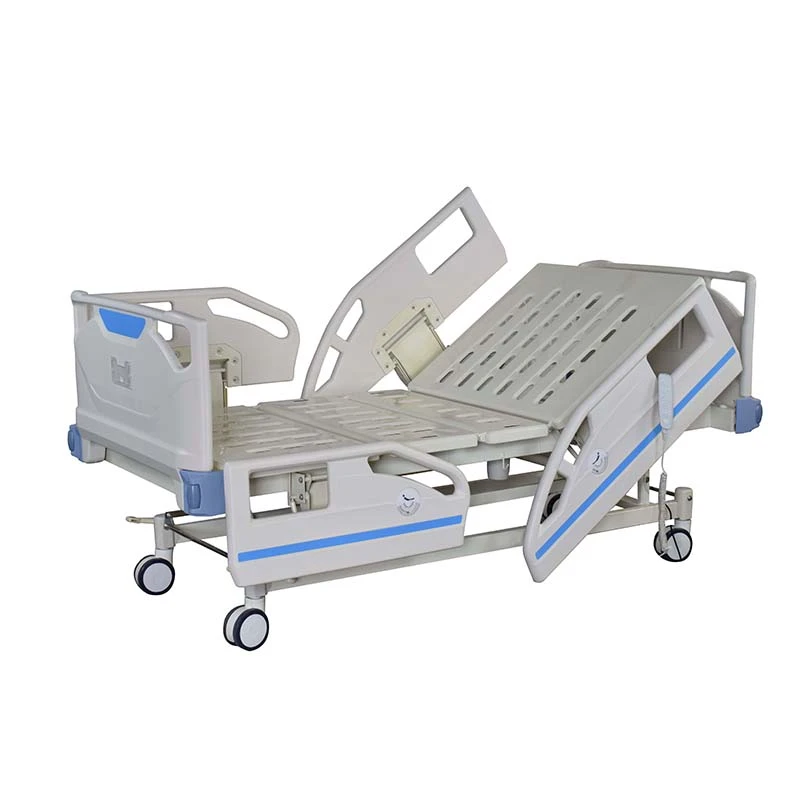
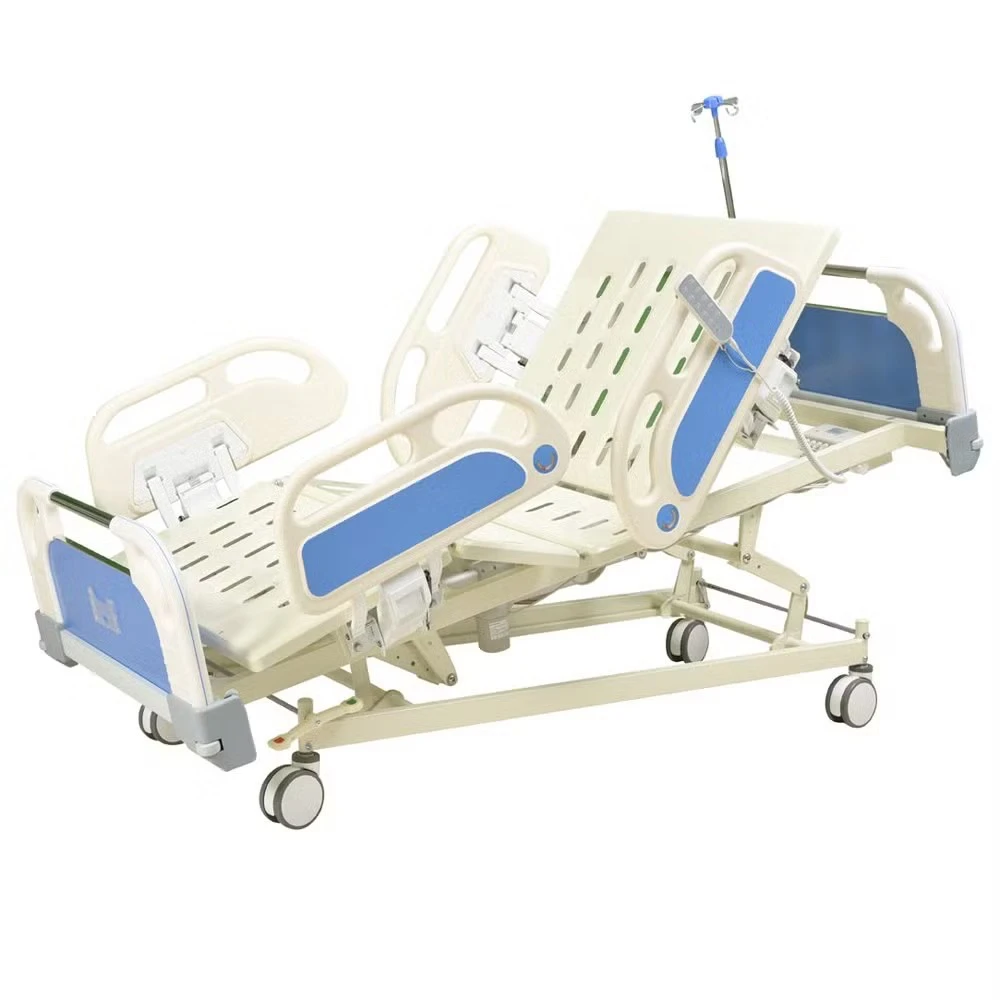
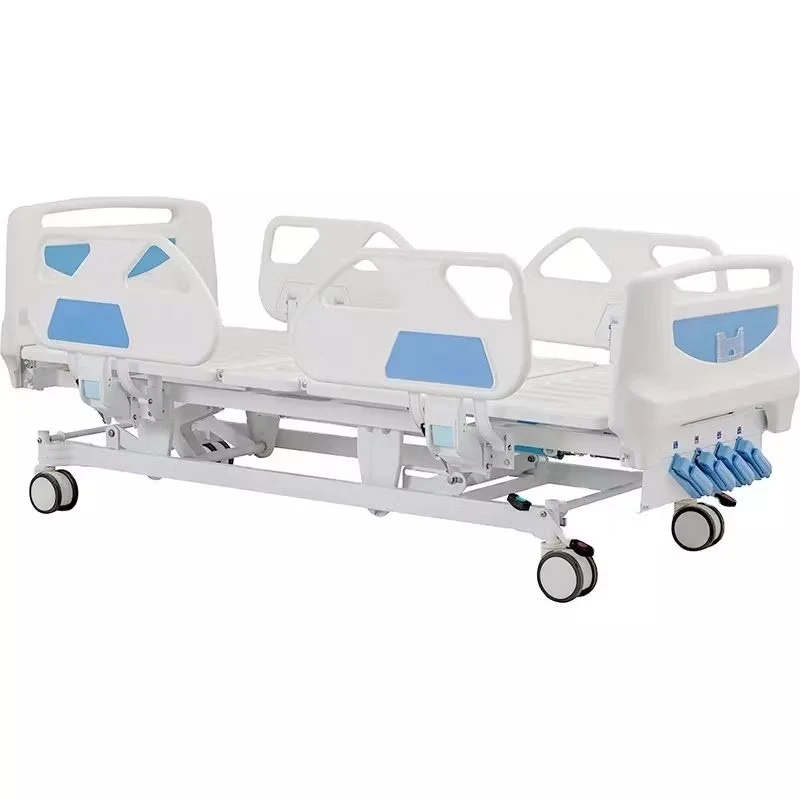
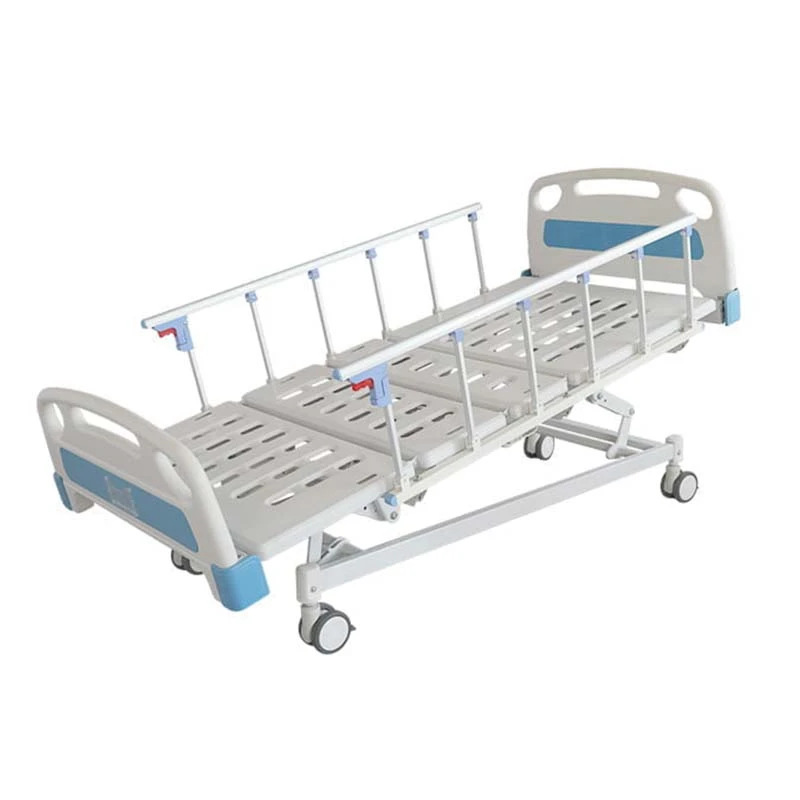
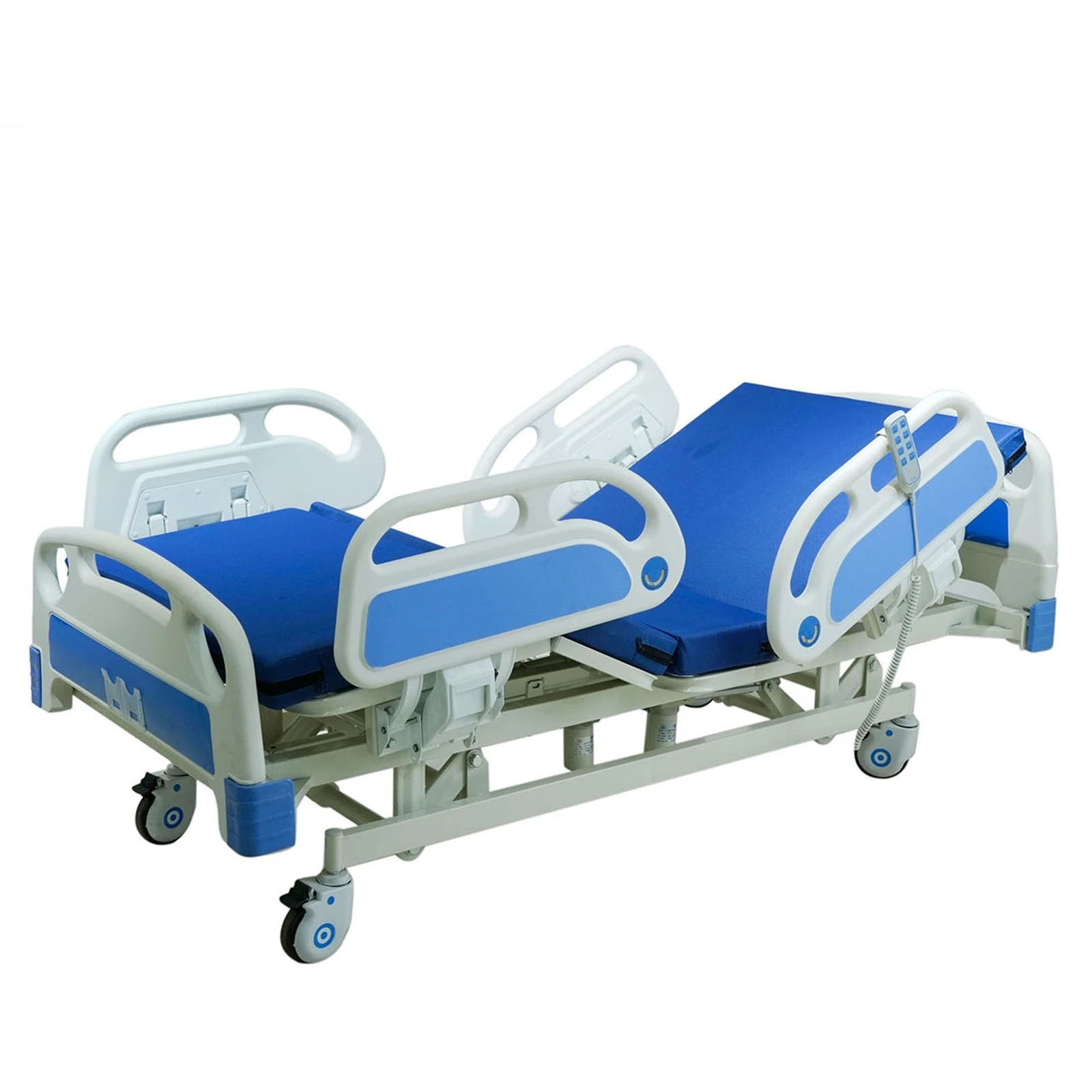
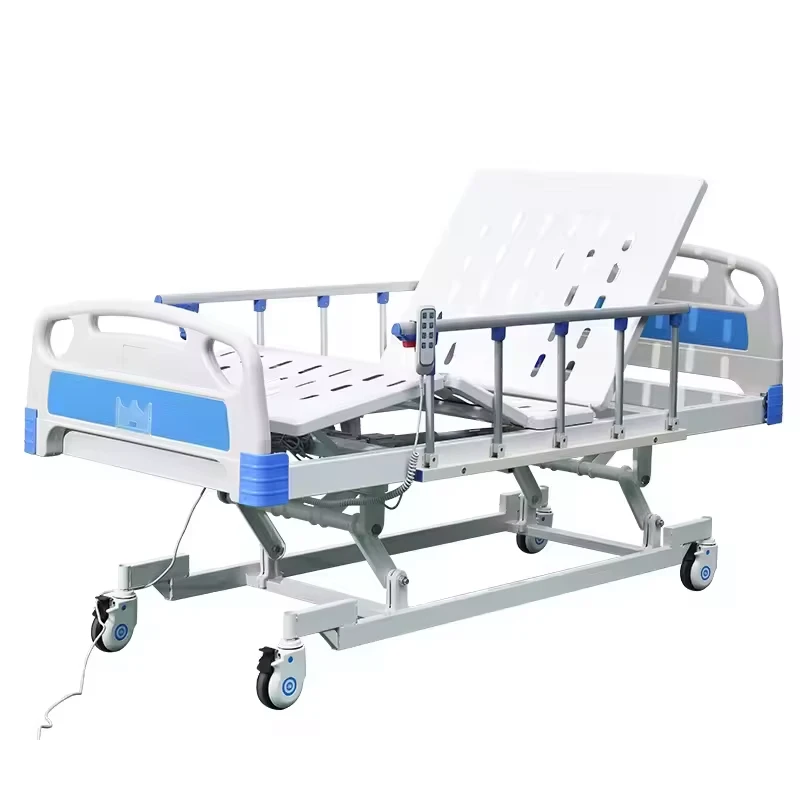
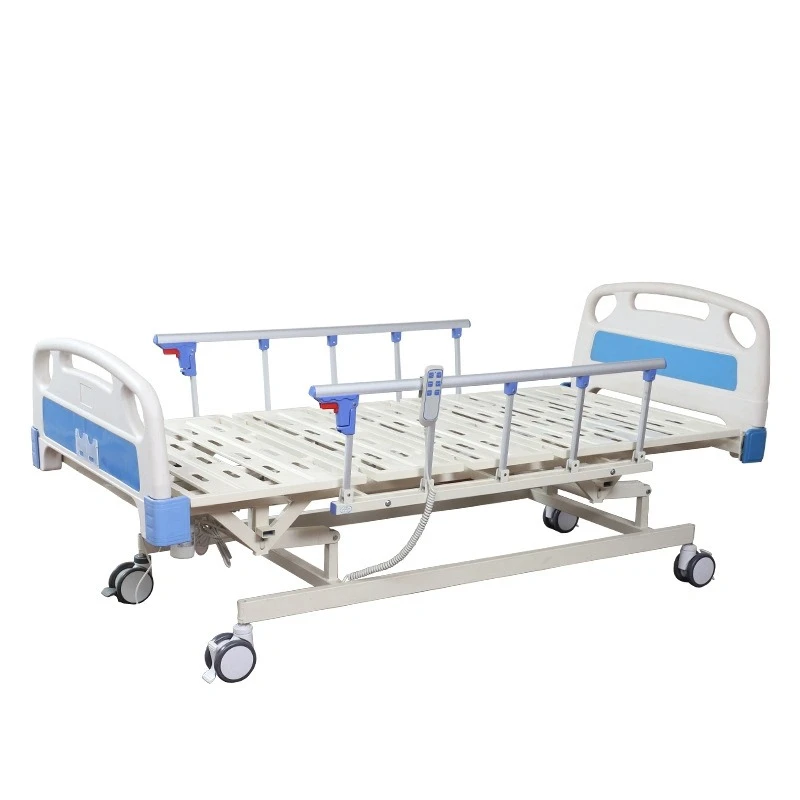
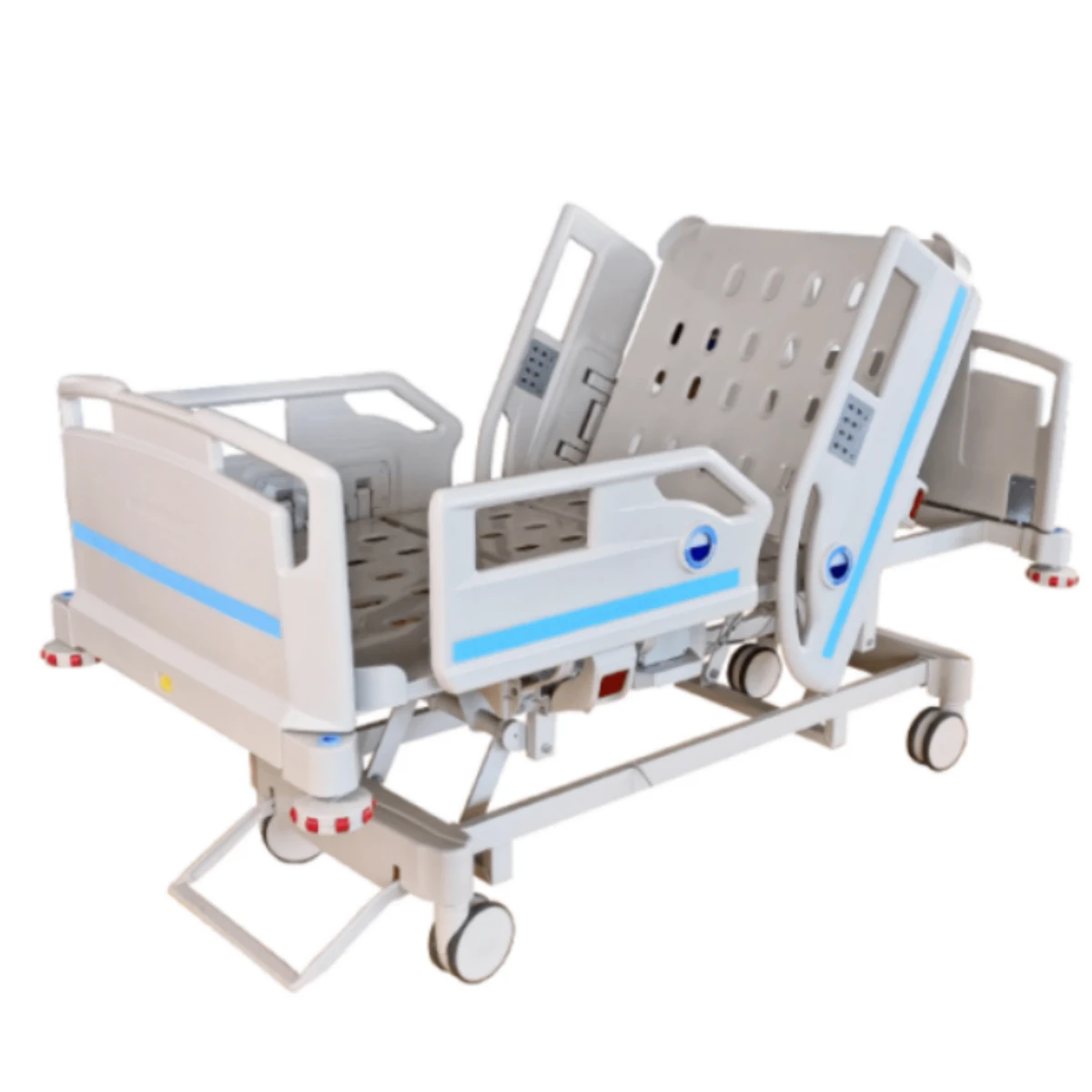
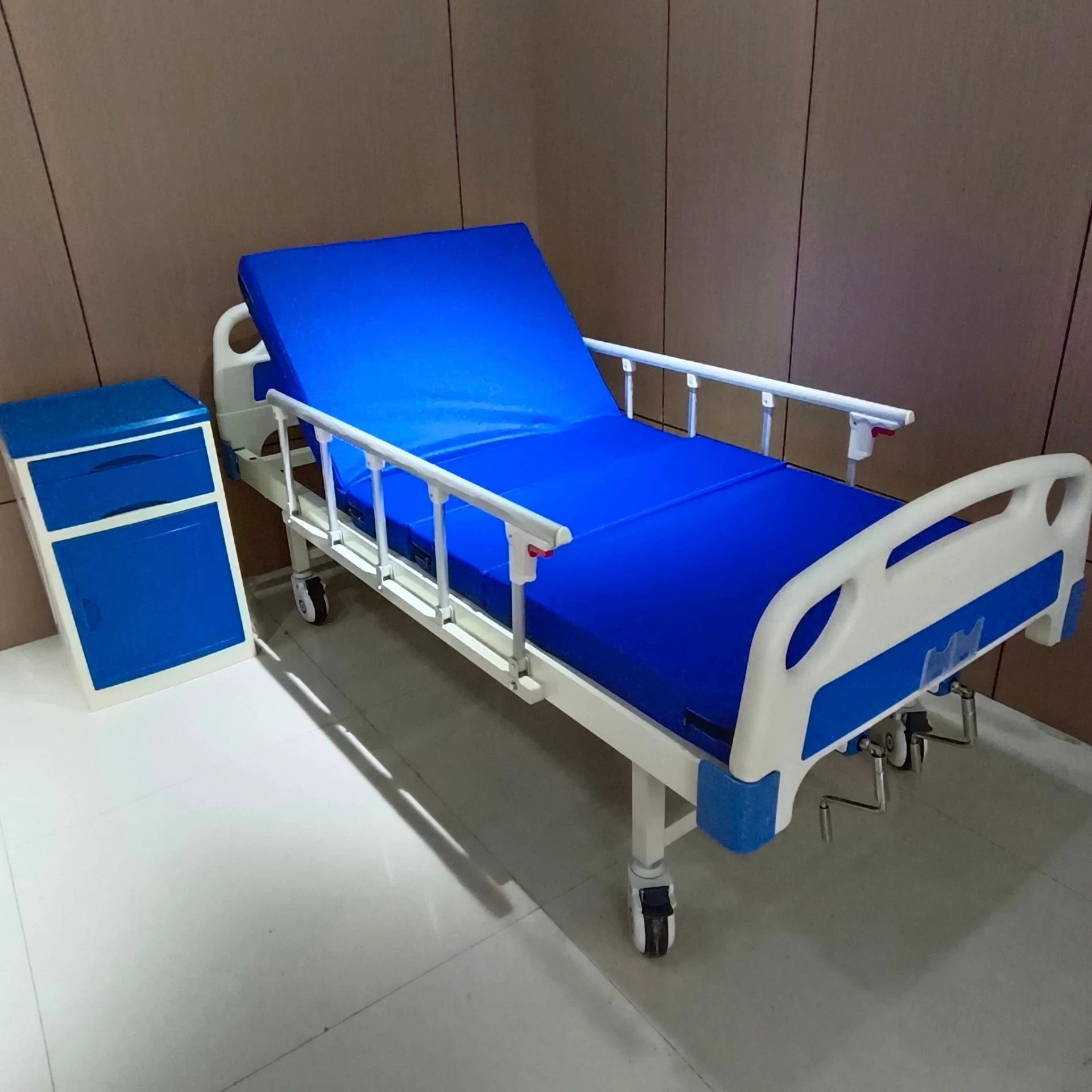
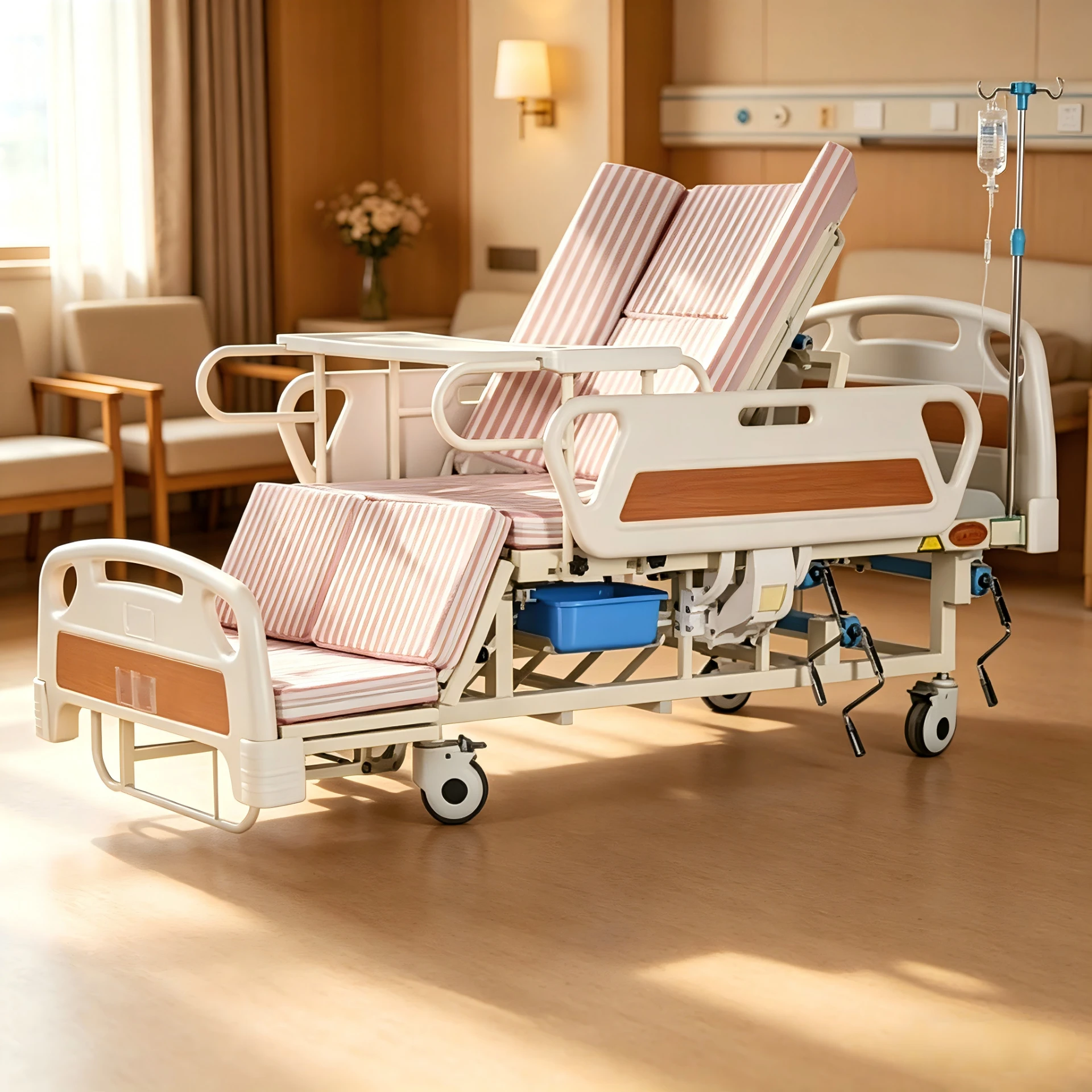
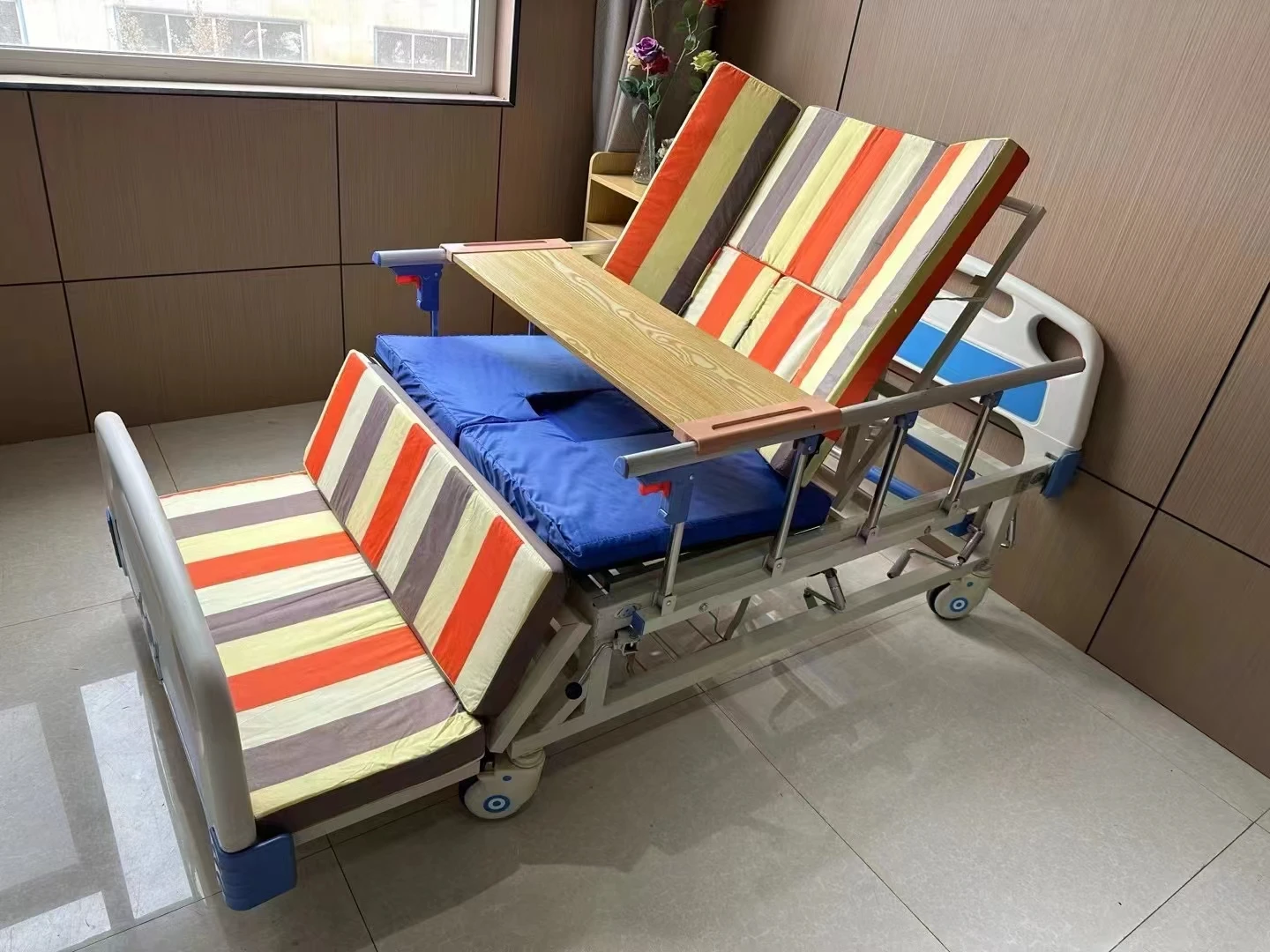
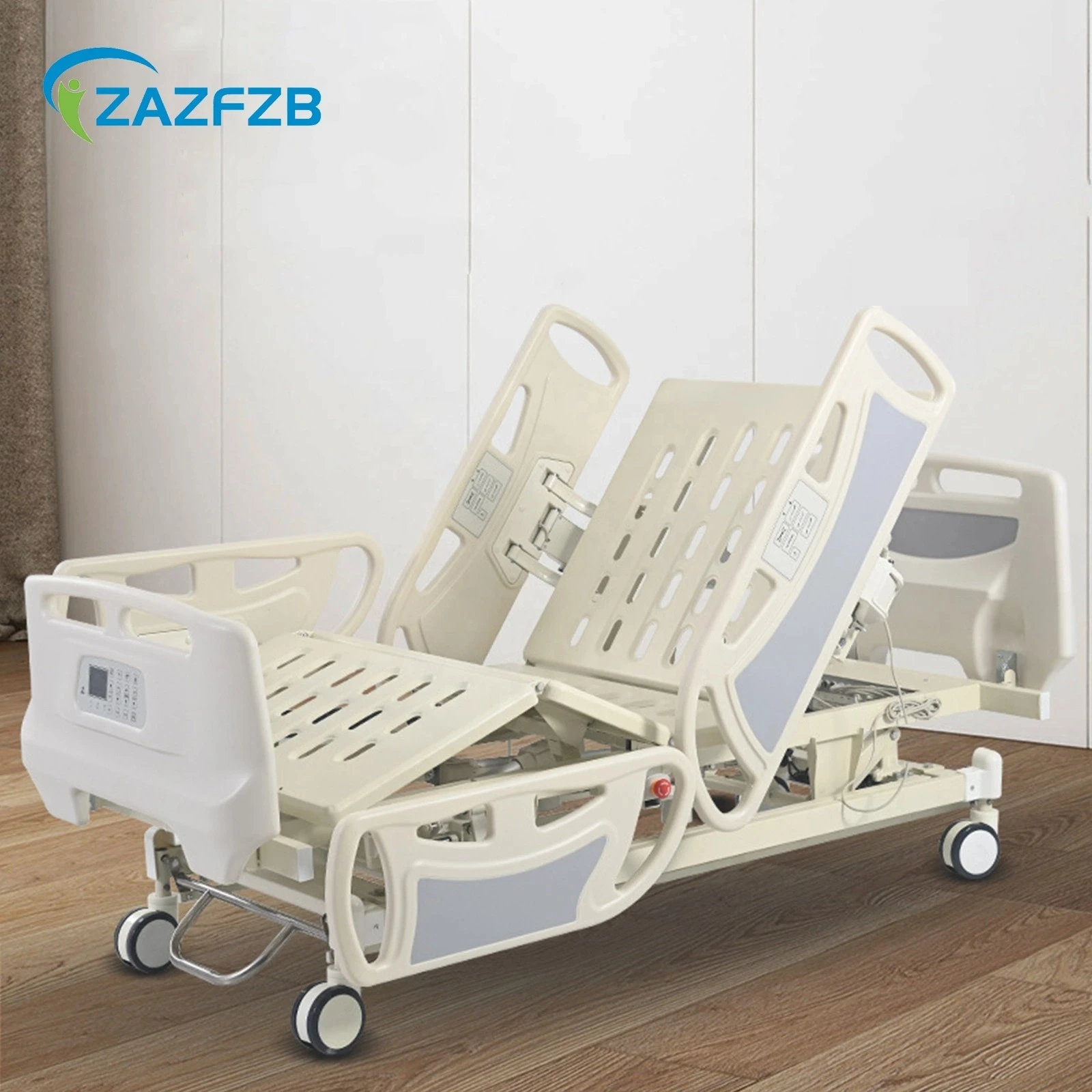
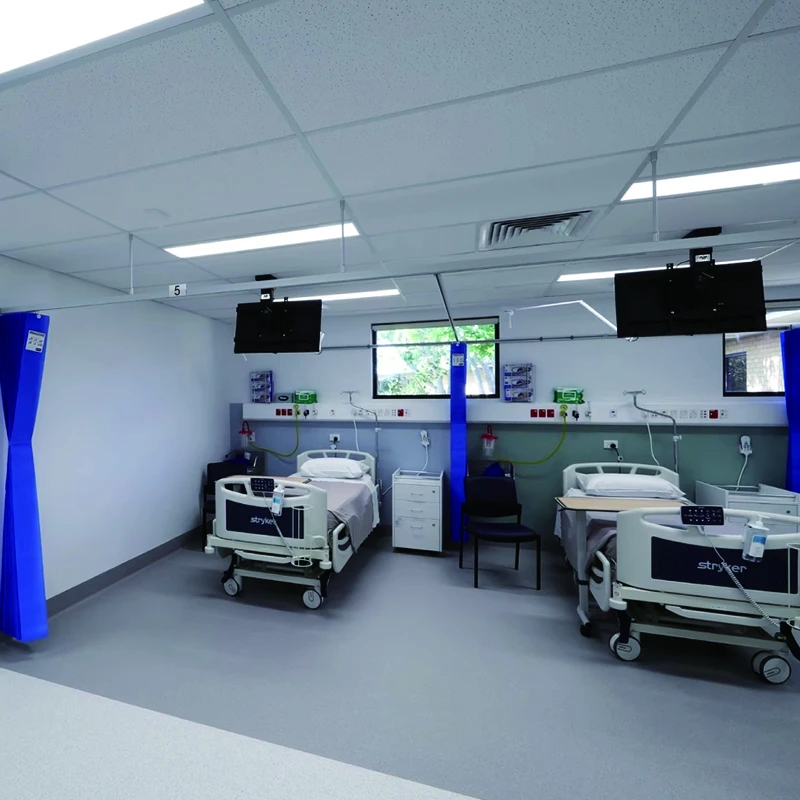
If you're comparing options for basic ward and home-care setups, start with the 2 function manual hospital bed,2 function electric hospital bed,2 crank hospital bed. I say this because it captures the three common approaches — manual crank, two-function electric, and simple manual-adjust — each with clear trade-offs in cost, maintenance, and ergonomics.
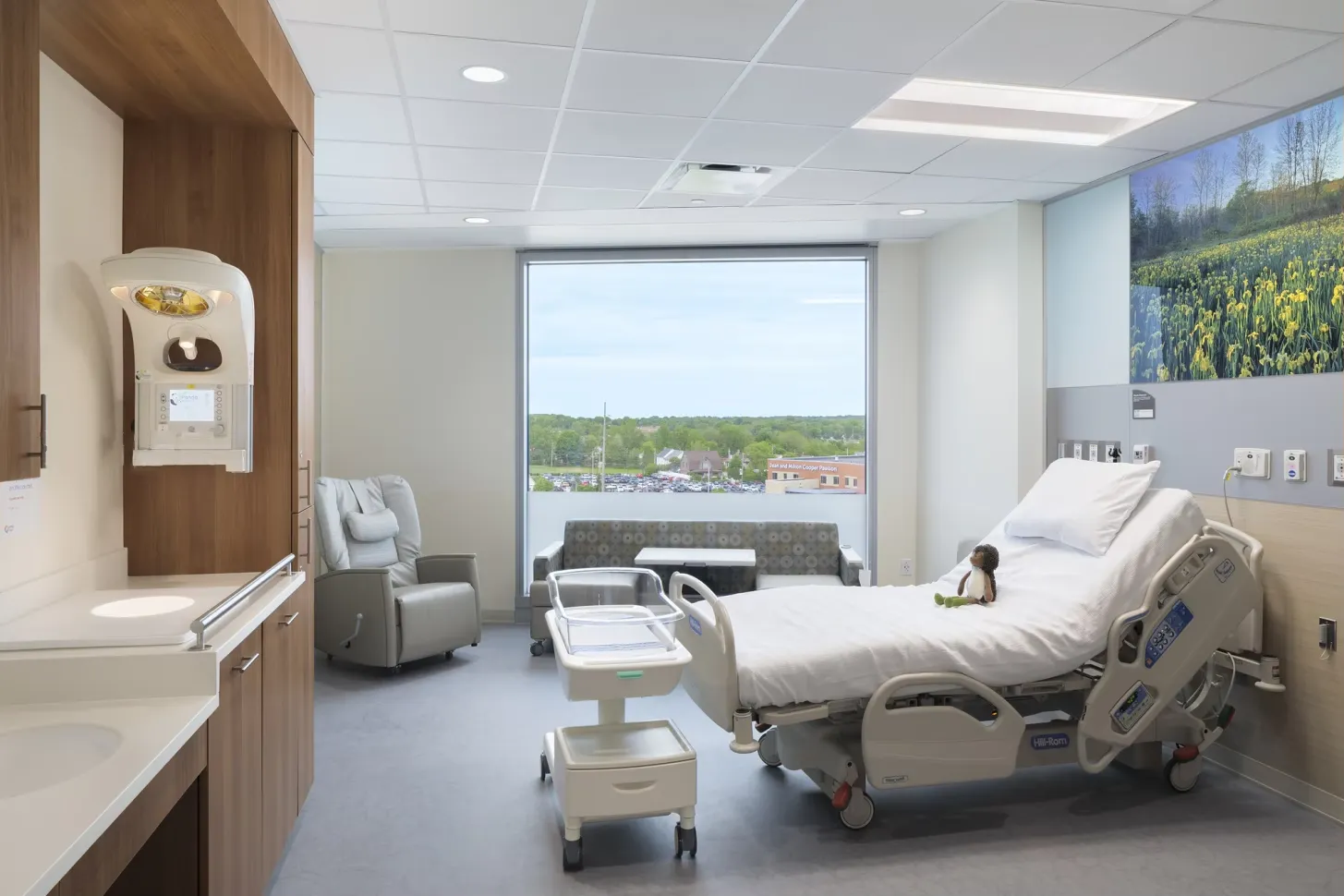
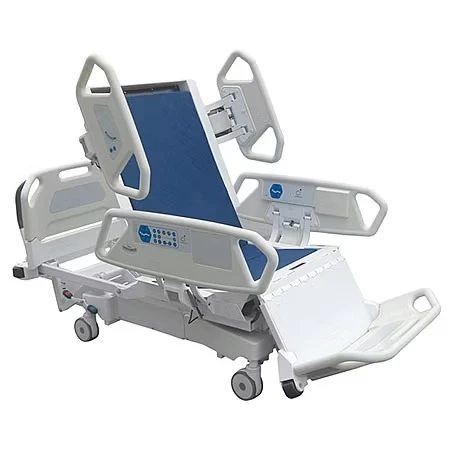
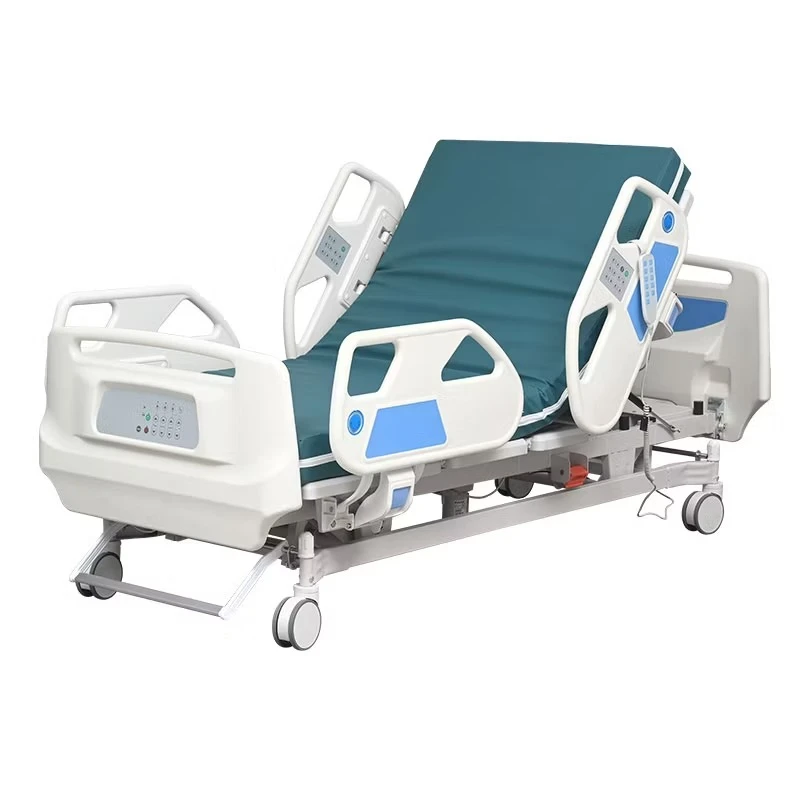
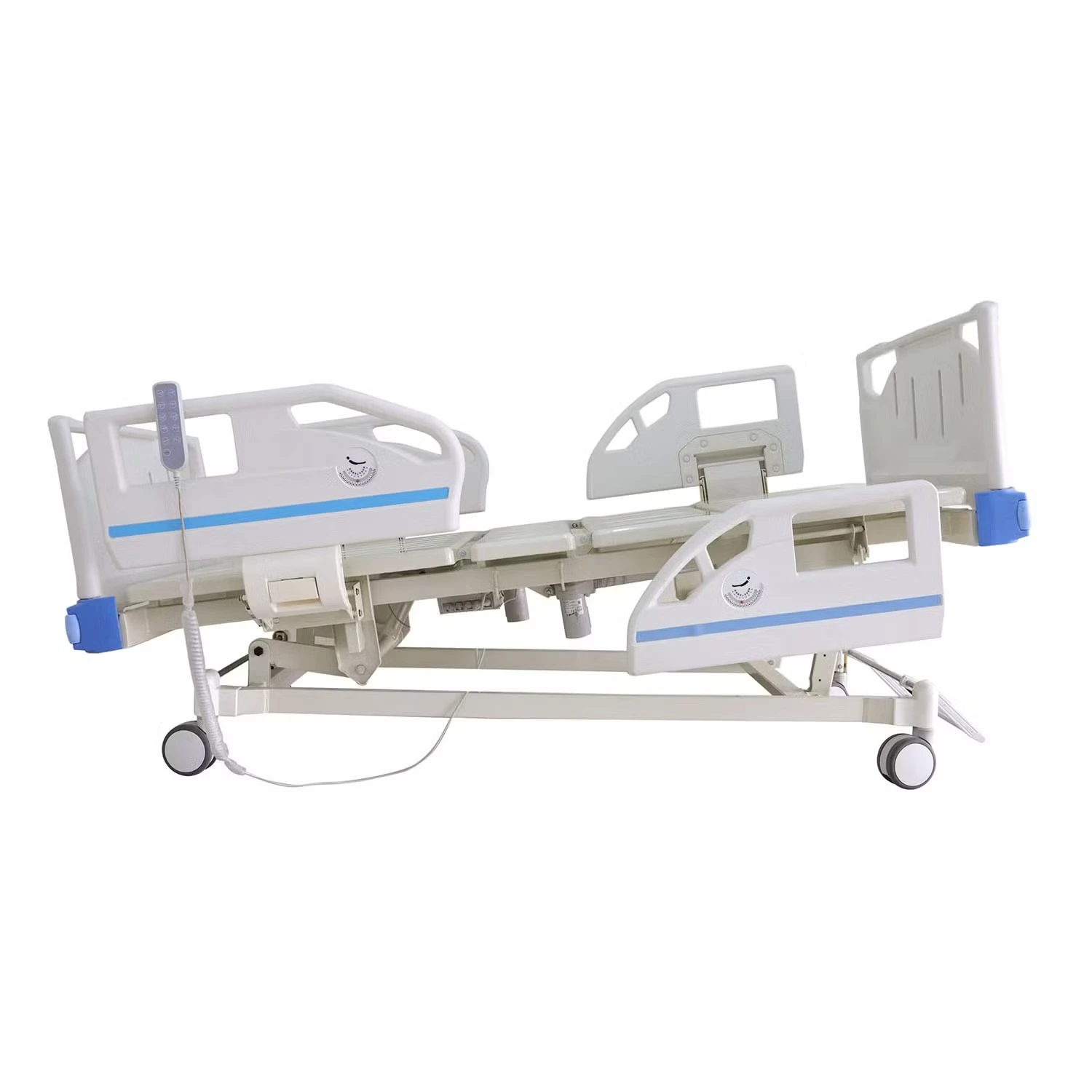
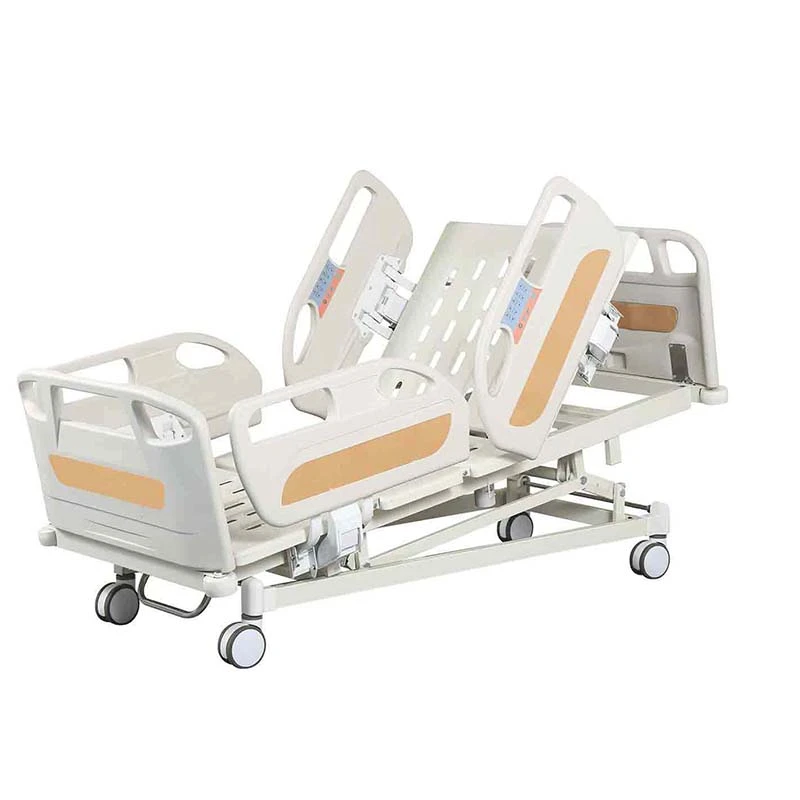
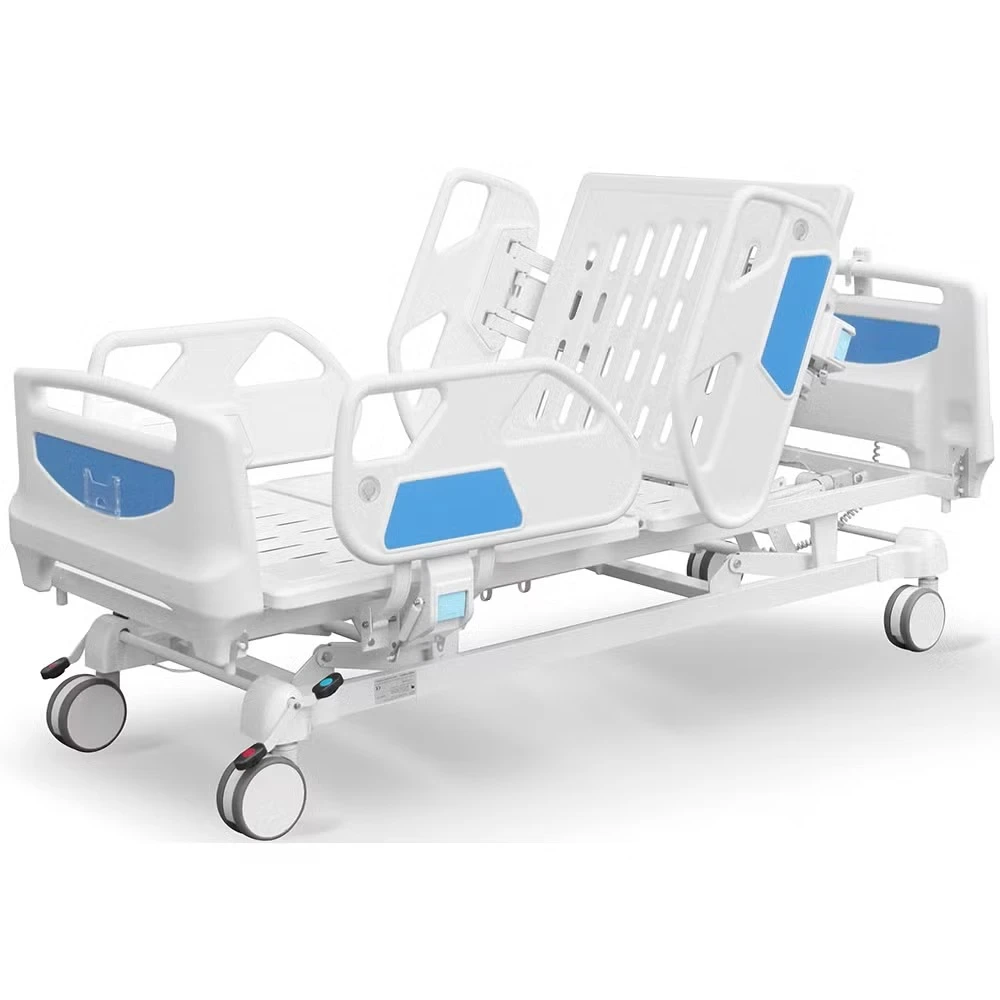
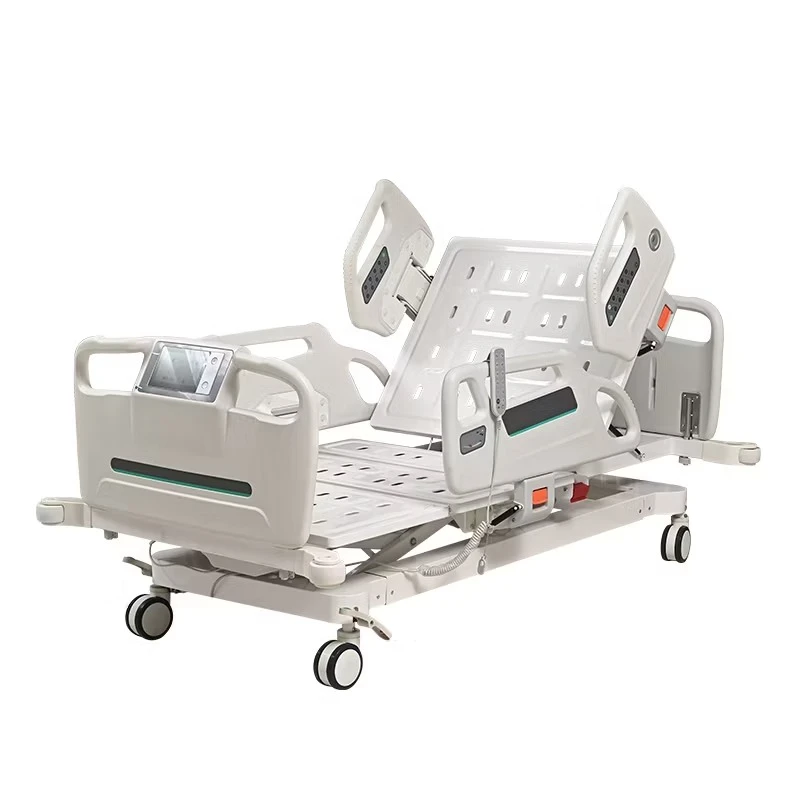
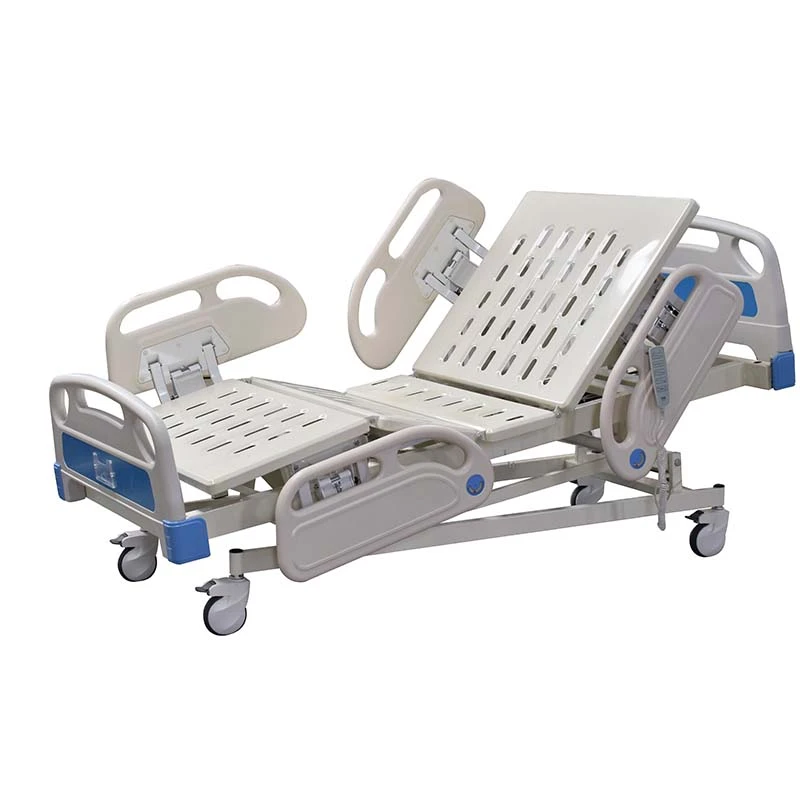
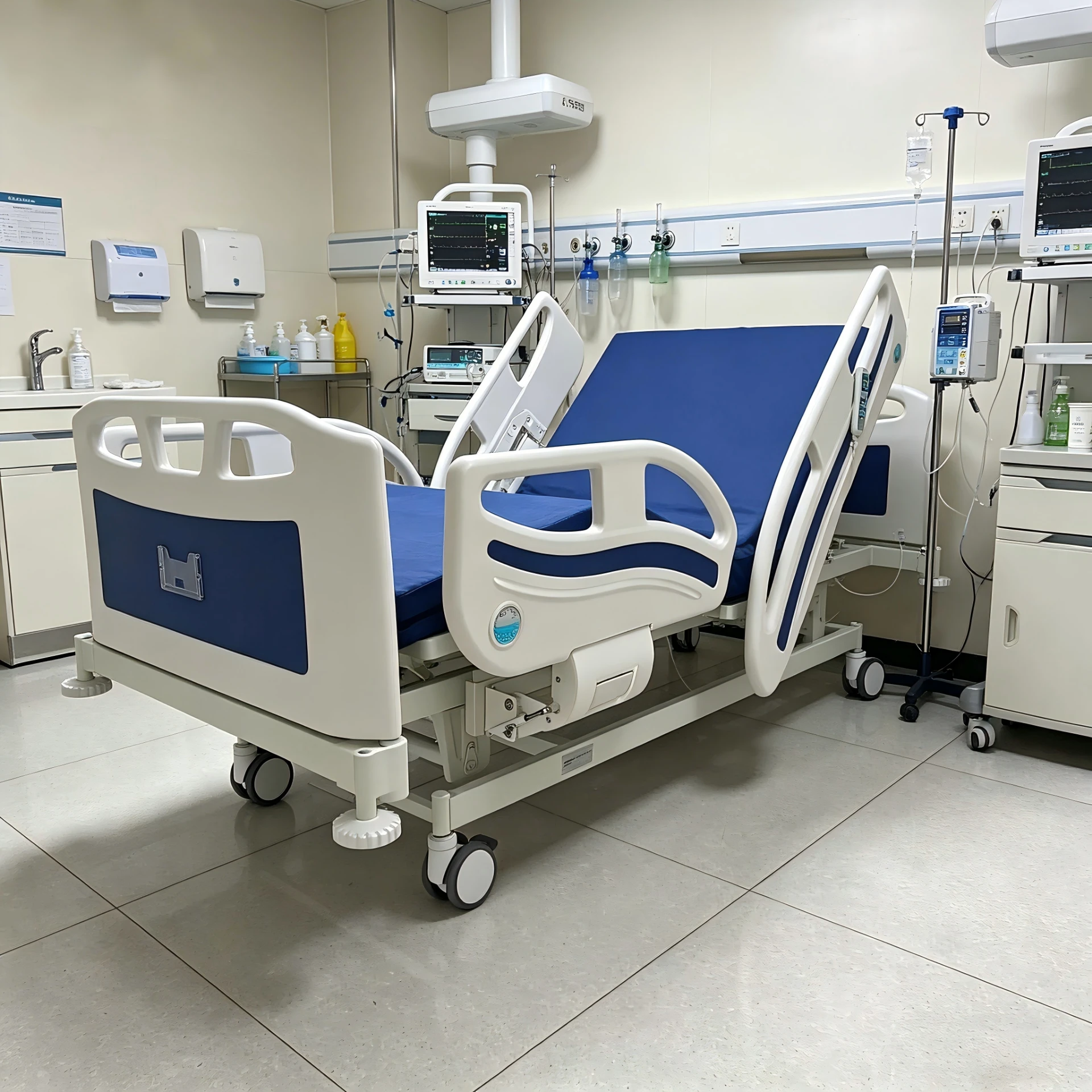
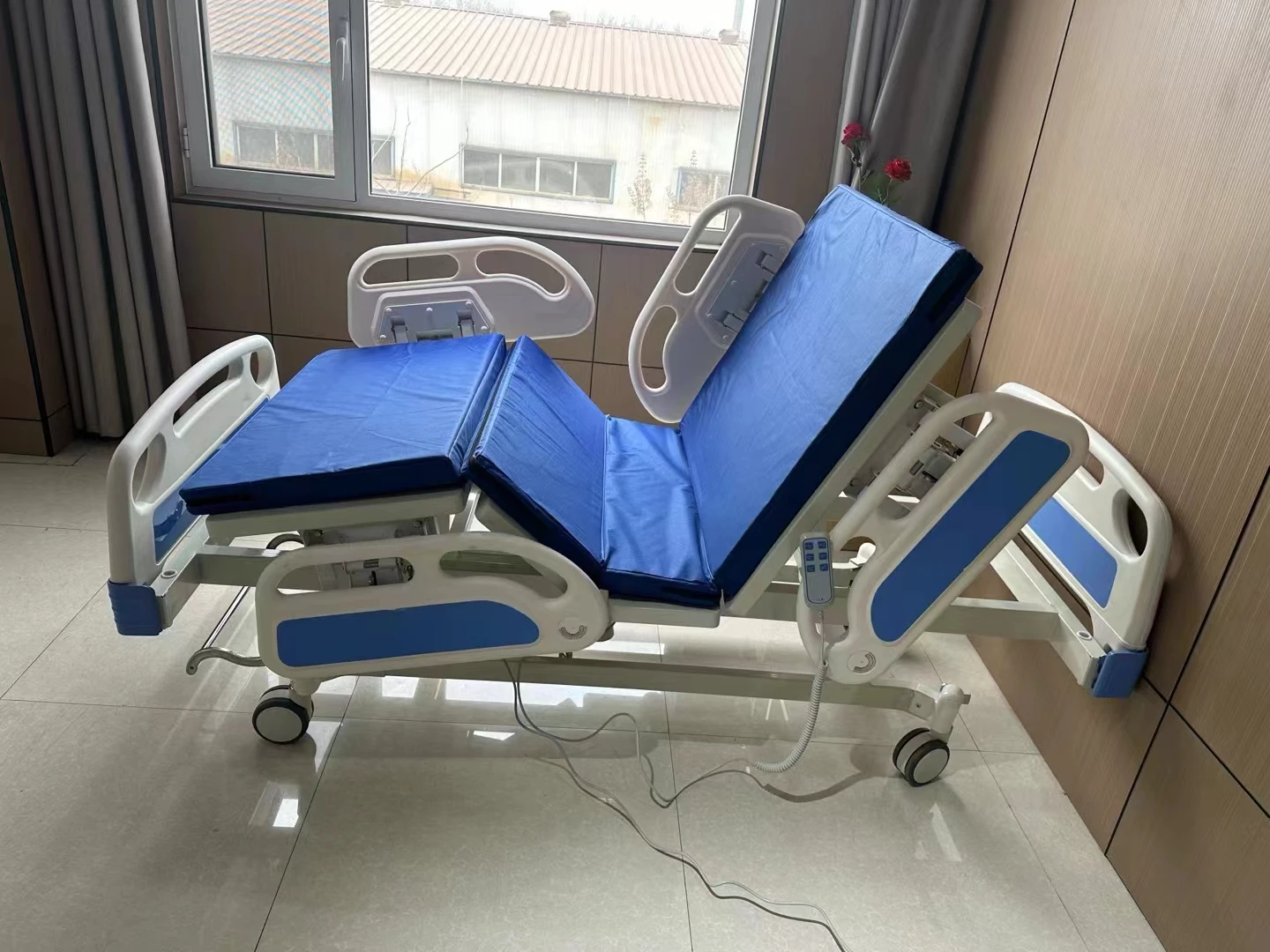
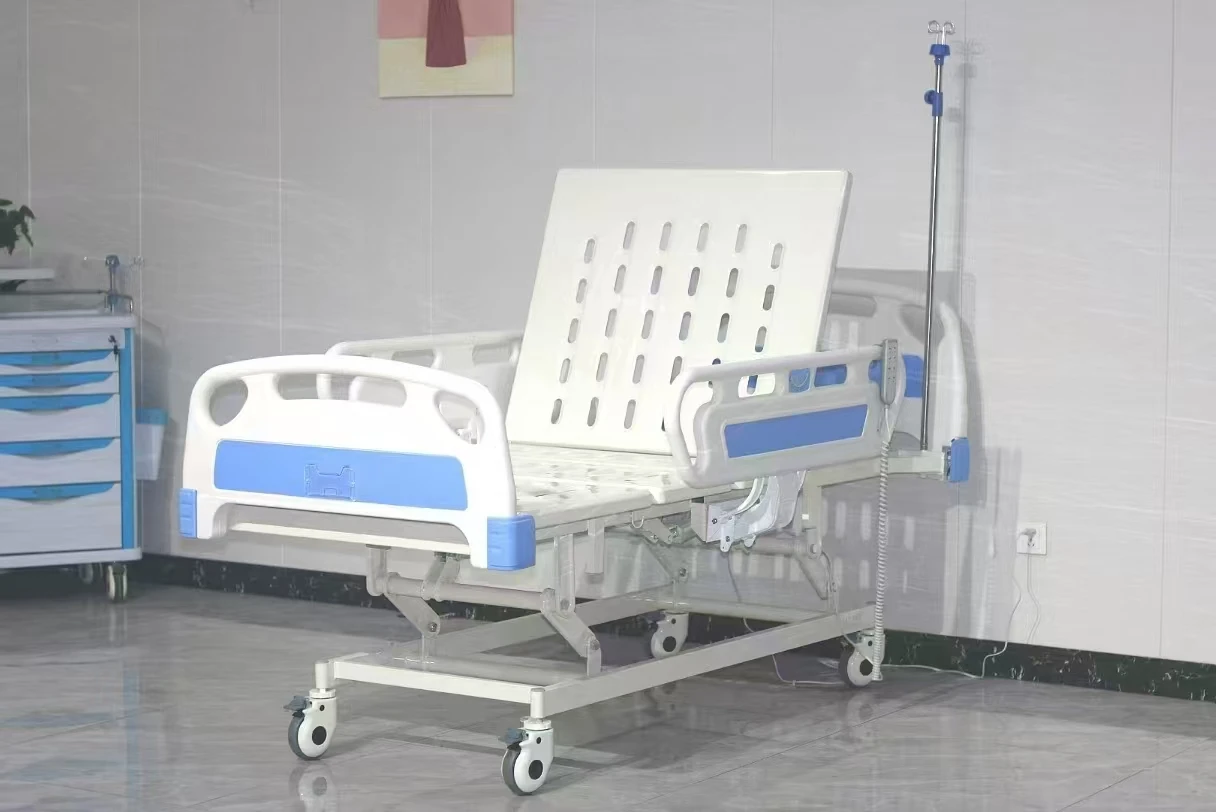
Quick image (product)
Industry trends & use cases
To be honest, budgets and staffing pressures push many facilities toward the 2-function models: a backrest + knee-rest articulation covers most recovery needs. Long-term care, rehabilitation wards, and home-care rentals are the top industries. Hospitals often prefer electrically actuated units for faster repositioning; smaller clinics and homes sometimes choose cranks for reliability and low service cost.
Technical specification (typical)
|
Spec |
Value (approx.) |
|
Platform size |
2000 × 900 mm ≈ (real-world use may vary) |
|
Load capacity |
≈ 200–250 kg (safety-tested to ≈150% design load) |
|
Actuation |
Electric (2-function) or manual crank |
|
Side rails |
Aluminum alloy; anodized for corrosion resistance |
|
Battery backup |
≈ 15–30 cycles (for electric units) |
Process flow: materials → methods → testing
Manufacturing typically uses cold-rolled steel frames, powder-coating, and anodized aluminum rails. Methods include robotic welding, CNC bending, and manual final assembly. Testing follows IEC 60601-2-52 for safety and functional endurance: static load, dynamic fatigue (>10,000 cycles simulated ≈ service life), electrical leakage and IP testing for motors, plus risk analysis per ISO 14971. Service life is commonly quoted ≈ 8–12 years depending on use and maintenance.
Advantages & real-world feedback
Advantages: predictable positioning, reduced caregiver strain, and improved patient comfort. Many customers say the aluminum side rails feel more durable and noticeably lighter for handling. Downside: electric models need battery and controller servicing; cranks are slower but almost maintenance-free.
Vendor comparison
|
Vendor |
Model |
Highlights |
Certs |
|
Zhaofa |
Electric 2-Function Hospital Bed |
Aluminum rails, economical electric actuator, good spare-part support |
CE, ISO 13485 (typical) |
|
Vendor B |
Manual/Crank Model |
Lowest CAPEX, rugged crank system |
ISO 13485 |
|
Vendor C |
Premium Electric |
Multiple actuators, nurse-control, higher price |
CE, FDA (where marketed) |
Customization & a short case study
Custom options: inlet power types, longer rails, reinforced bariatric frames, anti-microbial coatings. A small rehab center I worked with switched 40 cranks to electric 2-function beds and reported a ≈ 30% reduction in caregiver back complaints over 6 months — surprising but plausible given less manual lifting.
Final takeaway: pick a reliable supplier with IEC 60601-2-52–aligned testing, ask for service agreements, and choose electric if throughput and caregiver ergonomics matter. If budget and uptime are king, a crank model still makes sense.
Sources:
1. IEC 60601-2-52 — Medical beds (safety standard).
2. ISO 13485 & ISO 14971 — Quality and risk management for medical devices.
3. Zhaofa product page and typical manufacturer data sheets (manufacturer sample testing and specs).
Note: numeric values are representative; real-world use may vary. 2 function manual hospital bed,2 function electric hospital bed,2 crank hospital bed