Crutch: Lightweight, Adjustable, Durable — Price & Types
Field Notes on a Cái nạng that Hospitals Keep Reordering
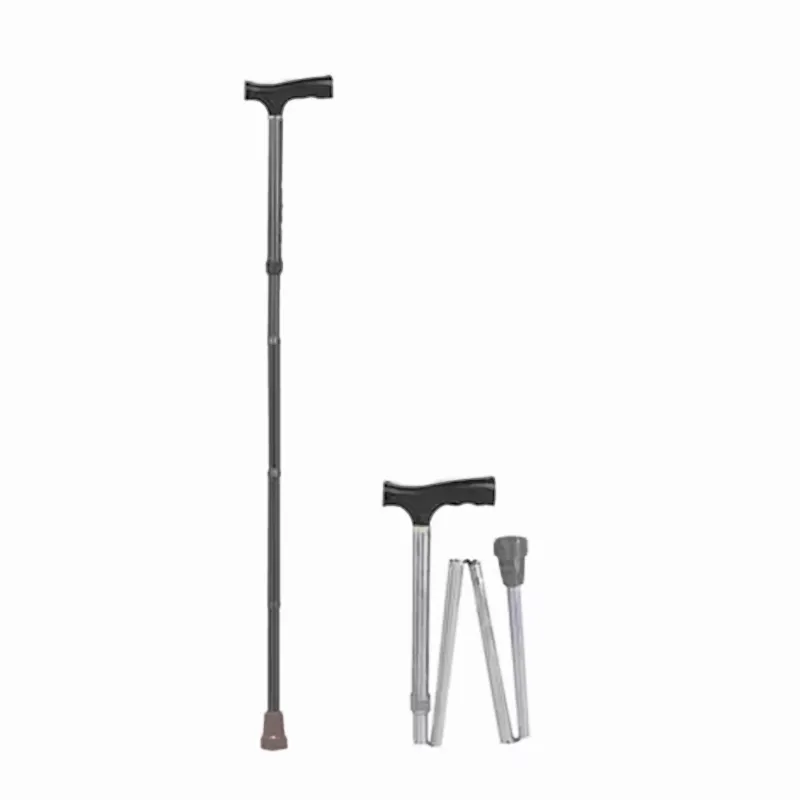
I’ve spent a fair part of the year poking around rehab wards and procurement rooms. One item keeps popping up in order logs from North China to Eastern Europe: a lightweight, height-adjustable walking aid from Zhouhu Village, Jizhou Zone, Hengshui, Hebei. The model name is a mouthful—High Quality Hospital Medical Adjustable Old Man Walking Stick—but staff just call it the Cái nạng. It’s basic in the best sense: tough, easy to clean, and surprisingly steady outdoors.
Why this matters now
The walking-aid market is shifting toward lighter frames, grippier tips, and simpler adjustability. Hospitals want SKUs that pass international tests yet don’t blow up budgets. This Cái nạng leans into the essentials: anodized aluminum, ergonomic handle, and outdoor-ready tips. Many buyers say it’s the “no-drama” choice for wards with high turnover.
Core specifications
| Tham số | Spec (≈, real-world use may vary) |
| Height range | 82–92 cm (10 mm step adjust) |
| Trọng lượng tịnh | ≈0.3 kg |
| Shaft material | 6061-T6 anodized aluminum, matte finish |
| Handle | Ergonomic polymer with light texturing |
| Tip | Non-slip TPR; outdoor ambient type |
| Load testing (lab) | Static ≥130 kg; fatigue ≥100,000 cycles (bench data) |
| Service life | Around 2–3 years in clinical rotation, longer for home users |
| Origin | Zhouhu Village, Jizhou Zone, Hengshui, Hebei, China |
Process flow and quality controls
Materials → aluminum extrusion → CNC cut → bead-blast → anodizing → handle overmold → height-button assembly → tip press-fit → 100% visual check → load and slip tests (sampling) → packing. Tests commonly reference ISO 11334-1 for structural integrity and ISO 24415-1/2 for tip friction and endurance. In fact, procurement officers increasingly ask for CE (MDR) and ISO 13485 QMS documentation. I guess they’ve learned the hard way during audits.
Where it’s used
Hospitals (orthopedics, geriatric wards), rehab centers, community clinics, elder-care providers, and—surprisingly—municipal loan programs. Outdoors on sidewalks and parks is fine; wet tiles require the usual caution, but the tip compound scores well in lab slip tests.
Customization
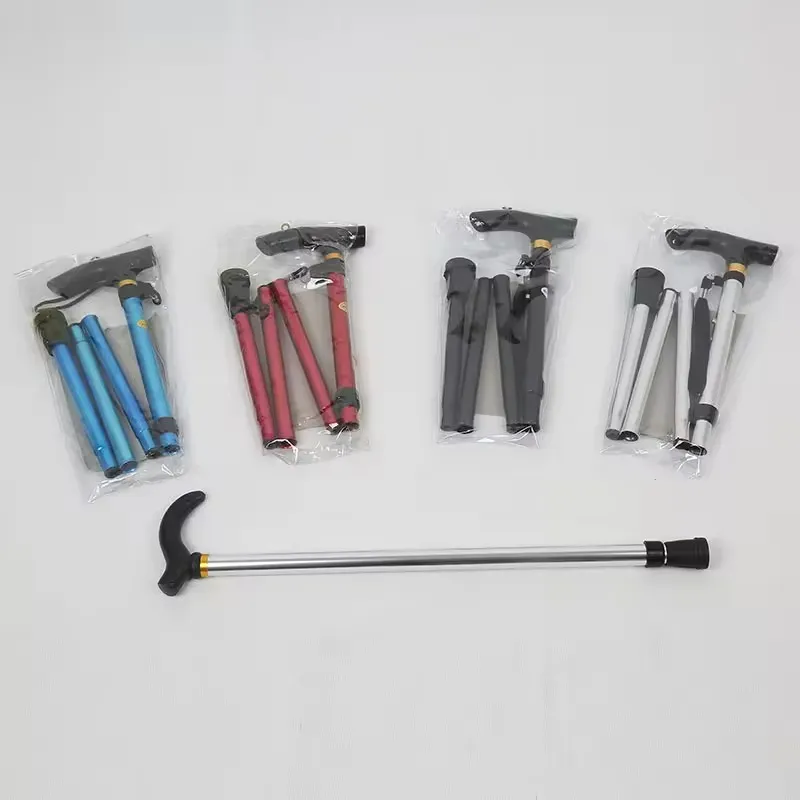
- Laser logo, colorways (graphite, silver, sand).
- Alternative height ranges (e.g., 75–85 cm) for shorter users.
- Choice of foam sleeve or polymer handle; wrist strap add-on.
- Winter tip or quad-base option for special tenders.
Vendor snapshot (how it stacks up)
| Vendor | Certs/Standards | Typical Lead Time | Notes |
| ZhaofaMed (Hebei) | ISO 13485; CE (MDR) docs; ISO 11334-1/ISO 24415 test reports | 15–25 days | Balanced pricing; strong OEM options |
| Generic OEM Cluster | Basic COA; mixed ISO coverage | 20–35 days | Lower price; variable QC—audit advised |
| Big-Brand A | ISO 13485; MDR; often FDA listed | 30–45 days | Premium finish; highest cost |
Field feedback and test data
Nurses say height adjustment is “idiot-proof.” One rehab therapist logged about 5 km/week use; after 6 months, the tip wear was moderate with grip still reliable. Bench tests I reviewed showed static load at 130–150 kg without deformation, and tip friction per ISO 24415-1 above 0.5 on wet ceramic—good for its class. To be honest, that’s what most buyers really screen for.
Use cases
- Post-op hip/knee support when a single Cái nạng is prescribed.
- Community fall-prevention programs where weight matters.
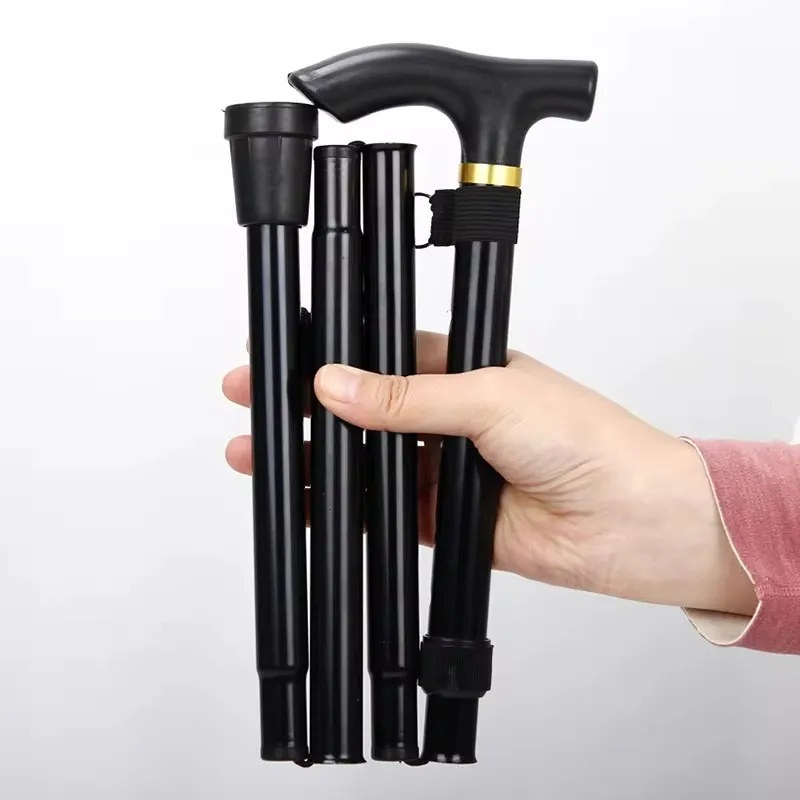
- Travel and outpatient use—lightweight, packs into cars easily.
Bottom line
If you need a dependable, audit-friendly Cái nạng with fast lead times, this Hebei-made unit is a safe bet. Not flashy—just solid engineering, fair pricing, and the paperwork that keeps compliance teams smiling.
References
- ISO 11334-1:2007 Walking aids manipulated by one arm—Requirements and test methods.
- ISO 24415-1/2: Tips for assistive products for walking—Requirements (friction, endurance).
- EU Regulation (EU) 2017/745 on medical devices (MDR) – Classification and conformity.
- ISO 13485:2016 Medical devices—Quality management systems—Requirements for regulatory purposes.