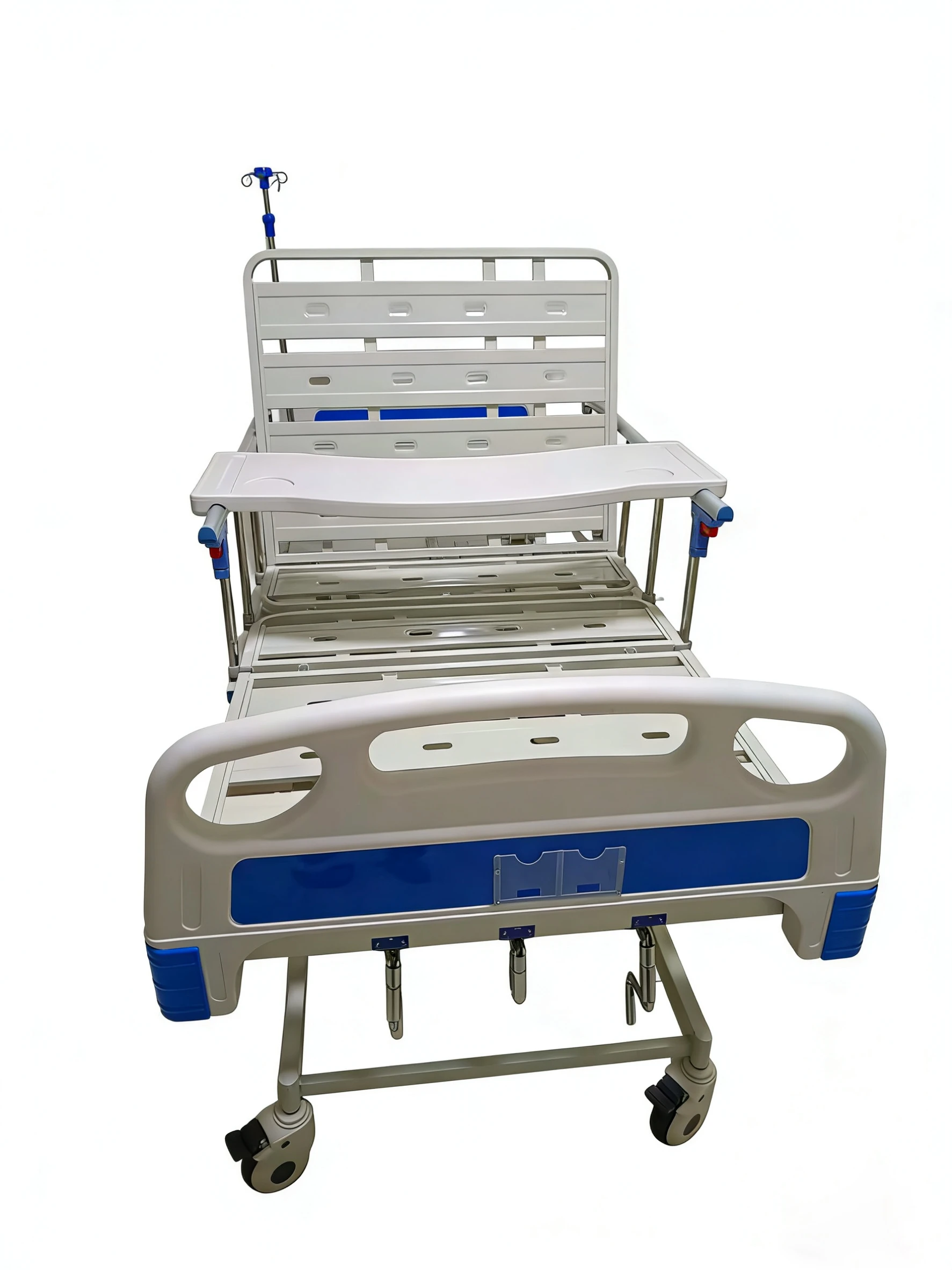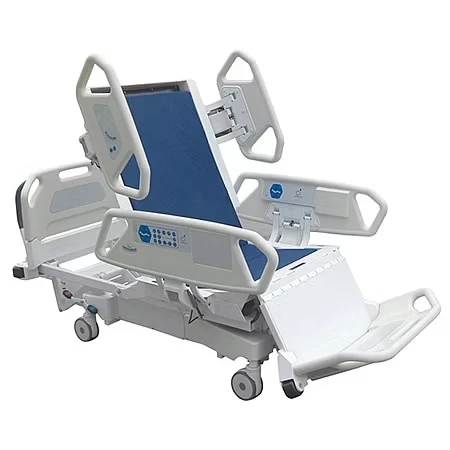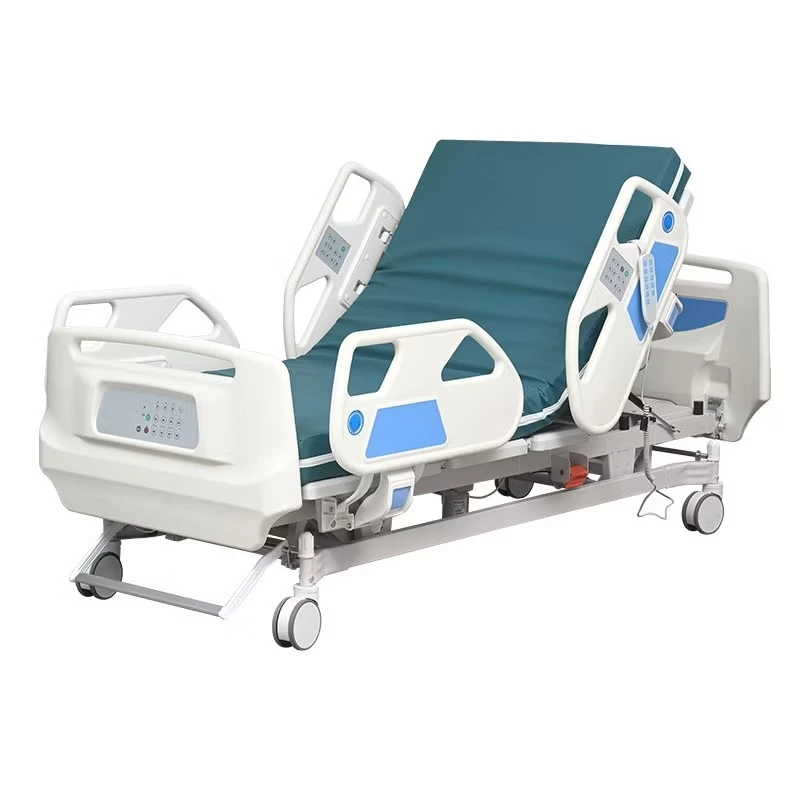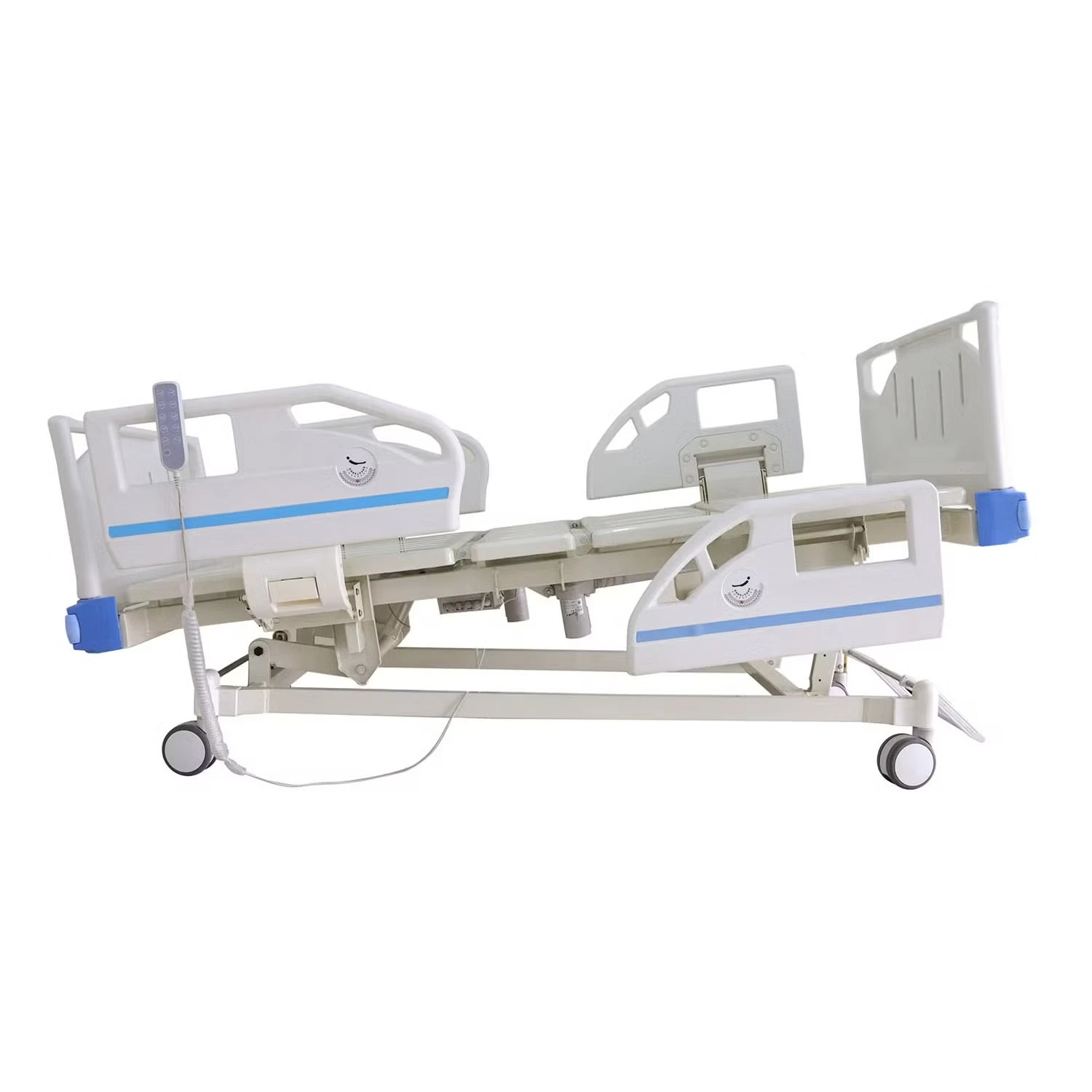
How an Integrated Height-Adjustable and Rotating Hospital Bed Improves Patient Care
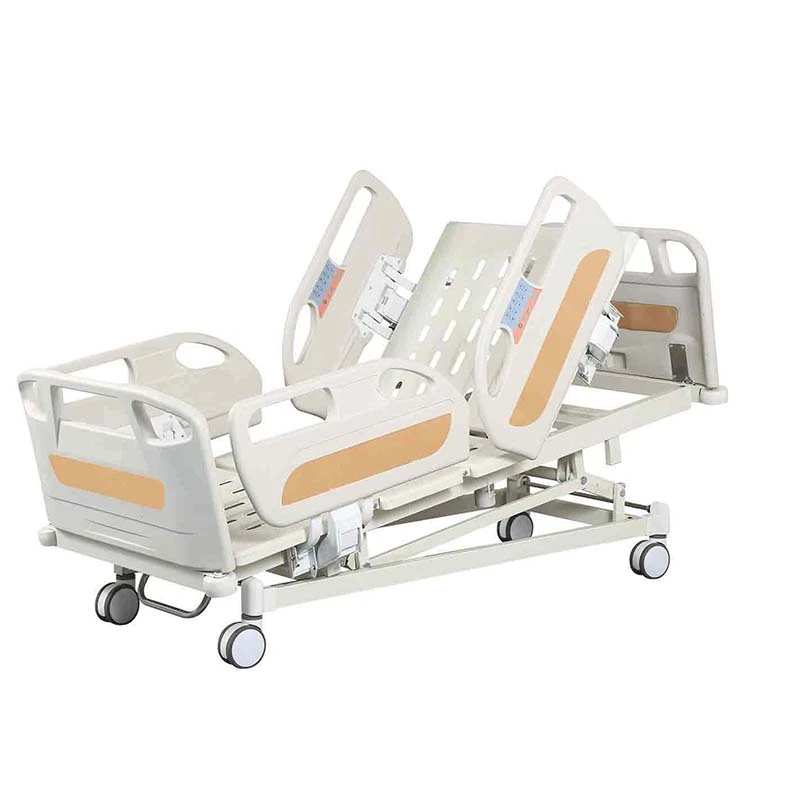
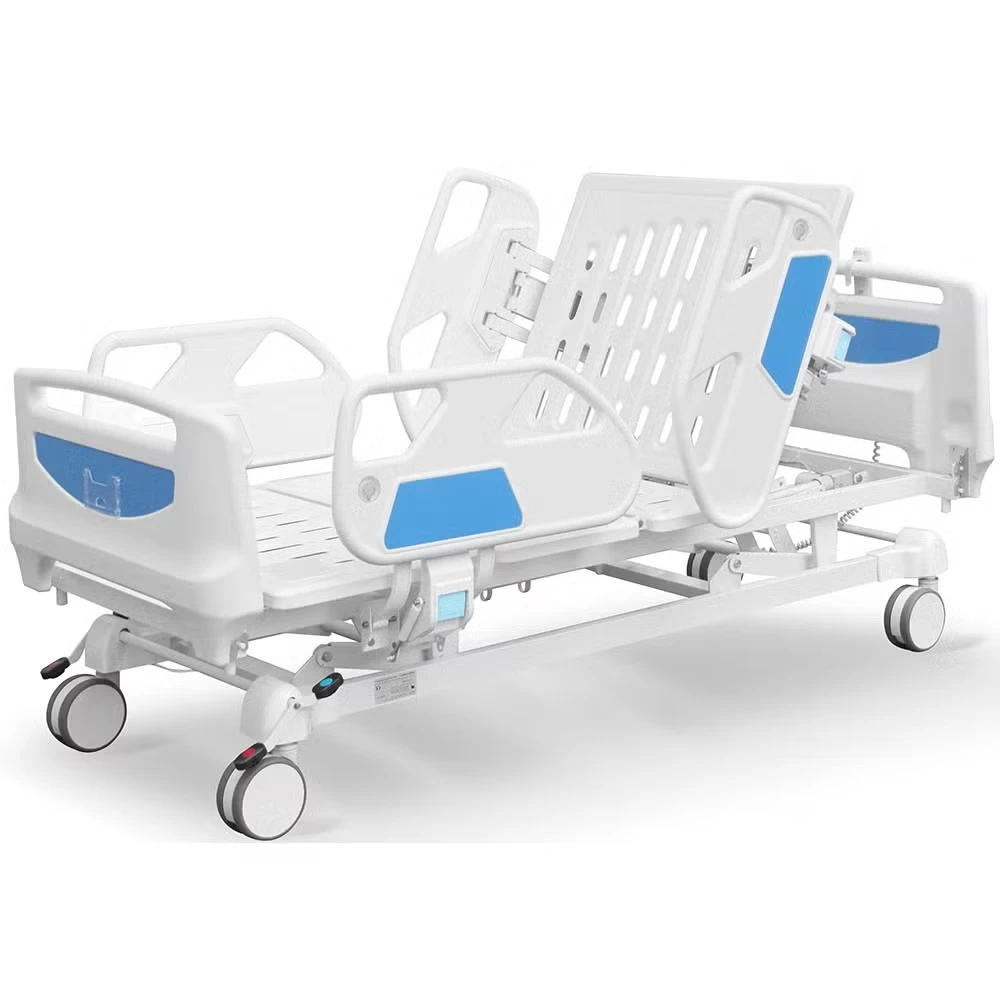
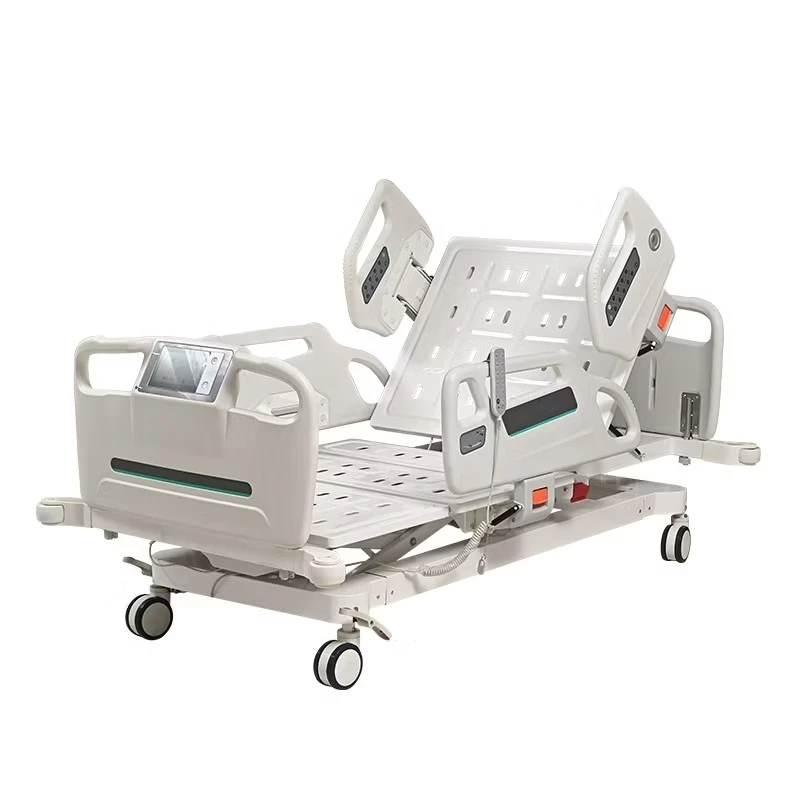
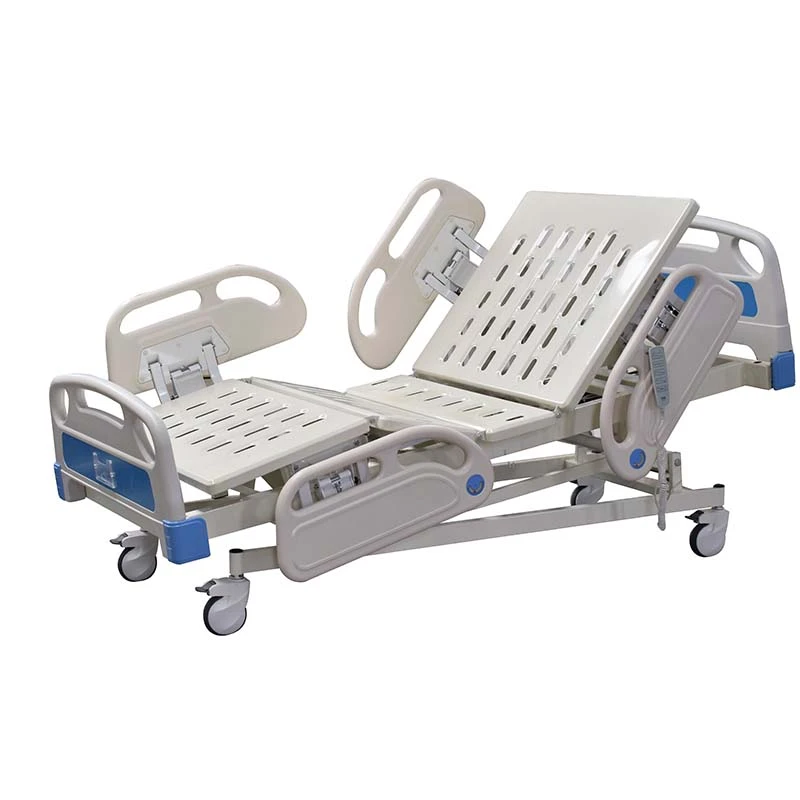
Patient care is an essential part of modern healthcare. Hospitals, nursing facilities, rehabilitation centers, and long-term care institutions all need reliable equipment to support patients and help healthcare professionals perform daily care tasks more efficiently. Among the available medical equipment options, an Integrated Height-Adjustable and Rotating Hospital Bed can offer practical benefits by combining adjustable bed height with a rotating function in one integrated design.
For healthcare facilities looking to improve patient handling, daily nursing routines, and bedside accessibility, understanding the features of a rotating hospital bed is an important step toward making an informed purchasing decision.

Understanding an Integrated Height-Adjustable and Rotating Hospital Bed
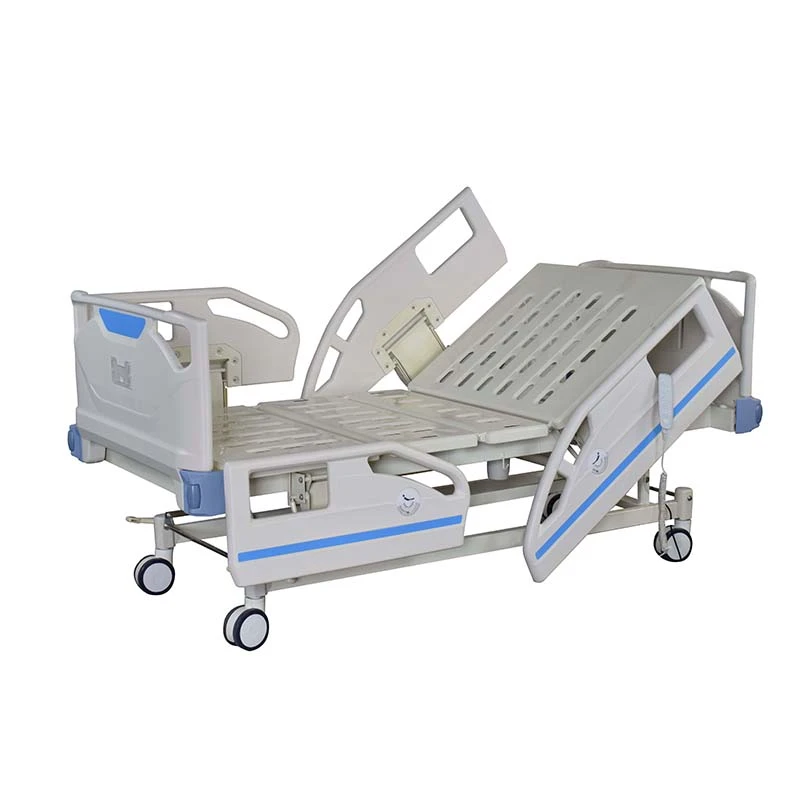
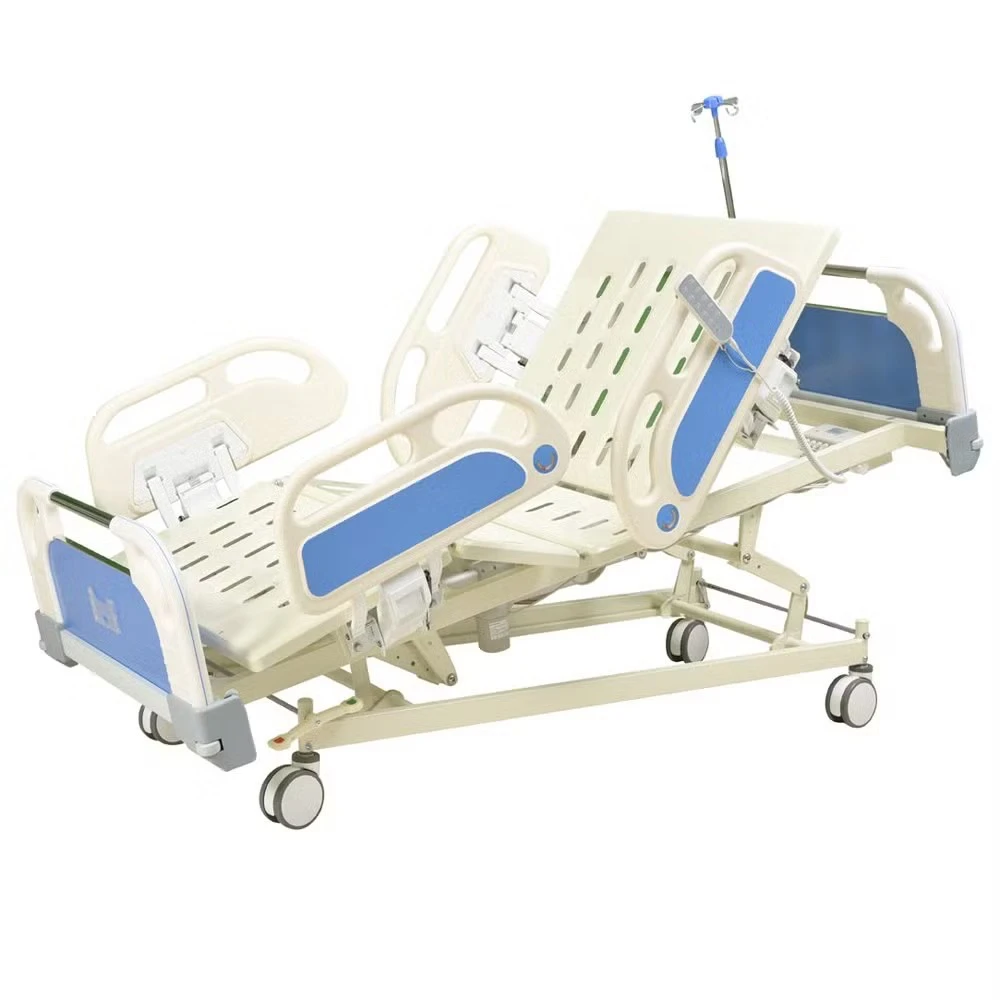
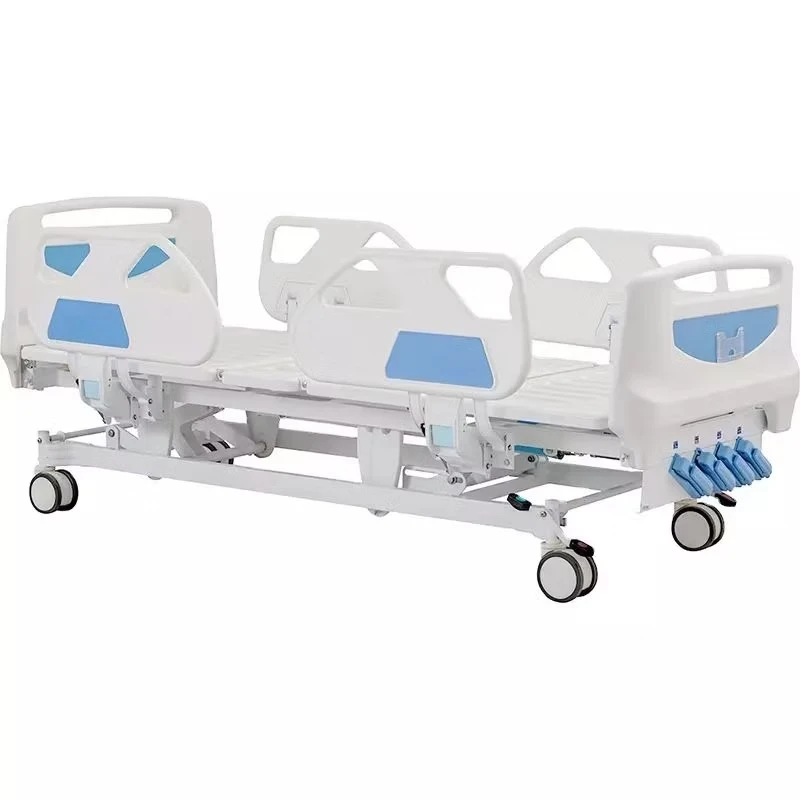
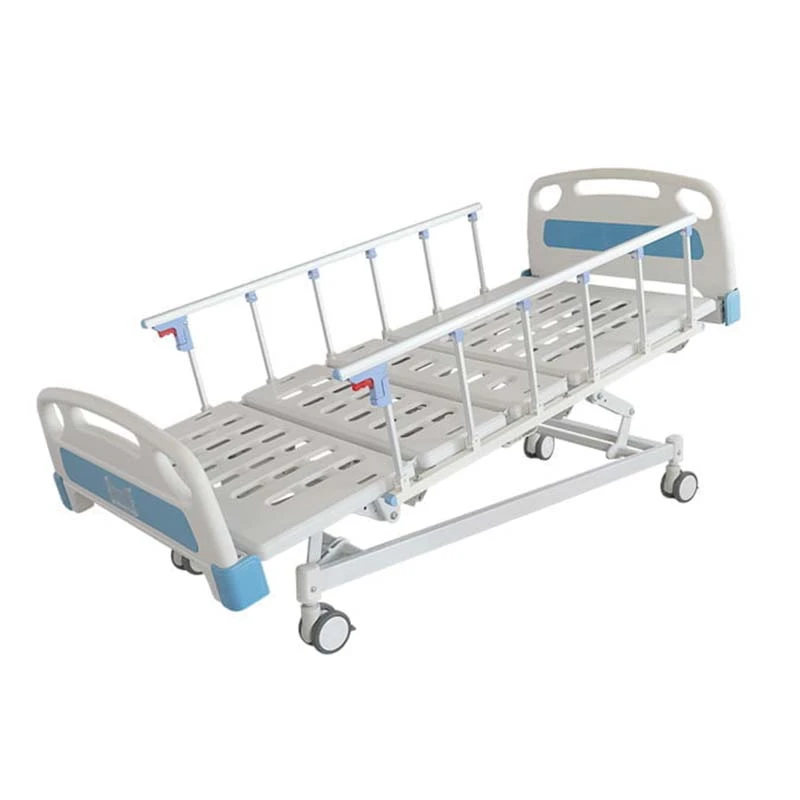
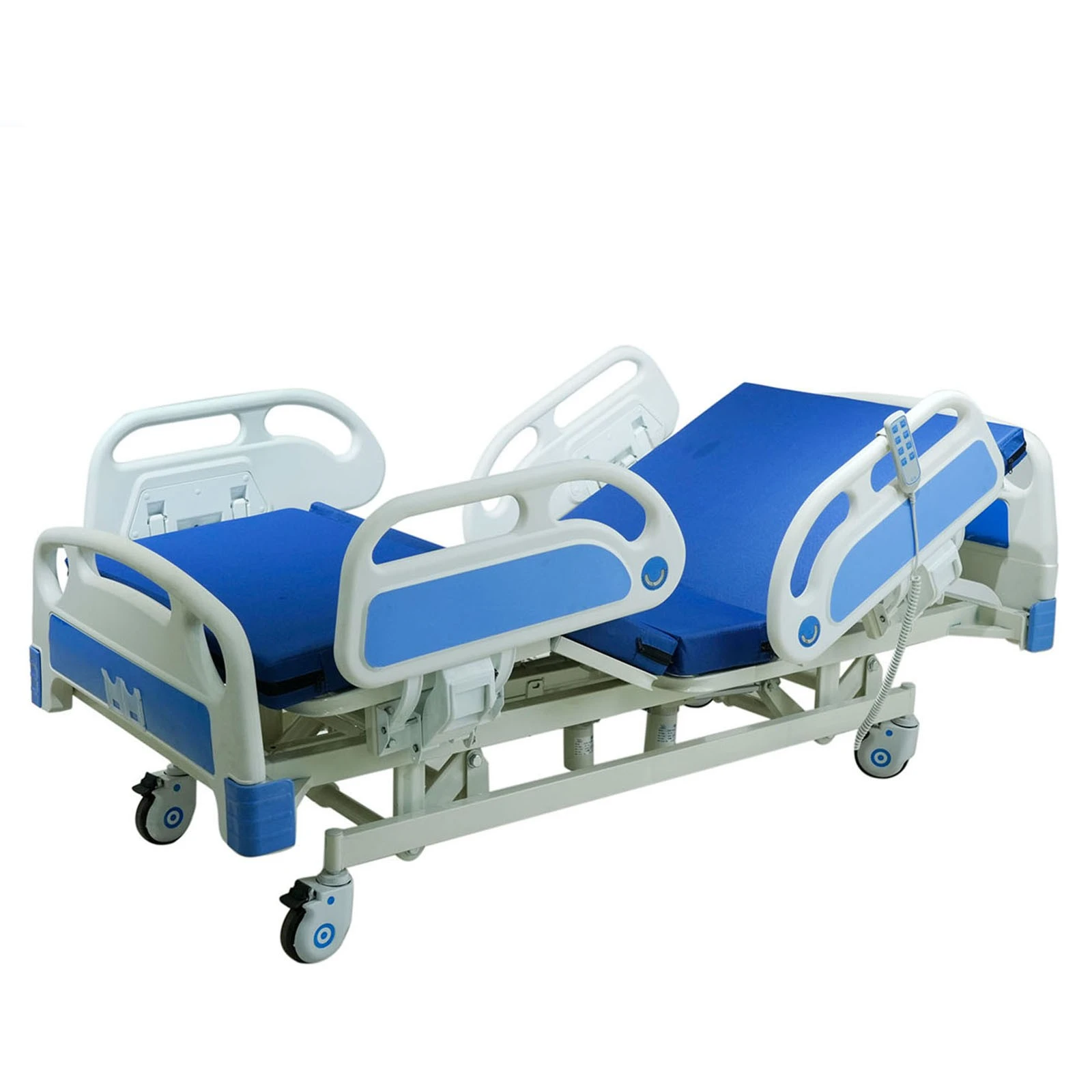
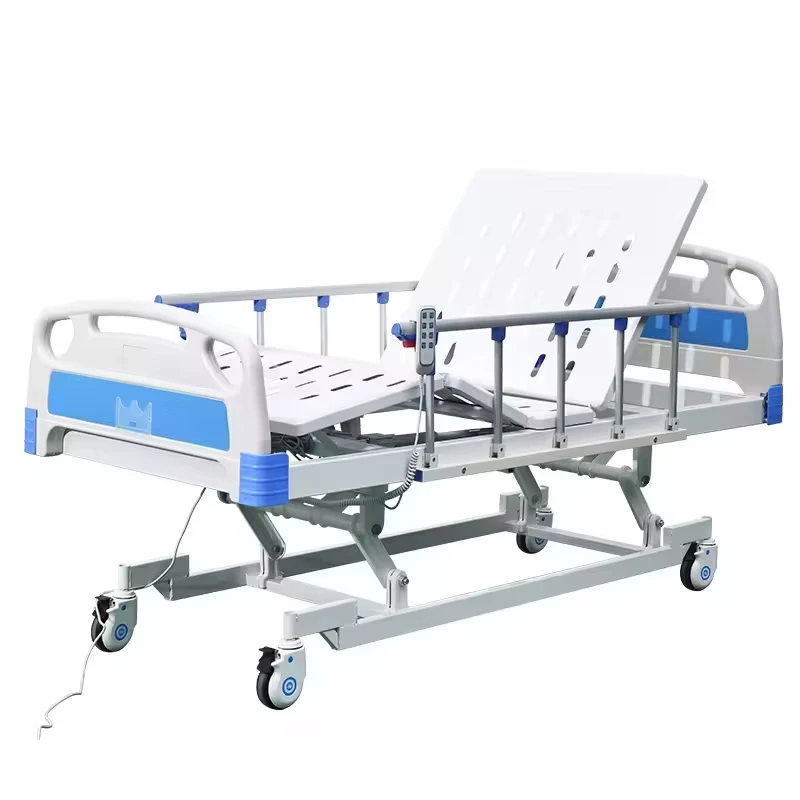
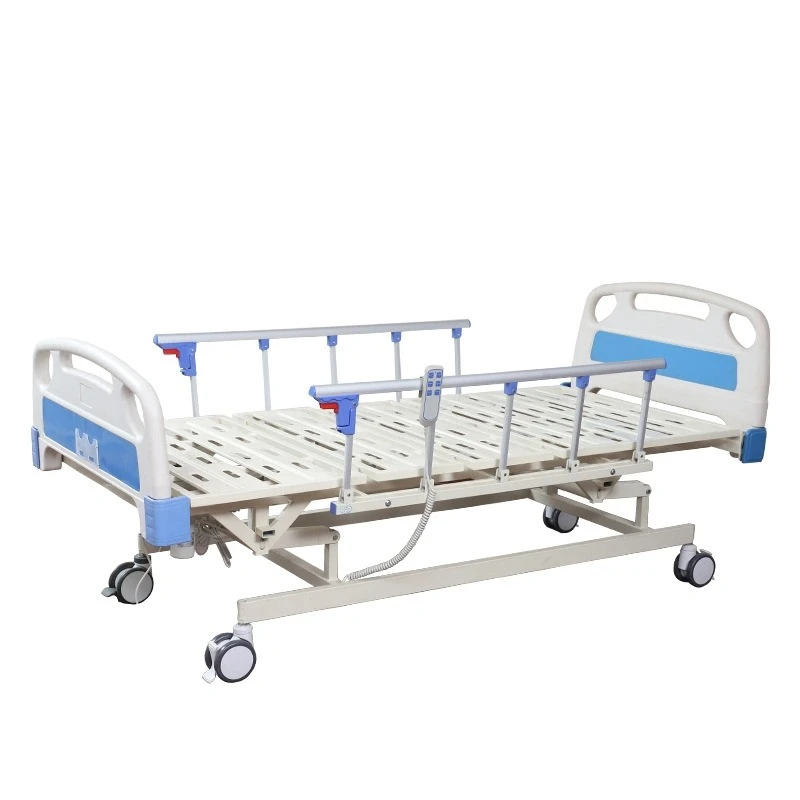
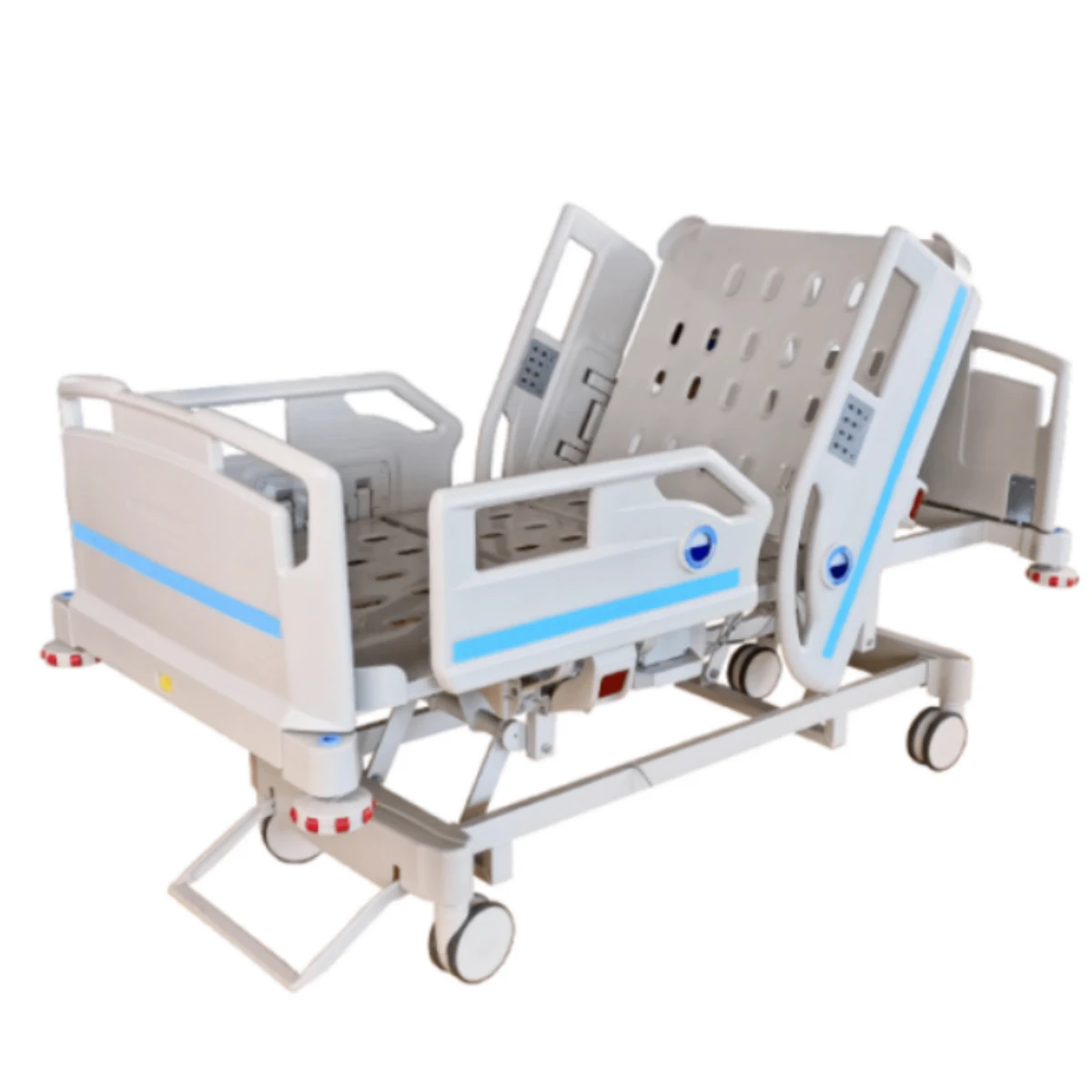
An Integrated Height-Adjustable and Rotating Hospital Bed is designed to combine height adjustment and rotation to support different patient care requirements. Height adjustment allows the bed surface to be raised or lowered according to the needs of patients and caregivers. The rotating function can assist with repositioning, depending on the specific product design and its operating mechanism.
Compared with conventional hospital beds that may provide only basic height or backrest adjustments, an integrated design can offer additional flexibility for suitable care scenarios. It is particularly worth considering for facilities that provide ongoing assistance to patients with limited mobility.
When evaluating a height-adjustable hospital bed, buyers should review the adjustment range, operating method, frame construction, safety features, and compatibility with their intended care environment. For rotating models, it is also important to understand how rotation is controlled and which patient repositioning tasks the bed is designed to support.
The exact functions and operating procedures vary by model, so healthcare providers should confirm the manufacturer's specifications before selecting a product.
How Height Adjustment Supports Daily Nursing Tasks
Bed height is an important consideration in everyday patient care. When a bed is too low or too high for a particular task, caregivers may need to bend, stretch, or work in uncomfortable positions. An adjustable bed height can help healthcare professionals position the patient at a more suitable working level.
A height-adjustable hospital bed can be useful during routine activities such as assisting patients with personal care, changing bedding, conducting bedside assessments, and helping patients prepare for transfers. The appropriate height depends on the patient's condition, the task being performed, and the caregiver's working position.
For patients who can participate in their own care, a suitable bed configuration may also make certain daily activities more accessible. However, bed height alone does not replace proper transfer techniques, staff training, or other patient handling equipment.
When purchasing an adjustable medical bed, healthcare facilities should check whether the adjustment mechanism is easy to operate, whether the movement is stable, and whether the controls are accessible to authorized users.
Potential Benefits of the Rotating Function
Patient repositioning is an important part of care for individuals who spend extended periods in bed. Depending on the patient's medical condition and mobility level, repositioning may help support comfort, personal hygiene, and prescribed pressure injury prevention routines.
A rotating hospital bed may assist with certain repositioning tasks by changing the patient's position through a built-in rotation mechanism. When appropriately designed and used according to instructions, this function can provide another option for care teams managing patients who require frequent assistance.
Before choosing a rotating medical bed, buyers should determine the intended rotation direction, movement range, operating controls, and patient weight capacity. They should also ask whether the rotation function is suitable for the specific patient groups and care procedures involved.
It is important to recognize that a rotating bed does not automatically prevent pressure injuries or eliminate the need for hands-on care. Patient positioning schedules, skin assessments, clinical judgment, and individualized care plans remain essential.
Improving Patient Comfort and Accessibility
Comfort is a major consideration when selecting hospital beds. Patients may spend considerable time in bed during treatment, recovery, or long-term care. A bed that supports appropriate positioning and offers convenient adjustment options can contribute to a more manageable care experience.
An Integrated Height-Adjustable and Rotating Hospital Bed may provide flexibility for different care situations by allowing the bed height to be adjusted and the patient's position to be changed when the model's design permits. These functions can be especially relevant when care requirements change throughout the day.
Comfort also depends on other factors, including mattress compatibility, bed dimensions, side rail design, noise during operation, and the patient's individual needs. Buyers should assess these details together rather than selecting a bed based on a single feature.
For healthcare facilities, a practical approach is to compare product specifications against their patient profiles, room layouts, and daily care procedures before placing an order.
Supporting Caregiver Efficiency
Nurses and caregivers handle a wide range of tasks throughout each shift. Equipment that allows suitable adjustments may help them organize bedside care more efficiently and reduce unnecessary repositioning of equipment.
A rotating hospital bed with an integrated height adjustment function may be worth evaluating in settings where patient repositioning and frequent bedside access are routine requirements. By bringing multiple functions together, an integrated design may simplify equipment selection and support consistent care workflows.
Nevertheless, the actual efficiency gains depend on the bed's design, the patient's condition, staff training, and the facility's operating procedures. Healthcare organizations should review the user interface, maintenance requirements, cleaning access, and ease of movement before deciding whether a particular model is appropriate.
A demonstration or detailed technical specification can help buyers understand how the bed operates in real care environments.
Important Safety Features to Evaluate
Safety should be a priority when purchasing any hospital bed for patient care. Adjustable and rotating mechanisms introduce moving parts that must operate reliably and be used according to the manufacturer's instructions.
Key considerations include frame stability, safe working load, side rail configuration, locking mechanisms, accessible emergency controls where applicable, and protection against unintended movement. Facilities should also confirm whether the bed is compatible with the intended mattress and any additional accessories.
The rotating function deserves particular attention. Buyers should understand the operating sequence, restrictions on use, and precautions required before movement begins. Care staff should receive appropriate training, and patients should be assessed individually to determine whether a rotating bed is suitable for them.
Regular inspection and preventive maintenance are also important. Healthcare facilities should follow the manufacturer's guidance for checking mechanical components, electrical systems where present, and other safety-related parts.
Choosing a Reliable Medical Bed Manufacturer
Product performance depends not only on design but also on manufacturing consistency, material selection, assembly quality, and inspection procedures. For hospitals and medical equipment distributors, choosing a reliable medical hospital bed manufacturer is an important part of procurement.
Hebei Zhaofa Technology Co., Ltd. is a medical equipment manufacturer founded in 2014 in northern China. The company specializes in hospital beds, hydraulic lift transfer equipment, bedside cabinets, wheelchairs, walkers, crutches, and other medical care products.
Its production facilities cover approximately 5,000 square meters and employ more than 60 people. The company operates dedicated production areas, including welding workshops, a spray workshop, a shot-blasting workshop, and packaging workshops. This manufacturing setup supports its production processes and product quality management.
Hebei Zhaofa Technology emphasizes strict quality inspection and the manufacture of products designed around international standards. Most of its products have ISO 13485 and CE certification, according to the company's product and certification information. Buyers should verify the certification status and scope applicable to the specific model they intend to purchase.
When evaluating a supplier, customers should also ask about customization options, order quantities, lead times, packaging, spare parts, after-sales support, and export documentation.
Where Integrated Hospital Beds May Be Used
Depending on the product specification and applicable medical requirements, an integrated adjustable and rotating bed may be considered for hospitals, rehabilitation facilities, nursing institutions, and other care environments where patients need assistance with positioning.
Different settings have different priorities. Acute-care hospitals may focus on patient handling and compatibility with clinical workflows. Rehabilitation facilities may consider ease of access and transfer support. Long-term care providers may pay particular attention to comfort, routine cleaning, durability, and maintenance.
Not every rotating bed is appropriate for every patient or facility. Buyers should confirm the intended use, applicable regulations, and clinical suitability with the manufacturer and relevant healthcare professionals.
Conclusion
An Integrated Height-Adjustable and Rotating Hospital Bed combines two functions that may support patient positioning and daily nursing activities. Height adjustment can help caregivers establish a suitable working level, while the rotating mechanism may assist with specific repositioning tasks when used appropriately.
For healthcare providers and medical equipment distributors, selecting the right model requires careful evaluation of safety, functionality, patient needs, manufacturing quality, and after-sales support.
With experience in medical equipment manufacturing since 2014, Hebei Zhaofa Technology Co., Ltd. offers a range of products, including hospital beds and patient care equipment. By reviewing product specifications and confirming requirements with the manufacturer, buyers can make a more informed decision about the hospital bed best suited to their facility.