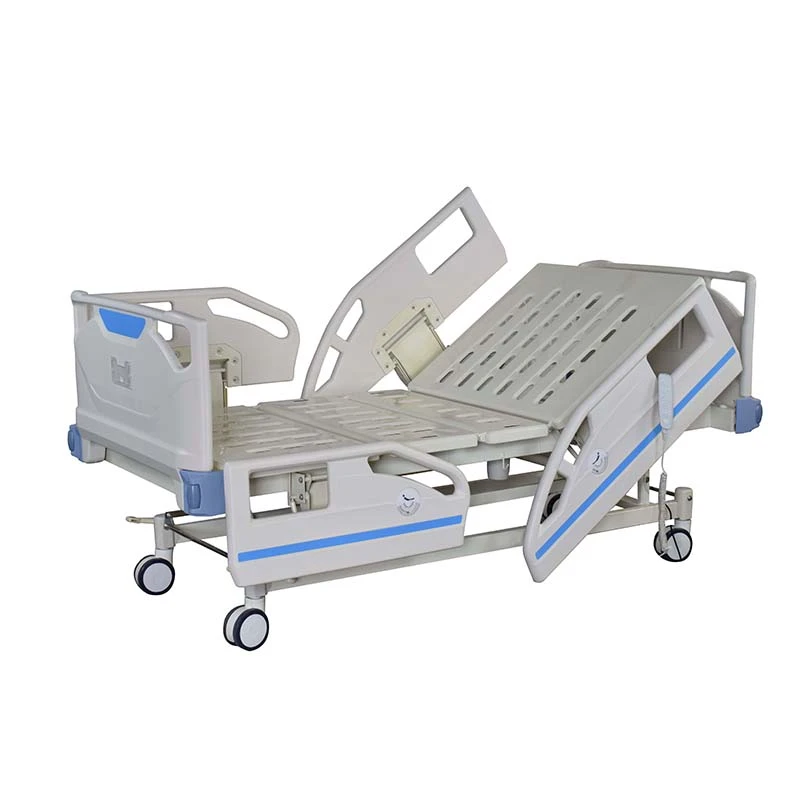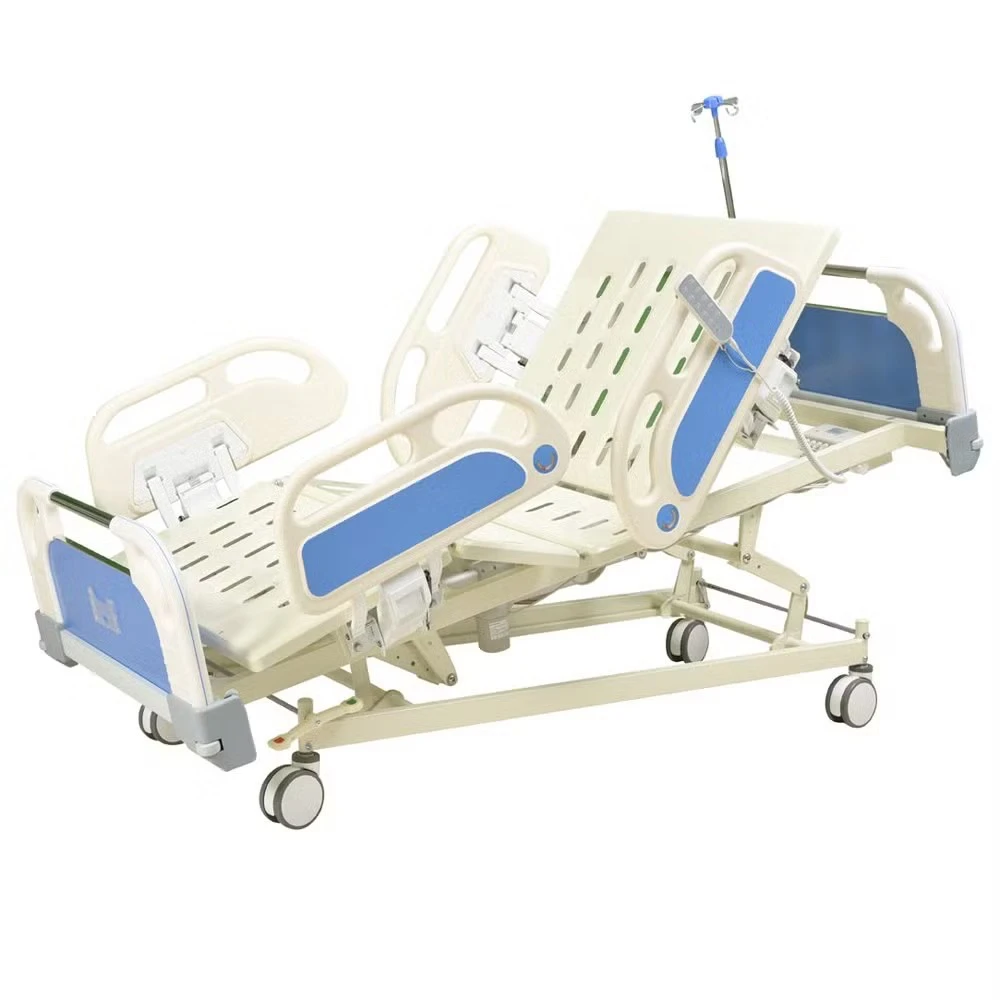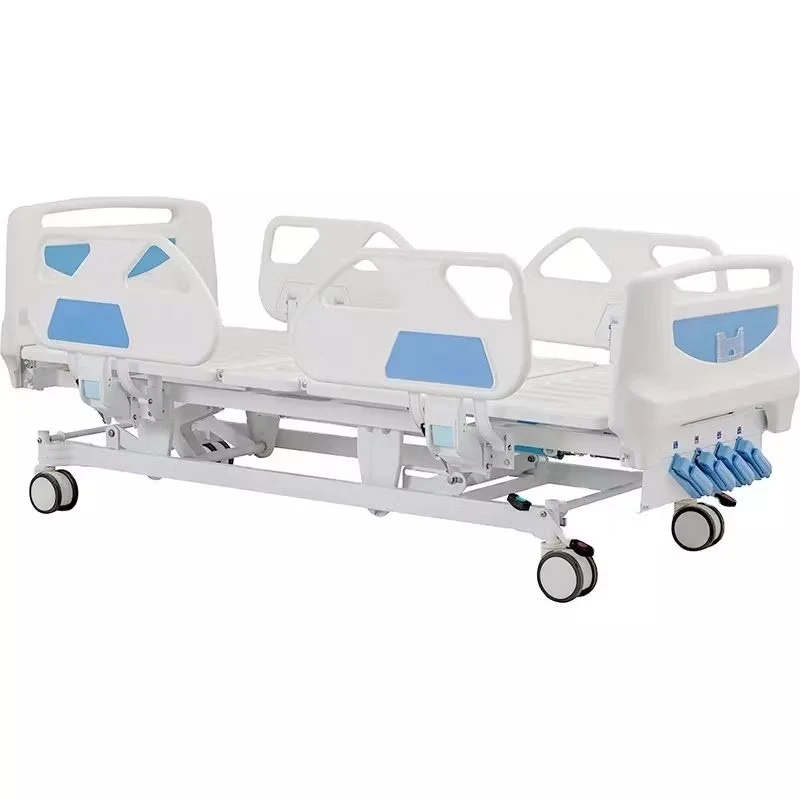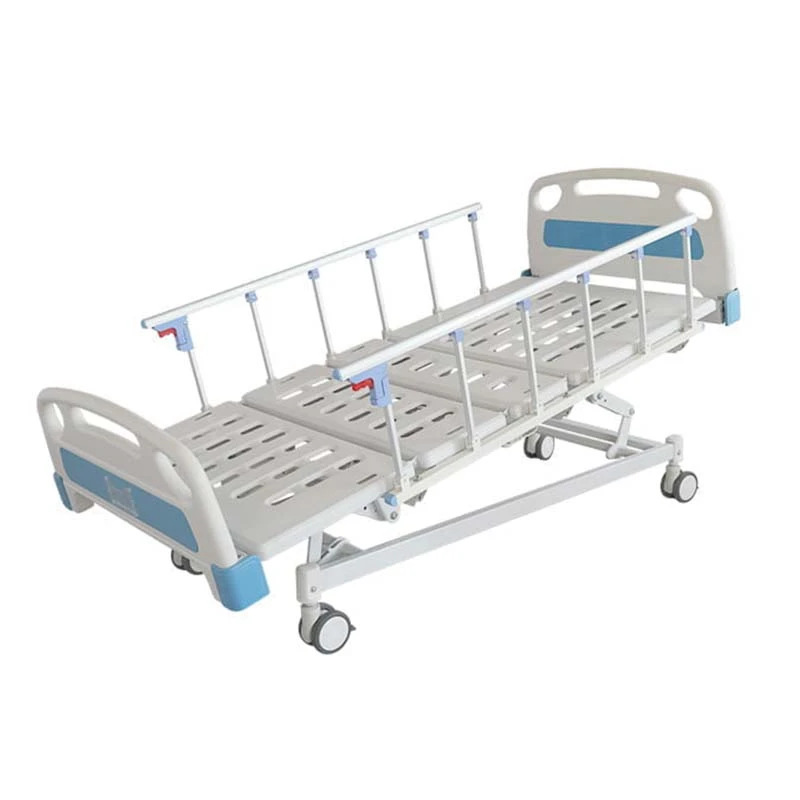
Understanding NICU Bed Price: Insights on Cost, Features & Global Impact
Understanding NICU Bed Price: Why It Matters in Modern Healthcare
When you hear about NICU bed price, it might sound like just a number—a cost tag on a piece of hospital equipment. But in reality, it’s so much more. These beds represent critical life support infrastructure for newborns in neonatal intensive care units worldwide. Knowing what drives their pricing helps hospitals, healthcare providers, and even governments make better decisions on investments that directly impact infant survival rates. Plus, with the increasing demand for specialized neonatal care, understanding cost dynamics can shed light on accessibility and technological innovation in this field.
Frankly, behind each NICU bed price is a story of engineering precision, regulatory compliance, and the kind of durability that can support life at its most fragile. If we grasp these, it paves the way for smarter procurement that balances budgets with patient safety. So let’s dive in, and unpack this critical topic—hopefully, with a bit of human touch along the way.
The Global Context: Why NICU Bed Price Is More Than Just a Cost
Globally, neonatal mortality remains a compelling challenge. According to the UNICEF, about 2.4 million children died in their first month of life in 2022. Such staggering numbers urge healthcare infrastructures worldwide to upgrade and optimize neonatal care units — and that’s where NICU beds come in.
But here’s the rub: NICU beds aren’t standardized commodities you buy like a loaf of bread. Their prices fluctuate based on supply chain issues, tech embedded, and how healthcare systems prioritize newborn care budgets. World Bank data suggests that investments in neonatal equipment directly correlate with better survival statistics, but hospital administrators frequently grapple with budget constraints. Thus, understanding the nicu bed price globally is essential to balancing care quality with financial realities.
What Exactly Does “NICU Bed Price” Mean?
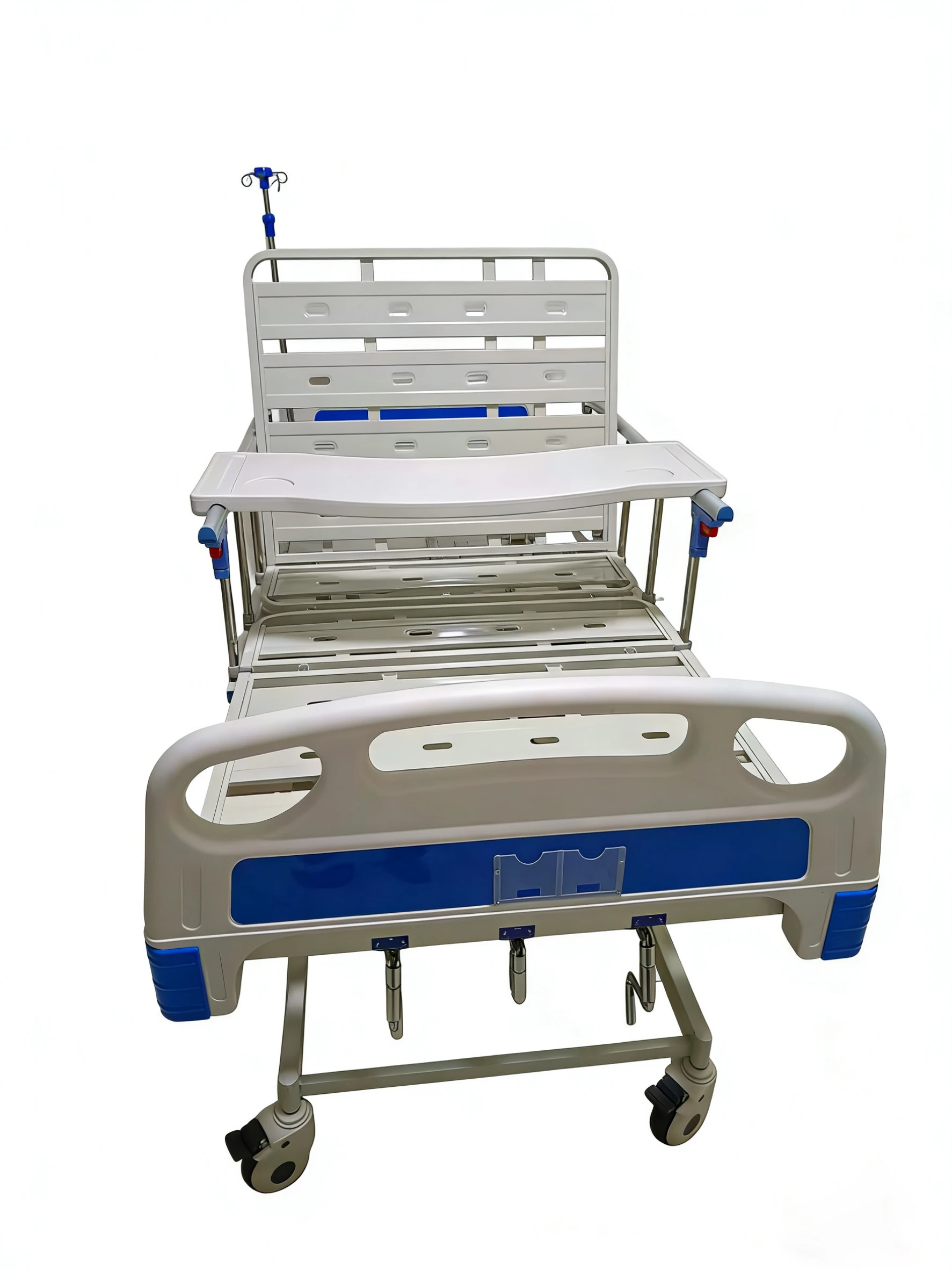
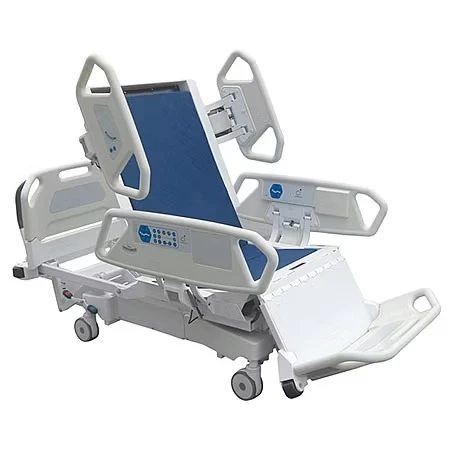
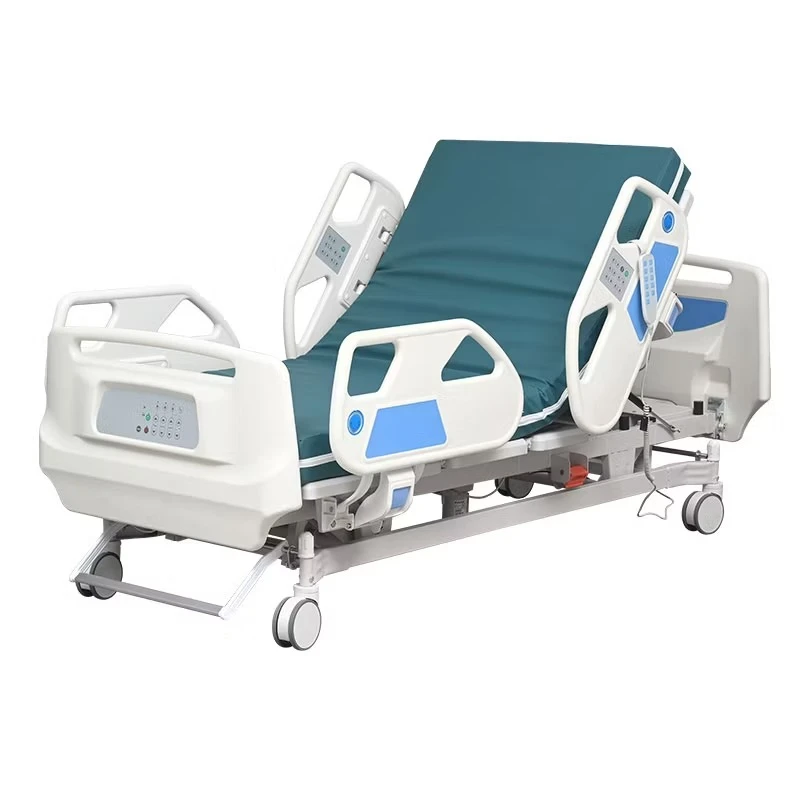
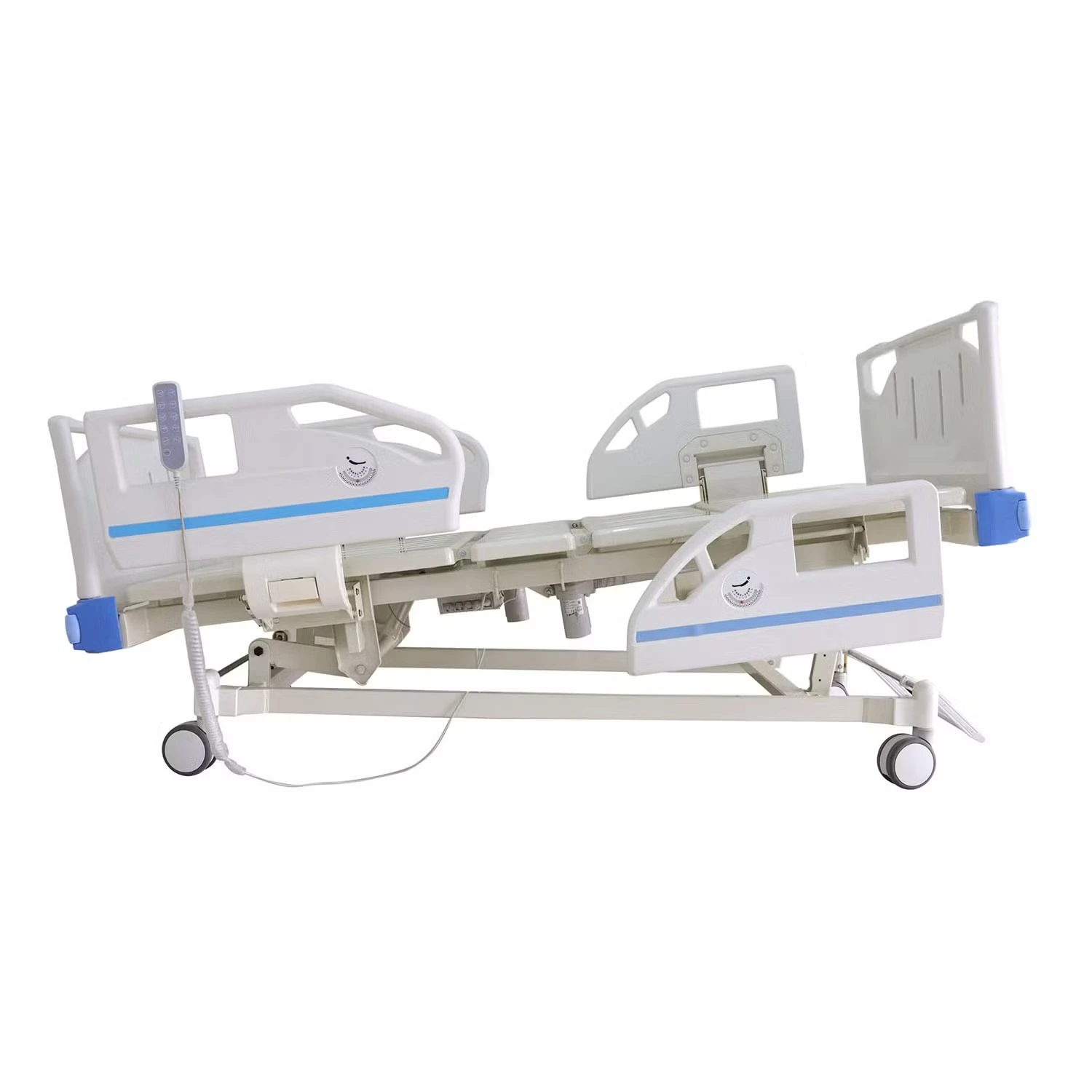
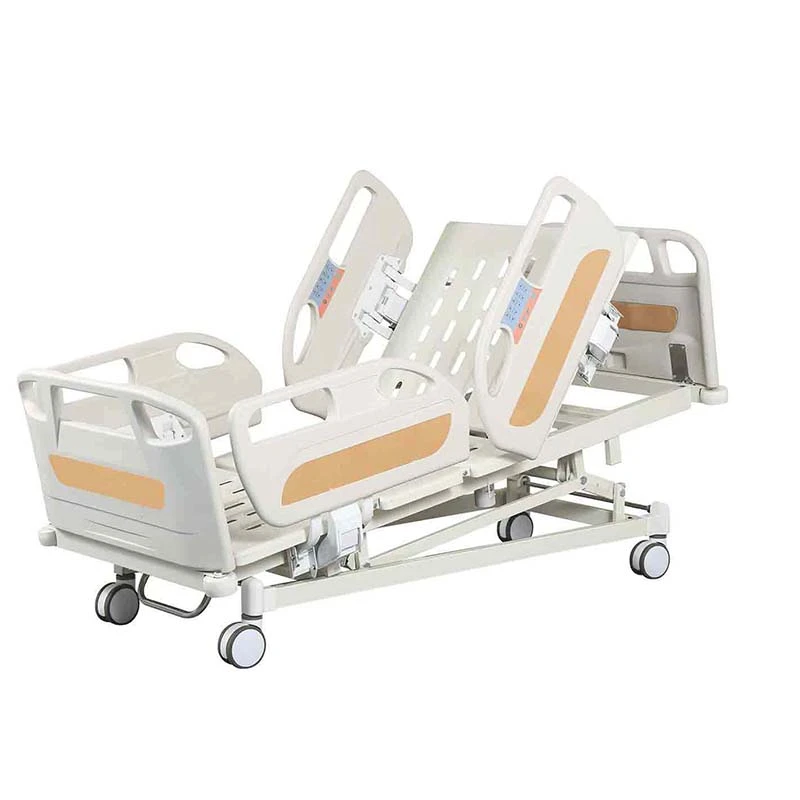
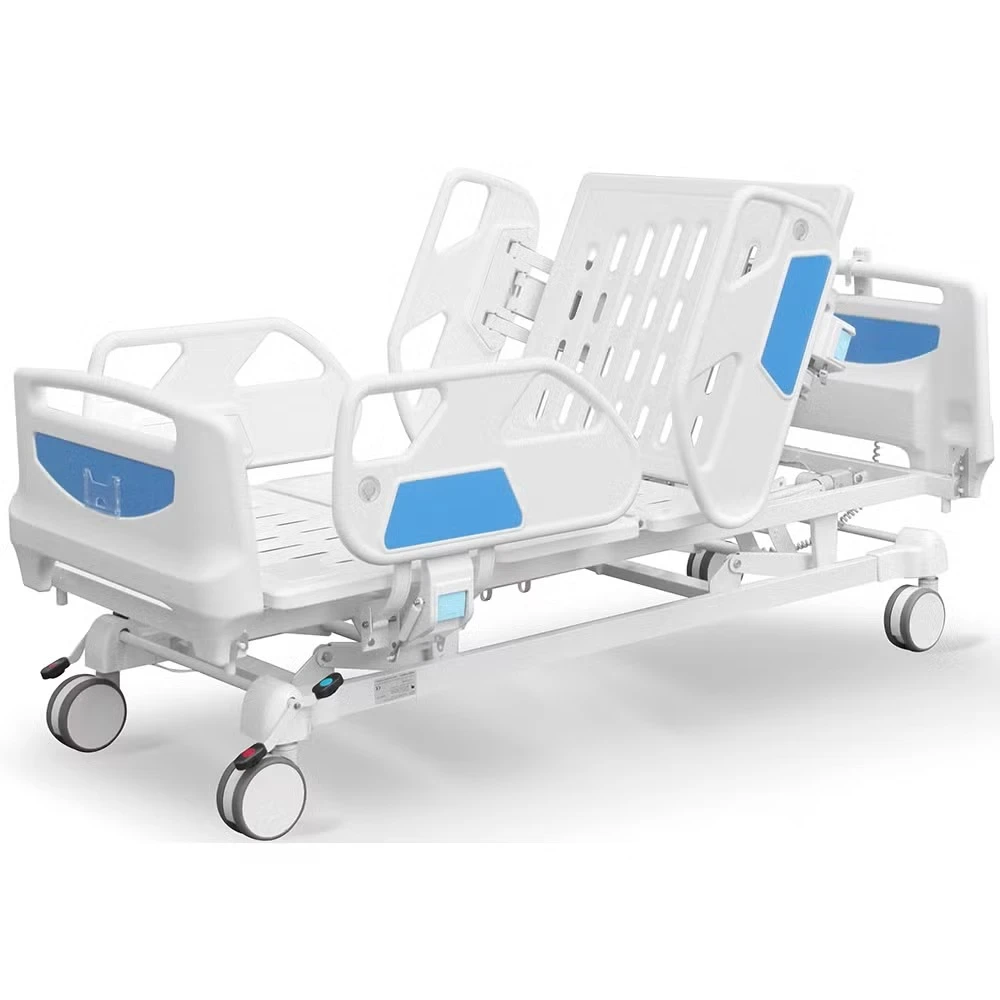
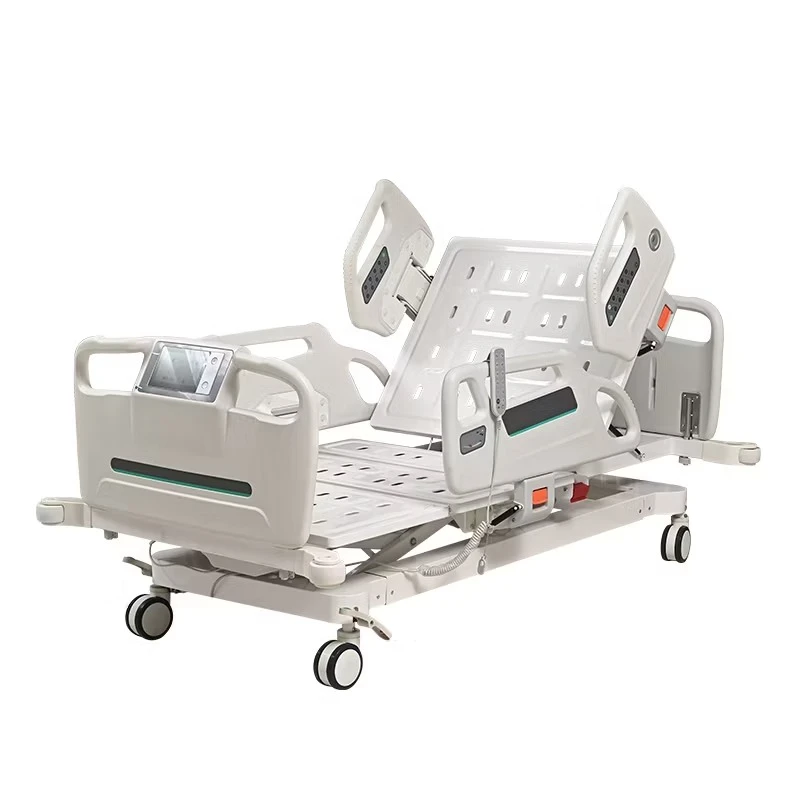
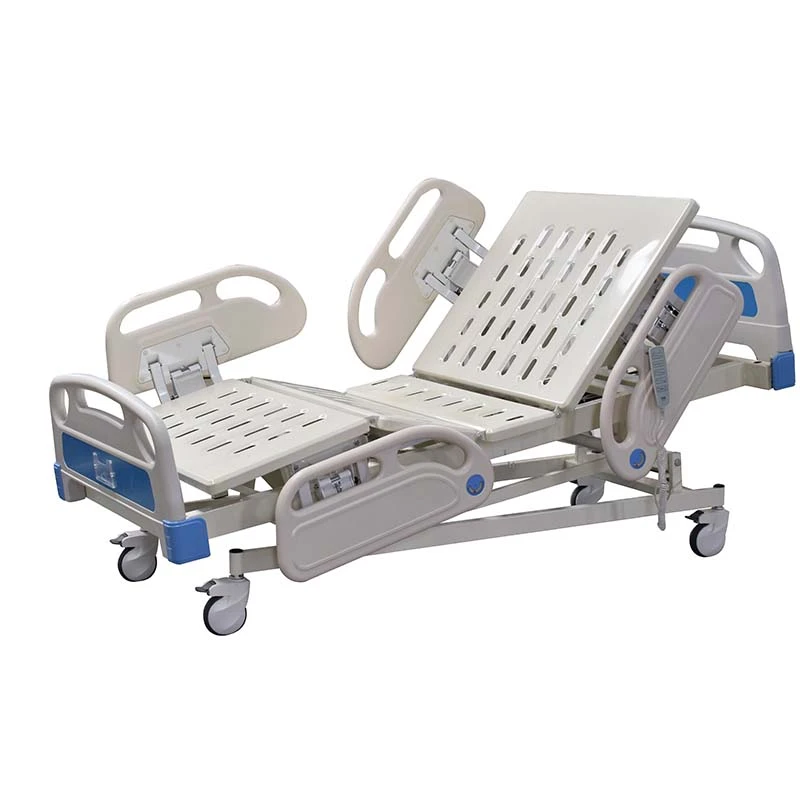
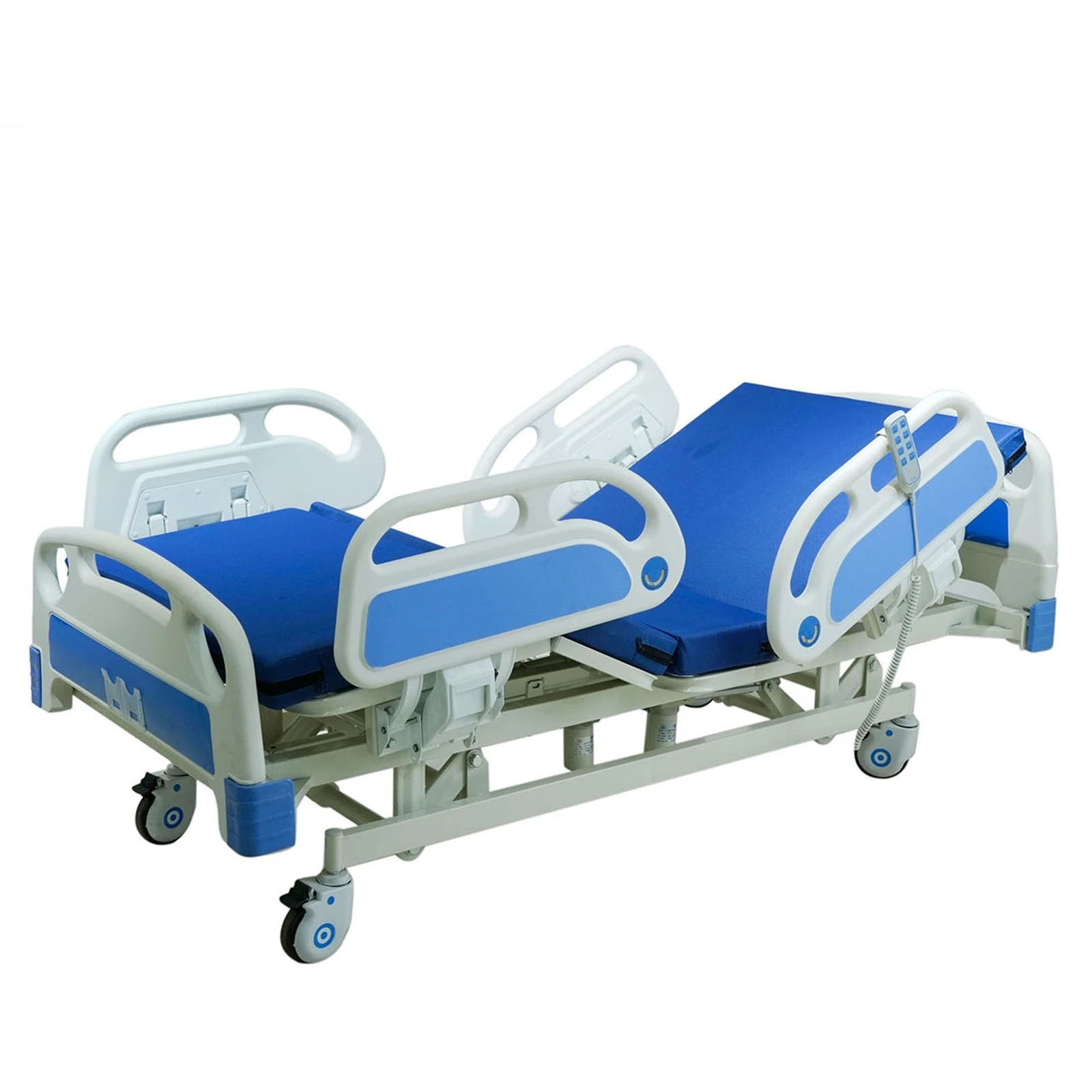
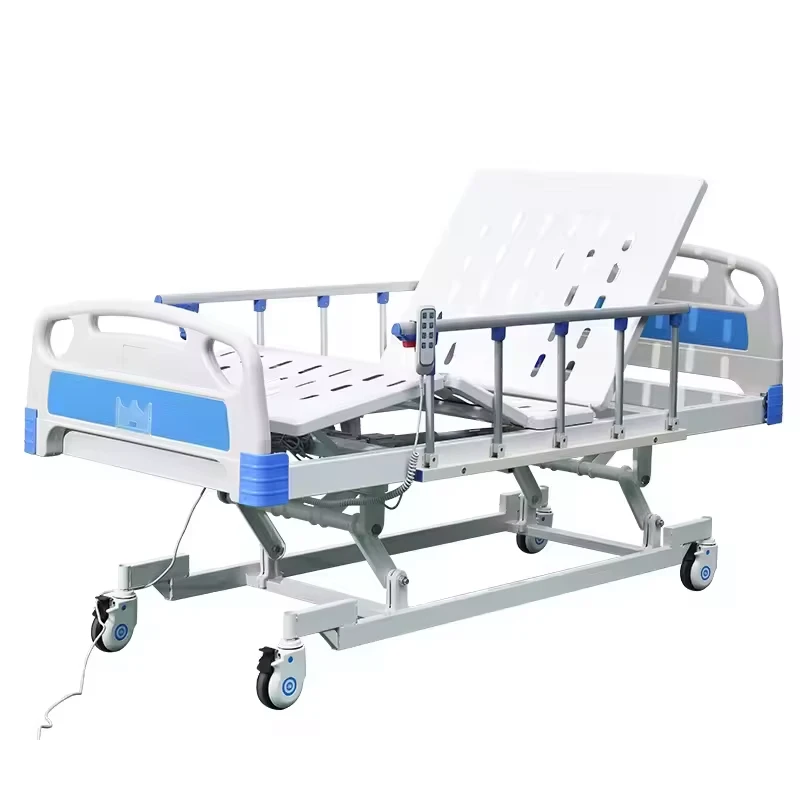
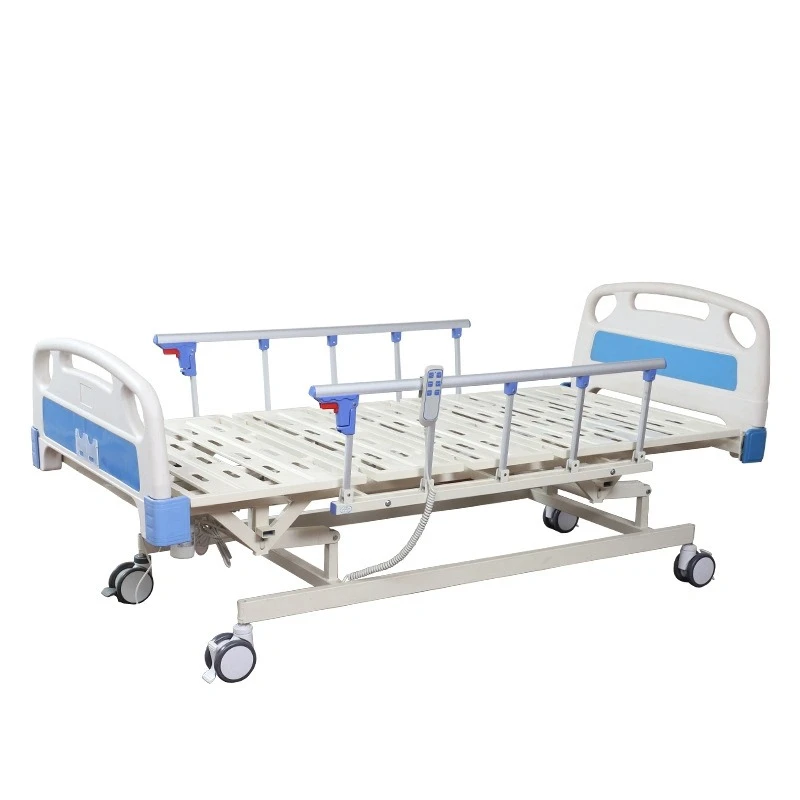
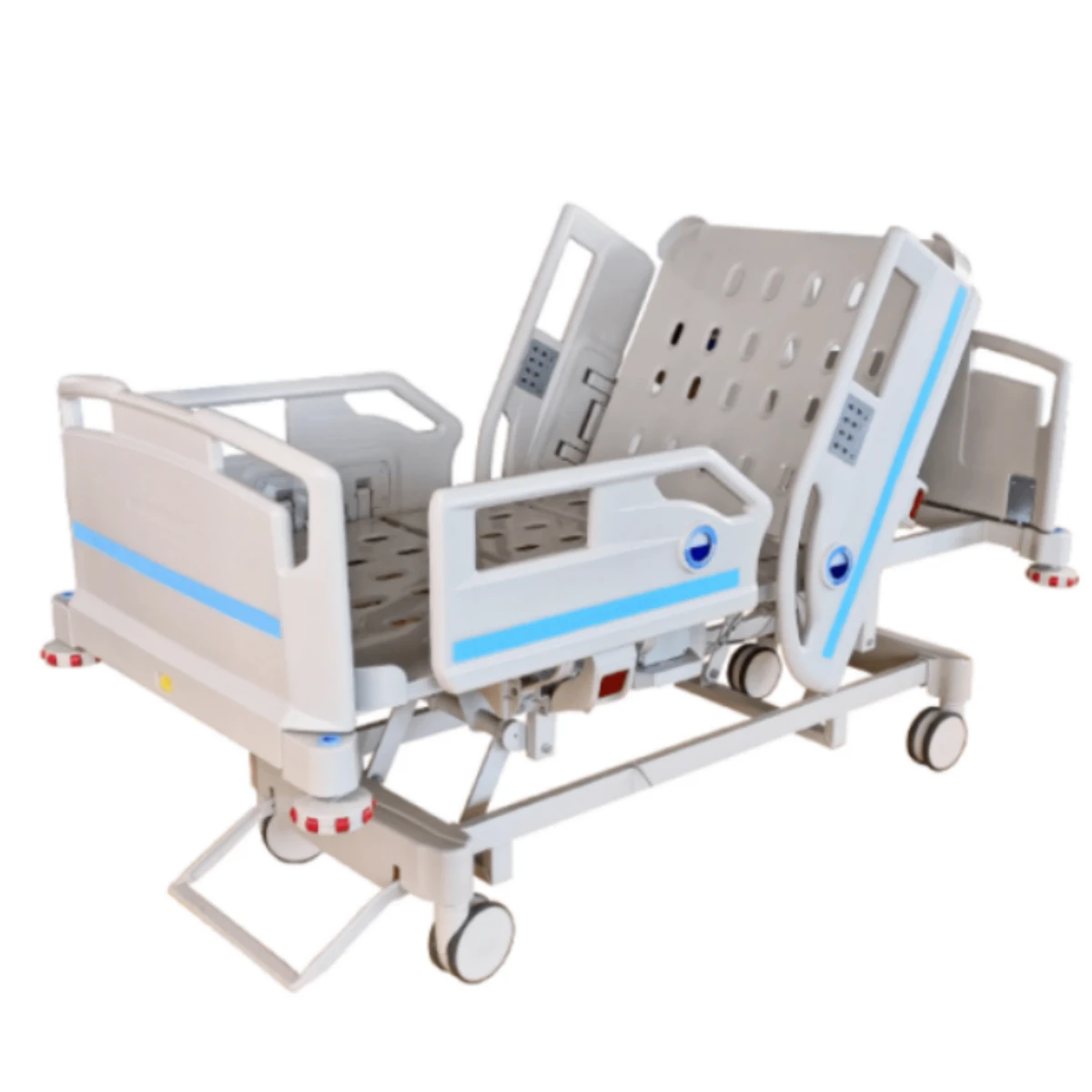
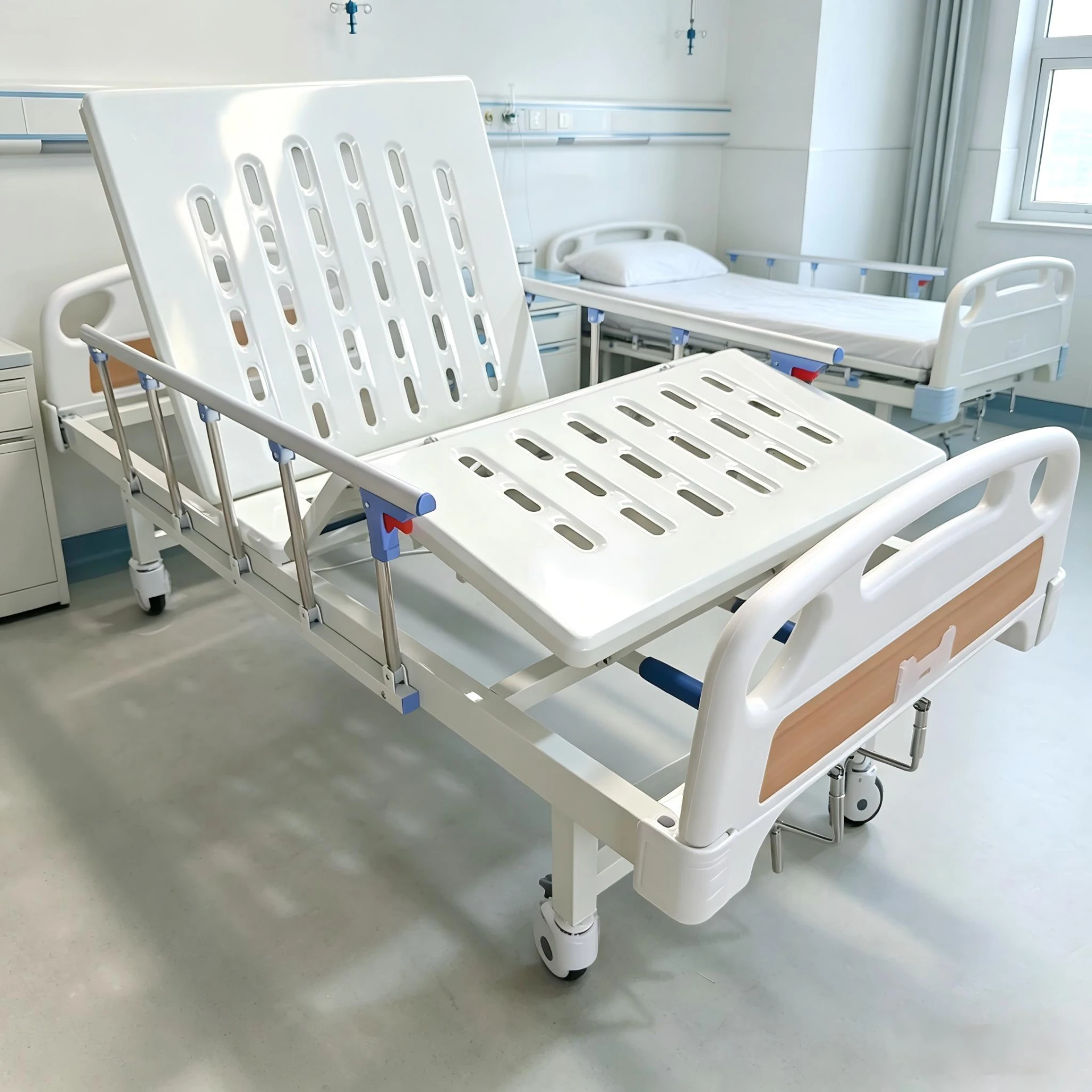
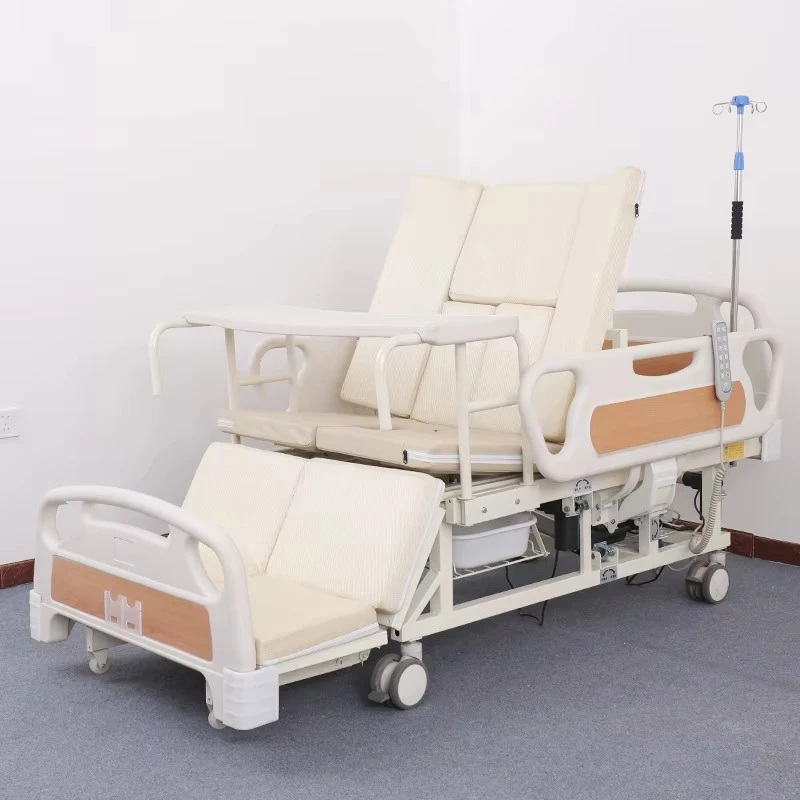
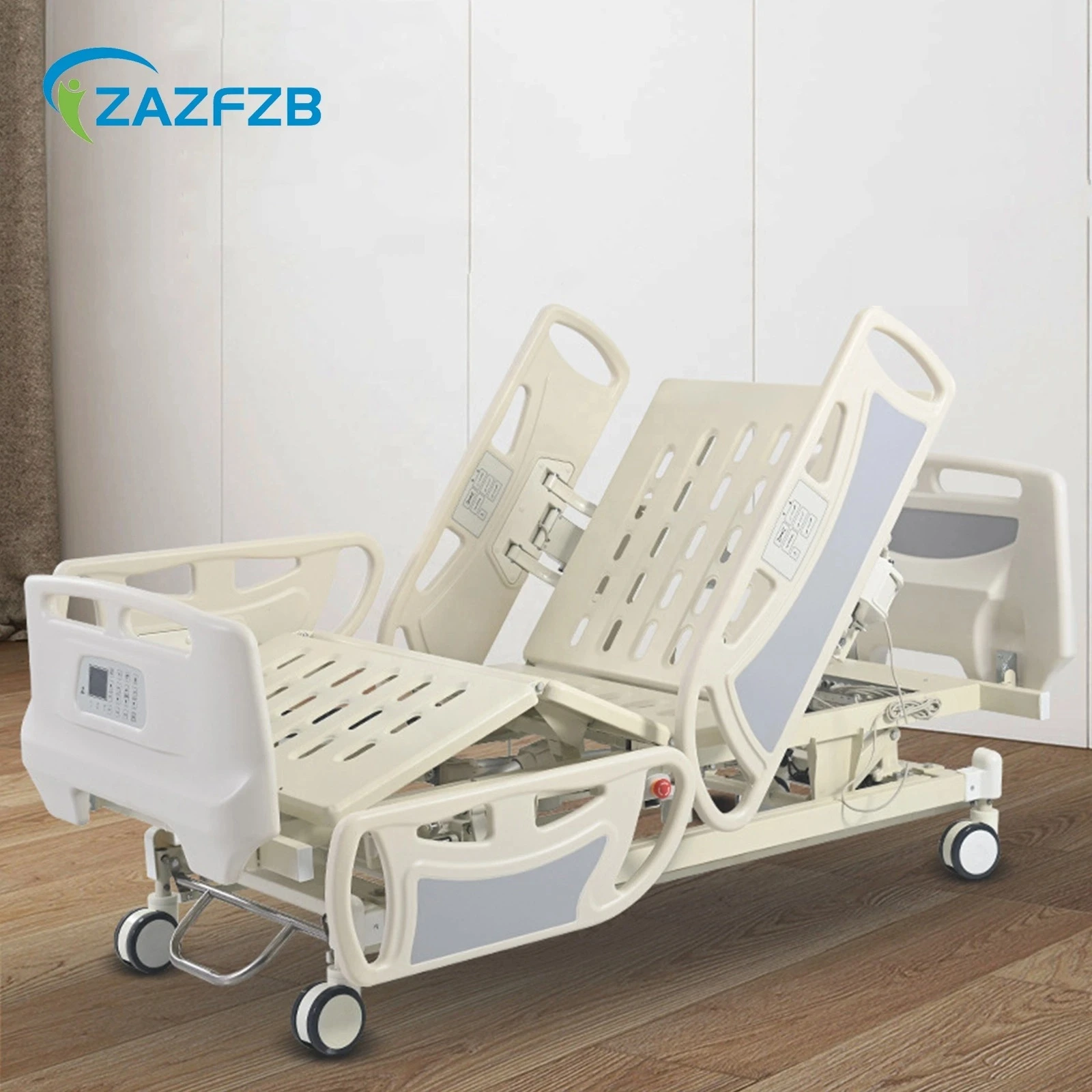
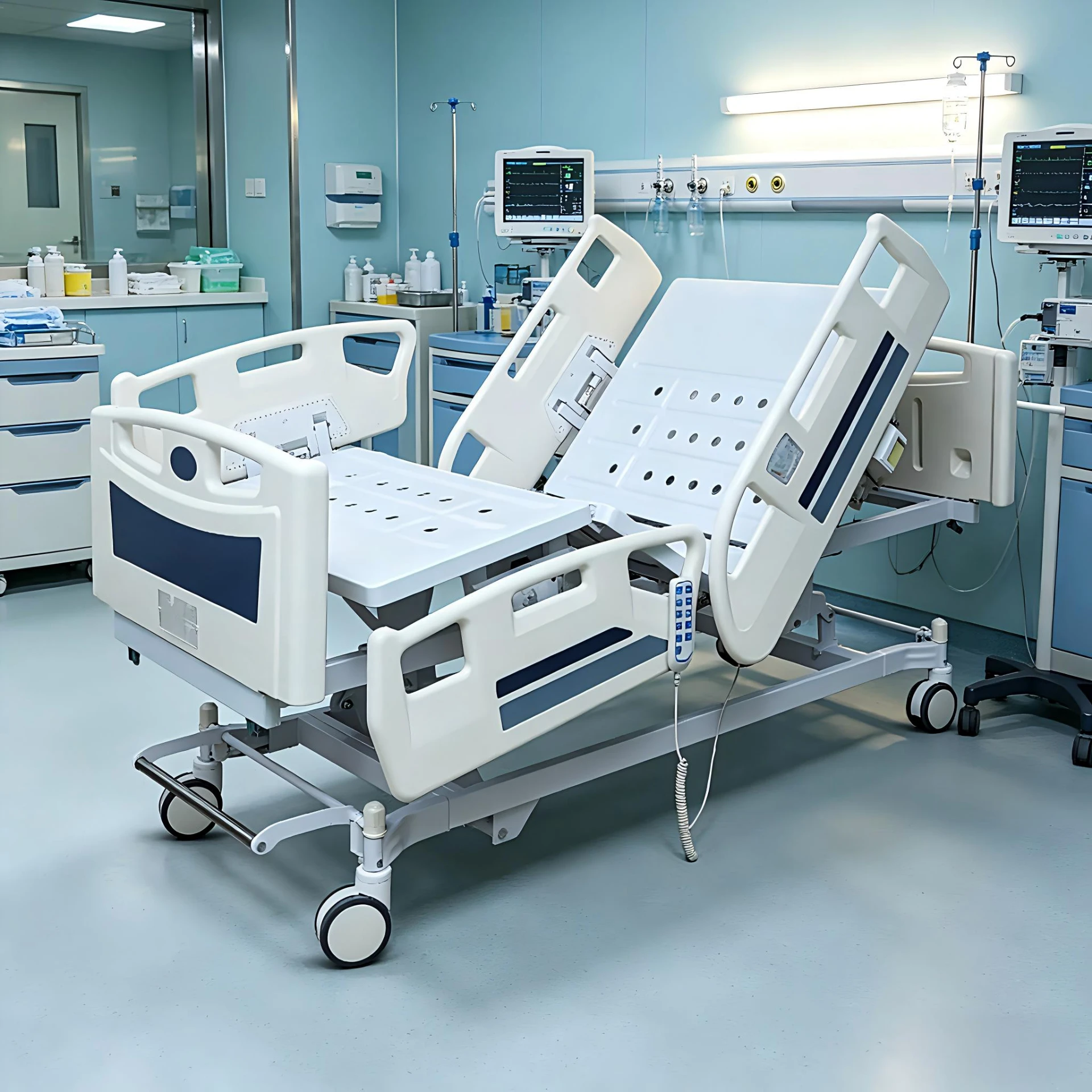
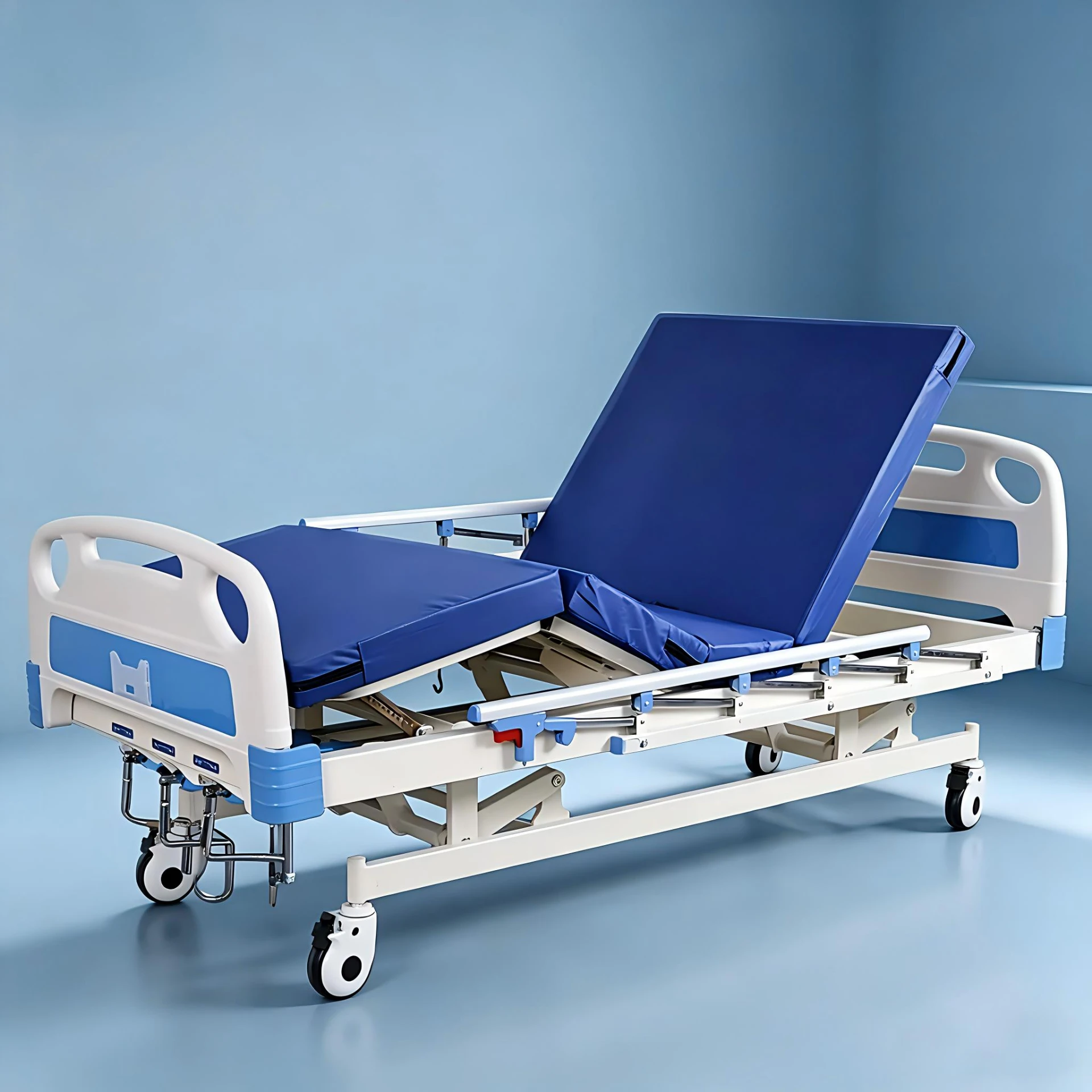
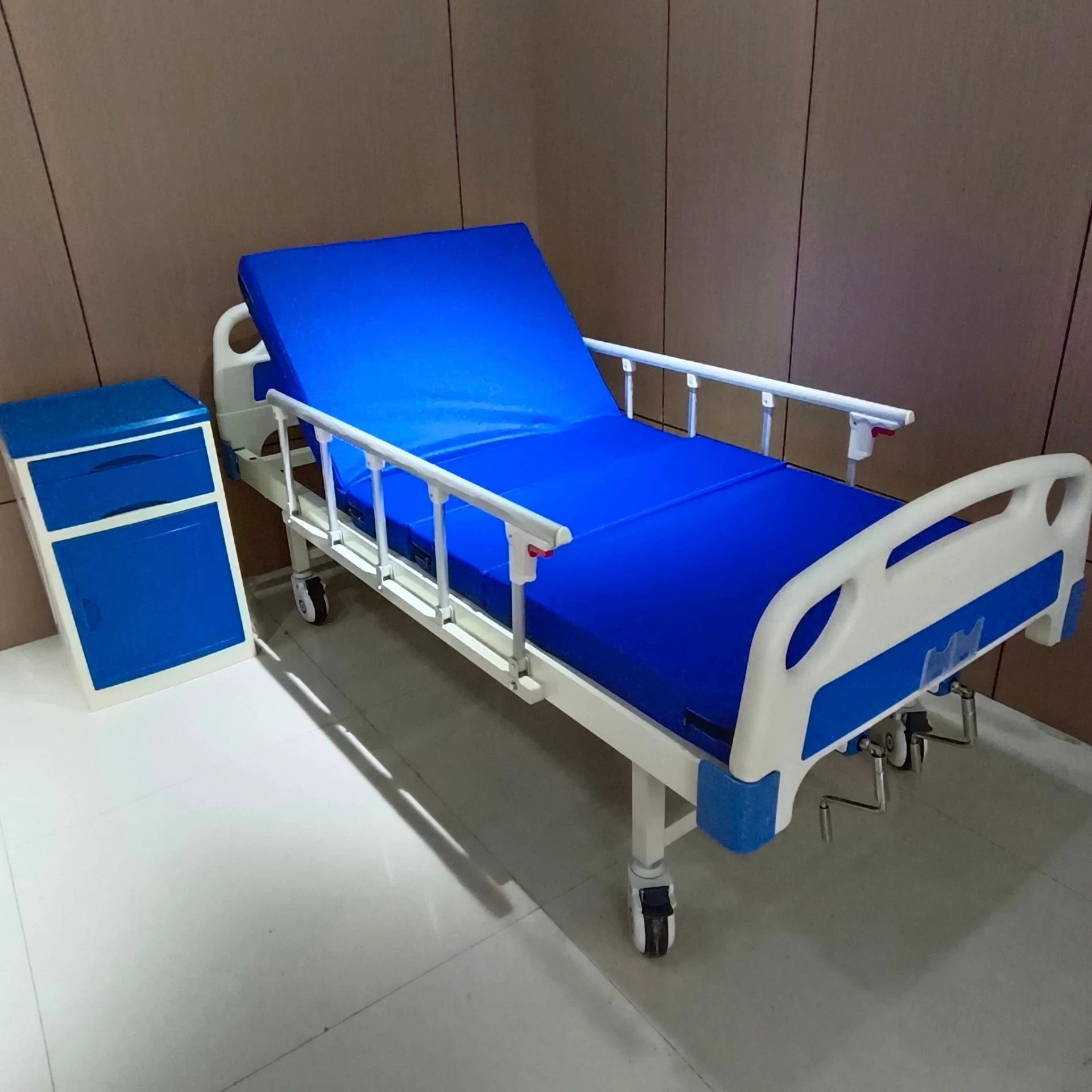
Simply put, nicu bed price refers to the monetary cost for a neonate care bed equipped with specialized features to monitor and support critically ill newborns. These beds are not ordinary hospital beds — they often include temperature regulation, built-in monitoring systems, adjustable positions, and compatibility with ventilation or IV systems.
Close to the heart of modern healthcare, these beds are where life-saving interventions happen. Their price tags often reflect the sophistication of the technology and safety certifications they carry. Hospitals in emerging markets, humanitarian organizations, or even post-disaster relief efforts must understand these price nuances for effective budgeting and aid delivery.
Key Factors Driving NICU Bed Price
1. Technology and Features
Many NICU beds today come with embedded digital monitors, alarms, adjustable heights, warming systems, and antimicrobial surfaces. Each tech upgrade adds to the base cost— and, frankly, some manufacturers push the price up with fancy extras that may or may not be practical in every setting.
2. Durability and Material Quality
Stainless steel frames, medical-grade plastics, and cushioned mattresses that endure constant cleaning protocols all contribute to longevity—and, naturally, a higher initial expense. Durable materials reduce replacement frequency, which long-term makes economic sense for hospitals.
3. Compliance and Certifications
Healthcare devices need approval from agencies like the ISO or FDA for safety standards. This certification process pushes production costs up but ensures patient safety—a non-negotiable factor.
4. Scalability and Customization
Some NICU beds are modular, allowing hospitals to add on accessories or swap out components. Hospitals with expanding neonatal care programs might pay more upfront but benefit from customization flexibility.
5. Logistics and After-Sales Support
Transportation, installation, staff training, and warranty coverage shape the final price. Especially for remote or resource-limited regions, these “hidden costs” can swing the overall expense noticeably.
Mini takeaway: NICU bed price hinges on a blend of tech sophistication, material quality, compliance, flexibility, and support services that ensure not just the bed but the whole care experience.
Where NICU Beds Make a Difference: Global Applications and Use Cases
From high-tech hospitals in Europe to makeshift clinics in disaster-stricken parts of Southeast Asia, NICU beds serve as cornerstones in newborn care. For instance:
- Post-Disaster Relief Operations: After natural disasters, rapid deployment of NICU beds integrated with portable incubators supports fragile infants displaced or affected by crisis.
- Rural and Remote Healthcare: In regions across Africa and South America, NGOs often invest in NICU beds that balance cost with reliability, ensuring babies have access to quality care even in tough environments.
- Urban Medical Centers: Advanced NICU beds enable complex interventions, continuous monitoring, and connection to centralized electronic health record systems for superior neonatal outcomes.
Again, when scrutinizing nicu bed price, these diverse settings underscore the need for versatile pricing models sensitive to local realities.
Why Is Investing in NICU Beds Worth It? Advantages & Long-Term Value
I’ve noticed many healthcare administrators wrestle with initial costs without fully realizing the long-term benefits. Here’s why nicu bed price should be seen as an investment, not a mere expense:
- Improved Infant Survival: Properly equipped NICUs drastically increase newborn survival rates and reduce long-term complications.
- Cost Efficiency: Durable, adaptable beds reduce replacement frequency and maintenance bills over years.
- Social Impact: Providing state-of-the-art neonatal care reflects a society’s commitment to child health and dignity.
- Innovation Trust: Using beds with the latest safety features builds confidence among staff and parents alike.
NICU Bed Specification Table
| Specification | Details |
|---|---|
| Bed Frame Material | Stainless Steel |
| Weight Capacity | Up to 15 kg (neonate size limit) |
| Temperature Control | Integrated radiant warmer with precise controls |
| Monitor Compatibility | Pulse oximetry, heart rate, respiratory monitoring |
| Warranty | 2 years – parts and labor |
| Adjustability | Height and inclination electronically adjustable |
Top Neonatal Bed Vendors: A Quick Comparison
| Vendor | Price Range (USD) | Lead Time | Warranty | Global Reach |
|---|---|---|---|---|
| NeoCare Ltd. | $8,000 - $12,000 | 4-6 weeks | 3 years | 120+ countries |
| VitalNeo Systems | $7,500 - $11,000 | 6-8 weeks | 2 years | 95 countries |
| BabySafe Innovations | $9,000 - $13,000 | 3-5 weeks | 3 years | 75 countries |
The Road Ahead: Future Trends in NICU Bed Pricing and Technology
Like many medical devices, NICU beds are on the cusp of exciting innovations. Think digital integration for real-time data sharing with pediatricians miles away, or using sustainable materials to reduce environmental footprint—big or small developments that can shift the nicu bed price in a positive direction.
Automation may also play a growing role, such as intelligent bed sensors that adjust temperature or humidity without manual input. Combine this with global initiatives aimed at reducing infant mortality — and suddenly, investing in better NICU beds becomes a critical public health strategy. Plus, emerging economies are demanding more cost-effective solutions without compromising quality — a tricky balance many manufacturers are beginning to explore.
Challenges in NICU Bed Procurement and Some Solutions
One common challenge is affordability, especially in low-income countries. The upfront cost can stall much-needed NICU expansions. Additionally, maintenance and training remain hurdles that inflate total cost of ownership beyond the simple price tag.
Some experts recommend pooled procurement or government subsidies to ease financial pressure. Others advocate for modular or semi-standardized beds that can be adapted regionally, helping lower costs by economies of scale. Plus, international NGOs often step in to bridge funding gaps with targeted grants.
Frequently Asked Questions About NICU Bed Price
Q1: What factors mostly influence fluctuations in NICU bed price?
A1: The main influencers include technology integration (monitors, warming systems), material quality, certifications (FDA, ISO), logistics, and after-sales support services. Regional demand and currency fluctuation can also affect pricing.
Q2: How can hospitals find a balance between cost and advanced features?
A2: Prioritizing essential functions for neonatal care and assessing modular options that allow future upgrades can optimize spending without sacrificing safety.
Q3: Are lower-priced NICU beds safe and reliable?
A3: Not necessarily. Price should never override safety certifications and durability checks. Always verify compliance and vendor reputation before purchasing.
Q4: Can NICU beds be financed or leased?
A4: Yes, many manufacturers and suppliers offer leasing or financing plans, which can ease upfront financial burden while allowing hospitals to access quality beds.
Q5: How often do NICU beds typically need replacement or major maintenance?
A5: With proper maintenance, NICU beds can last 7–10 years, though technology upgrades might necessitate earlier replacements to meet new standards.
Conclusion: Why It Pays to Know Your NICU Bed Price
Sure, a nicu bed price might just look like a dollar figure on paper. But what it really represents is a crucial investment in newborn lives, healthcare quality, and long-term social benefits. The nuances behind those costs—technology, durability, compliance, support—allow decision-makers to purchase wisely and plan strategically.
If you are in the market or advising healthcare providers, don’t just look for the lowest price; prioritize value, safety, and vendor reliability. For an array of quality options tailored to budgets and needs, consider visiting our website: nicu bed price.
In real terms, every dollar invested thoughtfully in NICU beds might one day save a life... and that alone makes the effort worth it.
References: