Types of Hospital Beds and Their Uses | Complete Guide & Global Insights
Understanding Types of Hospital Beds and Their Uses: Why It Matters Globally
Hospital beds. At first blush, they might just seem like a simple piece of furniture used to rest patients. But oddly enough, they’re fundamental pillars in healthcare infrastructures worldwide — influencing patient outcomes, hospital efficiency, and even disaster response. Getting to grips with the types of hospital beds and their uses is crucial not only for medical professionals but also for procurement specialists, humanitarian organizations, and healthcare innovators.
Why care? Well, the World Health Organization estimates that healthcare-associated conditions affect millions globally every year, and the right hospital equipment—starting with the bed—plays a massive role in reducing risk and improving care. Plus, with aging populations and expanding access to healthcare in developing regions, demand for specialized hospital beds is only growing. So understanding the nuances behind various bed types—and how they’re used—helps ensure better safety, comfort, and resource allocation.
The Global Landscape of Hospital Beds: Challenges and Opportunities
Globally, healthcare systems face mounting pressure to offer quality patient care with limited resources. According to the United Nations’ recent health statistics, over 50% of hospitals in low-income countries lack adequate bed infrastructure, which directly affects patient turnover and safety. Considering the wide variety of beds—from simple manual models to high-tech ICU beds—the challenge is to match the right bed type with each patient’s needs efficiently.
Moreover, international guidelines like ISO 60601-2-52 have been evolving to standardize safety and functionality, but in many parts of the world, hospital beds remain basic and under-equipped. This gap poses risks: pressure ulcers, patient falls, and poor hygiene control are frequently linked to bed inadequacies. So, tackling this issue involves both technical upgrades and training for effective bed usage.
Mini takeaway: Hospital beds are more than furniture; they are vital health assets that need strategic planning and continual innovation, especially in resource-challenged settings.
What Are Types of Hospital Beds and Their Uses?
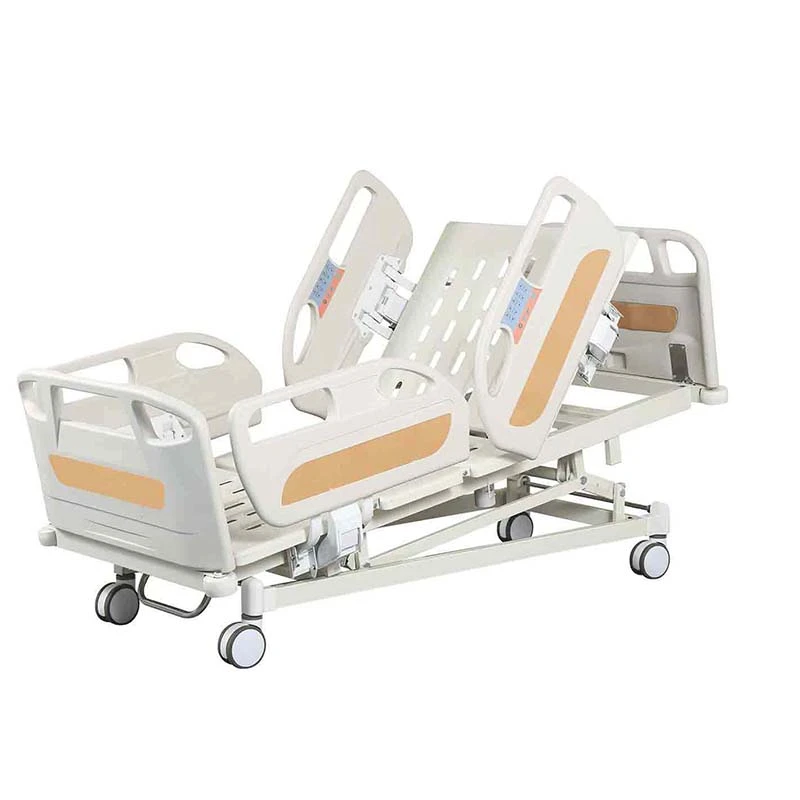
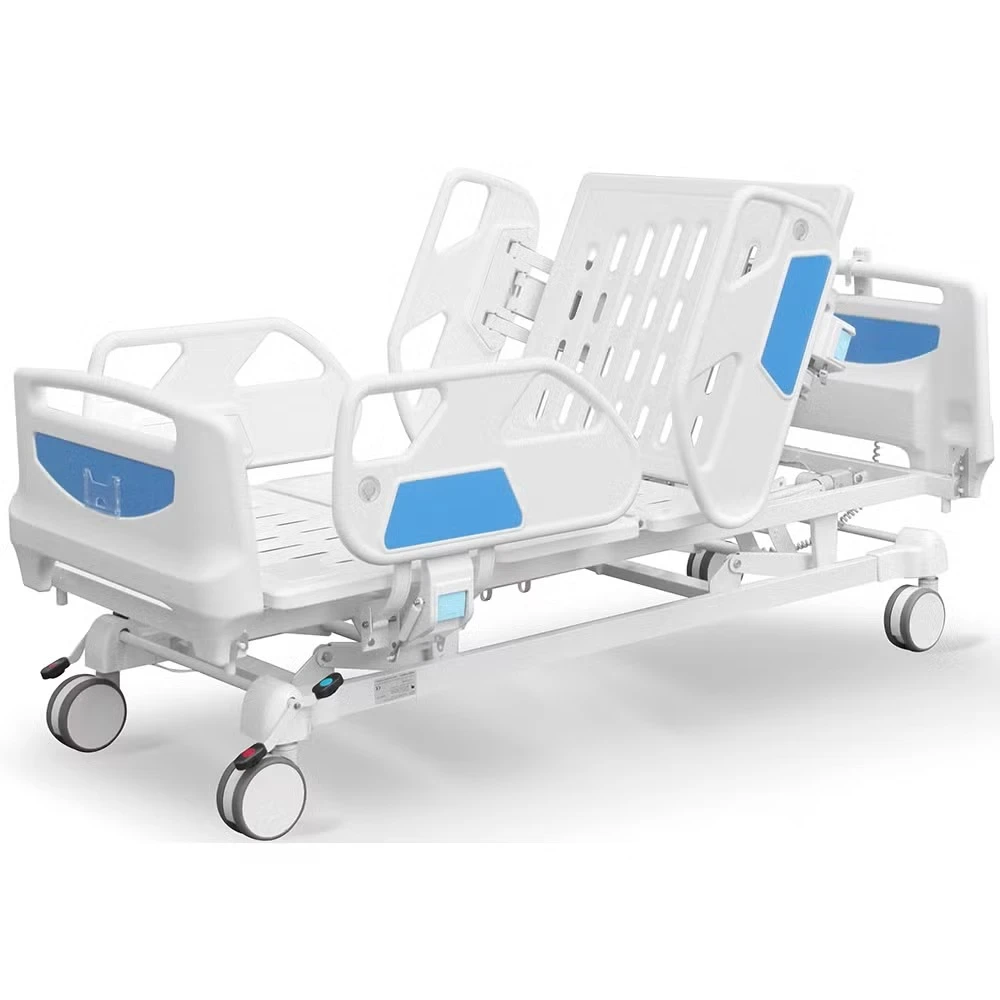
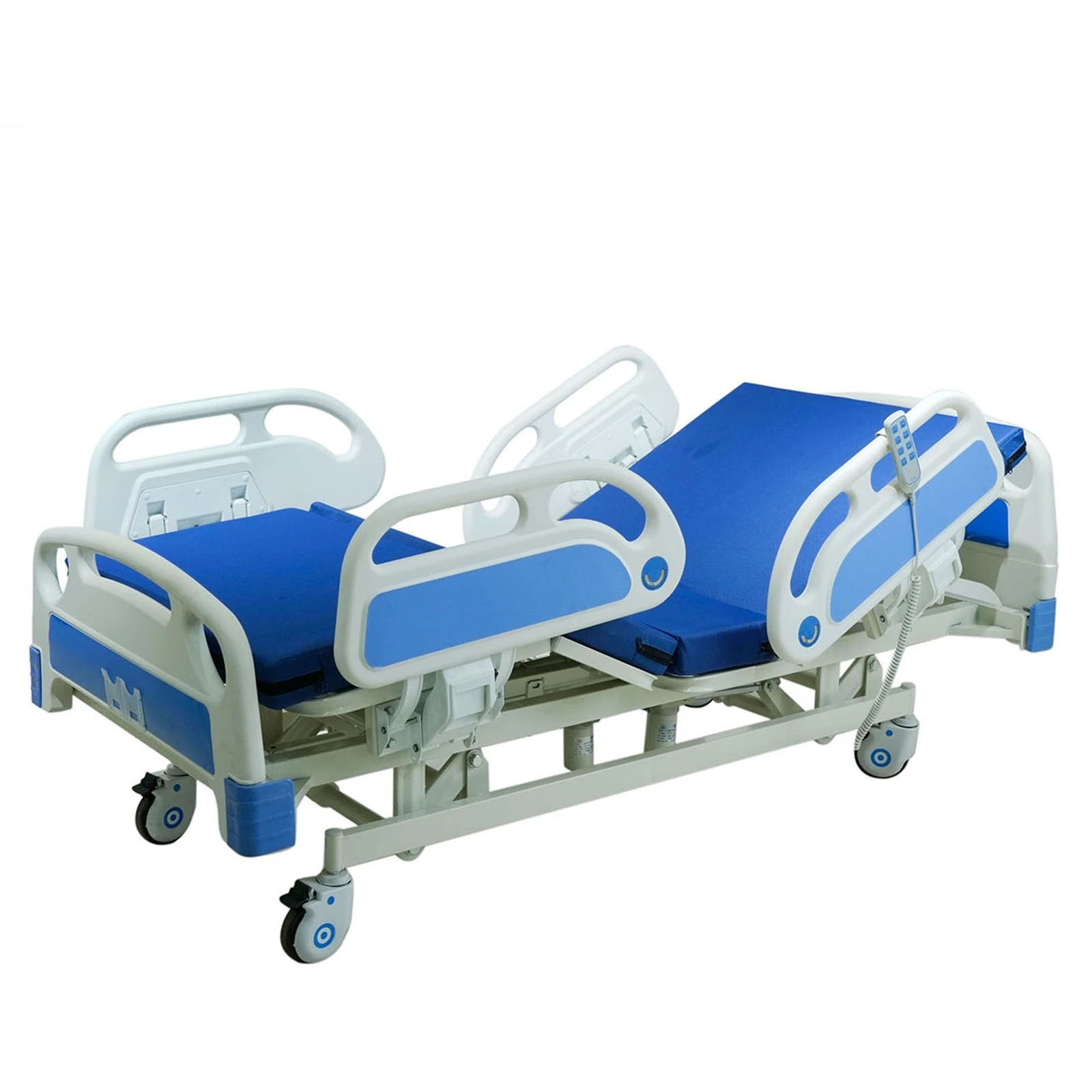
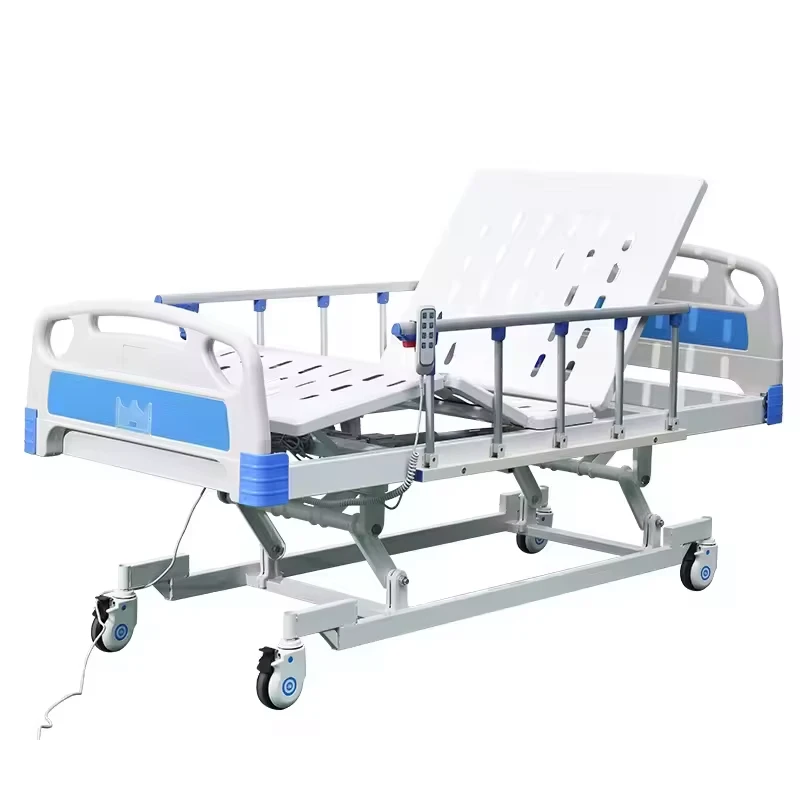
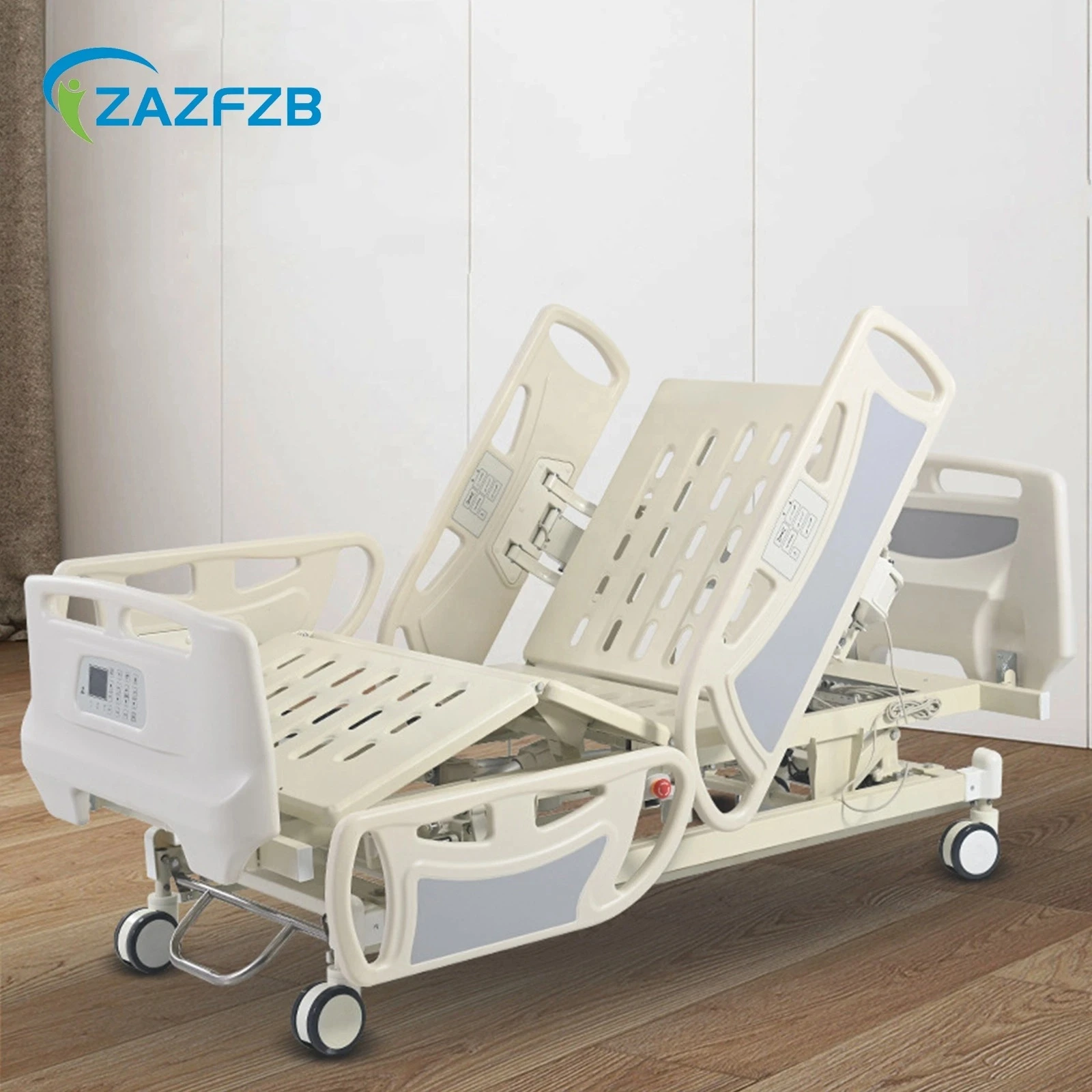
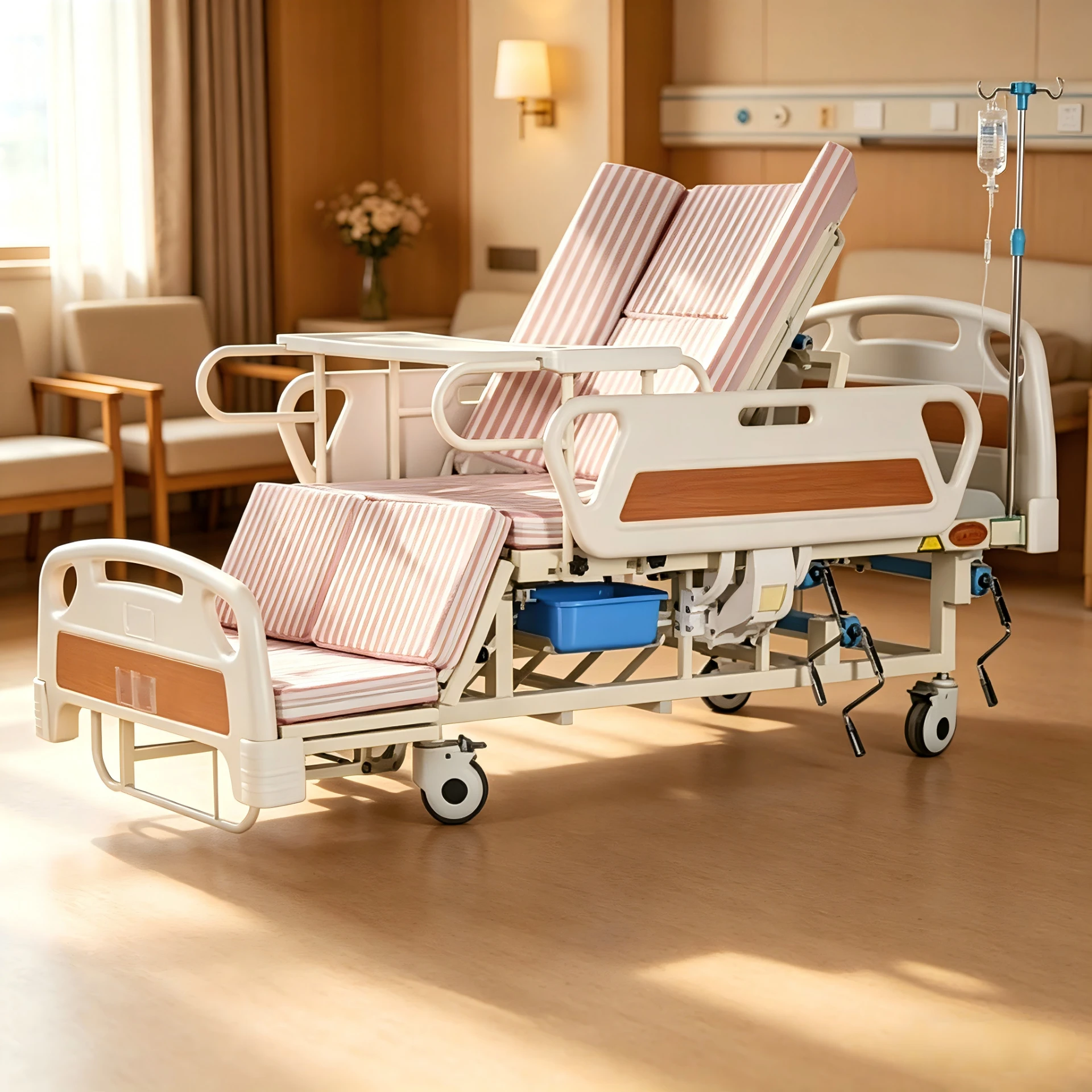
In simplest terms, types of hospital beds and their uses refer to the classification of beds designed specifically to meet various patient needs—from basic resting support to advanced therapeutic functions. These beds typically feature adjustable height and positions to enhance comfort, optimize clinical procedures, and improve safety.
Their uses vary widely: some are tailored for critical care in ICUs, others for long-term rehabilitation, maternity, pediatric care, or even emergency field hospitals. The core idea is to marry bed functionality with patient requirements, clinical protocols, and operational contexts.
Mini takeaway: Hospital beds come in different forms and functions, each serving unique clinical and operational roles.
Key Components Defining Quality and Usability
1. Adjustability and Patient Comfort
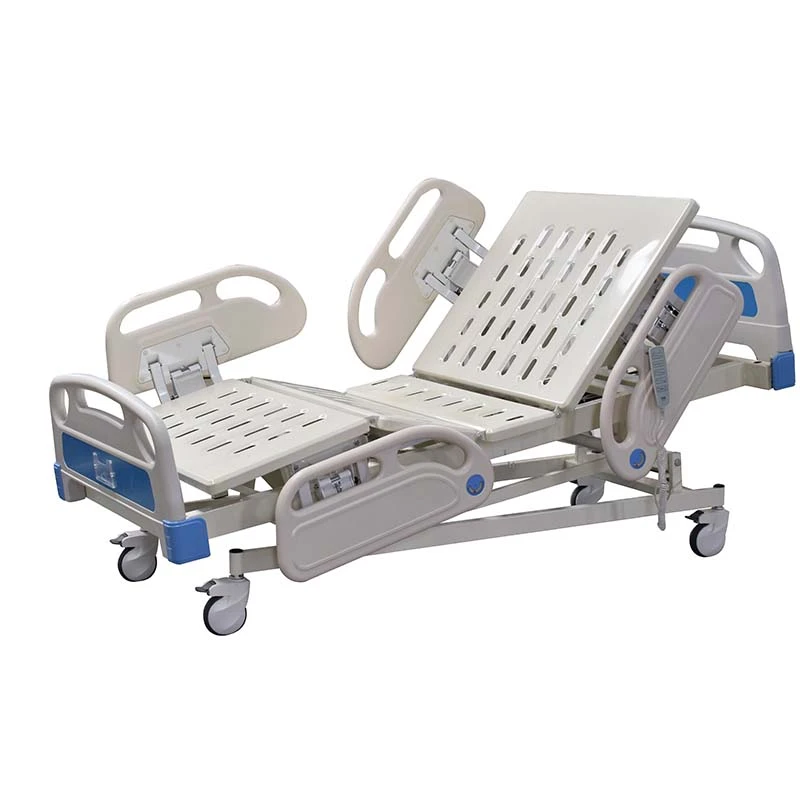
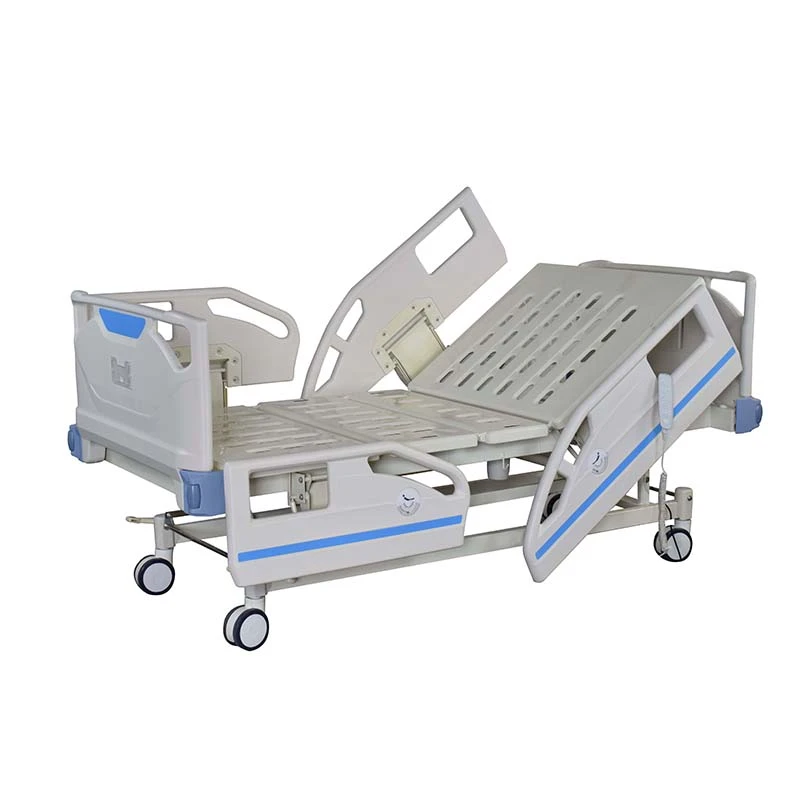
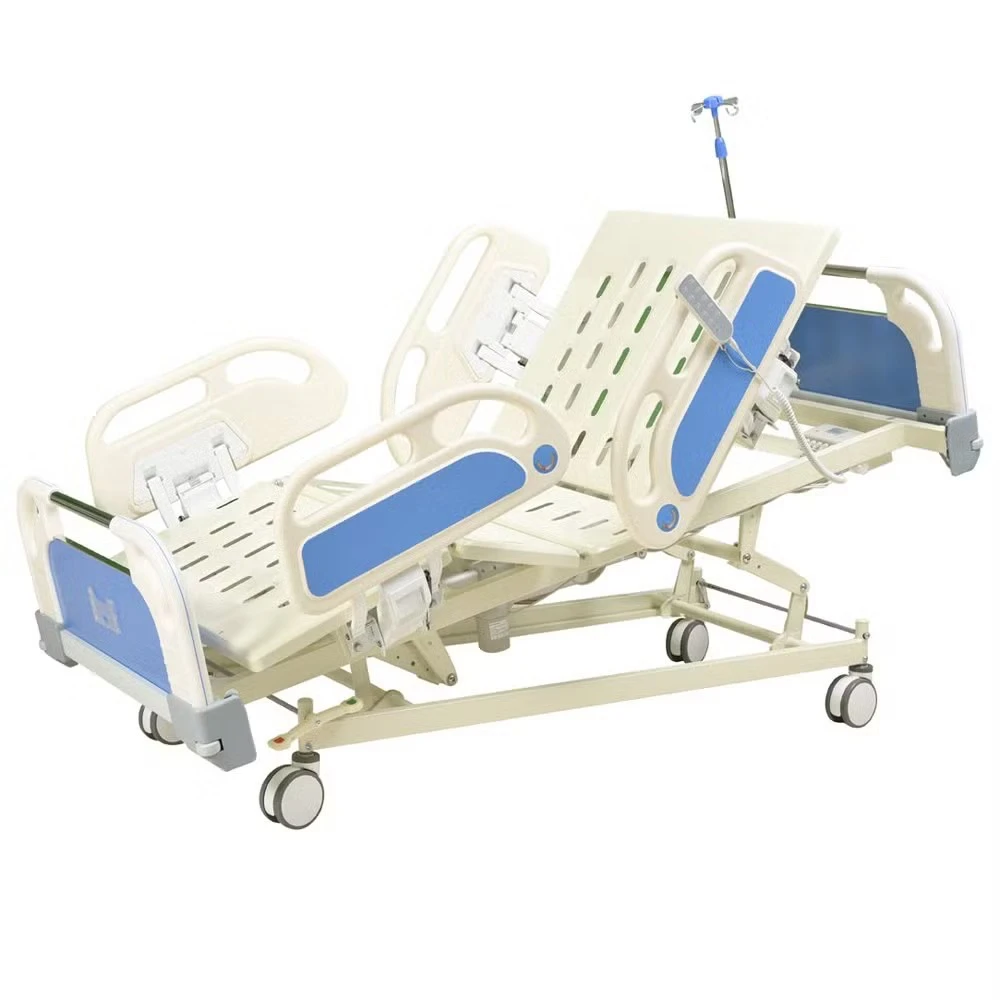
Most modern hospital beds offer adjustable backrests, leg rests, and height control. This adjustability isn't just luxury—it aids patient mobility, helps reduce pressure ulcers, and streamlines caregiver access. In ICU beds, for example, fine-tuned adjustment can even assist in respiratory therapies.
2. Durability and Material Quality
Hospital beds must endure repeated use, cleaning, and occasional rough handling. Steel frames, antimicrobial coatings, and durable plastics are common materials. Their choice affects lifespan and hygiene standards—a big deal in infection control.
3. Mobility and Scalability
Beds on lockable wheels allow quick room changes, important in fast-paced environments or emergency setups. Scalability means beds can be upgraded with accessories like infusion holders, monitors, or oxygen stands.
4. Cost Efficiency and Maintenance
Hospitals with tight budgets often weigh initial cost versus lifetime service needs. Sometimes simpler manual beds offer great value; other times, investing in electric or ICU beds reduces long-term expenses by improving outcomes.
A Typical Specification Summary for Common Hospital Beds
| Bed Type | Adjustability | Weight Capacity | Mobility | Typical Uses |
|---|---|---|---|---|
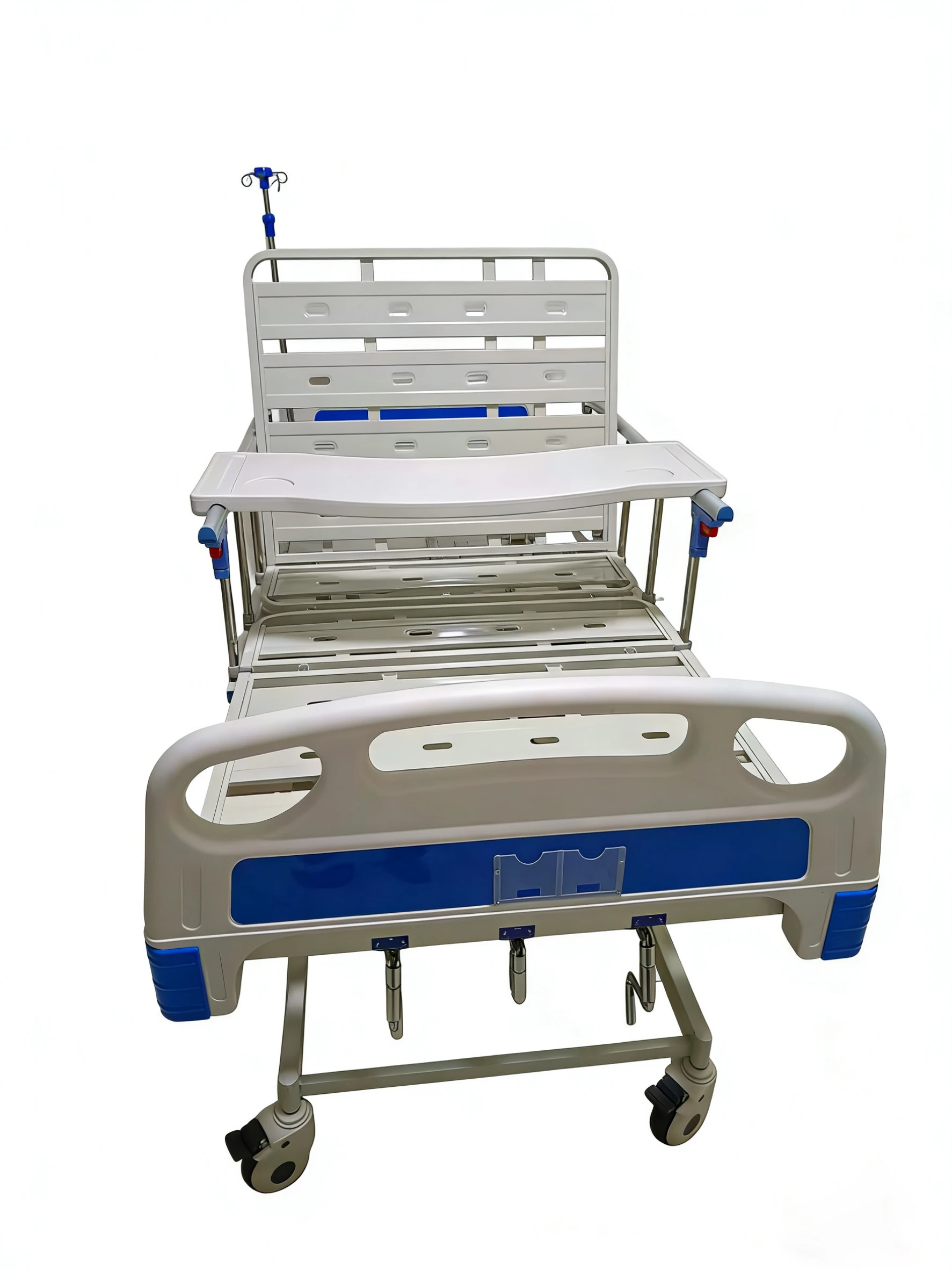
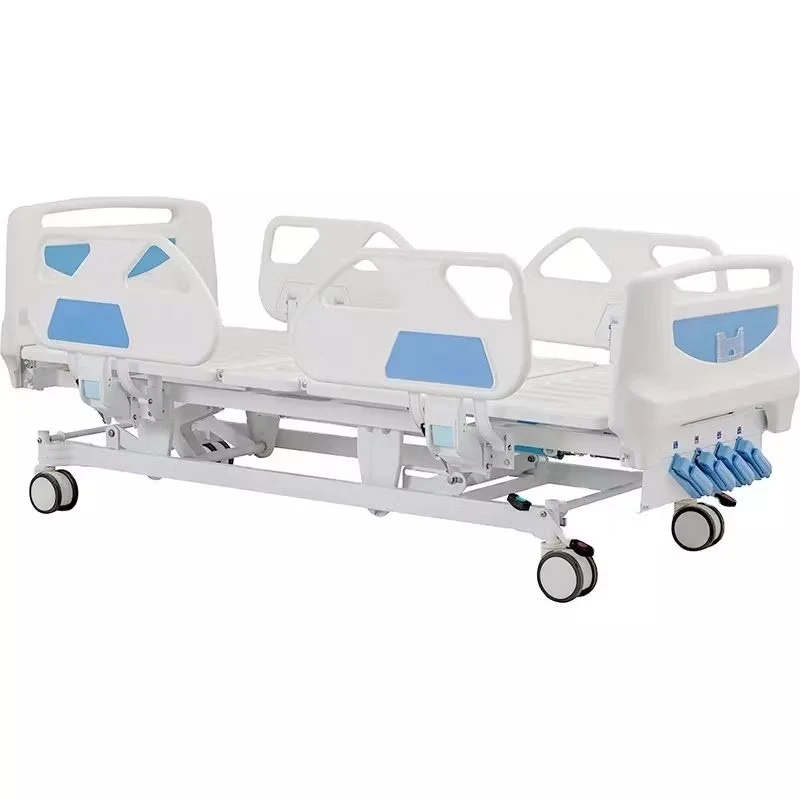
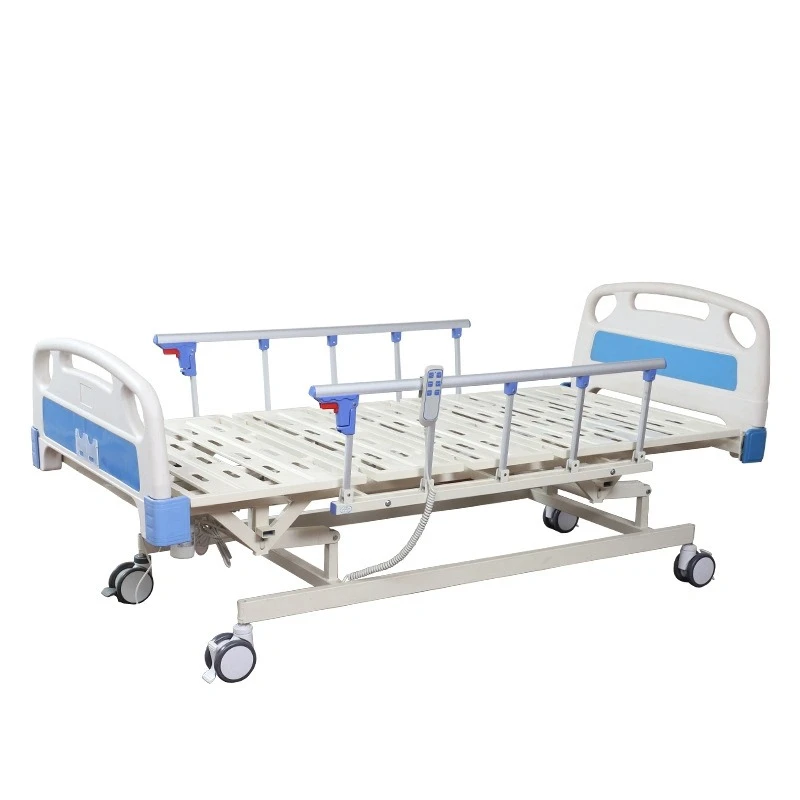
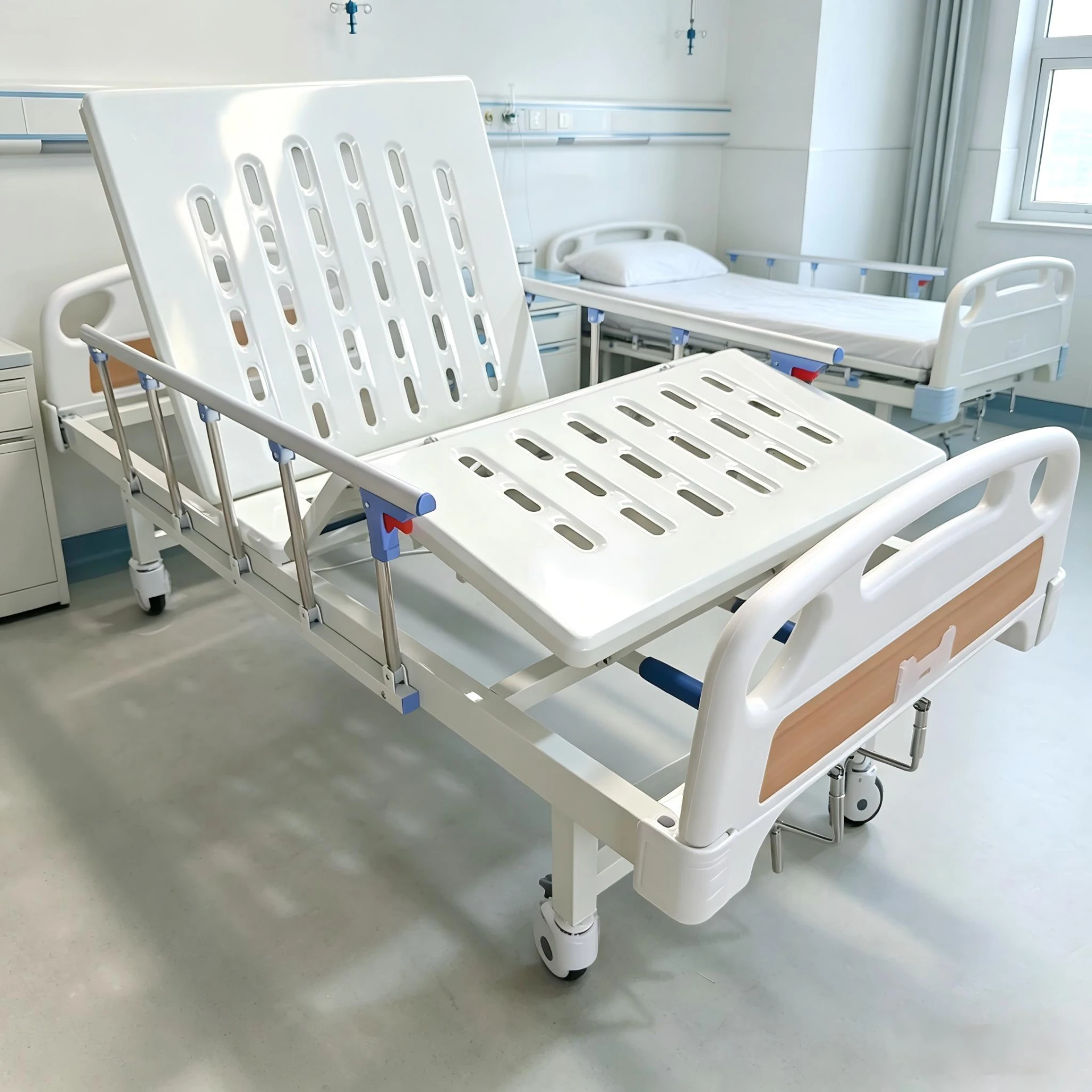
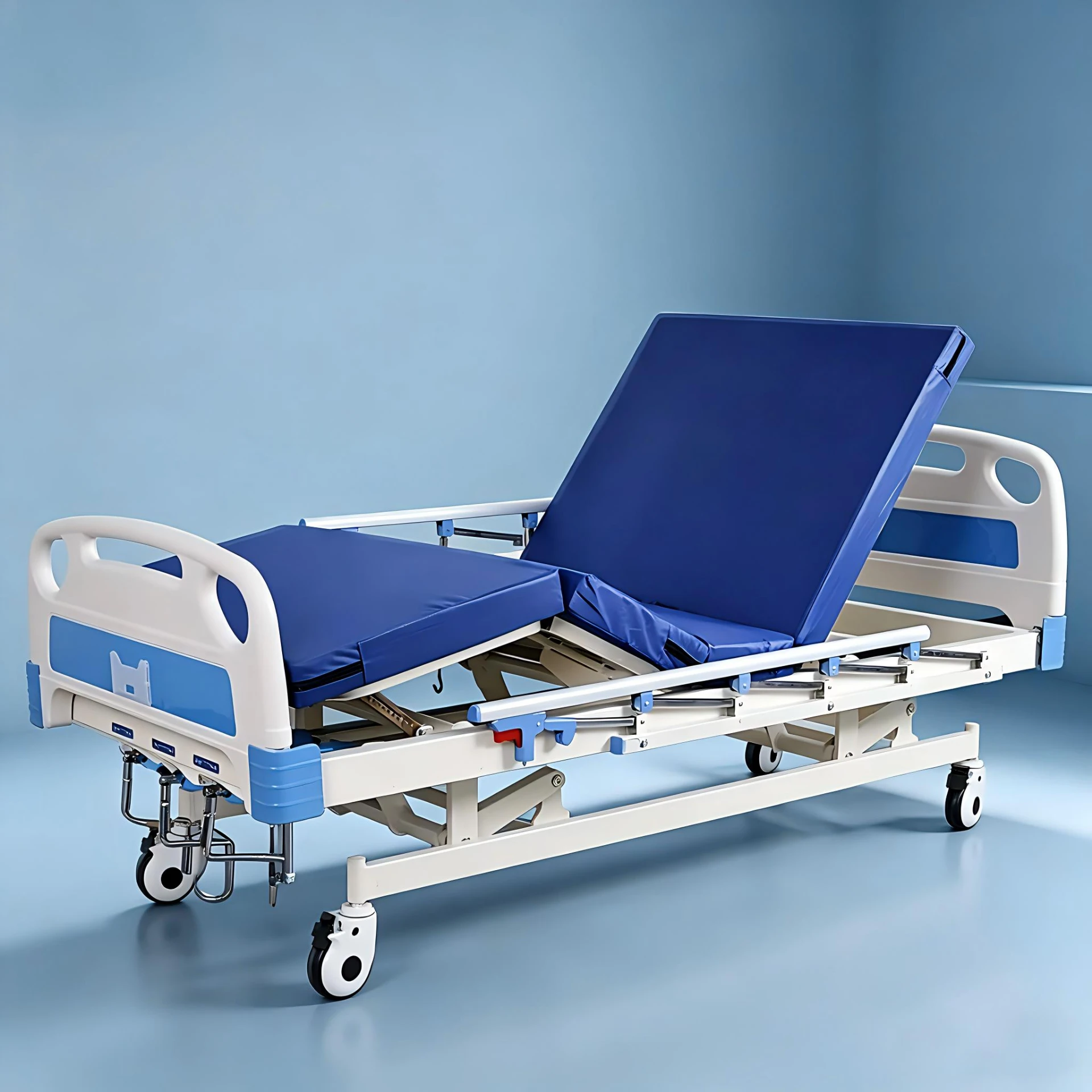
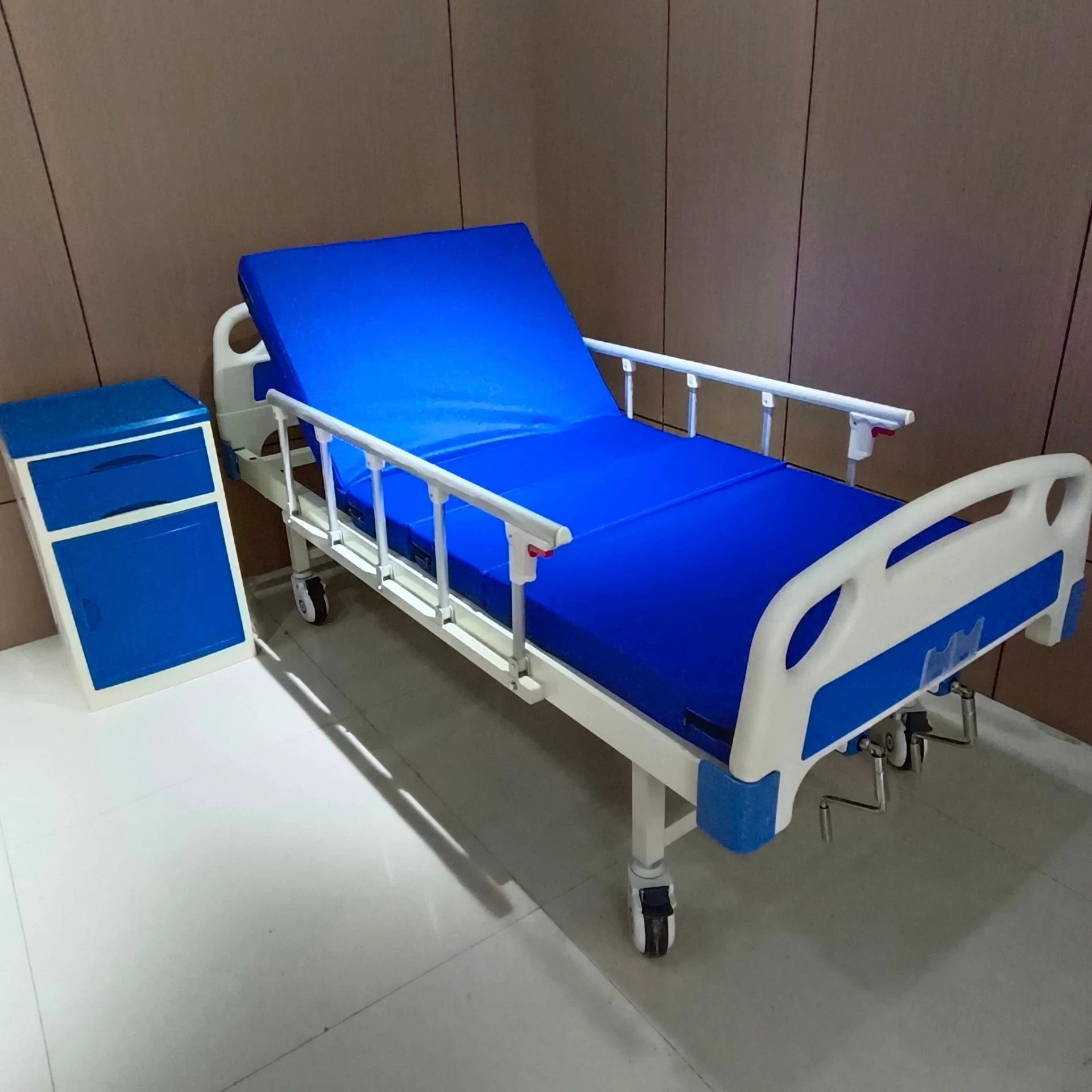
| Manual Hospital Bed | Manual crank | 150-200 kg | Lockable wheels | General wards, low resource settings |
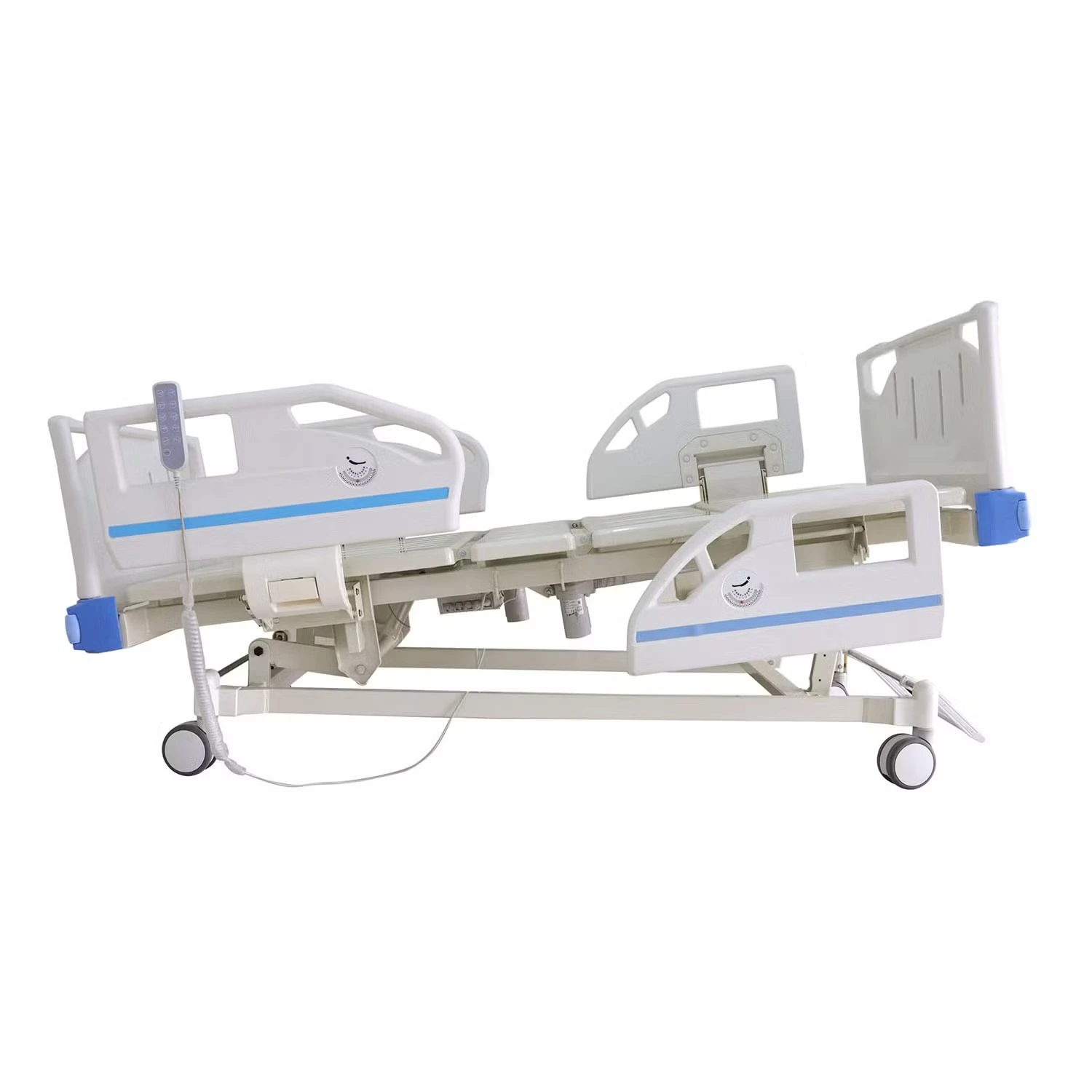
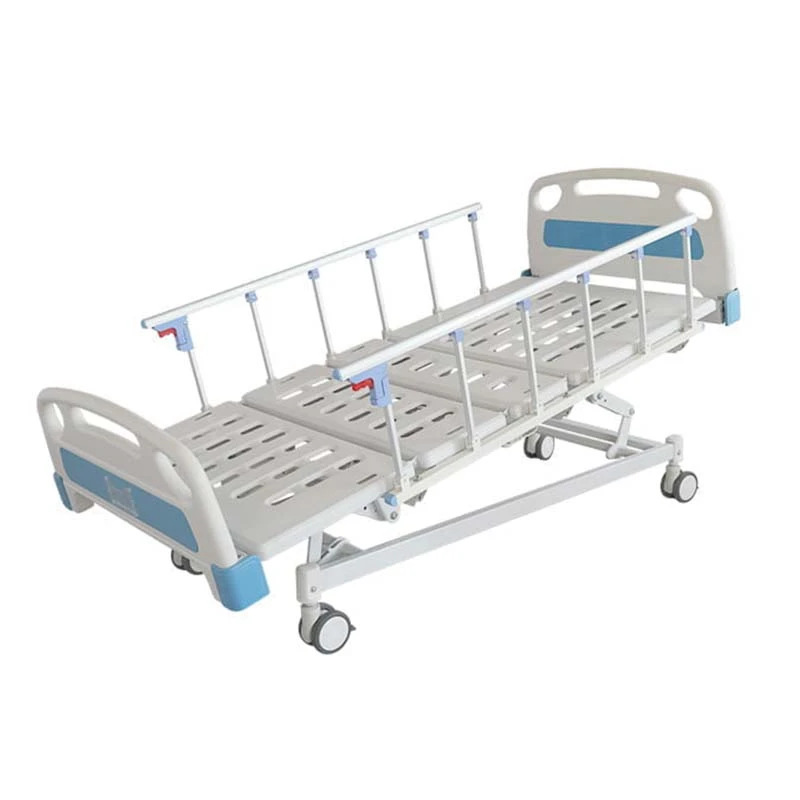
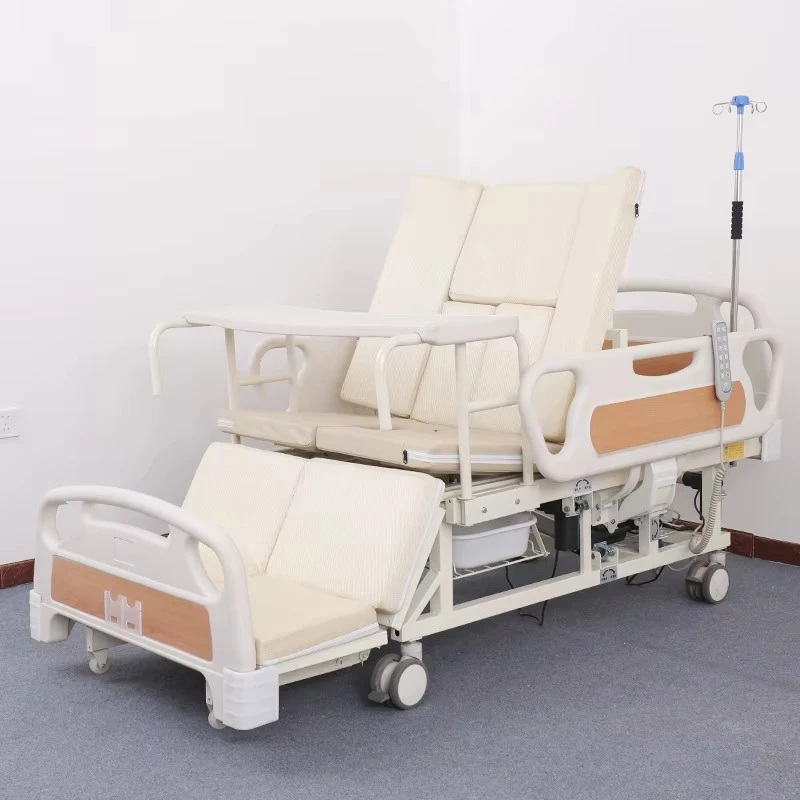
| Semi-Electric Bed | Electric backrest, manual height | 180-220 kg | Lockable wheels | Rehabilitation, maternity care |
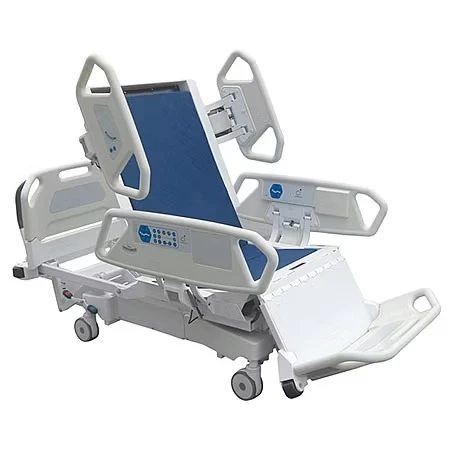
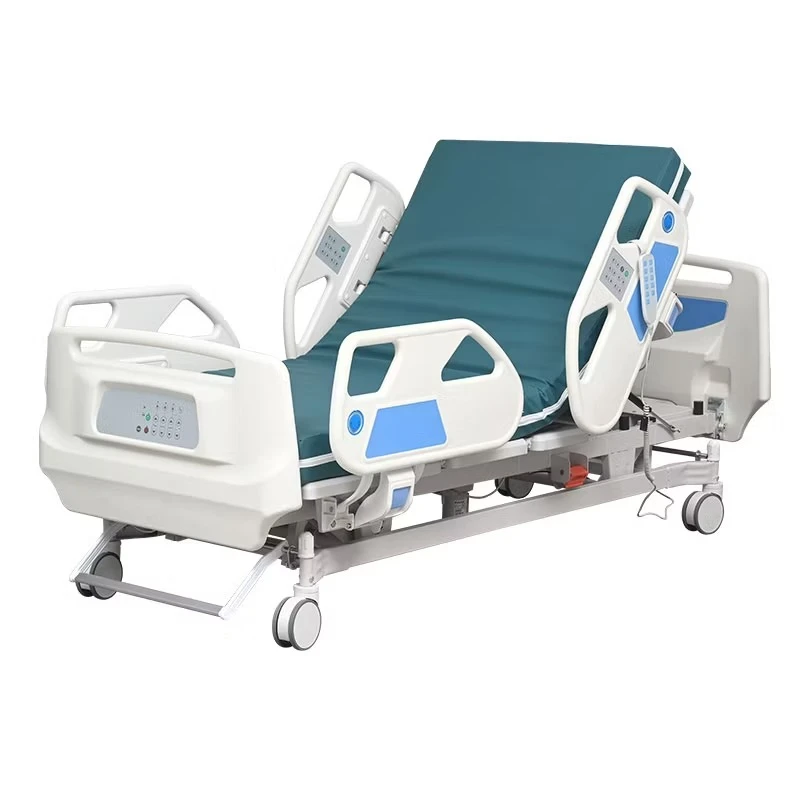
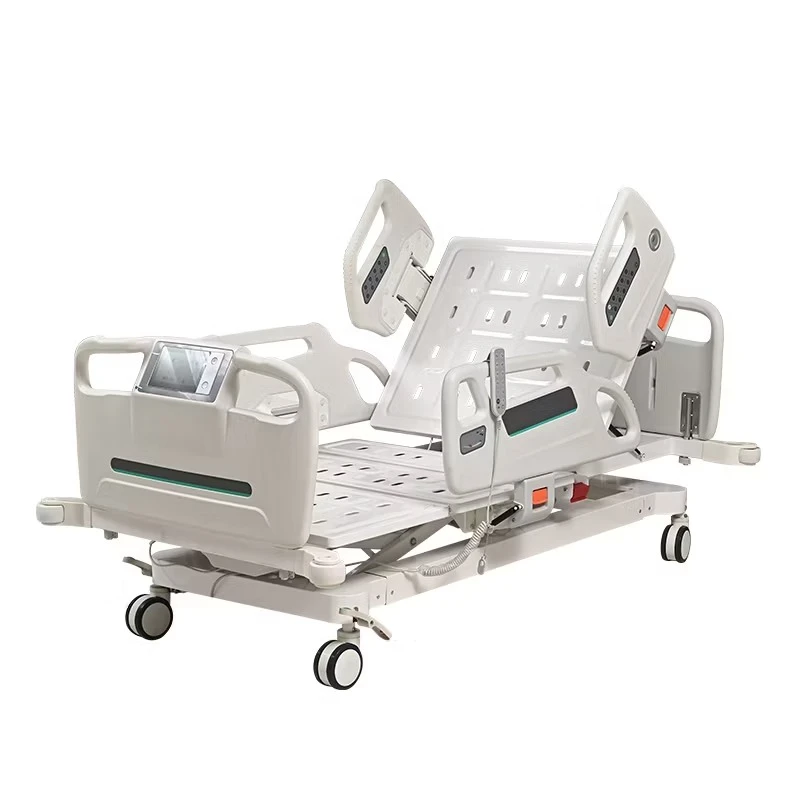
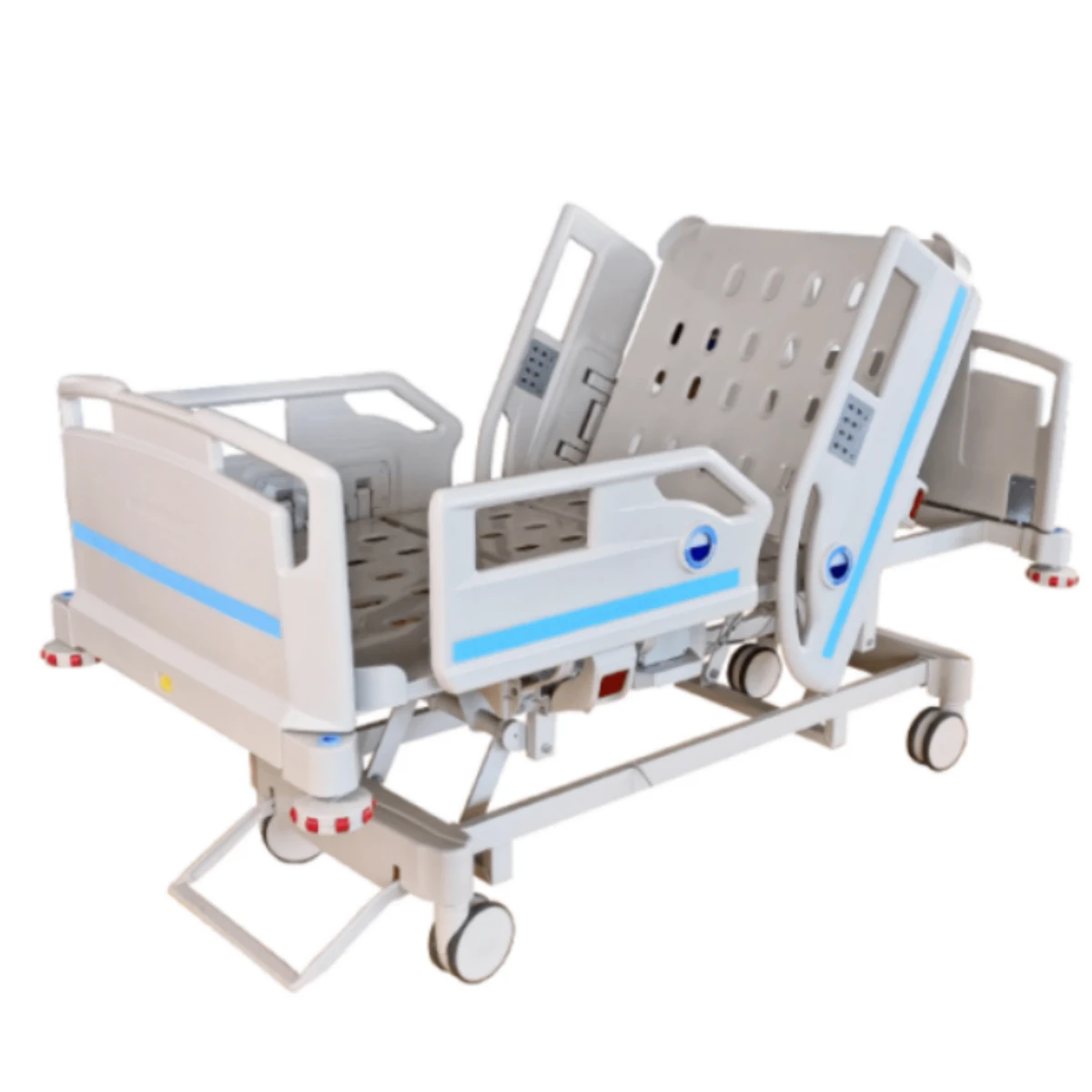
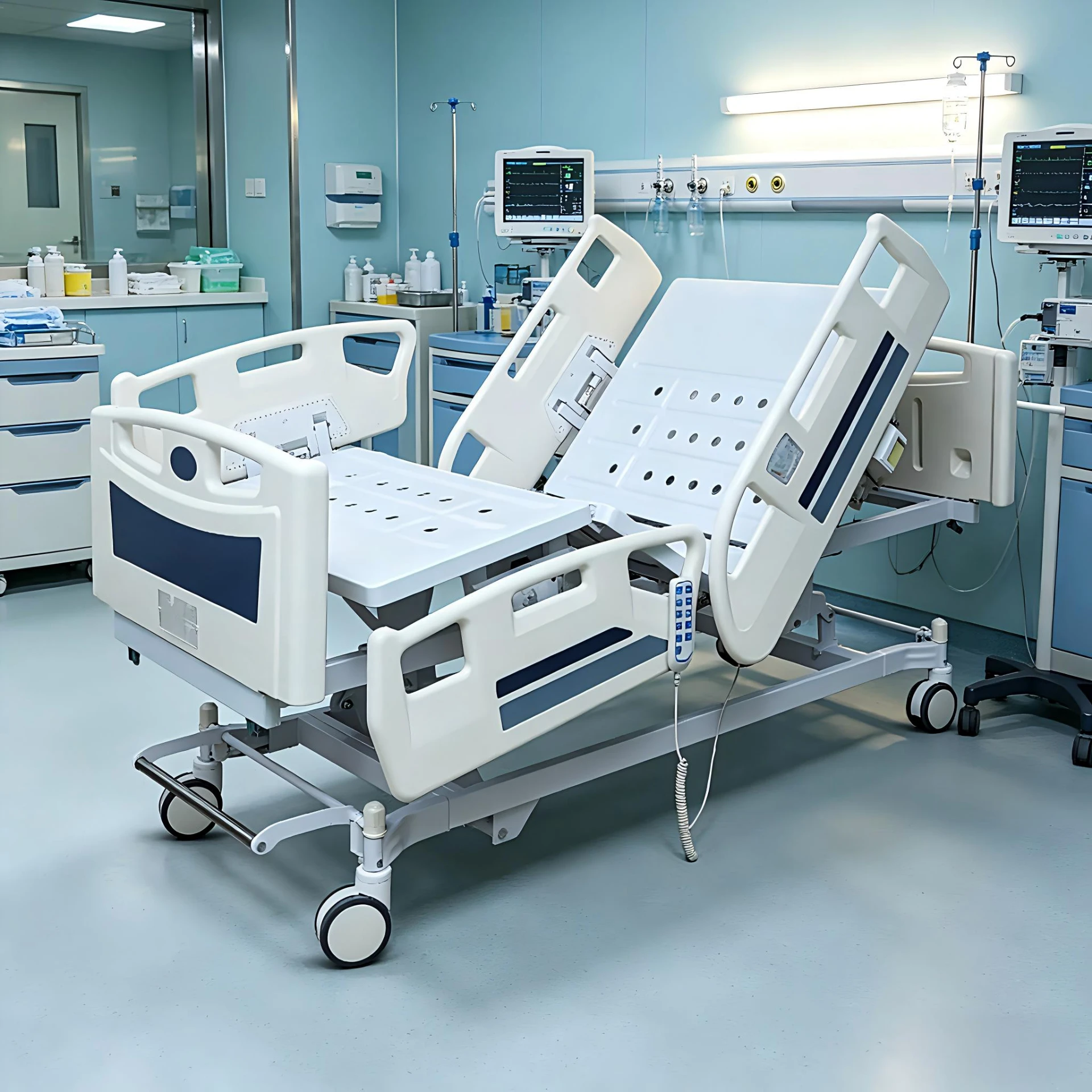
| ICU Bed | Fully electric with trendelenburg functions | Up to 250 kg | Advanced locking wheels | Critical care units |
How Types of Hospital Beds and Their Uses Translate Globally
Across continents and healthcare systems, specific hospital beds are tailored to meet local needs. For instance, in sub-Saharan Africa, manual beds remain predominant due to limited power availability, while in Europe and North America, electric beds with advanced monitoring features are common.
In post-disaster relief operations—as showcased by the International Red Cross—lightweight, portable hospital beds that can be deployed rapidly become lifelines. Meanwhile, in high-tech hospitals, integrated smart beds help clinicians monitor vitals and even prevent falls.
Interestingly, the aging population boom in East Asia is driving demand for beds that accommodate mobility impairments and chronic disease management, reflecting how demographic shifts influence bed design and usage.
Mini takeaway: The best hospital bed is the one that fits the cultural, clinical, and infrastructural setting, not necessarily the most expensive or complex.
Advantages and Long-Term Value
Considering cost alone would be shortsighted. The right bed improves patient dignity—reducing pain and discomfort—and enhances safety by lowering falls and pressure ulcers. It also builds trust: families and caregivers notice when a hospital invests in quality equipment.
From a practical lens, durability and easier maintenance translate to less downtime and replacement—important in places struggling with budgets and supply chains. Environmental sustainability is gaining traction too: some manufacturers now use recyclable materials and energy-efficient motors.
Future Trends: Innovation in Hospital Bed Design
Smart hospital beds, equipped with IoT sensors to track patient movement, sleep patterns, and vital signs, are emerging. There’s also growing interest in antimicrobial surfaces to cut infection rates—a subtle revolution in the way beds help combat healthcare-associated infections.
Modular beds that can be quickly reconfigured or flown into emergency zones are gaining traction too. Add to that greener production processes and usage of lightweight composites, and you start seeing how the humble hospital bed might soon get seriously high-tech, eco-friendly, and adaptable.
Common Challenges and Smart Solutions
Power supply and maintenance remain hurdles, particularly in rural or conflict-affected areas. Breakdowns can sideline high-end beds for weeks. Efforts to create hybrid beds—offering manual backup with electric operation—have helped soften this pain.
Training staff to use adjustable beds correctly is another challenge. Many falls happen because nurses or patients don’t operate locking mechanisms properly. Here, clear signage and routine training programs are simple but effective fixes.
Leading Hospital Bed Vendors: A Quick Comparison
| Vendor | Product Range | Strengths | Notable Limits | Geographic Reach |
|---|---|---|---|---|
| Zhaofa Medical | Comprehensive: Manual to ICU Beds | High customization, ISO certified | Long delivery time for complex builds | Global (special focus on Asia & Africa) |
| Hill-Rom | Advanced Smart Beds, Specialty Beds | Innovative IoT tech, robust customer support | Pricey, with limited manual options | Primarily North America, Europe |
| Invacare | Manual and Semi-Electric Beds | Affordability, simplicity | Limited ICU-grade beds | Global but smaller scale |
FAQ: Your Most Common Questions About Types of Hospital Beds and Their Uses
Q1: What types of hospital beds are best for long-term care patients?
Long-term care patients benefit most from adjustable semi-electric beds that allow mobility, reduce pressure points, and support therapeutic positioning. Features like side rails and locking wheels improve safety and caregiver access during extended stays.
Q2: Can hospital beds be easily transported for emergency response?
Yes, specially designed portable hospital beds are lightweight and foldable, making them ideal for rapid deployment in disaster zones or field hospitals. Many organizations source these for humanitarian missions due to their durability and ease of assembly.
Q3: Are there hospital beds designed specifically for pediatric use?
Absolutely. Pediatric hospital beds are smaller, with enhanced safety features like lower side rails and soft padding. They often include engaging designs to comfort children and allow parents to stay close during recovery.
Q4: How important is bed adjustability for ICU patients?
Extremely important. ICU beds offer multiple electric adjustments to facilitate ventilation, circulation, neurological assessments, and hygiene procedures. Adjustability can directly impact patient outcomes and ease treatment interventions.
Q5: What maintenance considerations should hospitals keep in mind?
Regular inspection of electrical components, lubrication of mechanical parts, and sanitation protocols are essential to maintain safety and function. Training staff on proper bed use also reduces the likelihood of accidents or premature wear.
Wrapping Up: Why Understanding Hospital Beds Is More Than Just Curiosity
The truth is, hospital beds form the foundation of quality care, no matter where you are in the world. Their types and uses impact everything from patient comfort and safety to operational efficiency and healthcare costs. Whether it’s a manual bed in a rural clinic or a smart ICU unit in a metropolitan hospital, choosing the right bed reflects a commitment to healing and dignity.
So, for healthcare administrators, NGOs, or medical equipment suppliers, diving deep into these options isn’t just academic—it’s a real investment in lives and outcomes. If you want to explore options, customization, or get expert consultation on hospital beds, start with trusted vendors like Zhaofa Medical.
Mini takeaway: A well-chosen hospital bed supports recovery, respects dignity, and streamlines care. It’s an investment worth making thoughtfully.