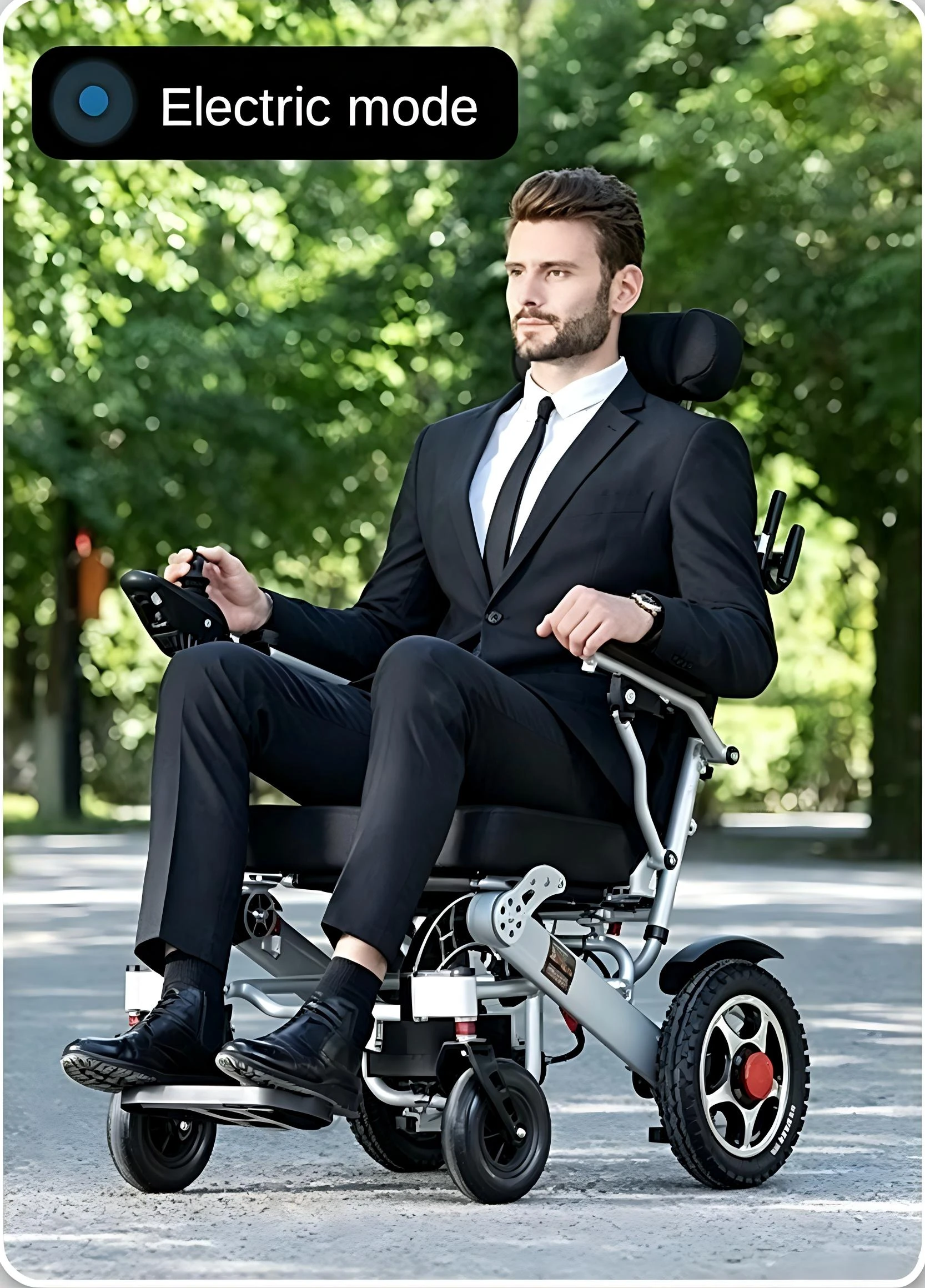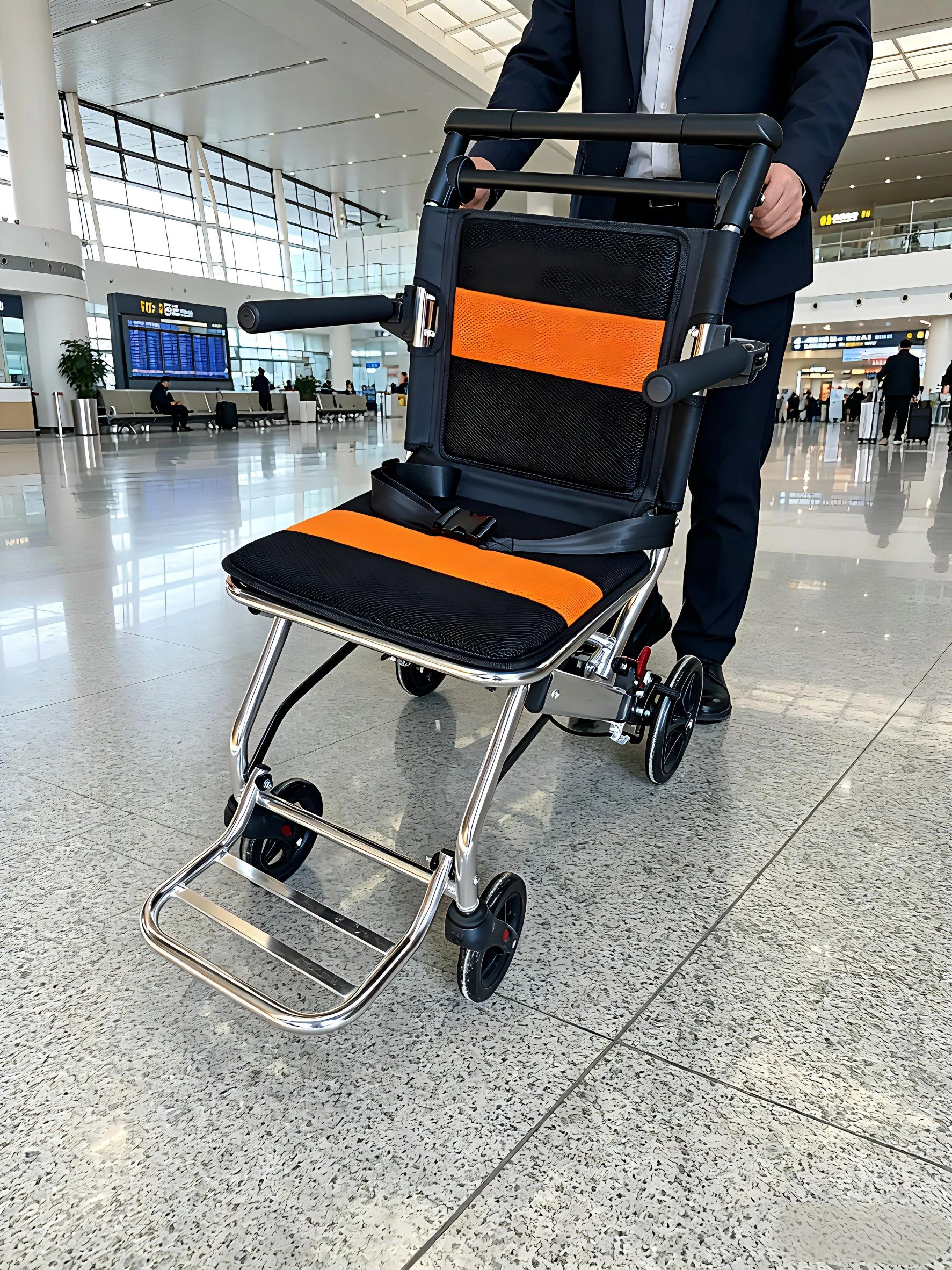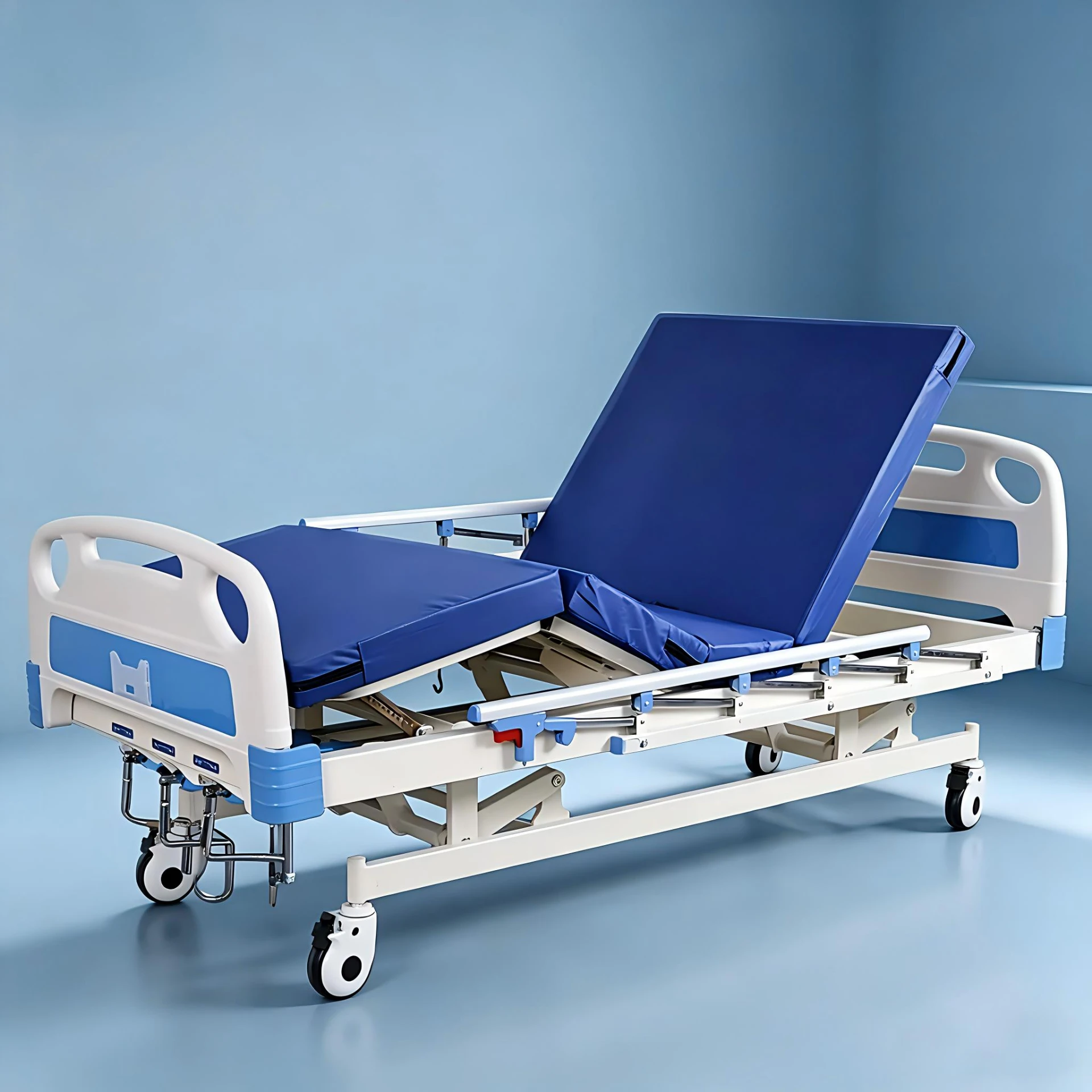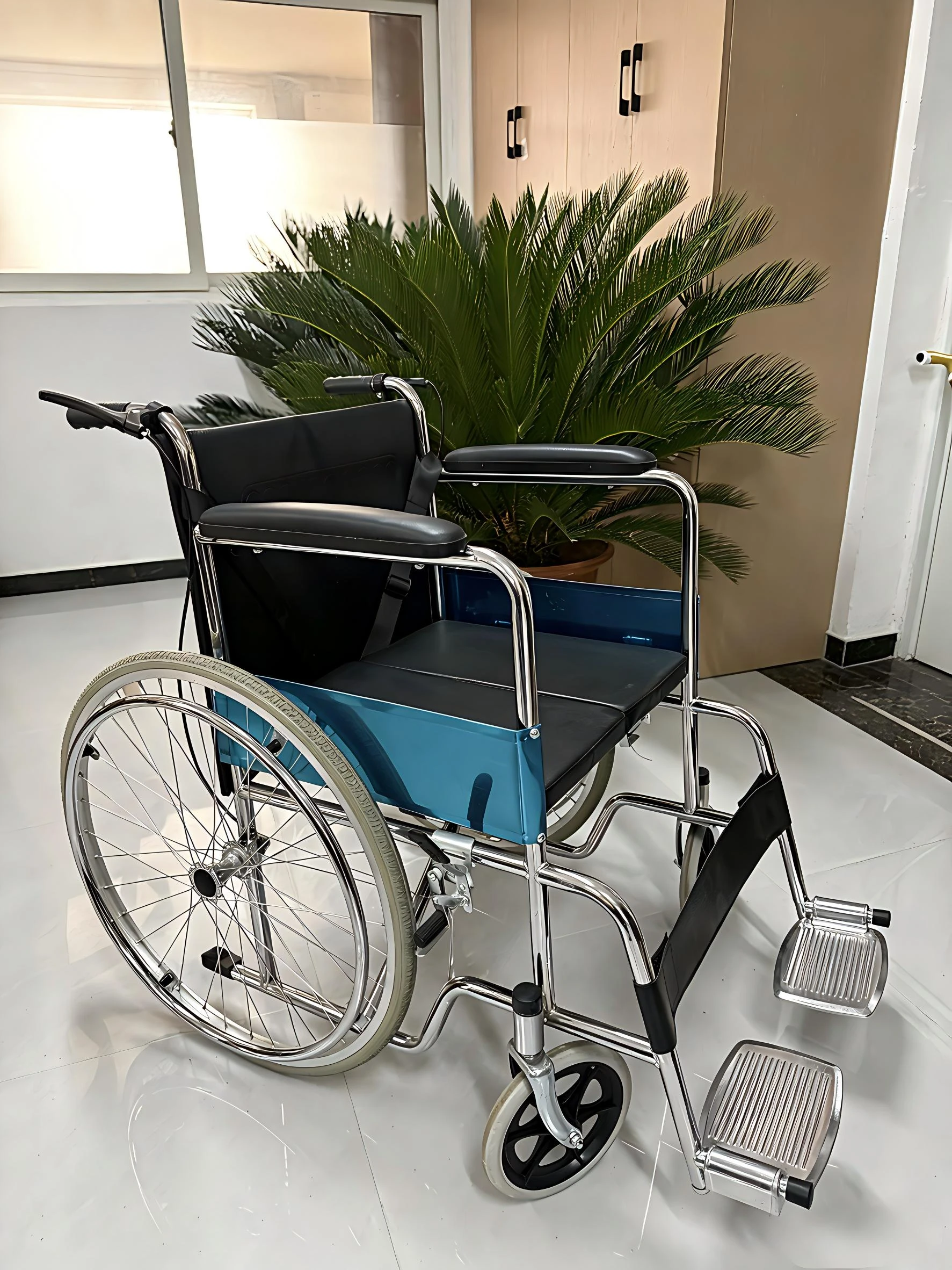
Reliable Rehabilitation Equipment Suppliers | Durable & Customizable Gear
Rehabilitation Equipment Suppliers: What You Really Need to Know
Having spent over a decade dabbling in industrial equipment — and yes, that includes rehab gear — I’ve come to appreciate how much goes unnoticed by folks outside the field. When it comes to rehabilitation equipment suppliers, the name doesn’t just mean “someone who sells stuff.” There’s craftsmanship, precision, and real, on-the-floor testing behind every device.
Honestly, the rehab equipment market feels like a balancing act. On one side, you want rugged, reliable machinery built with precision-engineered parts. On the other, the end user—whether a patient or a therapist—needs something ergonomic and intuitive. That’s no small feat considering equipment ranges from simple exercise bands to sophisticated gait trainers. Oddly enough, though, many suppliers overlook customization, which frankly is a missed opportunity.
Product Design & Materials Matter More Than You’d Think
Many engineers I’ve worked alongside harp on materials — stainless steel frames, reinforced polymers, shock-absorbing foams. I suppose it sounds a bit dry, but such details translate into longevity and user comfort. I remember a client mentioning how a lightweight aluminum frame dramatically reduced fatigue for elderly patients during therapy sessions — small change, big difference.
Additionally, rigorous testing protocols are integral. Most reputable suppliers run durability and safety assessments following ISO 13485 (medical devices) standards. In real terms, that means equipment won’t suddenly fail mid-session — a nightmare scenario we all want to avoid.
Product Specification Snapshot
| Product | Material | Weight Capacity | Adjustability | Usage |
|---|---|---|---|---|
| Gait Trainer Model X2 | Lightweight Aluminum | 136 kg (300 lbs) | Height & Width Adjustable | Ambulation Support |
| Upper Limb Rehab Device | Reinforced ABS Plastic | 80 kg (176 lbs) | Modular Components | Muscle Strengthening |
| Therapeutic Exercise Elastic Bands | Natural Latex | N/A | Various Resistance Levels | Range of Motion & Strength |
Comparing Major Rehabilitation Equipment Suppliers
When choosing a supplier, I usually recommend looking beyond price (though it’s always a factor) and focusing on support, warranty, and customization options. To illustrate, here’s how some leading vendors stack up:
| Supplier | Product Range | Warranty | Customization | Customer Support |
|---|---|---|---|---|
| Zhaofa Med | Broad (rehab devices & consumables) | 2 Years | High (custom designs available) | Excellent (24/7 support) |
| CarePro Equipment | Moderate (focused on mobility aids) | 1 Year | Limited | Good (business hours) |
| MediFlex Solutions | Niche (advanced robotics) | 3 Years | Moderate (configurable parts) | Fair (email & phone) |
I recall a small clinic in Ohio that switched suppliers after growing frustrated with warranty responses. Zhaofa Med stepped in and offered tailored solutions – not just equipment but ongoing consults to tweak devices. It made a tangible difference in patient outcomes. It feels like that personal touch can be rare, yet so critical.
All things considered, if you’re investing in rehabilitation equipment, partnering with a supplier who truly understands the nuances—right down to the materials and after-sales care—is invaluable. You want gear that lasts, helps patients, and supports your team. It’s not glamorous, but it fits the real-world.
In summary: it’s less about flashy features and more about trust, durability, and adaptability.
References:
1. ISO 13485 – Medical devices – Quality management systems – Requirements for regulatory purposes.
2. Case study: Small Ohio Clinic equipment supplier transition, 2022.
3. Industry insights from “Medical Rehabilitation Equipment” conference, 2023.