ICU Beds in China – Advanced, Affordable Critical Care Solutions
Understanding ICU Beds in China: More Than Just Hospital Furniture
When we talk about icu beds in China, it’s tempting to think of just a piece of equipment tucked into a hospital room. But that’s where it gets fascinating — these beds are at the crossroads of advanced healthcare technology, manufacturing prowess, and global medical readiness. Across China and beyond, ICU beds represent critical lifelines for patients needing intensive care, especially in unpredictable times like a pandemic or natural disaster.
Their design and availability don’t just influence patient outcomes; they impact healthcare efficiency on a broad scale. With China being a powerhouse in medical equipment manufacturing, understanding ICU beds made there reveals not just industrial muscle but also the pulse of evolving medical care worldwide.
The Growing Importance of ICU Beds in China in a Global Context
Globally, ICU capacity remains a persistent challenge. The World Health Organization estimates that roughly 5% of hospitalized patients require ICU-level care, yet many healthcare systems face shortages. China alone represents over 18% of the world’s population and has dramatically scaled its healthcare infrastructure over the past decade. According to the National Health Commission of the People's Republic of China, ICU beds increased by nearly 20% between 2015 and 2020.
But here is a critical point: It’s not just about quantity, but quality and sophistication. China's ICU beds often blend high tech—like advanced electronic controls and patient monitoring interface compatibility—with the rugged durability that suits large hospitals or remote sites. This balance addresses core challenges in healthcare: rapid patient response and scalable infrastructure.
However, as demand grows, maintaining supply chains and ensuring global standards compliance becomes a puzzle. Manufacturing and exporting ICU beds require adherence to ISO 13485 (medical devices standard), while meeting local market needs for electrical safety, infection control, and ease of use.
What Exactly Are ICU Beds in China?
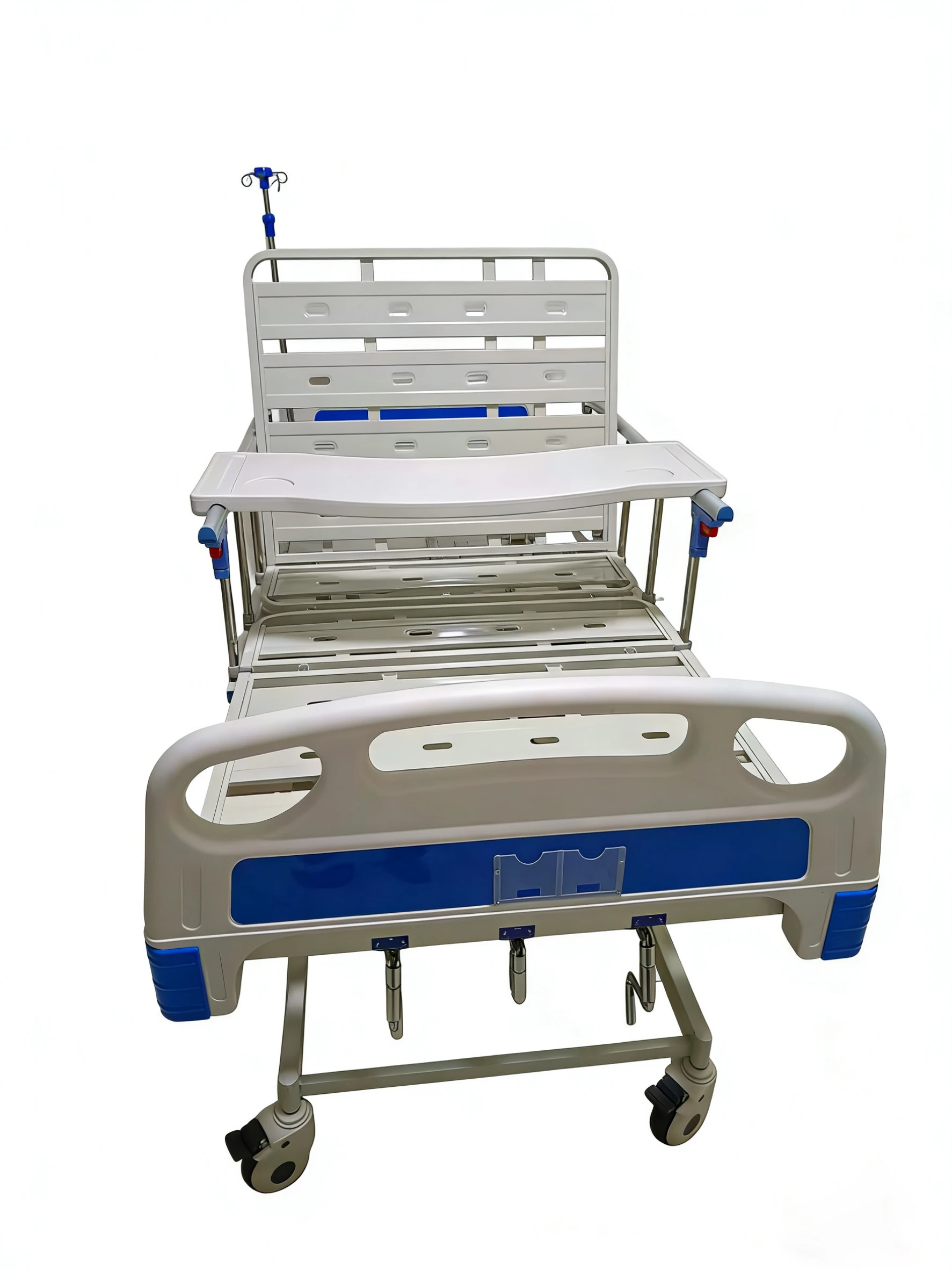
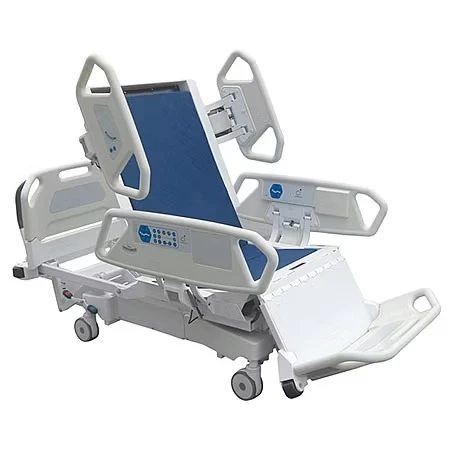
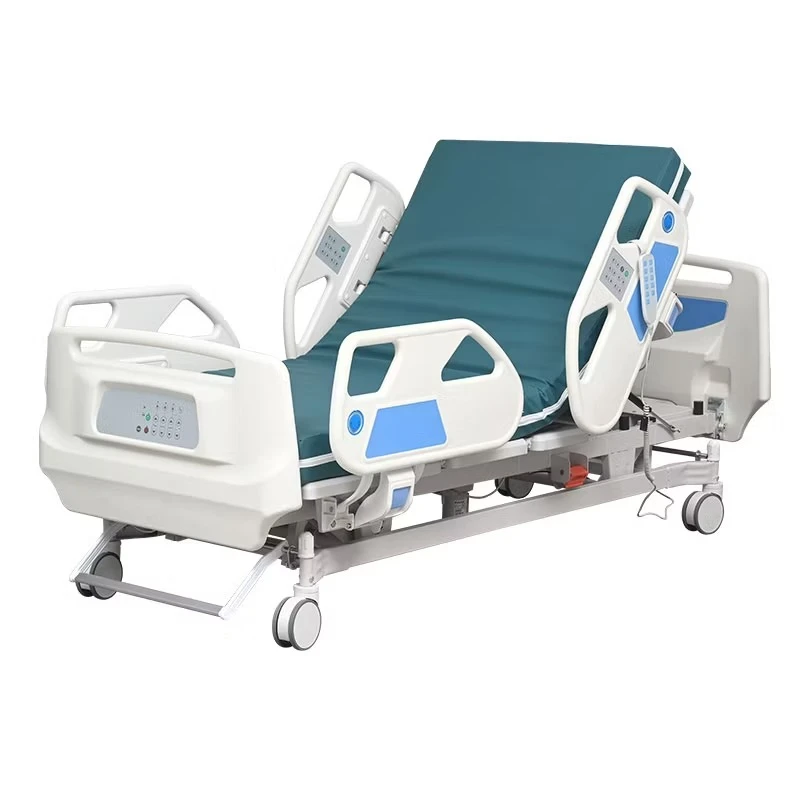
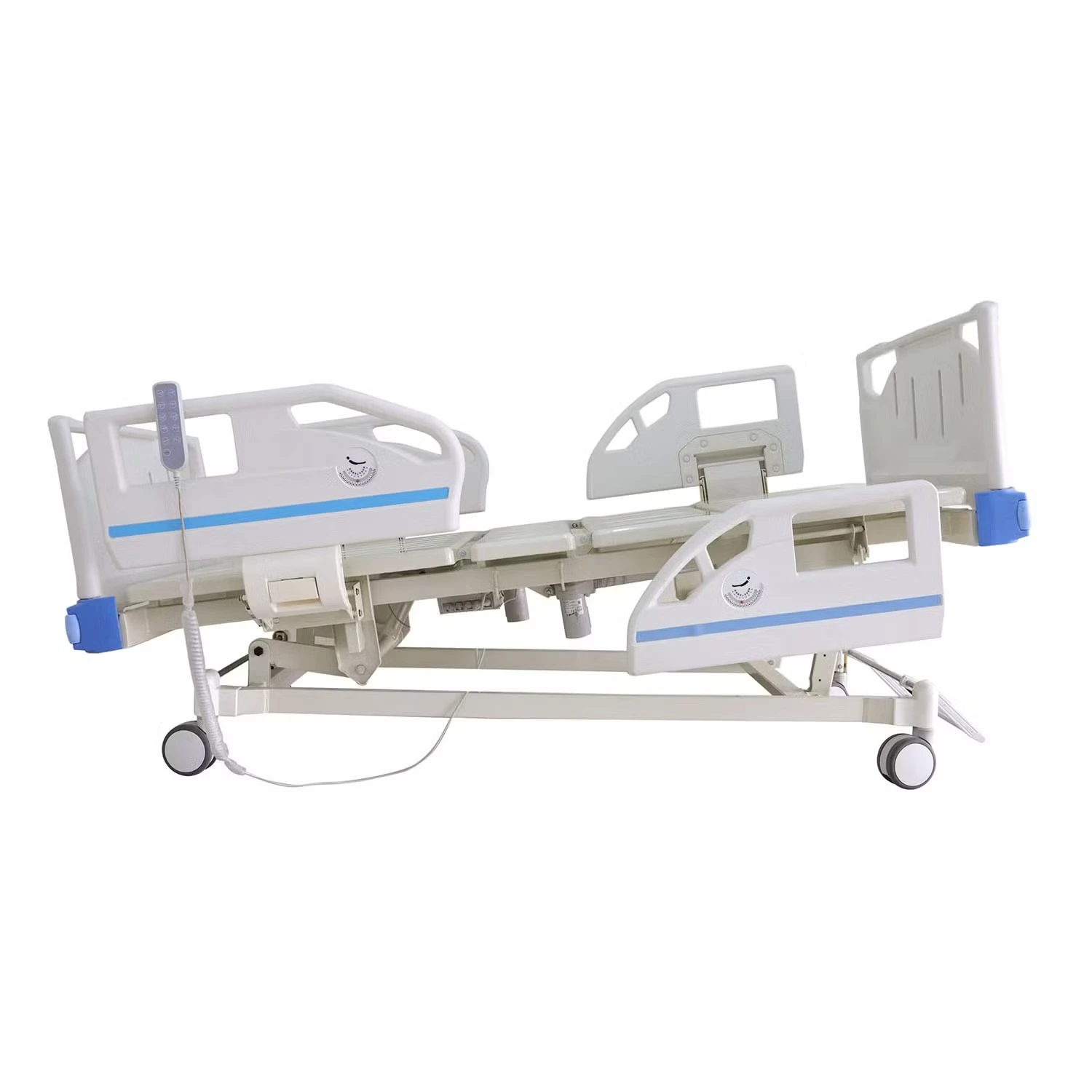
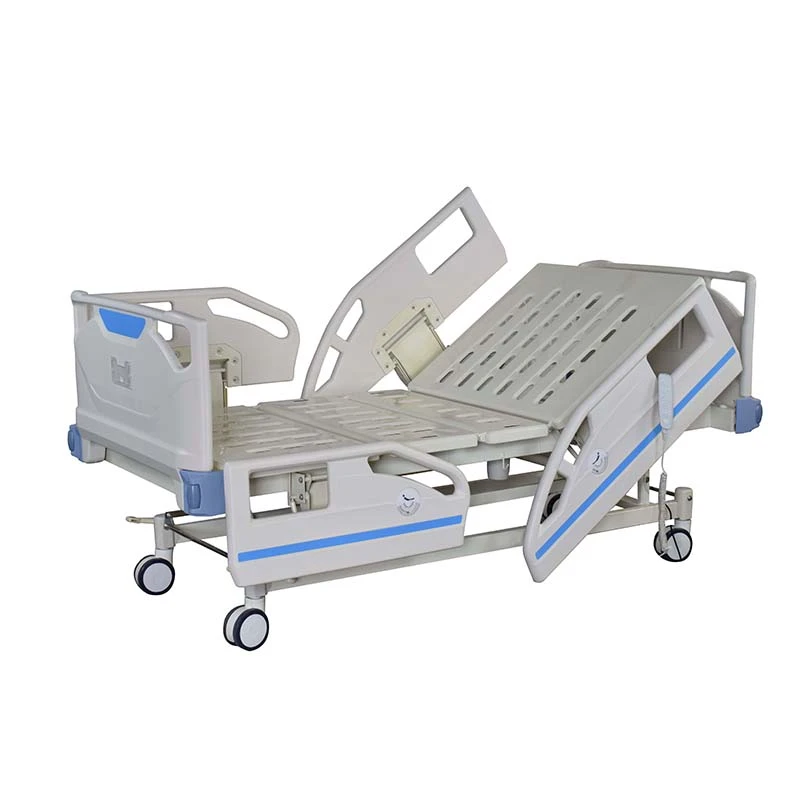
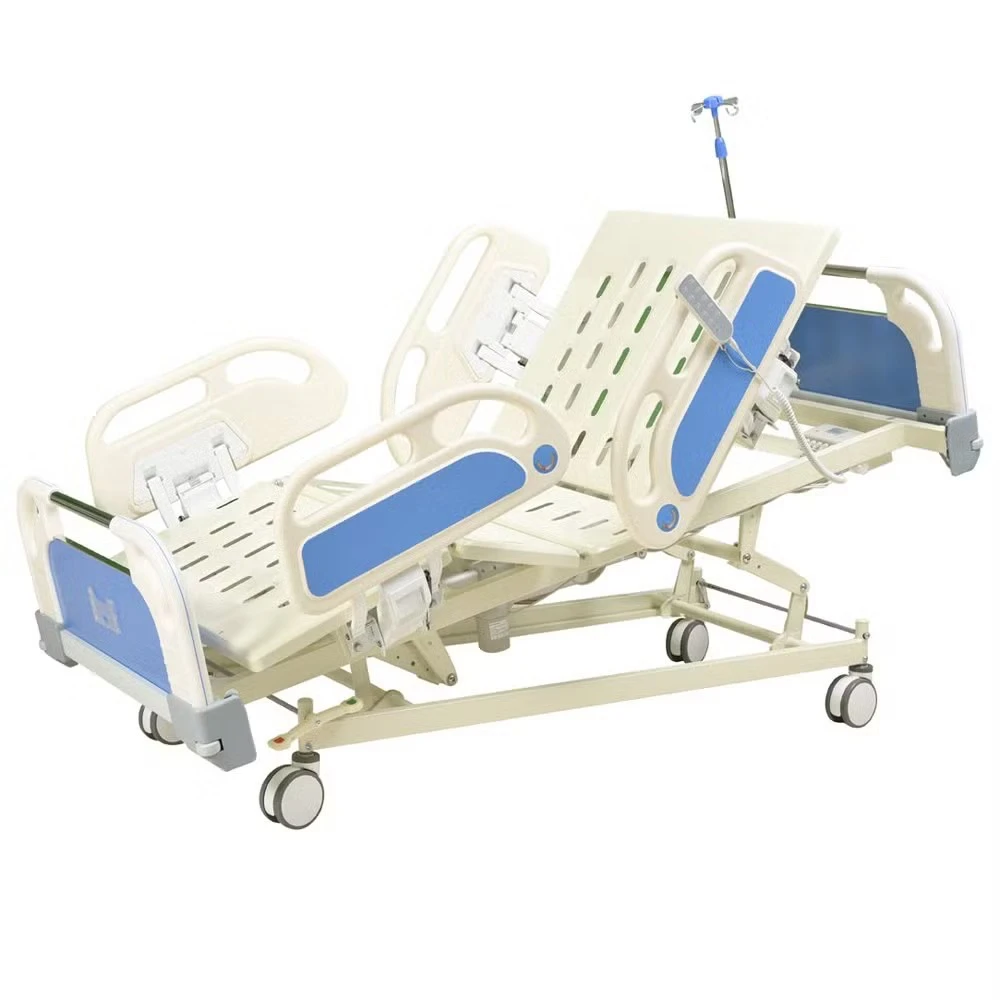
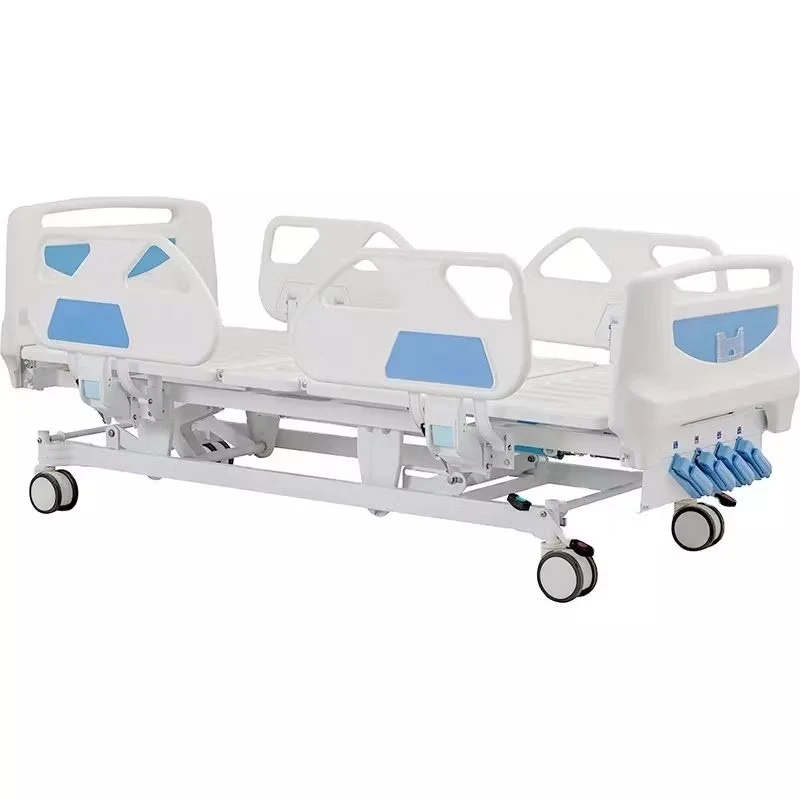
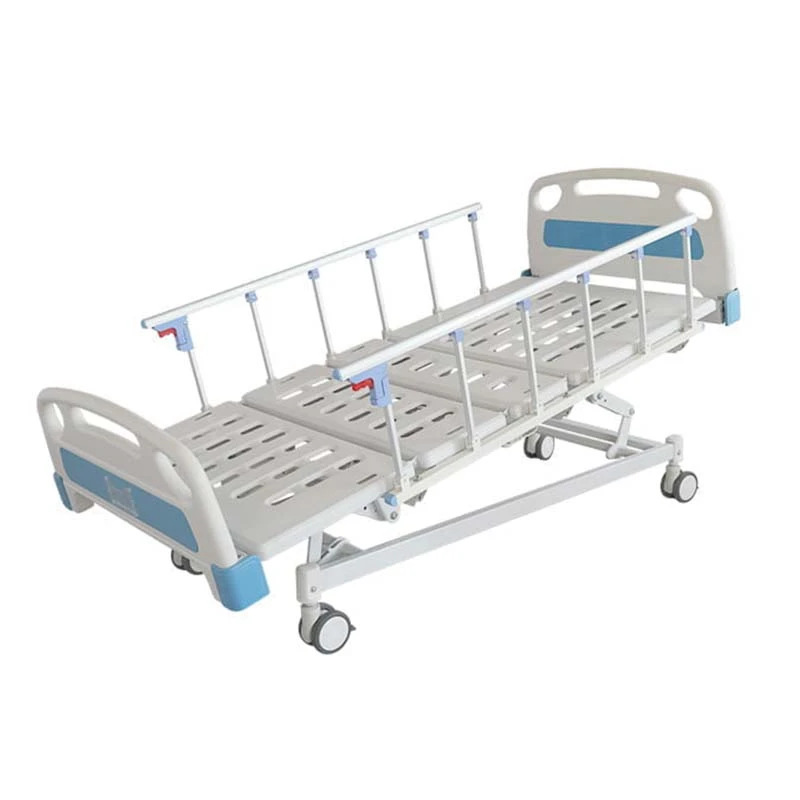
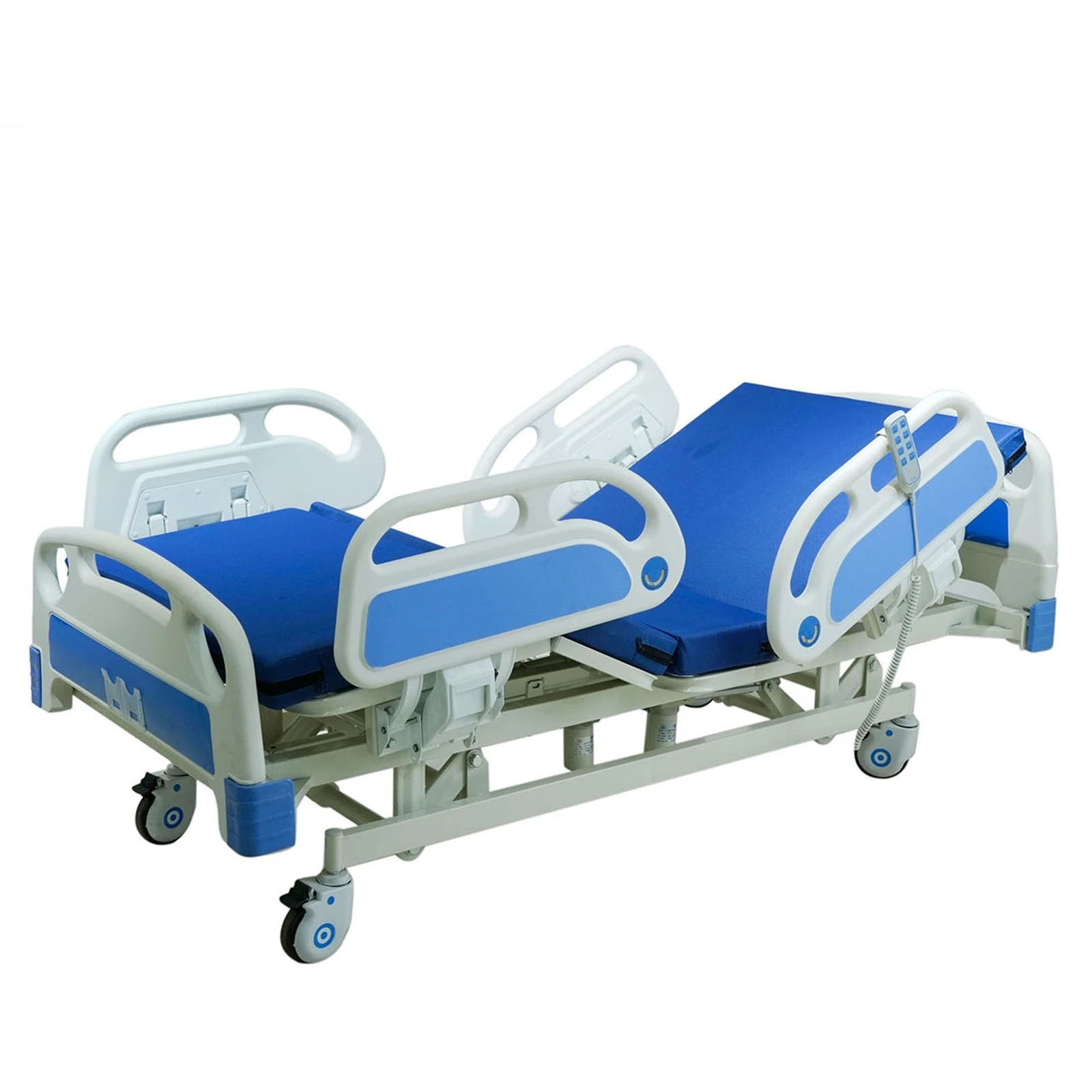
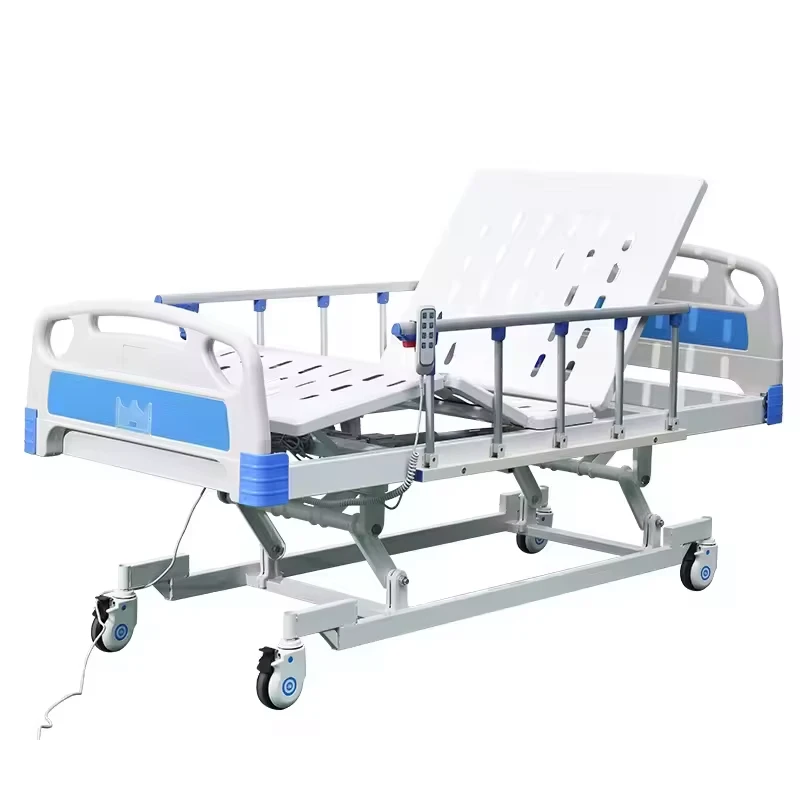
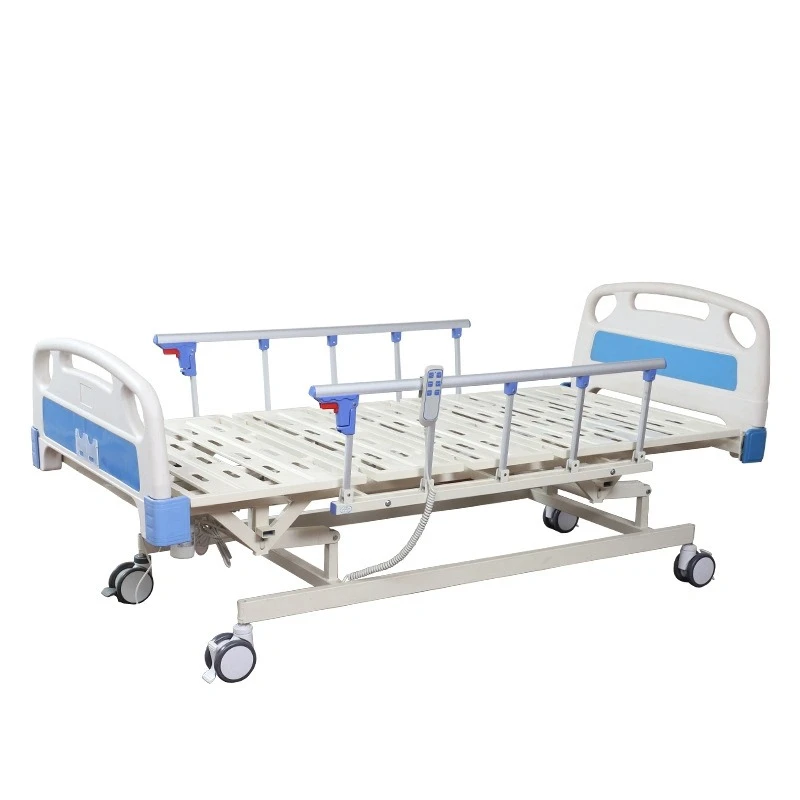
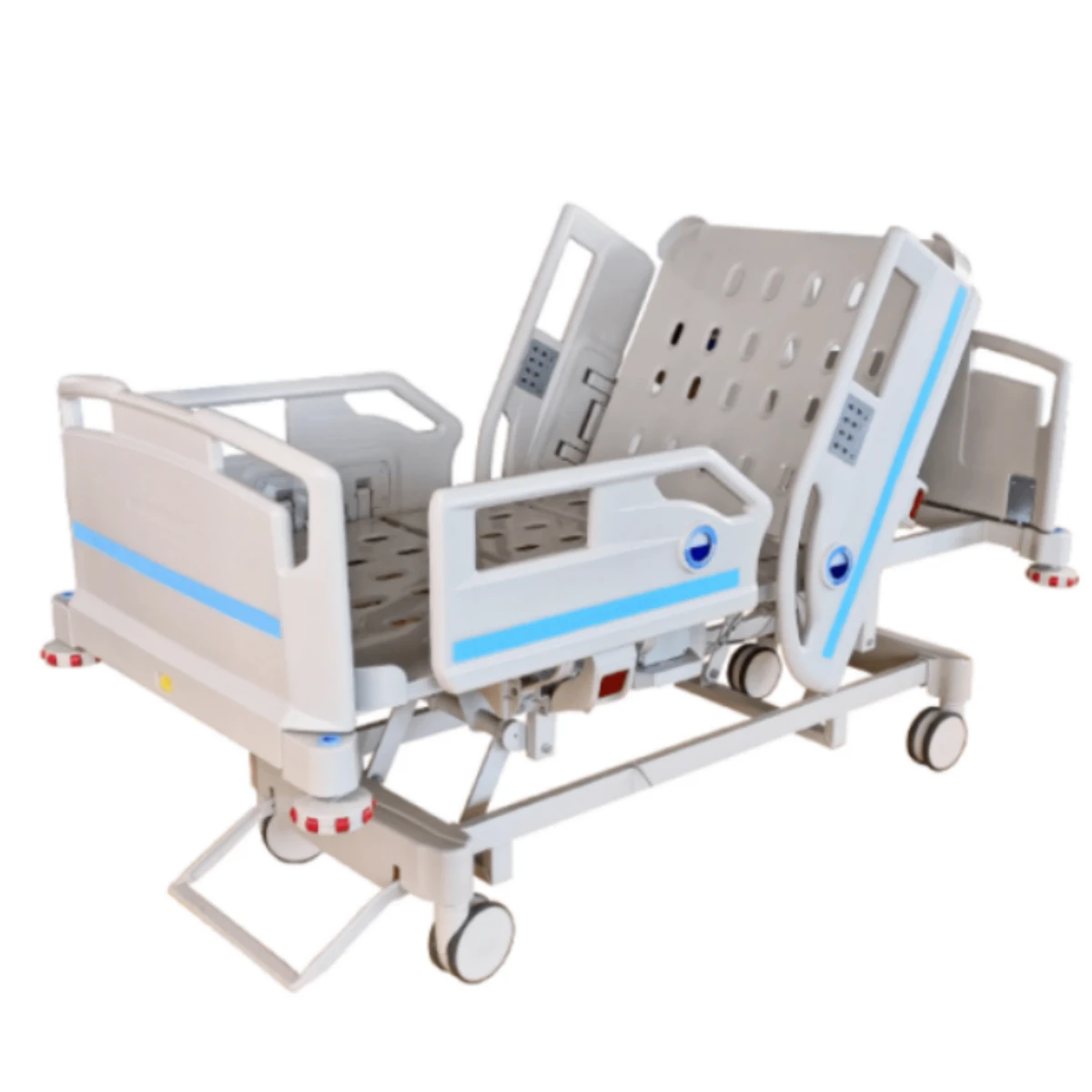
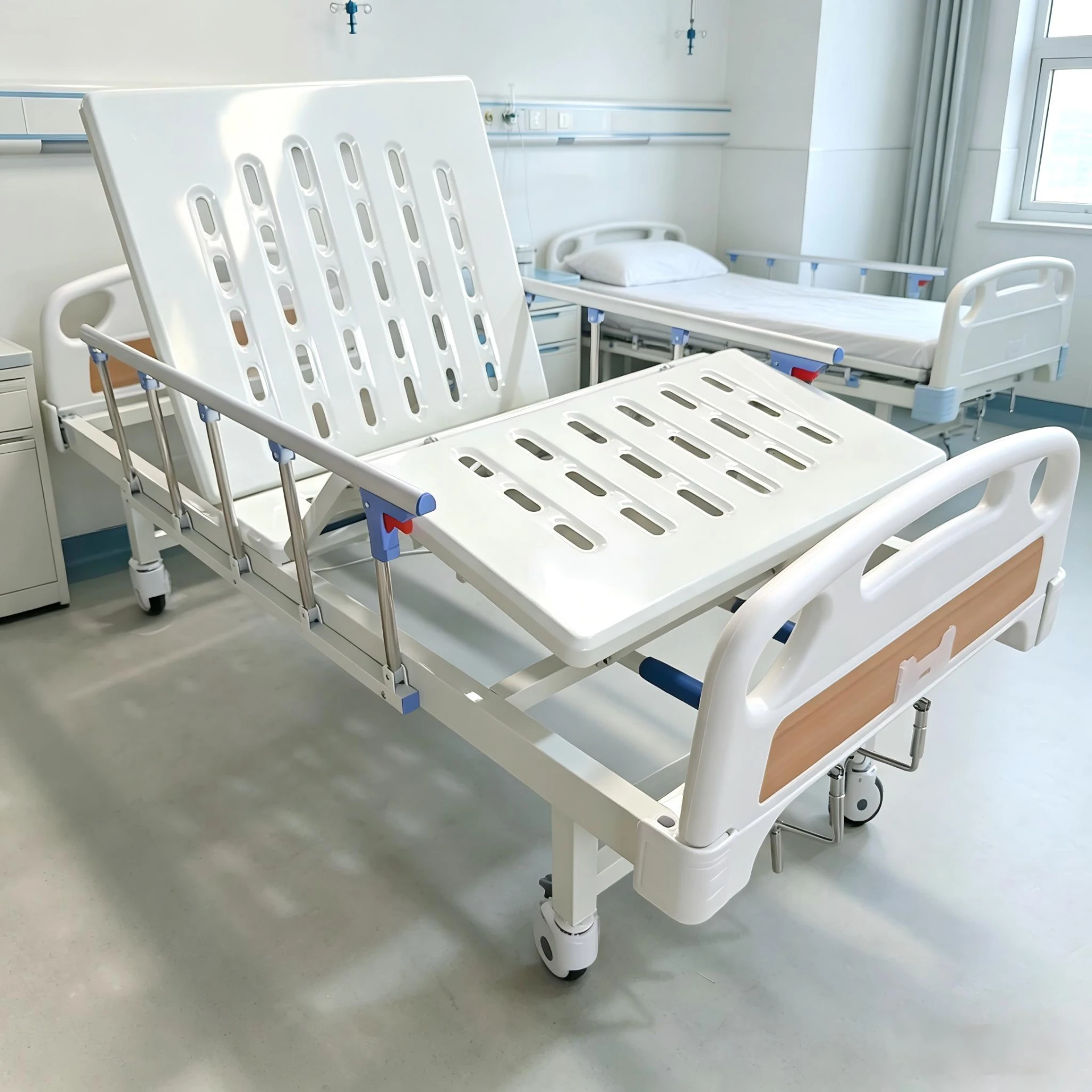
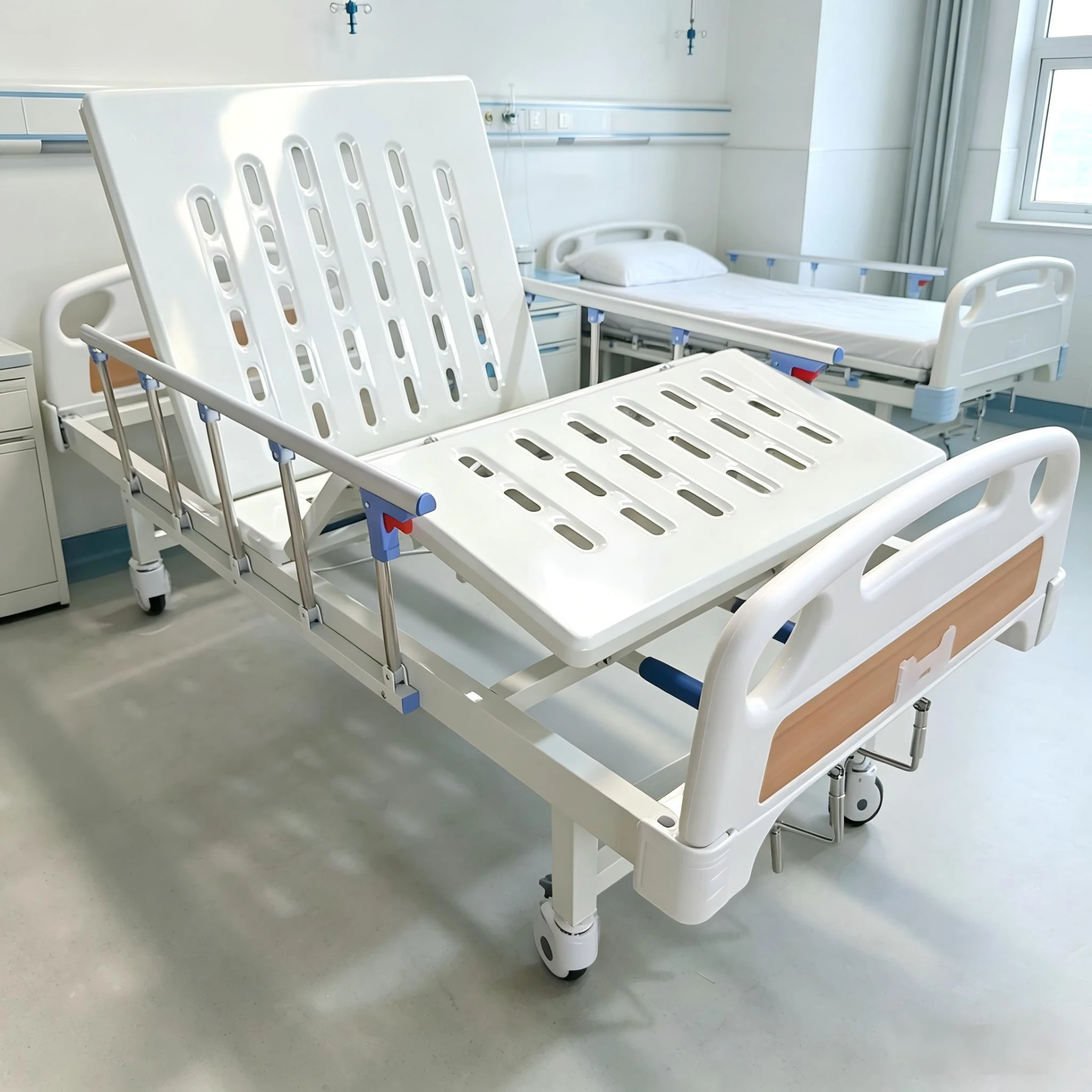
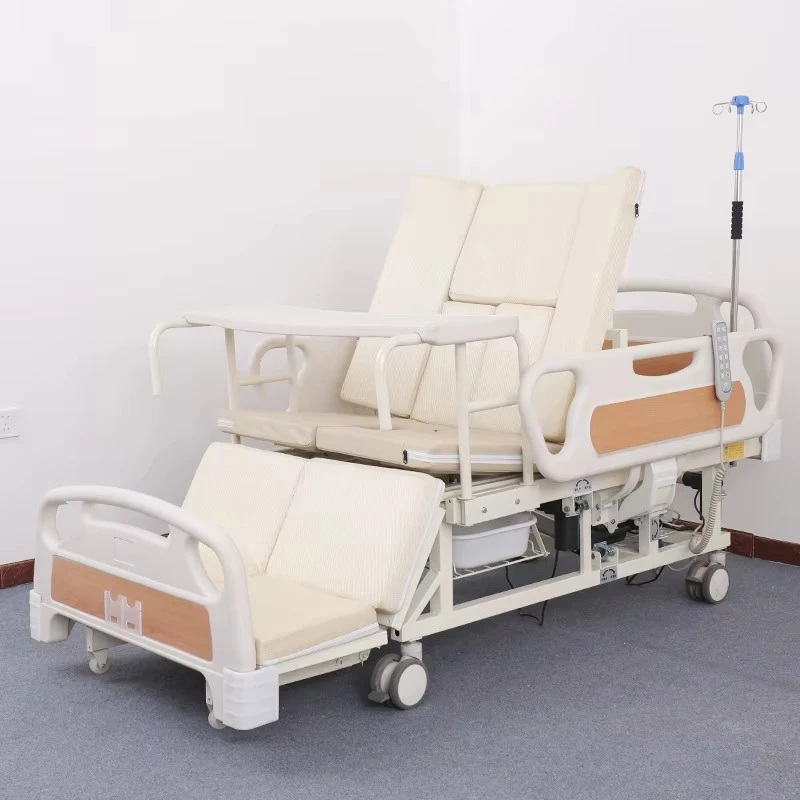
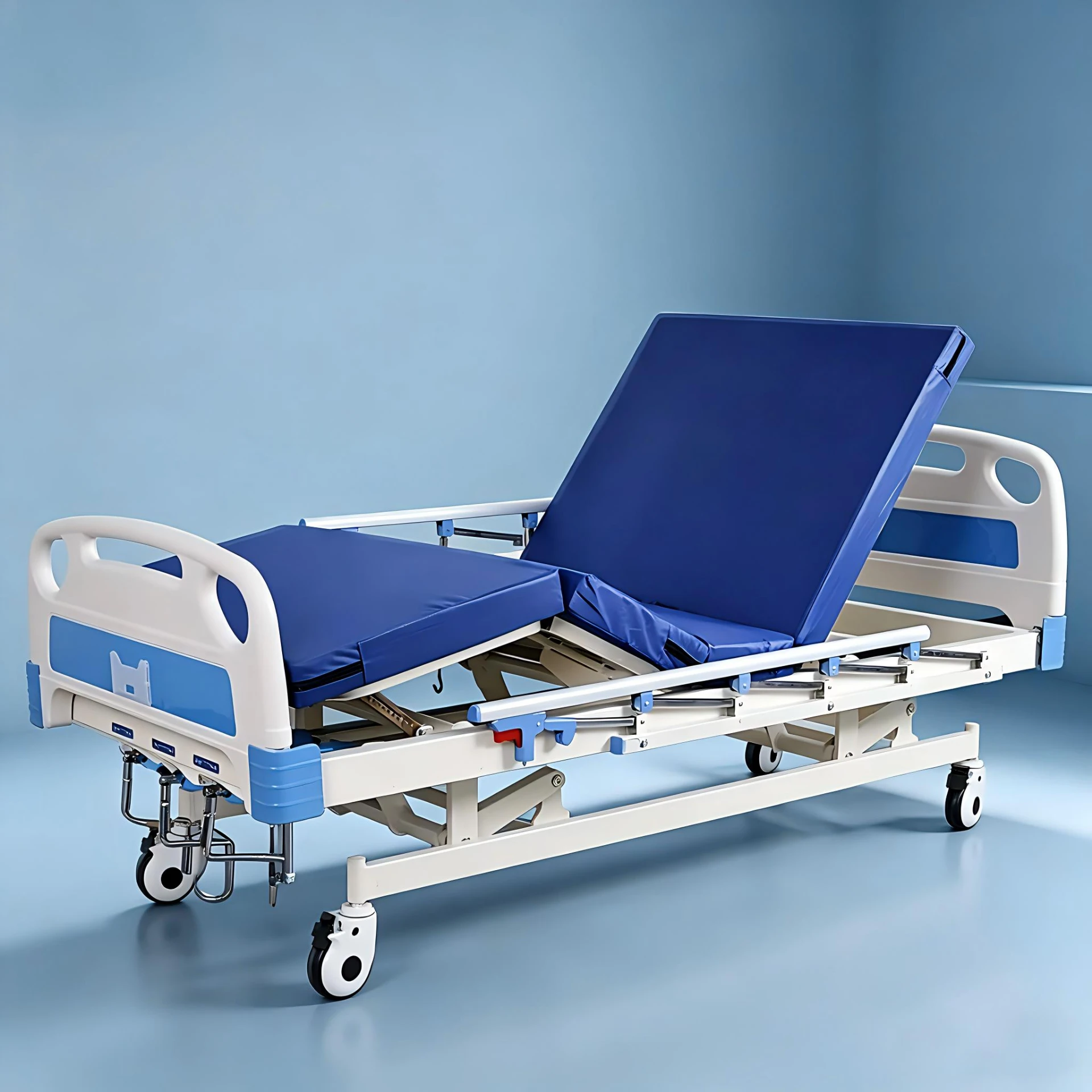
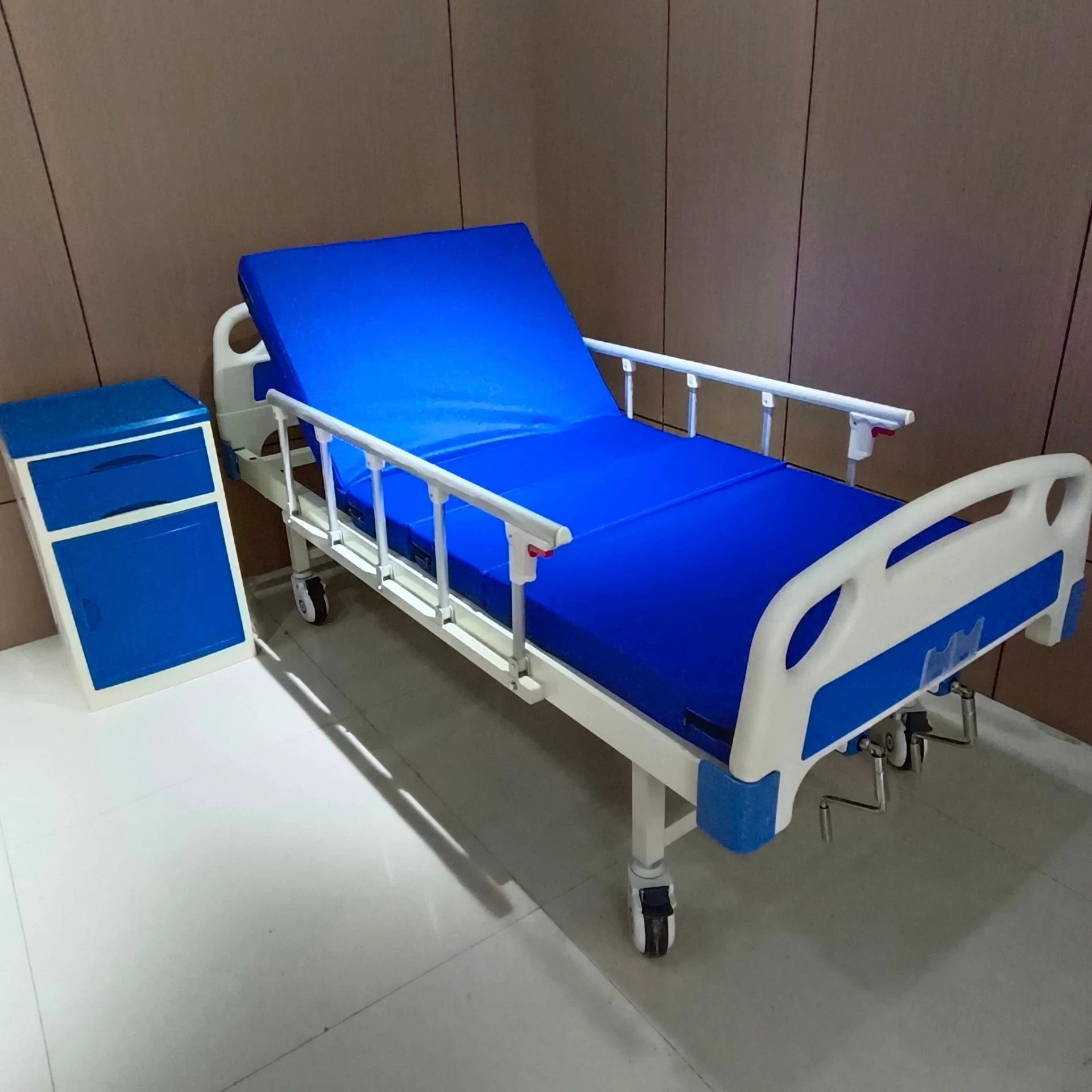
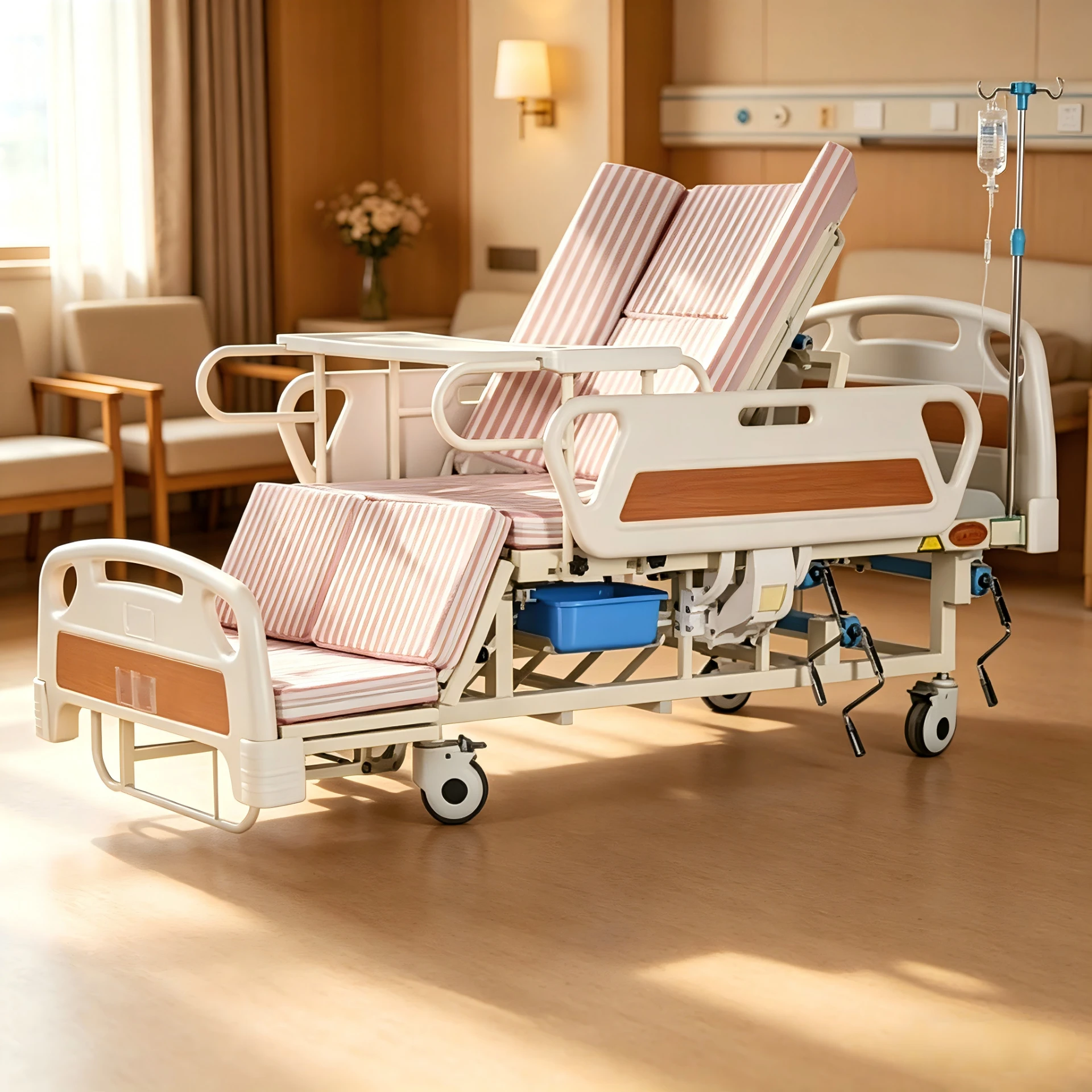
In simple terms, icu beds in China are specially designed hospital beds intended for patients who need intensive treatment and continuous monitoring. Unlike conventional beds, ICU beds are adjustable, facilitate complex nursing care, and integrate with critical medical devices.
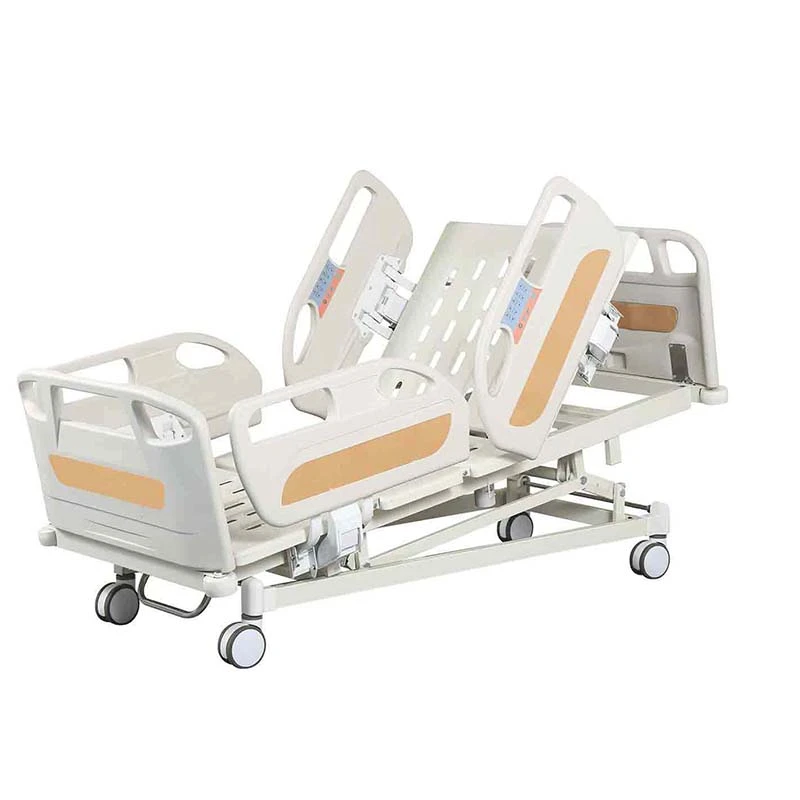
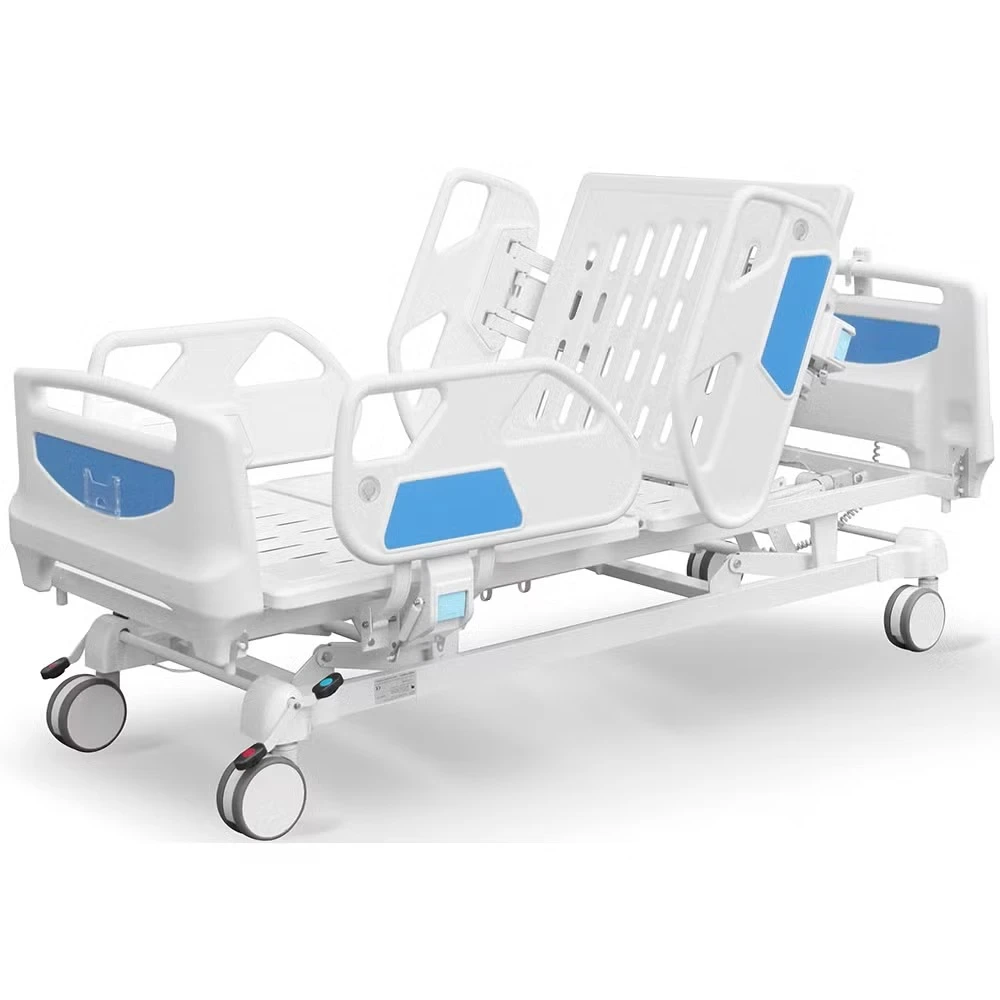
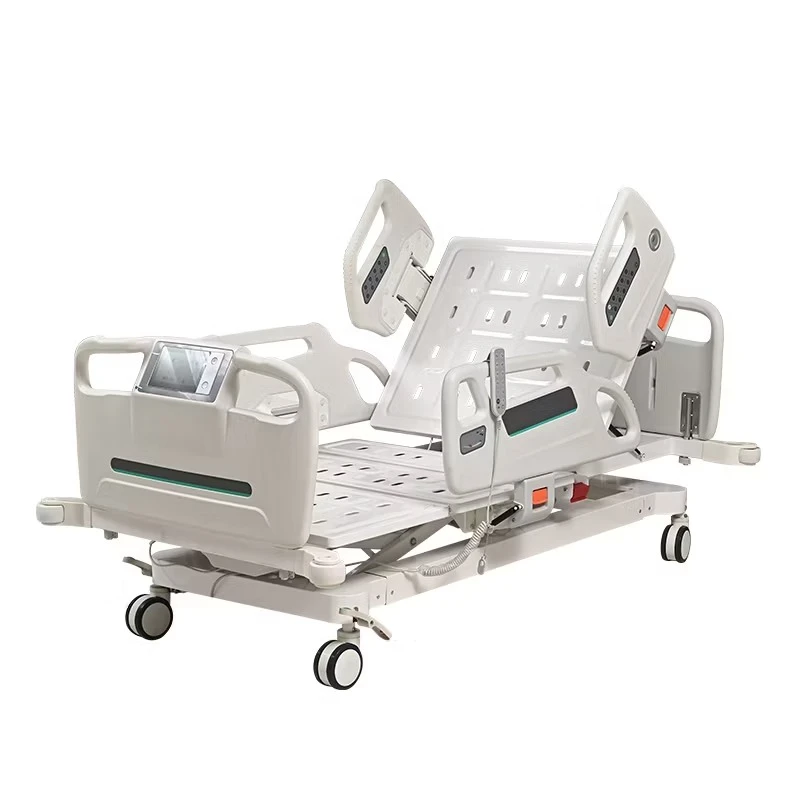
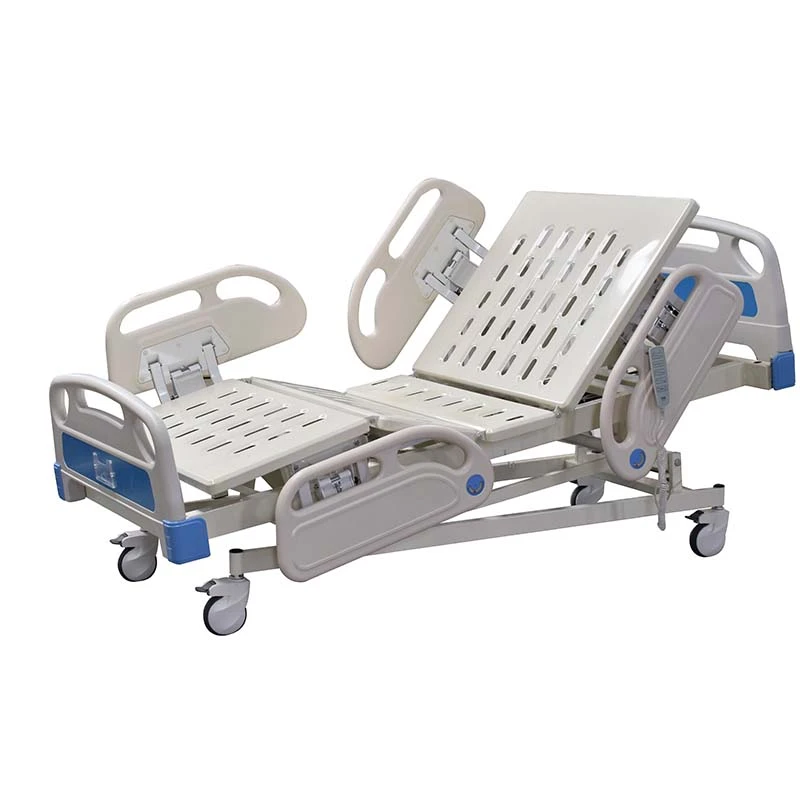
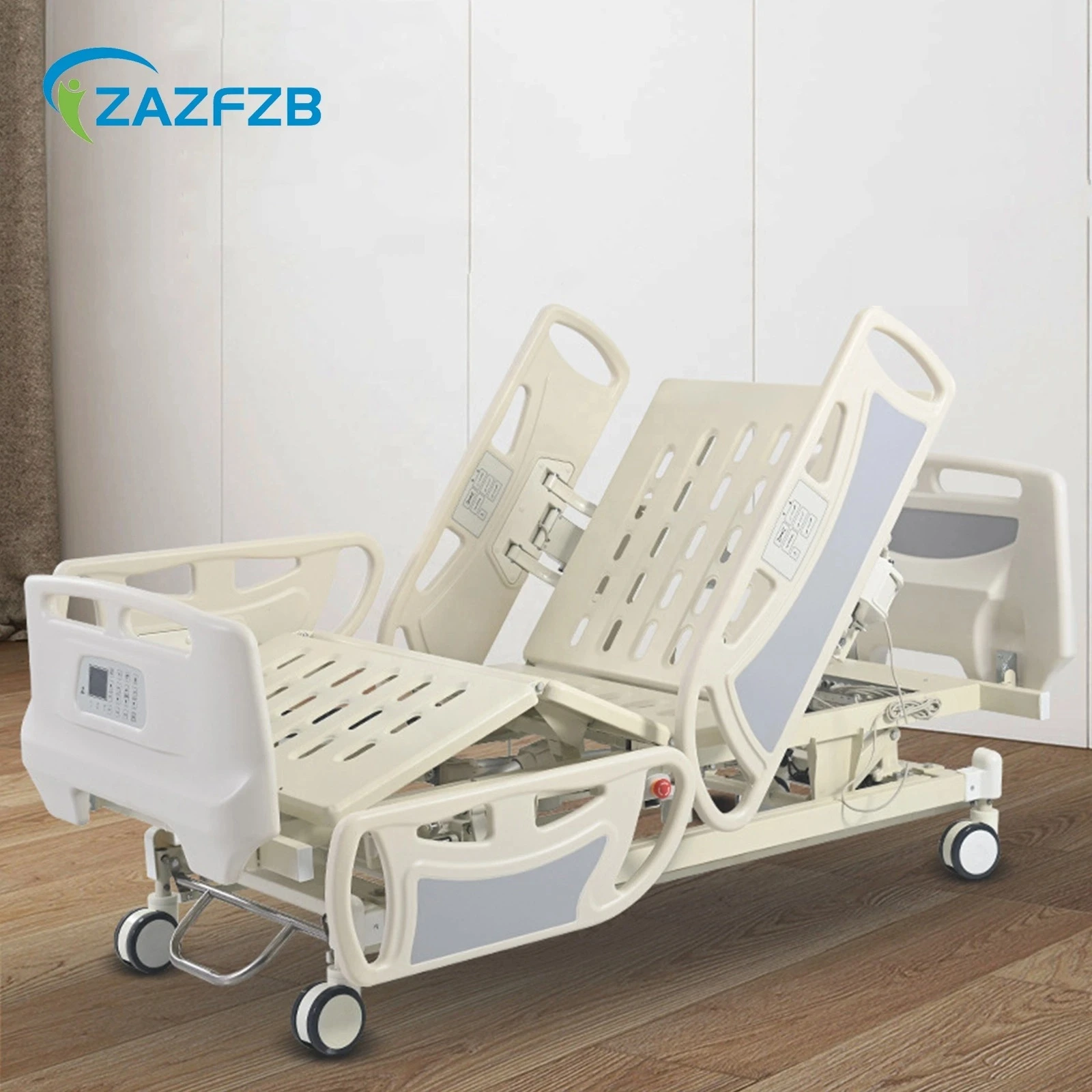
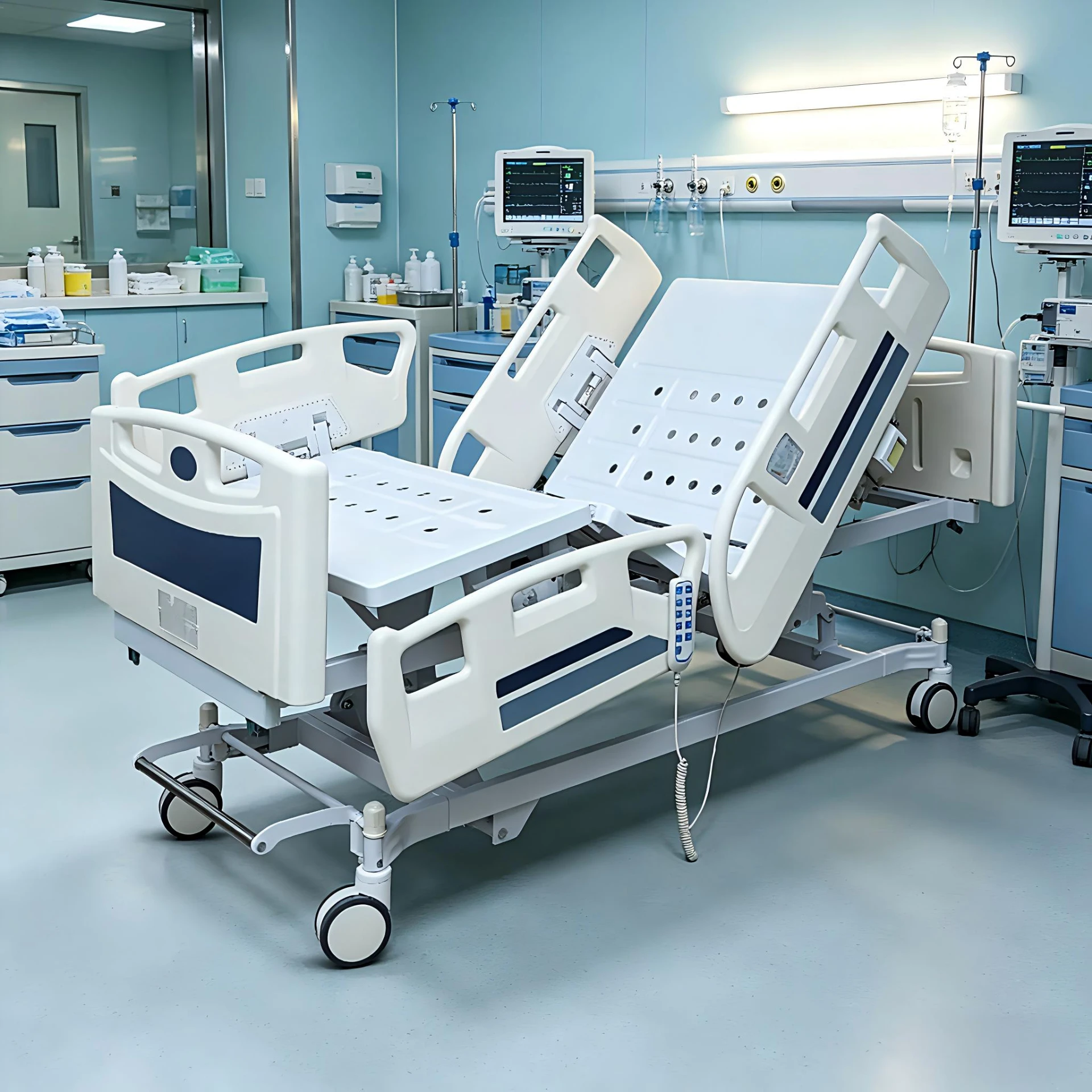
They are a cornerstone of modern healthcare, combining ergonomic patient positioning, caregiver accessibility, and often embedded technology such as electric motors for bed adjustments, weighing scales, and CPR functions. The idea is to provide comfort for the patient while enhancing the medical team’s ability to deliver care effectively.
Key Features That Define ICU Beds
- Multi-directional adjustability (head, foot, height)
- High-grade materials for infection resistance, often stainless steel or coated metals
- User-friendly control panels for nurses and caregivers
- Accessory compatibility (IV poles, monitors, ventilators)
Core Components That Make These ICU Beds Tick
1. Durability and Material Quality
It’s no exaggeration that ICU beds endure intense daily usage — frequent adjustments, patient transfers, cleaning protocols with harsh disinfectants. Chinese manufacturers nowadays favor corrosion-resistant stainless steel or specially treated alloys. The bed frames are engineered for strength without adding too much bulk.
2. Scalability and Modular Design
Many ICU beds produced in China emphasize modularity. This means hospital staff can quickly swap out parts or upgrade functions. It’s frankly quite neat — hospitals can expand ICU capacity or update beds incrementally without full replacements, which helps control costs and reduces waste.
3. Cost Efficiency Without Compromise
One of China’s strengths lies in producing high-quality ICU beds at competitive prices. The lean manufacturing methods paired with local supply chains allow hospitals worldwide—especially in developing regions—to afford equipment that would otherwise be out of reach.
4. Integration with Medical Technology
The beds aren’t standalone. They sync with advanced patient monitors and life-support machines, often via standardized connectors. This is vital for real-time adjustments and ensuring medical teams have comprehensive patient data at their fingertips.
5. Infection Control Features
In the post-COVID world, infection control is no joke. Many ICU beds from leading Chinese vendors include surfaces designed to resist bacterial growth and are structured to reduce crevices where germs might hide. This design focus aids long-term sustainability of care facilities.
Mini Takeaway:
So far, it seems China has cracked the code of balancing durability, affordability, and tech-integration in ICU beds — a trio essential for modern hospitals worldwide.
Real-World Applications: ICU Beds Made in China Across the Globe
From massive urban hospitals in Beijing and Shanghai to clinics in emerging markets across Africa and Southeast Asia, icu beds in China have found diverse applications. Their adaptability proves handy in many scenarios:
- Disaster Relief: Rapid deployment during earthquakes or floods, ICU beds are key in temporary hospitals.
- Remote Industrial Zones: Mining or oil extraction camps sometimes maintain ICU-capable facilities for emergencies, using sturdy Chinese-built beds capable of withstanding tough environments.
- Military and Mobile Hospitals: Compact yet fully featured ICU beds support critical care on the move.
- Healthcare Upgrades in Developing Countries: Donations or purchases of ICU beds from Chinese vendors help elevate intensive care standards globally.
Advantages and Long-Term Value of These ICU Beds
The biggest benefit? Peace of mind. When you have reliable ICU beds, you enable hospitals to respond promptly to emergencies with equipment ready to meet complex clinical needs. The cost savings also mean resources can stretch further, funding other vital areas like staffing or medicines.
There’s also a sustainability angle: modular design reduces waste, and materials often withstand decades of use. Patients feel safer in beds designed with comfort and dignity in mind — a subtle but powerful psychological uplift.
Looking Ahead: Innovations Shaping ICU Beds in China
Technology never rests — so we’re seeing trends like IoT-enabled ICU beds that automatically report usage stats, or beds with built-in sensors that track patient vitals continuously. Some manufacturers incorporate green materials and energy-efficient motors, embracing sustainability.
Automation is also entering the picture: beds that adjust positions autonomously to reduce pressure ulcers, or AI systems that help predict patient risk factors. It’s not sci-fi anymore — these innovations are in pilot phases or early adoption.
Challenges Yet to Overcome
Of course, every rose has its thorns. Some hospitals still find integration tricky, particularly when mixing Chinese ICU beds with legacy equipment from other manufacturers. Training is another issue — caregivers need to feel confident quickly. Also, regulatory differences sometimes slow exports or approval.
But the industry is responsive: vendors offer multilingual manuals, remote support, and training sessions. Innovations in design focus strongly on user friendliness — a testament to listening to real customers globally.
Product Specification Table
| Feature | Specification | Typical Value |
|---|---|---|
| Material | Frame | Stainless Steel (304 Grade) |
| Adjustability | Head/Foot/Height | Electric, 0-75° Head, 0-45° Foot, 40-80 cm Height |
| Load Capacity | Max Patient Weight | 250 kg (550 lbs) |
| Infection Control | Surface Coating | Antimicrobial Powder Coat |
| Additional Features | Accessories | IV Pole, Side Rails, Weighing Scale |
Vendor Comparison Snapshot
| Brand | Price Range (USD) | Tech Integration | Warranty | Global Certifications |
|---|---|---|---|---|
| Zhaofa Medical | $1,200 – $3,500 | Full IoT Capable | 2 Years | ISO 13485, CE, FDA |
| Guangdong CareBed | $1,000 – $2,800 | Basic Electric Controls | 1.5 Years | ISO 13485, CE |
| Shanghai MediEquip | $1,500 – $4,000 | Advanced AI Support (Pilot) | 3 Years | ISO 13485, CE, FDA |
Frequently Asked Questions About ICU Beds in China
Q1: How do ICU beds from China compare in quality to those from Europe or the US?
ICU beds manufactured in China often meet the same international standards like ISO 13485 and CE certification, ensuring comparable quality. While some advanced features may initially debut in Western markets, Chinese brands quickly incorporate these innovations, offering competitive durability, technology, and affordability.
Q2: Can hospitals customize ICU beds according to specific clinical needs?
Absolutely. Many Chinese suppliers offer modular designs allowing hospitals to select optional features such as electronic controls, side rails, or integrated monitoring ports, tailoring beds to particular ward requirements without hefty price jumps.
Q3: What about logistics and after-sales support for international buyers?
Reputable vendors like Zhaofa Medical provide comprehensive worldwide shipping, installation guidance, and a responsive after-sales service including warranties — vital for complex medical equipment to ensure uptime and performance.
Q4: Are these ICU beds compatible with energy supplies in developing countries?
Yes. Many Chinese ICU beds are designed with universal power adapters and voltage tolerances, making them reliable even in hospitals with unstable electricity. Battery backup options are sometimes available for uninterrupted function.
Q5: How fast can hospitals increase ICU bed capacity using these Chinese-made solutions?
Because of modular designs and streamlined manufacturing, many suppliers can deliver and deploy ICU beds within weeks, facilitating rapid scale-up especially during emergencies — a key advantage seen during COVID-19 surges.
Conclusion: Why ICU Beds in China Matter for Healthcare's Future
ICU beds made in China are far more than simple hospital fixtures. They’re emblematic of progress in healthcare innovation, accessibility, and smart manufacturing. As global demand for intensive care grows with aging populations and unexpected crises, leveraging these advanced, cost-effective ICU beds promises to raise care quality and hospital readiness worldwide.
For hospitals or healthcare providers exploring options, diving into the current market of icu beds in China is a smart move — blending quality, flexibility, and price to meet both today's and tomorrow's critical care needs.
Curious? Visit https://www.zhaofamed.com for deeper insights and product options tailored for diverse clinical environments.