How to Use a Hospital Chair Recliner | Practical Guide
Hospital Chair Recliner: How to Use
Having spent a fair bit of time in the industrial equipment world, especially with medical furnishings, I can tell you that hospital chair recliners are more than just comfy seats. They're critical equipment designed to offer patients enhanced comfort during long stays or treatments. And honestly, getting familiar with how they work makes all the difference—both for caregivers and patients alike.
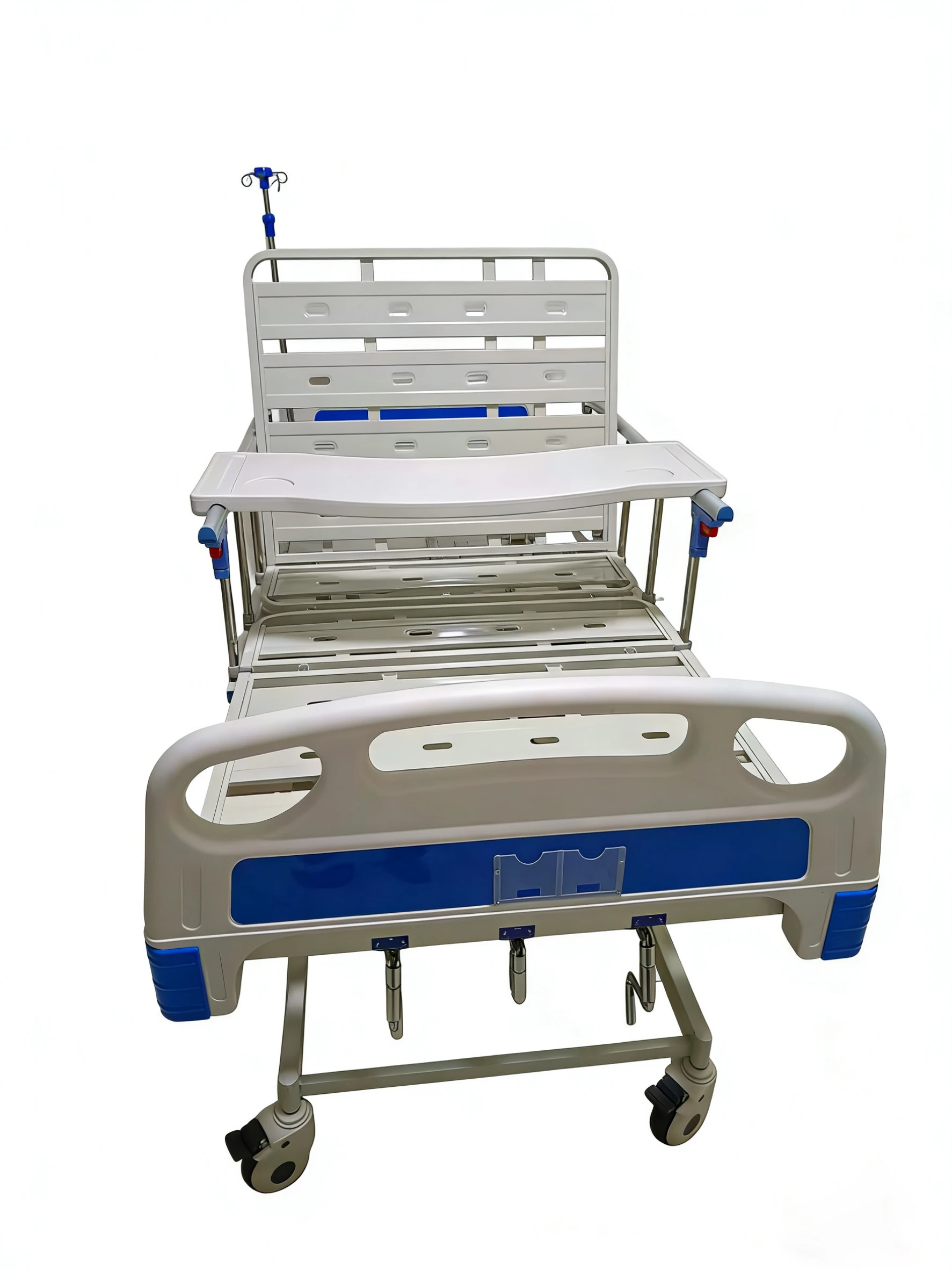
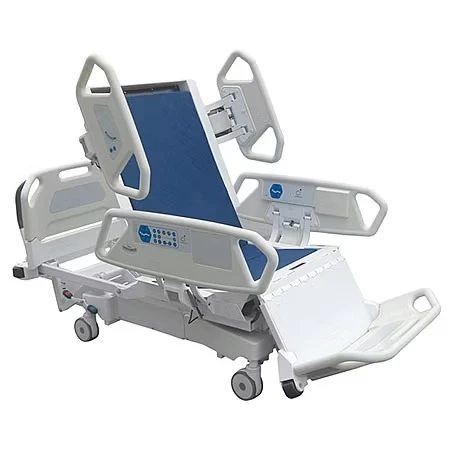
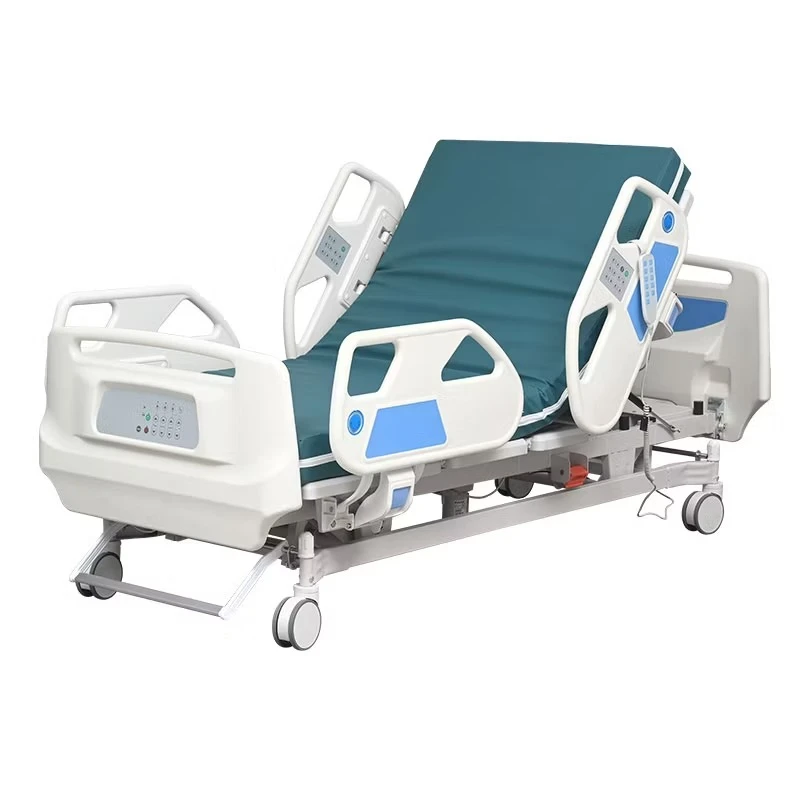
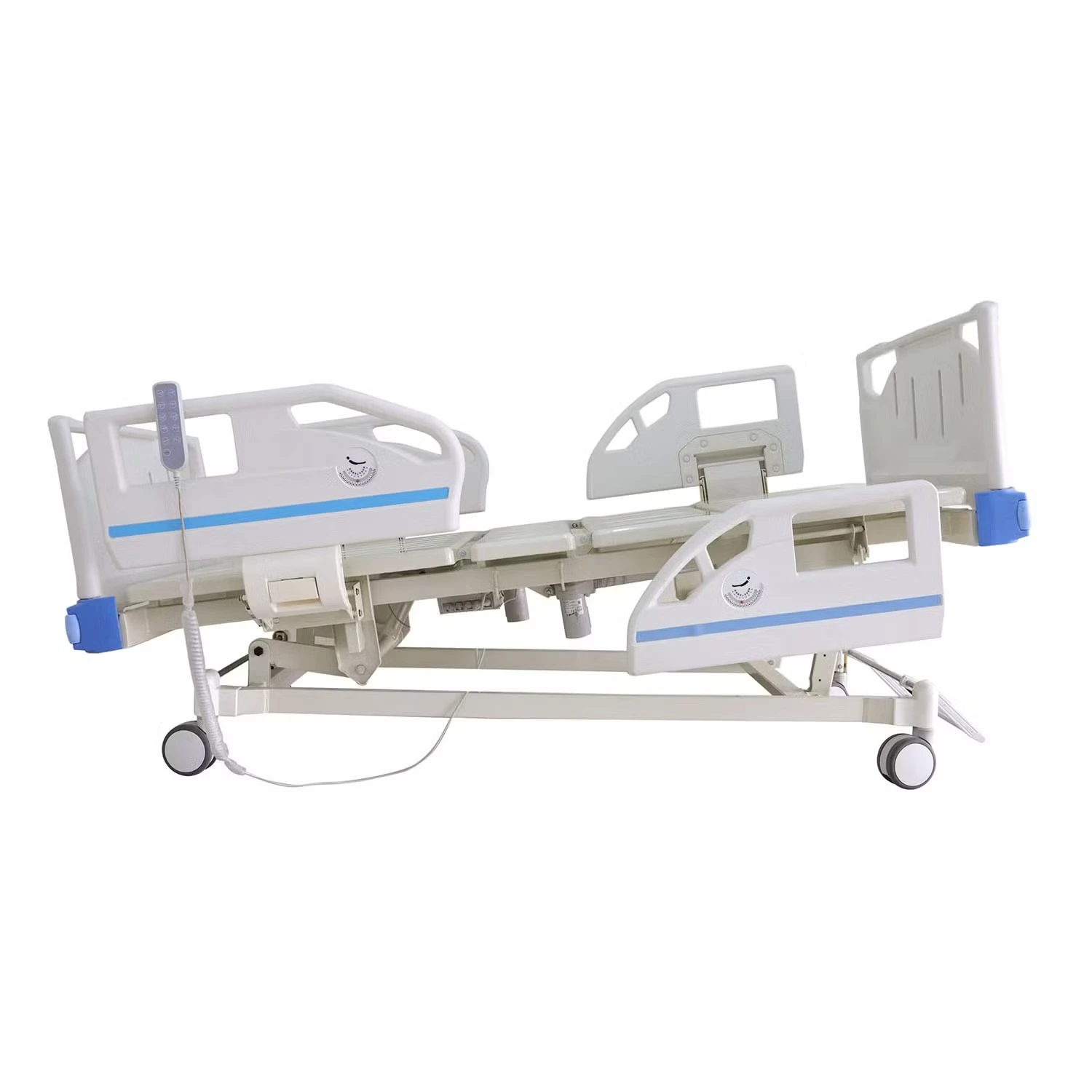
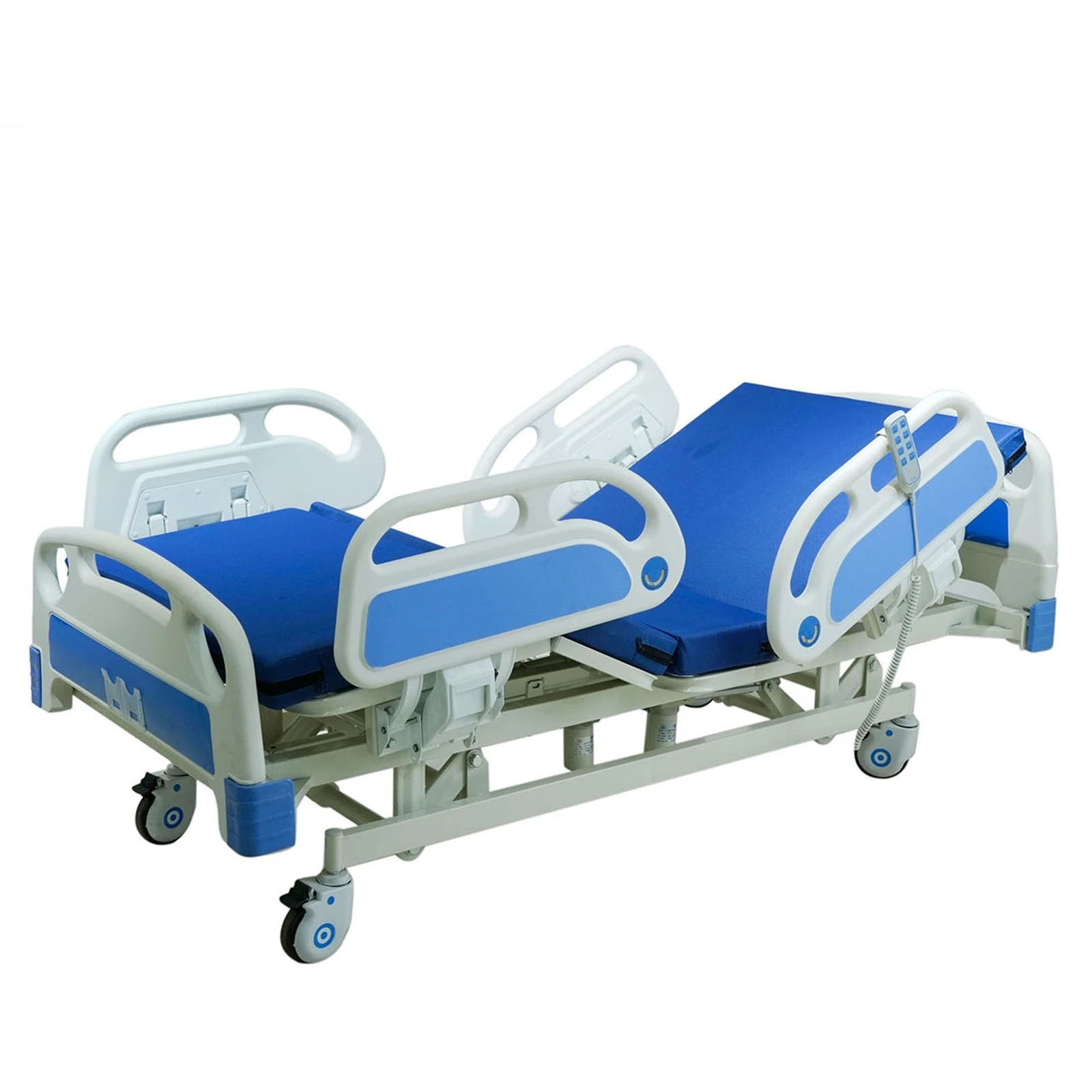
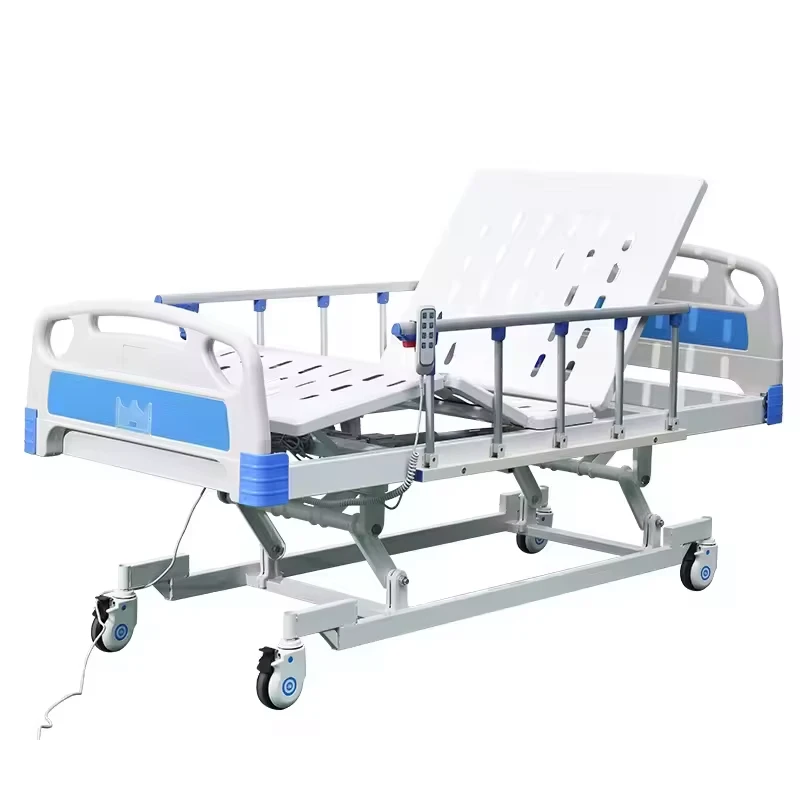
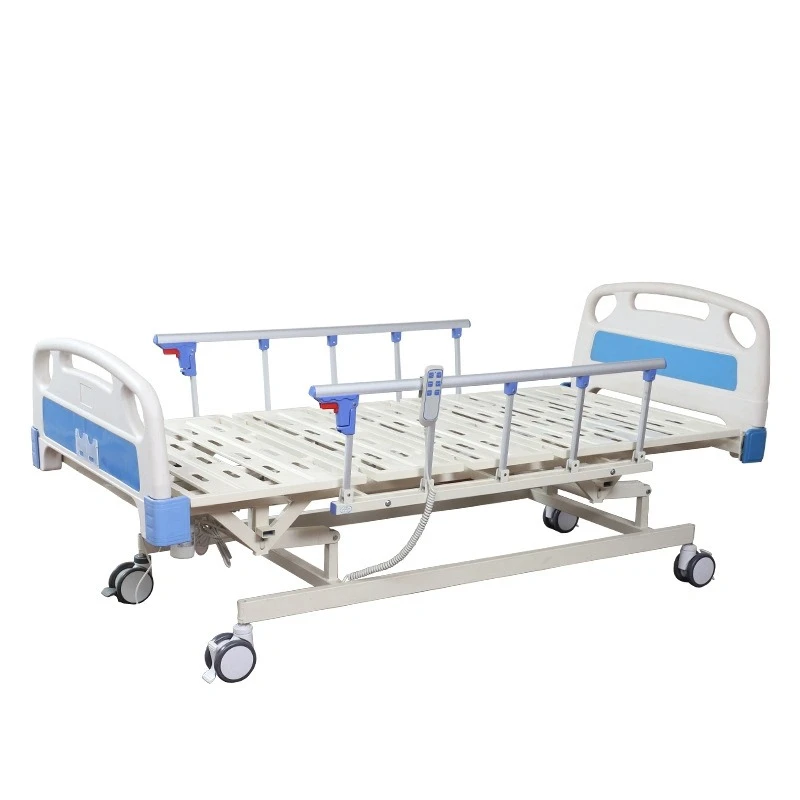
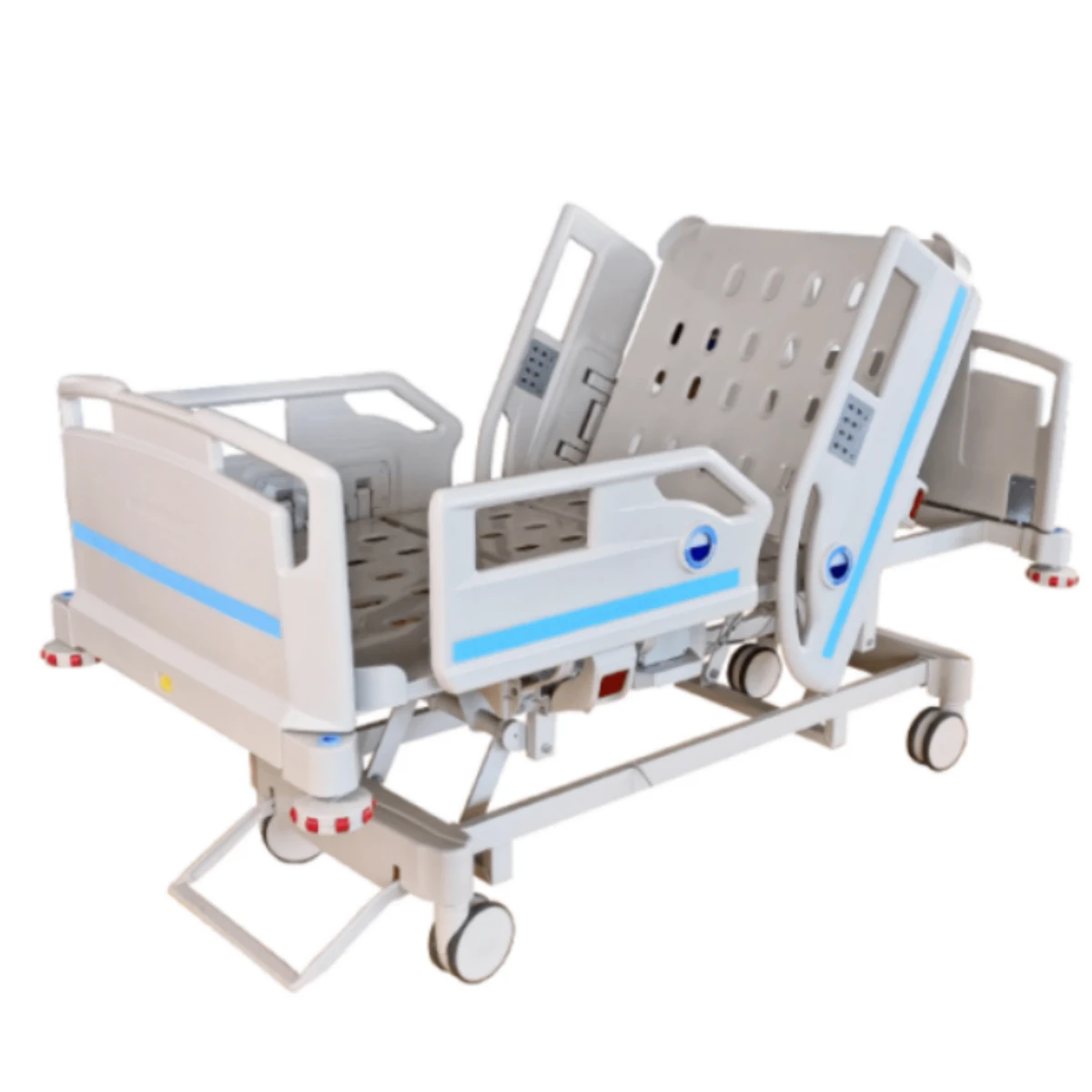
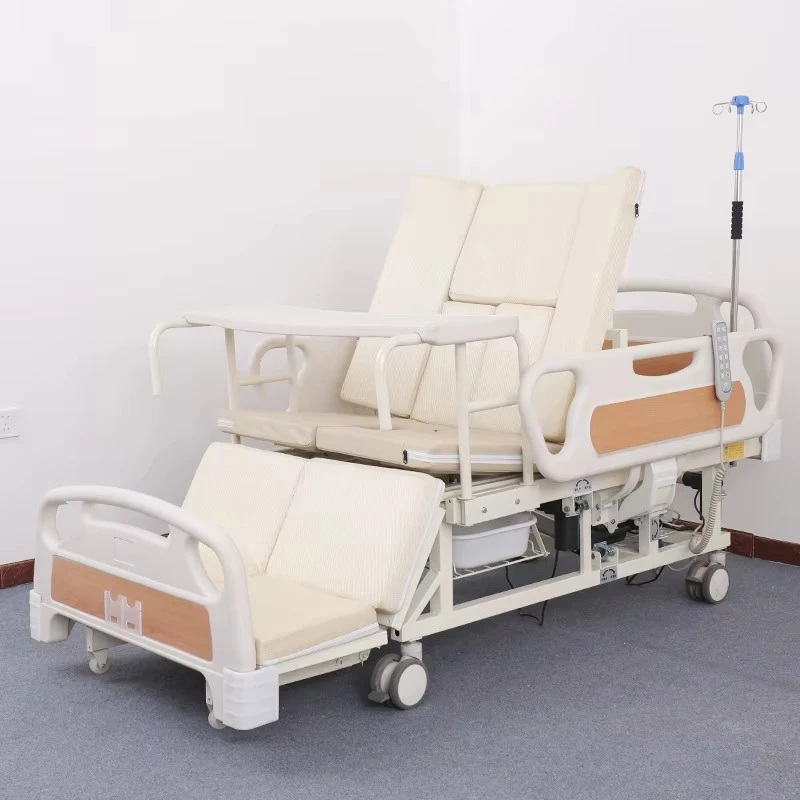
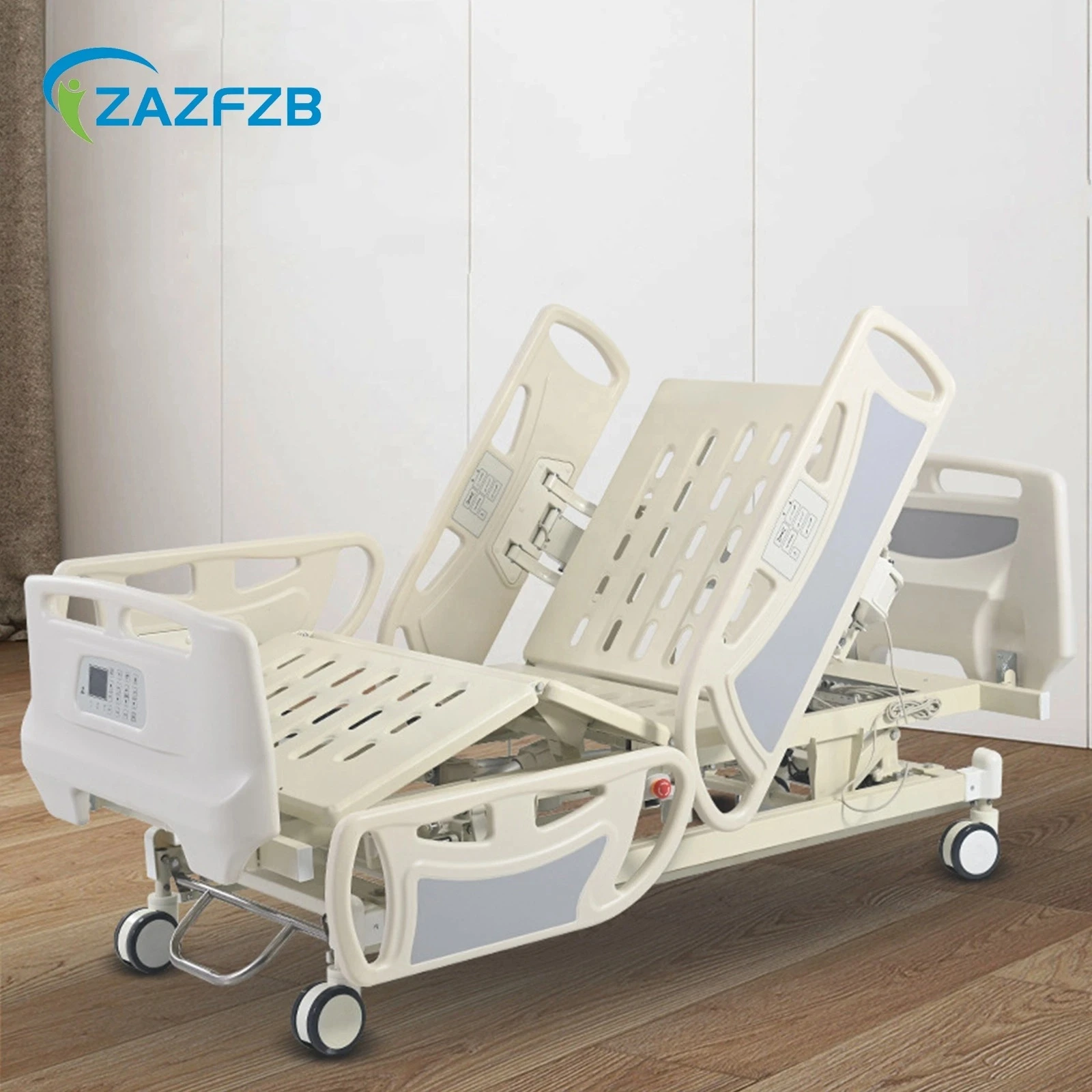
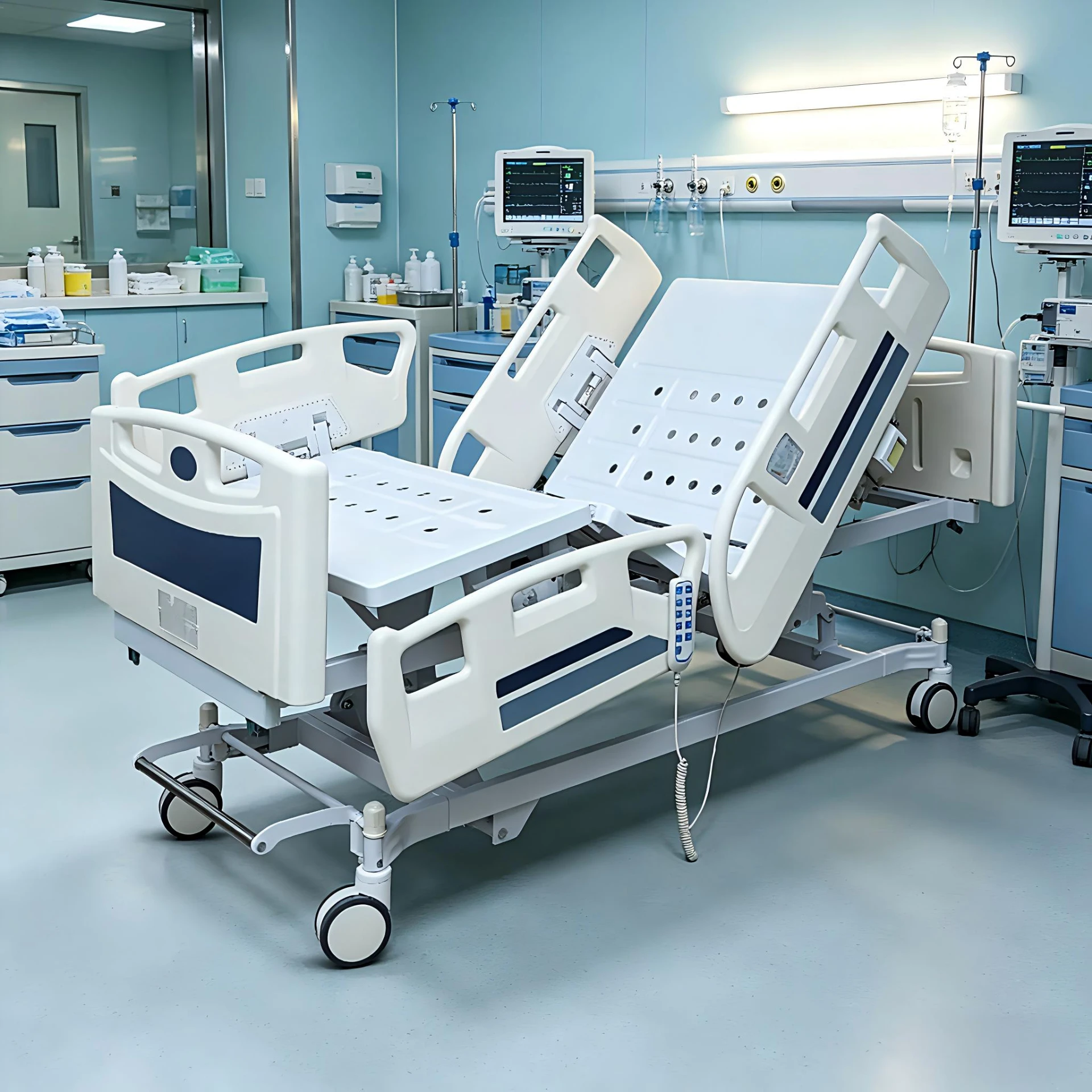
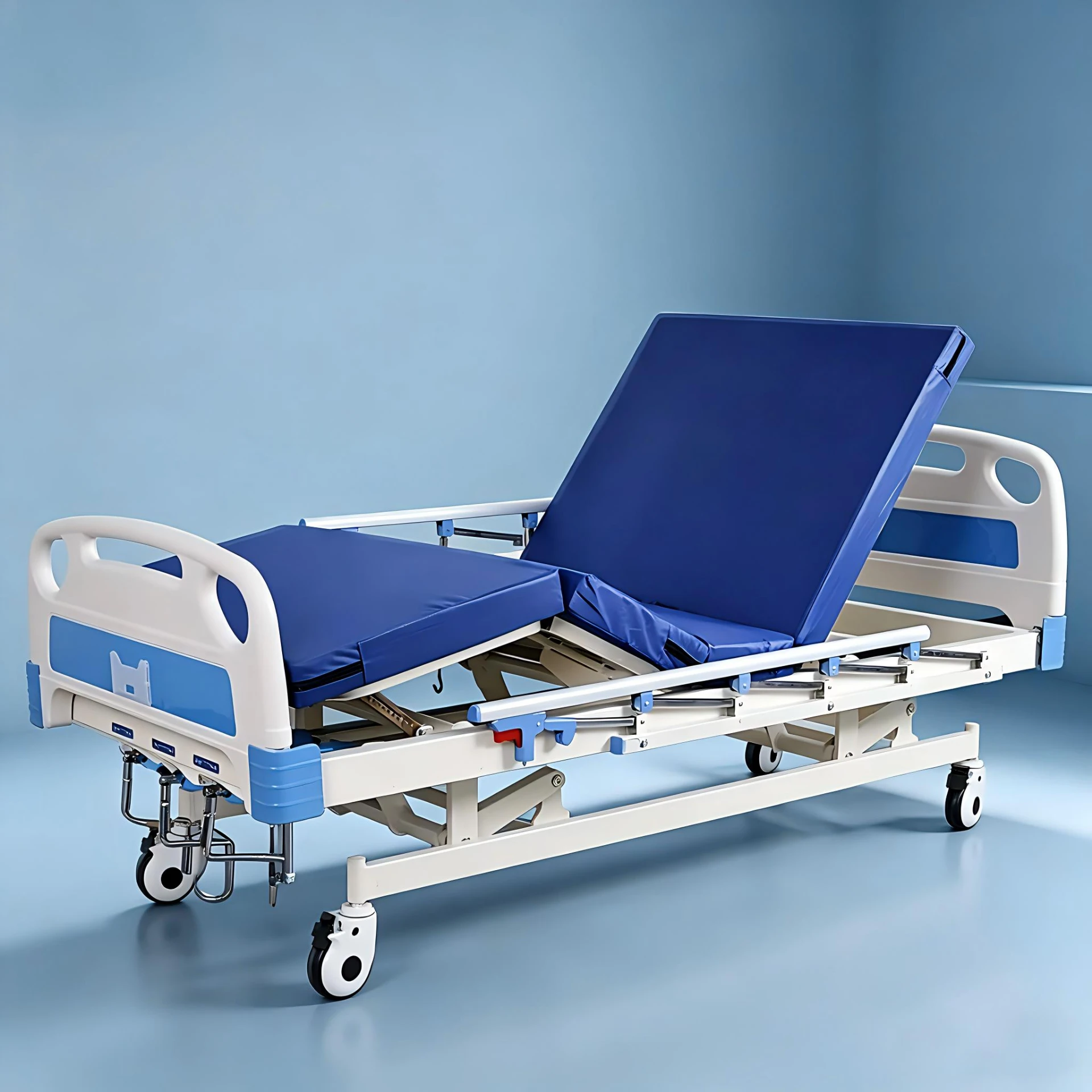
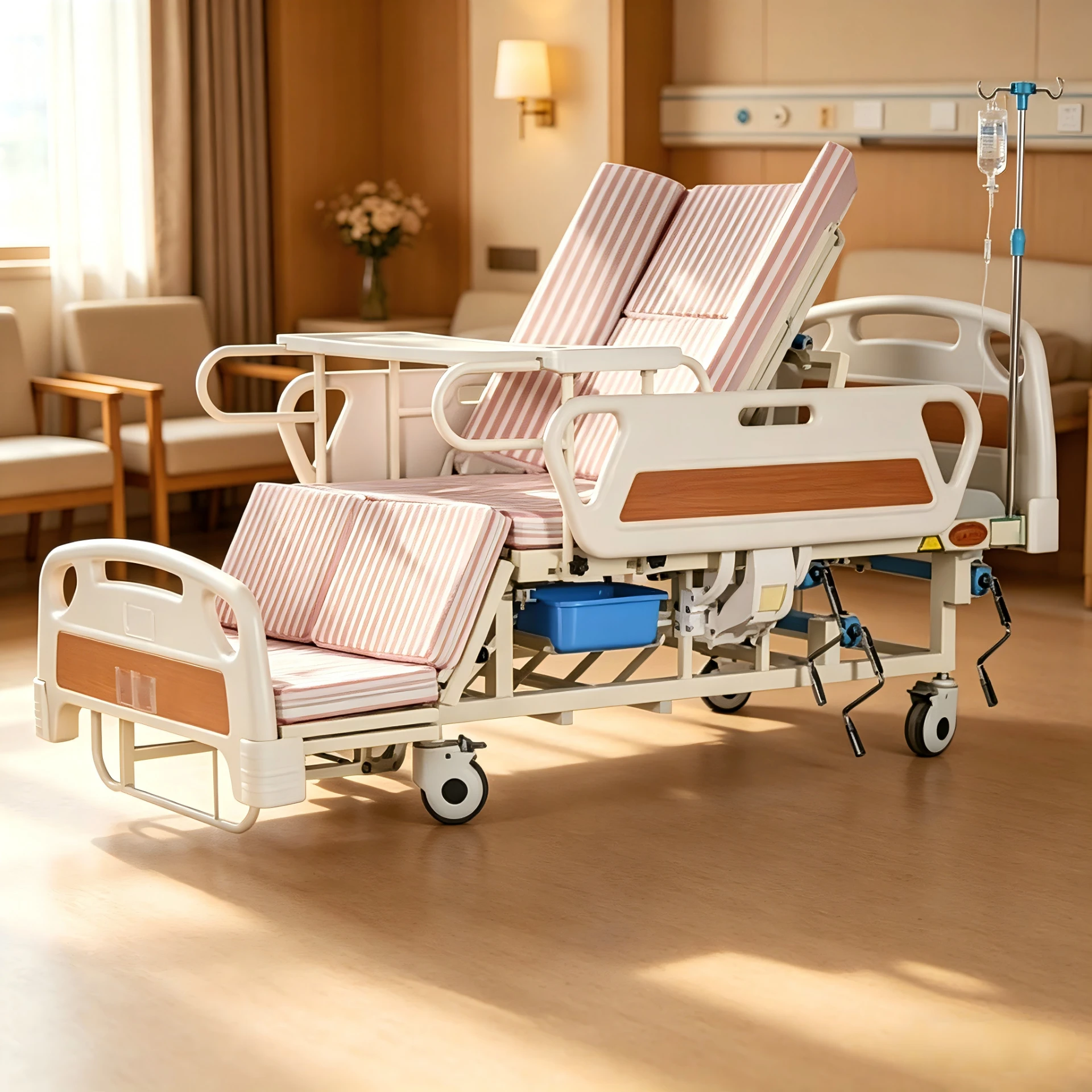
Let’s start with basics. A typical hospital chair recliner isn’t just about reclining back. It has multiple positions—upright for visits and meals, semi-reclined for relaxation, and nearly flat for naps or specific treatments. What always struck me on the factory floor was the engineering finesse marrying comfort with durability. Manufacturers test these chairs vigorously to ensure they support diverse body types, withstand constant use, and, frankly, meet strict hospital sanitation standards.
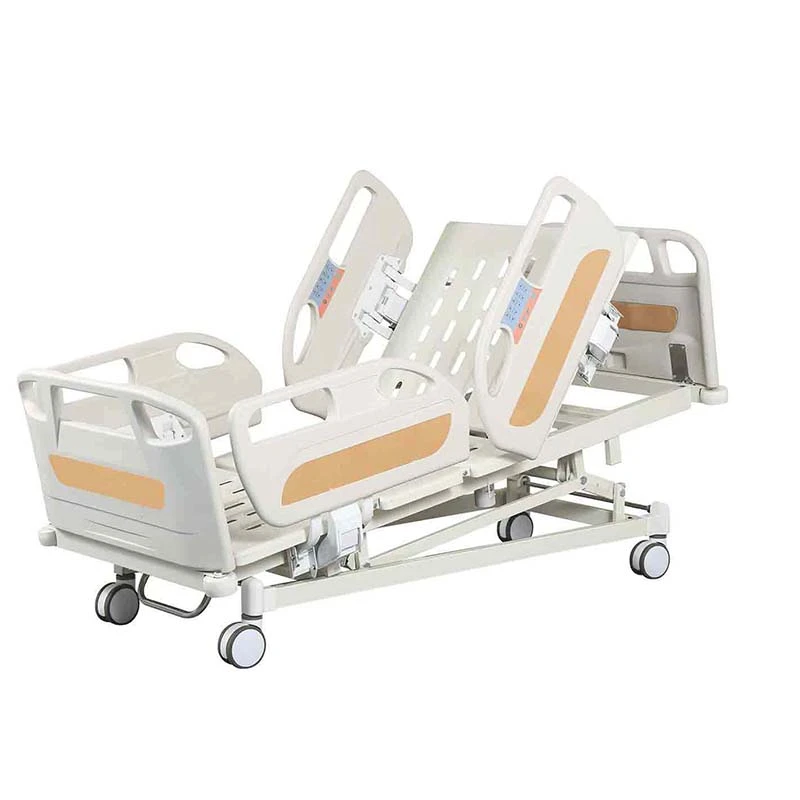
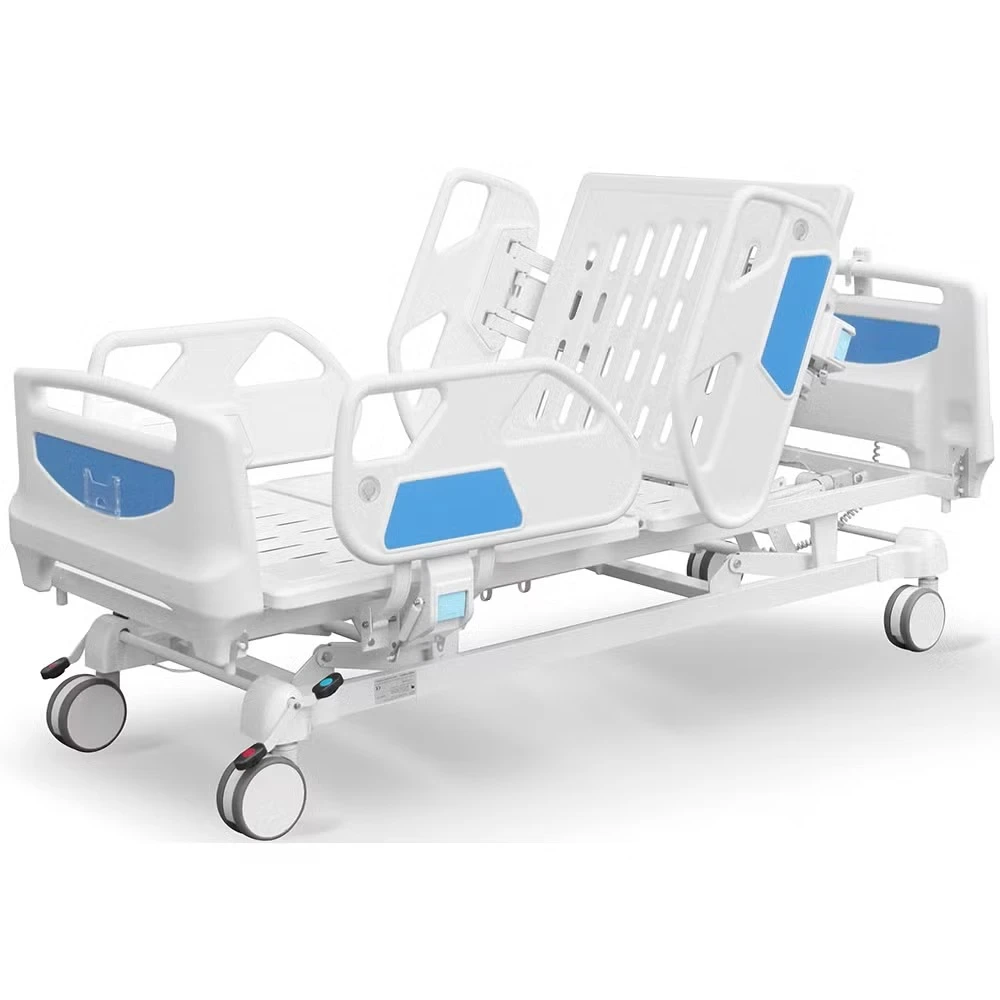
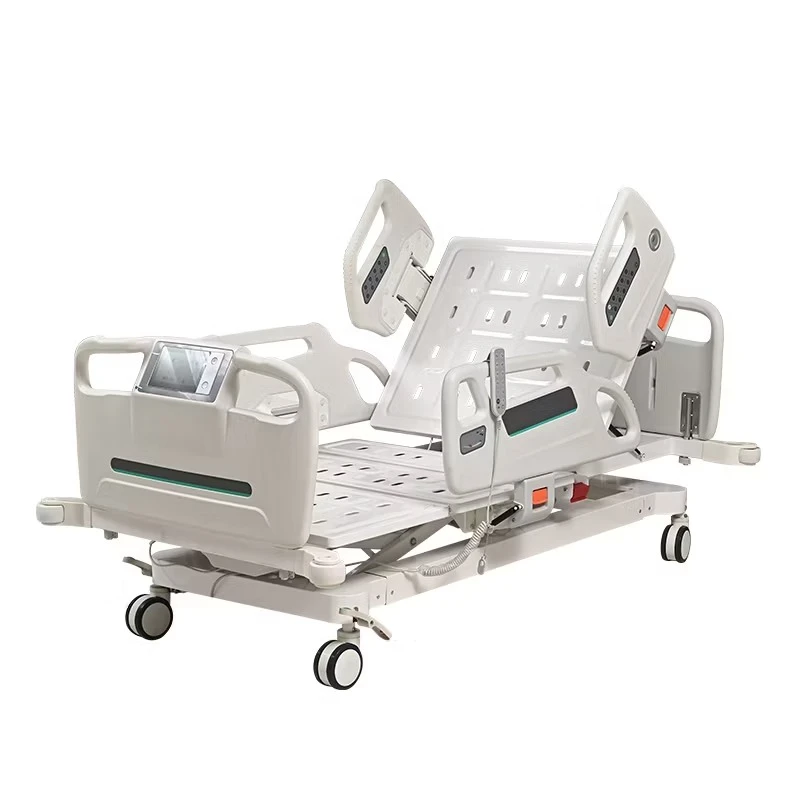
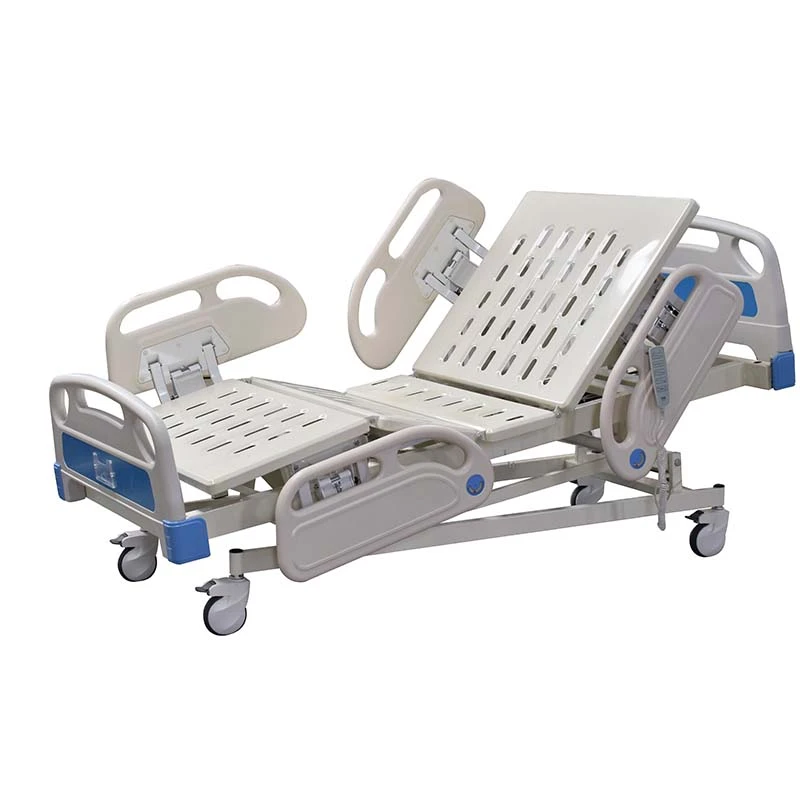
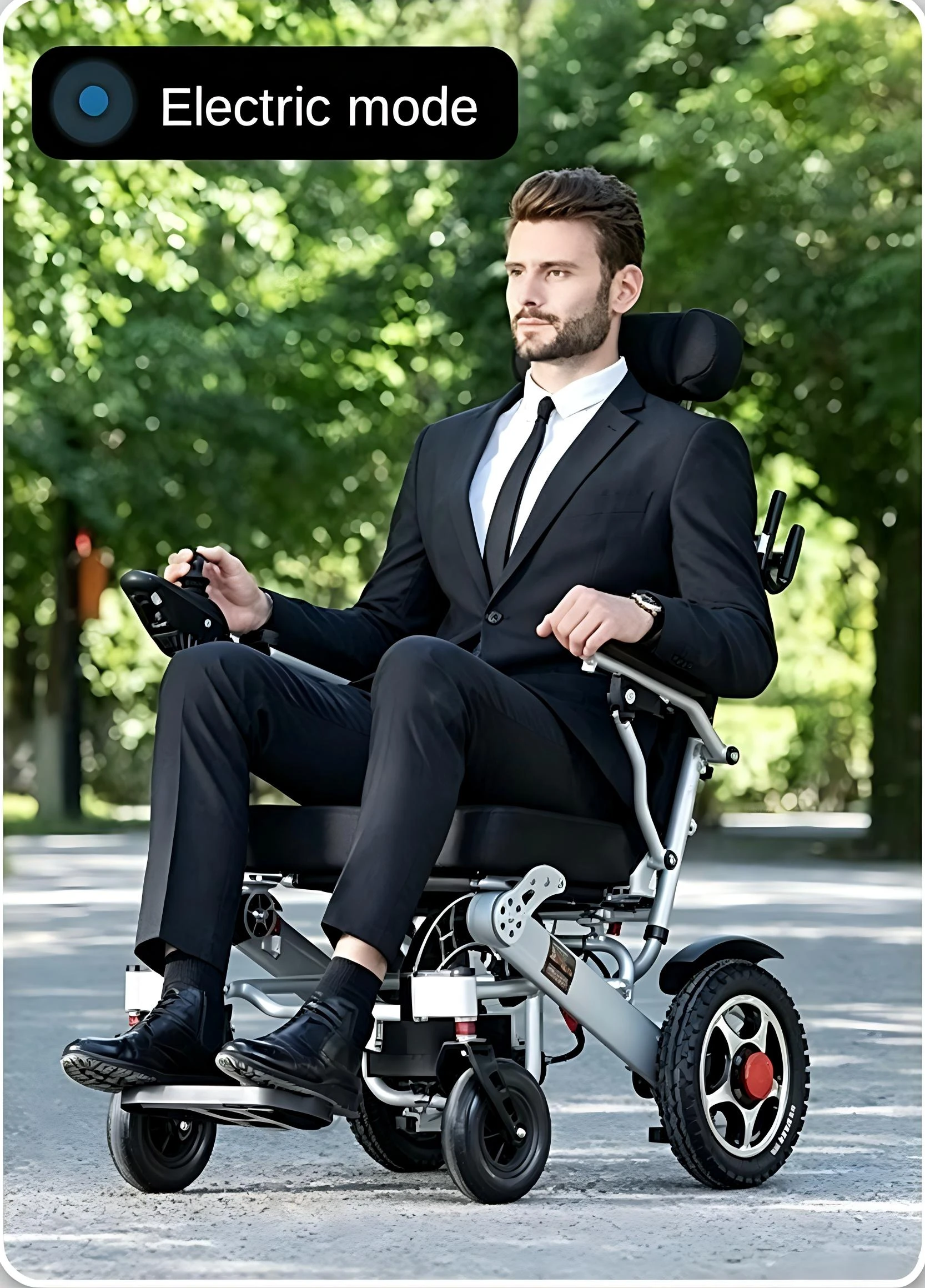
Now, about using one. First, locate the recliner handle or lever—usually on the side. Pulling or pushing it adjusts the backrest and sometimes the footrest. Some models have pneumatic or electric controls. It feels quite intuitive after a few tries, though the electric ones are a godsend, especially for elderly patients. Just make sure the chair is locked securely in place when upright or reclined to avoid accidental movement.
Materials play a subtle but critical role too. Most chairs use antimicrobial vinyl or coated fabrics—something tough to clean but soft to touch. In hospitals, surface hygiene is king. I once toured a facility where their maintenance team swore by just a few reliable brands with these material specs because they didn’t crack or stain easily, even after daily cleaning with harsh disinfectants.
There’s something to be said about customization as well. Many hospital recliners can be accessorized with side tables, oxygen tank holders, or even USB ports these days. These tweaks, oddly enough, end up making the chair more versatile. I remember chatting with a nurse who told me how a patient’s length of stay shortened slightly simply because a recliner with easy adjustments made him more comfortable and less restless.
Speaking of vendors, the market does offer a range of choices—from budget-friendly to premium designs. If you’re picking a hospital chair recliner for your facility, consider the balance of comfort, durability, and additional features. I compiled a quick spec table below for a common model we often encountered:
| Feature | Specification |
|---|---|
| Material | Antimicrobial Vinyl Upholstery |
| Reclining Mechanism | Manual Lever & Pneumatic Assist |
| Weight Capacity | 300 lbs (136 kg) |
| Dimensions (L×W×H) | 36" × 28" × 42" |
| Additional Features | Locking Casters, Side Table Option |
But not all vendors are created equal. Below is a quick comparison of key factors when choosing:
| Vendor | Comfort Rating | Durability | Price Range | Warranty (Years) |
|---|---|---|---|---|
| ZhaoFa Medical | ★★★★☆ | ★★★★☆ | $$ | 3 |
| HealthComfort Inc. | ★★★☆☆ | ★★★☆☆ | $ | 1 |
| ProCare Seating | ★★★★★ | ★★★★★ | $$$ | 5 |
From personal experience, the right recliner isn’t just about specs. You want something that patients don’t dread sitting in—especially if they're spending hours, or even days, in it. One patient I worked with often complimented their recliner because it “felt less hospital-like” — that kind of informal feedback is gold.
In real terms, using a hospital chair recliner effectively means getting to know its adjustments, ensuring maintenance is up to date, and always considering patient feedback. It’s not glamourous, but it’s essential. And frankly, as someone who has seen these units in dozens of clinical settings, it’s the small details like smooth reclining, quality fabric, and secure locking that really set good chairs apart from the rest.
So, if you’re in the market for hospital furnishings or just curious, don’t overlook the humble hospital chair recliner. It’s a quiet workhorse that deserves a bit more credit.
Takeaway: A recliner is more than comfort—it’s a tool for patient wellness and care efficiency.
References:
1. Hospital Furniture Standards, Medical Design Association, 2022.
2. ZhaoFa Medical Product Testing Reports, 2023.
3. Interview with Nurse Practitioner, 2024.