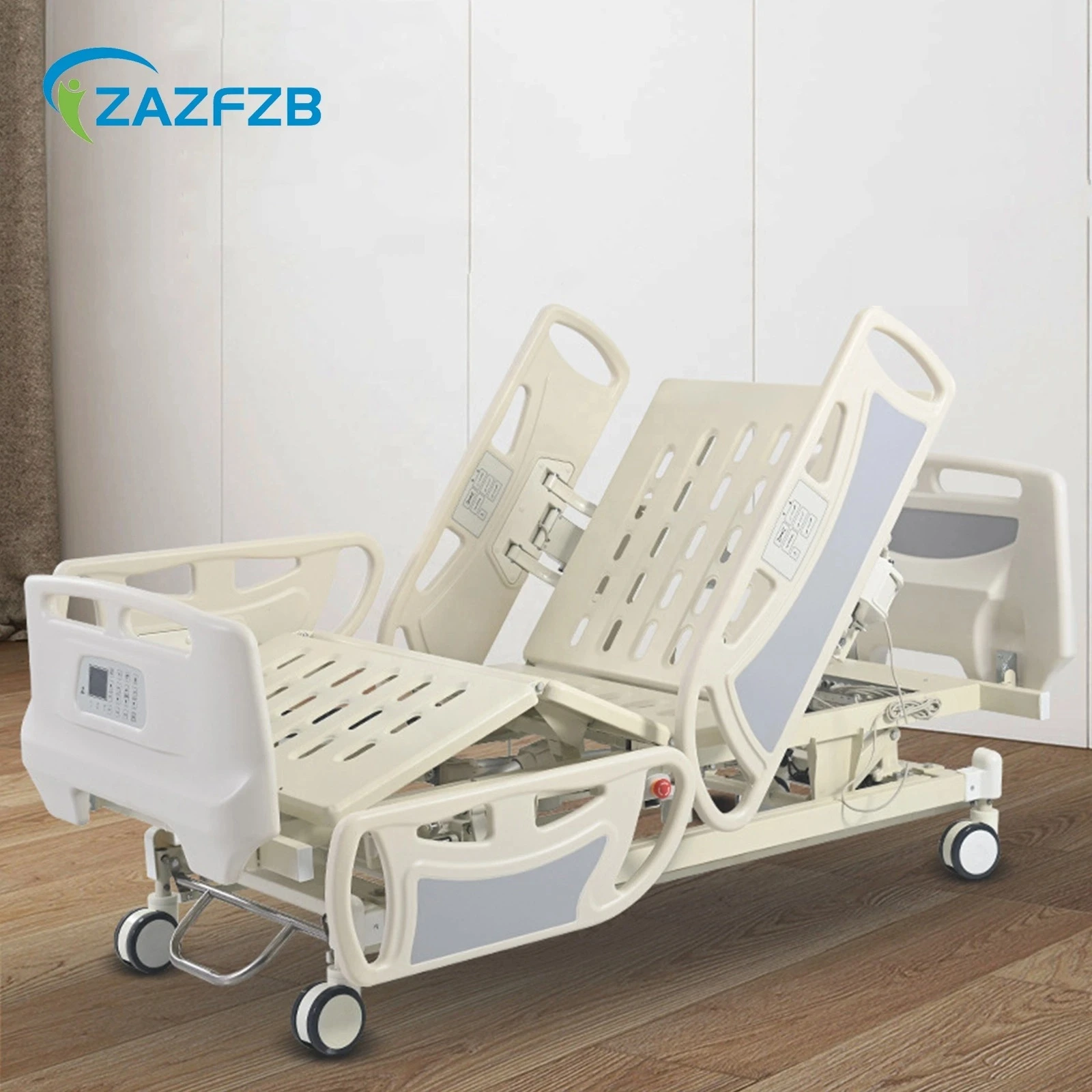
Hospital Bed Purchase Cost Explained: Key Factors, Global Insights & Long-Term Value
Understanding Hospital Bed Purchase Cost: Why It Matters More Than Ever
In the healthcare world, the phrase hospital bed purchase cost doesn't just refer to a price tag stuck onto an ordinary piece of furniture. It’s a knotty, multi-layered consideration that goes beyond dollars and cents—reflecting healthcare quality, patient comfort, and operational efficiency. Globally, as populations age and healthcare demands surge especially after pandemics or natural disasters, understanding this cost has become fundamentally important. Getting it right means hospitals can invest smarter, provide better care, and, frankly, save lives. So let's explore why hospital bed purchase cost is an industry buzzword you should care about—whether you're a hospital manager, procurement officer, or simply curious about healthcare infrastructure.
Mini takeaway: Hospital bed purchase cost is a key driver in healthcare infrastructure investment, influencing patient outcomes, operational sustainability, and budget planning worldwide.
The Global Context: Why Hospital Bed Costs Are a Worldwide Concern
According to WHO statistics, there is an estimated shortage of over 13 million hospital beds globally to meet rising healthcare demands. The United Nations’ Sustainable Development Goals emphasize equitable access to healthcare facilities, and hospital bed availability is a core metric for that. But here’s the rub: Not all hospital beds come at the same cost, nor do they serve identical needs.
Hospitals in developed countries often invest heavily in beds with advanced features such as motorized adjustment, integrated monitoring, and anti-bacterial materials. In developing regions, budget constraints mean more basic models, prioritizing durability and ease of maintenance. Additionally, the effects of disease outbreaks and disasters—like COVID-19—stress-test hospital capacity, putting the spotlight on how purchasing decisions affect rapid scalability and patient safety.
In real terms, the conundrum often boils down to this: How can facilities balance quality, cost, and durability without sacrificing care? The answer lies in appreciating what exactly goes into what we call the hospital bed purchase cost.
Mini takeaway: Hospital bed purchase cost is a critical factor affecting healthcare delivery worldwide and is influenced by socioeconomic and emergency factors.
What Exactly Is Hospital Bed Purchase Cost?
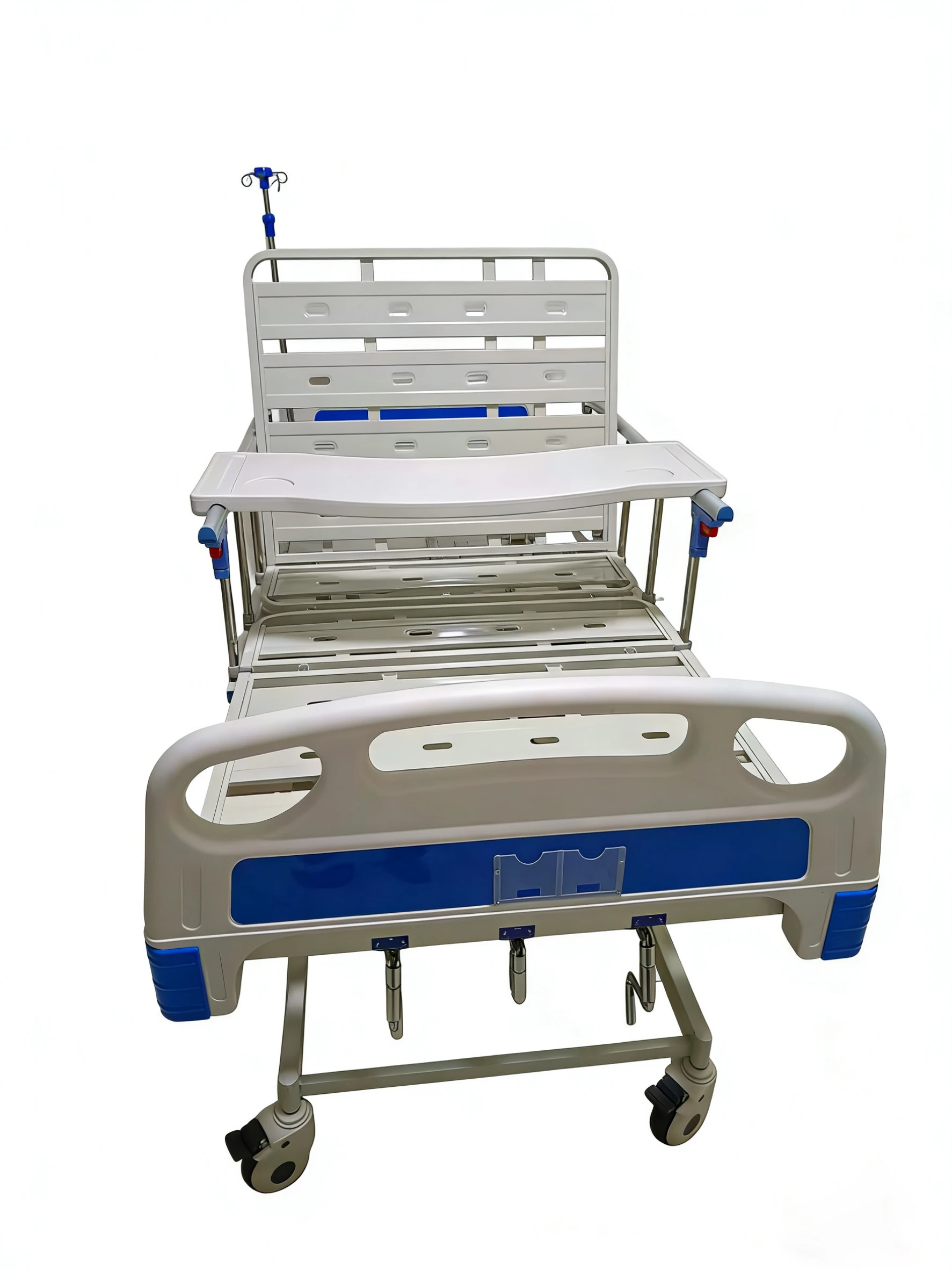
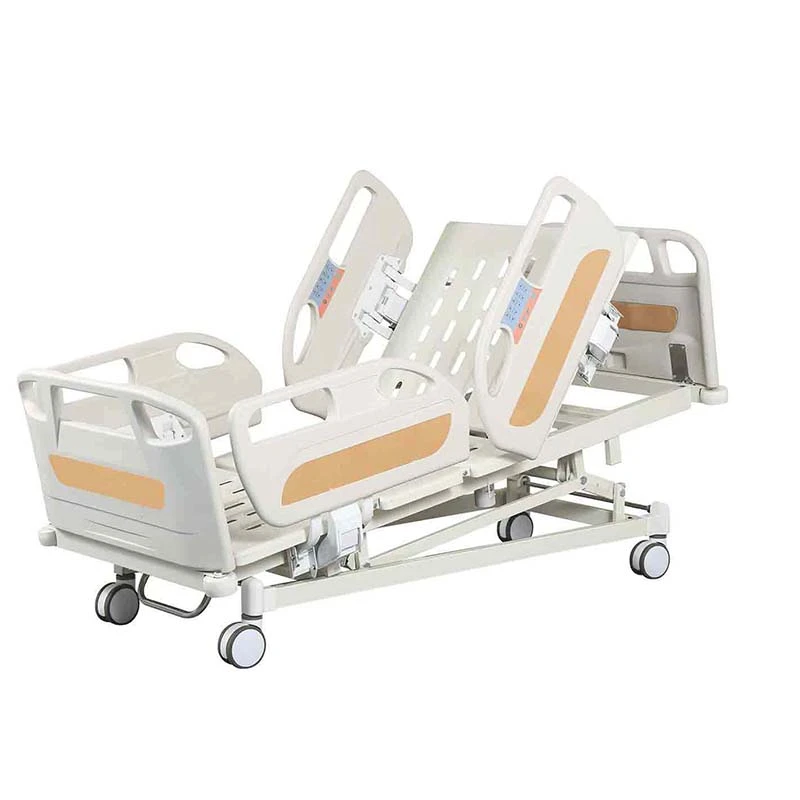
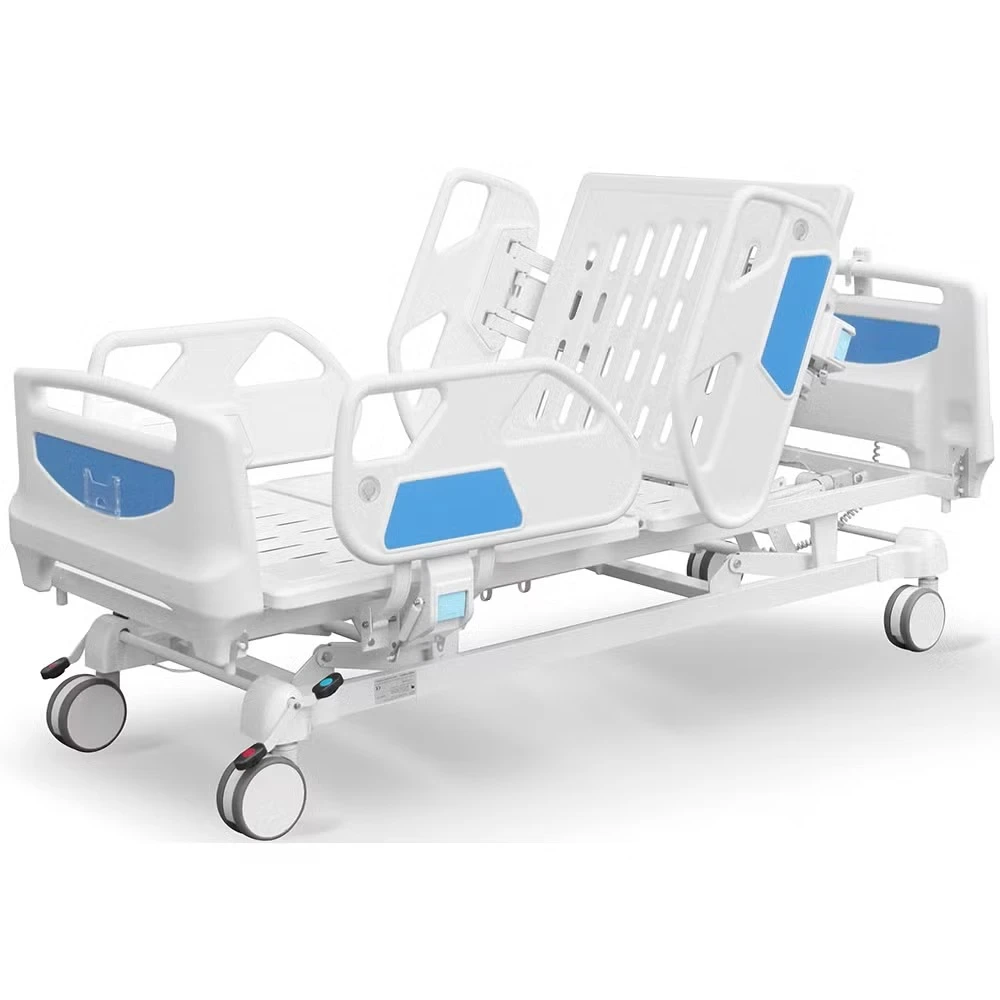
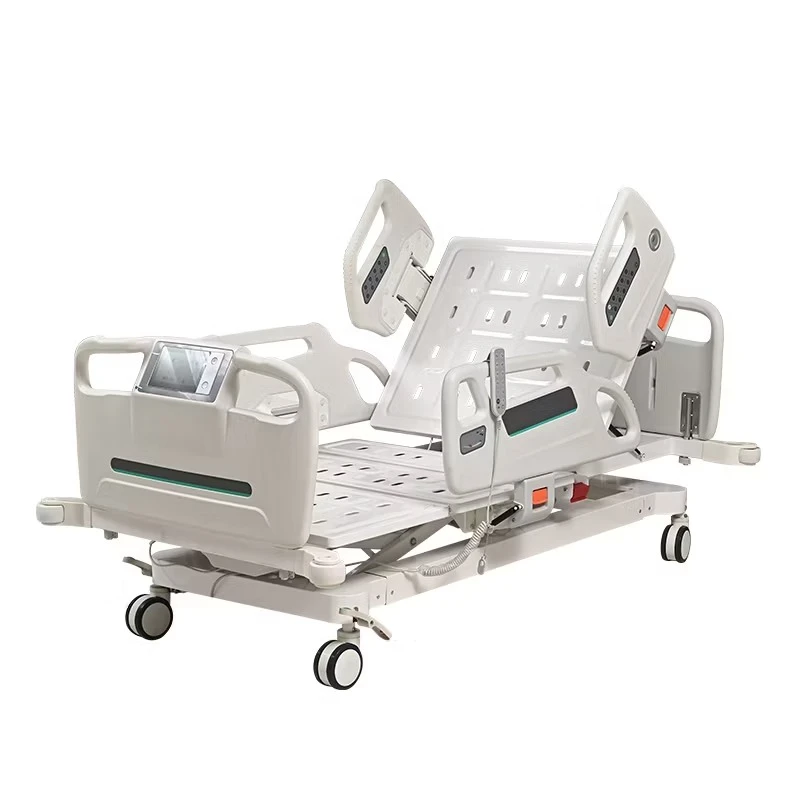
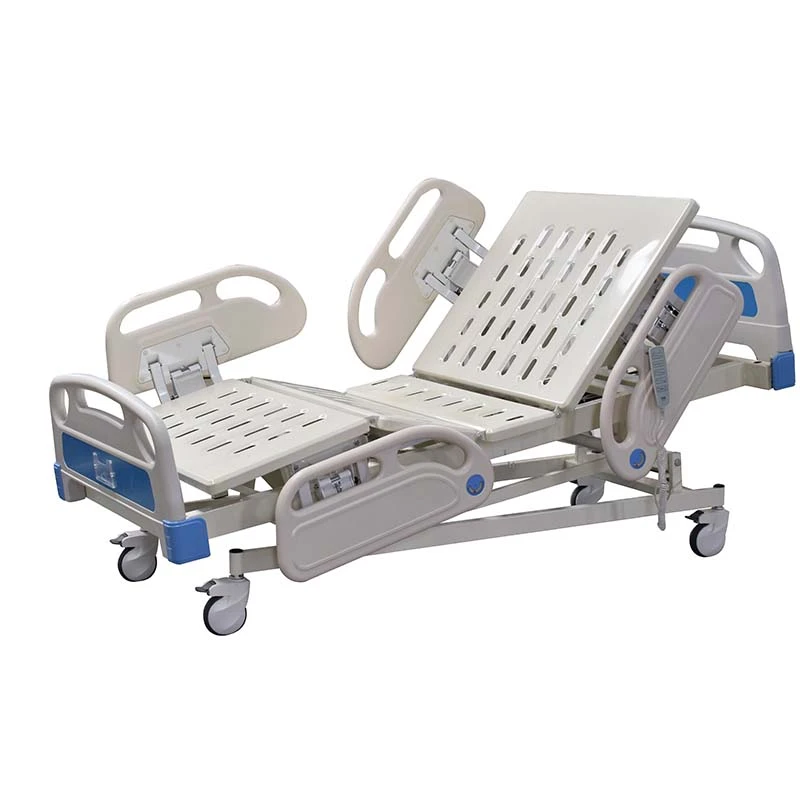
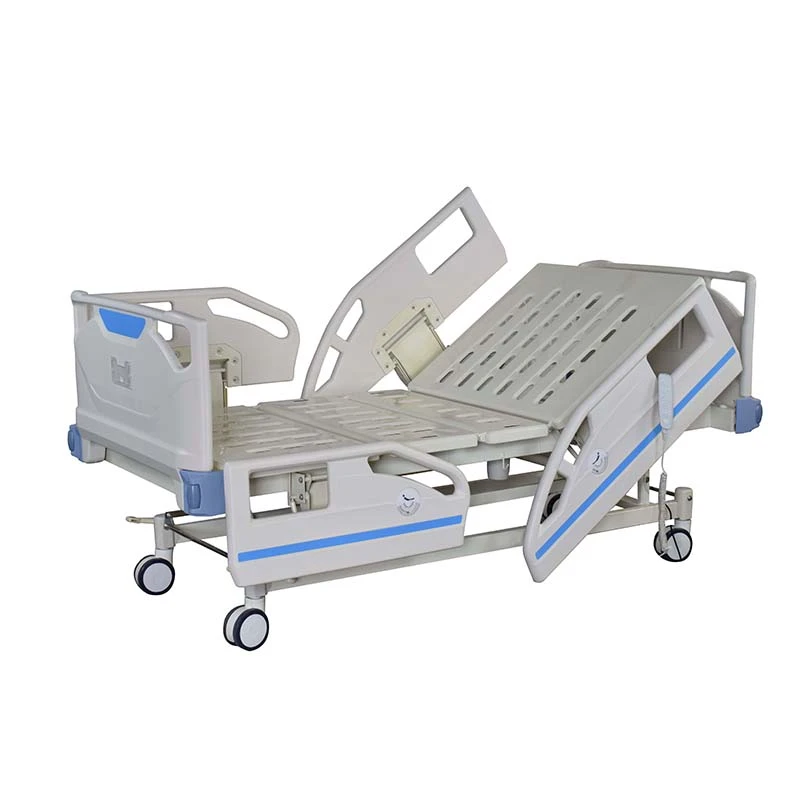
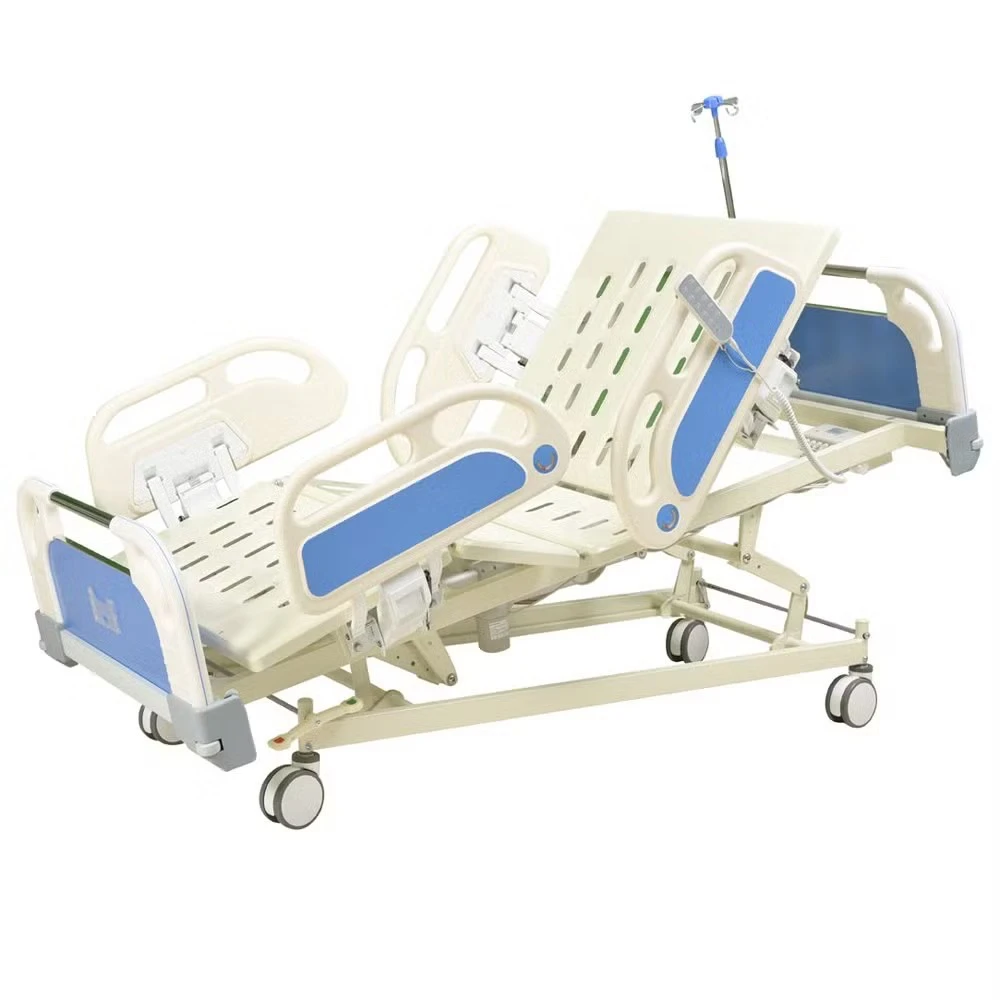
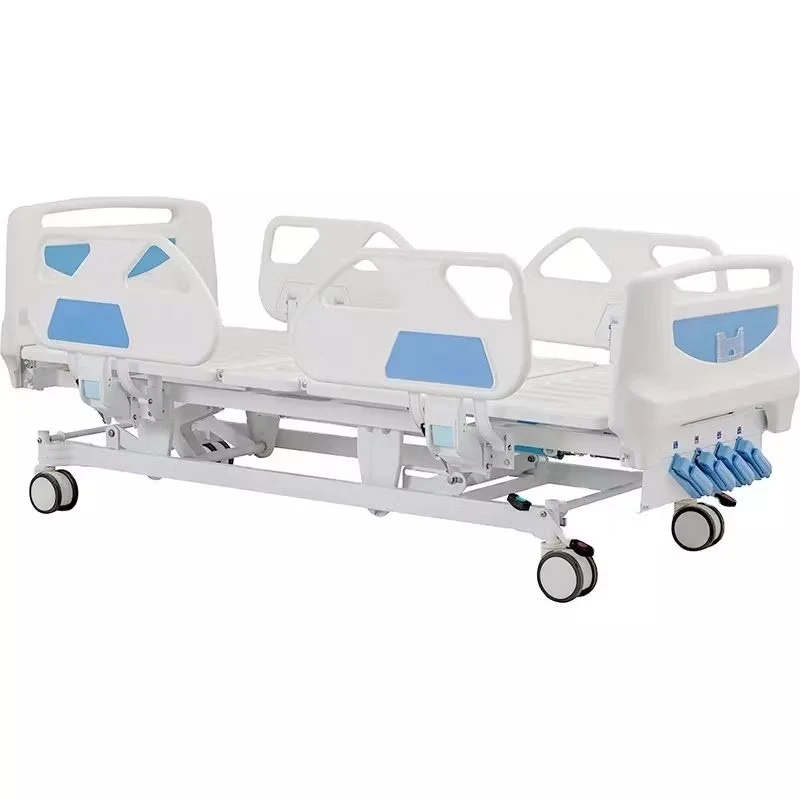
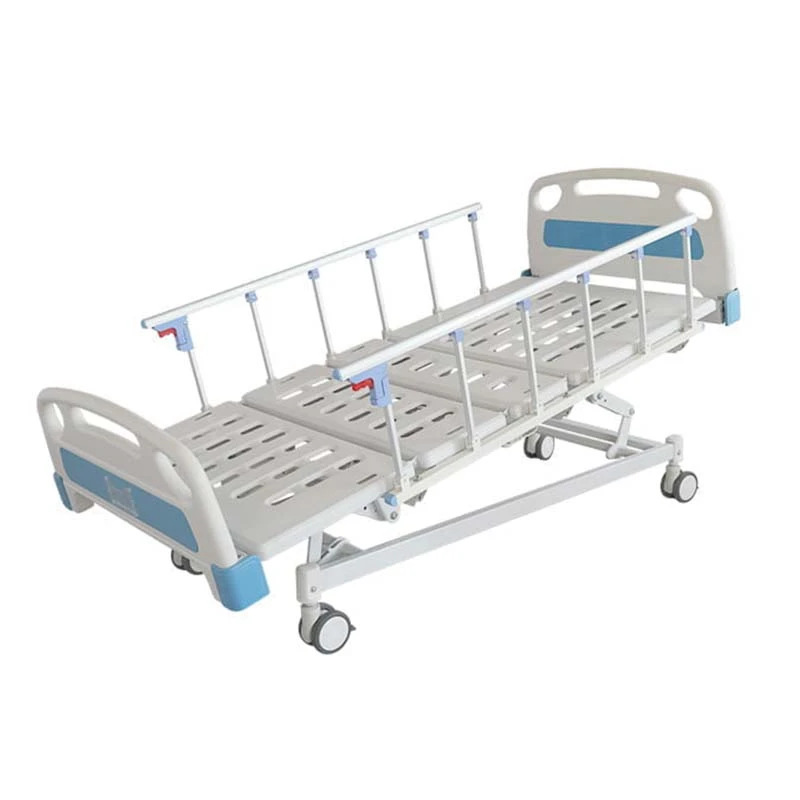
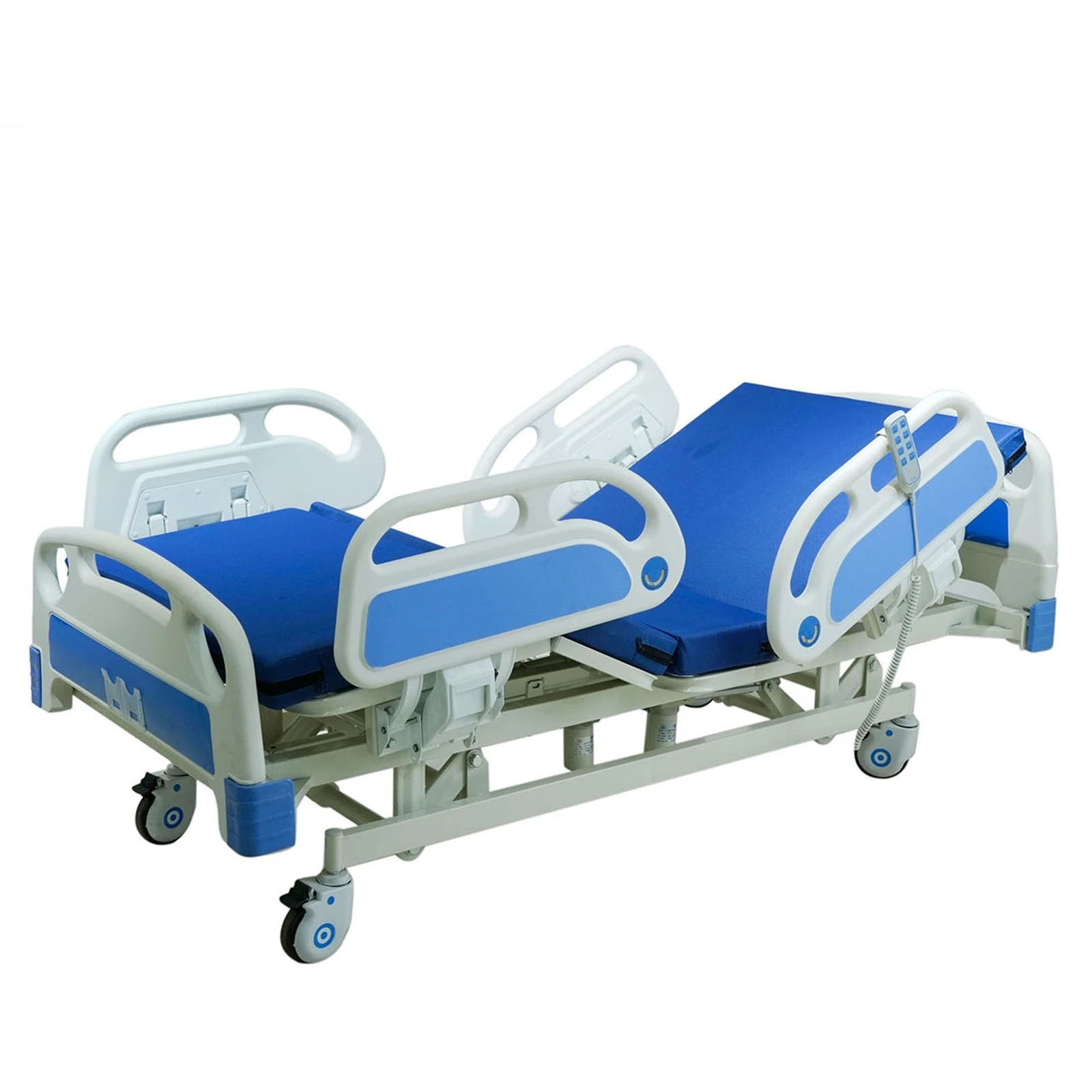
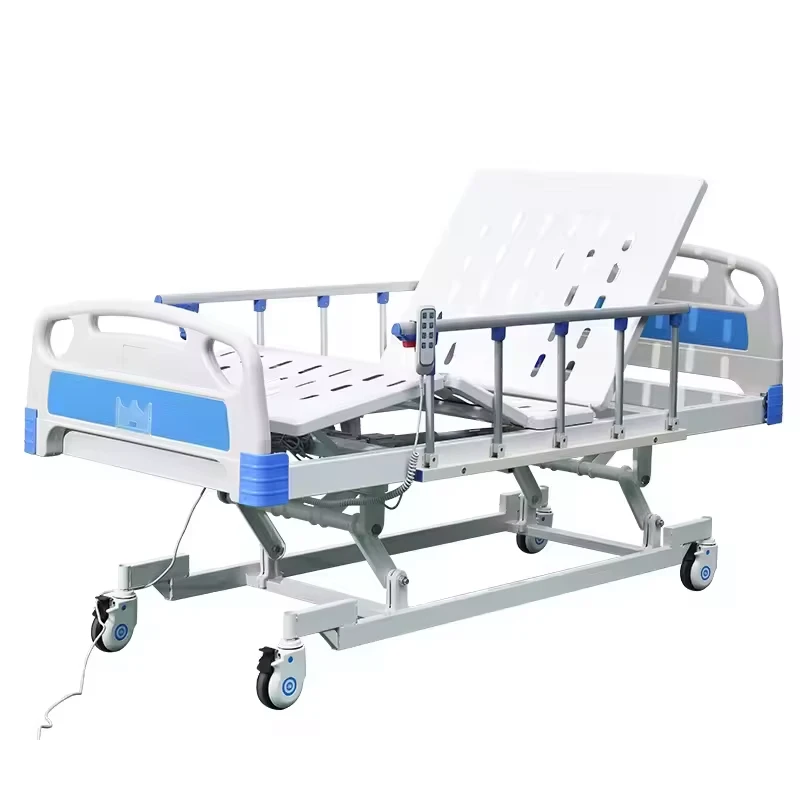
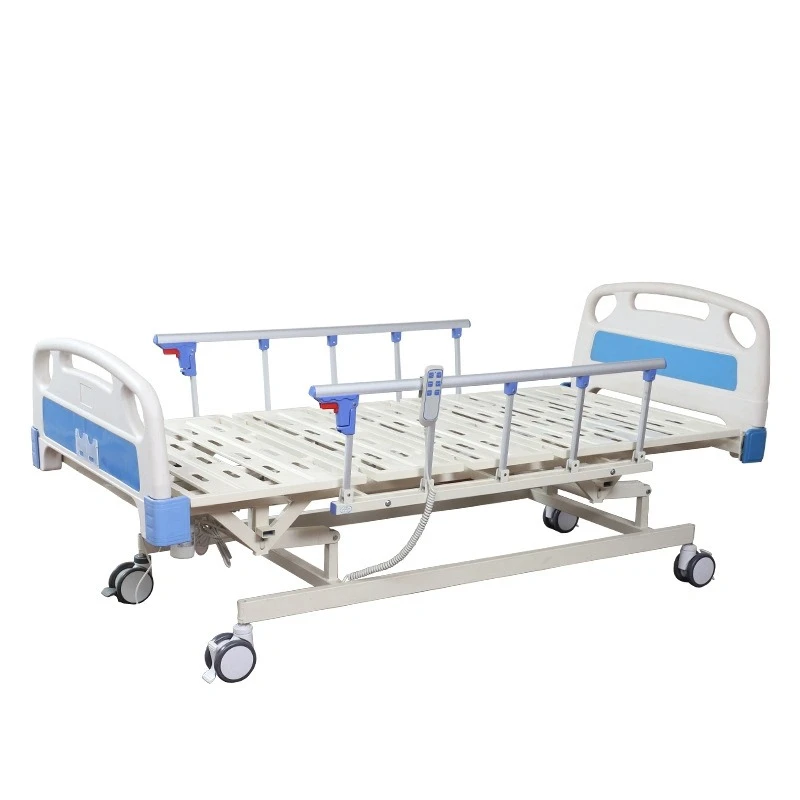
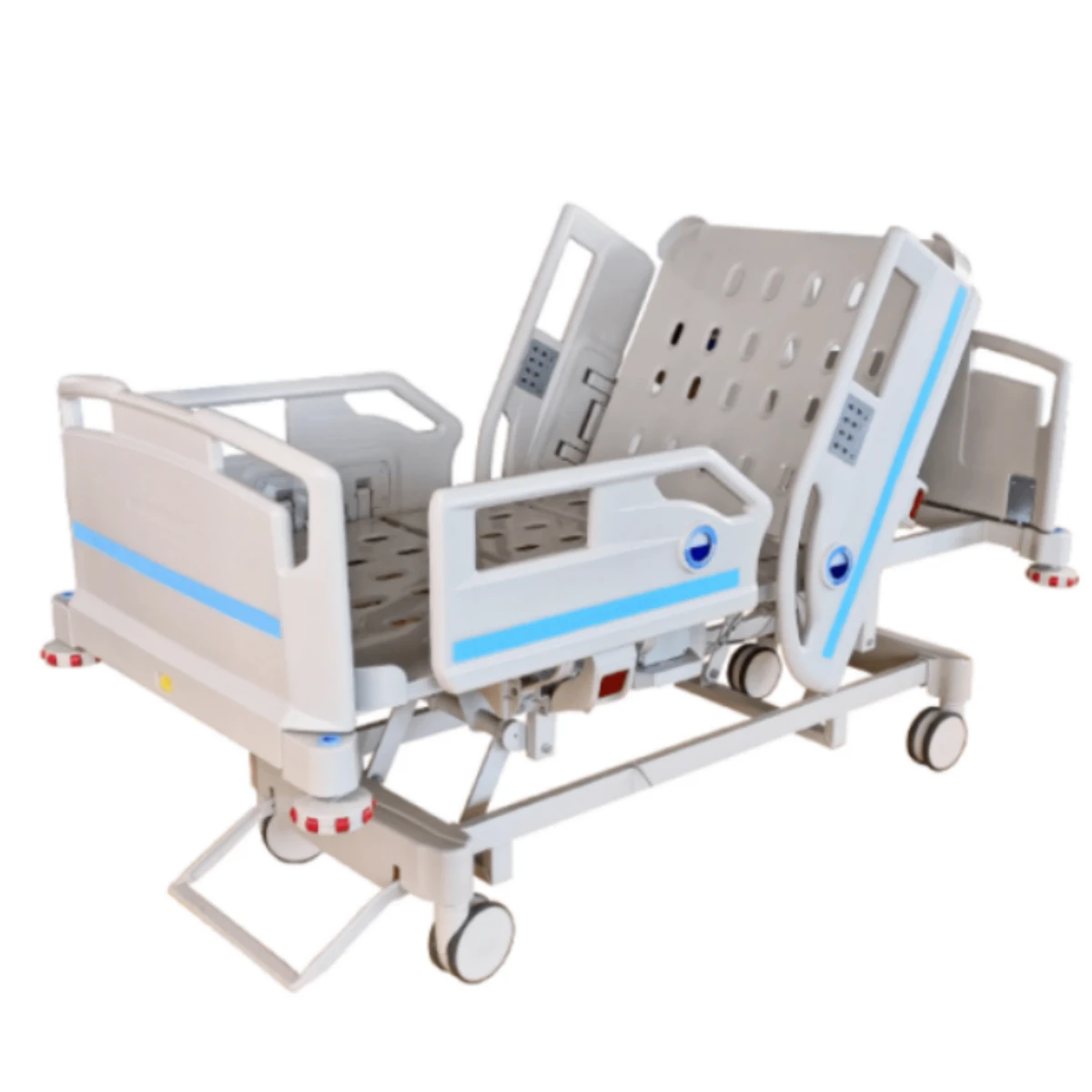
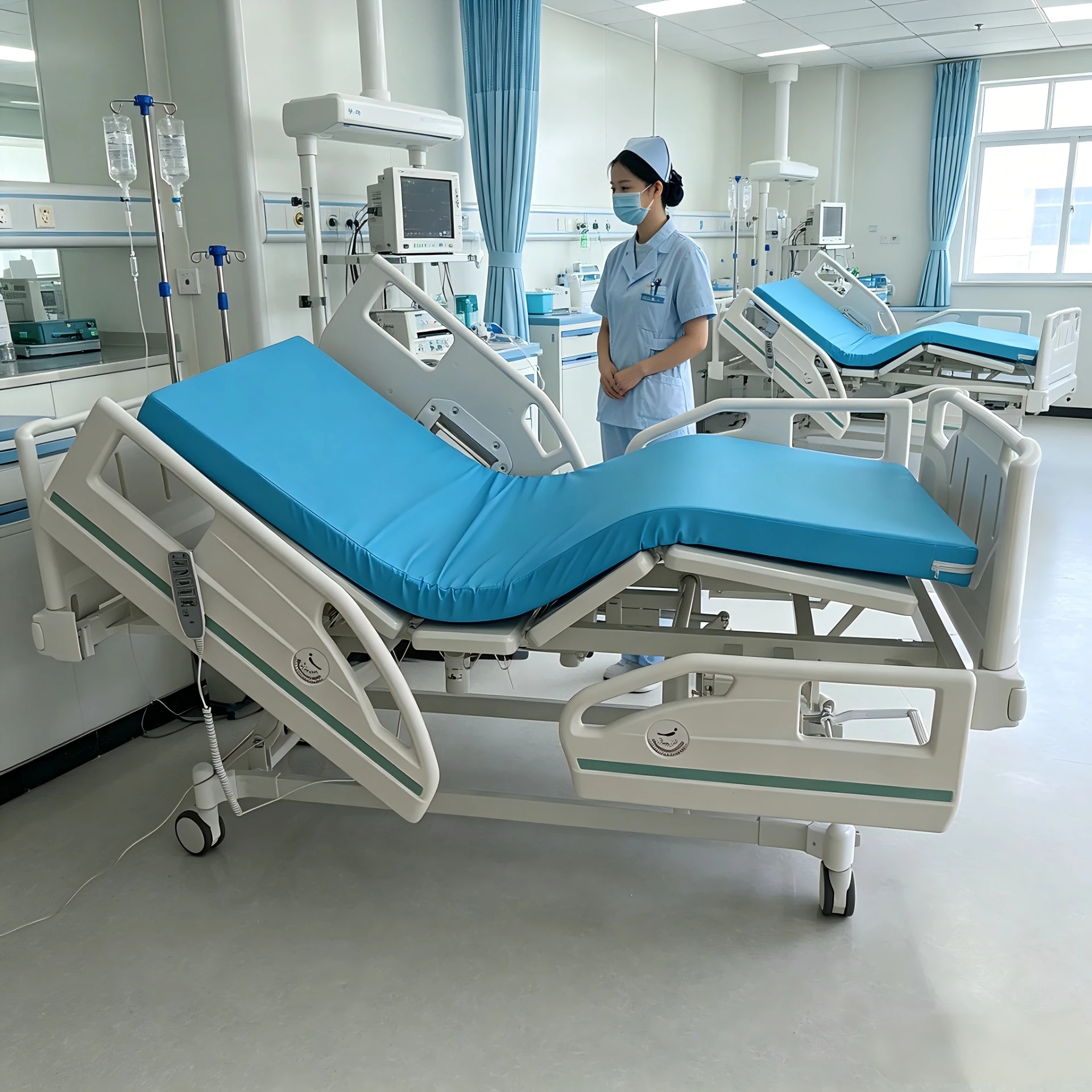
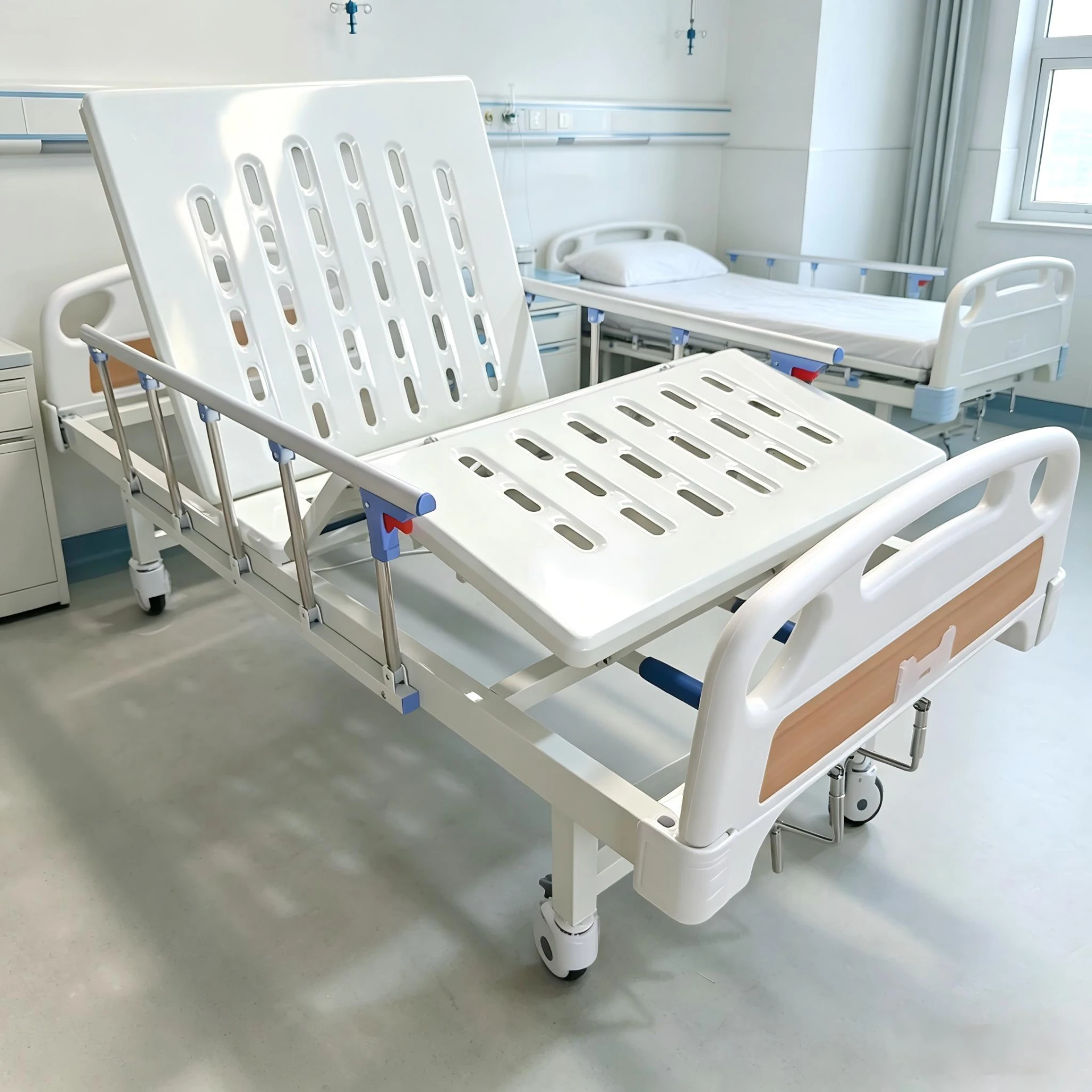
Simply put, hospital bed purchase cost is the total expense involved in acquiring beds for medical facilities. This includes the unit price of the bed, shipping, installation, warranty services, and sometimes training for staff on advanced bed features. The cost is heavily influenced by bed type—manual, semi-electric, or fully electric—as well as design complexity, quality of materials, and manufacturer brand.
But this cost is not merely transactional. It’s a foundational investment tied inextricably to modern healthcare standards. Nowadays, hospital beds must cater not just to resting patients but to complex treatment protocols, patient mobility needs, and infection control standards.
Mini takeaway: Hospital bed purchase cost encompasses the comprehensive expense of acquiring functional, safe, and durable beds integral to patient care.
Key Components Influencing Hospital Bed Purchase Cost
1. Durability and Build Quality
Engineers and procurement officers alike stress durability—beyond the usual daily wear and tear, hospital beds must endure rigorous cleaning, occasional rough handling, and long service hours. Steel frames, corrosion-resistant finishes, and high-grade plastics add to the initial cost but often translate to lower lifetime expenses. You can almost think of it as buying a car—you pay more for reliability upfront, but it pays off over years.
2. Technological Features
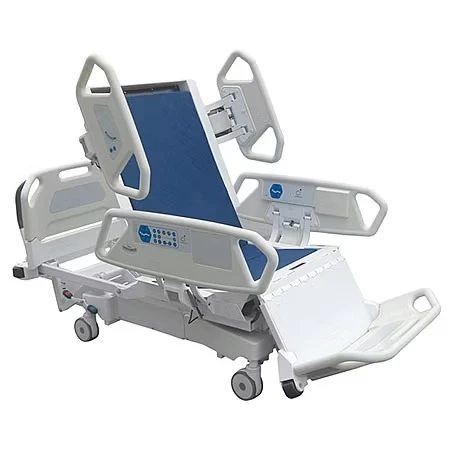
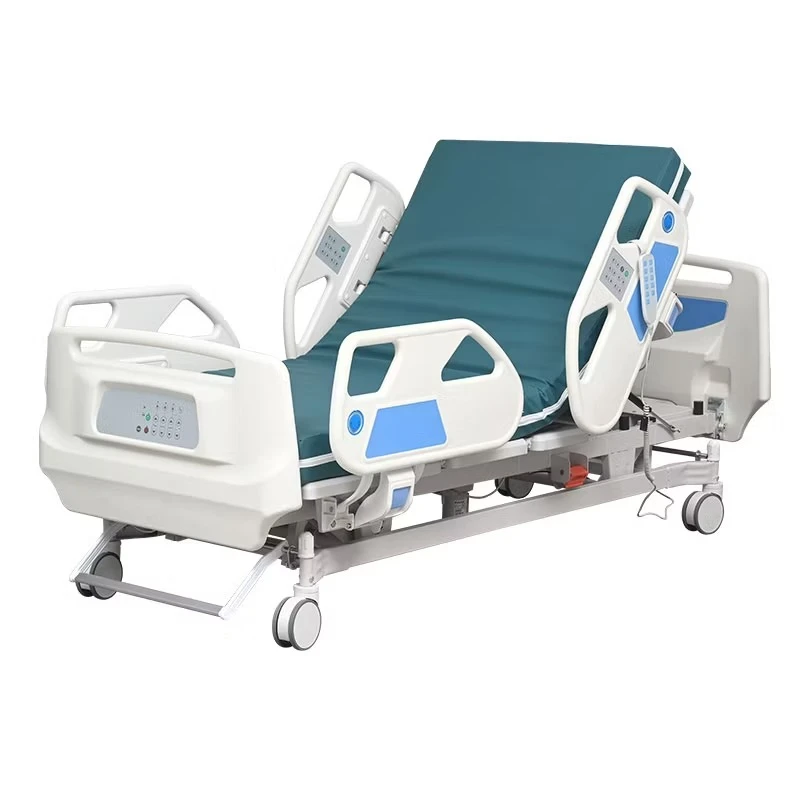
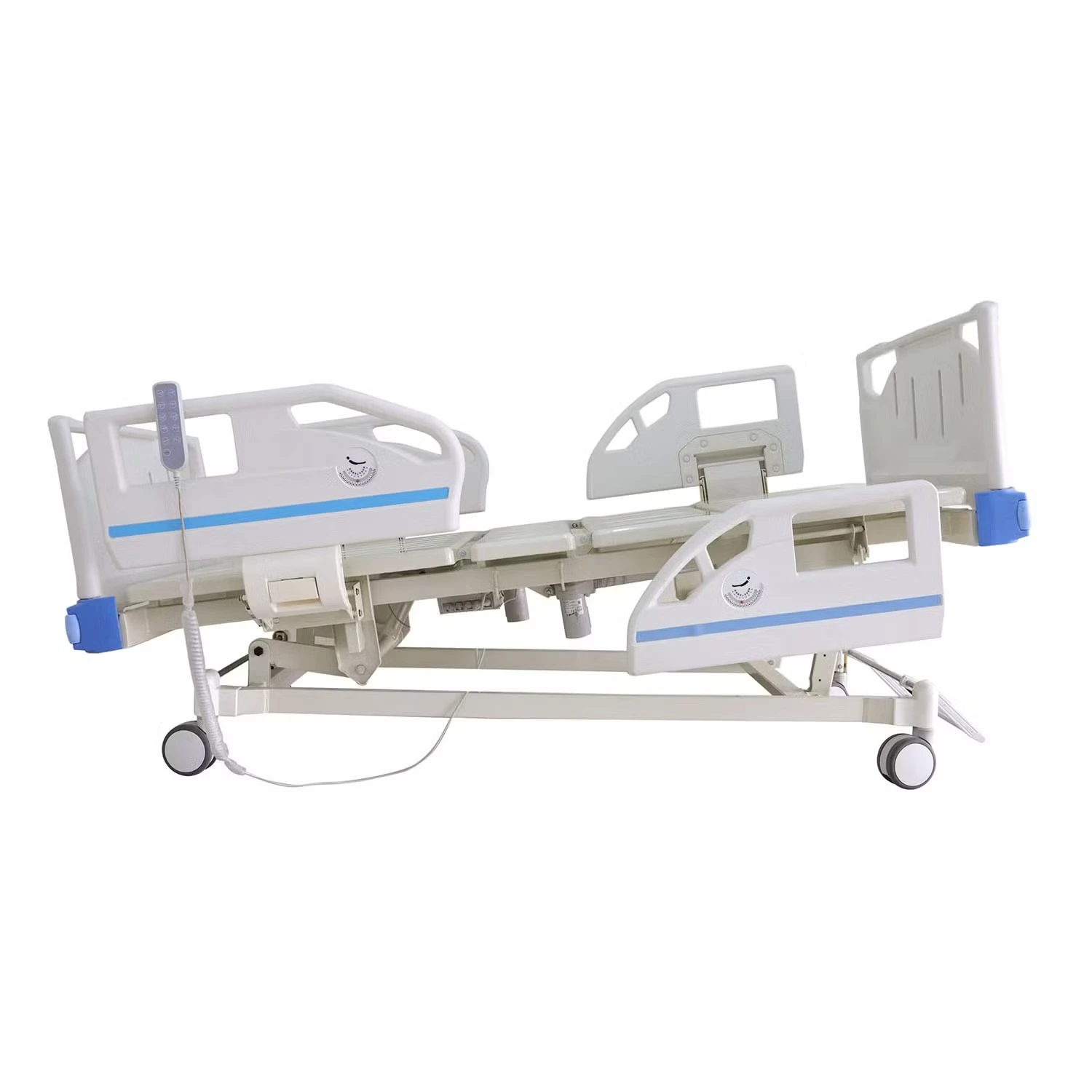
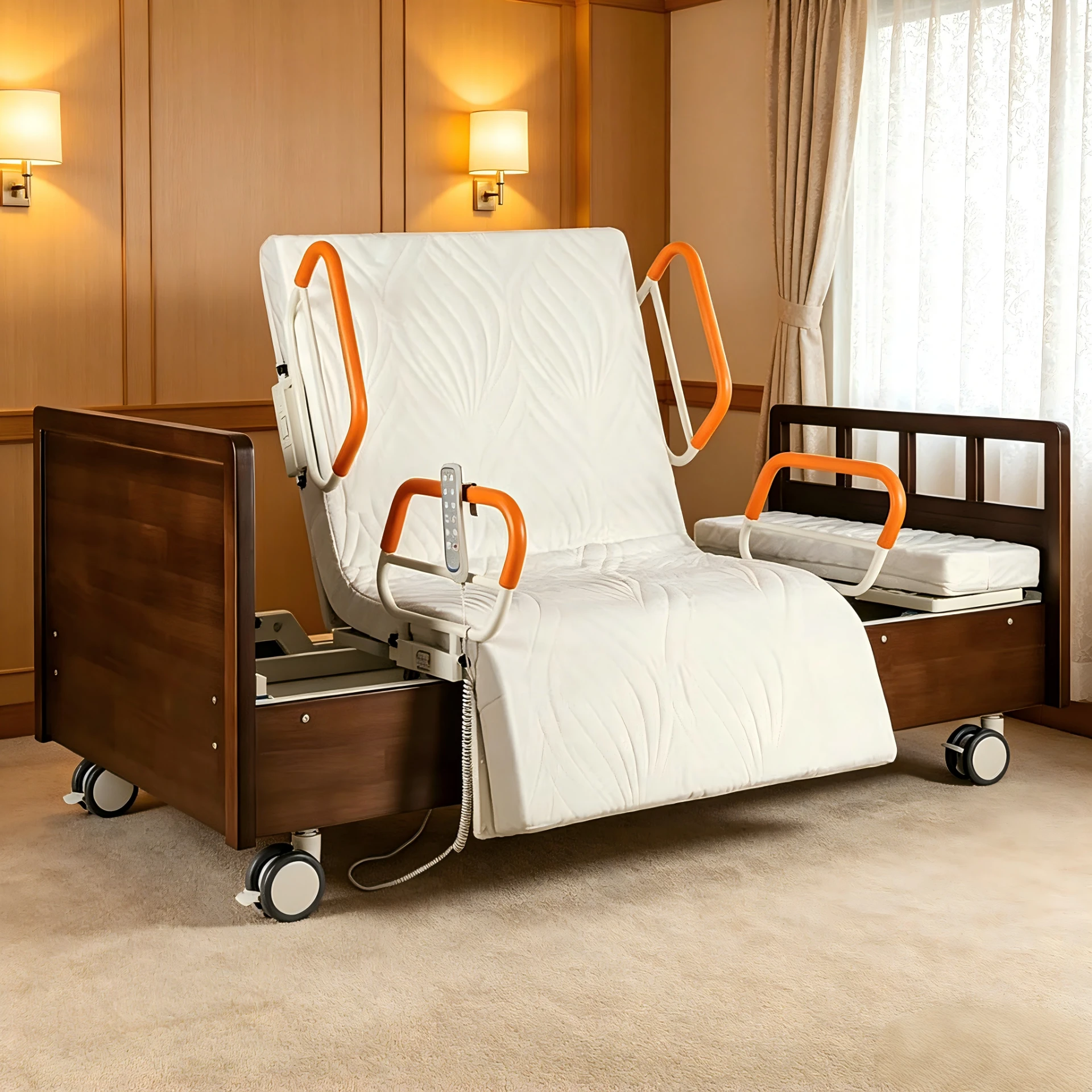
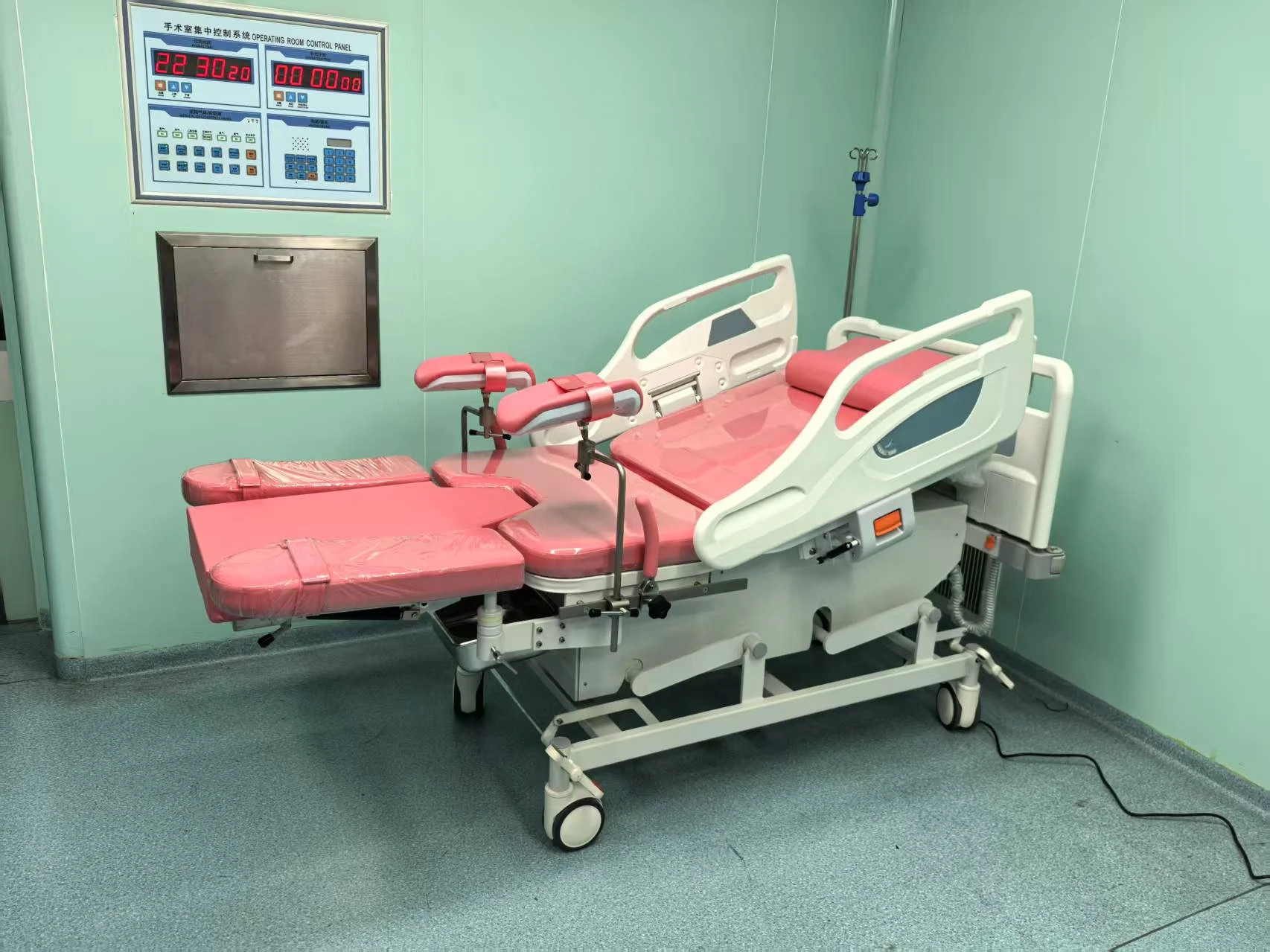
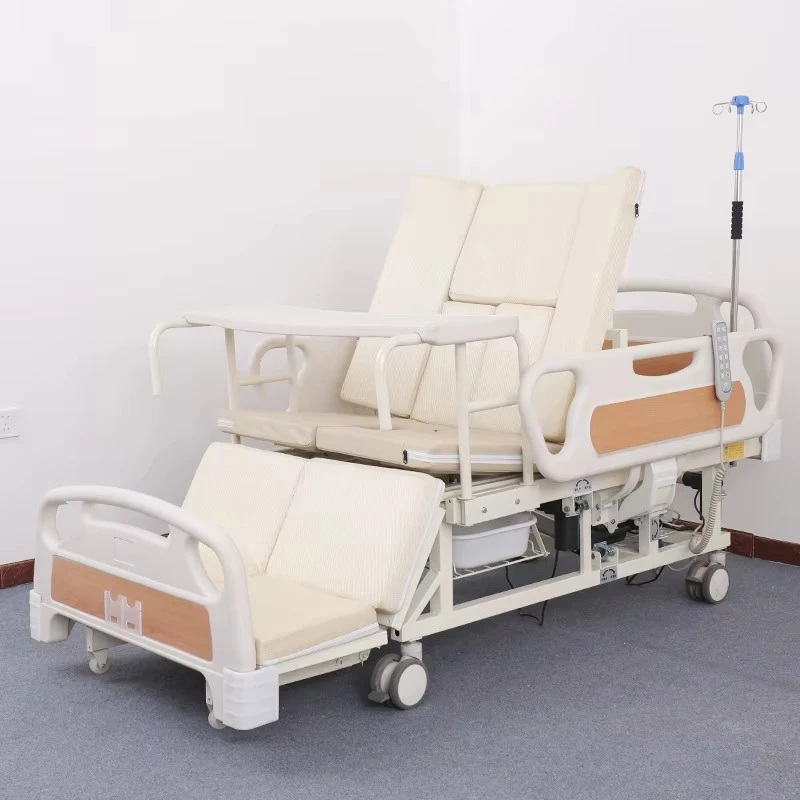
Bed features increasingly include electric motors for height adjustment, built-in scales to monitor patient weight, side rails with sensors, and even integrated patient monitoring. Each addition ramps cost but can improve patient comfort, reduce staff injury, and enable better clinical oversight. However, tech also demands maintenance specialist services, which loops back into the purchase calculus.
3. Scalability and Flexibility
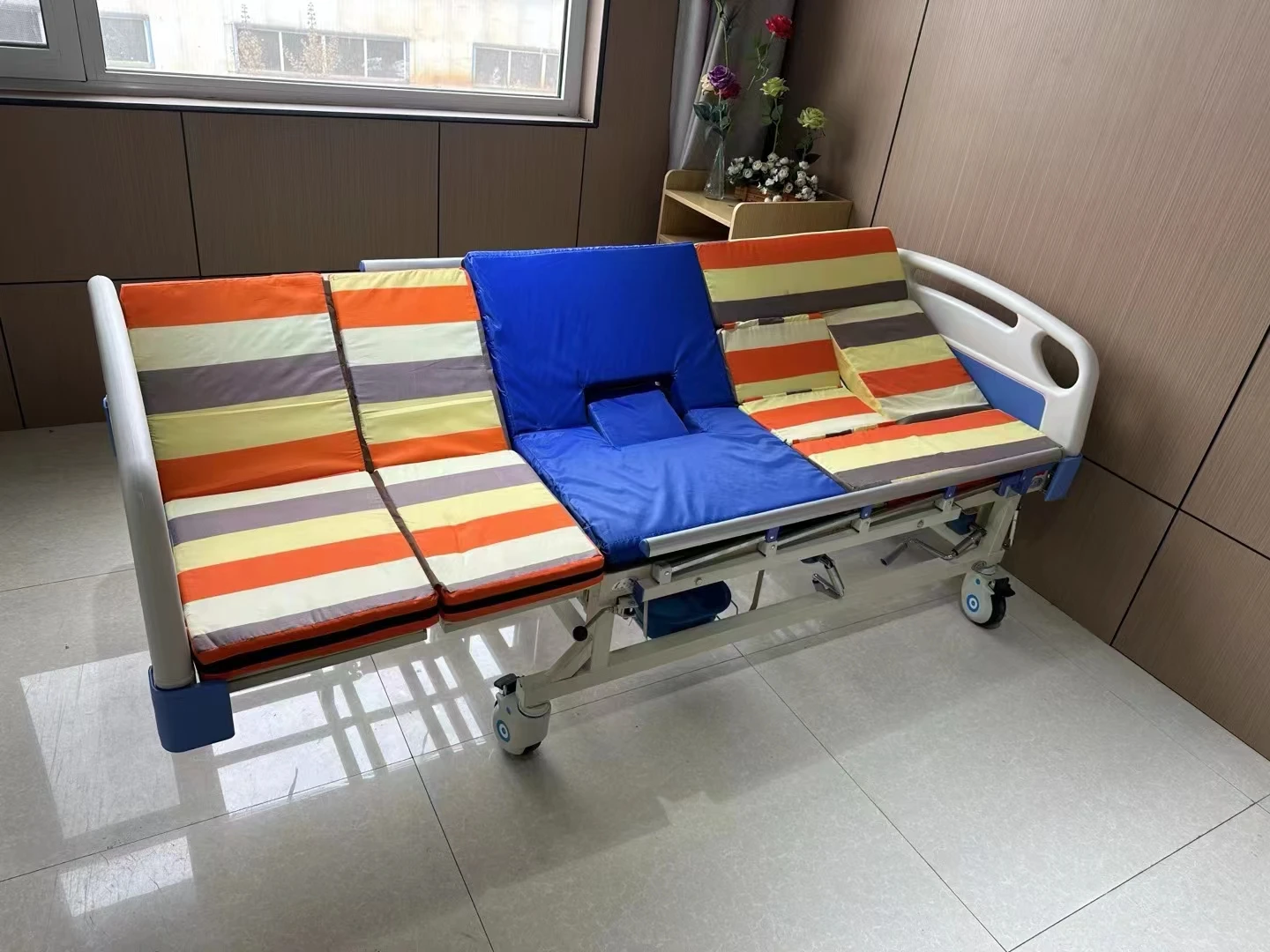
Many facilities now look for modular or multi-purpose beds that can easily adapt to different patient needs or be repurposed quickly during emergencies. This flexibility influences the cost because it often involves more complex design and manufacturing processes.
4. Compliance and Standards
International standards such as ISO 13485 and certifications related to electrical safety, anti-microbial properties, and ergonomics add layers to purchasing decisions. Beds that comply with stricter norms might cost more but reduce clinical risk and liability—a trade-off worth considering.
5. Shipping, Installation, and After-Sales Service
Because hospital beds are bulky and delicate to assemble, shipping and installation can be significant cost drivers. Some vendors bundle in service plans, warranties, and spare parts, which often reflect in the total purchase price.
| Specification | Typical Range | Comments |
|---|---|---|
| Material | Steel Frame, ABS Plastic | Durability and hygiene favored |
| Adjustability | Manual to Fully Electric | Impact on patient comfort and cost |
| Weight Capacity | 150 - 250 kg | Ensures broad patient compatibility |
| Warranty | 1 - 5 years | Varies with vendor and contract |
| Average Cost per Unit | $800 - $4,500 | Depending on type and features |
Mini takeaway: The hospital bed purchase cost is shaped by a blend of material quality, advanced features, compliance, and service support — all combining to determine value over time.
How Hospital Bed Purchase Cost Plays Out Around the World
In high-income countries like Germany and Japan, investments lean heavily on smart beds featuring digital patient monitoring and IoT integration. Conversely, in many African and Southeast Asian nations, affordability and durability take precedence—often with donation-supported procurement. Large humanitarian organizations such as Doctors Without Borders strategically weigh hospital bed purchase cost against rapid deployment needs in crisis zones, opting for foldable or lightweight models that can be airlifted easily.
Post-disaster scenarios provide telling examples: After the 2010 Haiti earthquake, NGOs had to deploy thousands of beds in temporary field hospitals where shipment delays and simple design were crucial selection criteria. Meanwhile, remote mining operations with small onsite clinics prioritize hospital beds that can withstand dusty, rough environments and limited local servicing.
Mini takeaway: Regional and situational needs heavily influence how hospital bed purchase cost decisions are made, balancing technology with accessibility and practicality.
The Long-Term Benefits of Strategic Hospital Bed Investment
- Cost Efficiency: Higher upfront investment in quality often reduces repair and replacement frequency.
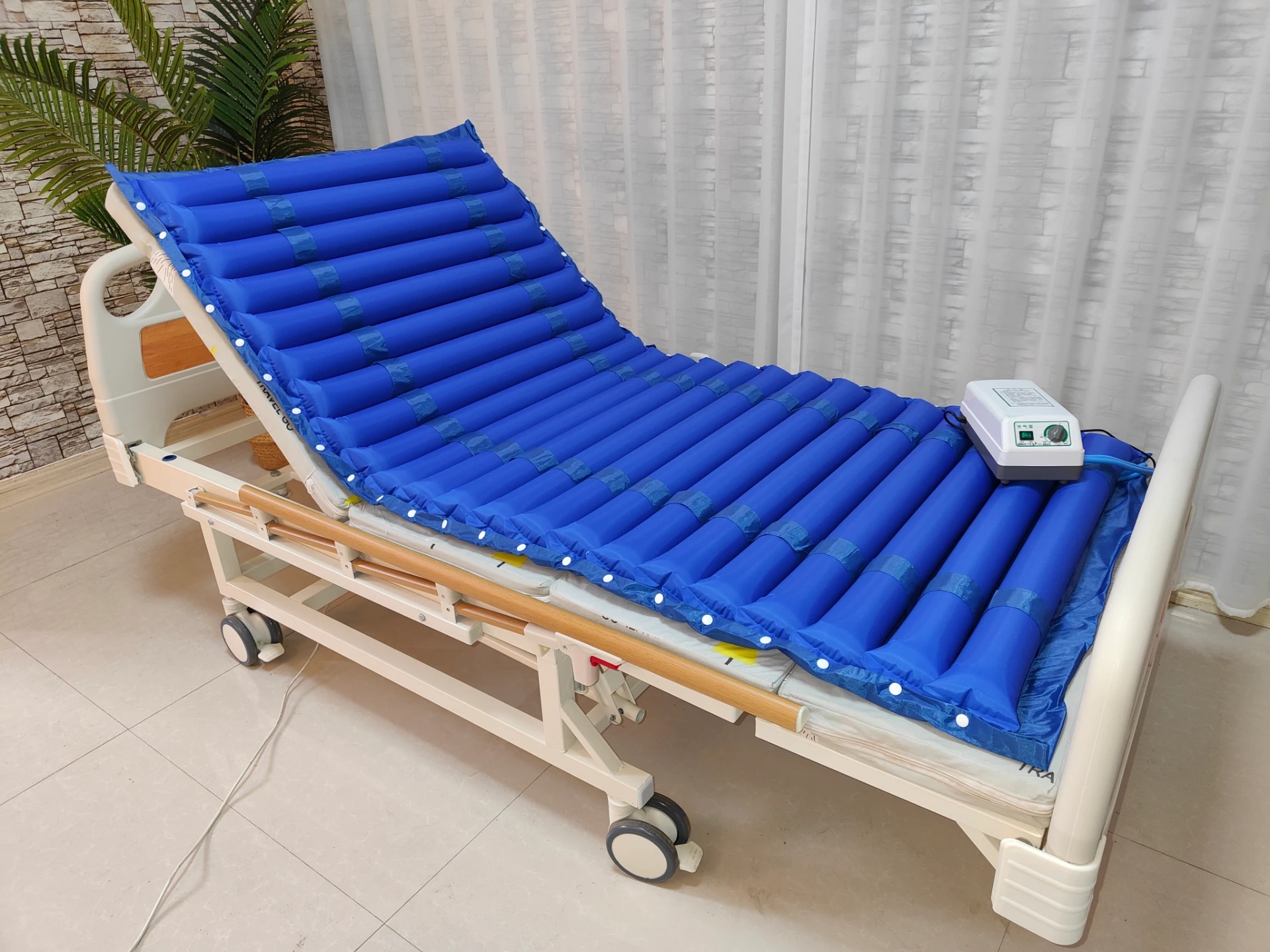
- Patient Safety & Comfort: Adjustable, ergonomic beds reduce pressure ulcers and complications.
- Operational Reliability: Durable equipment means fewer interruptions and emergency replacements.
- Social & Ethical Impact: Quality beds promote dignity in care, crucial for vulnerable populations.
- Innovation & Trust: Investing in newer technologies signals to patients and staff a commitment to modern standards.
Frankly, the notion that “cheaper is better” rarely holds when you consider long-term healthcare outcomes and total cost of ownership. Some hospital managers even describe bed investment as “betting on patient dignity.”
Looking Ahead: Innovations Shaping Hospital Bed Purchases
The future is promising. Sustainable materials such as recycled metals and bio-based plastics are becoming mainstream. Digital transformation pushes hospitals to procure beds with integrated sensors that automate vital sign monitoring or adjust to patient needs autonomously. Moreover, modular designs supporting quick repair or upgrade mean hospitals can extend the lifecycle of investments.
There’s also buzz around green energy solutions, like incorporating solar-powered backup systems for beds in energy-scarce locations—a small detail that can make a tremendous impact during power outages.
Challenges and Smart Solutions in Managing Hospital Bed Costs
Challenges remain. Many facilities struggle with unpredictable procurement delays, fluctuating currency rates affecting import prices, and lack of technical staff to maintain advanced beds. What’s more, quality assurance can be a wild card in low-resource settings.
Industry leaders suggest adopting comprehensive total cost of ownership (TCO) models that factor in maintenance, training, and lifecycle costs alongside the purchase price. Collaborative vendor relationships and bundled service contracts also help manage risks and costs.
| Vendor | Average Unit Cost | Warranty | Service Coverage | Additional Notes |
|---|---|---|---|---|
| MedEquip Global | $3,500 | 3 years | Worldwide, 24/7 support | Advanced smart-bed options |
| HealthBeds Co. | $1,200 | 2 years | Limited regions, remote support | Focus on low-cost models |
| AutoCare Medical | $2,800 | 5 years | North America, Europe | Strong after-sales service |
FAQs: What People Often Ask About Hospital Bed Purchase Cost
Q: What factors most affect hospital bed pricing?
A: Mainly, material quality, bed features (manual vs. electric), compliance certifications, shipping logistics, and after-sales support. Usually, beds with adjustable motors and integrated sensors cost more.
Q: How can we reduce total ownership costs of hospital beds?
A: Opt for durable materials, invest in beds with longer warranties, establish regular maintenance schedules, and consider vendor service packages to avoid surprise expenses.
Q: Are there budget-friendly hospital beds suitable for emergency setups?
A: Yes, foldable or basic manual beds are often used in field hospitals. They are less expensive and faster to deploy but may lack advanced features.
Q: How important is compliance with international standards in bed purchasing?
A: Very important. Compliance ensures patient safety, reduces legal risks, and often correlates with better product quality—vital in healthcare settings.
Q: Can hospital bed purchase cost be offset by improved patient outcomes?
A: Absolutely. Better beds facilitate comfort, reduce complications like bedsores, and can shorten hospital stays, ultimately saving money and improving reputation.
In Conclusion: Make Your Hospital Bed Purchase Count
Understanding the intricacies of hospital bed purchase cost is essential for building resilient healthcare systems that truly serve patients’ needs. It’s about balancing immediate budget realities with long-term reliability, sustainability, and patient dignity. Whether you're opening a new clinic or upgrading existing facilities, keep a close eye on quality, adaptability, and vendor support. After all, those beds carry stories—not just patients.
If you're considering a new procurement or want to explore options tailored to your needs, visit hospital bed purchase cost for trusted products and expert guidance.