Durable and Patient-friendly Hospital Bedside Cabinets | Industrial Insight
Hospital Bedside Cabinets: Durable Design Meets Patient Comfort
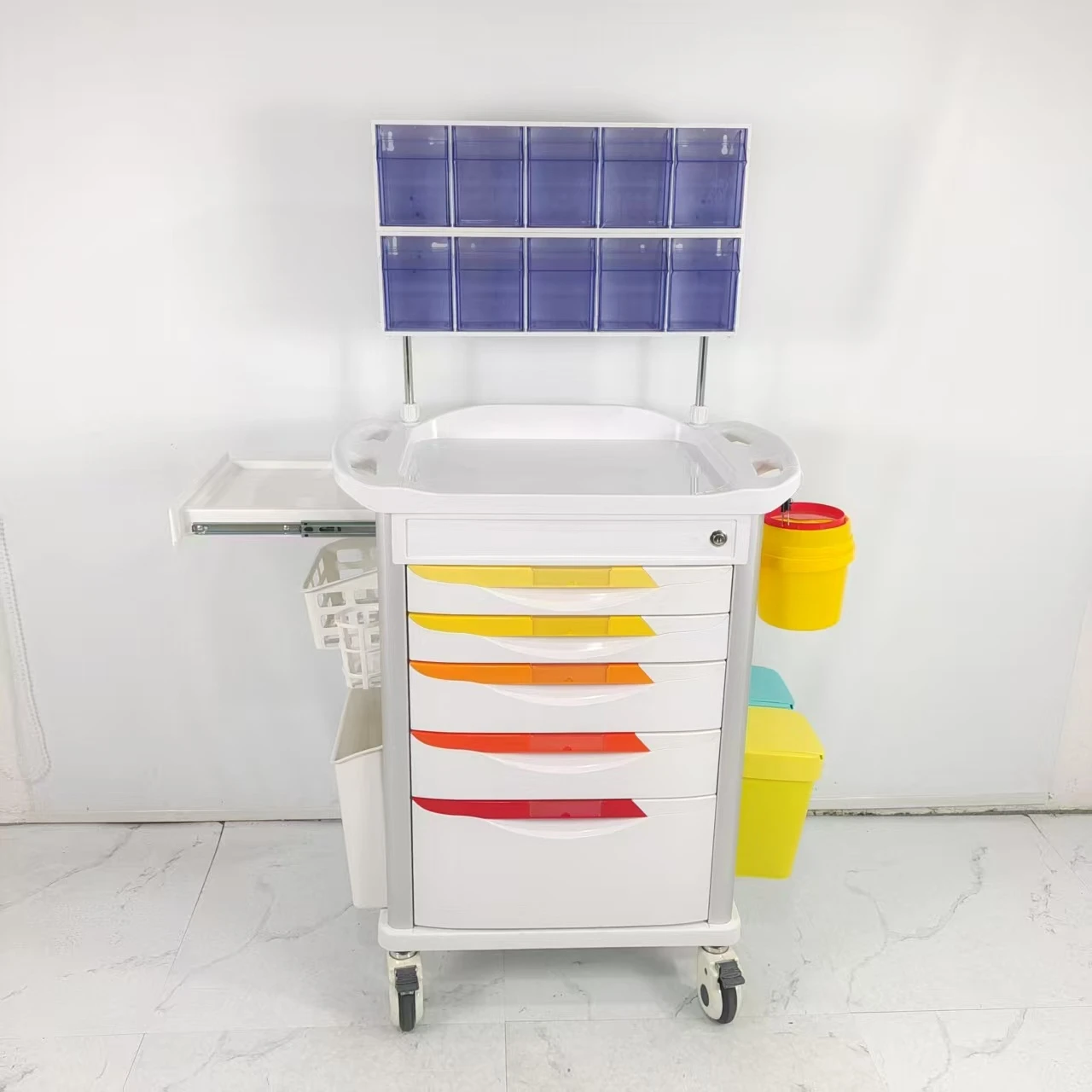
Having worked in industrial equipment for over a decade, I’ve seen a lot of products marketed as “hospital-grade.” But when it comes to hospital bedside cabinets, the real test is balancing robust construction with patient-centered design. These cabinets are more than simple storage units — they provide essential functionality, must meet strict hygiene standards, and in many cases, quietly enhance the patient's daily hospital experience.
What struck me over the years is how much the industry has evolved. Oddly enough, these bedside cabinets were once considered just an afterthought. Today, they’re engineered with durable steel frames, antimicrobial surfaces, and whisper-quiet drawers. This isn’t just about aesthetics; it’s about infection control and usability by medical staff and patients alike.
Material choices tend to dominate discussion. Most cabinets I’ve encountered use cold-rolled steel for the frame, powder-coated to prevent corrosion and provide easy cleaning. Sometimes you’ll find steel combined with polycarbonate drawer fronts or even solid surface tops. The latter feels nice to the touch and withstands chemical cleaners like hospital-grade disinfectants, which are harsh but necessary.
In my experience, one key differentiator is the drawer slide system — steel ball bearing slides offer smooth, silent operation which might seem minor but is crucial in quiet hospital environments. Hospitals appreciate when the cabinet doesn’t startle patients or disrupt nurses’ rounds.
| Specification | Details |
|---|---|
| Material | Cold-rolled steel with powder coating, antimicrobial top surface |
| Dimensions (HxWxD) | 750mm x 450mm x 400mm (standard model) |
| Storage | Two drawers + one cabinet compartment |
| Weight Capacity | Up to 20 kg per drawer |
| Mobility | Optional lockable caster wheels |
| Finish Options | White, light grey, pastel blue (custom colors available) |
Customization is another intriguing element here. Hospitals rarely want cookie-cutter pieces; some prefer added electrical sockets for patients who bring their own devices, others want antibiotic-resistant finishes. I remember a project where we tailored the cabinet height for pediatric wards to avoid patients reaching too high. Small adjustments but meaningful in practice.
Let me share a quick vignette: I once visited a mid-sized hospital where the nurses praised a certain bedside cabinet brand because the drawers opened just far enough to prevent patients from accidentally pulling them out fully (a surprising hazard!). That attention to such detail inspired me to reconsider how considered industrial design really needs to be in healthcare.
| Feature | Vendor A | Vendor B | Vendor C |
|---|---|---|---|
| Material Quality | Cold-rolled steel, powder coated | Stainless steel | Cold-rolled steel, laminated |
| Antimicrobial Finish | Yes | No | Optional |
| Noise Levels | Silent drawer slides | Standard slides | Moderate noise |
| Customization Options | High (colors, sizes, sockets) | Low | Medium |
| Price Range | $$$ | $$$$ | $$ |
On the industry front, there’s a push for greener manufacturing — some companies now offer bedside cabinets manufactured with recycled steel and VOC-free powder coatings. It's a nice nod to sustainability, though frankly, some hospitals push the budget more heavily towards medical tech than furniture. Yet over time, I believe quality and durability save money and headaches, especially when you factor in infection control and replacement cycles.
To wrap it up, hospital bedside cabinets might seem dull at first glance, but they’re packed with subtle complexities — materials science, occupational ergonomics, infection control, even aesthetic psychology. If you ask me, this is one of those ‘silent heroes’ in healthcare environments: always there, quietly improving lives, though rarely praised loud enough.
If you want to explore sturdy, patient-friendly models for your facility, I’d recommend checking out hospital bedside cabinets from trusted suppliers — they often balance cost with features impressively well.
And, because I'm a sucker for good stories, here's a little nugget: a nurse once told me she keeps a favorite family photo taped inside her cabinet drawer — “my tiny window to home,” she said. It feels like a perfect metaphor for how these cabinets quietly support healing beyond mere storage.
References:
- Healthcare Furniture Standards — ASTM F3001
- Antimicrobial Coating Technologies in Medical Settings — Journal of Hospital Infection, 2022
- Ergonomics and Patient Safety in Clinical Environments — Health Design Magazine, 2023