Comprehensive Guide to Wheelchair Categories for B2B Decision Makers | ZhaofaMed
Wheelchair Categories is a key solution in the industry, specifically within medical supply and healthcare mobility sectors. This article explores how https://www.zhaofamed.com supports professionals with durable, high-performance products, and explains why this product is an ideal choice for businesses in these sectors.
Table of Contents
- Wheelchair Categories Overview
- Benefits & Use Cases of Wheelchair Categories
- Cost, Maintenance & User Experience
- Sustainability & Market Trends
Wheelchair Categories Overview
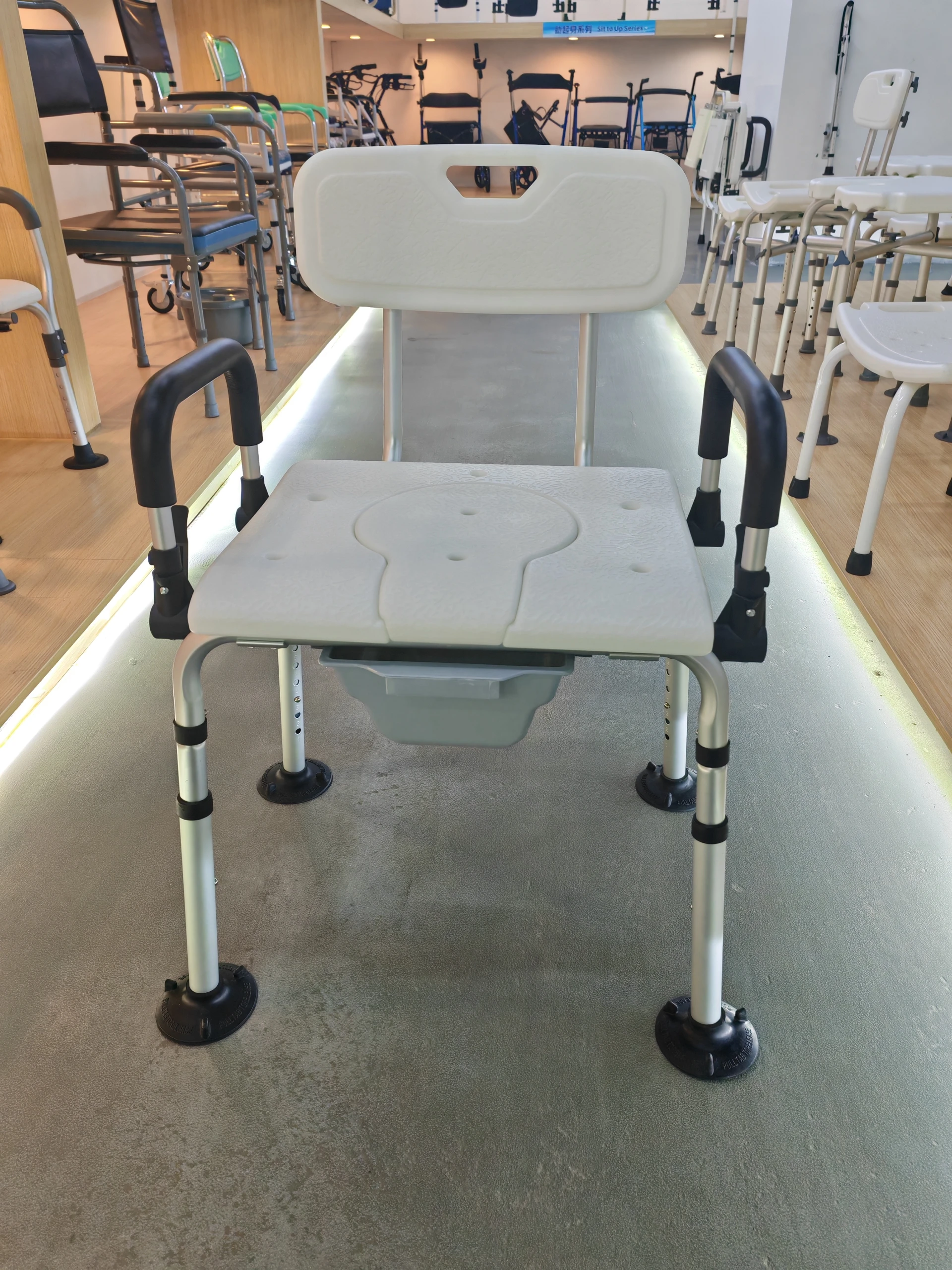
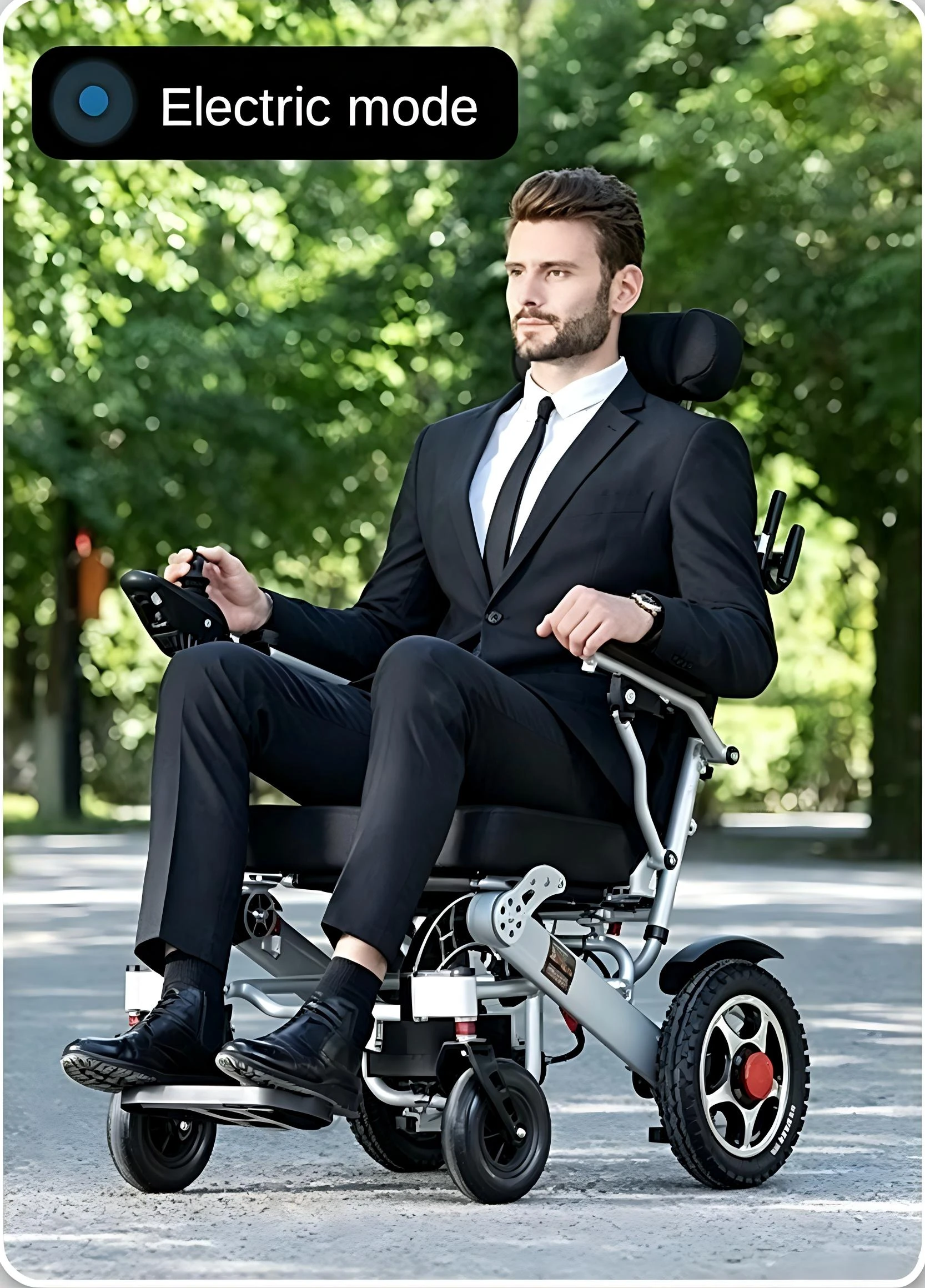
Wheelchair categories refer to the broad classification of wheelchairs, segmented by their intended use, design, and technology level. Frankly, understanding these categories is essential for B2B decision makers aiming to supply mobility solutions fit for different client needs—from hospitals to rehabilitation centers. At ZhaofaMed, the focus is on delivering a spectrum spanning manual, powered, foldable, and heavy-duty wheelchairs. Each category carries unique specs tailored to user demands, such as weight capacity, maneuverability, and feature options like adjustable seating.
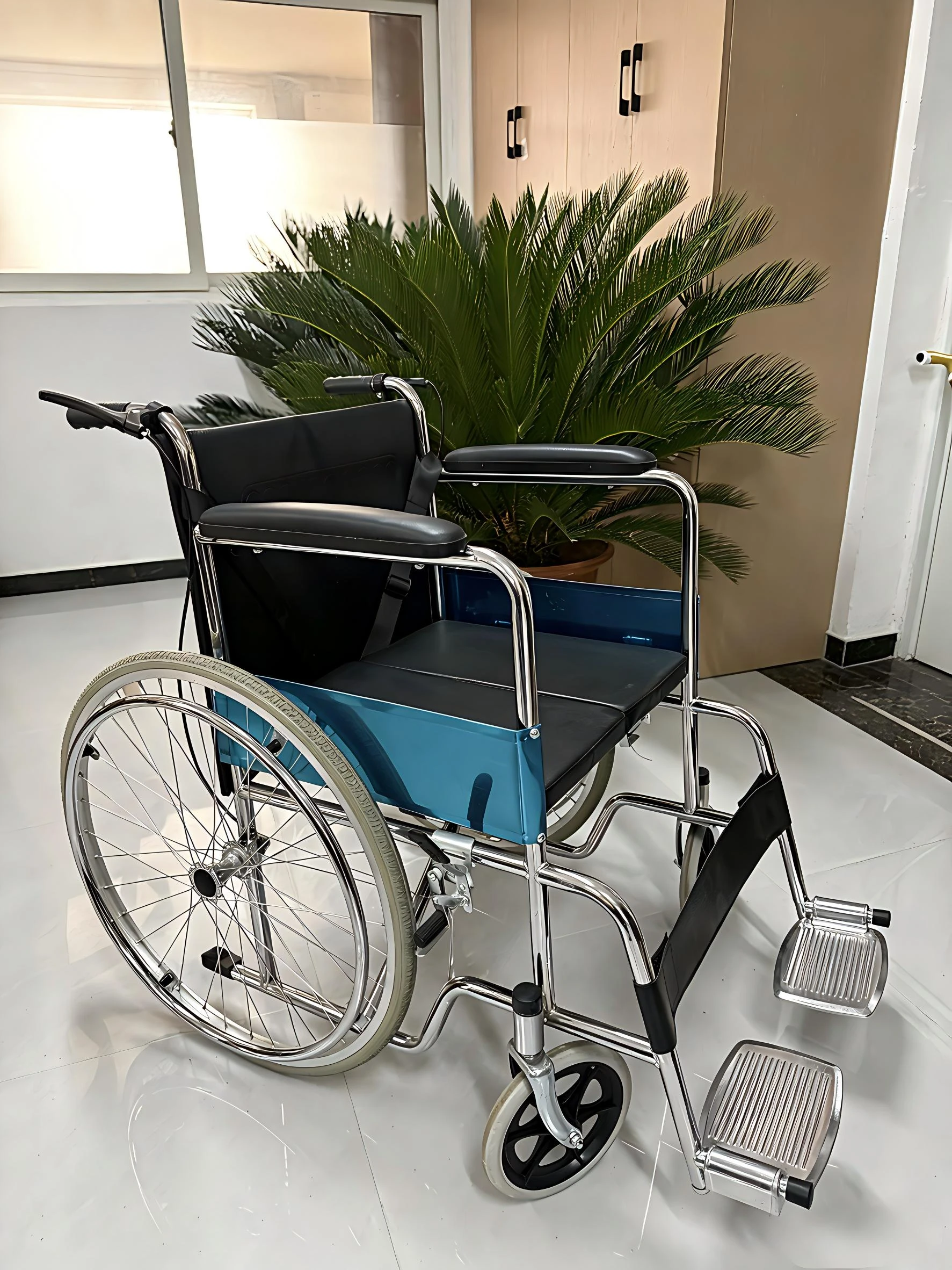
It’s worth noting how ZhaofaMed’s wheelchairs undergo rigorous material testing—steel frames for durability, lightweight alloys for portability—and integrate ergonomic designs for long-term comfort. For instance, their lightweight manual wheelchairs average just under 12 kg, blending strength and ease of use. This well-organized categorization helps businesses quickly match products to their clients’ functional requirements, which frankly saves time and reduces the risk of mismatches.
| Wheelchair Category | Key Features | Weight Capacity (kg) | Average Weight (kg) |
|---|---|---|---|
| Manual Wheelchairs | Lightweight, foldable, no motor | 100–120 | 10–15 |
| Powered Wheelchairs | Electric motor, joystick control | 120–150 | 25–40 |
| Heavy Duty Wheelchairs | Reinforced frame, for higher weight | 150+ | 20–30 |
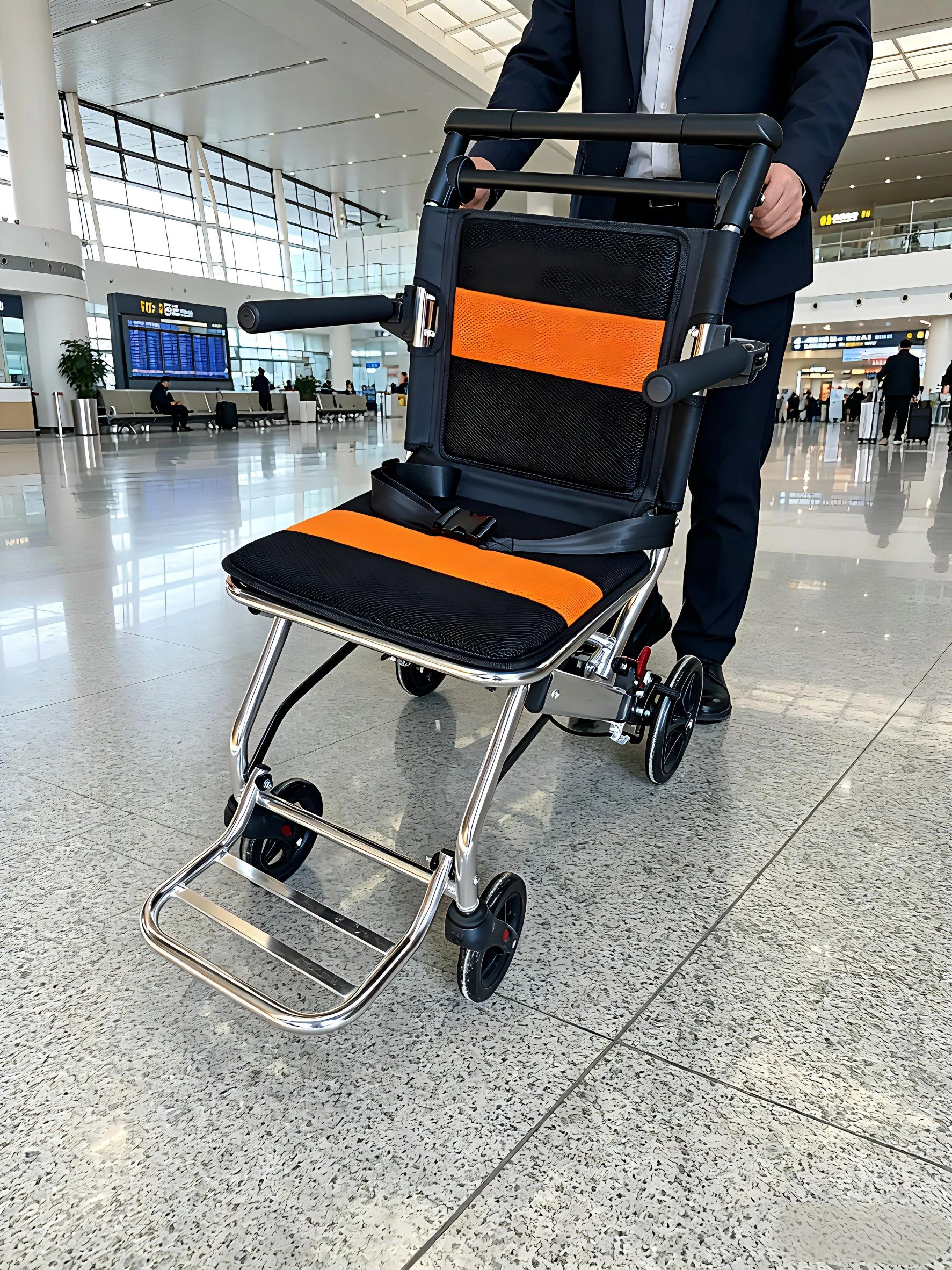
| Transport Wheelchairs | Lightweight, attendant propelled | 90–100 | 8–12 |
Benefits & Use Cases of Wheelchair Categories
In real terms, having a well-defined set of wheelchair categories means businesses can supply the right product exactly where it’s needed. Hospitals commonly use manual and powered wheelchairs in patient rooms or waiting areas, while rehabilitation centers lean on heavy-duty models to safely accommodate diverse user requirements. Transport wheelchairs, by their nature, ease staff burdens in airports or event venues where moving patients or guests is routine.
Oddly enough, many industry professionals praise ZhaofaMed’s combination of durability and modular design—a feature that stands out against competitors. Their foldable manual wheelchairs, for example, optimize storage without compromising frame strength, which is a big deal in tight clinical spaces. Moreover, powered wheelchairs with adjustable controls and batteries supporting all-day use give end-users independence, which you know is priceless. The vendor’s ability to offer customization also means businesses can adapt products to very specific client needs, whether that’s adding cushions or installing safety belts.
Cost, Maintenance & User Experience
The total cost of ownership is a major consideration—B2B buyers often wrestle with choosing a model that’s not just affordable at purchase, but also low in maintenance and long on reliability. From my conversations with vendors and users alike, wheelchairs from ZhaofaMed strike a sweet balance; the materials and engineering reduce frequent repairs, so downtime is minimal. This helps improve ROI, especially for institutions with heavy daily usage.
On a practical note, customer feedback points to the ease of servicing these wheelchairs—replaceable parts and clear user manuals contribute to straightforward upkeep. One care facility I encountered reported a 30% reduction in maintenance calls after switching to ZhaofaMed products, which translates into less hassle and better resource allocation. User comfort also ranks high: many feel these wheelchairs provide good posture support and smooth mobility, making a tangible difference in patient experience.
Sustainability & Market Trends
Sustainability in wheelchair manufacturing is gaining traction, with several regulations motivating vendors to utilize recyclable materials and minimize waste during production. At ZhaofaMed, efforts like sourcing aluminum for frames and optimizing supply chain logistics highlight a commitment to eco-friendly practices. The wheelchair market itself is expected to grow steadily, propelled by aging populations and rising awareness of mobility disabilities worldwide. Few suppliers combine this environmental responsibility with technical expertise as effectively.
Add to that the increasing demand for smart wheelchairs integrating sensors and connectivity, and the landscape is evolving quickly. Businesses that invest now in proven, adaptable wheelchair categories—like those ZhaofaMed offers—are setting themselves up for future-proof resilience amid shifting expectations.
| Vendor | Product Range | Customization Options | Warranty & Support |
|---|---|---|---|
| ZhaofaMed | Manual, Powered, Heavy-duty | High – Modular parts, accessories | 2 years standard plus onsite |
| Competitor A | Manual only | Limited | 1 year, remote support |
| Competitor B | Powered and transport | Medium | 1.5 years, onsite optional |
Frequently Asked Questions about Wheelchair Categories
- What is Wheelchair Categories and how does it work?
- Wheelchair categories classify wheelchairs based on design, functionality, and user needs. This system helps businesses and health professionals select the appropriate chair type, whether manual, powered, or specialized, ensuring effective mobility solutions.
- What are the main benefits of using Wheelchair Categories in industrial applications?
- Key benefits include enhanced customization, improved user comfort, streamlined procurement processes, and better alignment with specific mobility requirements, which together optimize operational efficiency and client satisfaction.
- How does Wheelchair Categories compare to traditional alternatives?
- Compared to traditional single-type wheelchairs, categorized offerings provide a broader product range with advanced features such as lightweight frames, electric motors, and modular components, resulting in increased versatility and better fit for varied use cases.
- What industries can benefit most from Wheelchair Categories implementation?
- Healthcare facilities, rehabilitation centers, assisted living communities, and transport services benefit greatly, as these categories help tailor solutions to patient or user mobility needs and regulatory compliance demands.
Conclusion on Wheelchair Categories from china
To sum up, the value of clearly defined Wheelchair Categories lies in supporting suppliers and clients with the right fit—whether in handling, durability, or user comfort. For businesses navigating the complex landscape of mobility aid products, ZhaofaMed’s offering combines quality, customizability, and sustainability. These are thoughtfully designed to meet not only today’s clinical demands but also tomorrow’s market trends. So, if you’re in the market, it’s worth a closer look.
- Recap the value of Wheelchair Categories.
- Visit our website: https://www.zhaofamed.com
It feels like the right choice for businesses looking to blend reliability with innovation. As with all equipment investing, asking questions and verifying specs will pay off handsomely.
References:
1. ZhaofaMed official product data sheets (2023)
2. Industry feedback via medical equipment forums and trade shows (2023)
3. Market trends report on mobility aids by Global Health Insights (2024)