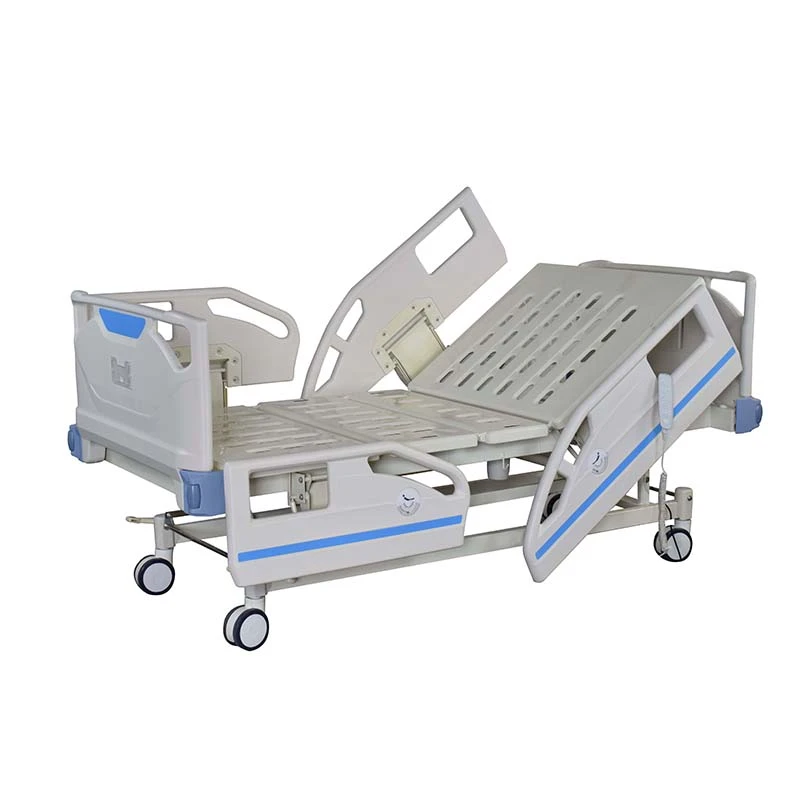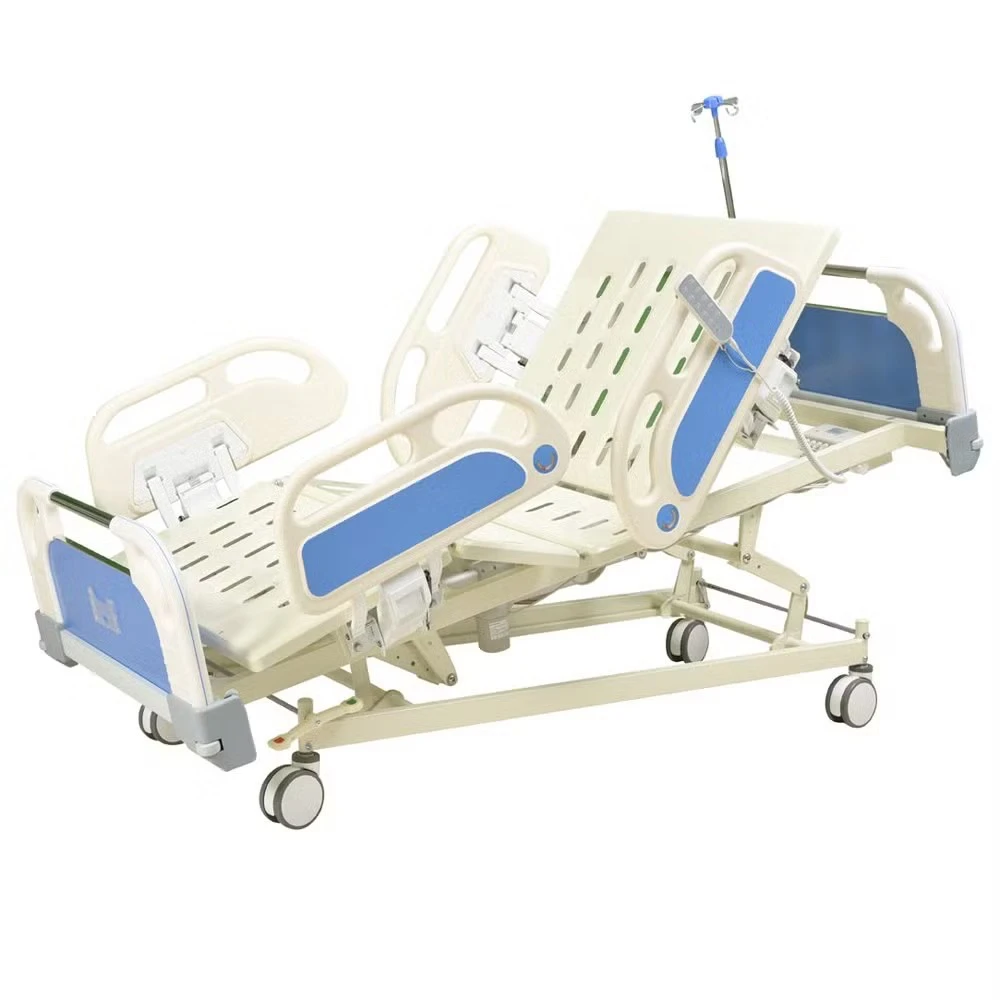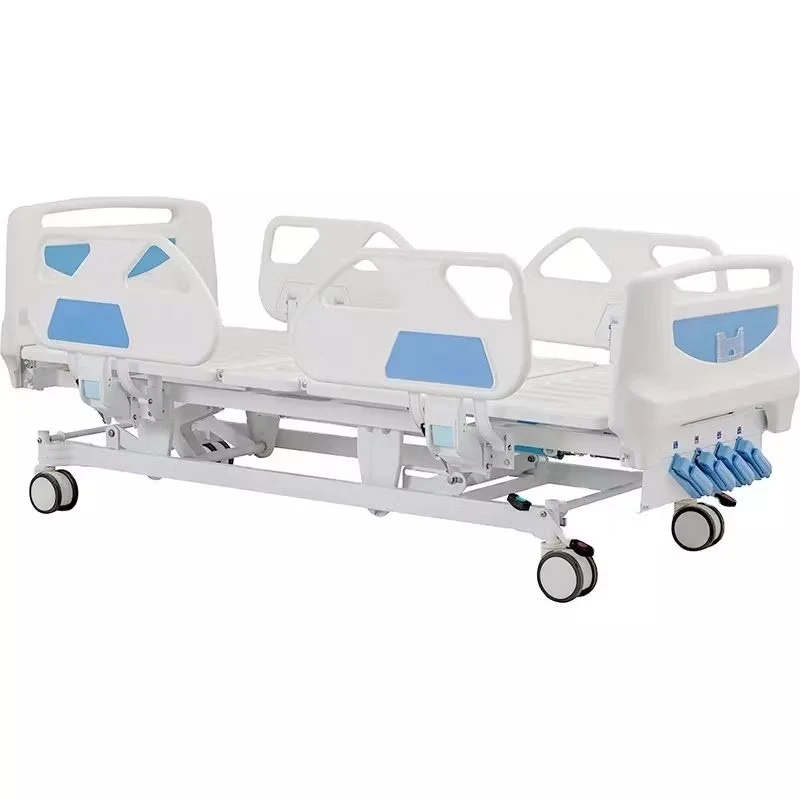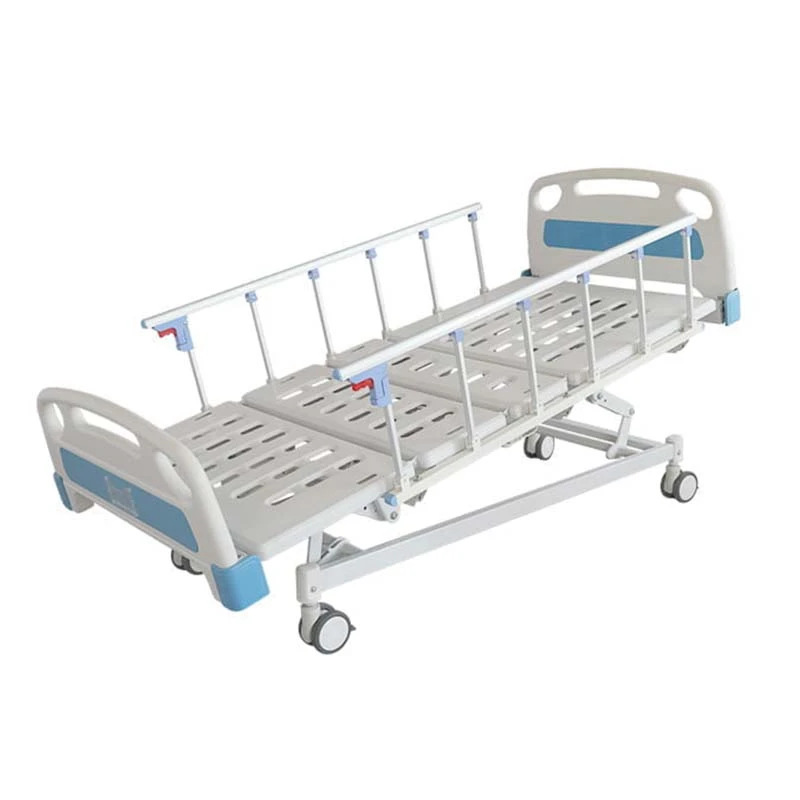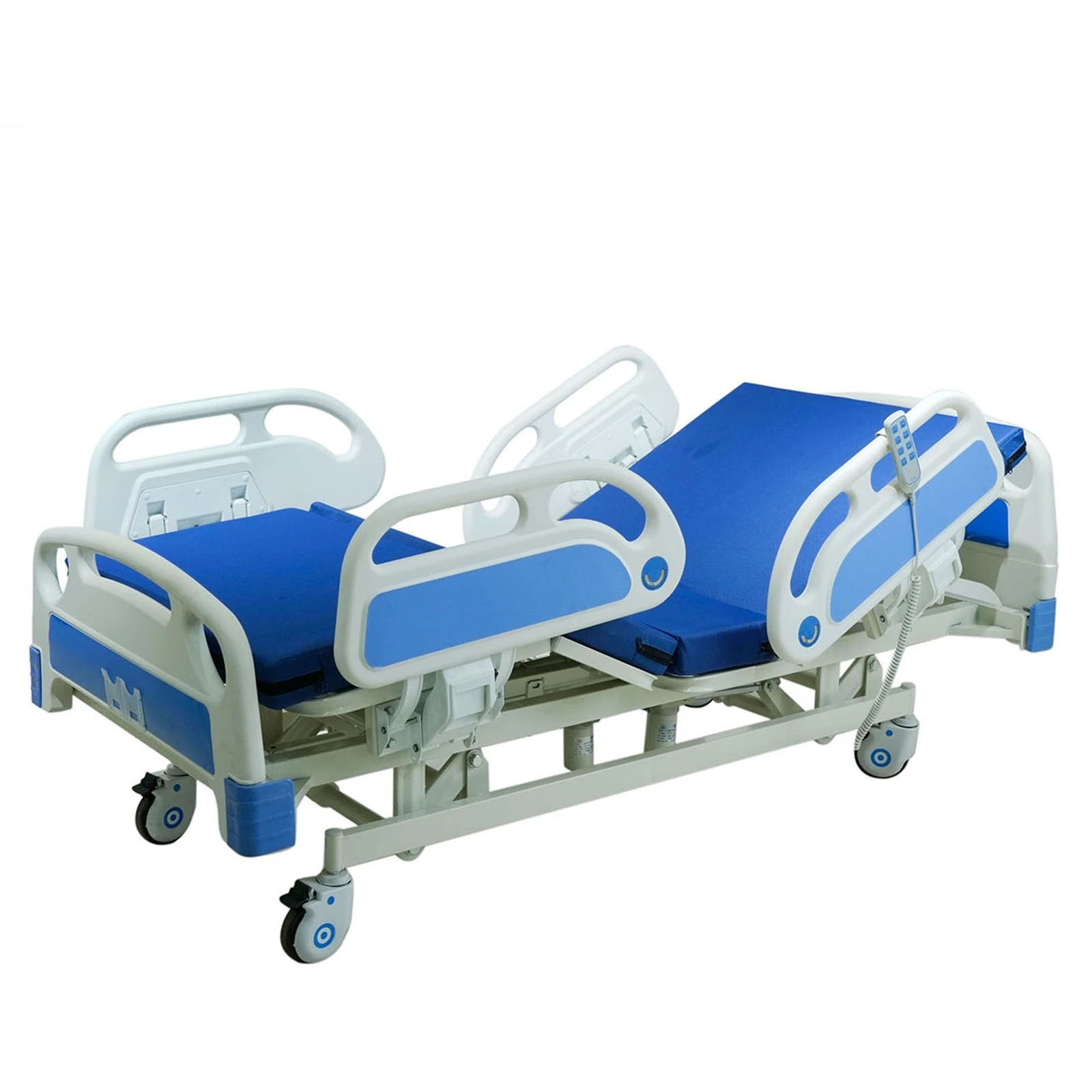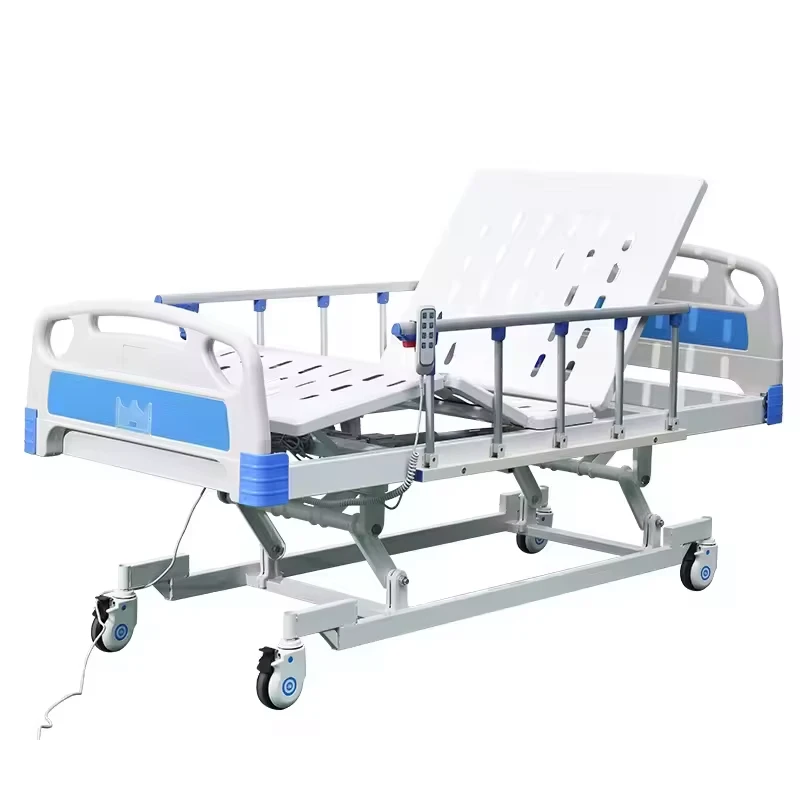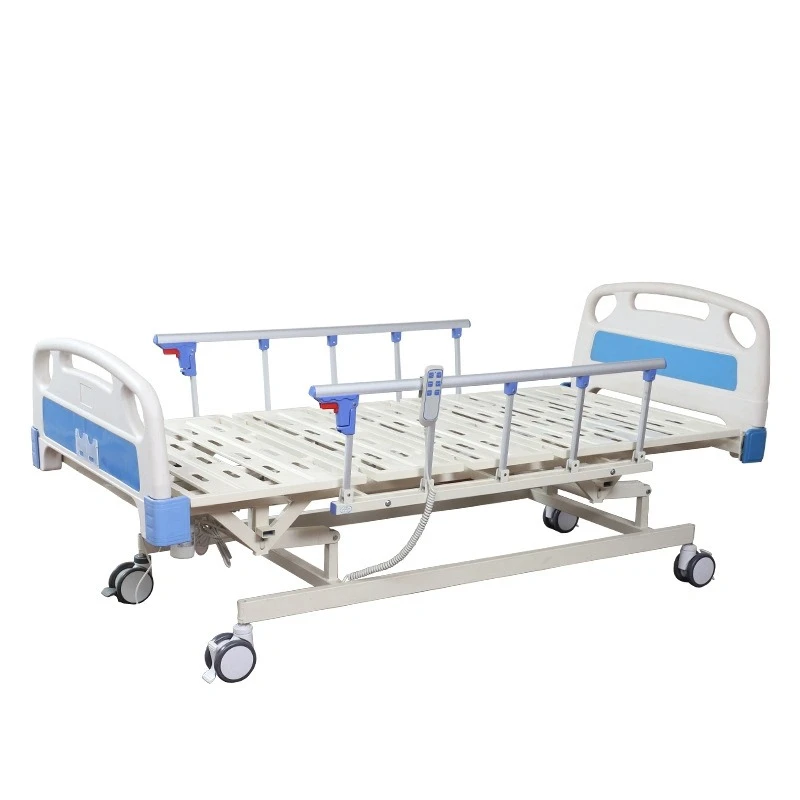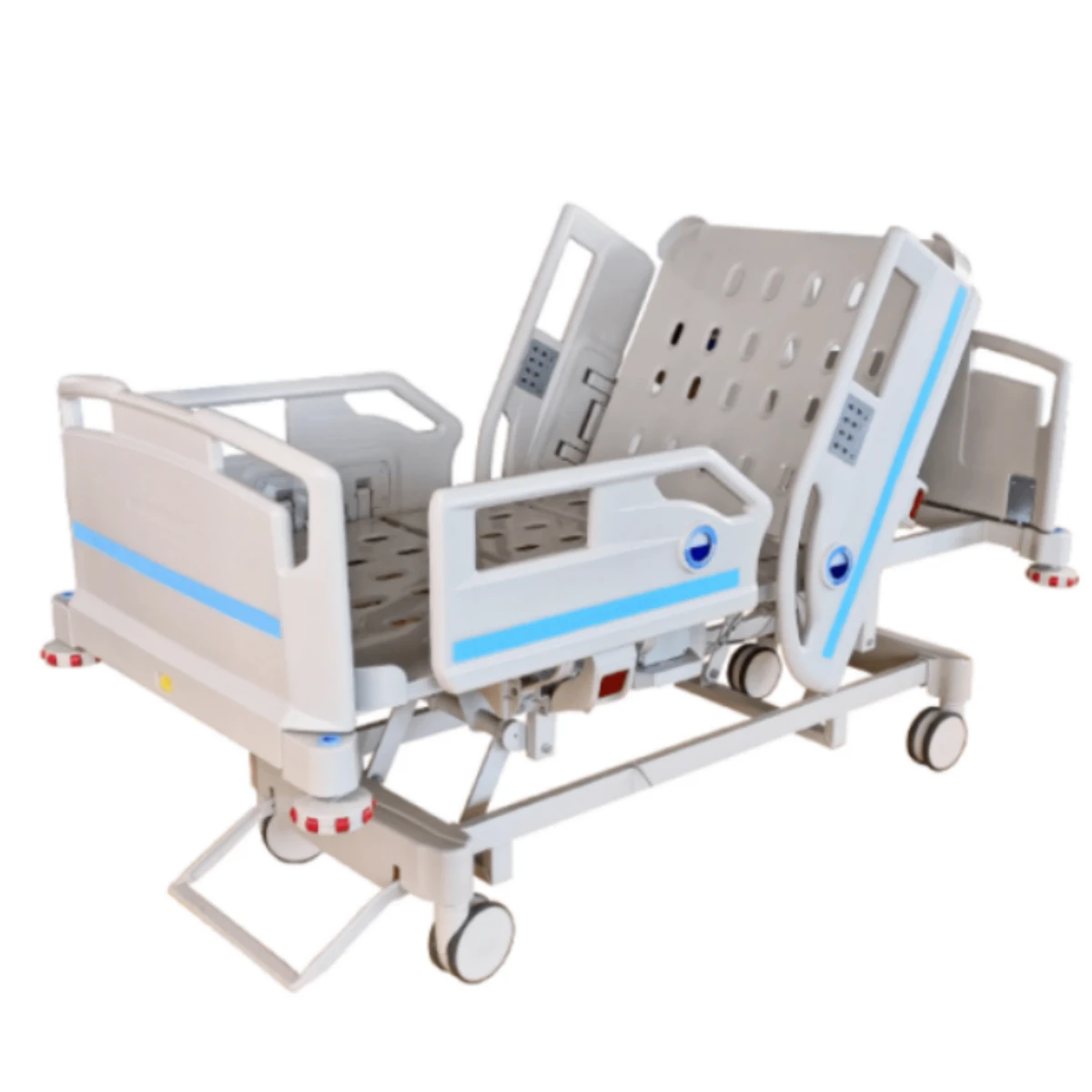
Comprehensive Guide to Bedside Cabinet Hospital for Enhanced Healthcare Efficiency
Understanding the Bedside Cabinet Hospital: Essential for Healthcare Efficiency
If you’ve ever spent time in a hospital room, the humble bedside cabinet hospital unit probably didn’t catch your eye—but oddly enough, it plays a pivotal role in patient care and hospital workflow worldwide. These cabinets serve as the immediate storage solution for patient necessities and medical staff essentials, streamlining daily operations while prioritizing hygiene and accessibility.
Globally, with healthcare systems strained by aging populations and increasing demand, the design and deployment of effective bedside furniture—especially bedside cabinets—matter more than most realize. They may seem like just furniture on wheels, yet their functional benefits ripple through patient safety, operational efficiency, and even the dignity of hospital stays.
Global Context: Why Bedside Cabinets Matter
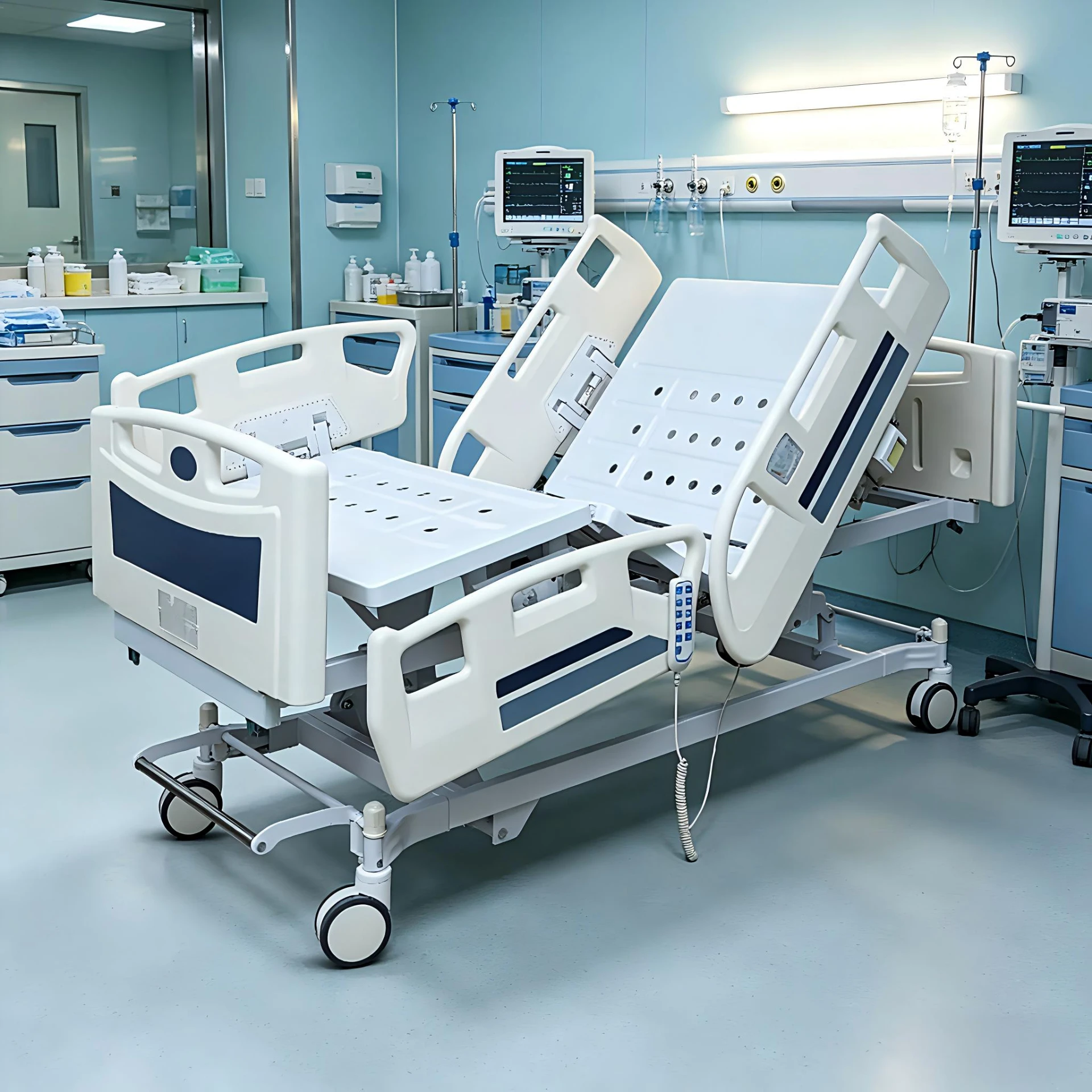
According to the World Health Organization, hospital infrastructure quality directly impacts patient outcomes. In fact, the WHO emphasizes that hospital environments must support both medical function and infection control, areas where bedside cabinets play a non-trivial role.
Consider this: there are over 70 million hospital beds worldwide; equipping each with a quality bedside cabinet is no small feat. Challenges abound—from budget constraints in developing countries to strict ergonomic standards in high-tech medical centers. This creates an ever-growing demand for sturdy, hygienic, and functional bedside cabinets to complement patient care.
bedside cabinet hospital solutions emerge as key players in improving hospital stays by reducing clutter, improving patient access to personal items, and helping medical staff securely store equipment and medication.
What Exactly Is a Bedside Cabinet Hospital?
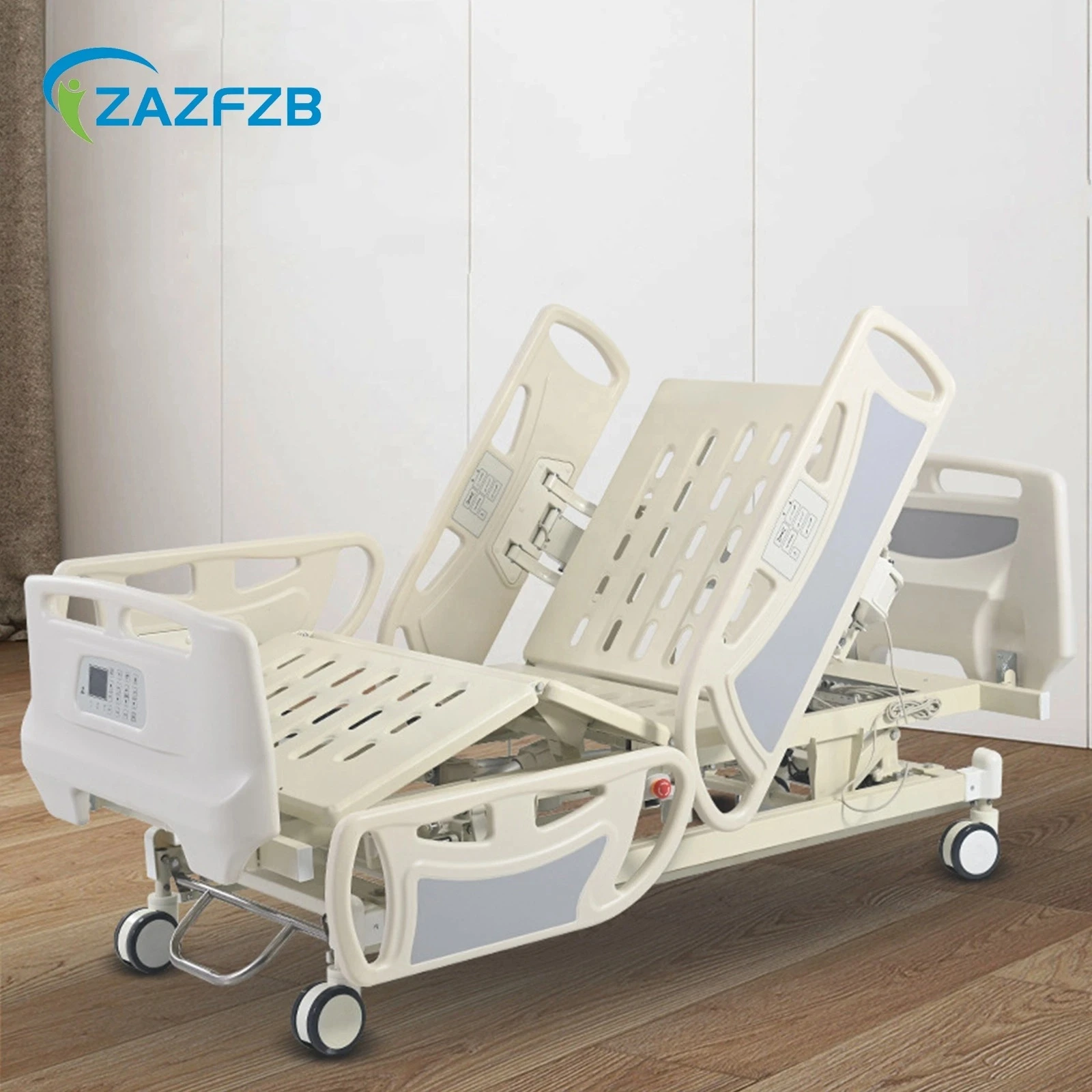
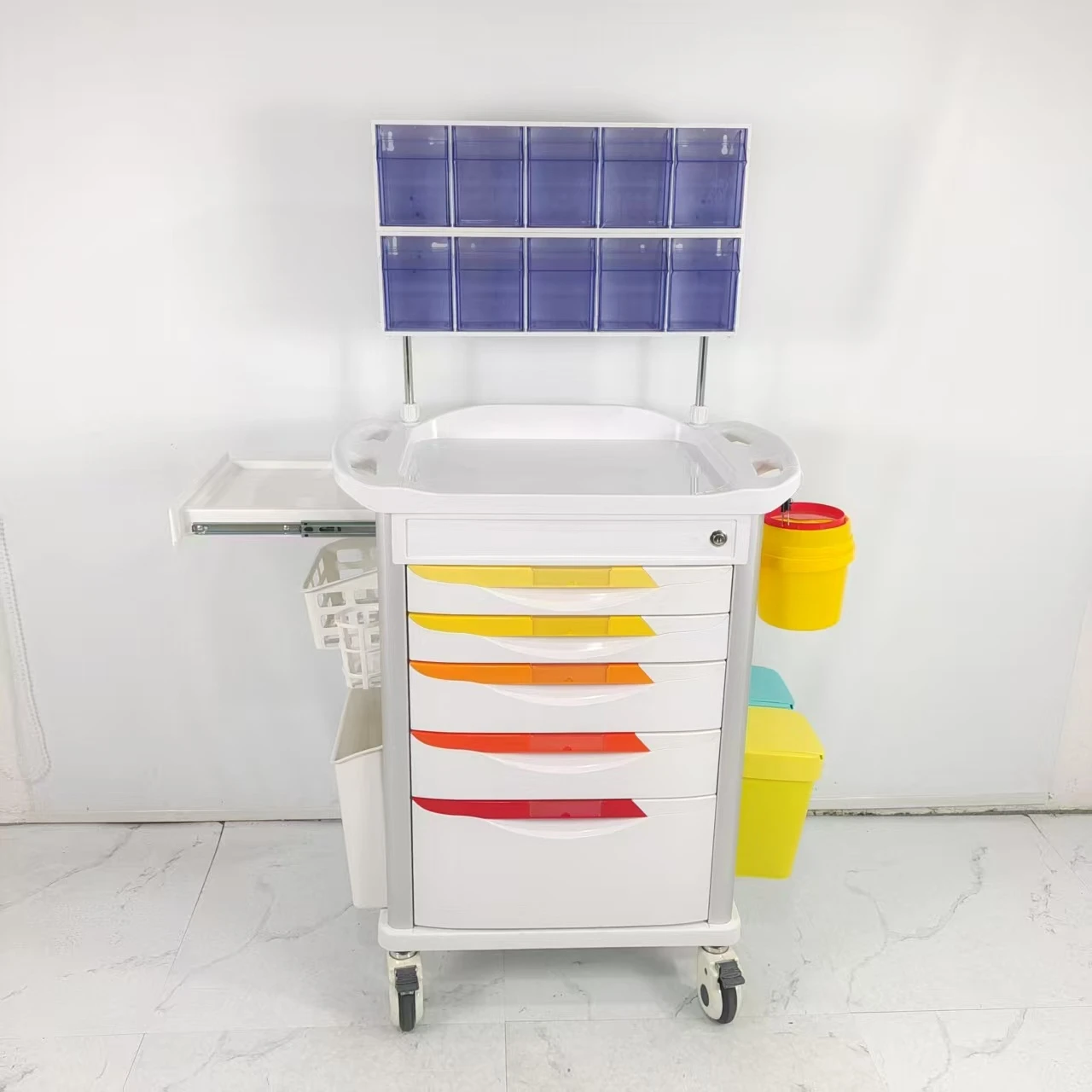
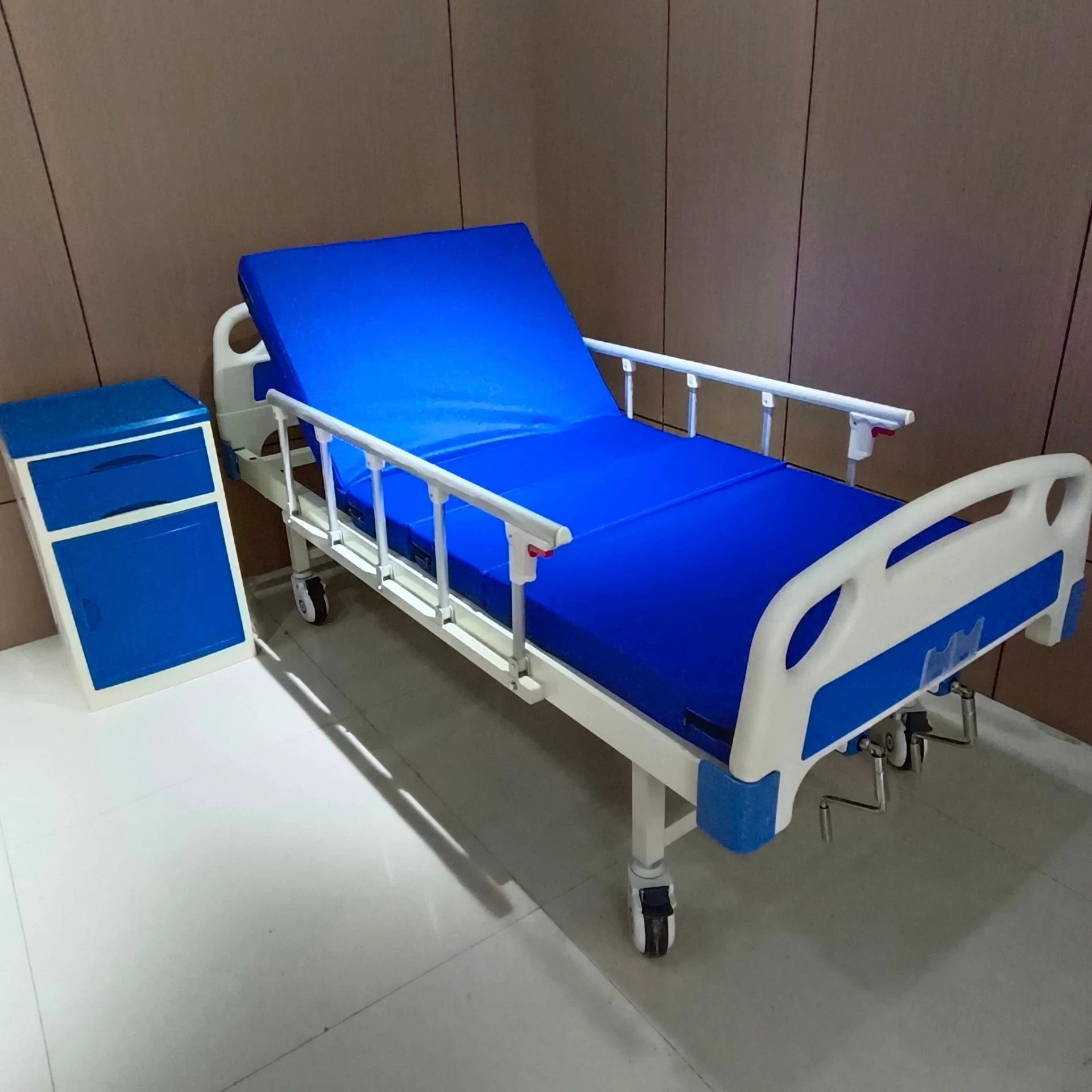
In its simplest form, a bedside cabinet hospital is a small, wheeled piece of furniture designed to sit right next to a patient’s bed. It typically features drawers or compartments intended for medical supplies, patient belongings, and sometimes a flat top used as a surface for meals or writing.
These cabinets can range from very basic metallic frames with laminated tops to sophisticated units built with antimicrobial surfaces and custom locking mechanisms, tailored for modern healthcare needs and strict sanitation protocols.
Key Components and Considerations of Hospital Bedside Cabinets
Durability
Hospital furniture must withstand constant use, frequent disinfection, and occasional impacts. Bedside cabinets made of stainless steel or reinforced composites tend to perform best. Durable materials ensure that the cabinet can remain functional and safe for years without requiring constant repairs.
Hygiene and Infection Control
Given the sensitive hospital environment, bedside cabinets must comply with strict infection control policies. Materials should be non-porous, easy to clean, and ideally incorporate antimicrobial coatings to reduce germs on touch surfaces.
Ergonomics
The cabinet’s height and mobility matter a great deal—both patients and care providers should access drawers easily without awkward bending or reaching. Swivel wheels with locks offer mobility and stability, which is crucial during patient transfers or room maintenance.
Storage Design
Multiple drawers, sometimes with different lockable compartments, allow secure storage of medications, personal valuables, and medical instruments. Configurable layouts can meet various hospital units’ unique needs, like pediatric wards versus intensive care.
Aesthetics & Patient Comfort
Beyond function, a bedside cabinet contributes to the patient experience. Calming colors, smooth rounded edges, and clean lines can make the hospital environment less intimidating, promoting psychological comfort.
Product Specifications Snapshot
| Specification | Standard Value | Notes |
|---|---|---|
| Material | Stainless Steel / Laminated Wood | Non-porous, antimicrobial finish preferred |
| Dimensions | Height: 75-85 cm; Width: 40-50 cm | Fits bedside space, user height considered |
| Mobility | 4 swivel lockable wheels | For easy movement and stability |
| Storage | 2-3 drawers, some lockable | Security for medications & valuables |
| Surface | Flat tabletop with rounded edges | Safe and usable for meals or writing |
Comparing Leading Vendors of Bedside Cabinets
| Brand | Material | Price Range (USD) | Customization | Lead Time |
|---|---|---|---|---|
| ZhaoFamed Medical | Antimicrobial laminated wood | $120 - $180 | Yes - drawer config, color | 2-3 weeks |
| GlobalMed Furnishings | Stainless steel | $150 - $250 | Limited | 4-5 weeks |
| CareTote Solutions | High-density polymer | $100 - $160 | Yes - color & accessories | 3 weeks |
Where Are Bedside Cabinets Used Worldwide?
Everywhere hospitals exist, the bedside cabinet finds its use—from urban health centers in Europe and North America to rural clinics across Africa and Asia. In disaster relief hospitals, portable bedside cabinets allow organizations to maintain standards of care even in temporary settings. For example, Médecins Sans Frontières (Doctors Without Borders) relies on modular healthcare units with specially designed furniture, including bedside cabinets, to manage field hospitals.
Oddly enough, in industrial zones with onsite medical units—think large mining operations or offshore platforms—compact bedside cabinets improve occupational health management by consolidating medical supplies close to workers.
Advantages and Long-Term Benefits of Hospital Bedside Cabinets
- Cost Efficiency: Durable bedside cabinets reduce replacement frequency, lowering total cost of ownership.
- Improved Infection Control: Proper materials help reduce hospital-acquired infections.
- Enhanced Patient Dignity: Private storage adds comfort and a sense of autonomy to patients.
- Operational Streamlining: Medical staff can access supplies faster, improving care delivery speed.
I suppose it’s one of those things that subtly boost patient and caregiver wellbeing—they rarely make headlines, but over time, their impact is unmistakable.
Future Trends and Innovations
Looking ahead, the bedside cabinet hospital space is evolving with smart technology integrations—think embedded USB ports, RFID tracking for medication drawers, or antimicrobial nanocoating innovations. Sustainability is also gaining traction with eco-friendly materials replacing plastics and metals that can be recycled or are biodegradable.
Digital transformation might lead to bedside cabinets connected with hospital electronic health records, streamlining inventory management right from the patient’s bedside. Automation concepts, such as self-cleaning surfaces or antimicrobial sensors, seem to be not far off.
Challenges and Practical Solutions
Of course, no product is perfect. Cost constraints remain a barrier, especially in developing regions. Also, compatibility with diverse hospital bed models and overcrowded spaces often challenge designers.
Innovative modular designs and customizable sizing options are partial solutions here, as is partnering with local manufacturers to keep costs down and shorten lead times. Training medical staff on upkeep also improves product longevity.
FAQ: Common Queries about Bedside Cabinets in Hospitals
- Q: What materials make for the most hygienic bedside cabinets?
A: Stainless steel and antimicrobial laminated surfaces are preferred, as they resist bacteria and are easy to disinfect. - Q: Can bedside cabinets be customized for different hospital needs?
A: Yes, many vendors offer customizable drawer configurations, locking options, and finishes to meet specific clinical and patient requirements. - Q: How mobile are bedside cabinets on different floor types?
A: Most high-quality bedside cabinets feature swivel lockable wheels designed to smoothly maneuver on tile, linoleum, and carpeted floors. - Q: Are bedside cabinets suitable for use in temporary or field hospitals?
A: Absolutely. Portable, lightweight bedside cabinets are often used in disaster relief and field hospital settings to maintain care standards. - Q: Where can hospitals source cost-effective, quality bedside cabinets?
A: Vendors like ZhaoFamed Medical offer competitive products with good lead times and customization.
Conclusion
To sum it up: the bedside cabinet hospital is a quiet, unassuming hero in healthcare settings. It contributes directly to patient comfort, infection control, and operational efficiency across the globe. Whether in state-of-the-art medical centers or emergency makeshift wards, these units demonstrate that small, well-designed solutions really do make a big difference.
If you’re exploring options for equipping your facility, or simply want to learn more about sustainable, innovative bedside cabinet solutions, do visit https://www.zhaofamed.com. Trust me, the right cabinet can literally transform the hospital experience.
Mini takeaway: Bedside cabinets may not be flashy, but their role in efficient, hygienic, and patient-friendly hospital care is undeniable.
References:
1. World Health Organization: Hospital Development Guidelines
2. ISO 14644 - Cleanrooms and associated controlled environments
3. Médecins Sans Frontières Field Hospital Equipment Catalog