Cardiac Bed Price Guide: Balancing Cost, Quality & Global Healthcare Needs
Understanding Cardiac Bed Price: Why It Matters Worldwide
At first glance, the phrase cardiac bed price might seem like a simple cost tag on a specialized hospital bed. But dig a bit deeper, and you realize it’s part of something bigger — a complex global healthcare ecosystem where accessibility, affordability, and innovation intersect to save lives. From bustling urban hospitals in New York to remote clinics in sub-Saharan Africa, the investment in cardiac beds can literally mean the difference between life and death for cardiac patients.
Why should we care? Because heart diseases remain the leading cause of death globally, according to the World Health Organization (WHO, 2023), and proper cardiac care depends heavily on the availability of suitable medical equipment — including cardiac beds. Understanding the dynamics behind cardiac bed prices ensures that hospitals, NGOs, and policymakers can make informed decisions to improve heart care at all levels.
Mini takeaway: Cardiac bed price isn’t just a number—it reflects critical healthcare accessibility worldwide.
Global Context: The True Weight of Cardiac Bed Price
Cardiac diseases cost the global economy over $1 trillion annually when accounting for healthcare costs and lost productivity (World Bank, 2022). With cardiovascular conditions rising in low- and middle-income countries, hospitals must source appropriate cardiac beds that are not only sophisticated but also affordable. Yet, great disparities in price exist between regions due to manufacturing costs, import fees, and healthcare infrastructure.
One challenge is the balance between quality and cost. Too cheap, and the bed might lack reliability or comfort — crucial for critically ill patients. Too expensive, and many hospitals, especially public-sector ones, might be priced out, affecting thousands of patients. Cardiac bed price discussions address this paradox, pushing manufacturers and regulators to find better solutions.
Mini takeaway: Finding the right cardiac bed price is a pivotal challenge for global healthcare equity and efficiency.
What Exactly is Cardiac Bed Price?
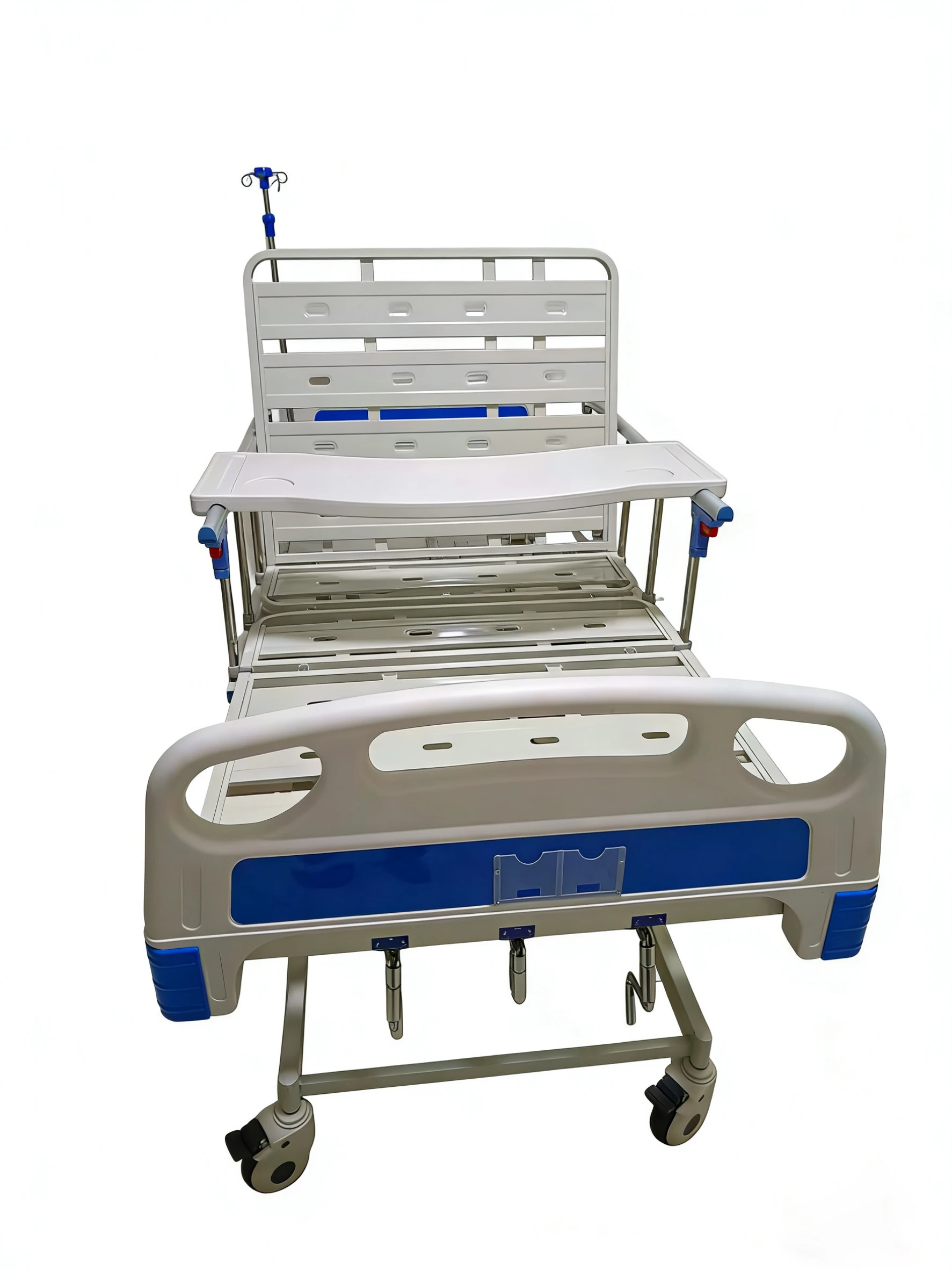
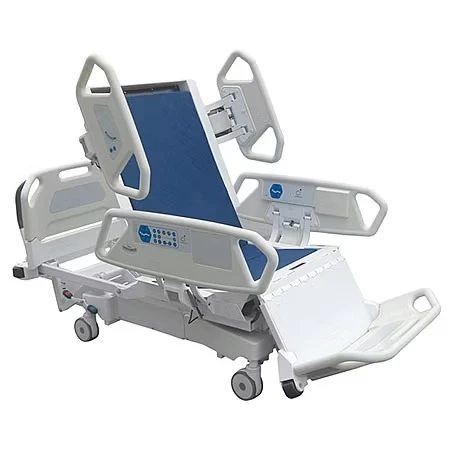
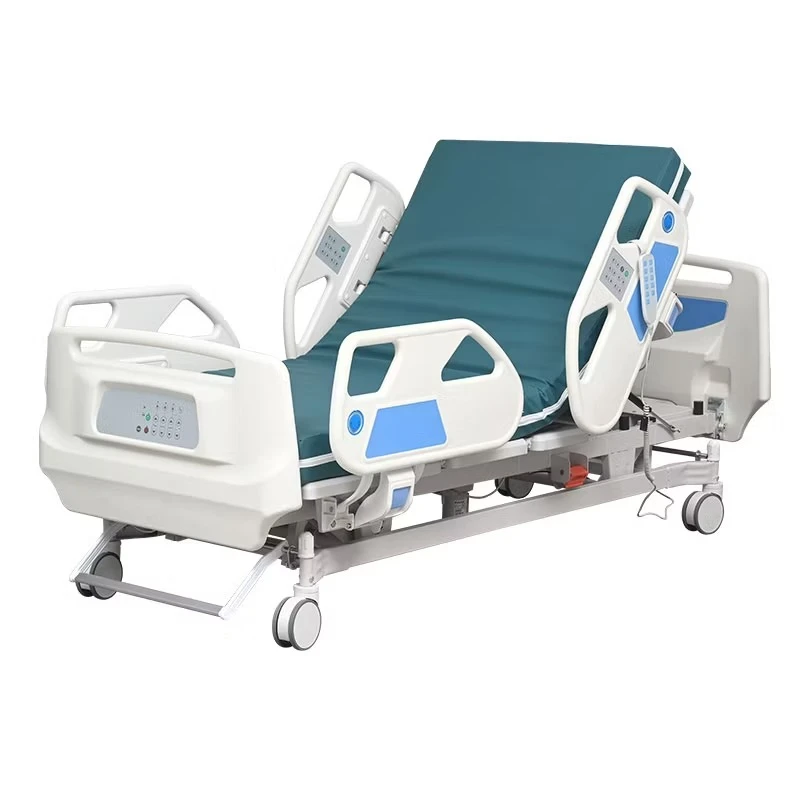
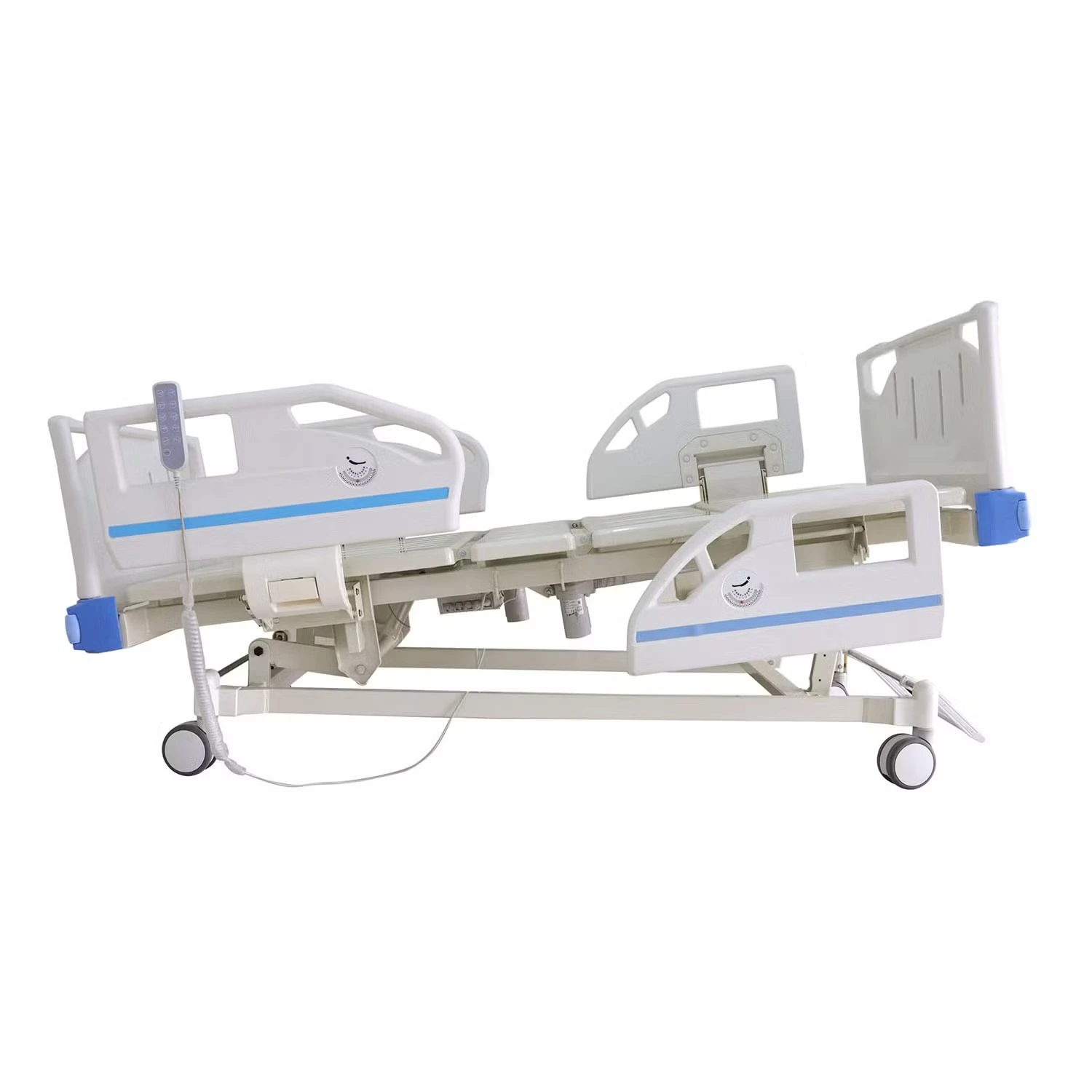
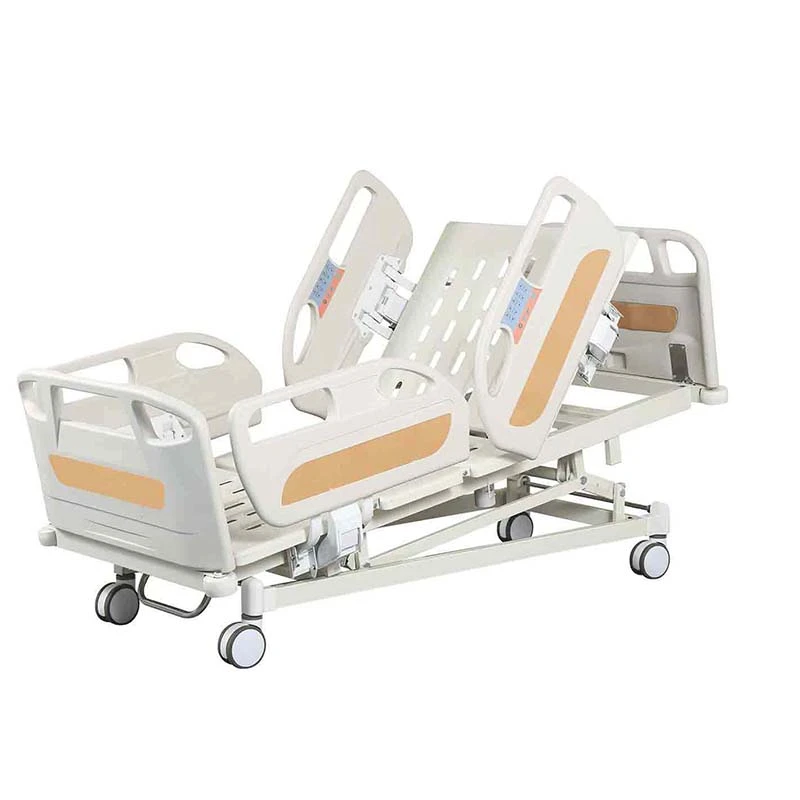
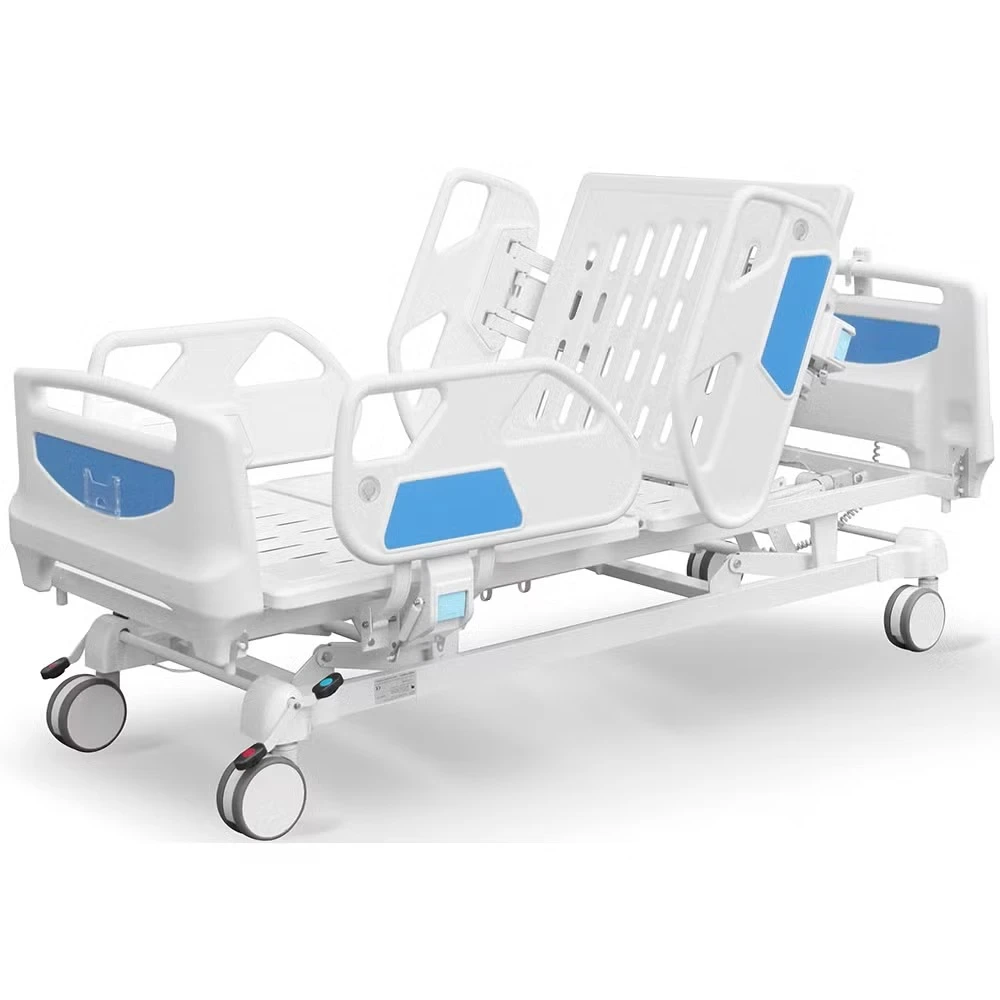
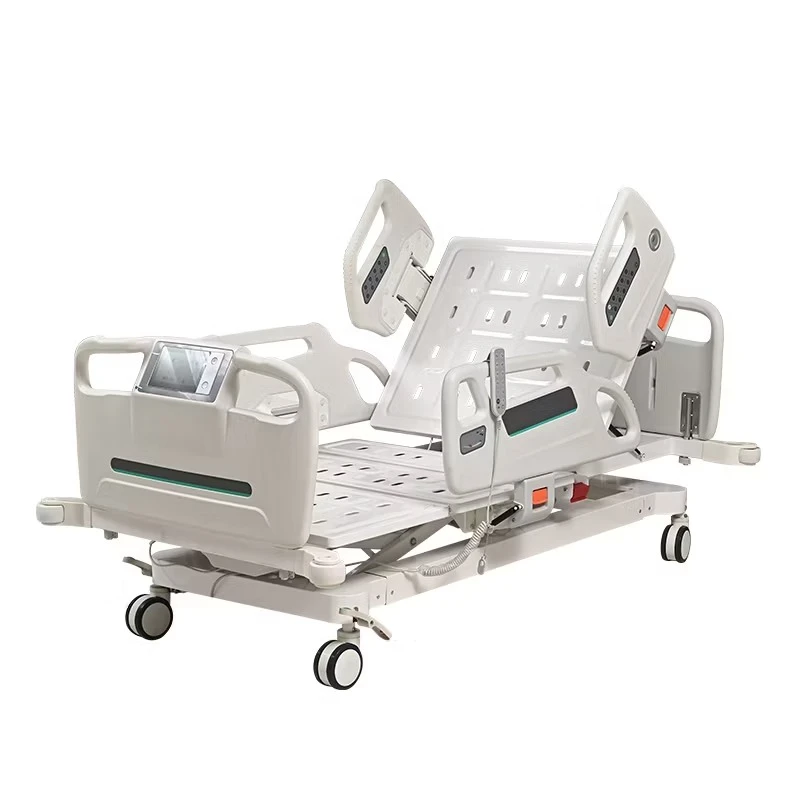
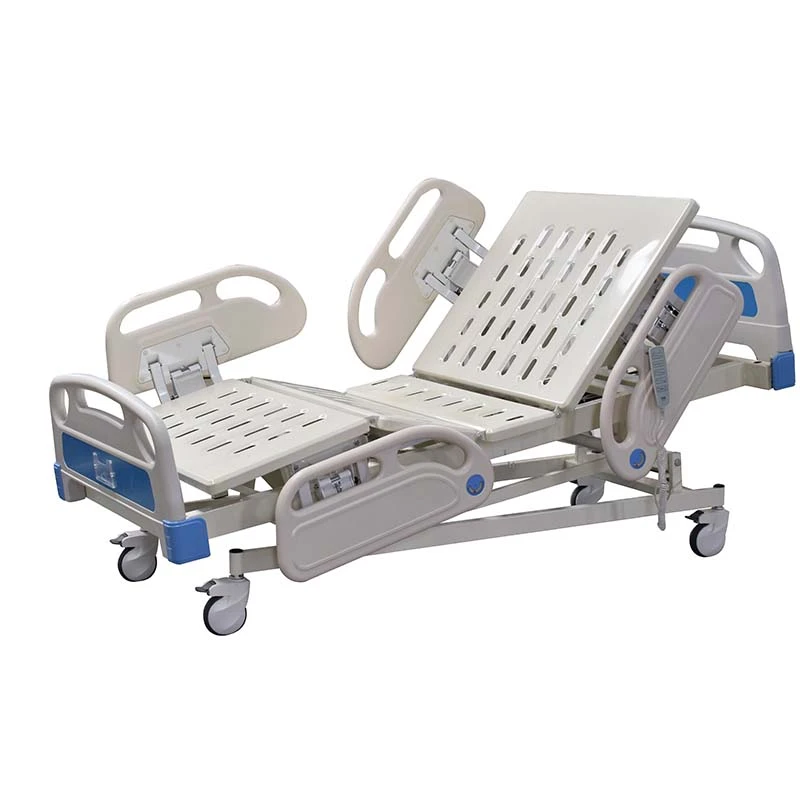
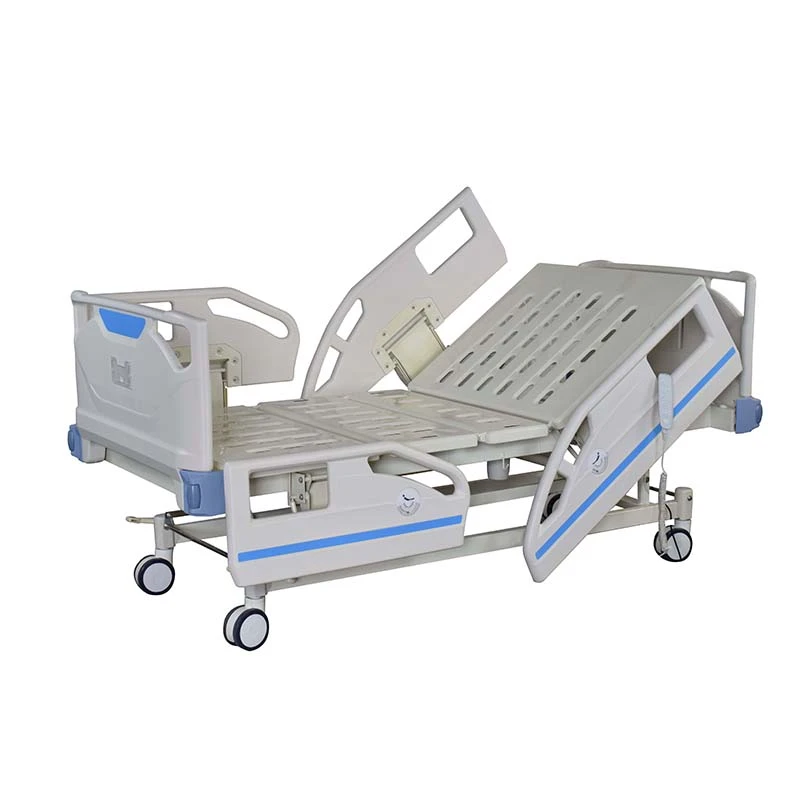
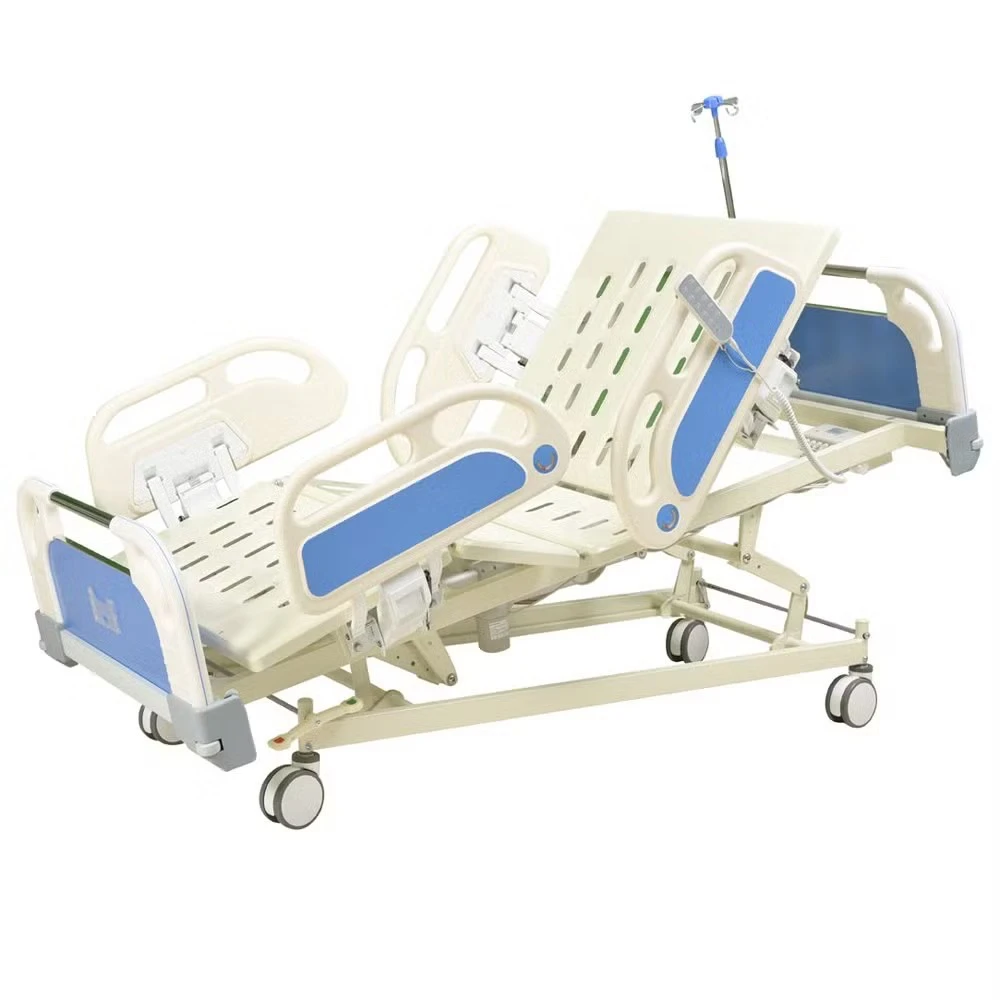
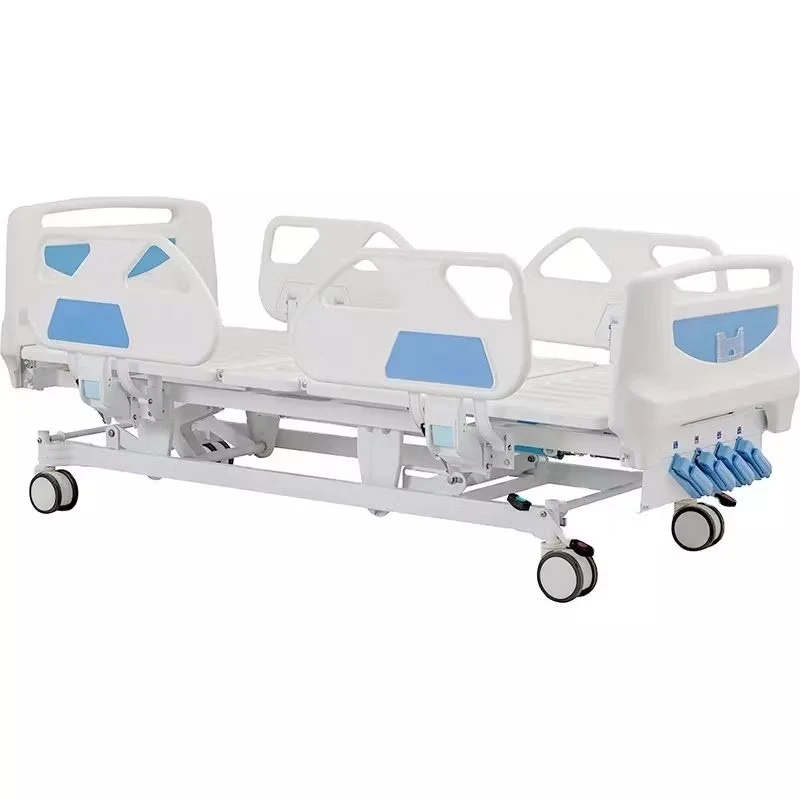
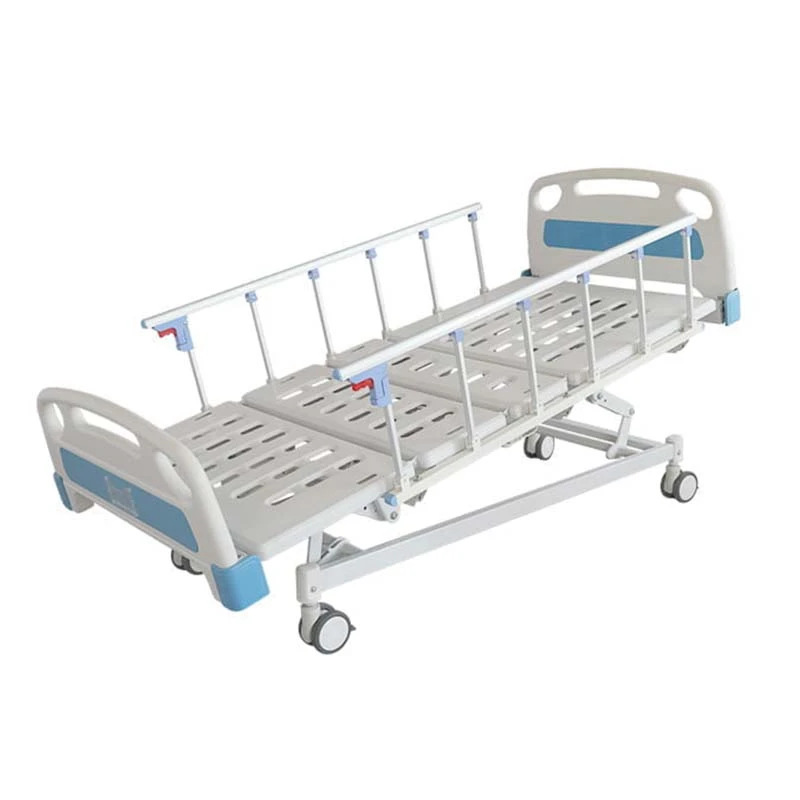
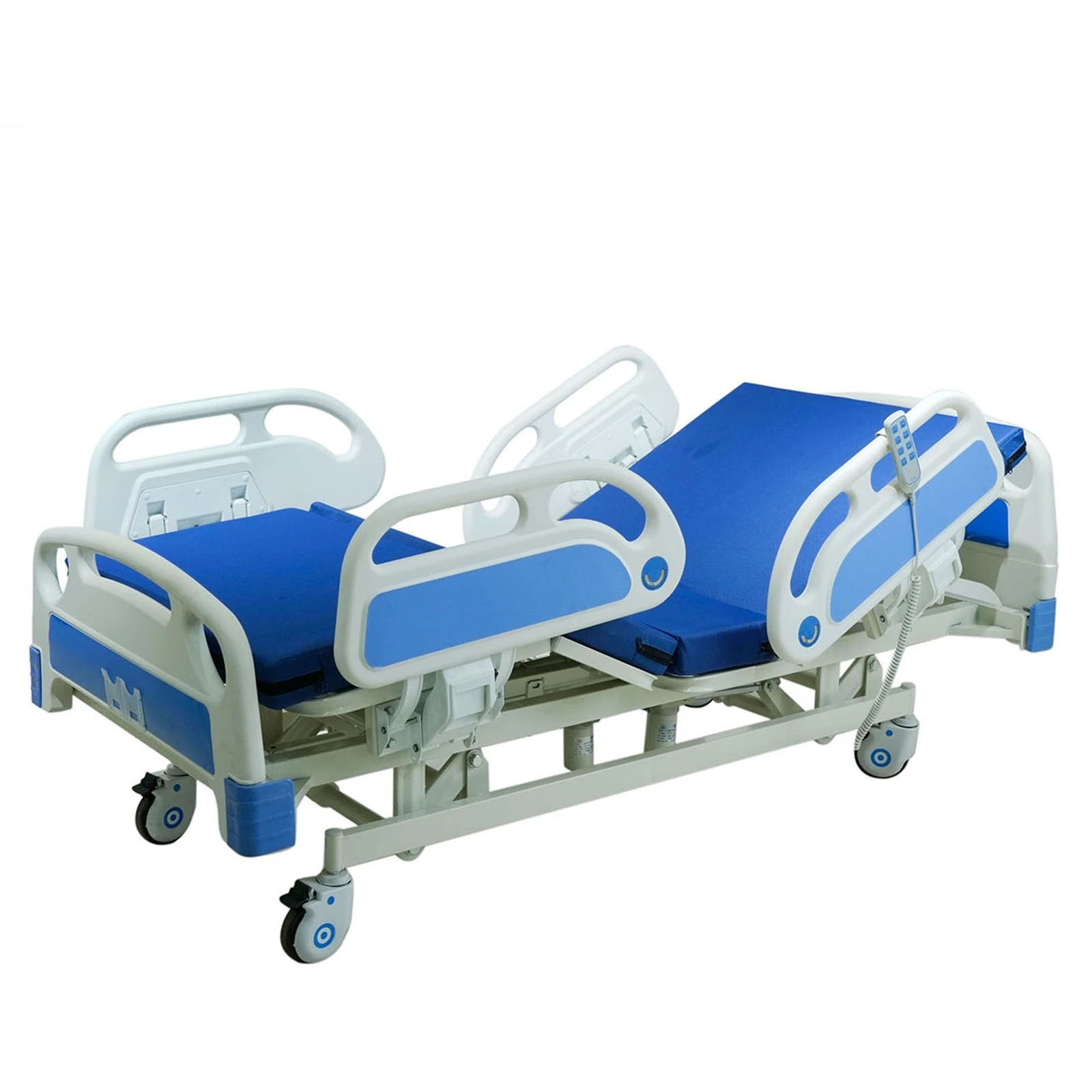
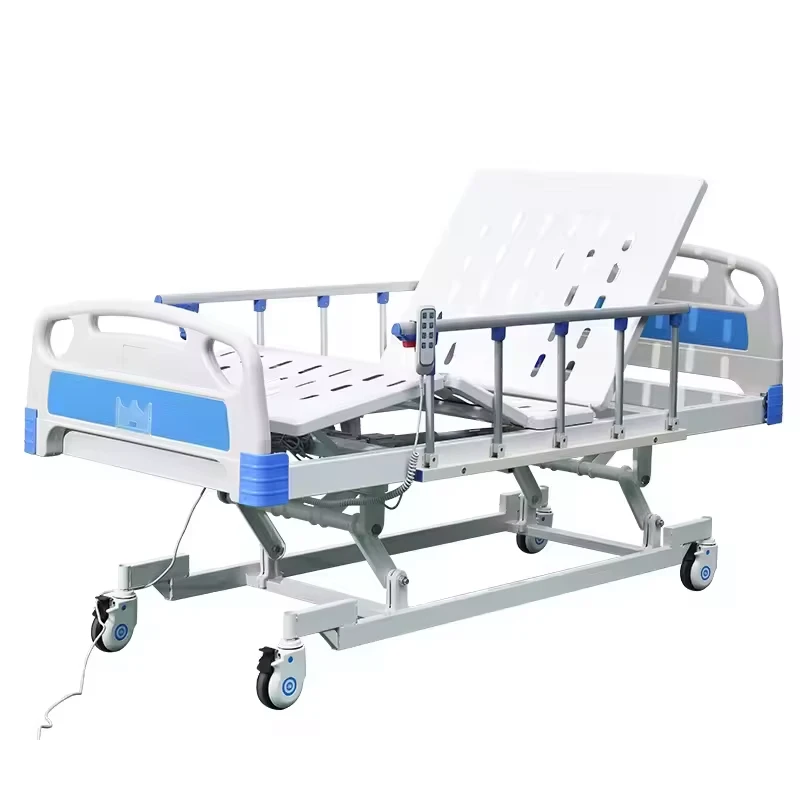
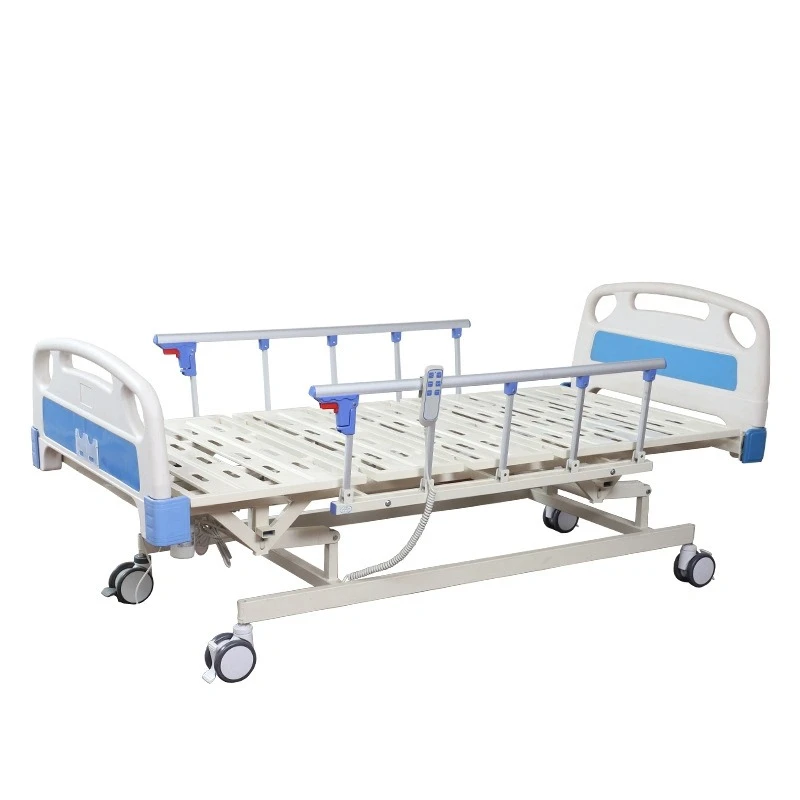
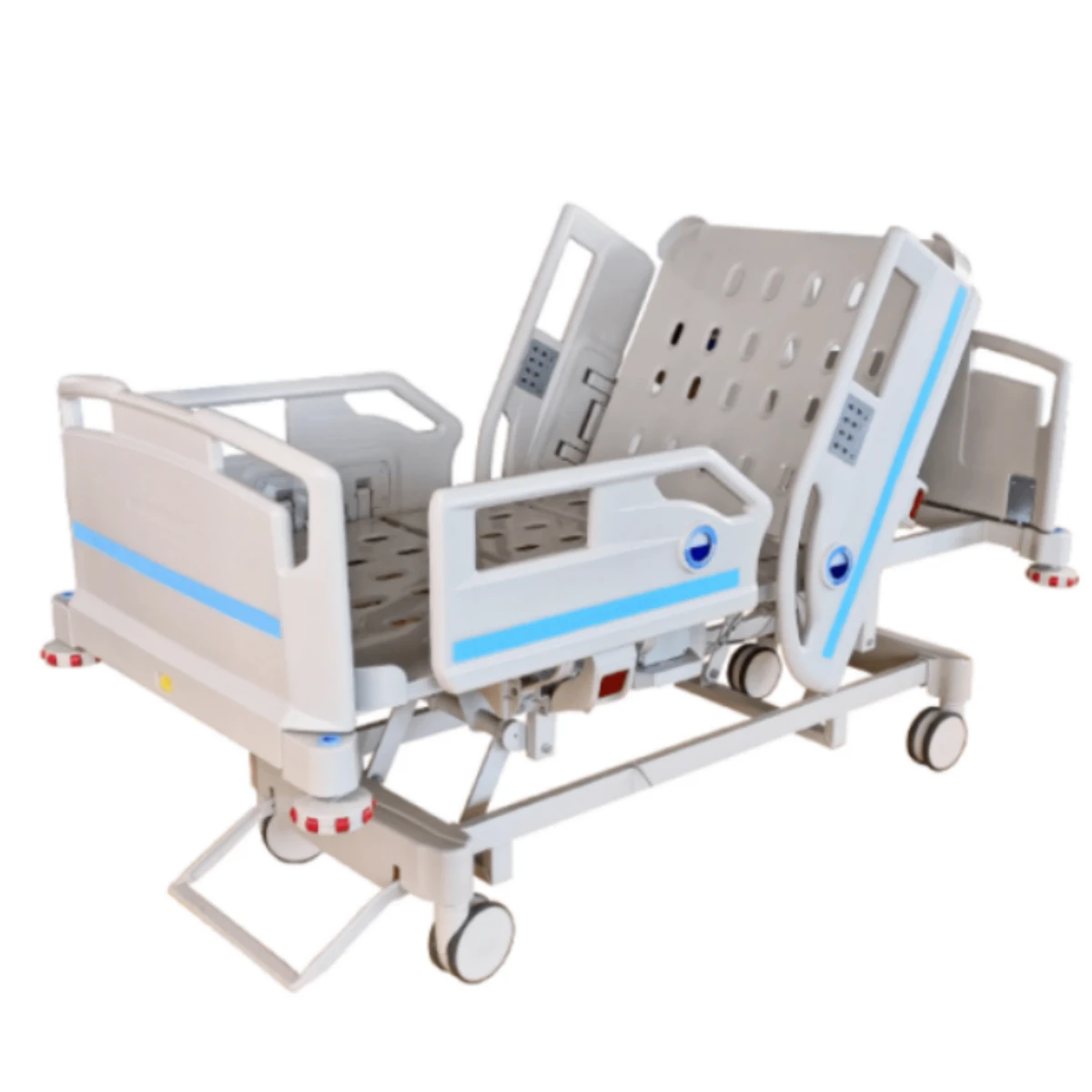
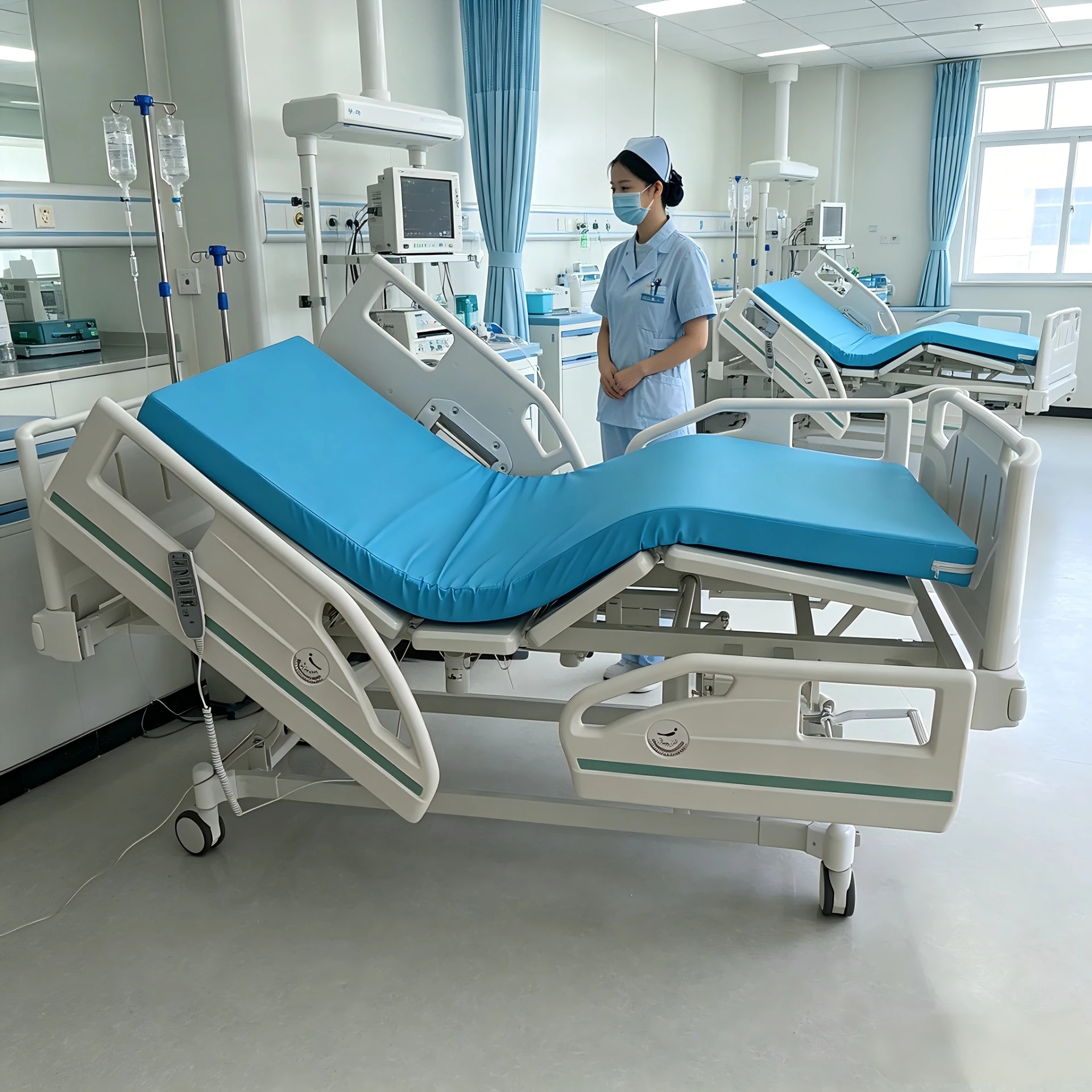
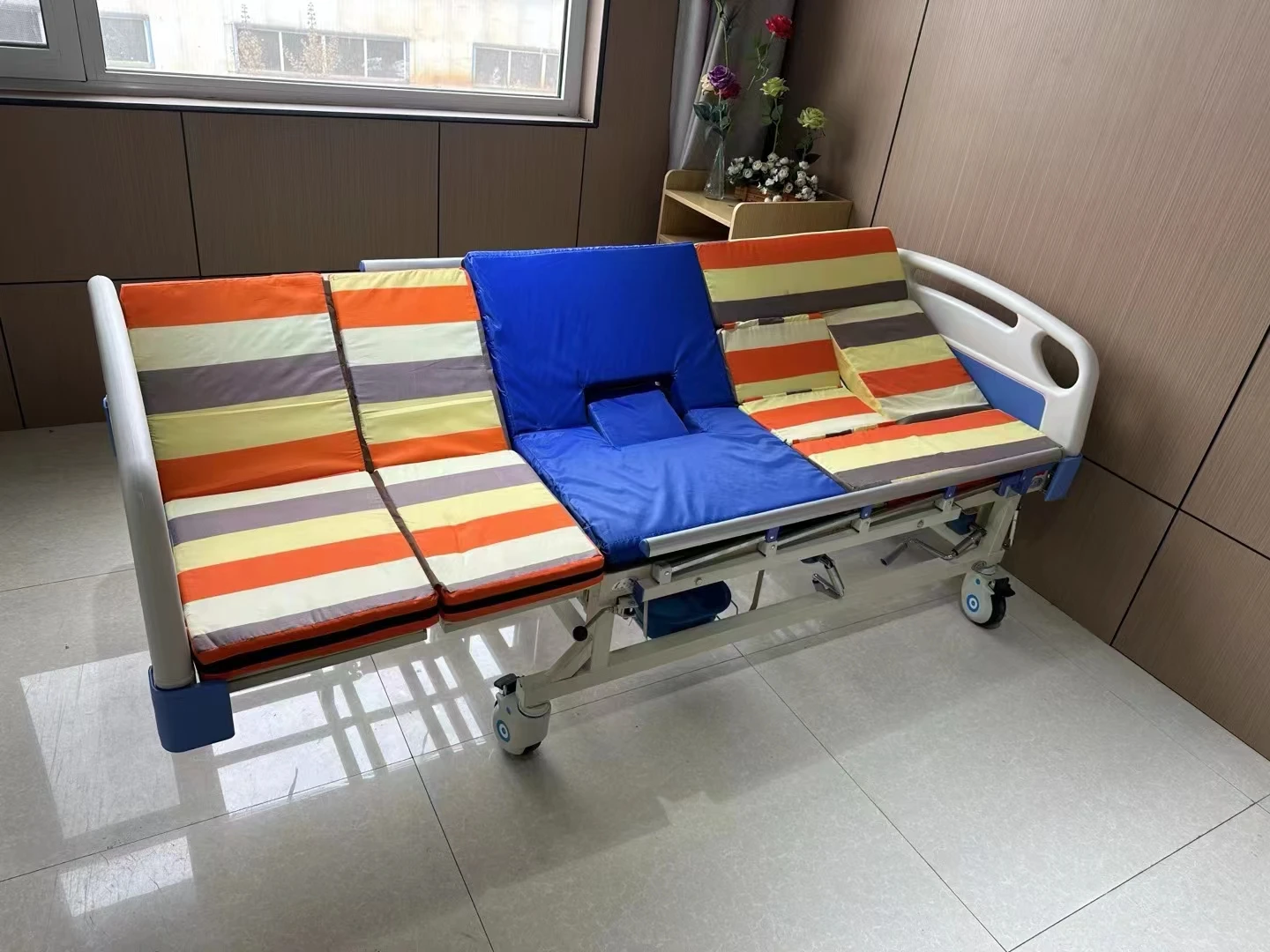
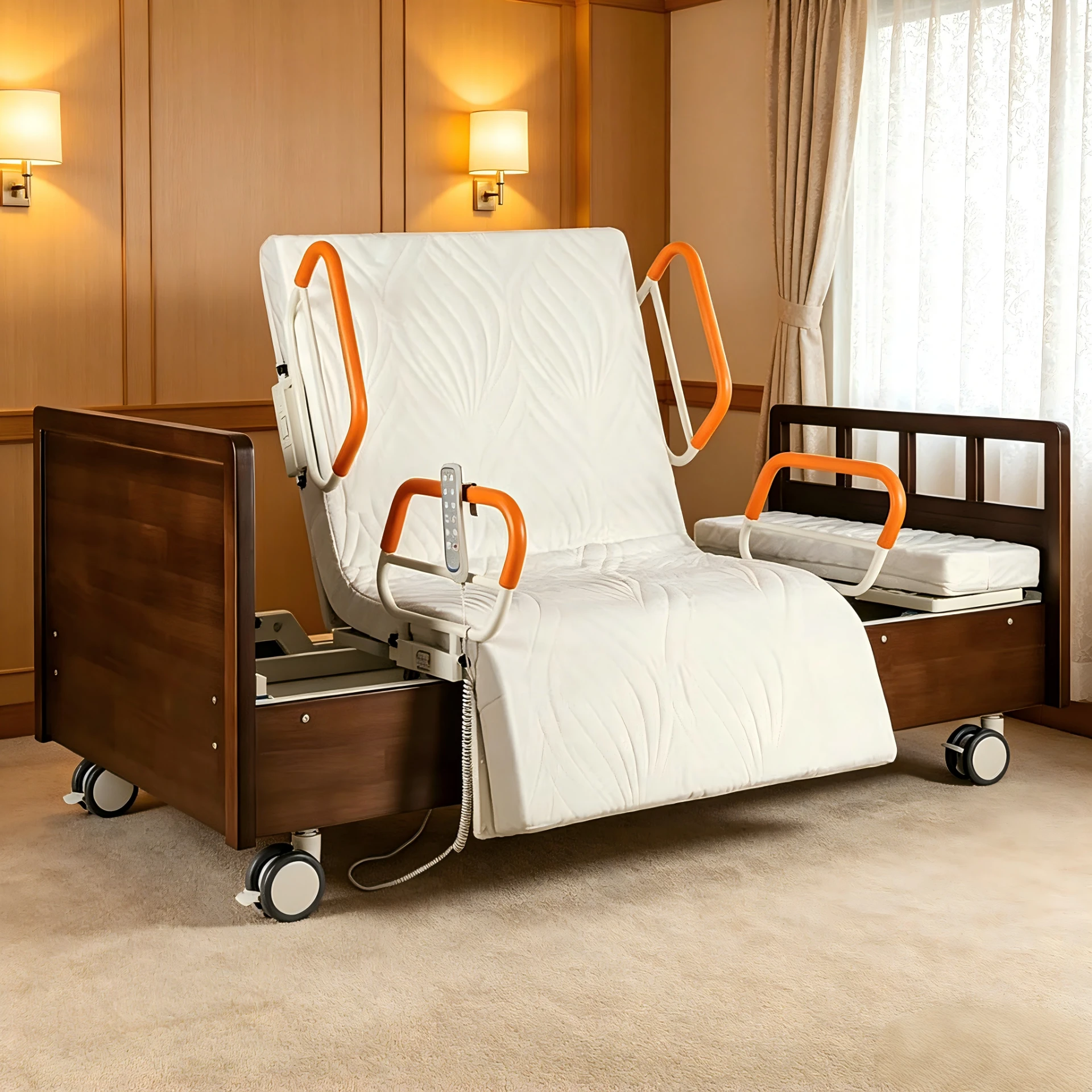
Simply put, cardiac bed price denotes the cost to procure a hospital bed specifically designed for cardiac patients. These beds differ from standard hospital beds in their functionality: they often offer adjustable features like Trendelenburg positioning, built-in monitoring attachments, and superior comfort to support heart recovery.
Pricing factors include the bed’s materials, mechanical or electric adjustability, integration with medical devices, and vendor support. In a way, the cardiac bed price encapsulates technological innovation, patient safety, and durability all rolled together into a purchase decision.
In modern healthcare, where heart disease numbers are climbing, ensuring that the right beds are accessible aligns directly with saving lives and improving patient outcomes.
Mini takeaway: Cardiac bed price reflects both product sophistication and critical healthcare needs.
Key Components Affecting Cardiac Bed Price
1. Durability and Materials
High-grade steel frames, antibacterial coatings, and robust motorized joints can boost price but ensure years of reliable use. Oddly enough, many engineers say these investment-heavy materials reduce long-term costs because frequent replacements or repairs become unnecessary.
2. Adjustability and Patient Comfort
The bed’s ability to adjust position for specific cardiac needs—like elevating the head or lowering legs independently—influences costs. Electric motors and easy controls add convenience and safety but can push the price up.
3. Integration with Monitoring Equipment
More advanced cardiac beds come equipped with built-in interfaces for heart monitors, infusion pumps, and emergency alarms. This integration improves care but adds complexity and price.
4. Regulatory Compliance and Certification
Meeting ISO standards or region-specific certifications ensures safety but may entail higher production costs, which trickle down into the cardiac bed price.
5. Scalability and Warranty
Some vendors offer scalable solutions—beds that can be upgraded or customized as hospitals expand services. Longer warranty and post-sale service also factor in.
Mini takeaway: The best cardiac bed price balances durability, comfort, tech integration, and compliance.
Cardiac Bed Price in Action: Global Use Cases
Across continents, cardiac beds are frontline tools where care truly happens. Here are a few scenarios:
- Post-disaster hospitals: After earthquakes or floods, mobile cardiac units need rugged beds priced affordably for quick deployment.
- Rural clinics in India and Africa: With budget constraints, purchasing decisions focus on cost efficiency while ensuring patient safety.
- High-end metropolitan hospitals: Prioritize cutting-edge beds with state-of-the-art features, willing to pay premium cardiac bed prices.
Oddly enough, despite varied needs, the core concern remains the same: reliable, durable beds that facilitate recovery without breaking the budget.
Mini takeaway: Cardiac bed price affects hospitals everywhere—from frontline emergency response to advanced cardiac centers.
Advantages of Optimized Cardiac Bed Price
- Cost Efficiency: Appropriate pricing ensures more beds can be purchased, expanding patient access.
- Sustainability: Durable designs reduce waste and frequent replacements.
- Improved Patient Outcomes: Comfortable, functional beds enable better recovery.
- Social Impact: Affordable beds in underserved regions foster health equity and dignity.
- Trust and Innovation: Modern beds give caregivers reliable tools, building confidence in care standards.
Mini takeaway: Balancing cardiac bed price with performance offers both emotional reassurance and logical financial sense.
Cardiac Bed Price: Looking to the Future
Healthcare is evolving fast, and so are cardiac beds. Some emerging trends shaping future cardiac bed prices include:
- Smart Beds: Internet-connected beds that monitor vitals and adjust automatically.
- Eco-friendly Materials: Lightweight, recyclable composites reduce environmental impact.
- Modular Designs: Customizable units allowing hospitals to add features over time without buying new beds.
- Automation: AI-powered sensors enhancing patient safety and reducing staff workload.
With these innovations, the price may shift, but added value and improved care outcomes justify evolving investment logic.
Challenges in Managing Cardiac Bed Price
Sure, there are hurdles:
- High upfront costs can deter budget-limited hospitals.
- Import taxes and regional regulations sometimes inflate prices unpredictably.
- Maintenance of advanced beds demands trained technicians — not always available in rural settings.
- Supply chain disruptions can delay delivery, raising indirect costs.
Experts suggest solutions including collaborative purchasing consortia, local manufacturing to reduce shipping costs, and enhanced training programs. Cloud-based ordering portals for spare parts can also ease maintenance.
Mini takeaway: Overcoming cardiac bed price challenges requires smart policies and partnerships.
Product Specifications at a Glance
| Feature | Standard Cardiac Bed | Advanced Cardiac Bed |
|---|---|---|
| Frame Material | Carbon Steel | Stainless Steel with antimicrobial coating |
| Adjustability | Manual crank | Electric 4-way with memory presets |
| Monitoring Integration | None | Yes, with wireless modules |
| Weight Capacity | 150 kg | 200 kg |
| Warranty | 2 years | 5 years comprehensive |
Comparing Top Cardiac Bed Vendors
| Vendor | Price Range (USD) | Service Network | Customization Options | Typical Clients |
|---|---|---|---|---|
| Alpha MedBeds | $3,500 - $7,000 | Global, 500+ cities | Moderate | Hospitals, NGOs |
| CardioTech Solutions | $5,000 - $12,000 | North America, Europe | High | Specialized cardiac centers |
| Zhao Famed | $2,800 - $6,500 | Asia, Africa, Latin America | Flexible | Public hospitals, NGOs |
Frequently Asked Questions About Cardiac Bed Price
Q1: Why do cardiac beds cost more than regular hospital beds?
A1: Cardiac beds include specialized features like multi-directional adjustability, embedded monitoring functions, and enhanced patient safety mechanisms. These factors increase manufacturing complexity and material quality, naturally raising their price compared to standard hospital beds.
Q2: How can hospitals in developing countries access cardiac beds without overspending?
A2: Many hospitals partner with vendors offering modular beds that can be upgraded over time, or leverage bulk purchasing agreements and grants through NGOs. Choosing beds with durable, low-maintenance features also reduces long-term costs.
Q3: Does the higher cardiac bed price always mean better quality?
A3: Not necessarily. While more expensive beds often feature advanced functionality, price should be weighed alongside certifications and vendor reputations. Sometimes mid-priced beds balance quality and cost effectively.
Q4: Are there financing options available for purchasing cardiac beds?
A4: Yes, many vendors, including Zhao Famed, offer flexible payment plans, leasing options, or partnerships with healthcare financing organizations to ease upfront costs.
Q5: What maintenance is required to keep cardiac beds functional and safe?
A5: Regular mechanical checks, cleaning antimicrobial surfaces, and updating integrated electronics are critical. Vendor service contracts often include scheduled maintenance to ensure longevity and safety.
Conclusion
Understanding cardiac bed price is about more than dollars and cents — it’s about optimizing healthcare delivery in a world increasingly burdened by cardiovascular disease. Choosing the right cardiac bed at the right price unlocks better patient outcomes, supports healthcare workers, and ultimately saves lives.
If you’re looking to explore competitive options for cardiac beds, be sure to visit our website: https://www.zhaofamed.com. Making the smart investment now means healthier hearts tomorrow.