Bedside Commode Chair: Comfortable, Sturdy & Affordable
The Critical Role of Advanced Commode Solutions in Modern Healthcare
In contemporary healthcare and home care environments, the demand for robust, hygienic, and user-friendly mobility aids is ever-increasing. Among these essential devices, the bedside commode chair stands out as a fundamental tool for enhancing patient dignity, safety, and independence. Designed to assist individuals with limited mobility, whether due to age, injury, or disability, these chairs provide a safe and accessible toileting solution where traditional facilities may be inaccessible or impractical. This article delves into the technical specifications, manufacturing precision, application versatility, and market dynamics surrounding advanced commode solutions, particularly focusing on high-performance models like the ZF-PC211 Household Folding Non Slip Toilet Chair.
The evolution of the bedside commode chair has been driven by a commitment to improving patient outcomes and streamlining caregiver duties. Modern designs prioritize not only stability and weight-bearing capacity but also ease of cleaning, portability, and ergonomic considerations. As healthcare systems increasingly emphasize patient-centric care and home-based recovery, the technological sophistication and material science behind these seemingly simple devices become paramount. Understanding these nuances is crucial for healthcare professionals and procurement specialists tasked with selecting the most appropriate and reliable equipment.
Industry Trends and Market Dynamics for Commode Chairs
The global market for medical mobility aids, including the bedside commode chair, is experiencing significant growth. Projections indicate a compound annual growth rate (CAGR) of approximately 6-8% over the next decade, primarily fueled by an aging global population, the rising prevalence of chronic diseases, and a growing emphasis on home healthcare and assisted living facilities. Decision-makers looking to `buy commode chair` solutions are increasingly seeking products that offer a blend of durability, hygiene, and cost-effectiveness, moving beyond just finding a `cheap commode chair` to finding value in long-term performance and reduced maintenance.
Key trends influencing this market include:
- Demographic Shifts: The increasing elderly demographic worldwide necessitates more accessible and supportive toileting solutions, driving demand for robust and stable commodes.
- Home Healthcare Expansion: A shift from institutional care to home-based care requires versatile and portable medical equipment, making folding and lightweight bedside commode chaires highly desirable.
- Technological Advancements: Innovations in materials (e.g., carbon steel for enhanced strength-to-weight ratio, advanced polymers for hygiene) and design (e.g., ergonomic seats, non-slip features, tool-free assembly) are setting new industry benchmarks.
- Focus on Hygiene and Infection Control: Post-pandemic, there is an intensified focus on easy-to-clean surfaces and materials that resist bacterial growth, influencing product specifications and material choices for commode chairs.
- Regulatory Compliance: Strict adherence to international medical device standards (e.g., ISO 13485, CE, FDA) ensures product safety and quality, creating a market preference for certified vendors.
These trends underscore the importance of selecting a commode chair that not only meets immediate functional requirements but also aligns with long-term strategic goals for patient care and operational efficiency.
Technical Specifications and Product Deep Dive: ZF-PC211
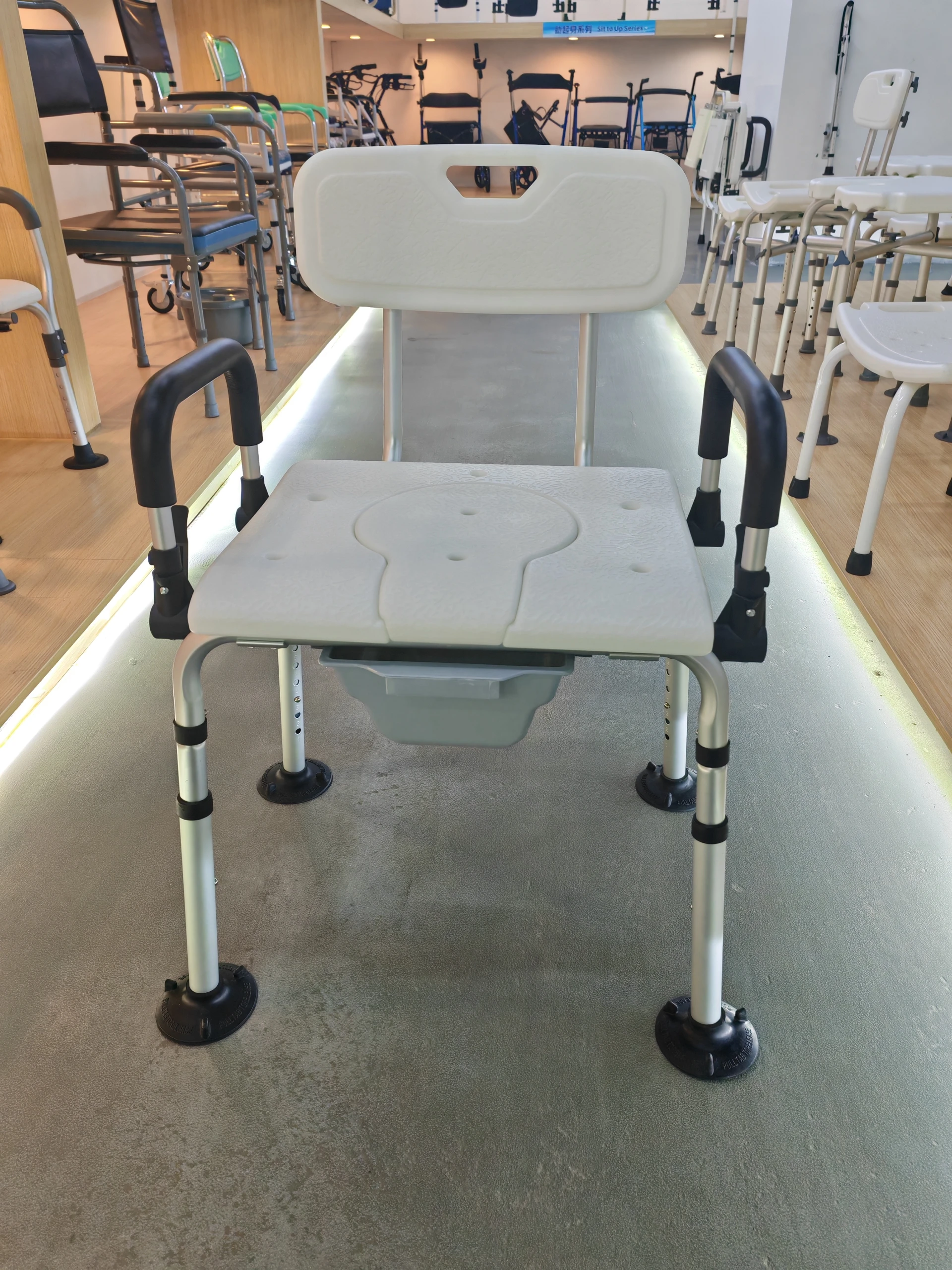
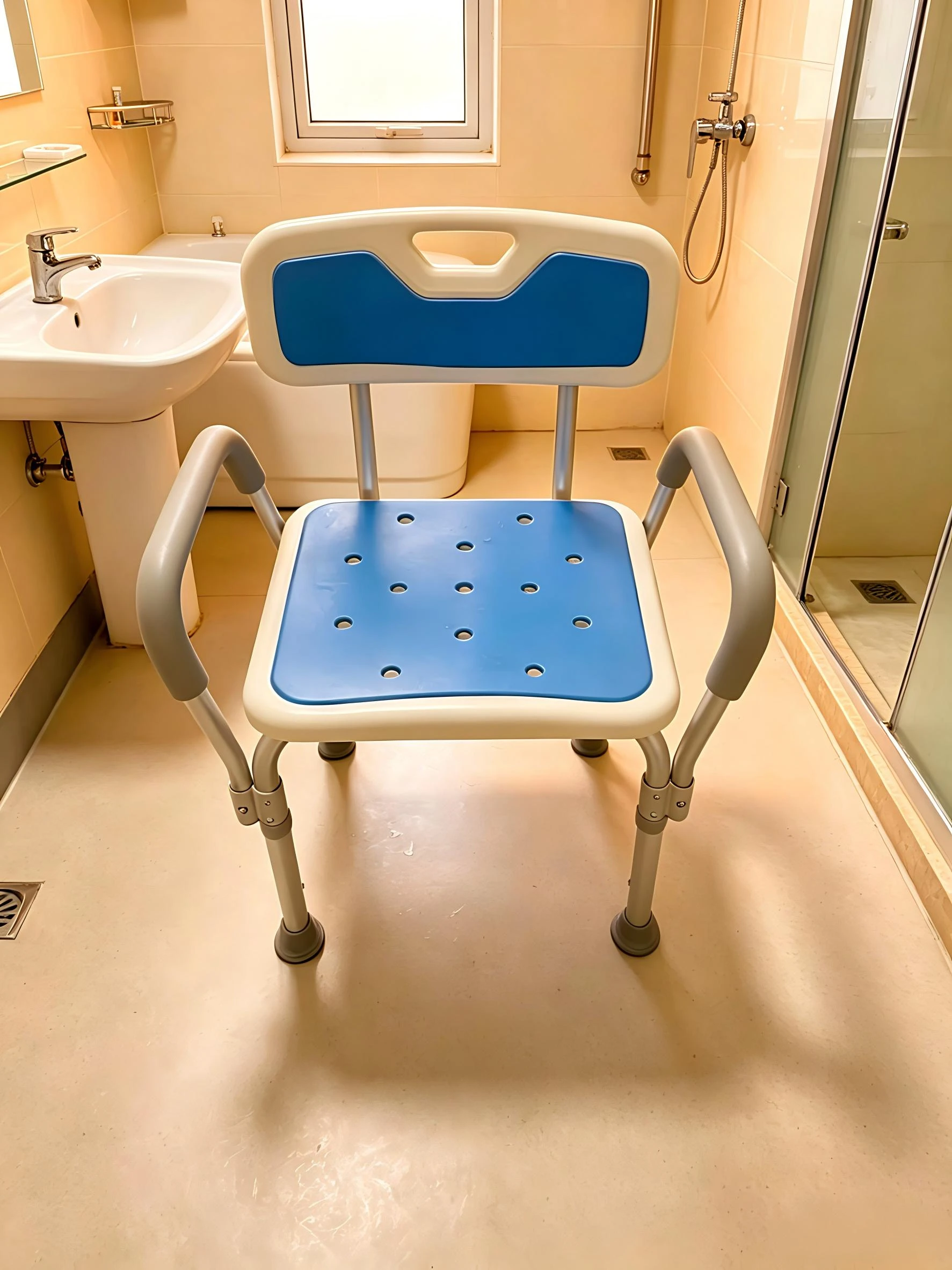
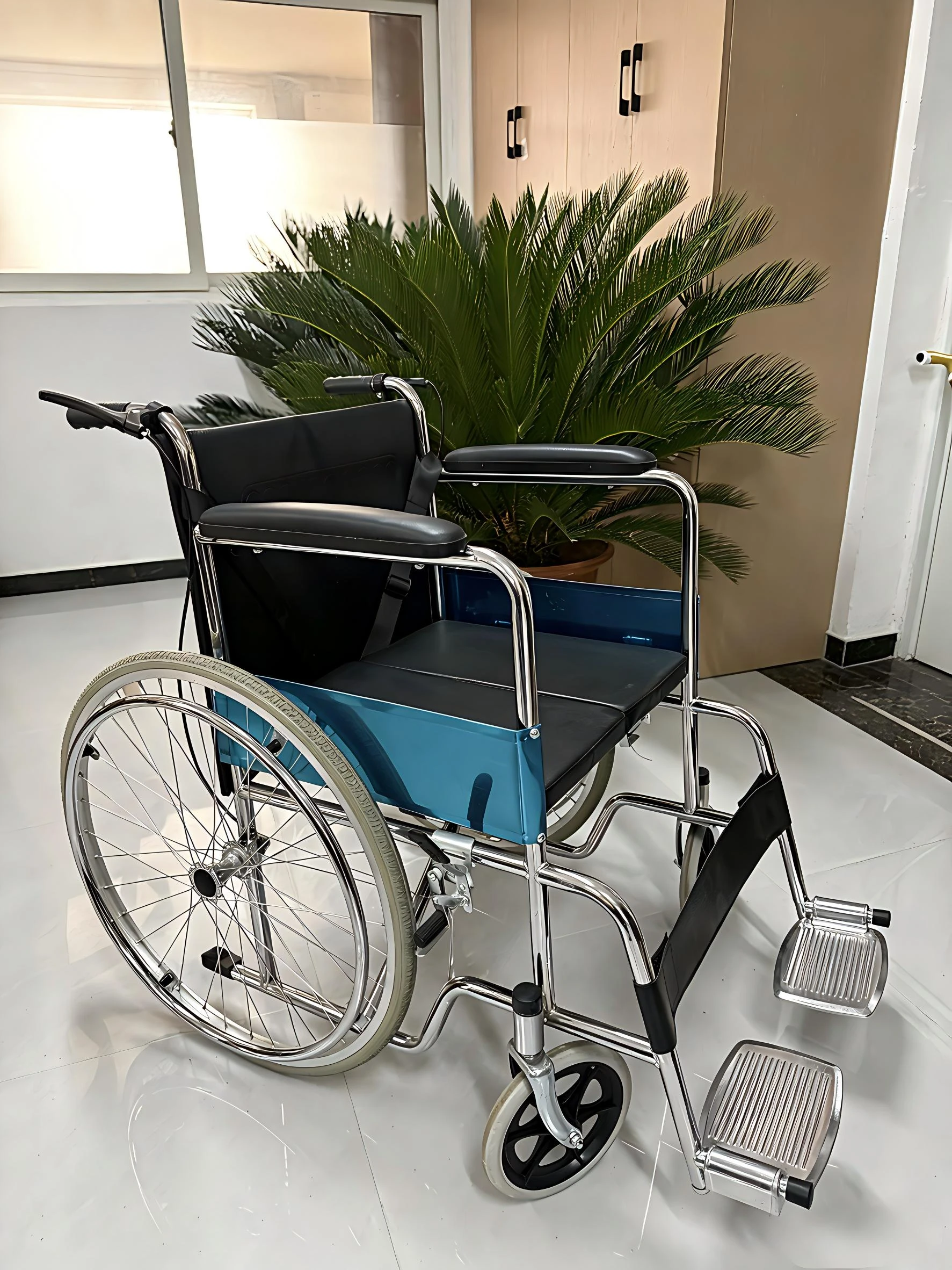
The ZF-PC211 Household Folding Non Slip Toilet Chair exemplifies a modern approach to the bedside commode chair, combining robust construction with user-centric design principles. Manufactured from high-grade carbon steel, it offers superior strength and stability, crucial for patient safety. Its folding mechanism enhances portability and storage efficiency, making it ideal for diverse application scenarios from private residences to clinical outpatient settings.
ZF-PC211 Product Specifications
| Parameter | Specification (ZF-PC211) |
|---|---|
| Frame Material | High-Strength Carbon Steel (Powder Coated) |
| Weight Capacity | Up to 150 kg (330 lbs) |
| Product Weight | Approx. 6.5 kg (14.3 lbs) |
| Dimensions (Unfolded) | Overall Height: 75-85 cm (Adjustable) Seat Height: 40-50 cm (Adjustable) Seat Width: 45 cm Seat Depth: 42 cm |
| Dimensions (Folded) | Approx. 80 cm (H) x 55 cm (W) x 15 cm (D) |
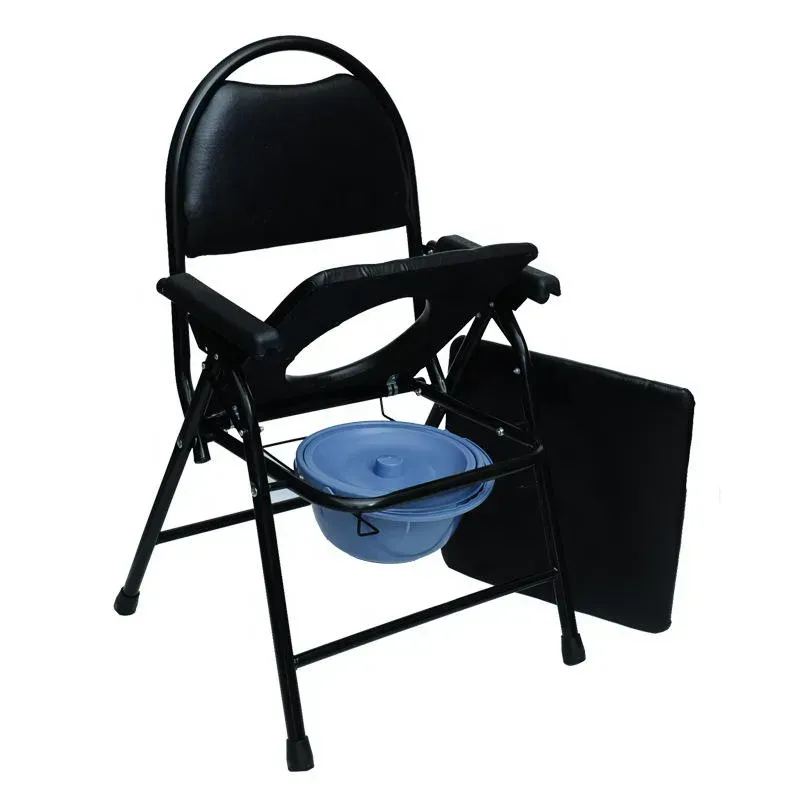
| Commode Bucket Capacity | 5 Liters, with lid |
| Features | Folding design, Non-slip rubber feet, Adjustable height, Padded armrests, Detachable backrest, Easy-to-clean surfaces |
| Certifications | CE Compliant, ISO 13485 Manufacturing Standards |
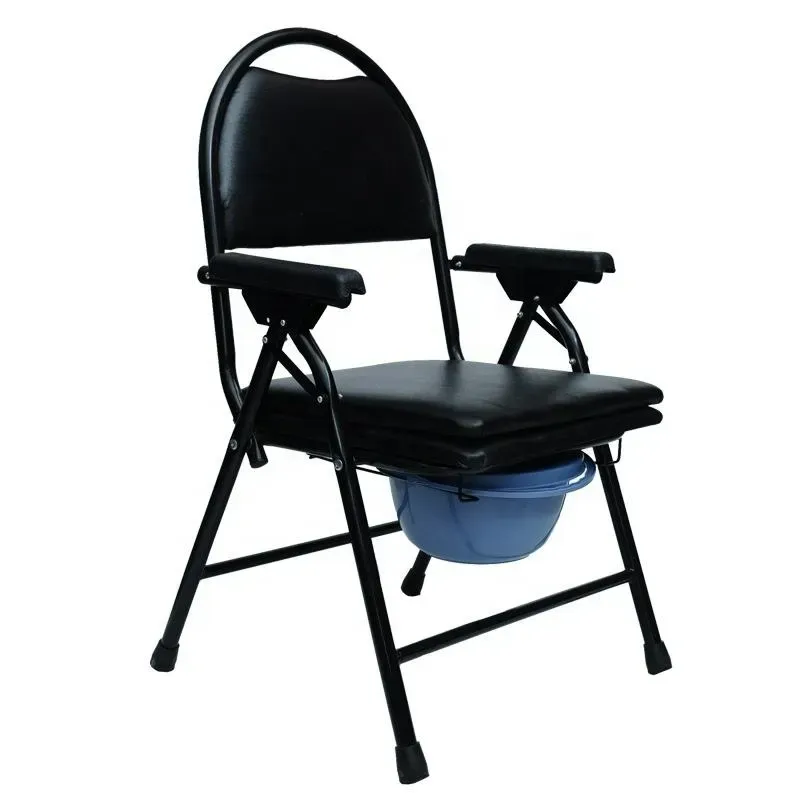
The carbon steel frame, treated with an anti-corrosion powder coating, ensures extended service life even in humid environments typical of bathrooms. The non-slip rubber ferrules on the legs provide exceptional grip, minimizing the risk of slippage on wet or polished floors, a critical safety feature for a commode chair. Adjustable height settings cater to users of varying statures, promoting optimal ergonomic positioning and ease of transfer.
Manufacturing Process and Quality Assurance for Medical Commodes
The production of a high-quality bedside commode chair like the ZF-PC211 involves a meticulously controlled manufacturing process, adhering to stringent medical device quality management systems such as ISO 13485. This ensures reliability, safety, and consistent performance over the product's service life. The process flow is detailed below:
Process Flow: Bedside Commode Chair Manufacturing
- Material Sourcing & Inspection: High-grade carbon steel tubes are procured from certified suppliers. Incoming materials undergo rigorous inspection for chemical composition, mechanical properties (tensile strength, yield strength), and surface finish to ensure compliance with design specifications.
- Precision Cutting & Bending: CNC (Computer Numerical Control) machines are employed for precise cutting and bending of carbon steel tubes to form the frame components. This guarantees dimensional accuracy and consistency, crucial for the folding mechanism and overall stability.
- Welding & Fabrication: Skilled technicians perform welding operations (e.g., MIG/TIG welding) to assemble the primary frame structure. Each weld joint is inspected for integrity, penetration, and absence of defects, ensuring structural robustness.
- Surface Treatment & Coating: The steel frame undergoes a multi-stage cleaning and pre-treatment process (e.g., degreasing, phosphating) to prepare for powder coating. An electrostatic powder coating (typically epoxy or polyester) is applied, followed by high-temperature curing. This provides excellent corrosion resistance, a durable finish, and an easily sanitizable surface, extending the service life of the commode chair.
- Component Assembly: After coating, various components are integrated:
- Non-slip Feet: Durable, non-slip rubber ferrules are securely fitted to the leg bottoms, tested for adhesion and friction properties on various surfaces.
- Seating & Backrest: High-density, medical-grade padded seating and backrests (often waterproof and antimicrobial) are attached. These materials are selected for comfort, durability, and ease of cleaning.
- Commode Bucket: A durable, easy-to-clean plastic bucket with a secure lid is provided.
- Folding Mechanism: Precision-engineered hinges and locking pins are assembled and tested for smooth operation and secure locking in both folded and unfolded positions.
- Final Testing & Quality Control: Each assembled bedside commode chair undergoes a comprehensive series of tests:
- Load Bearing Test: Static and dynamic load tests are performed to verify the chair's weight capacity and structural integrity under simulated usage.
- Stability Test: Tipping tests ensure stability on various gradients and during patient transfer maneuvers.
- Functionality Test: Verification of folding mechanism, height adjustment, and proper fit of all detachable parts.
- Corrosion Resistance Test: Sample products may undergo salt spray testing to confirm the effectiveness of the powder coating.
- Surface Smoothness & Cleanability: Ensuring all surfaces are smooth and free of sharp edges, and can be easily disinfected.
- Packaging & Shipment: Products are carefully packaged to prevent damage during transit, typically including protective wrapping and robust cartons.
This rigorous process ensures that the ZF-PC211 meets international safety standards (e.g., ISO 11199-3 for walking frames and commodes) and delivers an expected service life of 5-10 years under normal usage and proper maintenance, outperforming many cheaper alternatives. Target industries for such high-quality products include hospitals, nursing homes, rehabilitation centers, and home care providers, where reliability and patient safety are non-negotiable.
Application Scenarios and Technical Advantages
The versatility of an advanced bedside commode chair like the ZF-PC211 allows it to be deployed effectively across a spectrum of healthcare and personal care settings. Its design addresses key challenges faced by users and caregivers, offering significant technical and operational advantages.
Typical Application Scenarios:
- Home Care for the Elderly: Provides a convenient and safe toileting option, reducing the risk of falls during nighttime trips to the bathroom. Its portability allows it to be placed directly beside the bed.
- Post-Operative Recovery: For patients recovering from surgery (e.g., hip replacement, abdominal surgery) where mobility is temporarily restricted, a commode chair minimizes strain and discomfort during toileting.
- Individuals with Mobility Impairments: Serves as an essential aid for those with disabilities, chronic conditions affecting balance or strength, or severe injuries, offering independence and privacy.
- Hospitals & Nursing Homes: Augments existing bathroom facilities, providing flexible solutions in wards, private rooms, and rehabilitation areas. Ease of cleaning is critical in these environments for infection control.
- Travel & Temporary Relocation: The folding design makes it suitable for individuals who need consistent toileting support while traveling or staying in unfamiliar environments.
Technical Advantages:
- Enhanced Safety and Stability: The robust carbon steel frame and non-slip feet provide superior stability compared to lighter aluminum or plastic models, minimizing the risk of tipping or sliding. The high weight capacity ensures safe use for a broad range of patients.
- Superior Hygiene and Easy Maintenance: The smooth, powder-coated finish on the carbon steel and medical-grade plastics for the seat and bucket are resistant to fluids and easy to wipe clean and disinfect, crucial for infection prevention in healthcare settings.
- Optimized Portability and Storage: The intuitive folding mechanism allows for quick collapse and deployment, reducing storage footprint and facilitating transport between rooms or for travel.
- Ergonomic Design for User Comfort: Adjustable seat height accommodates different user heights and allows for easier transfers from beds or wheelchairs. Padded armrests provide additional support and comfort.
- Durability and Long-Term Value: Carbon steel construction ensures exceptional durability and resistance to wear and tear, leading to a longer service life and reduced replacement costs compared to less sturdy options. This translates to a superior return on investment, particularly for institutional buyers who `buy commode chair` units in bulk.
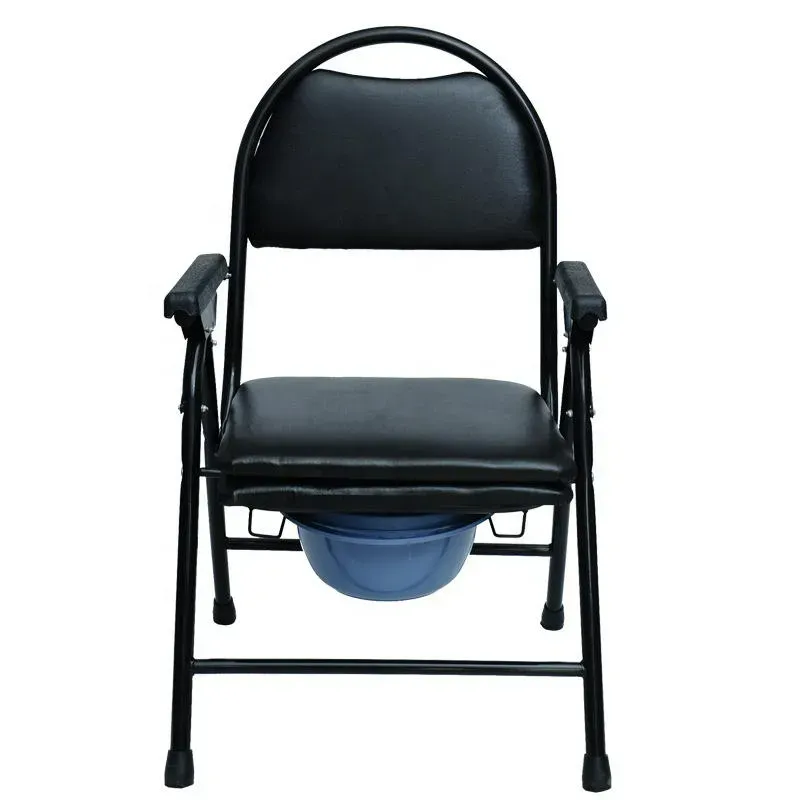
These advantages are not merely features but directly contribute to improved patient safety, increased caregiver efficiency, and enhanced overall quality of care, affirming the value of investing in a high-caliber commode chair.
Vendor Comparison and Strategic Sourcing
When procuring a bedside commode chair, particularly for B2B applications, a comprehensive vendor comparison is essential. While the temptation to opt for a `cheap commode chair` may exist, discerning buyers understand that initial cost savings can often be negated by poor durability, inadequate safety features, and high maintenance requirements. Strategic sourcing prioritizes a balance of quality, compliance, and long-term value.
Comparison: Carbon Steel vs. Alternative Commode Chairs
| Feature/Parameter | ZF-PC211 (Carbon Steel) | Aluminum Commode Chair (Typical) | Plastic Commode Chair (Basic) |
|---|---|---|---|
| Frame Material | High-Strength Carbon Steel | Anodized Aluminum | High-Density Polyethylene (HDPE) |
| Max Weight Capacity | Up to 150 kg | ~110-135 kg | ~90-110 kg |
| Durability & Service Life | Excellent, 5-10+ years | Good, 3-7 years | Fair, 1-3 years (prone to cracking) |
| Corrosion Resistance | Very Good (Powder Coated) | Excellent (Anodized) | Excellent (Inherent) |
| Portability/Weight | Moderate (6.5 kg), Folding | High (3-5 kg), Often Folding | High (2-4 kg), Often Fixed |
| Stability | Exceptional | Good | Fair |
| Cost (Relative) | Mid-Range to Premium | Mid-Range | Low |
While aluminum commode chaires offer superior lightweight properties and inherent corrosion resistance, they generally have lower weight capacities and can be more susceptible to denting or bending under heavy stress. Basic plastic models are the most economical but often lack the necessary stability, durability, and adjustable features for clinical or long-term home care use. Carbon steel models, like the ZF-PC211, strike an optimal balance, providing robust strength and stability crucial for patient safety, coupled with excellent durability and a competitive price point in the long run. This makes them a preferred choice for institutions and demanding personal users.
Customized Solutions and Enterprise-Level Deployment
For large healthcare networks, nursing home chains, or governmental healthcare initiatives, the procurement of bedside commode chaires often involves specific requirements that extend beyond standard product offerings. Manufacturers like Zhaofa Med understand these enterprise-level needs and can offer customized solutions and scalable deployment strategies.
Customization options may include:
- Branding and Labeling: Custom branding for institutional clients to align with their internal asset management and identification systems.
- Volume-Specific Enhancements: For bulk orders, slight modifications in materials or features can be discussed to meet unique operational demands or cost targets while maintaining quality and safety standards.
- Specialized Accessory Integration: Developing or adapting accessories (e.g., specific commode liners, additional storage compartments, enhanced wheel options for rolling commodes) to integrate seamlessly with existing patient care protocols.
- Logistics and Fulfillment: Tailored logistics plans, including staggered deliveries, specific packaging requirements, and direct-to-site shipping for large-scale deployments.
Partnering with a manufacturer that possesses strong R&D capabilities and a flexible production line is paramount for organizations seeking to optimize their `commode chair` inventory and ensure uniformity across multiple facilities. With years of experience and adherence to ISO 13485 standards, Zhaofa Med has demonstrated the authoritativeness and capability to serve demanding clients, offering robust, compliant, and cost-effective solutions.
Application Case Study: Enhancing Patient Mobility and Safety
A large rehabilitation center, "Harmony Haven," faced challenges with its existing fleet of `commode chair`es. The chairs, predominantly lightweight aluminum models, were showing signs of fatigue, had a high incidence of tipping, and required frequent repairs, particularly with their folding mechanisms. This led to increased operational costs, compromised patient safety, and a perceived reduction in patient dignity due to unreliable equipment.
Harmony Haven decided to upgrade its entire commode inventory, prioritizing durability, stability, and ease of cleaning. After a comprehensive review of vendor options and product specifications, they selected the ZF-PC211 carbon steel bedside commode chair due to its robust construction, high weight capacity, and non-slip features. They initially purchased 50 units for a trial period across various wards.
Outcomes and Feedback:
- Reduced Safety Incidents: Over the six-month trial period, reported incidents of patient instability or falls during commode use decreased by 40%. The superior stability of the carbon steel frame provided increased confidence for both patients and caregivers.
- Increased Durability: The ZF-PC211 units showed minimal wear and tear. Repair requests for commodes dropped by over 60%, leading to significant savings in maintenance costs and downtime.
- Improved Hygiene: Staff noted the ease of cleaning the powder-coated frame and smooth plastic components, contributing to better infection control protocols.
- Positive Patient and Caregiver Feedback:
"The new commode chairs are a game-changer. Patients feel much safer, especially those with higher support needs. The stability is excellent, and they're so much easier for us to clean and move around." - Sarah L., Head Nurse, Harmony Haven.
- Cost-Effectiveness: While the initial per-unit cost was slightly higher than their previous `cheap commode chair` models, the drastic reduction in maintenance, repairs, and replacement cycles, combined with enhanced safety, demonstrated a superior total cost of ownership (TCO) over the long term.
Based on the successful trial, Harmony Haven placed a larger order for an additional 150 units, making the ZF-PC211 their standard bedside commode chair across all facilities. This case study underscores the importance of technical excellence and robust design in medical equipment procurement, demonstrating that quality investment yields tangible benefits in patient care and operational efficiency.
Trustworthiness and Support
Frequently Asked Questions (FAQ)
- Q: What is the maximum weight capacity of the ZF-PC211 bedside commode chair?
A: The ZF-PC211 is designed to safely support users up to 150 kg (330 lbs). - Q: Is the ZF-PC211 commode chair adjustable in height?
A: Yes, the ZF-PC211 features adjustable leg height, allowing the seat height to be set between 40-50 cm to accommodate various user needs and facilitate easier transfers. - Q: How do I clean and maintain the ZF-PC211 to ensure hygiene?
A: The carbon steel frame with its powder coating and the plastic components are designed for easy cleaning. Simply wipe surfaces with a damp cloth and mild disinfectant regularly. The commode bucket is detachable for thorough cleaning. - Q: Can the ZF-PC211 be folded for storage or travel?
A: Absolutely. The ZF-PC211 features a convenient folding design, allowing it to be compactly stored or transported with ease. - Q: What certifications does this commode chair hold?
A: The ZF-PC211 is manufactured under ISO 13485 quality management standards for medical devices and is CE compliant, ensuring it meets European health, safety, and environmental protection standards.
Lead Time and Fulfillment
Standard lead times for the ZF-PC211 bedside commode chair typically range from 2-4 weeks for orders up to 100 units, subject to current stock levels and production schedules. For bulk orders or customized solutions, specific lead times will be provided upon consultation. We maintain efficient logistics channels to ensure timely and reliable fulfillment globally, supporting both individual sales and large-scale institutional procurements.
Warranty Commitments
Zhaofa Med stands behind the quality and durability of the ZF-PC211 commode chair. We offer a standard 1-year limited warranty covering manufacturing defects in materials and workmanship from the date of purchase. This commitment reflects our confidence in our stringent manufacturing processes and the high-grade components used. Full warranty terms and conditions are available upon request.
Customer Support and After-Sales Service
Our dedication to customer satisfaction extends beyond the sale. Zhaofa Med provides comprehensive after-sales support, including technical assistance, troubleshooting, and spare parts availability. Our team of experienced professionals is ready to assist with any inquiries or support needs, ensuring optimal performance and longevity of your bedside commode chair investment. Contact information for support is readily available on our official website.
Conclusion
The selection of a bedside commode chair is a critical decision in healthcare procurement, directly impacting patient safety, dignity, and caregiver efficiency. While various options exist, the technical superiority, robust construction, and adherence to international quality standards of products like the ZF-PC211 carbon steel commode chair offer unparalleled value. By investing in high-quality, expertly manufactured medical devices, healthcare providers and home care professionals can ensure optimal patient outcomes, reduce operational costs, and build a foundation of trust and reliability in their services.
The detailed manufacturing processes, commitment to standards, and the demonstrable advantages in real-world scenarios reinforce that a premium commode chair is not merely an expense but a strategic investment in quality care.
References
- World Health Organization. (2021). Global Report on Ageing and Health.
- International Organization for Standardization. (2016). ISO 13485:2016 Medical devices — Quality management systems — Requirements for regulatory purposes.
- Journal of Medical Engineering & Technology. (2020). Ergonomic Considerations in the Design of Assistive Mobility Devices. Vol. 44, No. 3.
- Aging & Mental Health. (2019). Impact of Assistive Devices on Independence and Quality of Life for Elderly Individuals. Vol. 23, Issue 10.
- European Medical Device Regulation (EU) 2017/745. (2017).