A Veteran's Guide to Wheelchair Types: Design, Usage & Vendors
Understanding wheelchair types: A Field Veteran’s Perspective
Having spent over a decade working in the industrial equipment sector, my experience with wheelchairs is a bit different than what most might expect. Oddly enough, these devices — often seen as simple mobility aids — are actually marvels of design, engineering, and user-focused innovation. You know, in real terms, choosing the right wheelchair involves way more than picking a pretty frame or flashy color.
Let me walk you through some of the most common types of wheelchairs you’ll encounter, their design nuances, and why certain models get favored in particular settings. I’ve seen the good, the bad, and the surprisingly bespoke.
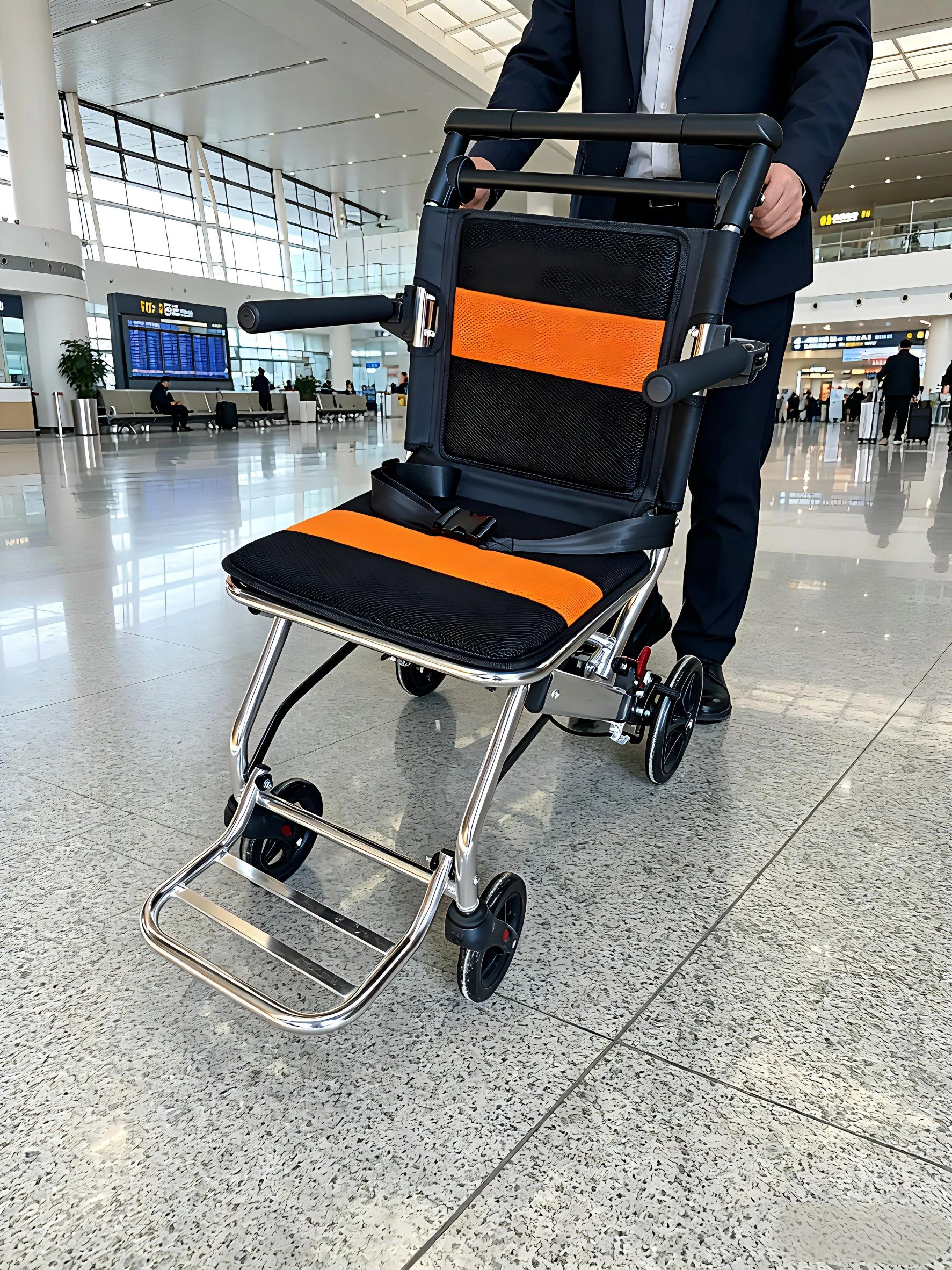
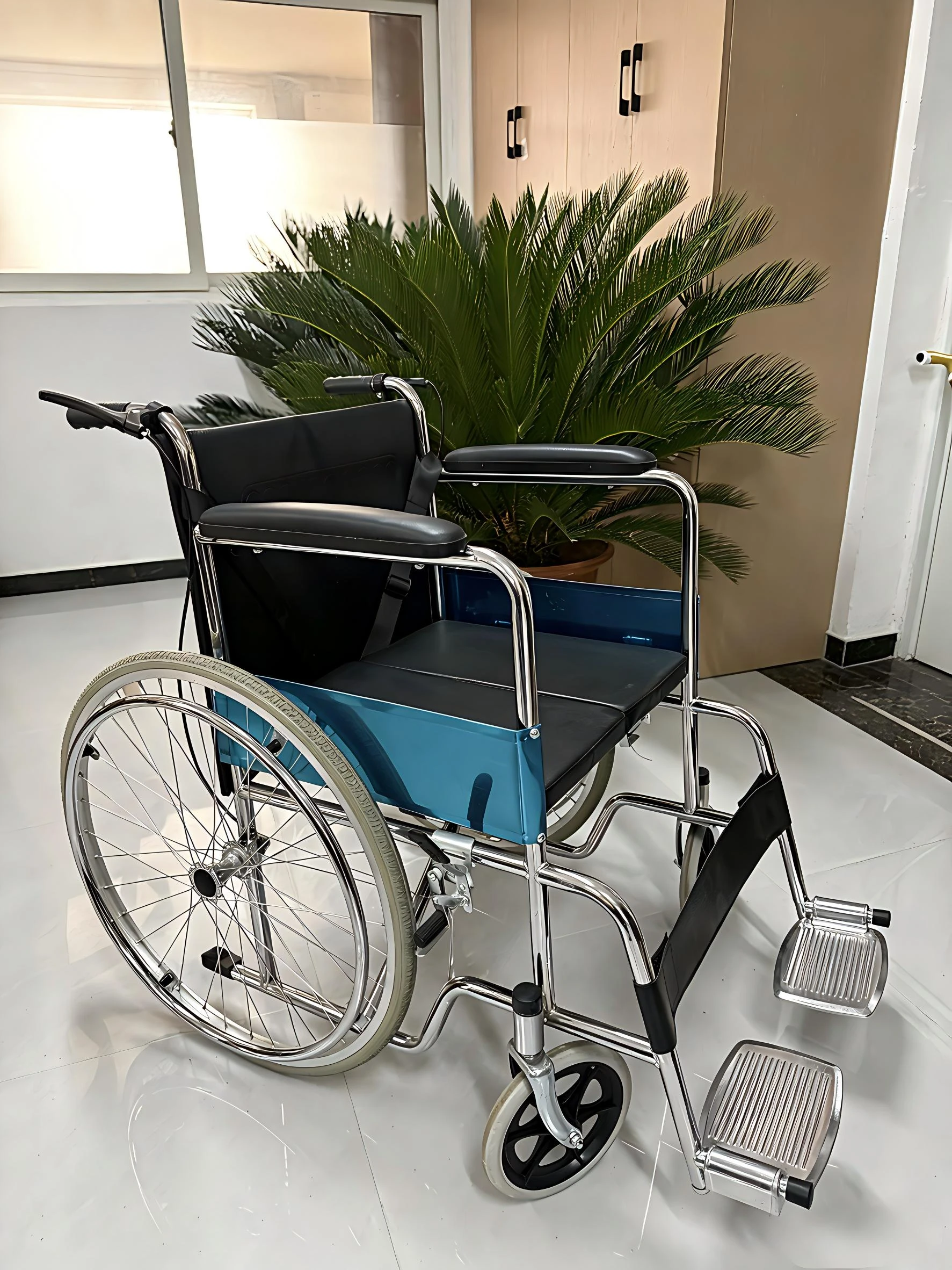
Manual Wheelchairs: The Classic Workhorse
Hands down, manual wheelchairs are still the backbone for many users. They’re straightforward, reliable, and adaptable. The key is in the frame material — aluminum and steel dominate, but lighter titanium frames are gaining momentum for those who value portability without sacrificing strength.
One of my earlier projects involved testing wheelchairs on uneven industrial floors. Frankly, some “budget” models just didn’t hold up to the rigors of constant use — wheels would wear unevenly, the brake systems felt flimsy, and the footrests were a weak point. That’s why brands focused on durability and ergonomic design tend to outshine others in this space.
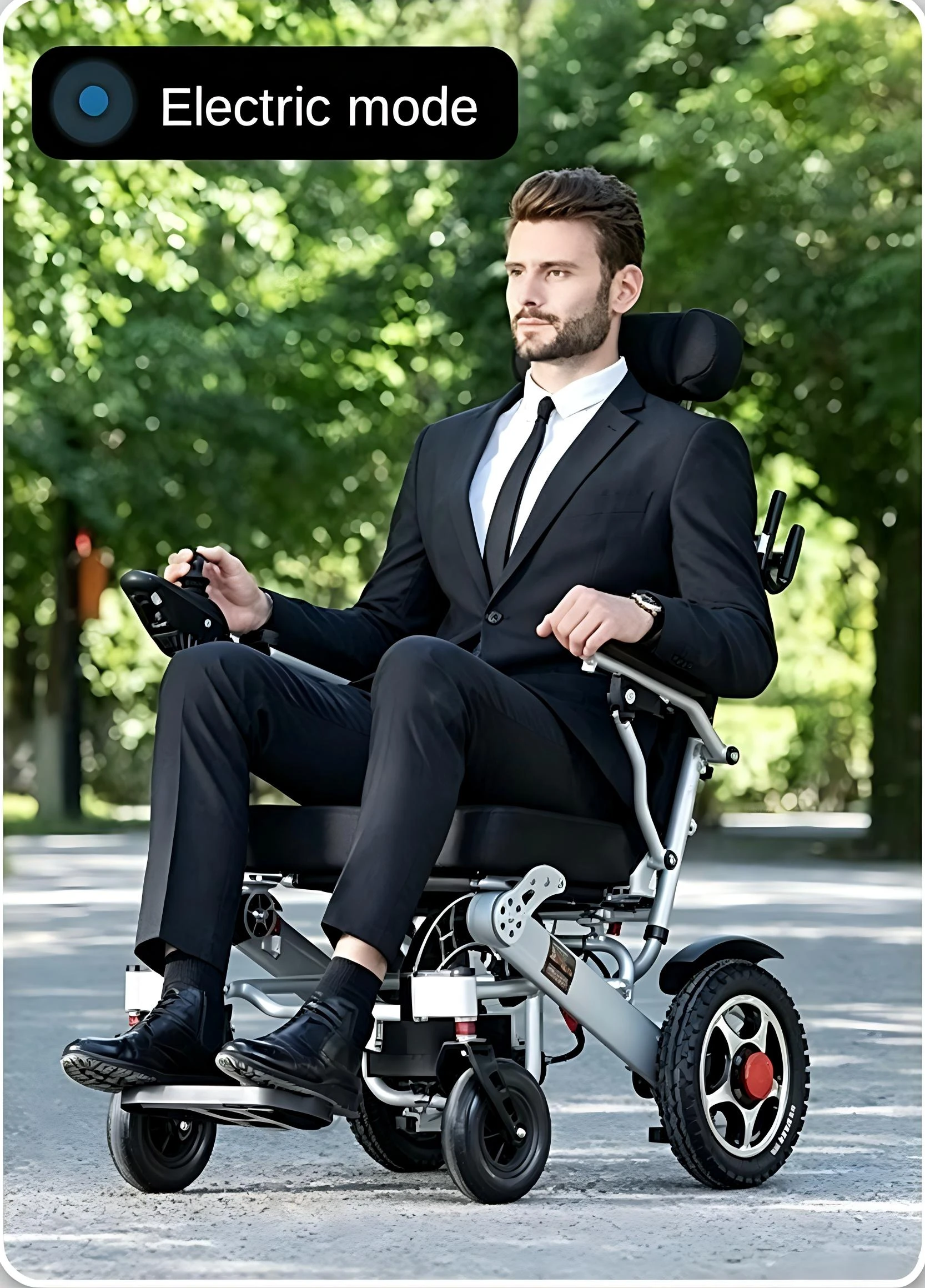
Powered Wheelchairs: Technology on the Move
Powered options have come a long way. Not just in speed or battery life, but in tailoring mobility aids to fit individual lifestyles. I recall a user telling me about how his powered wheelchair allowed him to navigate tight factory aisles with ease, something manual chairs just couldn’t manage.
Modern powered wheelchairs often feature customizable controls — joystick, sip-and-puff, or even smartphone apps. The challenge, though, is balancing complexity with reliability. You don’t want a machine that feels like it’s on the brink of a tech meltdown during daily use.
Sports and Specialty Wheelchairs
Sports wheelchairs are a passionate niche: ultra-light frames, explosive responsiveness, and tailored geometry. From basketball to racing, these chairs are almost an extension of an athlete’s body. I noticed many engineers swear by carbon fiber here — it’s a love-hate relationship owing to cost versus performance.
Specialty wheelchairs can also include standing or reclining features, expanding comfort and accessibility. These are often custom-built for users with specific medical needs, underscoring how the industry isn’t just about mobility but quality of life.
Wheelchair Types Specification Snapshot
| Type | Frame Material | Weight Range (lbs) | Battery (Powered Models) | Customization Level |
|---|---|---|---|---|
| Manual | Steel, Aluminum, Titanium | 15-30 | N/A | Medium |
| Powered | Aluminum, Composite | 50-120 | 12-24V Lithium-ion | High |
| Sports | Aluminum, Carbon Fiber | 10-20 | N/A | Custom-Built |
| Specialty (Reclining, Standing) | Steel, Aluminum | 40-90 | Sometimes Powered | High |
How Top Wheelchair Vendors Stack Up
Of course, knowing types is useful, but the brands behind them matter — especially when you’re in charge of sourcing equipment for hospitals or industrial use. I’ve regularly evaluated vendors for durability, customer service, and innovation. Here’s a quick comparison of some well-known names (without naming my favorite outright… a bit too biased!).
| Vendor | Durability | Customization | After-Sales Support | Price Range |
|---|---|---|---|---|
| Vendor A | High | Medium | Excellent | $$$ |
| Vendor B | Medium | High | Good | $$ |
| Vendor C | High | High | Fair | $$$$ |
Final Thoughts
At the end of the day, selecting a wheelchair is a balance of functionality, comfort, and the specifics of each user’s lifestyle or medical needs. It's always rewarding to witness how carefully matched equipment can transform not just mobility, but independence and dignity.
I once met an engineer who prides himself on customizing wheelchairs for factory workers who have to juggle safety gear and mobility — turns out, even a slight design tweak can reduce fatigue over an eight-hour shift. It's those little things that remind me how much thought and care goes into what often feels like a simple product.
If you're looking into wheelchair types for your team or loved ones, knowing the specs and vendor strengths helps you make an informed call — and frankly, that's worth its weight in gold.
— Shared from years on the ground, engineering projects, and field evaluations
References & Further Reading
- International Society of Wheelchair Professionals – Technical guidelines
- "Wheelchair Engineering and Ergonomics," Journal of Assistive Technologies, 2021
- Personal Interviews with Medical Equipment Suppliers (2015–2023)