What to Consider When Choosing an Integrated Height-Adjustable and Rotating Hospital Bed
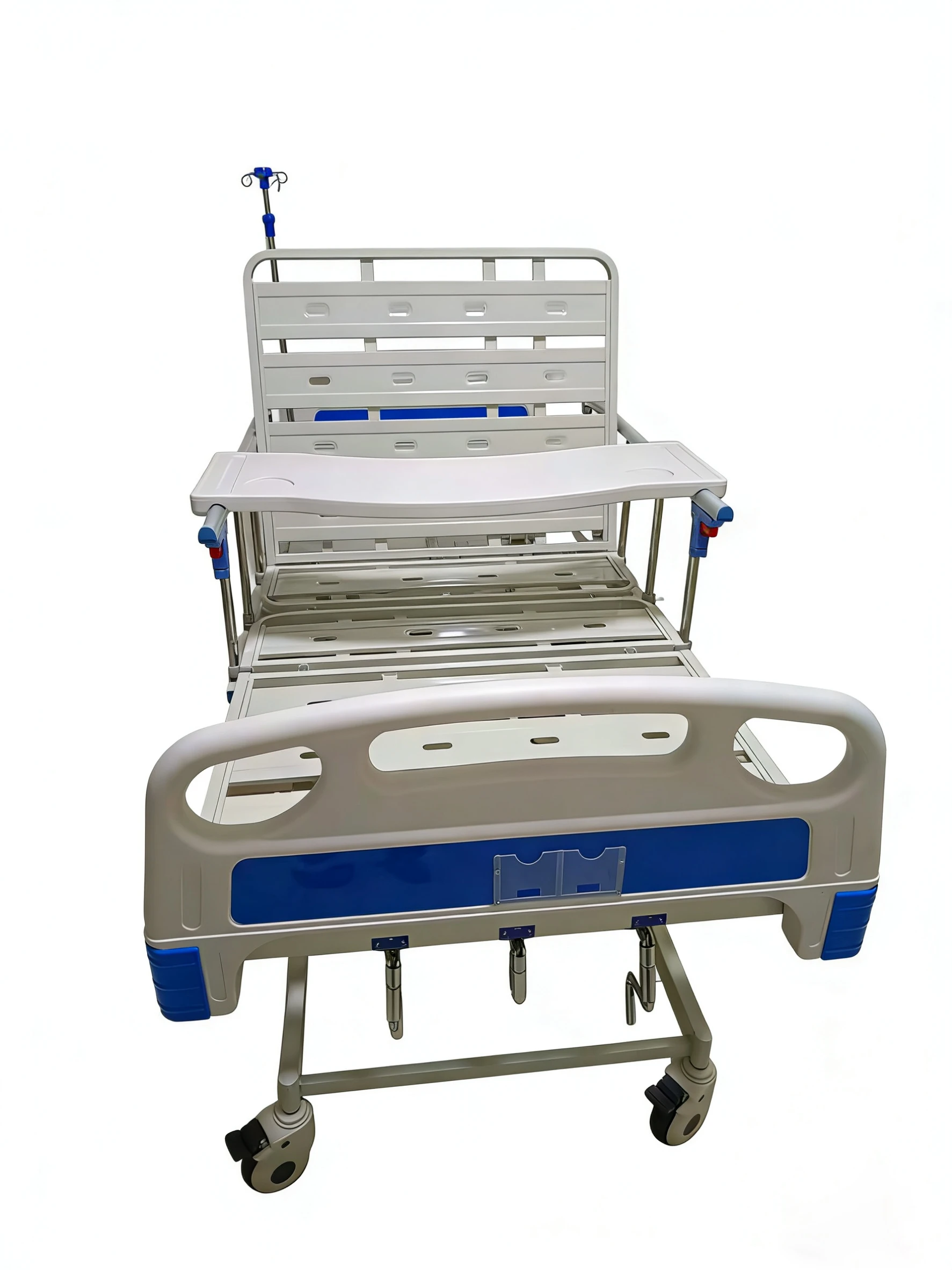
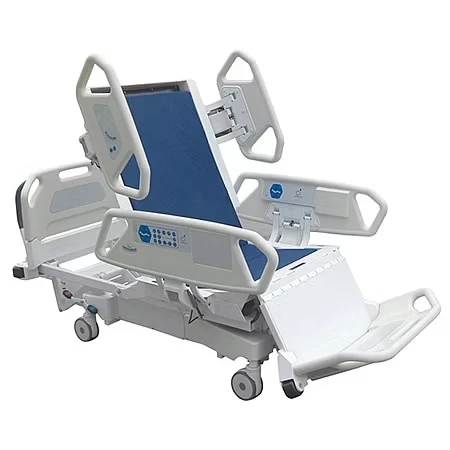
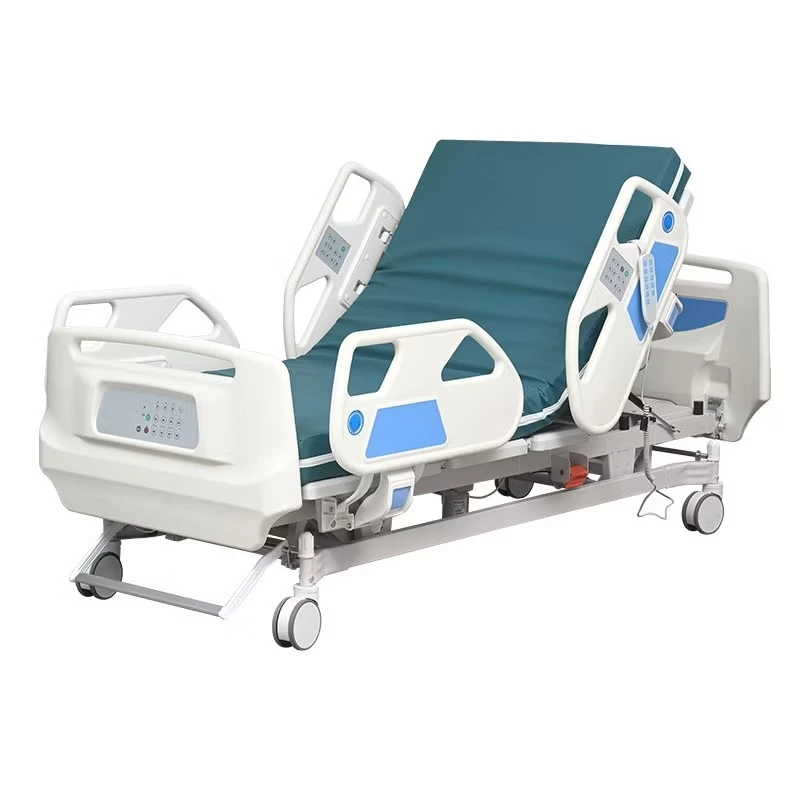
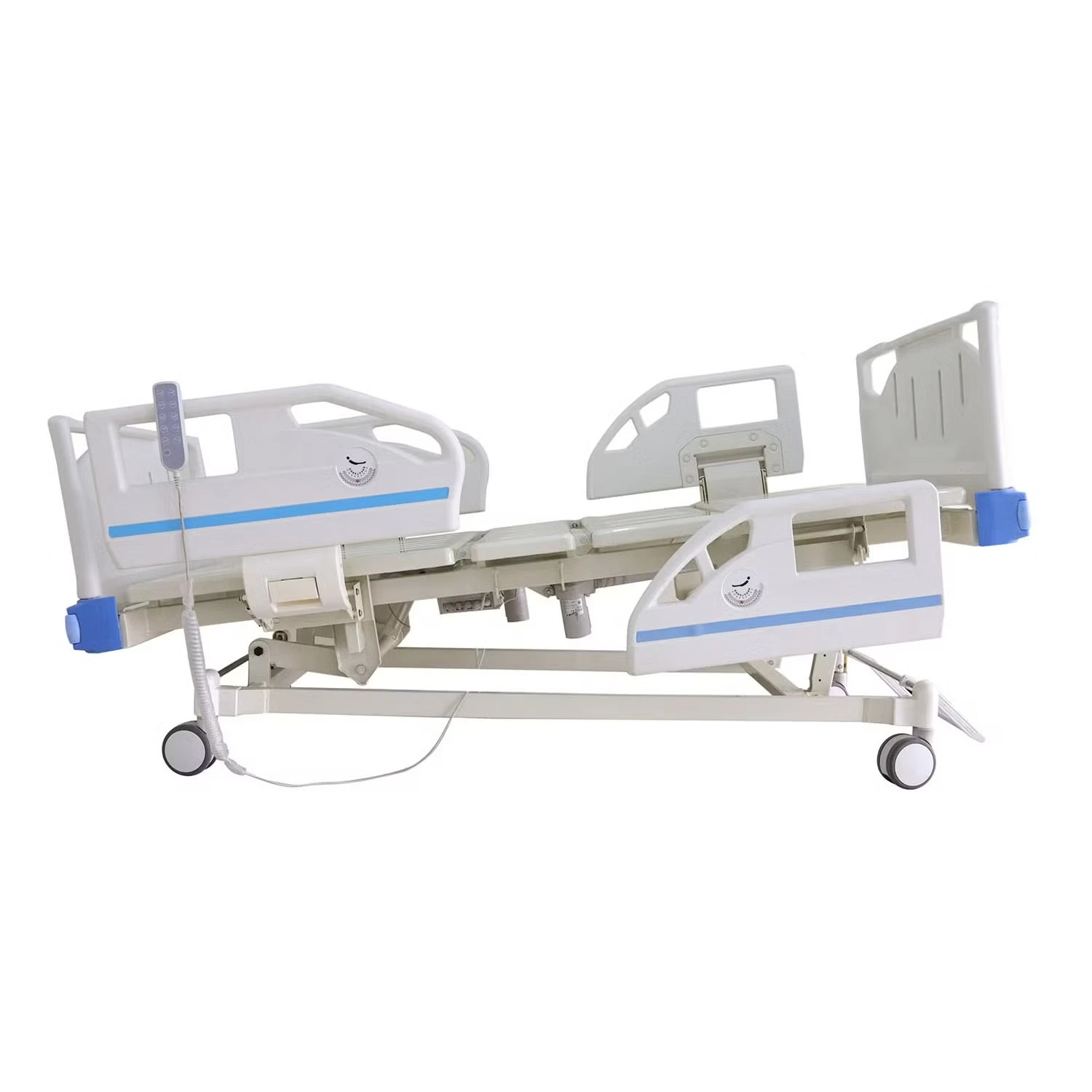
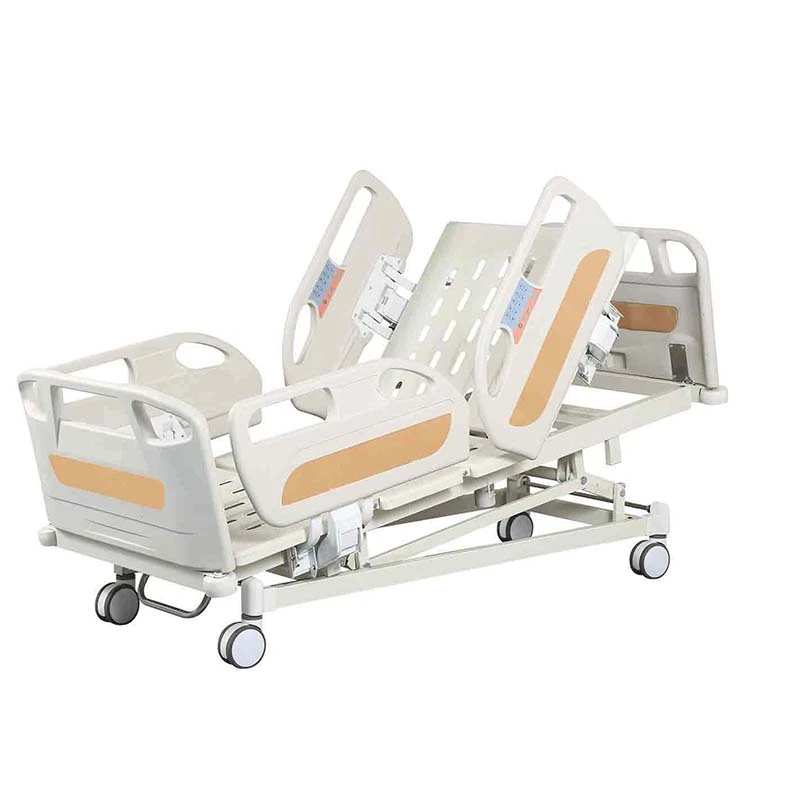
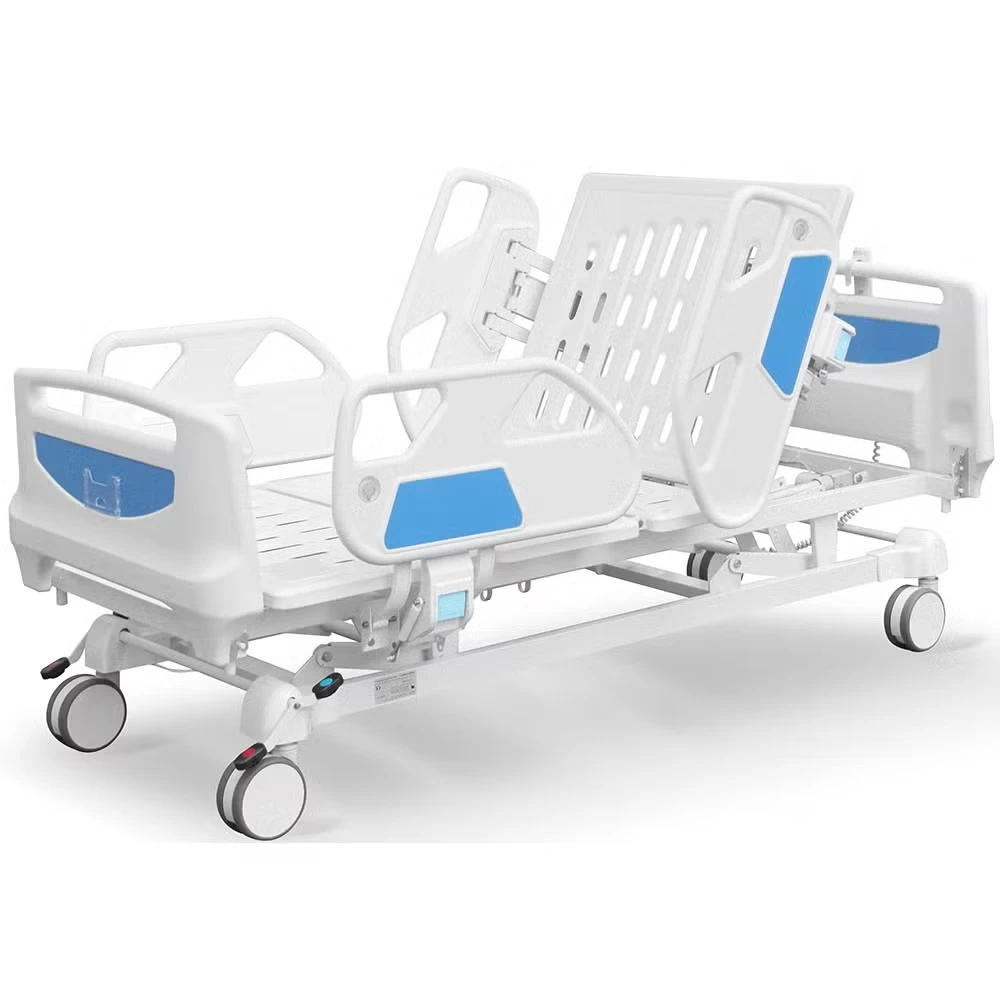
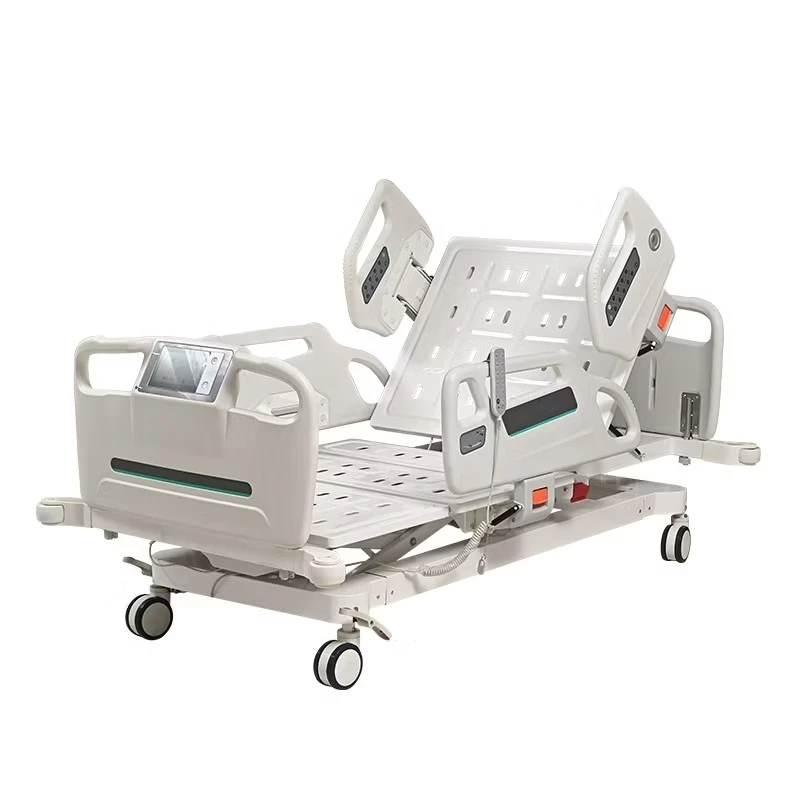
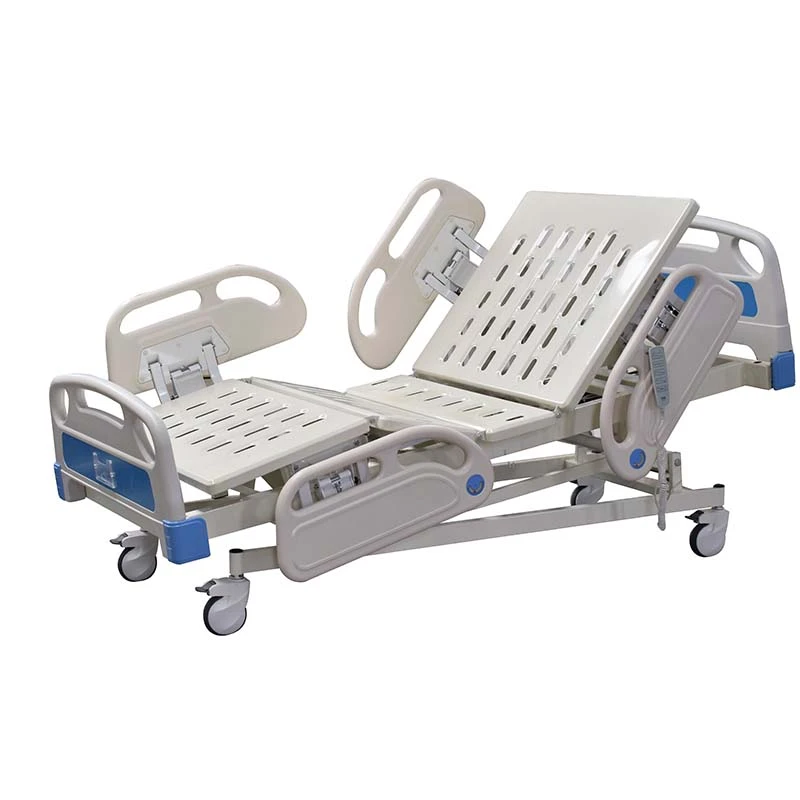
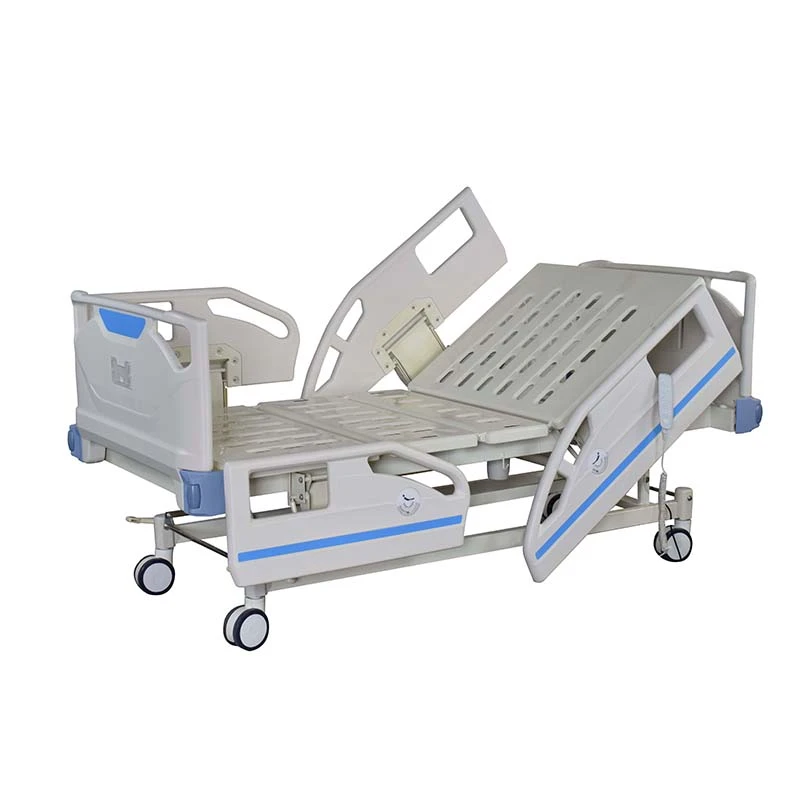
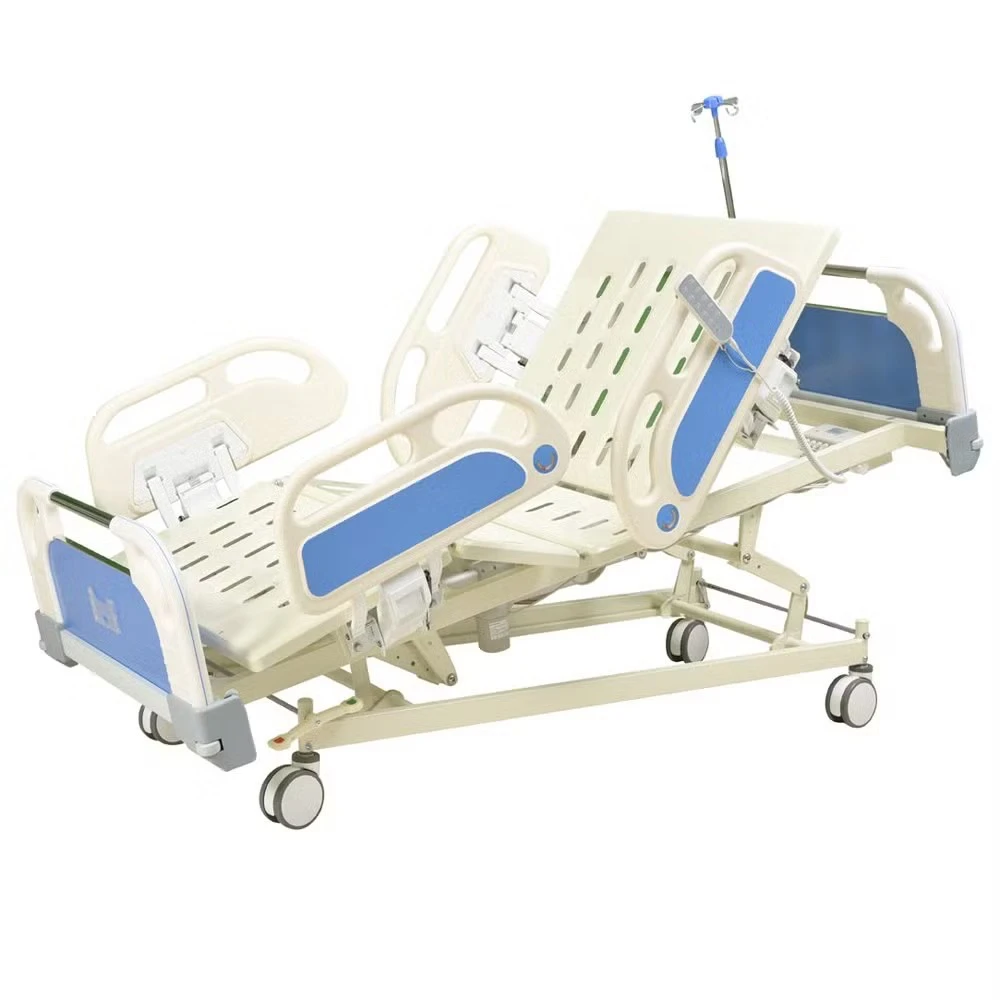
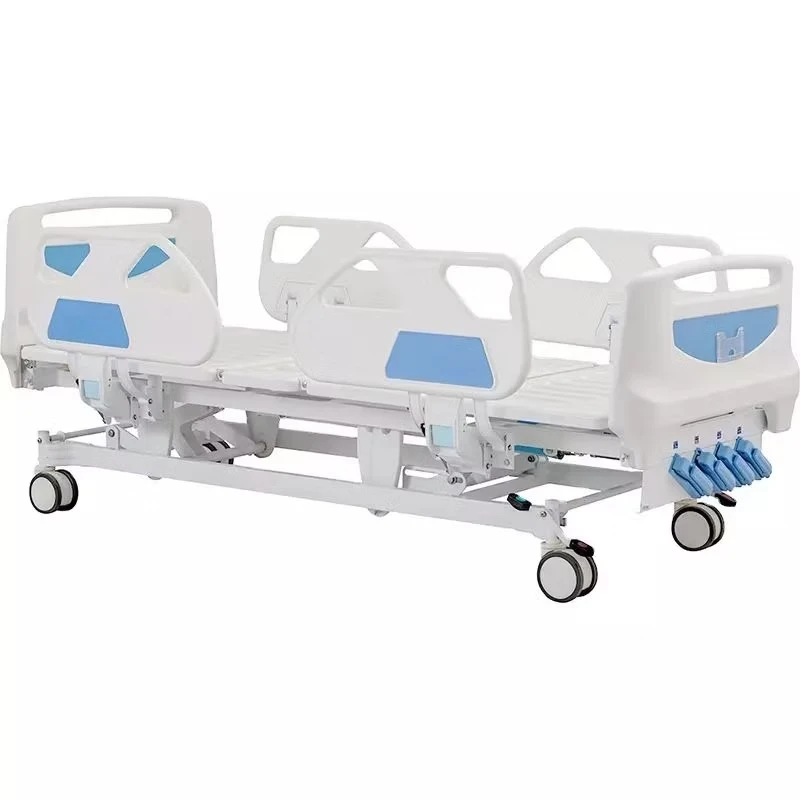
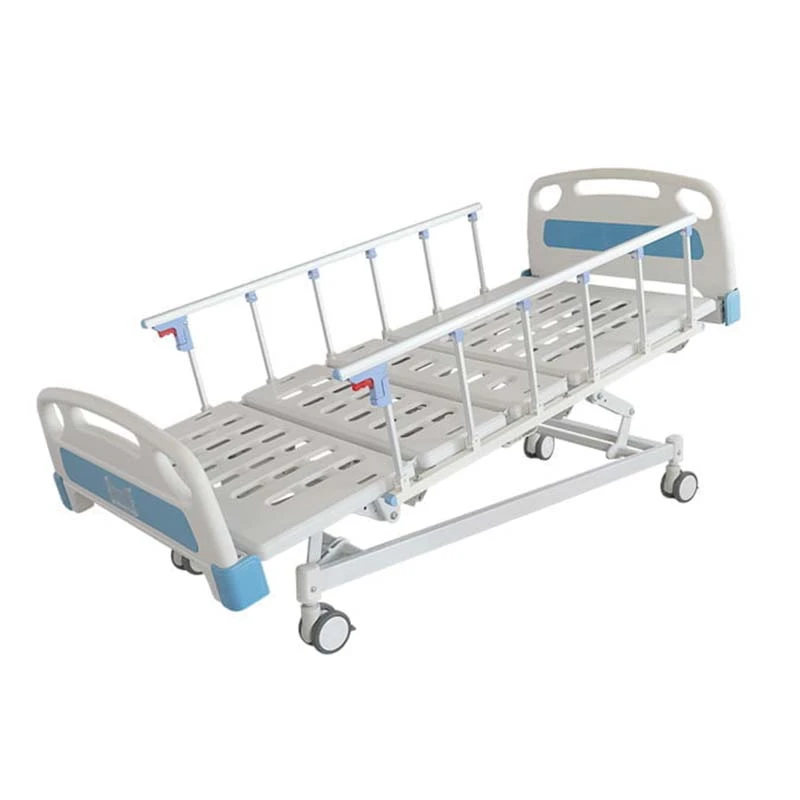
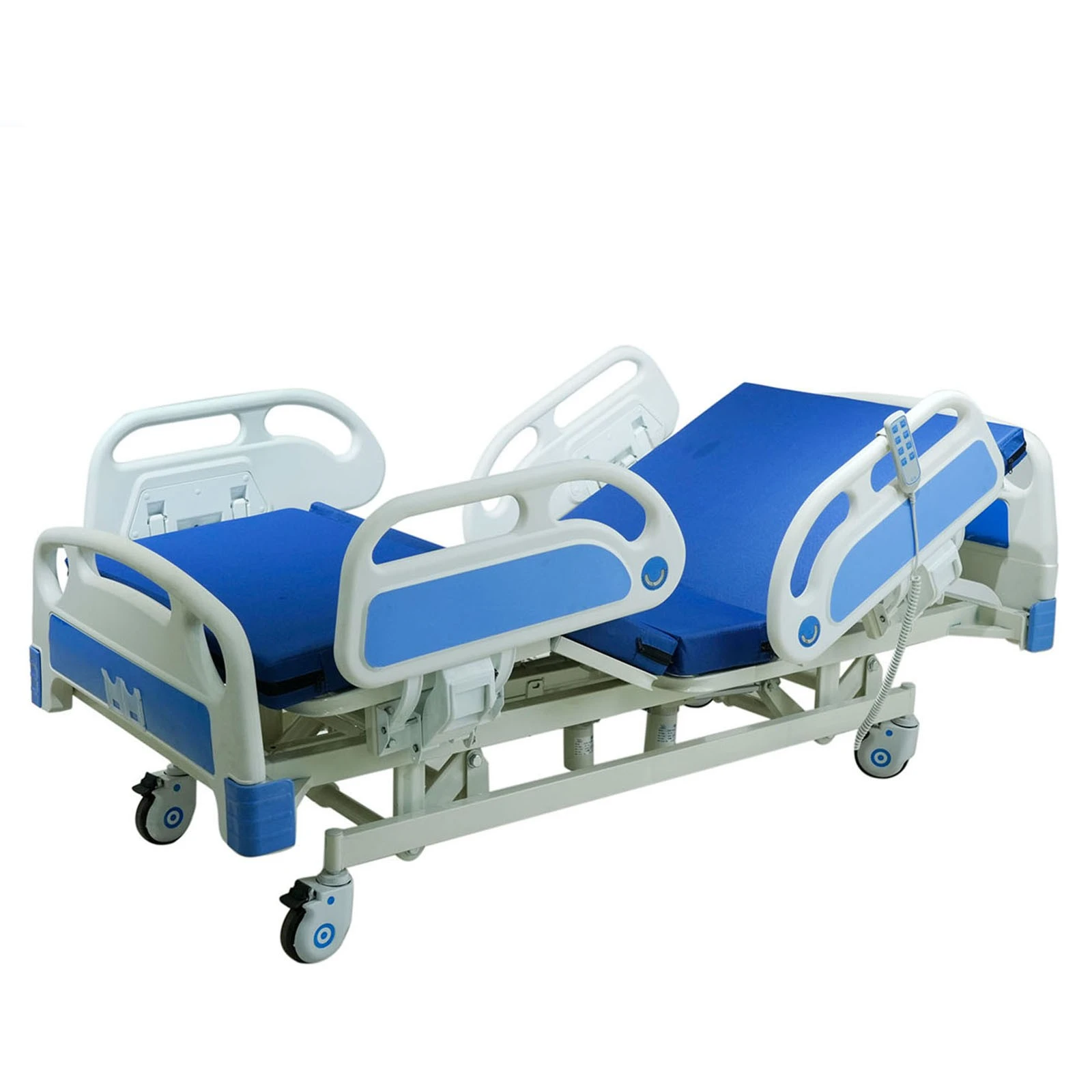
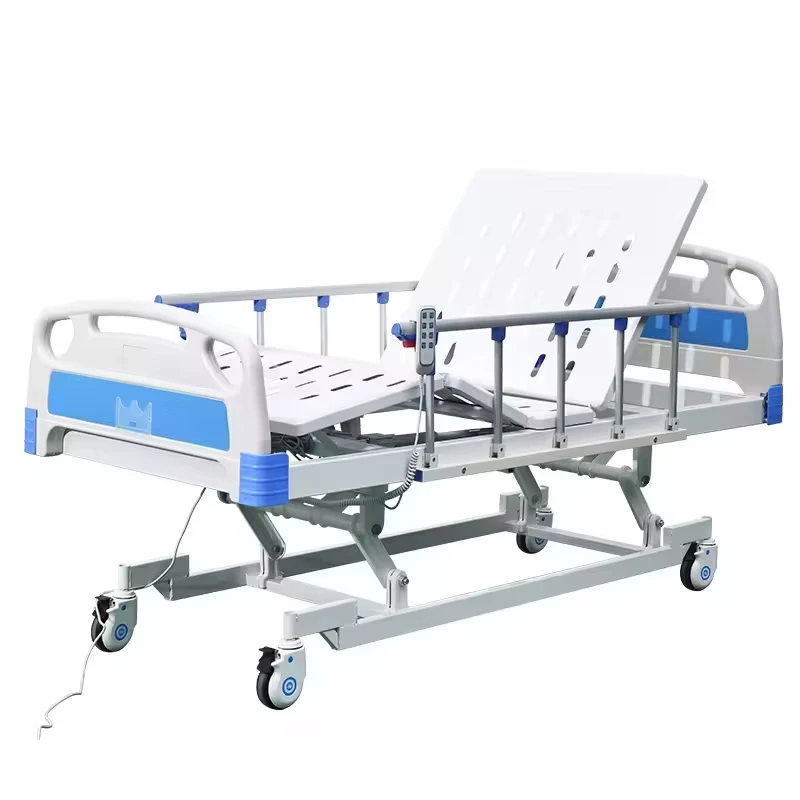
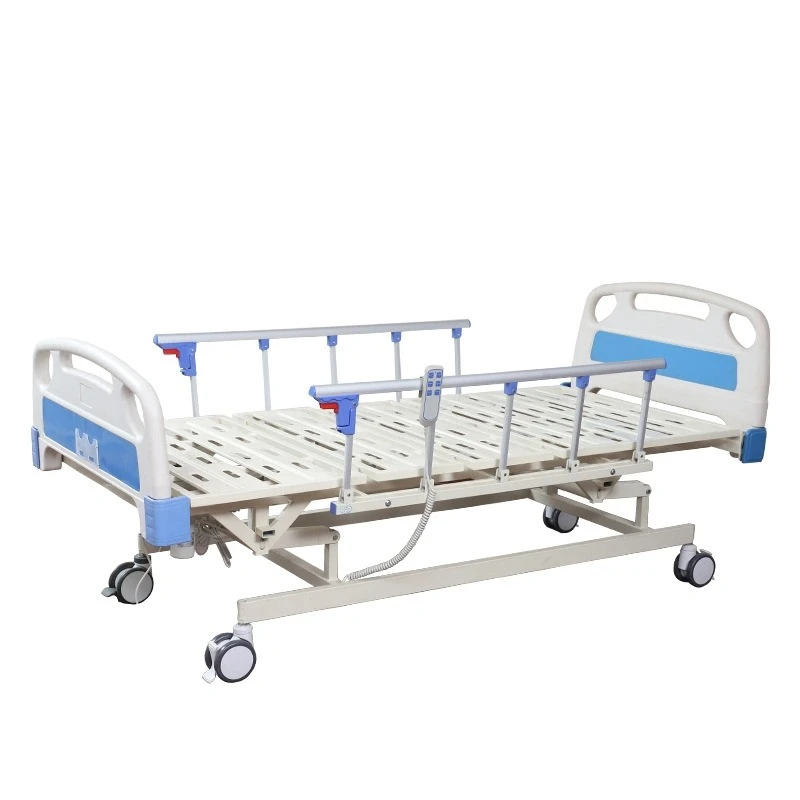
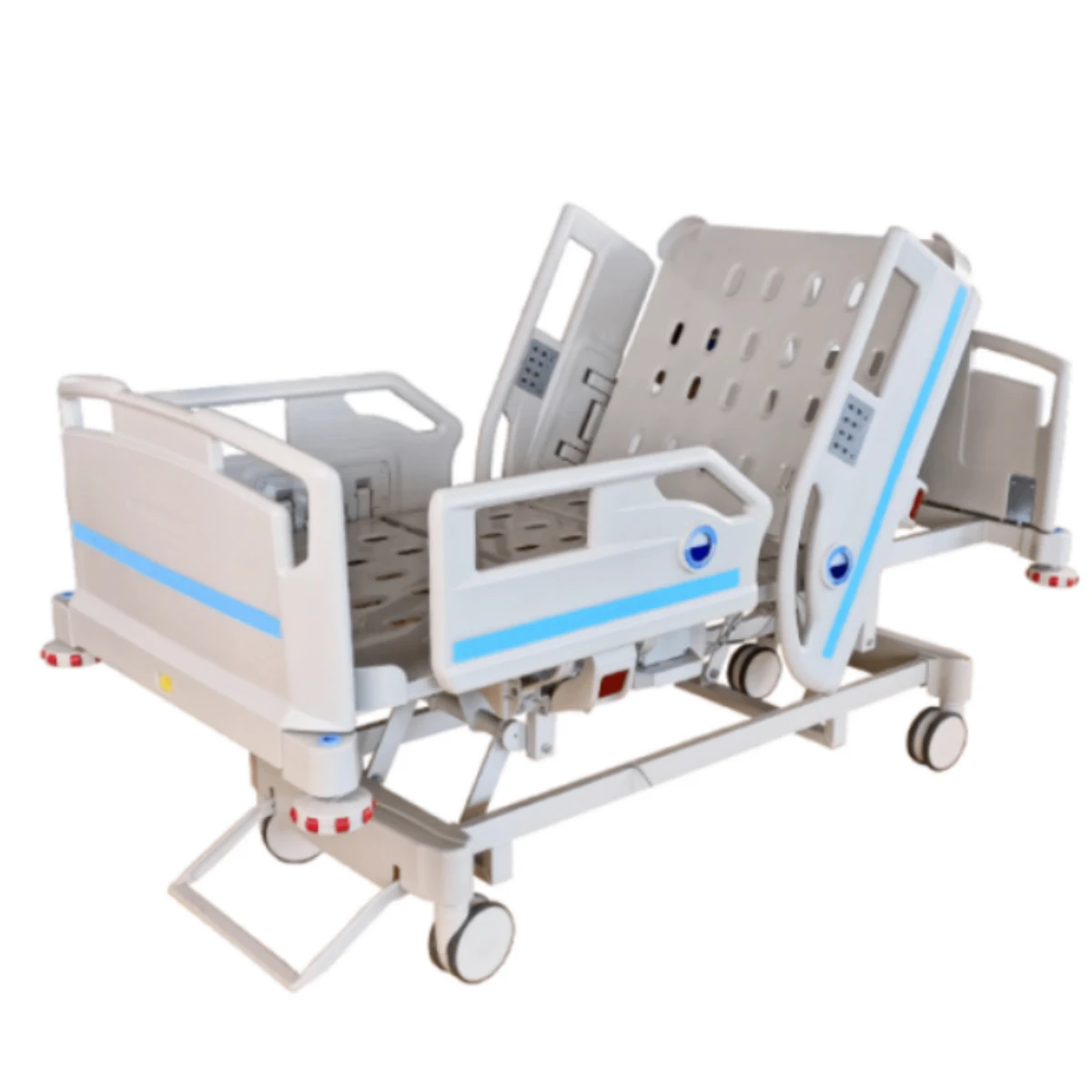
Selecting the right hospital bed is an important decision for hospitals, rehabilitation centers, nursing homes, medical equipment distributors, and healthcare procurement teams. Different facilities have different requirements for patient positioning, caregiver access, safety, durability, and maintenance. An Integrated Height-Adjustable and Rotating Letto d'ospedale combines multiple adjustment functions in one product, making it a potential option for facilities that need additional flexibility in patient care.
However, not every bed is suitable for every patient or healthcare environment. Before purchasing an adjustable medical bed, buyers should carefully evaluate its functions, construction, safety features, manufacturing quality, and supplier support. This guide outlines the key factors to consider when choosing a rotating hospital bed.

1. Understand the Required Bed Functions
The first step is to identify the main purpose of the bed. Some facilities need basic height adjustment for everyday nursing tasks, while others require additional support for patient repositioning.
An Integrated Height-Adjustable and Rotating Hospital Bed combines height adjustment with a rotating mechanism. Depending on the model, these functions may help caregivers adapt the bed to different care situations and assist with specific repositioning tasks.
Before selecting a product, buyers should ask the supplier to explain how the height adjustment works, how the rotating function operates, and which activities the bed is designed to support. It is also important to understand whether the functions can be operated independently and whether any operating restrictions apply.
A clear understanding of the product's intended use helps prevent purchasing equipment with unnecessary functions or overlooking important requirements.
2. Evaluate the Height Adjustment Range
Height adjustment is a key feature of a height-adjustable hospital bed. The ability to raise or lower the bed can help caregivers establish a more suitable working position during bedside care, patient assessment, and certain transfer procedures.
When comparing models, buyers should check the minimum and maximum bed heights, the adjustment mechanism, movement stability, and ease of operation. The adjustment range should match the facility's patient population, caregiver needs, and room layout.
For example, a rehabilitation center may prioritize convenient access for patients participating in mobility training, while a nursing facility may focus on practical daily care and assistance with transfers.
It is also useful to confirm whether the bed height can be adjusted smoothly and whether the controls are easy for authorized staff to understand. These details can influence usability during everyday operations.
3. Examine the Rotating Mechanism
The rotating function is one of the main features distinguishing a rotating medical bed from a conventional hospital bed. Depending on its design, this mechanism may assist with repositioning patients who require additional support.
When evaluating a rotating hospital bed, procurement teams should ask about the rotation range, direction of movement, control method, and operating procedure. They should also confirm the patient weight capacity and any restrictions related to the patient's condition or position.
The rotating mechanism should be assessed for stability, predictable movement, and appropriate safety controls. Buyers should request technical specifications and operating instructions rather than relying only on product photographs or general marketing descriptions.
It is equally important to understand that rotation is not a substitute for professional nursing care. Patient repositioning requirements vary, and clinical staff must determine whether the bed is suitable for a particular patient.
4. Prioritize Patient Safety
Safety should be central to the selection of any hospital bed for patient care. Beds with moving mechanisms require particular attention to stability, control design, and the prevention of unintended movement.
Important features to evaluate include the bed frame, side rails, locking systems, safe working load, and any emergency or movement-stop functions provided by the model. Buyers should also review the manufacturer's warnings and instructions concerning bed operation.
Side rails should be selected according to the patient's needs and applicable safety guidance. They should not be treated as a universal solution for preventing falls, and facilities should assess the risk of entrapment and other hazards as part of their care procedures.
For beds with rotating functions, healthcare staff should receive appropriate training before use. Procurement teams should also confirm what checks are required before rotation and whether particular patient conditions make the function unsuitable.
5. Check Frame Construction and Material Quality
The frame and structural components affect the durability and stability of a medical bed. Hospitals and nursing facilities often use beds frequently, so construction quality and consistent manufacturing are important purchasing considerations.
When comparing an adjustable medical bed, buyers should ask about the frame material, welding quality, surface treatment, corrosion resistance, and expected maintenance requirements. The design should suit the intended environment and support the specified working load.
Surface finishes also matter because medical equipment needs regular cleaning. Buyers should confirm which cleaning products and procedures are compatible with the bed's materials and finishes.
A reliable manufacturer should be able to provide product specifications and explain the quality control procedures used during production. If a product will be used in a demanding healthcare environment, requesting additional documentation or a product demonstration may help buyers assess its suitability.
6. Consider Mattress Compatibility and Patient Comfort
Patient comfort depends on more than the bed's adjustment functions. Mattress dimensions, mattress support, bed width, positioning options, and the patient's individual condition all influence the overall care experience.
When choosing an Integrated Height-Adjustable and Rotating Hospital Bed, buyers should verify the recommended mattress dimensions and compatibility requirements. For rotating models, it is particularly important to confirm that the mattress and any accessories are suitable for the intended movement.
Healthcare facilities should also consider whether the bed can accommodate the patient's mobility needs and whether caregivers can perform routine tasks without unnecessary difficulty.
For patients who spend extended periods in bed, positioning and pressure injury prevention should be managed according to an individualized care plan. A rotating bed should not be assumed to eliminate pressure injury risk or replace prescribed repositioning routines.
7. Review Cleaning and Maintenance Requirements
Hospital beds are used in environments where regular cleaning and maintenance are essential. A practical design should allow staff to access relevant surfaces and components for routine care while following the manufacturer's instructions.
Before purchasing a rotating medical bed, ask the supplier which components require periodic inspection, whether specialist servicing is necessary, and how maintenance should be scheduled. For powered models, confirm the requirements for inspecting electrical components and controls.
Buyers should also ask about the availability of replacement parts, service documentation, warranty coverage, and technical support. Clear maintenance guidance can help facilities plan equipment upkeep and reduce avoidable interruptions.
The cost of a hospital bed should therefore be evaluated alongside its expected maintenance needs and the support available throughout its service life.
8. Verify Quality Standards and Certifications
Medical equipment procurement often requires documentation demonstrating that products meet applicable quality and regulatory requirements. Buyers should verify the standards relevant to their country, intended use, and purchasing process.
Hebei Zhaofa Technology Co., Ltd. manufactures medical care equipment designed around international standards. According to the company's information, most of its products have ISO 13485 and CE certification. However, certification does not automatically apply to every product or configuration, so buyers should request documentation for the specific model being considered.
For an Integrated Height-Adjustable and Rotating Hospital Bed, it is advisable to confirm the applicable conformity documentation, product labeling, user instructions, and any required technical records before placing an order.
Importers and distributors should also check the regulatory requirements in their target markets, as these may differ by country and product classification.
9. Choose an Experienced Hospital Bed Manufacturer
The supplier's manufacturing capability can affect product consistency, delivery coordination, and long-term cooperation. Medical equipment distributors and healthcare buyers should look beyond the initial quotation when comparing suppliers.
Hebei Zhaofa Technology Co., Ltd. was founded in 2014 and is based in northern China. The company specializes in hospital beds, hydraulic lift transfer equipment, bedside cabinets, wheelchairs, walkers, crutches, and other medical care products.
Its facilities cover approximately 5,000 square meters and include welding workshops, a spray workshop, a shot-blasting workshop, and packaging workshops. With more than 60 employees, the company has established production processes and quality inspection procedures to support its manufacturing operations.
For buyers seeking a produttore di letti ospedalieri, these capabilities provide useful starting points for supplier evaluation. Customers should also discuss product specifications, customization possibilities, minimum order quantities, production lead times, packaging requirements, and after-sales arrangements.
Where available, product samples, factory information, and relevant quality documents can help procurement teams make a more informed assessment.
10. Compare Total Value Rather Than Price Alone
Price is an important factor, but the lowest initial quotation does not necessarily represent the best purchasing decision. Buyers should compare product functions, structural quality, safety features, warranty terms, spare parts availability, and expected maintenance costs.
For medical equipment distributors, consistency between product batches and clear communication with the supplier can also be important. Hospitals and care institutions may place greater emphasis on operational suitability, ease of maintenance, and support throughout the equipment's service life.
When comparing a fornitore di letti ospedalieri, request a detailed quotation that specifies the product model, included accessories, technical parameters, packaging, delivery terms, and warranty coverage. This makes it easier to compare equivalent products and avoid misunderstandings.
A structured evaluation process can help buyers balance budget requirements with the needs of patients and care teams.
Conclusion
Choosing an Integrated Height-Adjustable and Rotating Hospital Bed requires careful consideration of functionality, safety, comfort, construction quality, maintenance, and supplier reliability. Height adjustment may support more convenient bedside care, while the rotating mechanism may assist with specific patient repositioning tasks when appropriate.
Healthcare facilities should confirm the exact specifications and intended use of each model, review relevant certifications, and ensure that staff understand the operating procedures. Mattress compatibility, cleaning requirements, replacement parts, and after-sales support should also be included in the purchasing evaluation.
Hebei Zhaofa Technology Co., Ltd. has manufactured medical equipment since 2014 and offers a range of hospital beds and patient care products. By communicating directly with the manufacturer and verifying the documentation for the selected model, healthcare buyers and medical equipment distributors can better determine whether a product meets their operational and procurement requirements.