Wheelchair for Rehabilitation Center: Customized Mobility Solutions by Hebei Zhaofa Technology Co., LTD
Rehabilitation centers play a vital role in helping patients regain mobility, independence, and confidence after injury, surgery, or illness. In these environments, wheelchairs are not only transportation tools but essential rehabilitation equipment that supports daily therapy, safe movement, and gradual recovery. This case study presents a real wheelchair installation project at a rehabilitation center in the Netherlands, delivered by Hebei Zhaofa Technology Co., LTD, highlighting the company’s professional manufacturing capability and patient-oriented product design. Patients and therapists alike reported that the small electric wheelchairs allowed patients to regain independence and experience the benefits of smart mobility, transforming daily rehabilitation routines.
Project Background
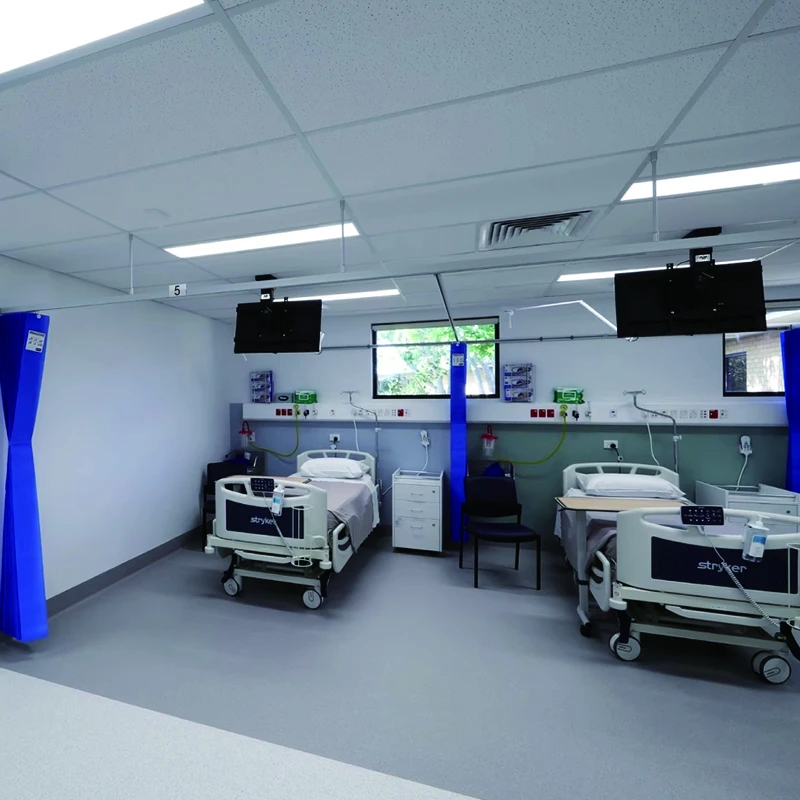
The rehabilitation center involved in this project specializes in post-operative recovery, neurological rehabilitation, and long-term physical therapy. The center required a reliable wheelchair solution that could serve patients with different mobility levels, from early-stage rehabilitation to more independent users.
Key requirements included:
Stable and safe operation in indoor rehabilitation environments
Easy maneuverability for patients and therapists
Compact design suitable for therapy rooms and corridors
Cost-effective solutions for long-term institutional use
After careful evaluation, the rehabilitation center selected Hebei Zhaofa Technology as its wheelchair supplier due to its manufacturing experience, certification compliance, and comprehensive product range. The Dutch center specifically noted that their patients were eager to use small electric wheelchairs that would allow them to navigate therapy rooms safely and independently, truly “freeing their hands” and enhancing their sense of autonomy.
Manufacturer Profile and Production Capability
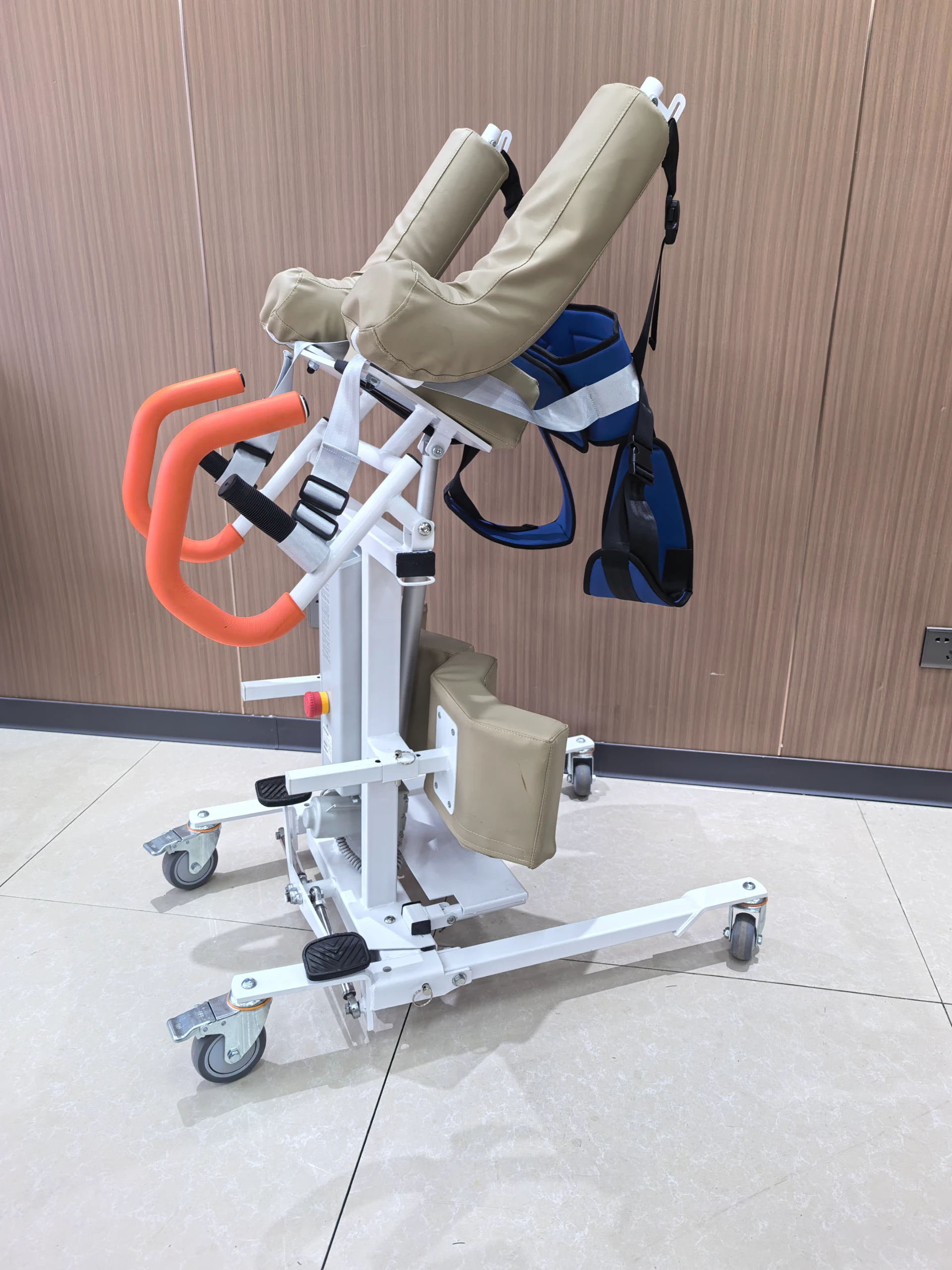
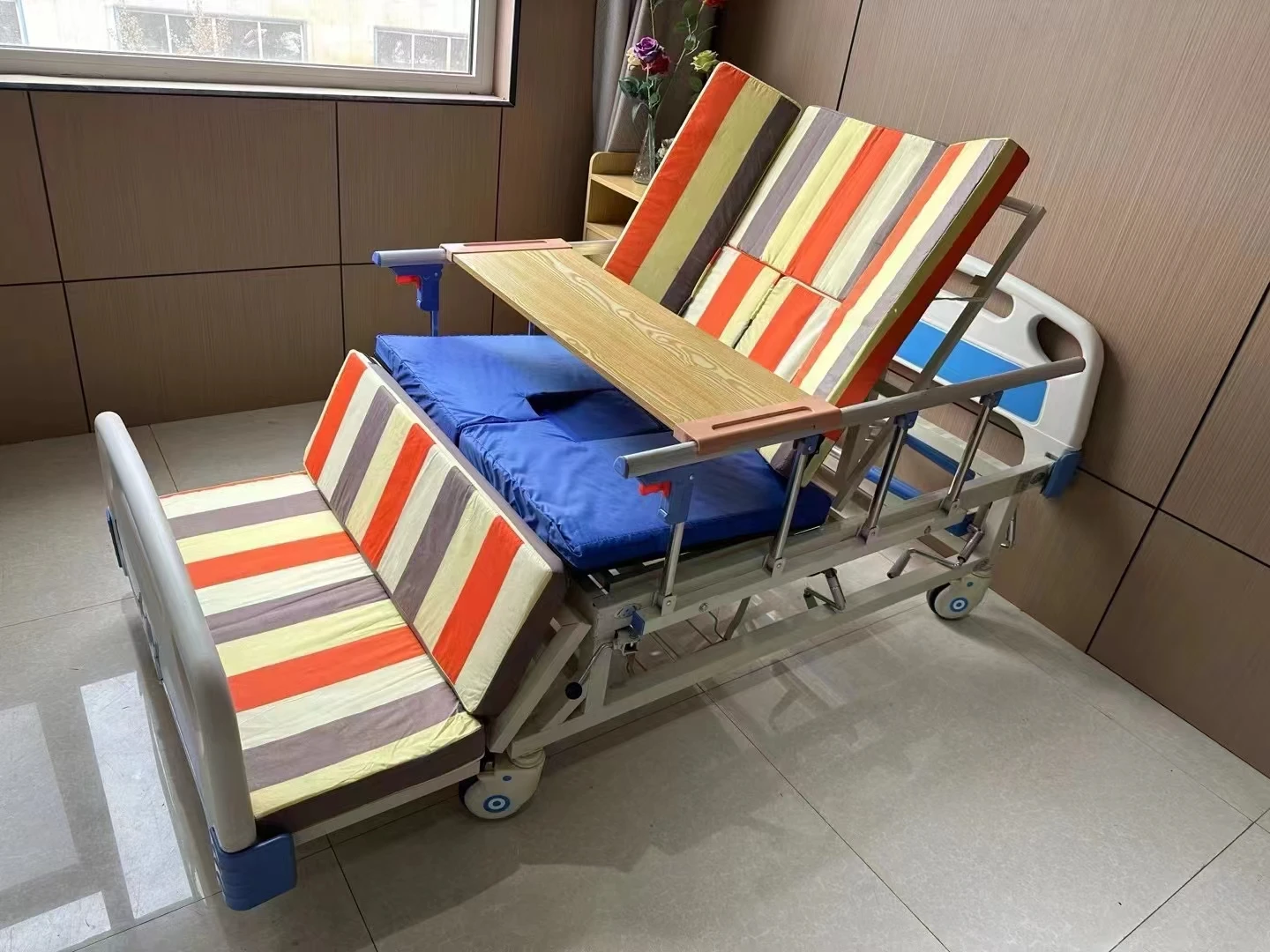
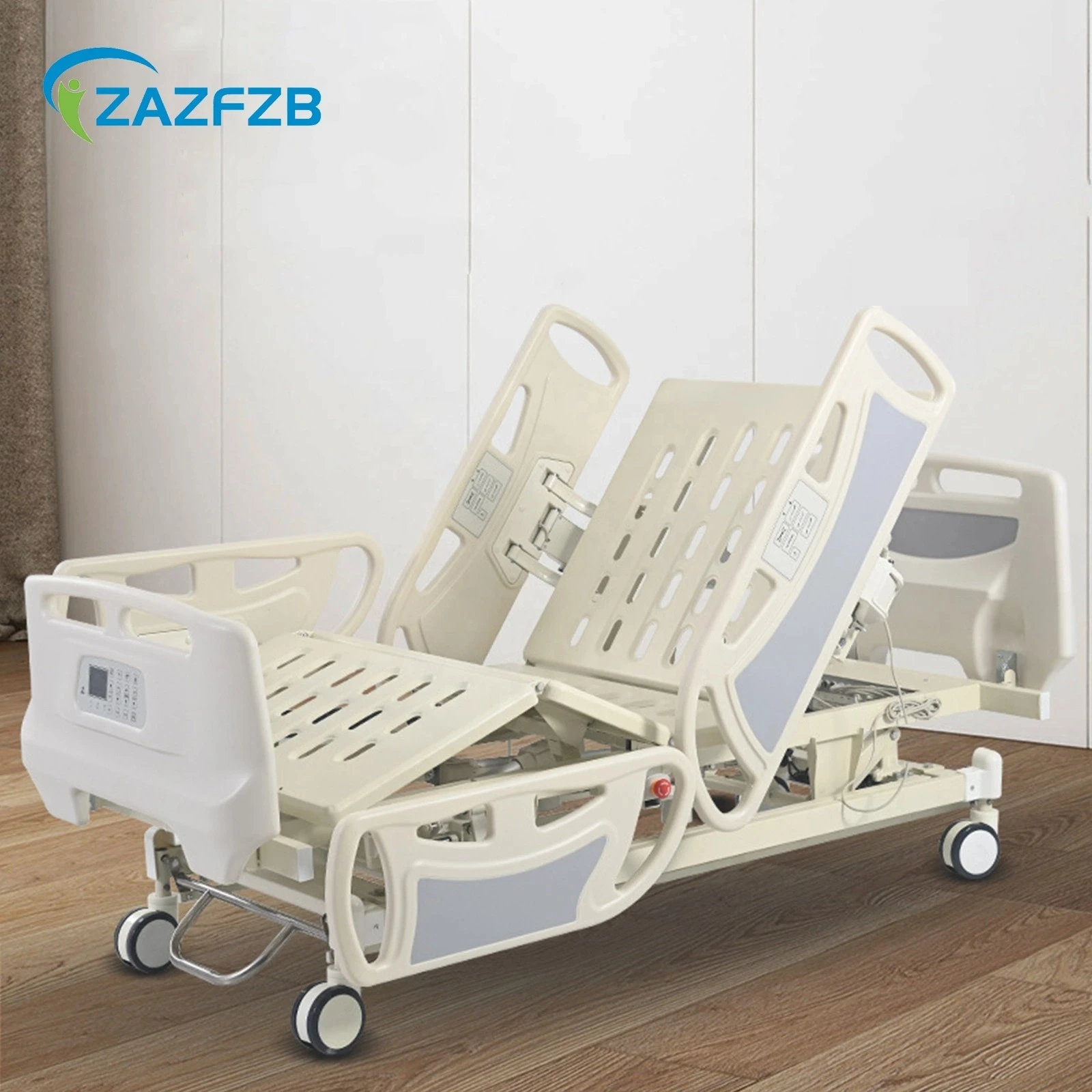
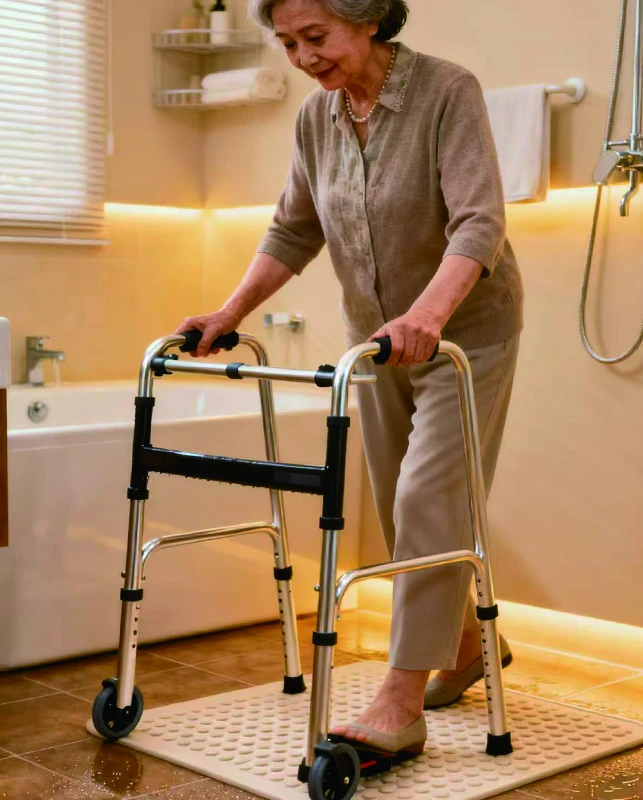
Founded in 2014, Hebei Zhaofa Technology Co., LTD is a professional medical equipment manufacturer located in northern China, with over 10 years of production experience. The company’s main products include hospital beds, hydraulic lift transfer devices, bedside cabinets, wheelchairs, walkers, and crutches, providing complete solutions for medical and rehabilitation facilities.
Operating from a 5,000-square-meter factory with over 60 skilled workers, Zhaofa maintains a complete production line—including welding workshops, spray coating and shot blasting workshops, and packaging workshops—ensuring stable output and consistent quality. The Dutch rehabilitation center cited Zhaofa’s rigorous quality control and international certifications as key factors in choosing them as a reliable partner.
Product Solution for Rehabilitation Use
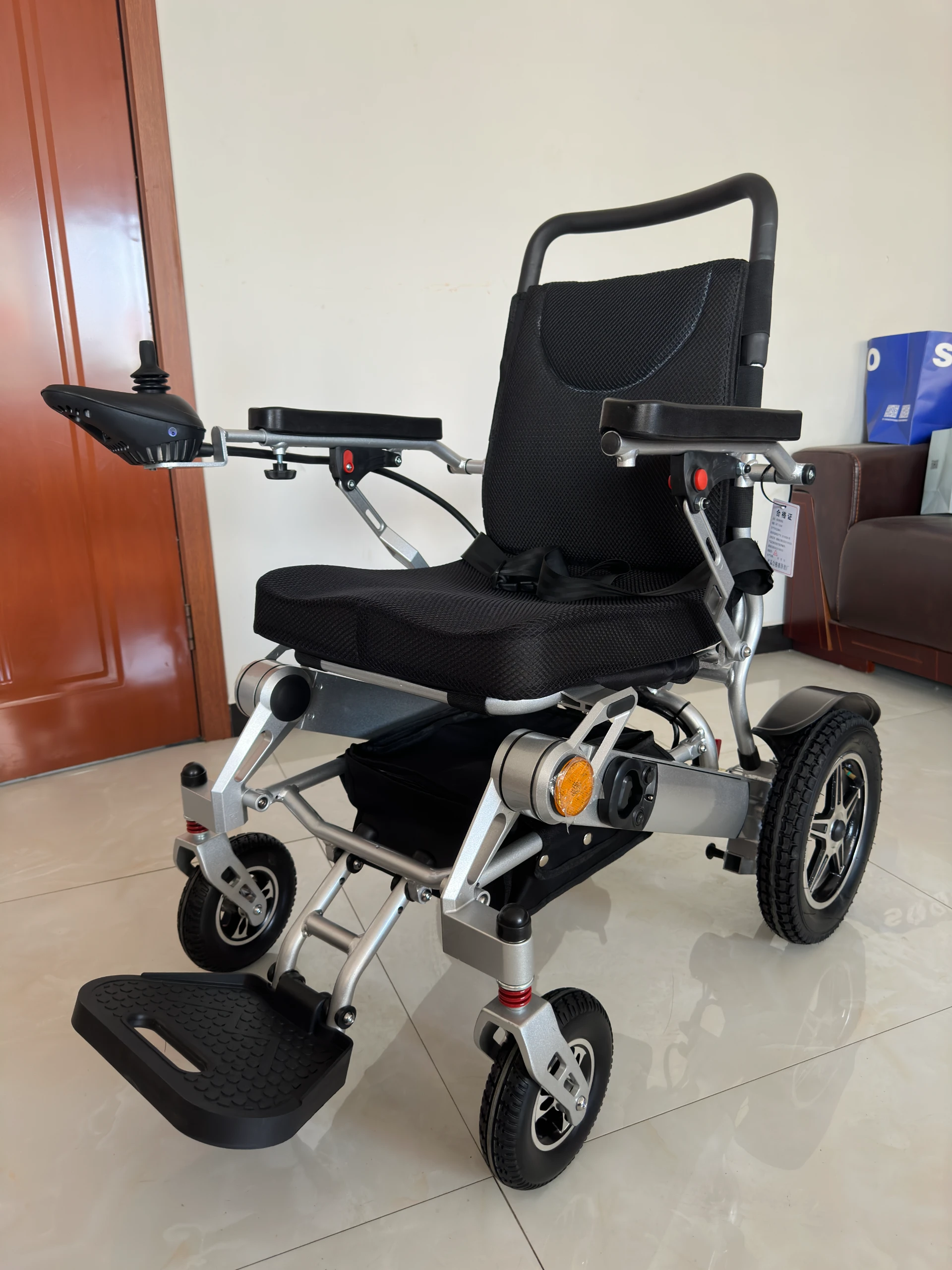
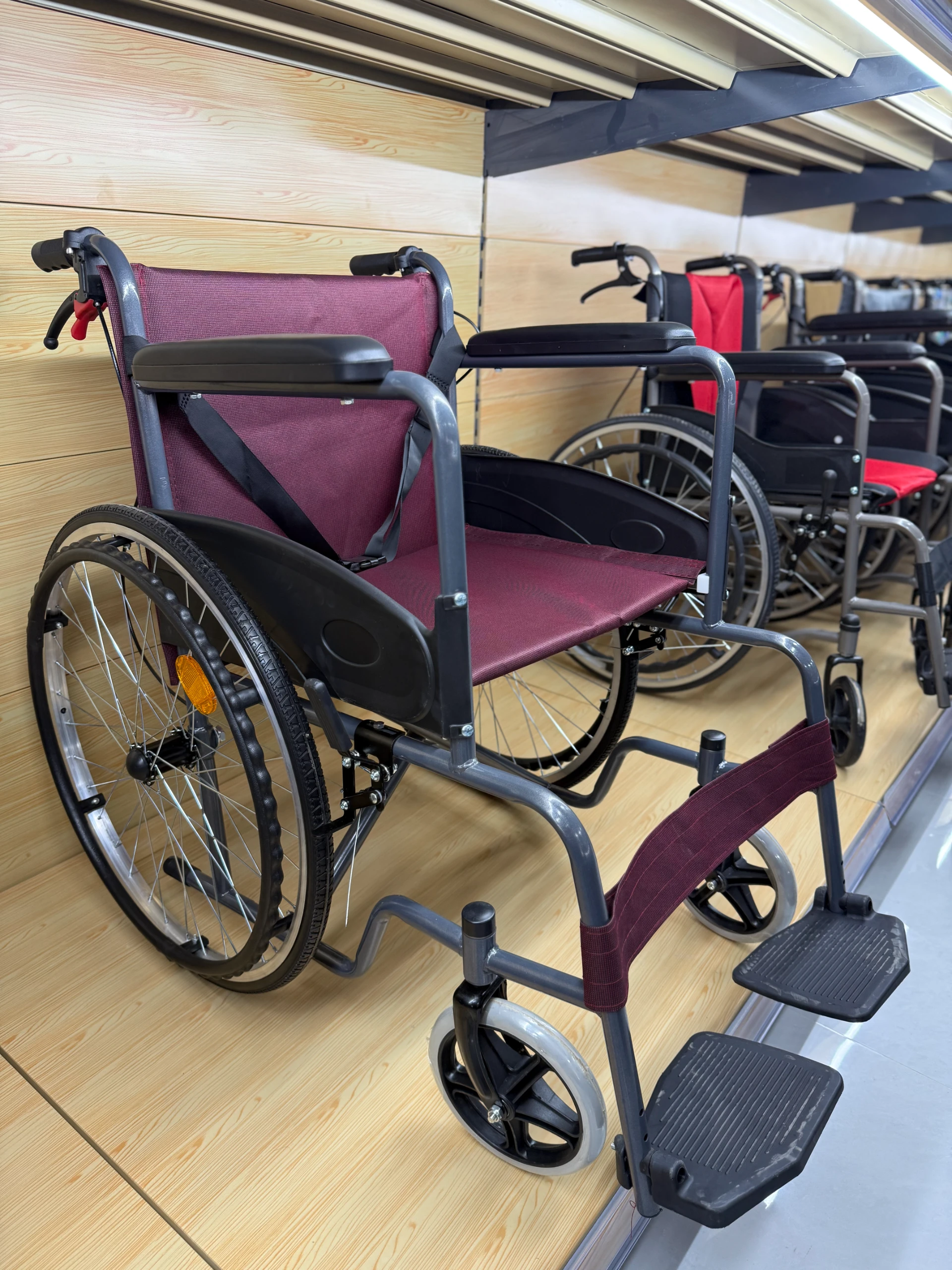
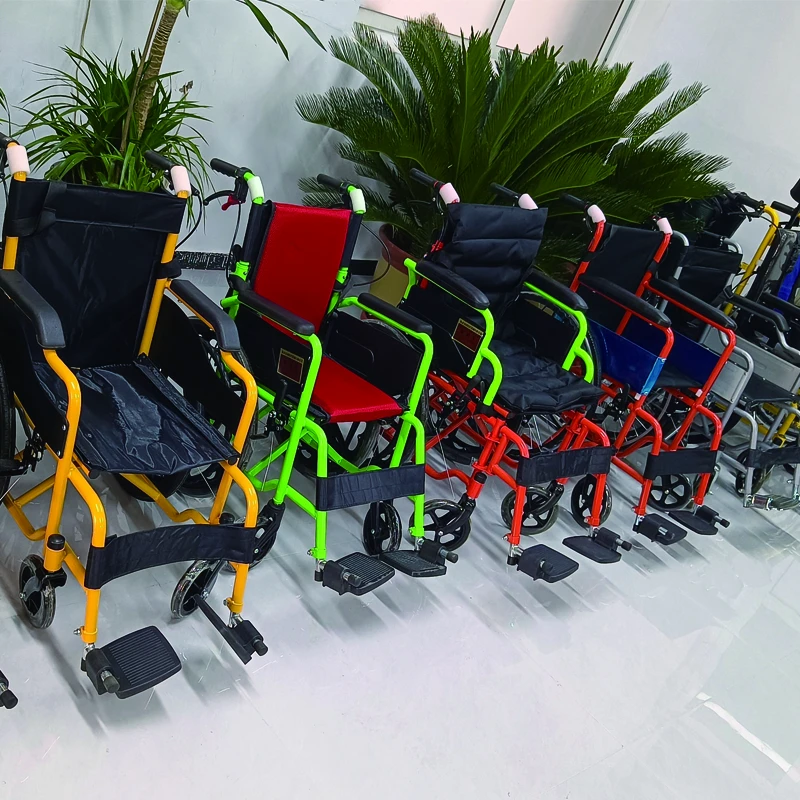
Based on the center’s needs, Zhaofa proposed a mixed wheelchair solution combining manual and small electric models. The compact electric wheelchairs were specifically designed for indoor rehabilitation environments.
These wheelchairs allow patients to move independently within therapy areas, training rooms, and living spaces. Their small turning radius and responsive controls make them ideal for centers where safety and space efficiency are critical. One patient recovering from knee surgery commented that they could move confidently between therapy sessions without assistance, feeling a sense of independence and control over their recovery.
For patients transitioning from assisted movement to independent mobility, electric wheelchairs offer a valuable rehabilitation tool. At the same time, the center required cost-controlled solutions deployable across multiple departments. Zhaofa addressed this need by providing an affordable electric wheelchair configuration that balances essential electric functions with durable construction and easy maintenance.
Design Features Supporting Rehabilitation
The wheelchairs supplied in this project were designed with rehabilitation needs in mind. Key features included:
Strong and stable frames for daily, repeated use
Smooth acceleration and braking for patient safety
Comfortable seating to support extended therapy sessions
Simple control systems suitable for first-time electric wheelchair users
Therapists in the Netherlands reported that patients quickly adapted to the small electric wheelchairs, allowing them to practice navigation skills in a controlled environment, which positively contributed to rehabilitation outcomes.
Quality Control and Certification Standards
Quality and safety are critical in rehabilitation equipment. Hebei Zhaofa Technology follows strict quality control procedures throughout the production process, from raw material selection to final assembly and testing. Most of the company’s products have obtained ISO 13485 and CE certifications, ensuring compliance with international medical device standards. These certifications reassured the rehabilitation center that patients could safely use the wheelchairs for extended therapy sessions and independent movement.
Delivery, Training, and Implementation
Before shipment, all wheelchairs underwent comprehensive functional testing, including motor performance, battery safety, braking systems, and overall structural stability. Products were securely packed in Zhaofa’s dedicated packaging workshops to ensure safe transportation.
After delivery, the rehabilitation center conducted on-site inspections and confirmed that the products met all functional requirements. Zhaofa also provided basic operation guidance to therapists and staff, helping them integrate the wheelchairs smoothly into rehabilitation programs. Staff observed that patients now required less manual assistance for short-distance movement, freeing therapists to focus on targeted exercises and treatment plans.
Project Results and User Feedback
Following implementation, the rehabilitation center reported positive feedback from both patients and medical staff. Patients appreciated the independence provided by the small electric wheelchair, which allowed them to move confidently between therapy sessions. One post-operative patient remarked that the wheelchair “truly changed my daily rehabilitation experience,” making movement easier and safer while giving a sense of control.
Therapists noted improved efficiency in daily routines, as patients required less manual assistance. The center also highlighted the solution’s cost-effectiveness, offering reliable performance without excessive maintenance or replacement costs.
Conclusion
The Wheelchair for Rehabilitation Center case demonstrates Hebei Zhaofa Technology Co., LTD’s ability to deliver practical, certified, and patient-focused mobility solutions for rehabilitation environments. Through professional manufacturing, strict quality control, and flexible product configurations, Zhaofa successfully supported the center’s rehabilitation goals.
As rehabilitation facilities continue to seek compact, safe, and affordable electric wheelchair solutions, Hebei Zhaofa Technology remains a dependable partner—helping patients experience smarter, independent mobility and enabling therapists to work more efficiently, improving recovery outcomes and quality of life.