Turning and Rotating Nursing Beds for Senior Care Facilities
Gabatarwa
As the global population ages, senior care facilities increasingly need practical equipment to support daily nursing, patient positioning, and long-term care. Nursing homes, elderly care centers, rehabilitation facilities, and other healthcare institutions often care for residents who have limited mobility or need assistance with routine activities. Choosing suitable nursing beds can help caregivers provide more organized care while improving comfort for residents.
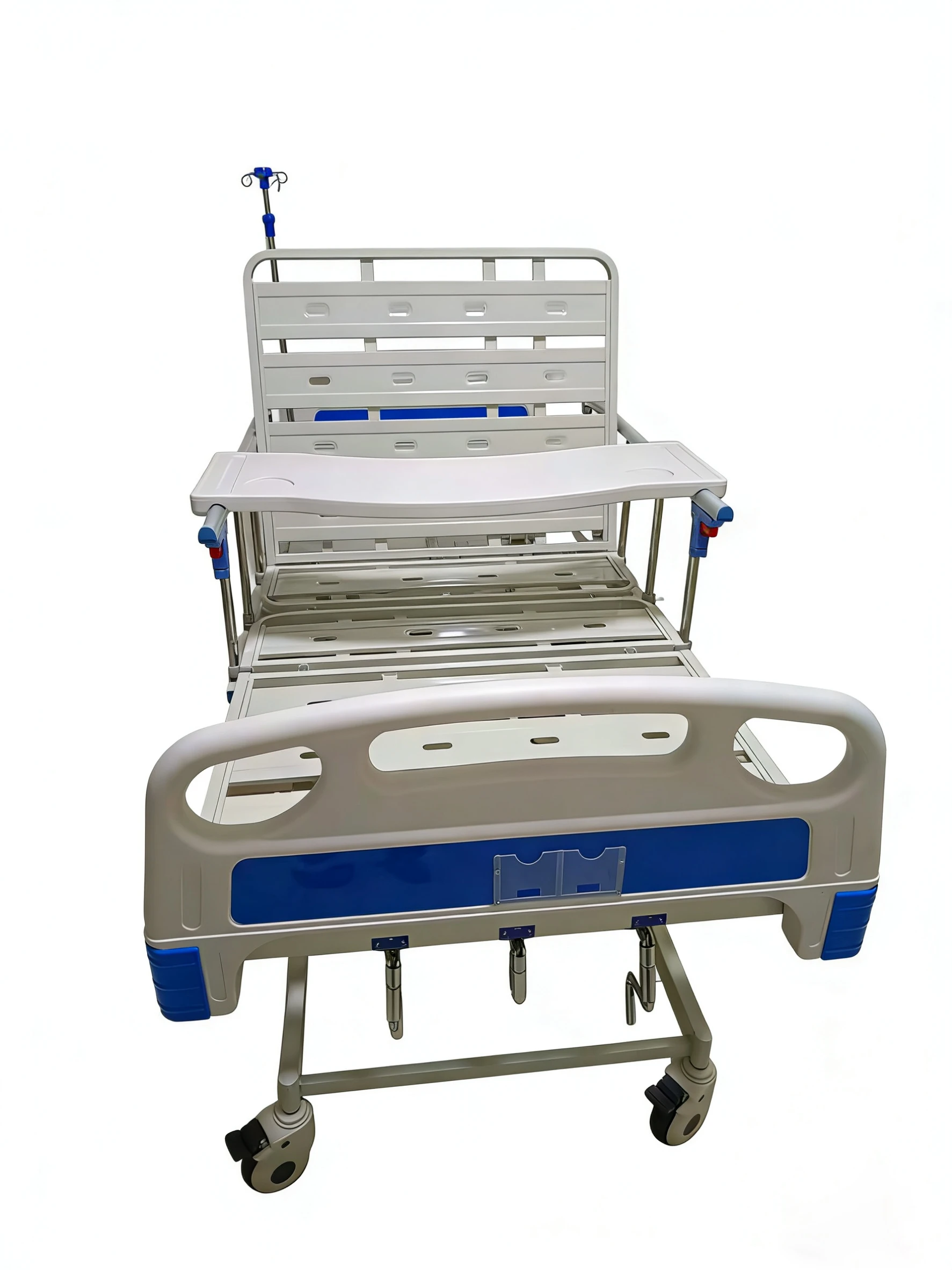
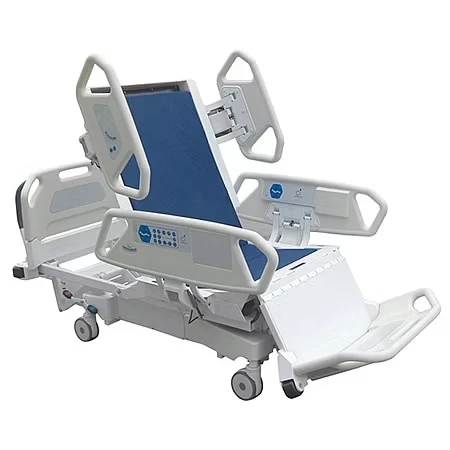
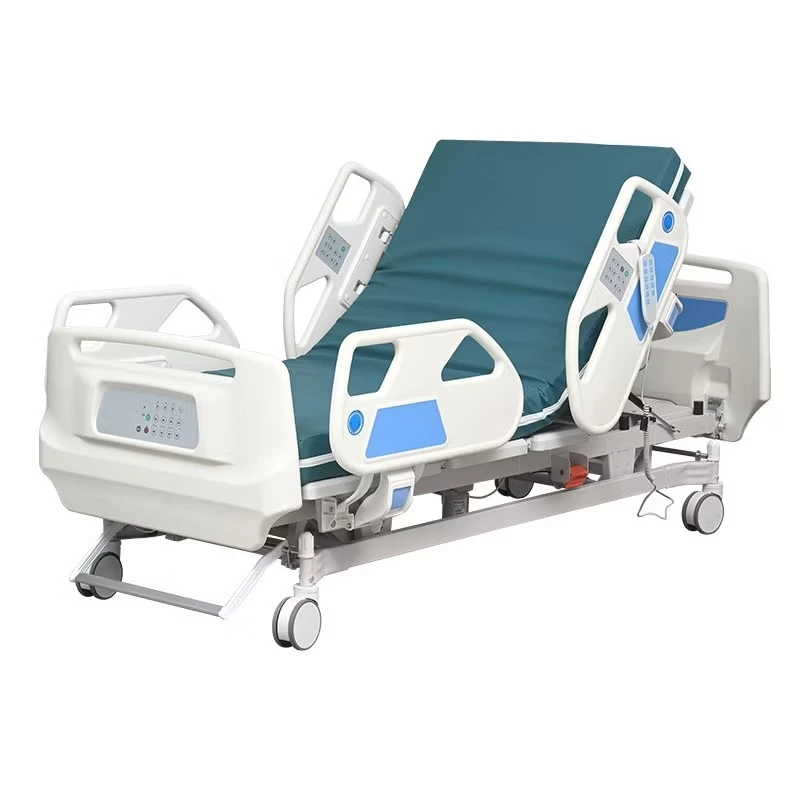
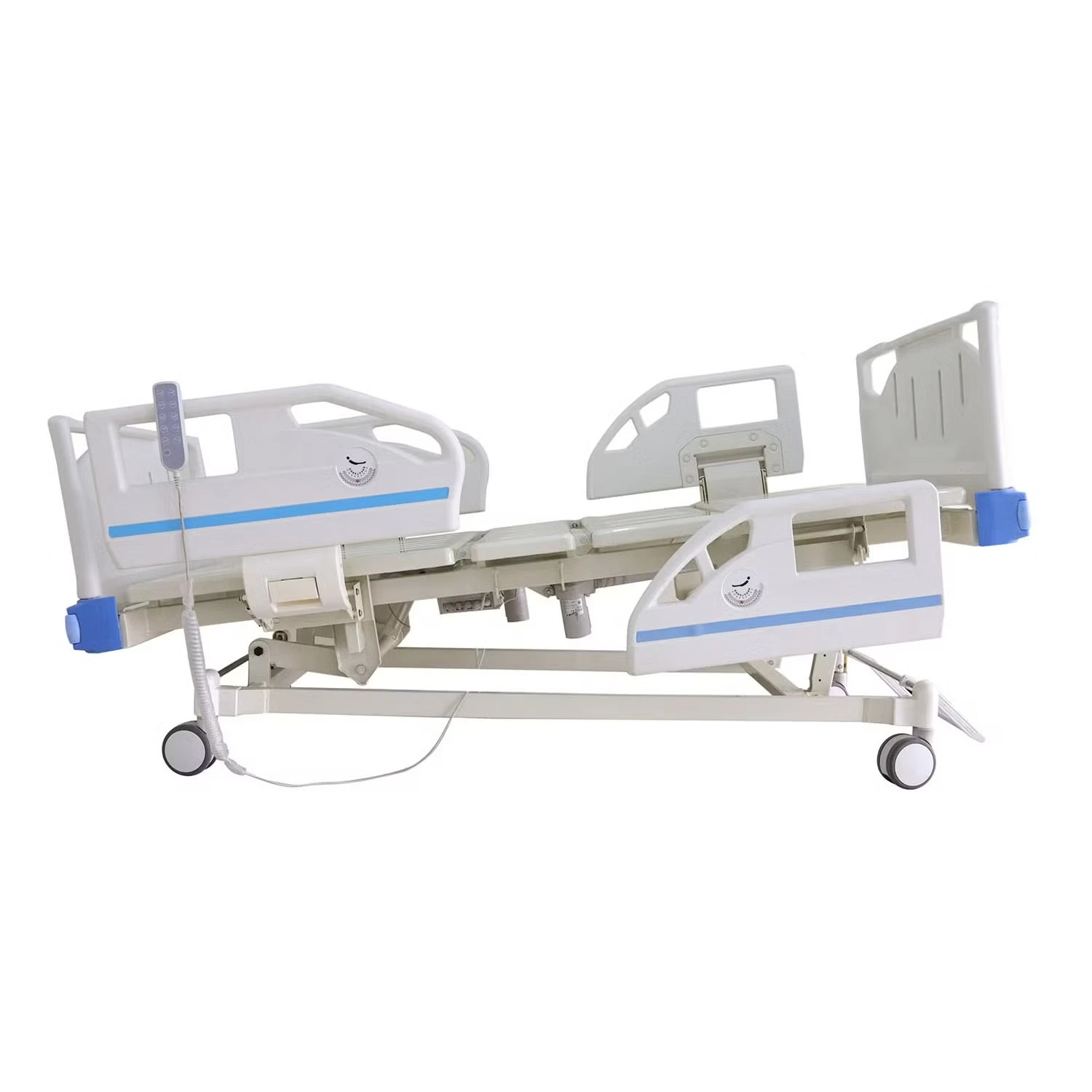
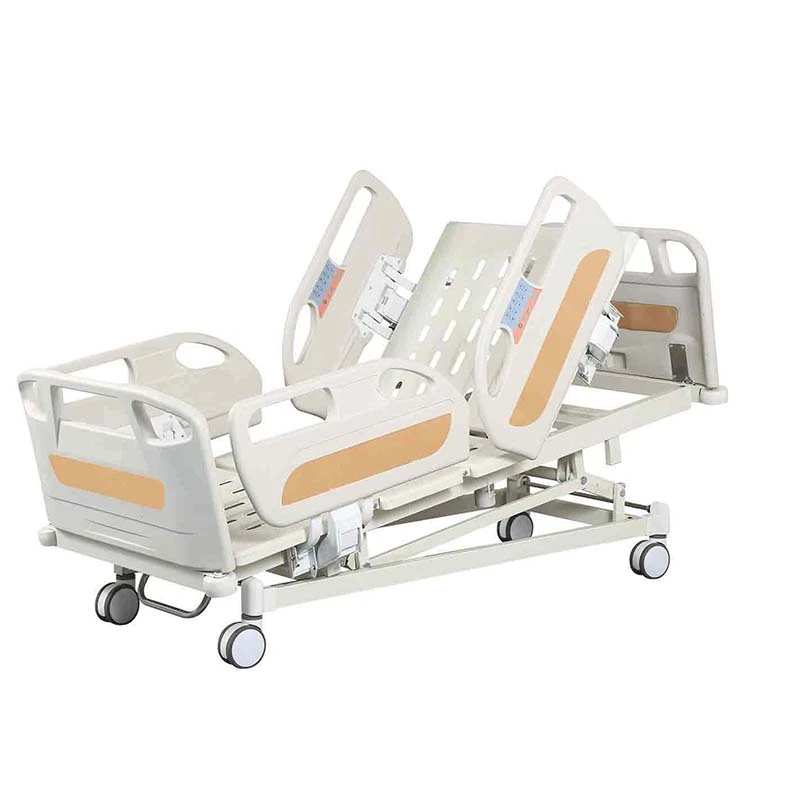
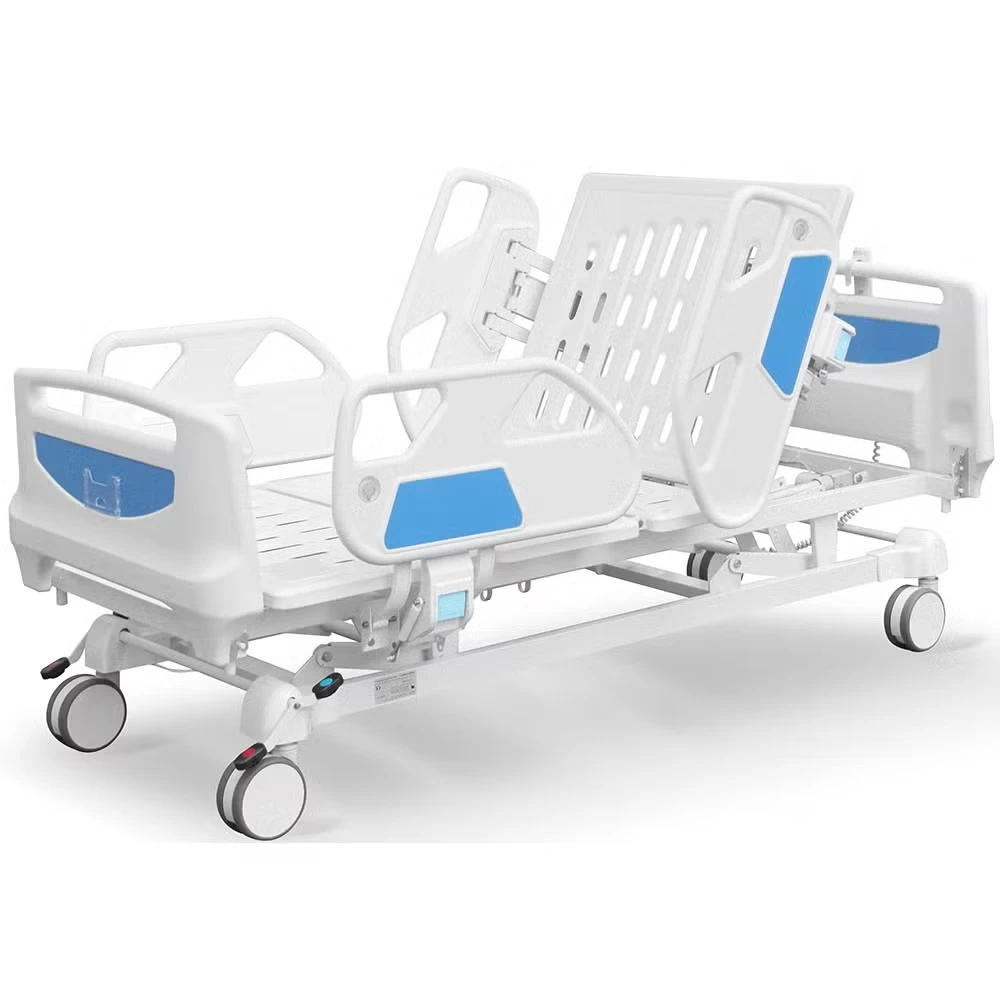
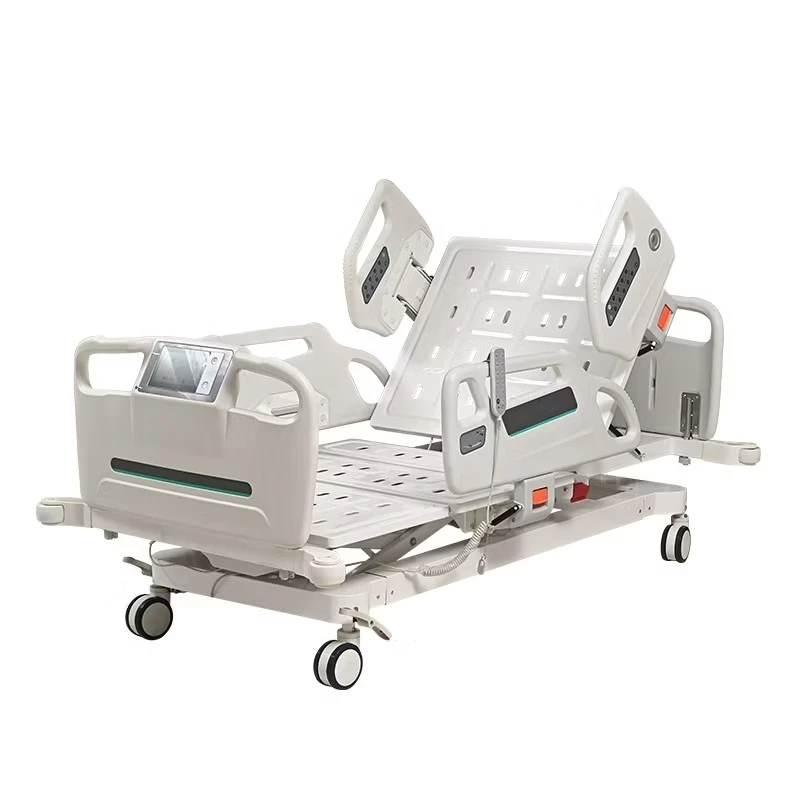
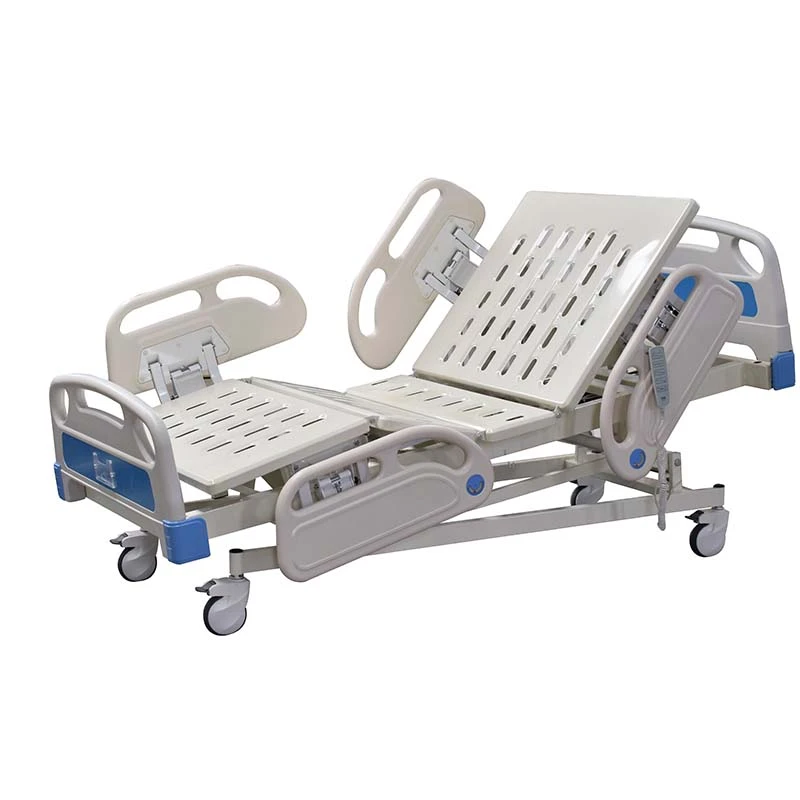
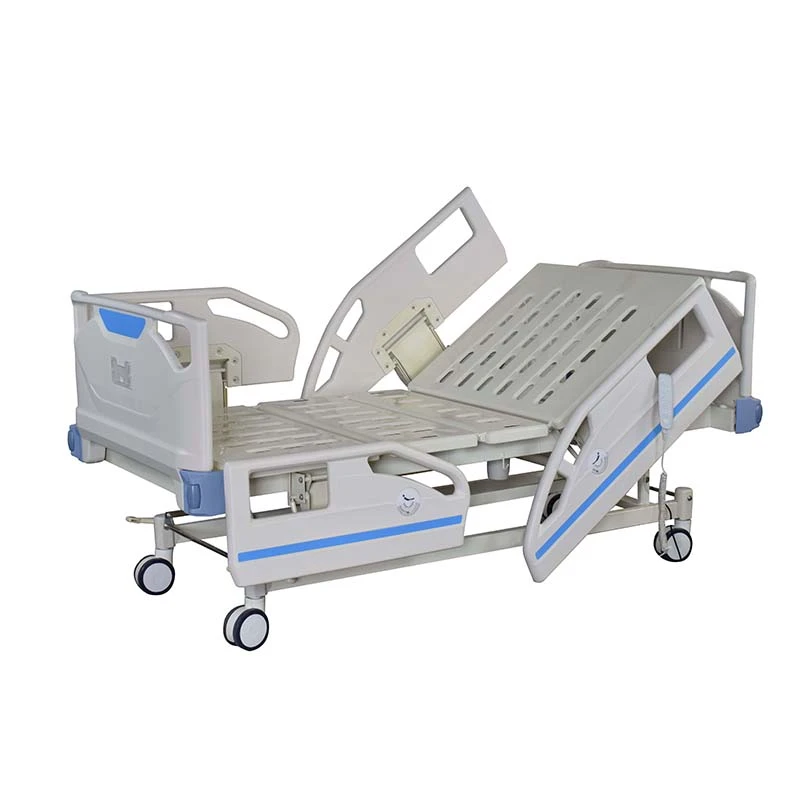
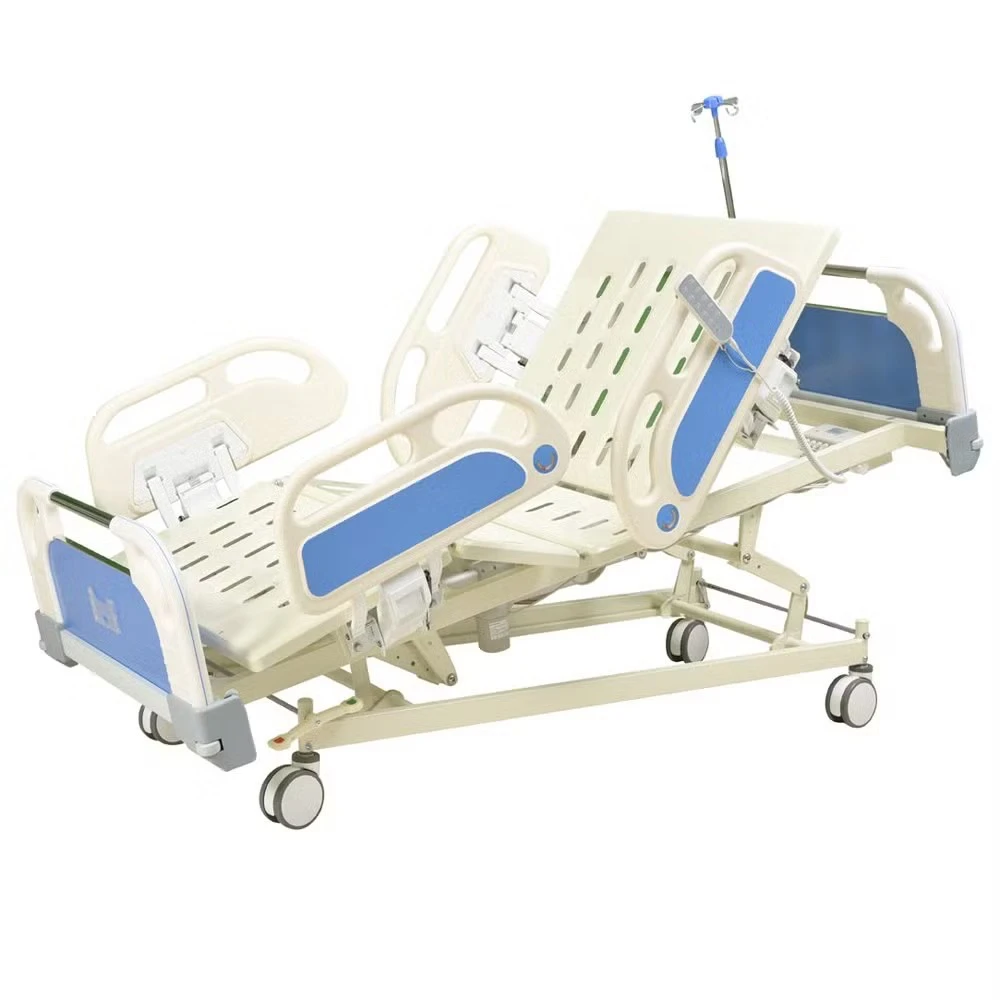
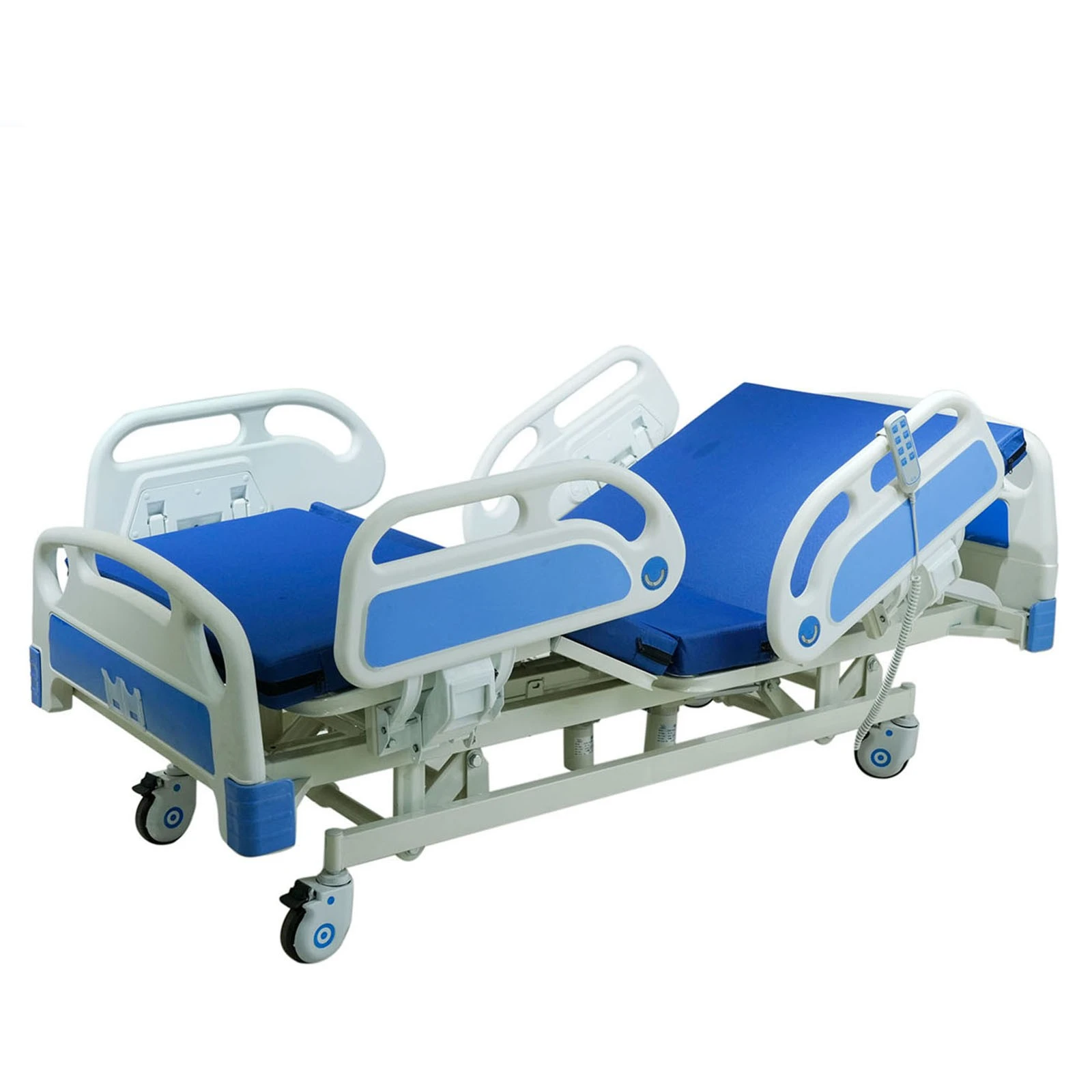
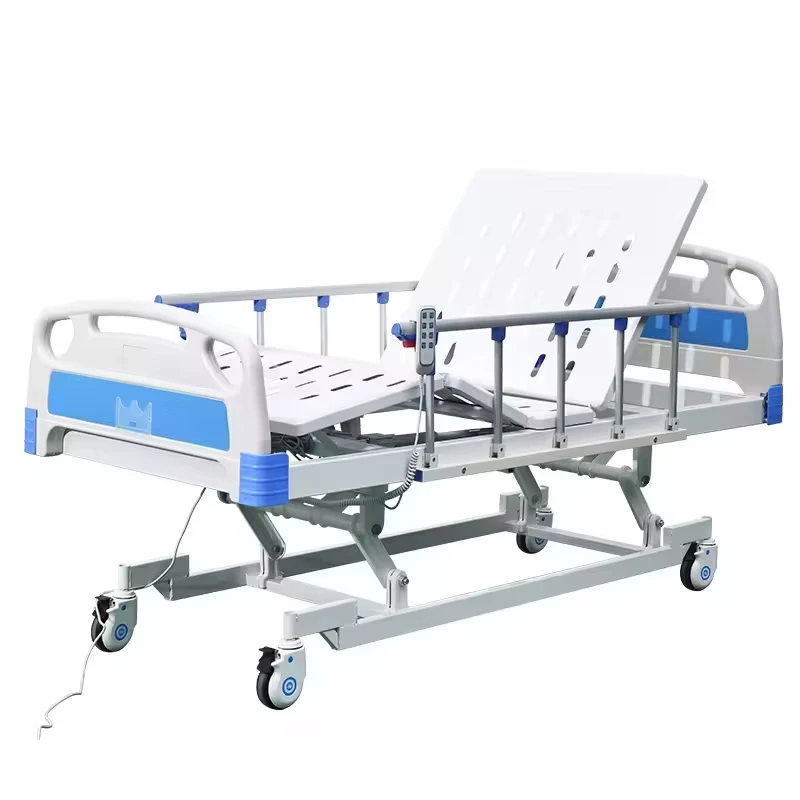
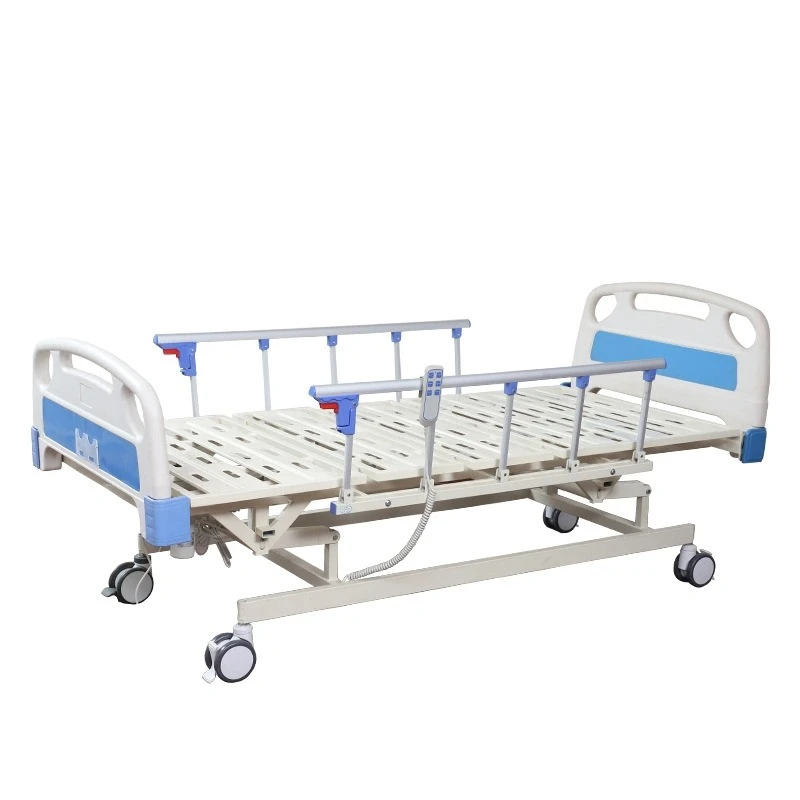
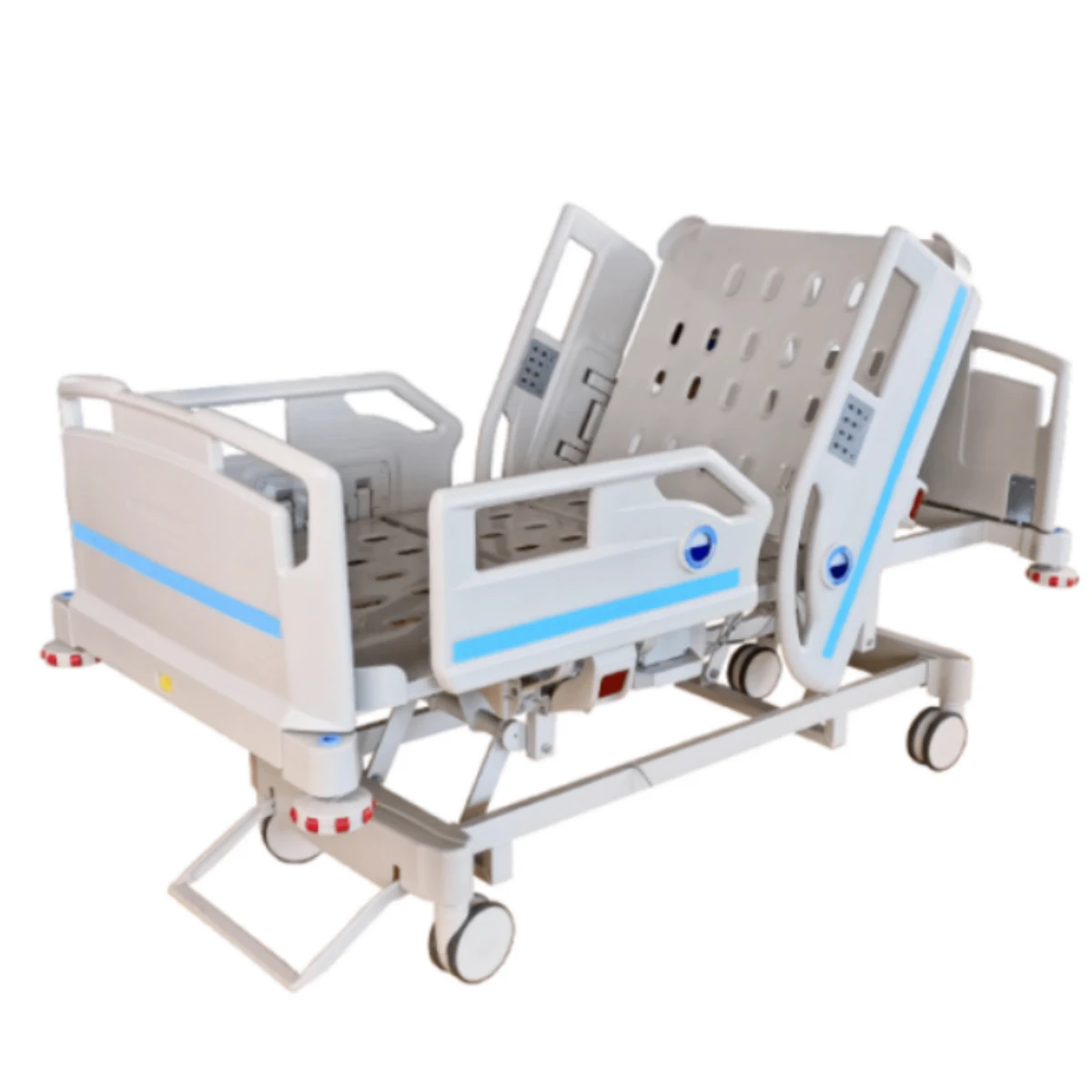
A turning and rotating nursing bed is designed to assist with repositioning and selected nursing activities. Depending on its configuration, it may provide adjustable positioning functions that help caregivers change a resident's posture more conveniently. These beds can be considered for senior care environments where residents need regular assistance with movement or spend extended periods in bed.
However, not every turning nursing bed offers the same functions. Buyers should evaluate the turning mechanism, available positions, load capacity, operating method, safety features, and intended patient group before making a purchasing decision.
Hebei Zhaofa Technology Co., LTD is a medical equipment manufacturer founded in 2014 in northern China. The company specializes in hospital beds, hydraulic lift transfer equipment, bedside cabinets, wheelchairs, walkers, crutches, and related products. With a 5,000-square-meter facility, more than 60 employees, and established production and quality inspection processes, the company serves customers seeking medical and patient care equipment.
Understanding the applications and selection criteria of turning and rotating nursing beds can help senior care providers and medical equipment distributors make informed purchasing decisions.

What Is a Turning and Rotating Nursing Bed?
A turning and rotating nursing bed is a specialized care bed designed to support changes in a user's position. Depending on the model, the bed may use a mechanical or powered system to assist with turning, lateral positioning, or other specified movements.
For older adults with limited mobility, changing position may require assistance from caregivers. A suitable nursing bed can provide additional positioning options and help staff carry out certain care procedures according to the resident's needs.
The term “turning bed” can describe different product designs. Some beds tilt or turn part of the mattress platform, while others use multiple adjustable sections to support specific positions. Buyers should therefore confirm the actual movement pattern rather than relying on the product name alone.
A rotating nursing bed is not a replacement for professional nursing assessment. Caregivers must follow the manufacturer's instructions and the resident's individual care plan when using any positioning function.
Key Features of Turning and Rotating Nursing Beds
1. Assisted Turning and Positioning
The primary purpose of a turning nursing bed is to provide assistance with repositioning. Depending on the design, the bed may help caregivers move a resident from one position to another with less manual effort.
Regular repositioning may be part of a care plan for residents who cannot change position independently. The appropriate frequency and method should be determined by qualified healthcare professionals based on the resident's condition and individual risk factors.
When evaluating a bed, buyers should check the available turning positions, movement range, operating sequence, and whether the function can be adjusted to suit the intended application.
2. Adjustable Bed Sections
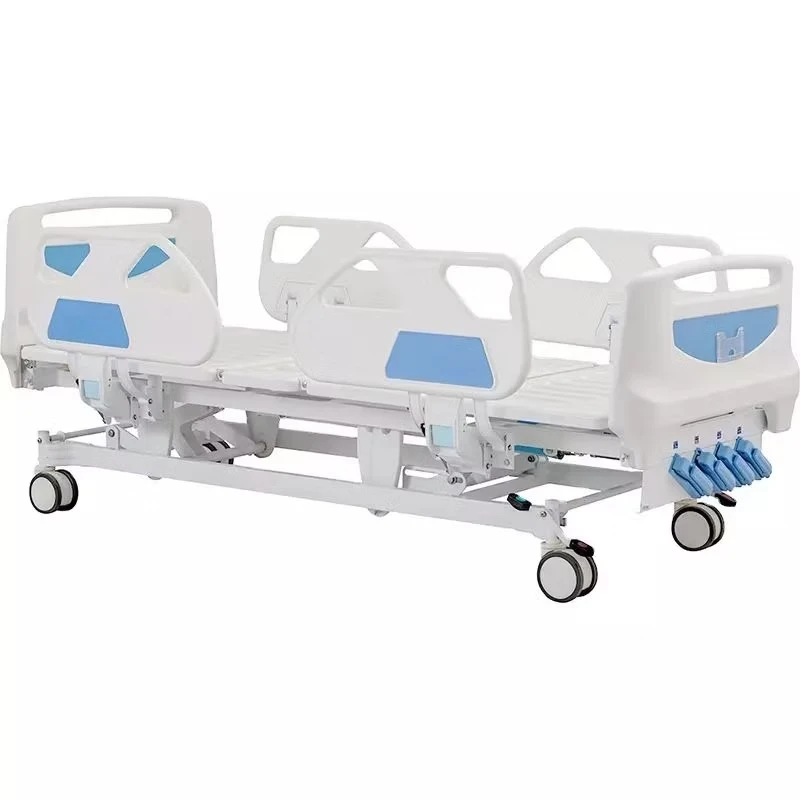
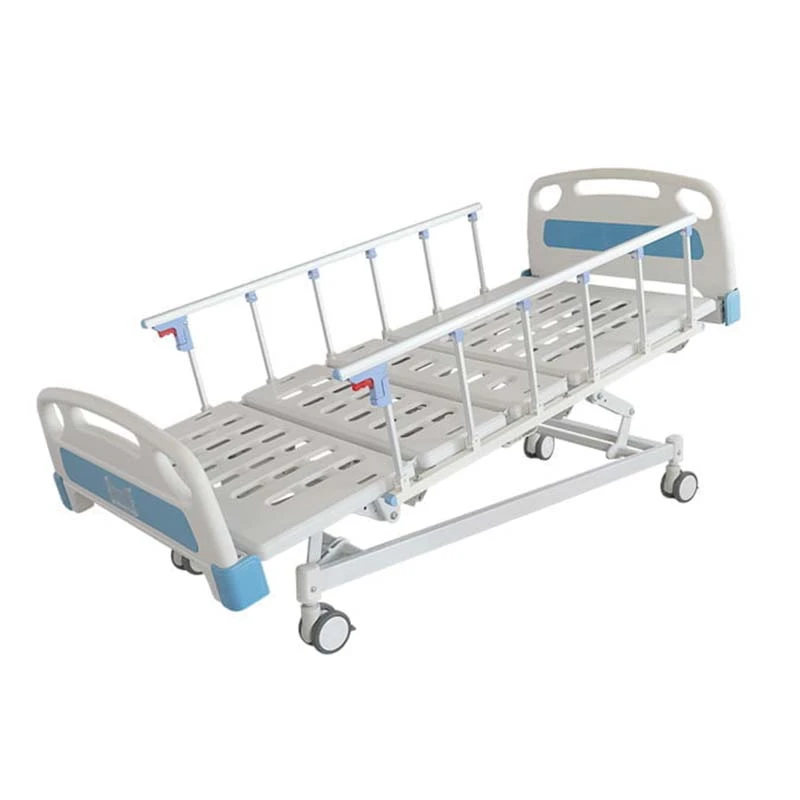
Some nursing beds include adjustable backrests, leg sections, or other positioning components. These features can help caregivers adapt the bed to different resting and care requirements.
For example, an adjustable backrest may support a raised upper-body position during selected activities, while other sections may help accommodate different resting postures. The actual functions vary by model, so buyers should request a detailed specification sheet.
It is also important to confirm whether the turning mechanism can operate together with other adjustment functions and whether there are restrictions on simultaneous movements.
3. Stable Frame and Durable Construction
A nursing bed needs a stable structure to support the user during normal operation. Its frame, joints, moving sections, and locking components all contribute to overall stability.
For senior care facilities, durability is particularly important because beds may be used every day over extended periods. Procurement teams should review the specified safe working load, frame materials, bed dimensions, and product testing documentation.
If the bed contains powered or moving mechanisms, buyers should also confirm the inspection and maintenance requirements for those components.
4. User-Friendly Controls
Caregivers need to understand how to operate a nursing bed correctly. Depending on the model, turning and positioning functions may be controlled manually or electrically.
Purchasers should evaluate the location and clarity of controls, ease of operation, movement response, and available locking features. The instructions should explain how to position the resident safely and what to do if the mechanism stops working.
Appropriate training is essential before staff use the bed with residents, particularly when its functions involve powered movement or lateral turning.
5. Cleaning and Routine Maintenance
Senior care facilities need equipment that can be cleaned and maintained according to their infection prevention procedures. The mattress platform, bed frame, and accessible surfaces should be compatible with the cleaning products and methods permitted by the manufacturer.
Buyers should ask about recommended inspection intervals, replacement parts, warranty coverage, and maintenance procedures. Clear documentation can help facility managers plan routine servicing and reduce avoidable equipment downtime.
Benefits for Senior Care Facilities
Supporting Daily Care Routines
Residents who have difficulty moving independently may require assistance with repositioning, personal care, and other daily activities. A suitable turning nursing bed can provide additional positioning options and help caregivers organize selected care tasks.
The actual benefit depends on the bed's design and the resident's needs. Care teams should determine whether the bed is appropriate for each user rather than assuming that every resident will benefit from the same functions.
Helping Caregivers Manage Physical Tasks
Repositioning residents manually can require careful coordination and appropriate handling techniques. A bed with a suitable turning function may reduce some manual movements during specific procedures.
However, the bed does not eliminate the need for trained staff, proper transfer methods, or additional assistance when required. Caregivers should always follow the resident's care plan and the manufacturer's operating instructions.
Providing Flexible Positioning Options
Different residents may need different resting positions depending on comfort, mobility, and medical requirements. Adjustable nursing beds can provide more positioning choices than fixed beds.
For senior care facilities, the important consideration is whether those options are useful for the residents they serve. Buyers should assess the actual functions and avoid paying for features that do not match their operational needs.
Supporting Equipment Standardization
For facilities purchasing multiple beds, choosing models with consistent controls and operating procedures may simplify staff training and maintenance planning. Standardization can also help procurement teams manage spare parts and equipment records.
Before standardizing a model, facilities should test its suitability for their resident population and verify its technical specifications, documentation, and service arrangements.
Applications in Different Senior Care Environments
Nursing Homes
Nursing homes provide ongoing support to older adults with different levels of mobility and independence. Turning nursing beds may be considered for residents who need assistance with repositioning as part of their individual care plans.
Facility managers should evaluate comfort, safe working load, mattress compatibility, cleaning requirements, and ease of operation before purchasing.
Long-Term Care Facilities
Residents in long-term care settings may need consistent support with daily activities over extended periods. Nursing beds with appropriate positioning functions can form part of a broader care arrangement.
Selection should be based on resident assessments, staff workflows, and the facility's procedures. The bed should also be compatible with the organization's maintenance and infection prevention requirements.
Rehabilitation Centers
Rehabilitation centers may serve older adults recovering from illness, injury, or surgery. Depending on the patient's condition, an adjustable nursing bed can support selected resting and positioning needs.
Healthcare professionals should decide whether a turning function is appropriate and how it should be used during recovery. The equipment should complement, rather than replace, professional rehabilitation and nursing care.
Home-Based Elderly Care
Some nursing beds may be suitable for home care when a person needs assistance with positioning. However, buyers must confirm that the specific model is appropriate for residential use.
Important considerations include room dimensions, access through doorways, available power supply where applicable, caregiver training, and maintenance support. A healthcare professional should help assess the resident's needs before equipment is selected.
How to Choose the Right Turning Nursing Bed
Choosing a suitable bed requires a clear understanding of the residents' needs and the facility's operating requirements.
Define the intended use. Identify the types of residents who will use the bed and the care tasks it must support. Consider mobility levels, positioning needs, and the available space in the room.
Check the turning mechanism. Request information about turning direction, movement range, available positions, control method, and any restrictions. Confirm whether the bed provides the functions required by the facility.
Review load capacity and dimensions. Verify the safe working load, mattress platform size, overall dimensions, and clearance requirements. Ensure that the bed is compatible with the intended mattress and accessories.
Assess safety features. Ask about locking mechanisms, movement limits, emergency procedures where applicable, and operating instructions. Confirm which safety standards and regulatory requirements apply in the destination market.
Evaluate cleaning and maintenance. Review the cleaning instructions, inspection schedule, warranty, and spare-part availability. A clear maintenance plan can help facilities manage equipment throughout its service life.
Verify supplier documentation. Request accurate product specifications, relevant certificates, instructions for use, and quality documentation. Certification should be verified for the specific product and intended market rather than assumed from a supplier's general product range.
Confirm delivery and after-sales arrangements. For bulk orders, clarify order quantities, lead times, packaging, shipping terms, and procedures for addressing quality issues. Reliable communication helps reduce procurement uncertainty.
Hebei Zhaofa Technology: Medical Equipment Manufacturing
Hebei Zhaofa Technology Co., LTD was founded in 2014 and specializes in medical care equipment, including hospital beds, hydraulic lift transfer equipment, bedside cabinets, wheelchairs, walkers, and crutches. The company has more than 10 years of production experience and serves customers looking for equipment for patient care and healthcare environments.
The company operates a 5,000-square-meter facility with more than 60 employees. Its production setup includes a complete production line, two welding workshops, a spray workshop, a shot blasting workshop, and two packaging workshops. These facilities support manufacturing processes and product preparation for different medical equipment categories.
Quality control is an important part of the company's operations. Hebei Zhaofa Technology reports that it follows strict quality inspection procedures and maintains a quality management system. The company also states that most of its products have ISO 13485 and CE certifications. Buyers should confirm the specific certificates and their applicability to the turning and rotating nursing bed model under consideration.
For nursing home operators, medical equipment distributors, and healthcare project purchasers, clear communication is essential. Buyers should provide details about the intended application, required turning functions, bed dimensions, expected order quantity, destination market, and delivery schedule.
Before placing an order, purchasers should request model-specific specifications, product images, operating instructions, available accessories, and applicable compliance documentation. These details help buyers determine whether a particular nursing bed matches the needs of their facility.
Conclusion
Turning and rotating nursing beds can provide useful positioning options for selected senior care applications. Their suitability depends on the actual turning mechanism, structural stability, ease of operation, maintenance requirements, and the needs of the residents who will use them.
Nursing homes, long-term care facilities, rehabilitation centers, and medical equipment distributors should compare technical specifications, safety documentation, supplier capabilities, and after-sales support before purchasing.
With its experience in medical equipment manufacturing, production facilities, and quality inspection processes, Hebei Zhaofa Technology Co., LTD offers a range of patient care products for healthcare-related markets. By confirming the specific bed functions and applicable documentation before ordering, buyers can make more informed decisions and select equipment that fits their care environment.